
Hear from Our Customers
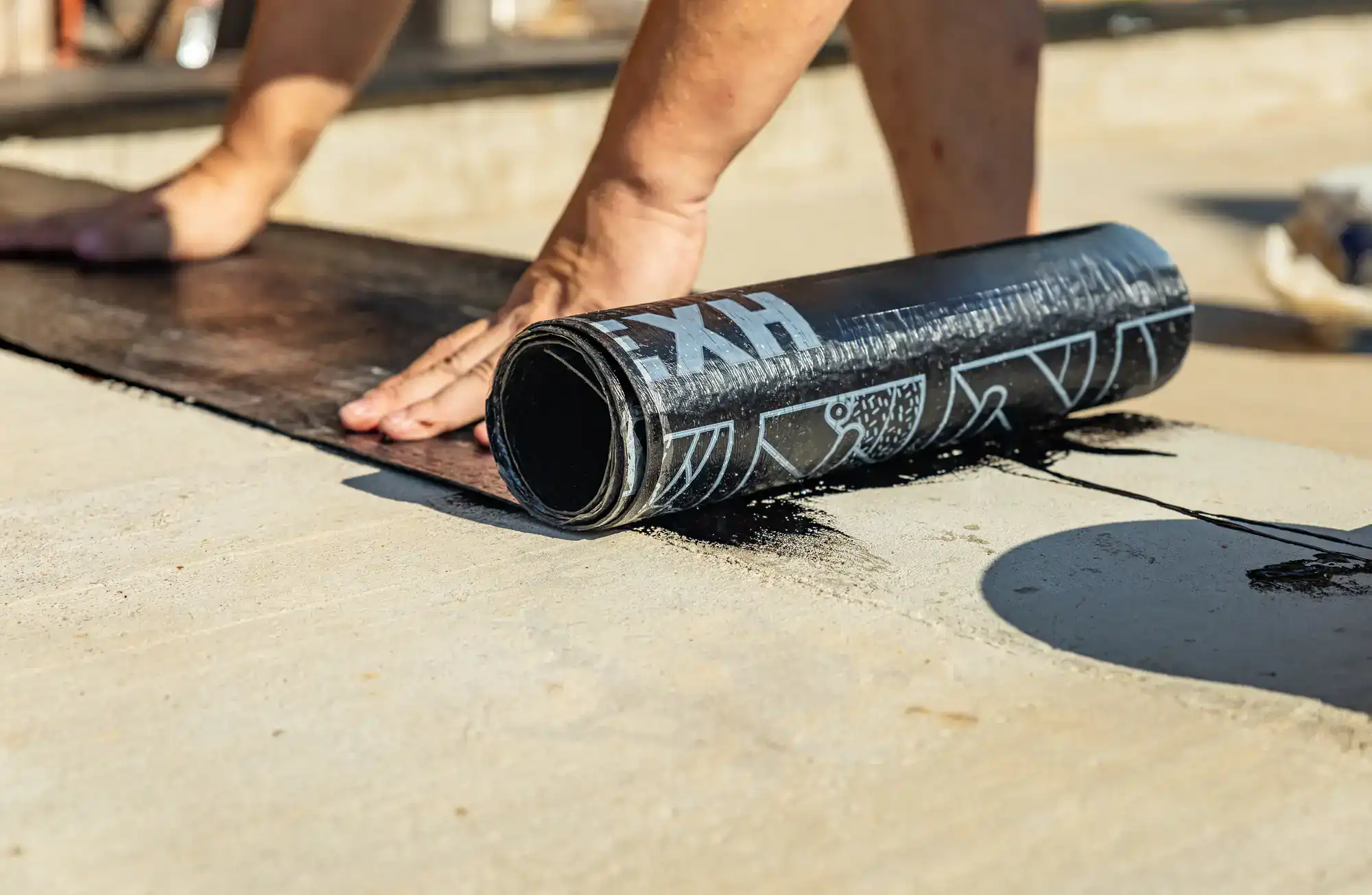
Homes in West Sayville are worth real money median values are pushing $660,000 and climbing. A wet basement doesn’t just make the space unusable. It shows up on inspection reports, spooks buyers, and hands you a price reduction that costs more than the waterproofing ever would have. Getting ahead of it now is the financially sound move.
Living this close to the Great South Bay means your water table isn’t behaving like it does in Farmingville or Holbrook. After a nor’easter or a heavy storm pushes bay water levels up, that pressure transfers directly to your foundation walls and floor slab. Most of the ranch homes and Cape Cods in West Sayville were built in the 1940s through 1960s and whatever dampproofing was applied back then is long gone. The foundation has been absorbing that pressure for decades with nothing protecting it.
When that changes when water stops finding its way in the basement becomes usable space again. The dehumidifier stops running 24/7. The musty smell that’s been creeping upstairs goes away. And if you ever do sell, a documented waterproofing warranty is a line item that removes one of the most common inspection red flags on South Shore properties.
We work across Long Island’s South Shore, which means the conditions in West Sayville aren’t new to us. The elevated water table. The aging block foundations. The way the ground saturates differently here than it does five miles inland. We’ve handled projects in Oakdale, Bay Shore, and Bayport, but West Sayville’s specific challenges that proximity to the bay, those decades-old foundations, the seasonal water pressure spikes are part of our standard scope.
We show up, inspect the actual problem, and tell you what’s causing it before we recommend anything. No phone quotes, no pressure to sign the same day. If a crack can be sealed for under a thousand dollars, that’s what we’ll tell you. If the situation calls for a full interior drainage system, we’ll explain exactly why with documentation you can look at yourself.
West Sayville is a tight-knit place. People talk. We work like our reputation depends on the next conversation your neighbor has about us because it does.
It starts with a real inspection not a walk-through designed to sell you something, but a genuine assessment of what’s happening with your foundation. We check the walls for crack patterns, look for efflorescence (that white mineral residue that tells you moisture has been migrating through the concrete for a while), assess the sump pit and pump condition, and evaluate how water is moving around the perimeter of your home. Given West Sayville’s low elevation and proximity to the bay, that last part matters more here than it does in most places.
From there, we give you a written, itemized estimate. You’ll know exactly what work is being proposed, what materials are going in, what the total cost is, and what the warranty covers. No vague scopes. No surprises on the final invoice.
When the work begins, we handle the process cleanly including any permits required through the Town of Islip Building Division. Sump pit excavation and certain drainage installations require permits in this jurisdiction, and we manage that as part of the job. When we’re done, your basement is drier, your foundation is protected, and you have documentation in hand.
Ready to get started?
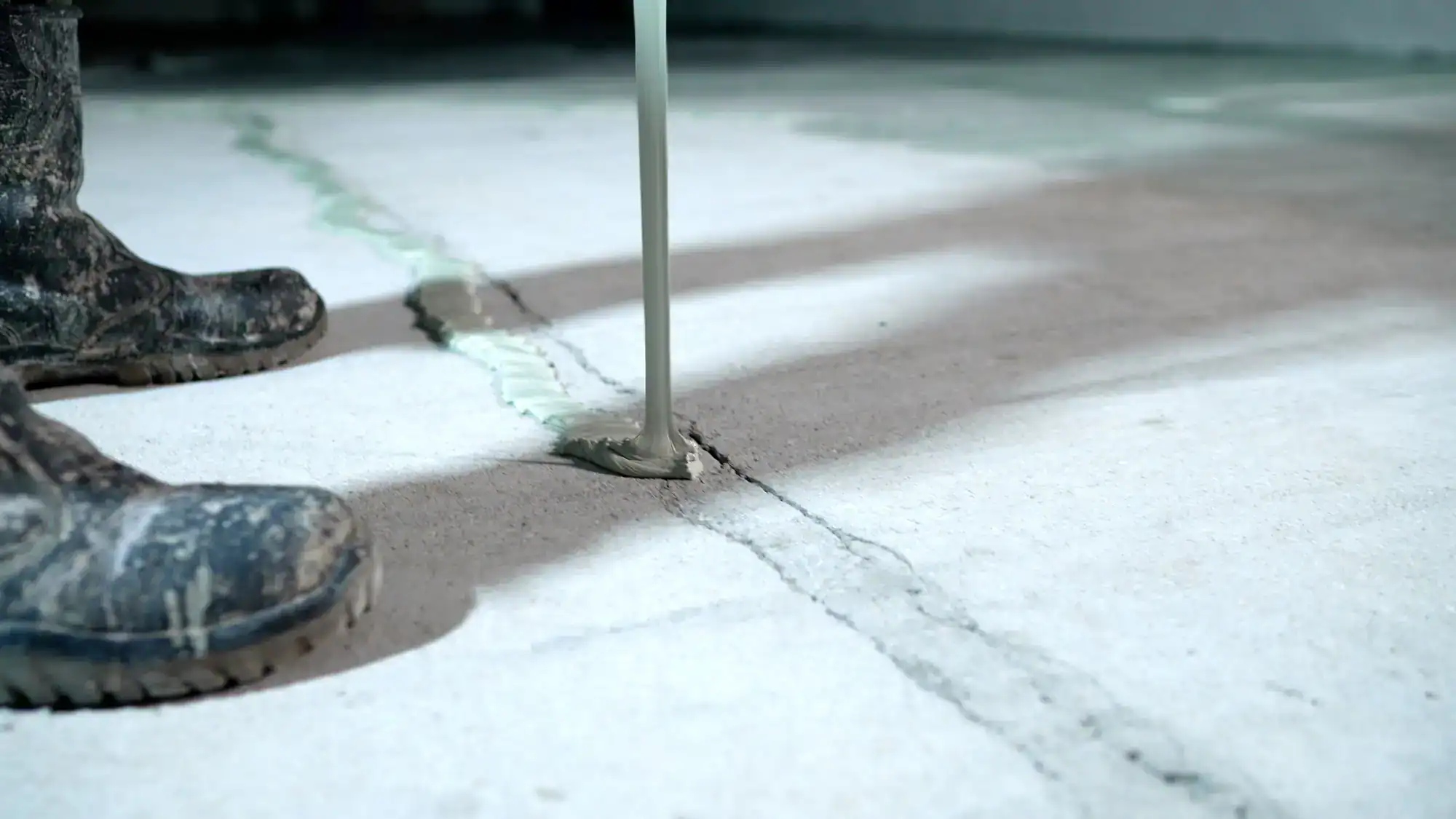
Basement waterproofing in West Sayville isn’t one-size-fits-all. For homes with active cracks and in a neighborhood full of 60-to-80-year-old concrete block foundations, that’s most of them foundation crack sealing using epoxy or polyurethane injection stops water at the entry point and restores structural integrity to the wall. It’s the most cost-effective intervention available when the problem is caught before it spreads.
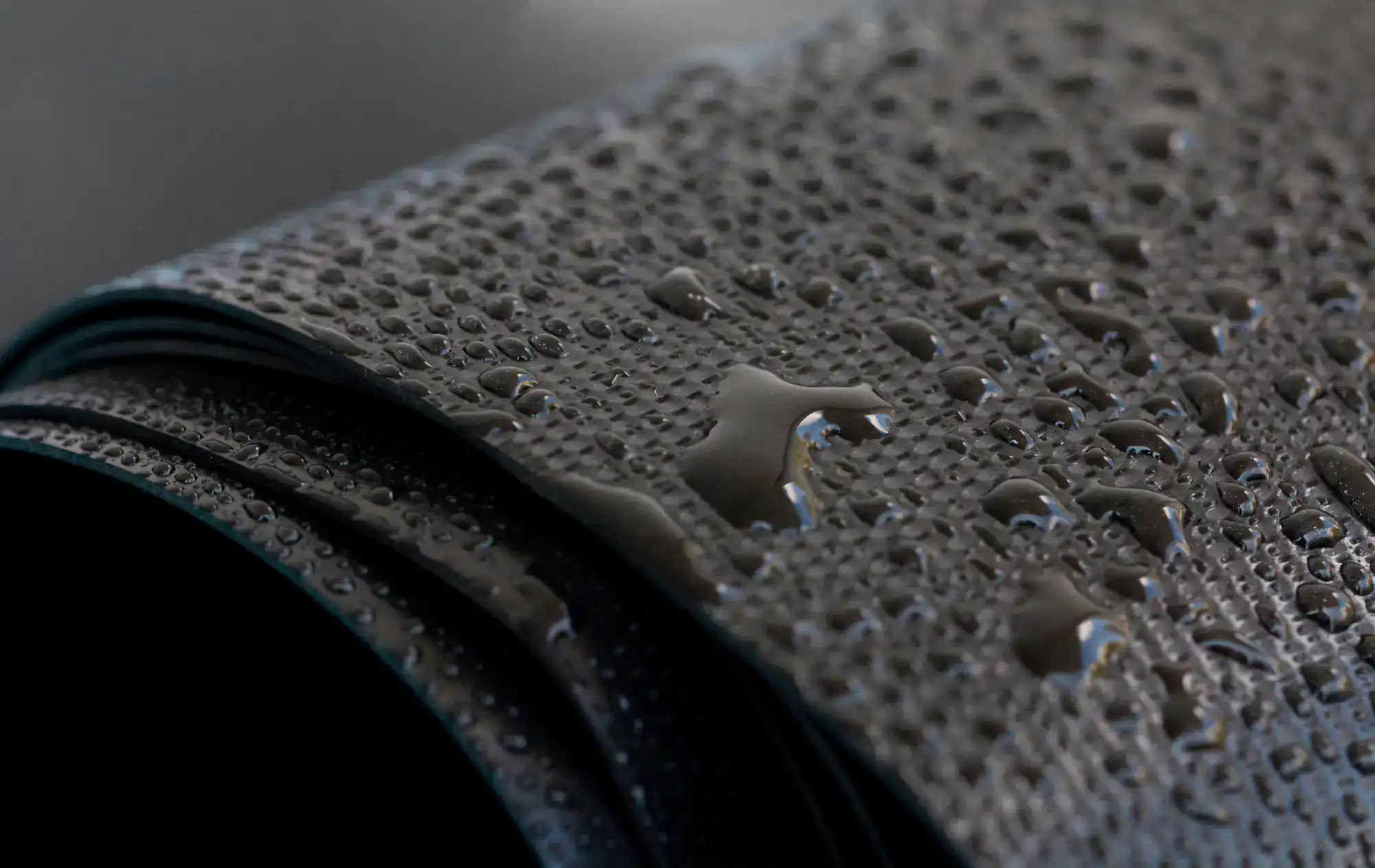
For homes where water is coming in along the floor-wall joint or through multiple points in the perimeter, interior drainage systems channel that water to a properly sized sump pit before it can spread across the floor. Waterproofing basement walls with a drainage membrane behind the wall keeps hydrostatic pressure from building up and forces water down and away from the living space. In a coastal community where the water table can rise quickly during storm events, this setup isn’t a luxury it’s practical protection.
Sump pump installation is part of nearly every job we do in this area. We size the pump correctly for the volume of water your specific property deals with, and we include battery backup so your basement stays protected even when the power goes out which, on the South Shore during a nor’easter, is exactly when you need it most. All work is permitted and documented through the Town of Islip where required.
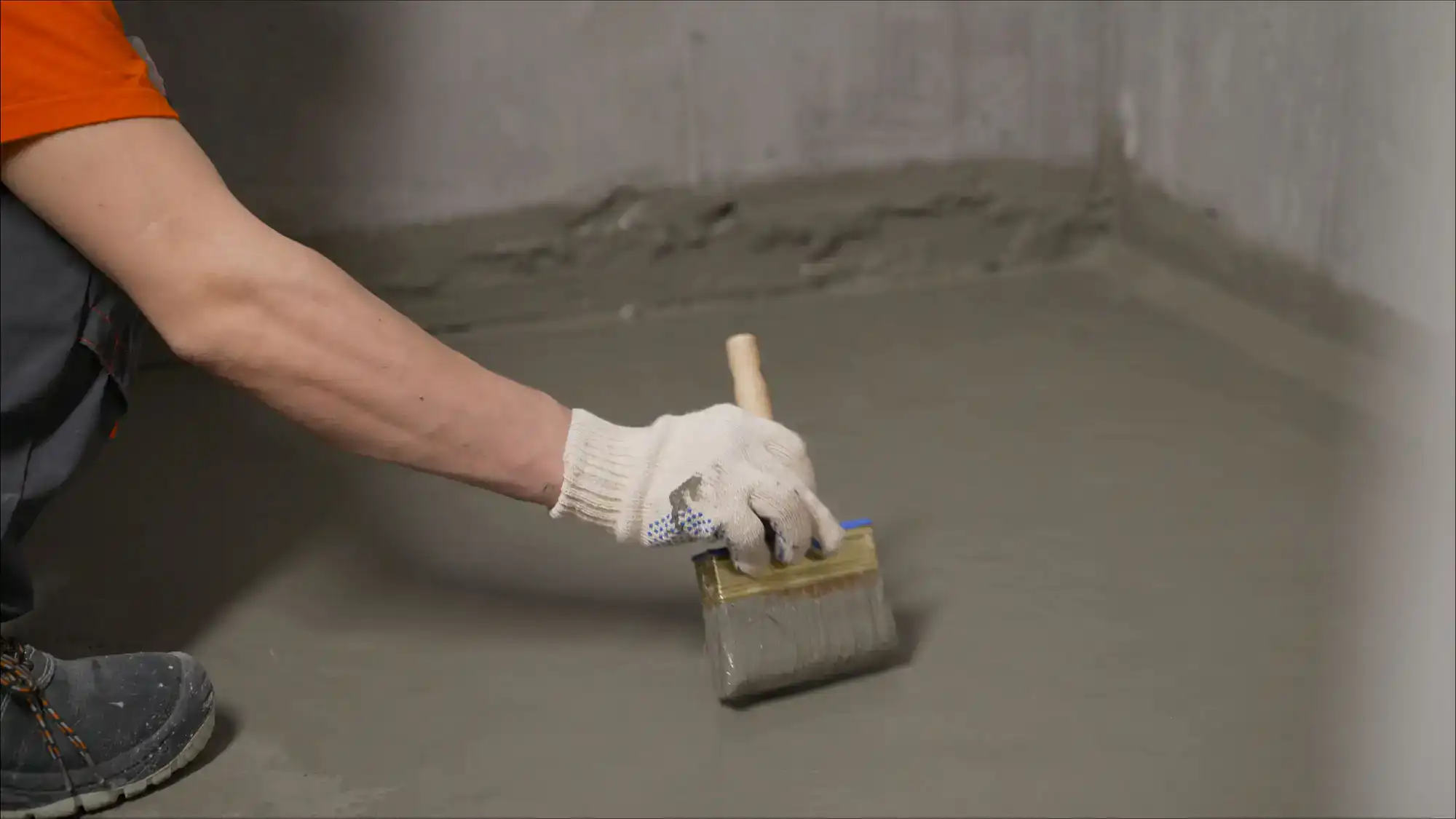
The short answer is geography. West Sayville sits at roughly 13 feet above sea level directly on the Great South Bay, and the water table beneath the community is naturally higher than what you’d find in inland Long Island towns. When heavy rain hits or when a storm pushes bay water levels up that water table rises fast, and the hydrostatic pressure it creates pushes against your foundation walls and floor slab from the outside in.
Most homes in West Sayville were built between the 1940s and 1960s. The original dampproofing applied to those foundations, if any was applied at all, has long since broken down. What’s left is bare concrete or concrete block with no real barrier between the saturated soil and your basement. Every crack, every joint, every porous section of that wall becomes a potential entry point. The fix depends on where the water is coming in and how which is why a proper inspection matters more than a phone quote.
It depends on what the problem actually is, which is why we don’t quote over the phone. That said, here’s a realistic range so you’re not going in blind. Foundation crack sealing via epoxy or polyurethane injection typically runs $800 to $1,500 per crack often the most cost-effective fix when the issue is isolated. A full interior drainage system for a typical West Sayville basement runs roughly $4,500 to $10,000 depending on the perimeter length and what’s involved. Sump pump installation generally falls between $600 and $1,900, including the pit if one needs to be cut.
The average homeowner spending on comprehensive basement waterproofing is around $13,000 but that number covers full-system installs. Many West Sayville jobs come in well below that when the problem is caught early and addressed at the source. What’s worth keeping in mind is the comparison: mold remediation after a significant moisture event averages $2,000 to $6,000, and structural foundation repairs can run $10,000 to $30,000 or more. Early intervention is almost always the better financial decision.
It’s a real fix but it’s worth understanding what it’s actually doing. Interior waterproofing doesn’t stop water from reaching the outside of your foundation. What it does is intercept that water at the base of the wall before it can spread across your floor, channel it to a sump pit, and discharge it safely away from the structure. For a bay-adjacent community like West Sayville, where full exterior excavation is often impractical mature landscaping, driveways, fences, or structures close to the foundation make digging around the perimeter a major undertaking interior systems are the professionally engineered solution that addresses the root cause.
The key is making sure the system is properly sized and installed. A drainage channel that’s too narrow for the volume of water your property deals with, or a sump pump that’s undersized for the load, won’t hold up when a nor’easter drives bay water levels up and your water table follows. We design the system around what your specific property actually experiences not a generic spec.
Yes, in most cases. West Sayville falls under the jurisdiction of the Town of Islip Building Division, and certain basement waterproofing work requires permits. Cutting through a concrete slab to install a sump pit typically requires a permit. Interior drainage system installation that involves significant excavation along the foundation perimeter may also require one. Any work that affects how stormwater is discharged including where the sump pump outlets needs to comply with Suffolk County Department of Health Services regulations. Discharge can’t go directly to the street or onto a neighboring property; it needs to be directed to a dry well or an approved discharge point.
We handle the permitting process as part of the job. You don’t need to figure out what forms to file or which office to call that’s on us. It’s also worth noting that unpermitted work can create complications when you sell the property, so doing it right from the start protects you on both ends.
Not every crack is a structural emergency, but none of them should be ignored especially in a coastal community where water pressure against the foundation is higher than average. Vertical cracks in poured concrete walls are usually the result of normal concrete shrinkage and are typically addressed with epoxy or polyurethane injection. Horizontal cracks are more serious they can indicate lateral soil pressure pushing against the wall, which is a structural concern that goes beyond standard waterproofing. Stair-step cracks in concrete block foundations, which are common in West Sayville’s older housing stock, usually indicate settlement or water-related deterioration and need to be evaluated carefully.
The freeze-thaw cycles Long Island gets every winter make this more urgent than it might seem. A hairline crack that’s barely noticeable in October can widen measurably by March after several hard freezes. Each cycle pushes the crack a little further. The longer it goes without being addressed, the more expensive the repair becomes and the more structural risk accumulates. An in-person inspection is the only way to know for certain what you’re dealing with.
Done correctly, a basement waterproofing system should last the life of the home. The drainage components, sump pump, and wall membranes are designed for long-term performance not a temporary fix that needs to be redone in five years. Sump pumps are the one component with a defined service life; a quality pump typically runs seven to ten years before it should be inspected and potentially replaced, which is why battery backup systems matter in a place like West Sayville where storm-related power outages are a real seasonal factor.
On the warranty side yes, transferability matters here. With median home values in West Sayville approaching $660,000, your basement waterproofing is a documented home improvement, not just a maintenance expense. A transferable warranty removes one of the most common red flags that comes up during buyer inspections on South Shore properties. When a buyer’s inspector flags basement moisture history, a transferable warranty from a licensed contractor gives buyers confidence and keeps the deal from falling apart over a line item that’s already been professionally addressed. We provide written warranty documentation that clearly specifies what’s covered and how it transfers.