
Hear from Our Customers
Most Baywood homeowners don’t call a land clearing contractor because they want a project. They call because something has gotten out of hand a back corner overtaken by bittersweet, a fence line buried in brush, or an inherited property that hasn’t been touched in years. What you actually want is simple: a lot that’s clean, usable, and not going to trigger a stop-work order from the Town of Islip.
Baywood’s housing stock tells the story. These are post-war homes on generous lots the kind where mature oaks and established shrub lines are the norm, not the exception. Decades of growth don’t clear themselves, and the native oak-brush vegetation common to this part of Suffolk County the same plant communities you’ll find in the Edgewood Oak Brush Plains Preserve just north of here takes real equipment and real knowledge to remove properly.
The outcome you’re after isn’t just cleared land. It’s a lot that’s ready for whatever comes next landscaping, construction, or simply being able to use your own yard again handled correctly the first time, with no debris left behind and no permit surprises waiting for you after the fact.
We work across the Town of Islip’s South Shore corridor Baywood, Bay Shore, West Islip, Brentwood, Deer Park and the work here is specific. The vegetation is specific. The Town of Islip’s land clearing permit process is specific. And the consequences of skipping steps are real.
We’ve dealt with the Town’s Planning and Development Department, navigated NYSDEC freshwater wetland requirements, and cleared the kind of lots that Baywood actually has large, mature, and in many cases carrying decades of unchecked growth. That experience matters when you’re trying to get a job done right without a code enforcement issue landing in your mailbox two weeks later.
When you call Gold Coast Landworks, you’re talking to people who have worked on properties in Baywood not a national call center routing your job to whoever’s available. That’s the difference between a contractor who knows this area and one who’s just added it to a list.
It starts with a site assessment. Before anything is quoted, we walk the property looking at what’s there, what’s protected, what’s invasive, and what the Town of Islip is going to require before clearing can begin. If your property needs a Land Clearing Permit Application through Islip’s Planning and Development Department, we tell you upfront, not after the equipment shows up.
From there, you get an itemized quote. Clearing, stump grinding, debris removal each line is separate so you know exactly what you’re paying for and why. No lump sums that balloon once work starts. If the scope changes, that conversation happens before the work changes.
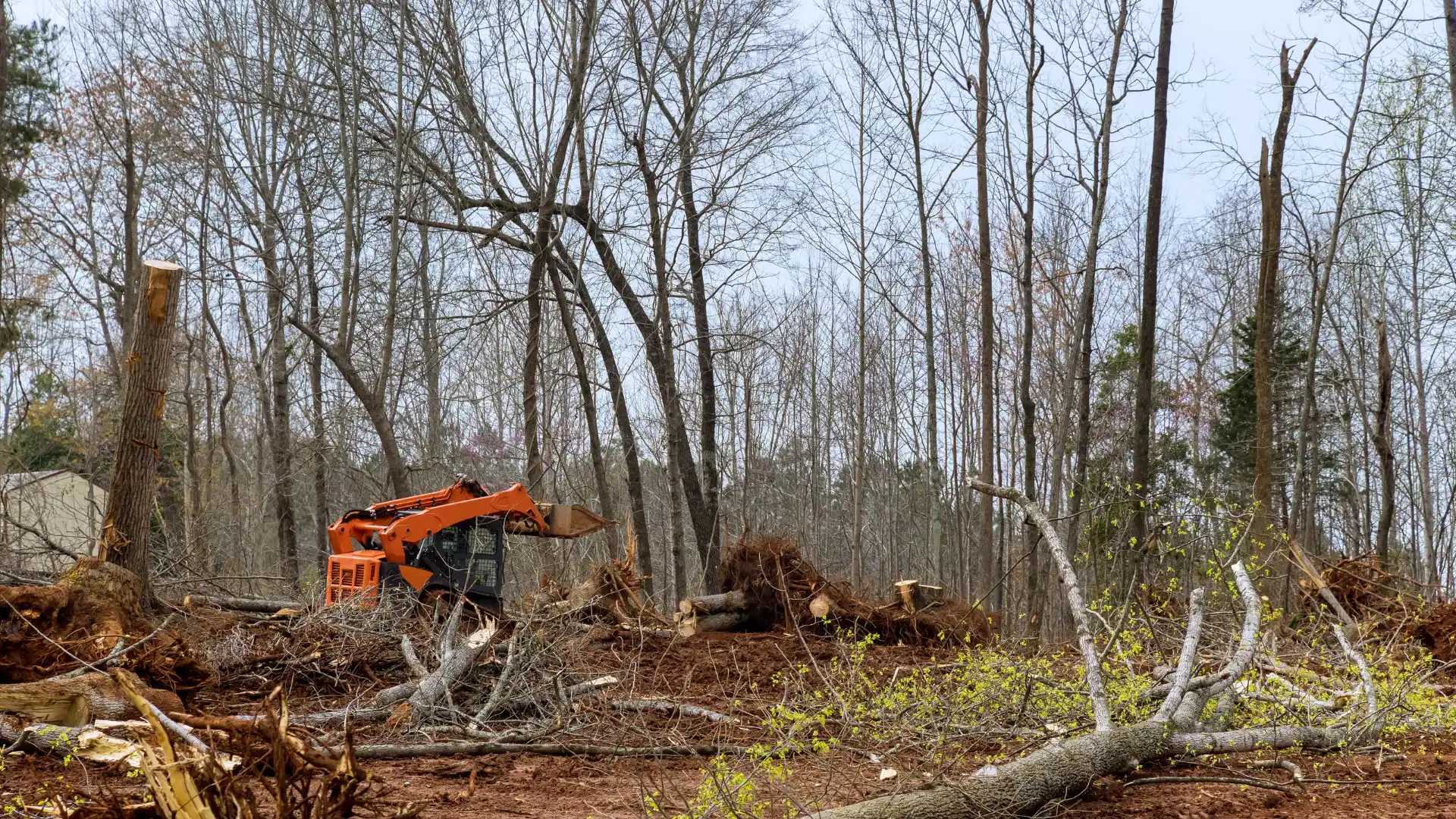
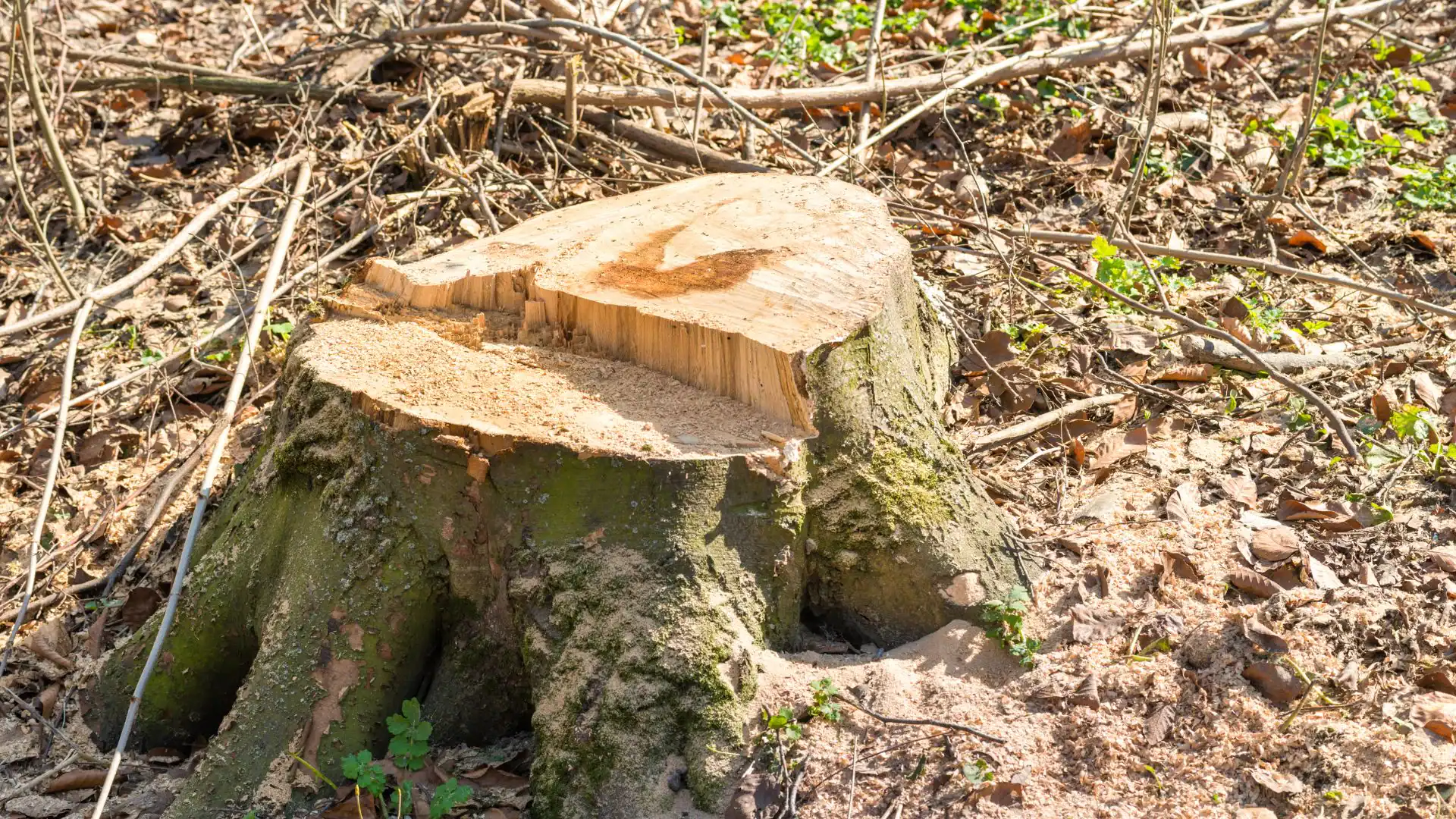
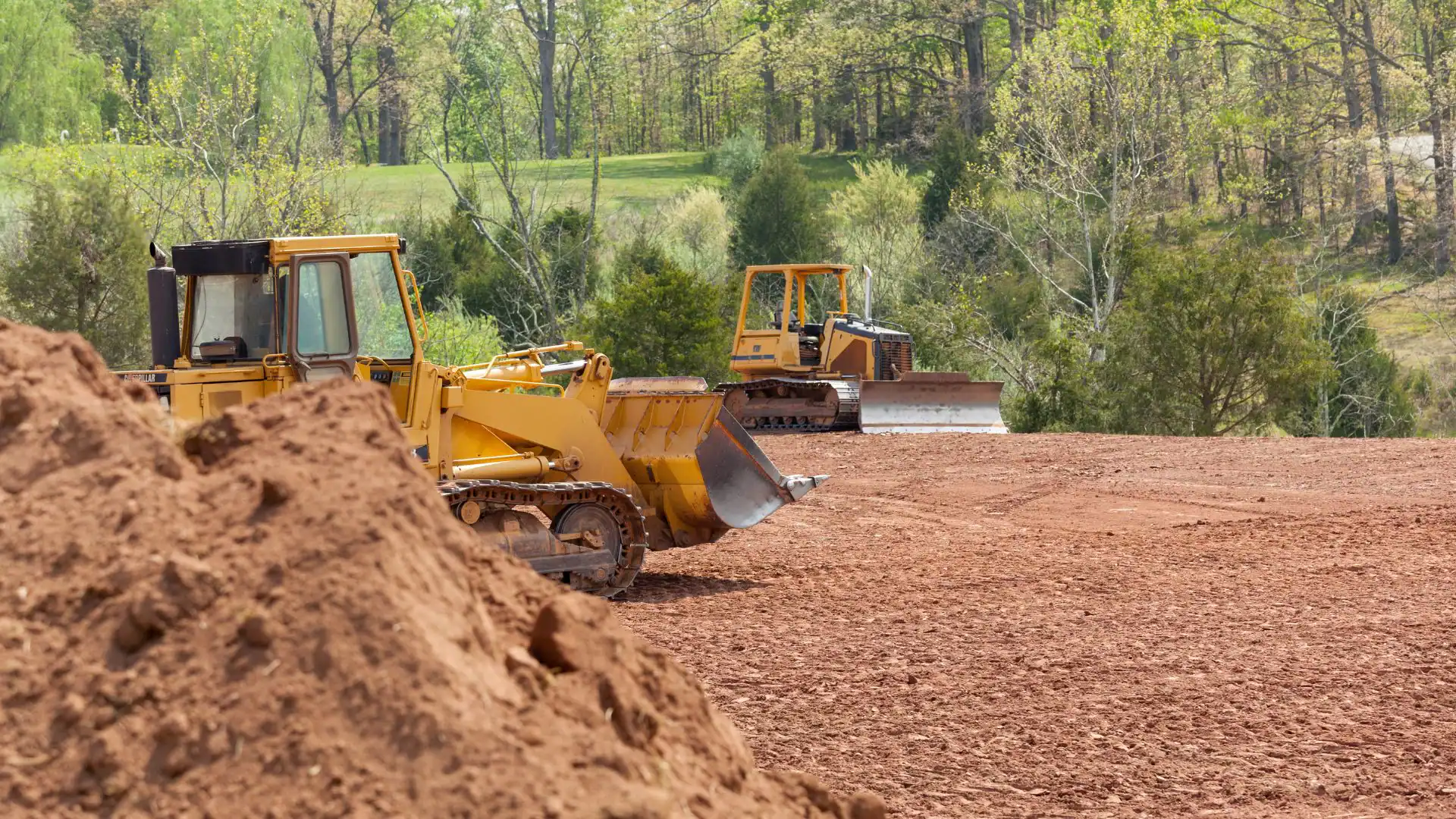
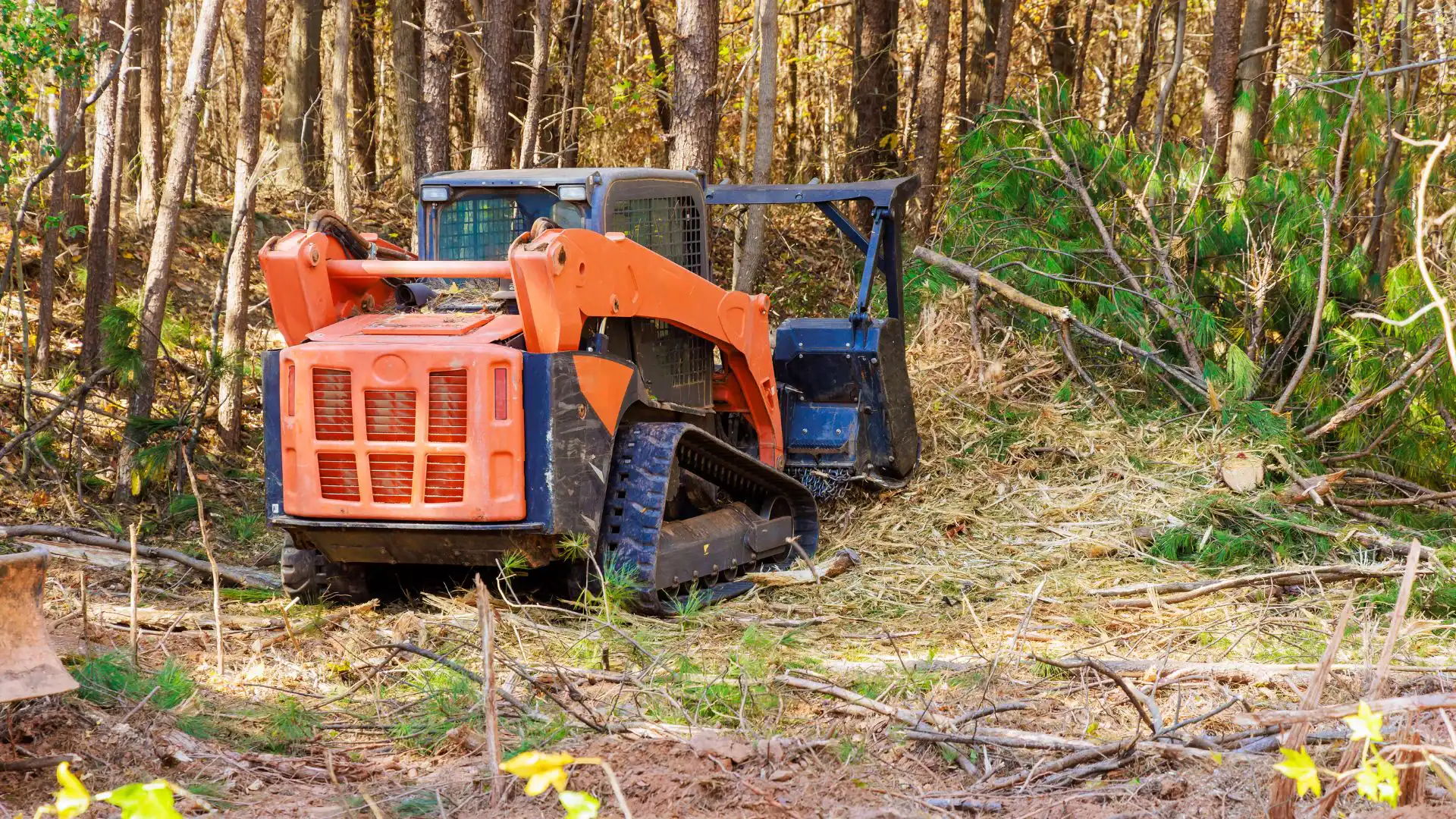
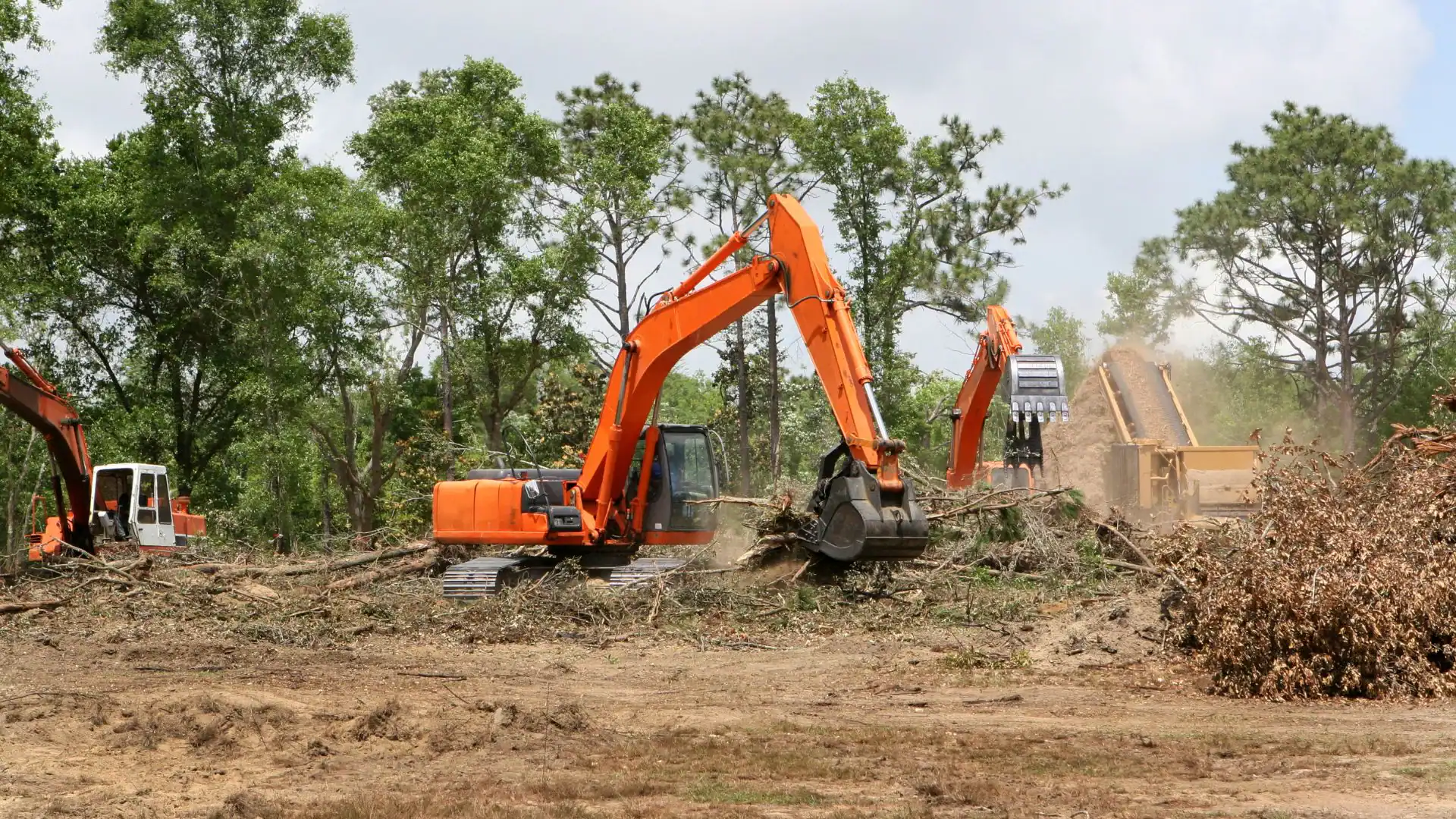
Once the permit is in order and the quote is signed, we execute the job from start to finish. For most Baywood residential lots, that means felling and removing trees, grinding stumps, clearing brush and invasive species down to the root system where needed, and hauling all debris off site. When we leave, the lot is clean. Not “mostly cleared with a pile of logs in the corner” actually clean and ready for whatever you have planned next.
Ready to get started?
Land clearing in Baywood isn’t one-size-fits-all. A lightly overgrown side yard off Bay Shore Road is a different job than a long-neglected estate property that hasn’t been touched since the 1990s. We handle both ends of that spectrum brush clearing and vegetation removal for manageable overgrowth, and full land reclamation for properties that need to be brought back from years of neglect.
Invasive species are a real factor on Long Island lots, and Baywood is no exception. Japanese knotweed, porcelain berry, oriental bittersweet, and Tree of Heaven all show up on properties in this area and each one requires a different removal approach. Cutting knotweed at ground level and walking away guarantees it comes back. We identify what’s on your property and remove it in a way that actually addresses the root system, not just what’s visible above ground.
Debris removal is included as standard. Baywood is a residential community there’s no back paddock to pile brush on and forget about. Every job ends with the site cleared, debris hauled, and the lot in a condition that’s genuinely ready for its next use. If you’re managing an inherited property, preparing a lot for construction, or simply reclaiming land that’s gotten away from you, the process is the same: assessed properly, quoted clearly, and executed completely.
In most cases, yes. The Town of Islip requires a formal Land Clearing Permit for the clearing of trees and brush on most properties, and that permit is administered through the Town’s Department of Planning and Development. The application requires a survey map or scaled drawing that clearly shows all areas to be cleared and all significant trees on the lot documentation that most homeowners don’t have sitting in a drawer.
This isn’t a technicality you can skip. Islip has active code enforcement, and clearing without the required permit can result in stop-work orders, fines, and mandatory replanting at your expense. Beyond the Town’s requirements, if any part of your property is near a drainage feature or mapped freshwater wetland, a separate NYSDEC Freshwater Wetlands Permit may also be required before clearing begins.
The good news is that navigating this process is manageable when you work with a contractor who already knows it. Before we quote any Baywood job, we assess what permits are required, what documentation needs to be prepared, and what the realistic timeline looks like. You go into the project knowing what’s required not finding out after something’s been flagged.
The honest answer is that cost depends heavily on what’s actually on the lot and in Baywood, that varies significantly from property to property. A standard residential lot with moderate brush and a few trees to remove will come in very differently than a long-neglected property with mature volunteer trees, dense invasive species, and stumps throughout. Most residential clearing jobs in this area fall somewhere between $1,500 and $6,000 depending on scope, with stump grinding, debris hauling, and permit-related costs either included or quoted as separate line items.
What you want to watch for is a quote that gives you a low headline number without specifying what’s included. If the quote doesn’t explicitly mention stump removal, debris disposal, and permit assistance, those costs are likely to show up later either as add-ons or as a separate job you need to hire someone else to finish.
We provide itemized quotes that break down every component of the job before work begins. You know what clearing costs, what stump grinding costs, what debris removal costs, and whether a permit is required and what that process involves. No surprises at invoice time.
Several invasive species are common on Long Island lots, and Baywood properties particularly older ones that haven’t been actively maintained tend to see a mix of them. Japanese knotweed is the most problematic. It spreads aggressively, its root system runs deep, and any fragment of root left in the soil after clearing will regrow. If you’ve tried cutting it back yourself and watched it return thicker than before, that’s why. Treating knotweed correctly means addressing the root system, not just the above-ground growth.
Porcelain berry and oriental bittersweet are common along fence lines and property boundaries they’re vigorous climbers that can overwhelm shrubs and small trees if left unchecked. Tree of Heaven, which is the preferred host plant for the Spotted Lanternfly, shows up frequently on neglected lots throughout the Brentwood and Baywood area and has become a biosecurity concern on top of a vegetation management one.
The practical issue with invasive species is that incorrect removal can make the problem worse. We identify what’s on your property during the site assessment and apply the right removal approach for each species so the clearing job actually solves the problem rather than just resetting it.
Brush clearing typically refers to the removal of low-growing vegetation shrubs, scrub, invasive ground cover, overgrown grass, and light undergrowth without necessarily involving tree felling or stump removal. It’s the right service when the lot has gotten away from you but the canopy is still manageable. A Baywood homeowner dealing with a fence line overtaken by bittersweet, or a side yard choked with native scrub, is usually looking at brush clearing rather than a full clearing operation.
Full land clearing is a broader scope of work. It involves felling trees, grinding stumps, removing all above-ground vegetation, and preparing the site for whatever comes next landscaping, construction, or a clean slate. This is the service most relevant to Baywood properties that are changing hands through estate sales or have been left unmanaged for an extended period.
The distinction matters for permitting, too. The Town of Islip’s land clearing permit requirements are triggered by the clearing of trees and brush, so even a brush clearing job may require a permit depending on the scope and what’s being removed. We assess this during the site walkthrough and tell you exactly what applies to your specific property before any work begins.
Both seasons work well for land clearing in this part of Suffolk County, but they have different practical advantages. Fall roughly September through November is often the preferred window for Baywood properties. Once the deciduous trees drop their leaves, you can actually see the full extent of what’s on the lot: how many volunteer trees have self-seeded along the back boundary, where the invasive species are concentrated, and what the true scope of the clearing job looks like. Ground conditions in fall are typically firm and accessible for equipment, and clearing in fall sets you up for a spring construction or landscaping start.
Spring clearing March through May is driven more by urgency. Buyers who closed on a Baywood property over winter often want the lot cleared before summer, and invasive species like Japanese knotweed begin aggressive above-ground growth in April and May, making early spring the right time to get ahead of an infestation before it establishes for the season.
Winter clearing is also possible and occasionally preferable for properties with heavy knotweed infestations frozen ground makes root removal more effective in some cases. The main constraint is shorter working days and weather delays. Year-round, the answer is the same: the sooner you assess the property, the sooner you know what you’re working with and what the timeline looks like.
It depends on the contractor and this is exactly the question to ask before you sign anything. Some clearing contractors will fell trees and cut brush to ground level, leaving stumps in place and debris piled on site. That’s technically “cleared,” but it’s not finished and in a residential area like Baywood, a lot full of stumps and brush piles isn’t usable for much.
We include debris removal as a standard part of every job. Baywood is a residential community with no rural back corner to pile material and forget about it. Leaving debris on site creates a code issue, a neighbor relations problem, and a practical obstacle to whatever you’re trying to do with the property next. When we leave, the lot is clean.
Stump grinding is quoted as a separate line item so you can see exactly what it costs but it’s part of the standard conversation on every job. If you’re clearing a Baywood lot for landscaping or construction, leaving stumps in the ground isn’t a real option. We make sure you understand what’s included, what’s separate, and what the finished result will actually look like before the job starts not after.