Hear from Our Customers
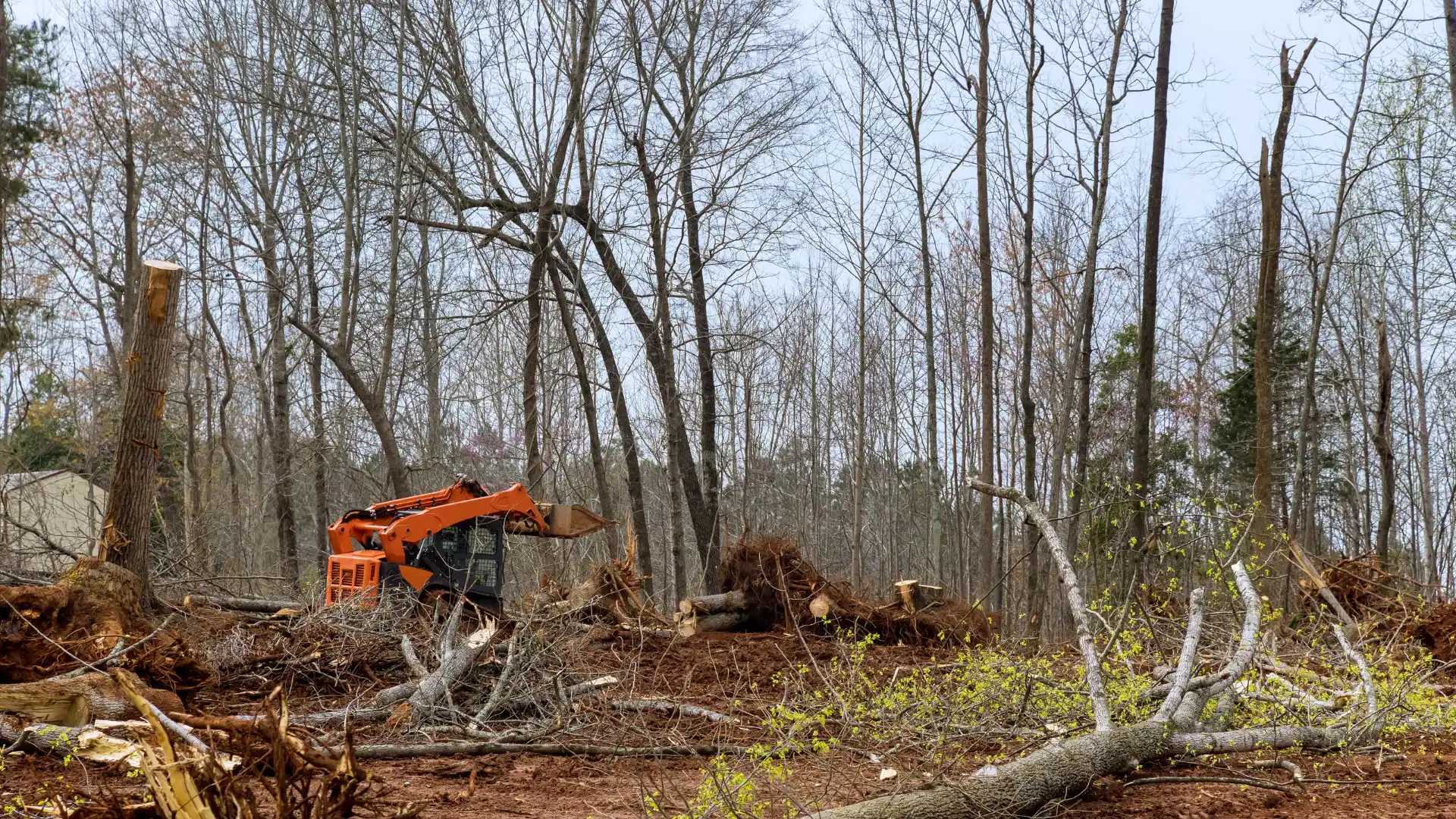
If your lot in Islip has been sitting overgrown for years, you already know what the problem looks like. Dense brush along the back fence, phragmites creeping in from a low-lying drainage area, bittersweet climbing through the tree line, or a rear yard so choked with invasive growth that you’ve stopped going back there. That’s not a landscaping problem. That’s a land clearing problem and cutting it back yourself only makes most of it worse.
The South Shore has some of the most aggressive invasive species pressure on Long Island. Properties near the Great South Bay, drainage channels, or low-lying ground in the Islip hamlet are especially vulnerable to phragmites colonization and Japanese knotweed spread two plants that return harder after surface cutting if the root system isn’t addressed. When the clearing is done right, those plants stop coming back, your drainage improves, and the lot stops being a liability.
What you’re left with is property you can actually use. Whether that means starting a new build, adding a structure, preparing for sale, or simply having a backyard again the outcome is the same. Clear ground, clean site, done properly the first time so you’re not calling someone back next season to do it again.
We’re a Long Island-based land clearing contractor serving Suffolk County. We know the South Shore the vegetation, the soil conditions, the wetland boundaries near the bay, and the Town of Islip’s local code requirements for clearing and tree removal. That’s not background noise. It’s what separates a job done right from one that creates a bigger problem down the road.
The Town of Islip has specific regulations under Chapter 57 of its local code governing tree removal and land clearing, and certain residential zoning districts require a permit before any clearing begins under the Subdivision and Land Development Regulations. We check those requirements before we quote your job not after equipment is already on site.
From the Islip hamlet’s older residential lots to overgrown properties near East Islip and Islip Terrace, we’ve seen the full range of what South Shore land looks like when it’s been left alone too long. We give you a straight assessment, a clear quote, and a crew that follows through.
It starts with a site visit. Before anything gets quoted, we come out and walk the property with you. We assess what’s there the vegetation type, the density, whether there are invasive species that need root-level treatment, and whether any part of the lot sits near a wetland buffer or drainage area that requires NYSDEC awareness before work begins. For properties near the Great South Bay or low-lying sections of the Islip hamlet, that step isn’t optional. It’s what keeps you out of a regulatory problem you didn’t see coming.
After the site visit, you get an itemised quote. Clearing scope, stump removal, invasive species treatment if required, and debris disposal are listed as separate line items. You know exactly what you’re paying for before we start. No lump sums that expand at invoice time.
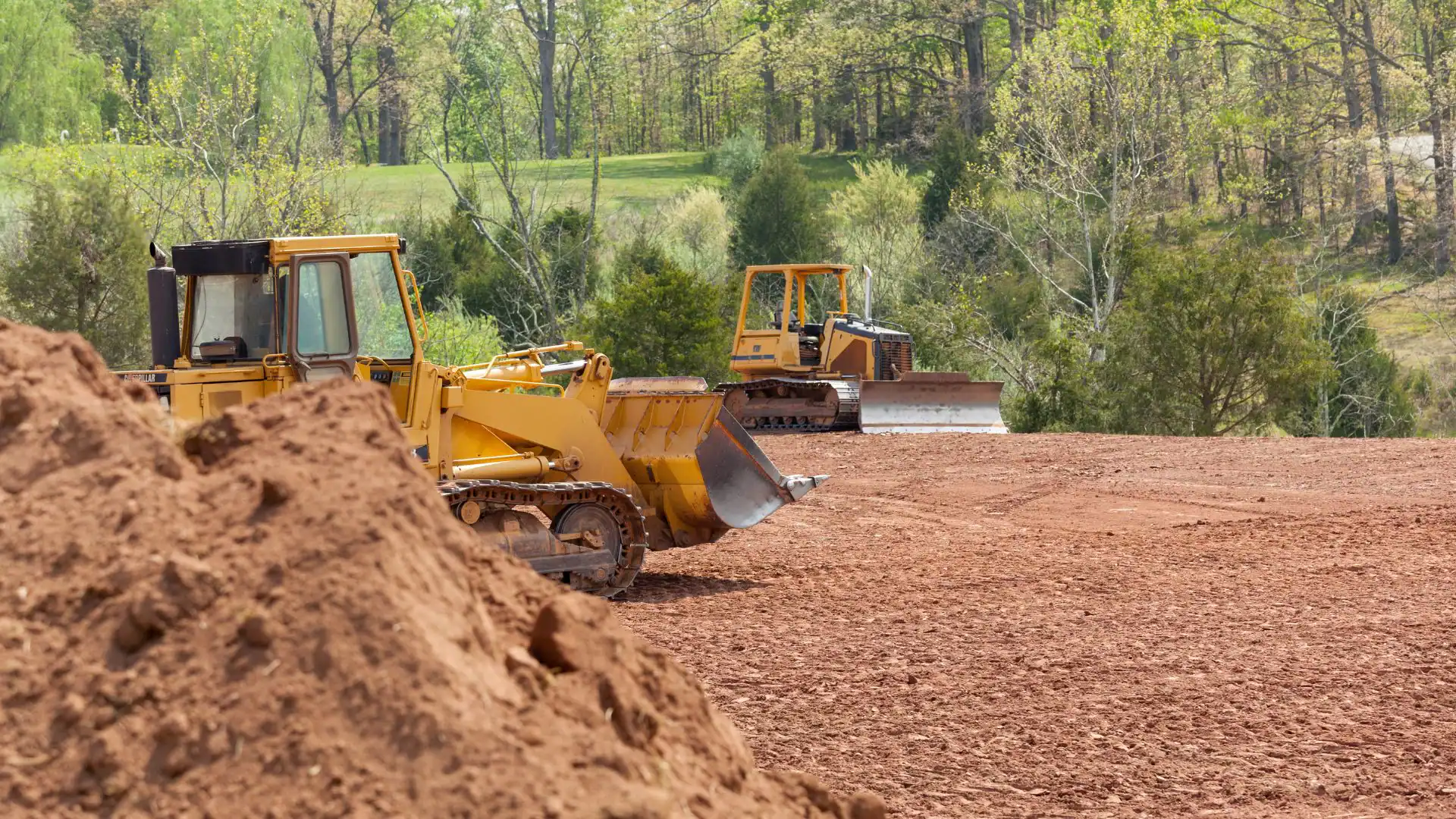
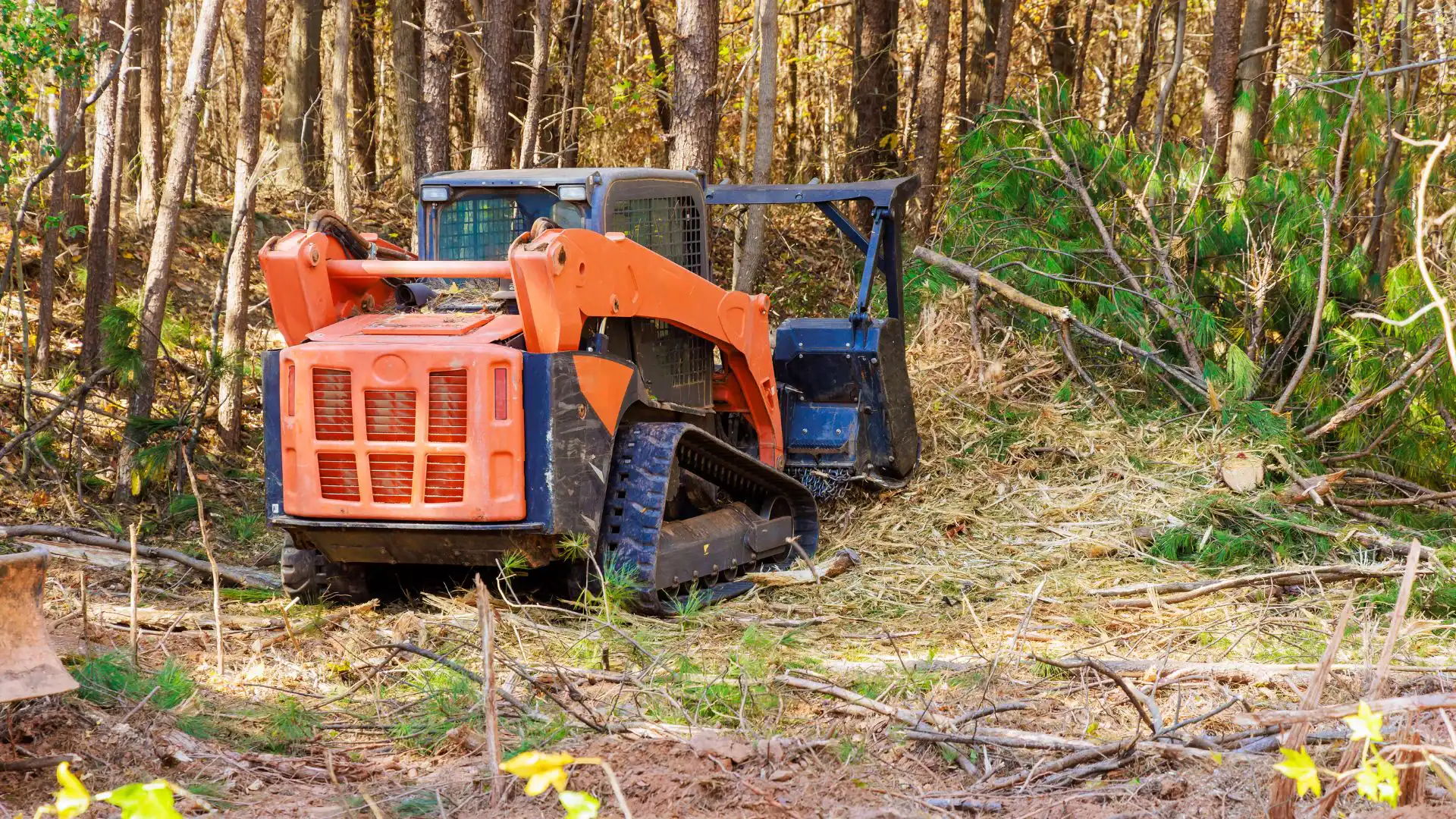
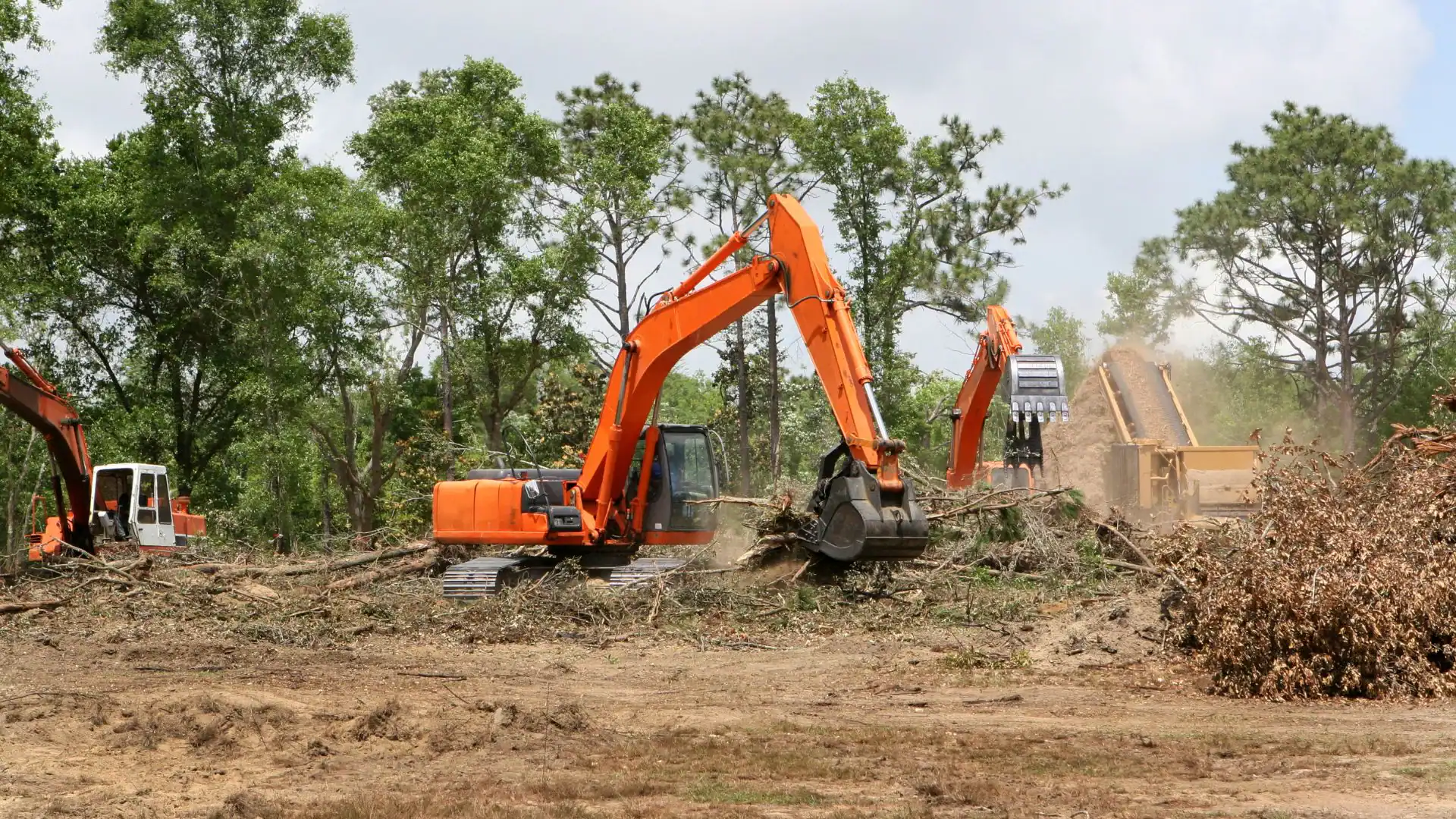
Once the job is scheduled, we show up. The clearing work is done methodically surface vegetation first, then root systems for any invasive species that require it, then stump grinding if included, then debris removal and site cleanup. When we leave, the lot is clean. Not partially cleared with debris stacked in the corner actually clean and ready for whatever comes next, whether that’s a builder, a landscaper, or just a yard you can use again.
Ready to get started?
Land clearing in Islip isn’t one-size work. A waterfront-adjacent lot near the Great South Bay with phragmites and wetland buffer considerations is a completely different job from an inland residential lot in Islip Terrace overgrown with knotweed and scrub brush. The scope, the method, and the compliance requirements are different and your quote should reflect that, not flatten everything into a single number.
For residential lot clearing in the Islip area, the work typically covers full vegetation removal, invasive species treatment at the root level where required, stump grinding, and complete debris removal and haulage. For overgrown property clearing on lots that have been neglected for years, we include a thorough assessment of what’s actually growing there before we start because treating phragmites the same way you treat standard brush doesn’t work, and a contractor who doesn’t know the difference will have you calling again next summer.
For properties in the Town of Islip where a clearing permit is required under the Subdivision and Land Development Regulations, we can walk you through what’s needed before work begins. If your lot sits near a tidal or freshwater wetland, we’ll identify whether a NYSDEC assessment is required as part of the scoping process. The goal is to clear your land correctly, keep you compliant, and leave the site in a condition that holds not one that needs to be redone in eighteen months.
It depends on your zoning district and what you’re clearing. The Town of Islip’s Subdivision and Land Development Regulations require a permit prior to land clearing in certain residential zoning districts particularly in areas zoned Residence AAA. This isn’t something most clearing contractors bring up before they start work, but it’s something you need to know before equipment arrives on your lot. A stop-work order mid-job is far more disruptive and expensive than getting the permit handled upfront.
Separately, the Town of Islip’s Chapter 57 governs the cutting, damage, or removal of trees on private property and prohibits wanton or indiscriminate removal without proper authority. If your clearing job involves significant tree removal not just brush and scrub that code applies. We check both sets of requirements as part of our scoping process so you’re not caught off guard. If a permit is needed, we’ll tell you before we quote, not after we’ve already started.
For a standard residential lot in the Islip area, clearing costs typically fall somewhere between $800 and $3,500, depending on vegetation density, lot size, and what’s actually growing there. A lightly overgrown rear yard is a very different job from a lot colonized by phragmites or Japanese knotweed, which require root-level treatment rather than surface cutting and add time and complexity to the scope.
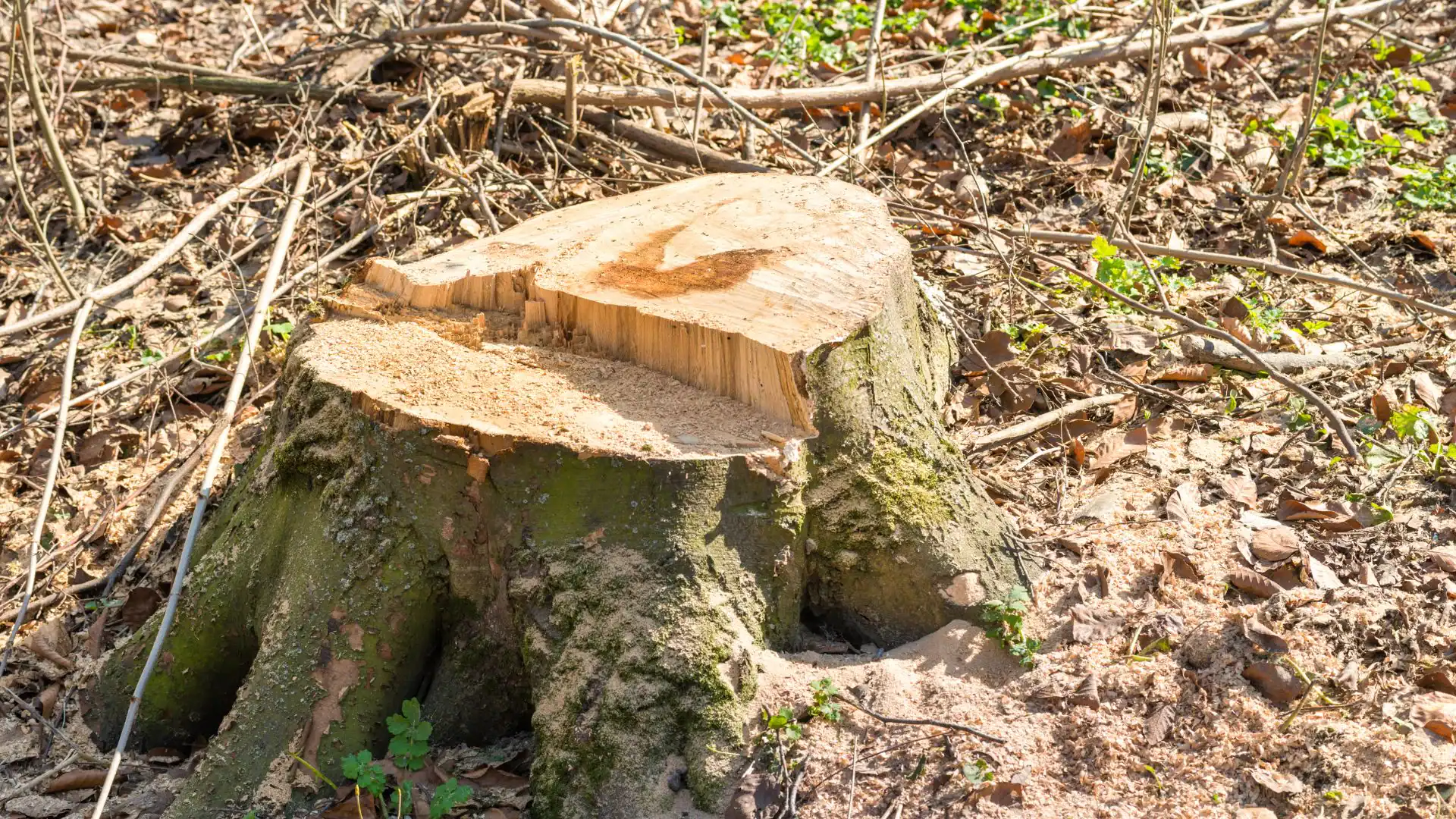
Stump grinding, if needed, is generally priced separately typically $75 to $300 per stump depending on diameter. Debris removal and haulage is another line item that varies based on volume. The reason we itemize these separately is straightforward: a single lump-sum quote makes it easy for the number to shift at invoice time, and that’s the most common complaint about clearing contractors on Long Island. When every element of the job has its own line, you know exactly what you agreed to and exactly what you’ll pay.
Phragmites australis, commonly called common reed, is an extremely aggressive invasive grass that colonizes low-lying, wet, or disturbed ground throughout the South Shore of Long Island. If your Islip property has any low-lying areas, drainage channels, or sits near the Great South Bay waterfront, there’s a real chance phragmites has already established itself or will try to. It spreads through underground rhizomes, forms dense monocultures that crowd out everything else, and can grow back thicker than before if it’s only cut at the surface without addressing the root system.
The reason this matters for your clearing job is that standard brush clearing methods don’t solve a phragmites problem they can actually make it worse by stimulating new growth from root fragments. Effective phragmites management requires a specific approach that addresses the root system, not just the above-ground vegetation. If your property has phragmites, that needs to be identified during the site visit and factored into the scope before work begins. A contractor who doesn’t recognize it or treats it like ordinary brush is setting you up for a repeat job within one growing season.
Yes but it requires awareness of where the regulated boundaries fall before any work starts. The New York State Department of Environmental Conservation regulates clearing activity near freshwater and tidal wetlands under the Freshwater Wetlands Act and the Tidal Wetlands Act. For properties in the Islip hamlet and surrounding areas near the Great South Bay, wetland buffers are a real and recurring consideration not a theoretical one. Clearing work that inadvertently encroaches on a protected wetland buffer can trigger NYSDEC enforcement, mandatory restoration requirements, and significant fines.
During the site visit, we assess whether any portion of your lot sits within or adjacent to a regulated wetland area and whether a NYSDEC permit or assessment is required before clearing begins. If it is, we’ll tell you upfront and walk you through what’s needed. The goal is to get your lot cleared legally and correctly not to rush through a job that creates a compliance problem you’ll be dealing with long after the equipment leaves.
For a standard residential lot in the Islip area, most clearing jobs are completed in one to two days. Heavily overgrown properties lots where invasive species like Japanese knotweed or phragmites have taken hold, or where there’s significant tree and stump removal involved can run longer depending on scope. The site visit gives us a realistic timeline before anything is scheduled, so you’re not getting a vague estimate that shifts once work begins.
Timing also matters seasonally on the South Shore. Spring is the optimal window for clearing in Islip vegetation is still low before the summer growth surge, invasive species are easier to assess and treat before they’ve fully re-established, and you’re set up for whatever the property needs next before the growing season takes off. Fall is the second-best window, when vegetation is dying back and access improves. We’ll give you a clear start date when the job is booked, and we stick to it.
The most common invasive species we encounter on overgrown residential lots in the Islip area and across Suffolk County include phragmites, Japanese knotweed, oriental bittersweet, Japanese barberry, and garlic mustard. Each one presents a different clearing challenge, and knowing what you’re dealing with before work starts determines whether the job produces a lasting result or a temporary one.
Japanese knotweed is particularly aggressive its roots can reach nine feet deep and re-sprout from the smallest fragment left in the ground. Surface clearing without root treatment doesn’t solve it. Oriental bittersweet climbs trees and fencing, can cause structural damage to outbuildings if left long enough, and spreads rapidly on established residential lots in older South Shore communities like the Islip hamlet. Phragmites, as mentioned, is a South Shore-specific issue driven by the bay’s proximity and the area’s low-lying drainage patterns. All of these are identified by Cornell Cooperative Extension Suffolk County as serious invasive plant problems in this region. The site visit is where we identify what’s actually present on your lot and build the clearing scope around it.