
Hear from Our Customers
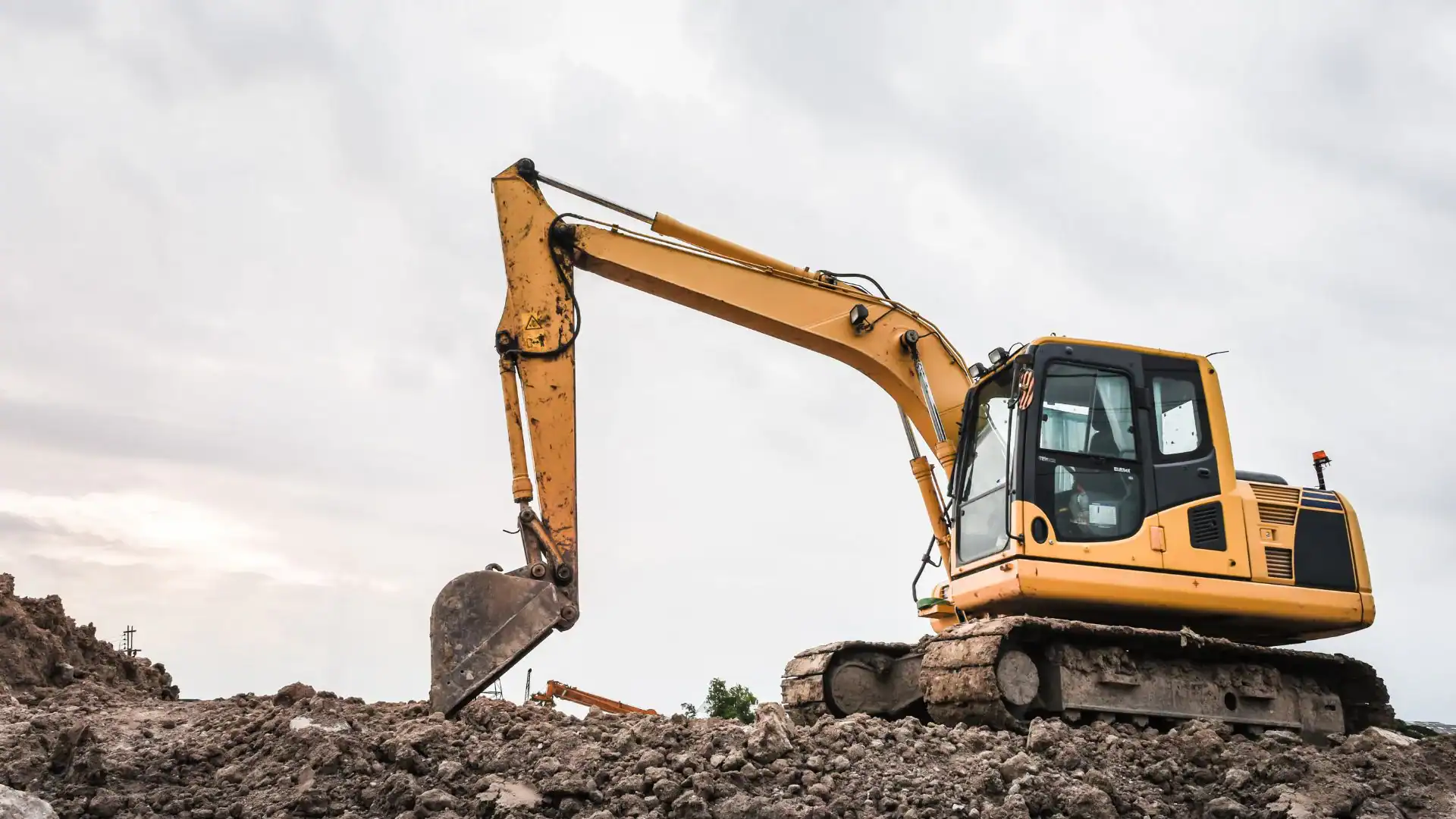
When excavation is handled right the first time, you don’t spend the next six months dealing with drainage failures, failed inspections, or a contractor who disappeared after the dig. You get a site that’s properly graded, compliant with Village of Patchogue building requirements, and ready for whatever comes next whether that’s a new foundation, a pool, a septic upgrade, or a full site build.
That matters more in Patchogue than most places. The soils here shift from sandy and well-draining on higher ground to soft and saturated as you get closer to the Patchogue River and Great South Bay. A contractor who doesn’t account for that is going to hit problems mid-job and those problems become your problems. Getting the site read correctly before work starts is what separates a clean project from one that drags on and blows the budget.
The other piece is the regulatory side. Patchogue is an incorporated village with its own building department, and Suffolk County has its own layer of requirements on top of that especially for septic work since the 2019 cesspool replacement regulations took effect. When those requirements are handled upfront, your project moves. When they’re not, it stalls.
We’re a Long Island-based excavation contractor serving residential and commercial clients across Suffolk County, including the Village of Patchogue and surrounding South Shore communities like Blue Point, Bayport, and East Patchogue. Our work covers the full scope land clearing, site preparation, foundation excavation, septic excavation, dig and haul, drainage grading, and more.
What makes the difference isn’t a sales pitch. It’s knowing that a lot near the bay sits on different ground than one up by Route 112. It’s understanding what the Village of Patchogue building department requires before work starts, not after a stop-work order lands. It’s being familiar with how Suffolk County’s health code affects septic excavation timelines and what inspectors are actually looking for when they show up on site.
This is South Shore Long Island. Our work reflects that.

It starts with a site assessment. Before any equipment moves, we evaluate the property access points, soil conditions, proximity to utilities, and any site-specific factors that affect how the work gets done. In Patchogue, that means checking the water table depth if you’re near the bay, identifying any underground utility complexity through New York State 811 notification, and understanding what the Village building department will require for permits before a shovel goes in the ground.
From there, the scope gets defined clearly. You’ll know what’s included, what the timeline looks like, and what conditions might affect the work before you commit to anything. For septic excavation projects which are common across Patchogue’s older housing stock that also means understanding where the Suffolk County Department of Health Services approval process fits into the sequence so the dig and the inspection schedule line up correctly.
Once work begins, we manage the site from start to finish: excavation, material removal, grading, and cleanup. If the project involves dig and haul, material is removed from your property entirely and disposed of in compliance with New York State regulations. You’re not left with a pile of spoil and an open question about what to do with it.
Ready to get started?
Residential excavation in Patchogue covers the situations homeowners actually face: septic system excavation and replacement under Suffolk County’s post-2019 regulations, pool excavation, foundation work for additions and new builds, retaining wall installation, drainage grading for properties that flood during nor’easters, and site preparation for renovations that trigger building department review. Most Patchogue homes run on on-site septic systems rather than a centralized sewer which means septic excavation isn’t a rare request here, it’s one of the most common ones.
On the commercial side, Patchogue’s active development pipeline including transit-oriented projects near the LIRR station and continued downtown infill construction generates demand for bulk earthworks, site preparation, utility trenching, and full-scope excavation and grading services that go well beyond residential lot work. We’re equipped for both.
Every project, residential or commercial, includes New York State 811 utility identification before any digging starts. Permit requirements through the Village of Patchogue Building Department are addressed at the front of the project, not flagged as an afterthought. And for properties in lower-lying areas near the Patchogue River or the bay, soil and drainage conditions are factored into the plan from day one because on the South Shore, that’s not optional, it’s just how the work gets done right.
Yes, and it matters more in Patchogue than in many surrounding areas because the village is an incorporated municipality with its own building department separate from the Town of Brookhaven. That means permit requirements here aren’t just state or county-level, they’re village-specific. Depending on the scope of your project, you may need approval from the Village of Patchogue Building Department before any ground is broken, and certain types of work particularly anything near village streets or right-of-ways fall under specific provisions of the Village Code.
There’s also a practical enforcement piece: open excavations in Patchogue must be secured within 10 days of notice from the Building Inspector. Working with us means those requirements are understood upfront, which keeps your project moving and protects you from stop-work orders, fines, or complications when it comes time to sell or refinance. Permits aren’t just paperwork they’re what stands between a completed project and a liability.
Excavation pricing in Patchogue varies based on the type of work, site conditions, project size, and how much material needs to be removed and hauled. A straightforward dig and haul job on a standard residential lot will land in a different range than a full septic system excavation or a foundation dig on a lot with access constraints or high water table conditions near the bay. Generally speaking, residential excavation projects in the Patchogue area can range from a few thousand dollars for smaller scopes to $15,000 or more for larger or more complex jobs.
What tends to drive cost up in this area specifically is site complexity saturated soils near the Patchogue River, tight access on older village streets, or projects that require coordination with Suffolk County Department of Health Services for septic work. Getting a detailed, itemized quote that accounts for your specific site conditions is the only way to get a number you can actually plan around. Vague estimates that don’t reflect real site conditions are how budget surprises happen.
Since Suffolk County enacted regulations in July 2019, you can no longer replace a failed cesspool with a new cesspool. The replacement must be a conventional septic system at minimum, and depending on your property’s location, size, or the scope of any associated renovation, you may be required to install an innovative/alternative onsite wastewater treatment system commonly called an I/A OWTS. Both options involve significant excavation: the old cesspool needs to be excavated and removed, and the new system requires digging for the tank, distribution components, and drainfield.
In Patchogue specifically, older properties often have systems that were installed without clear records or markers, which means the excavation process starts with locating what’s actually in the ground before removal begins. The work also needs to be sequenced around Suffolk County Department of Health Services approval and inspection requirements the excavation contractor and the SCDHS approval process have to move in coordination, or the project stalls. We understand that sequence, which saves real time and prevents costly rework.
It’s one of the more important variables on South Shore Long Island, and it’s something that trips up contractors who aren’t familiar with the area. Patchogue sits on glacial outwash deposits the soil composition shifts significantly depending on where your property is. On higher ground, you’re typically dealing with sandy, well-draining soil that’s relatively straightforward to excavate. Closer to the Patchogue River or Great South Bay, the water table can be just a few feet below grade, and the ground can be soft, saturated, and slow to work in especially after a nor’easter or during spring thaw.
That affects everything from how equipment is deployed to how deep a foundation or septic system can realistically be placed. It also affects spoil management saturated material doesn’t behave the same way as dry sandy fill when you’re loading and hauling it. We read the site conditions before the first bucket swings so we can plan around these factors and avoid change orders mid-job.
Dig and haul means the excavated material the soil, fill, or spoil that comes out of the ground is loaded and removed from your property entirely rather than left on site. Whether you need it depends on your project and your site. For some jobs, excavated material can be redistributed on the property for grading purposes. For others, there’s simply no room to stockpile it, the material isn’t suitable for reuse, or the project requires a clean site for the next phase of construction.
In Patchogue, dig and haul is often necessary for a few reasons. Lots in the village tend to be constrained neighboring properties are close, streets are narrow, and there’s often not a practical place to stage a large spoil pile without creating access issues or code problems. For projects near older parts of the village, there’s also the question of material quality soil in areas with historic land use may not be suitable for reuse and needs to be disposed of properly under New York State regulations. We handle that as part of the excavation scope, rather than as a separate coordination headache, so your project moves cleanly.
On the South Shore of Long Island, timing matters more than most people expect. The peak window for residential excavation runs from late spring through early fall ground conditions are more predictable, access is easier, and projects can be completed before winter sets in. If you’re on a builder’s timeline or trying to hit a specific construction milestone, that window fills up quickly, and contractors who can commit to a real start date during that period are genuinely in demand.
Winter and early spring bring real complications in Patchogue specifically. Frost heave affects ground stability, and the combination of snowmelt and spring rain can leave lower-lying lots particularly those near the Patchogue River or the bay saturated enough to make excavation significantly more difficult and expensive. Nor’easters can push that timeline further. None of this means winter work is impossible, but it does mean the planning and sequencing need to account for it. If you’re considering a project that needs to be done before a certain date, getting the scope defined and scheduled earlier rather than later is the practical move not a sales tactic, just how the calendar actually works on Long Island.