Hear from Our Customers
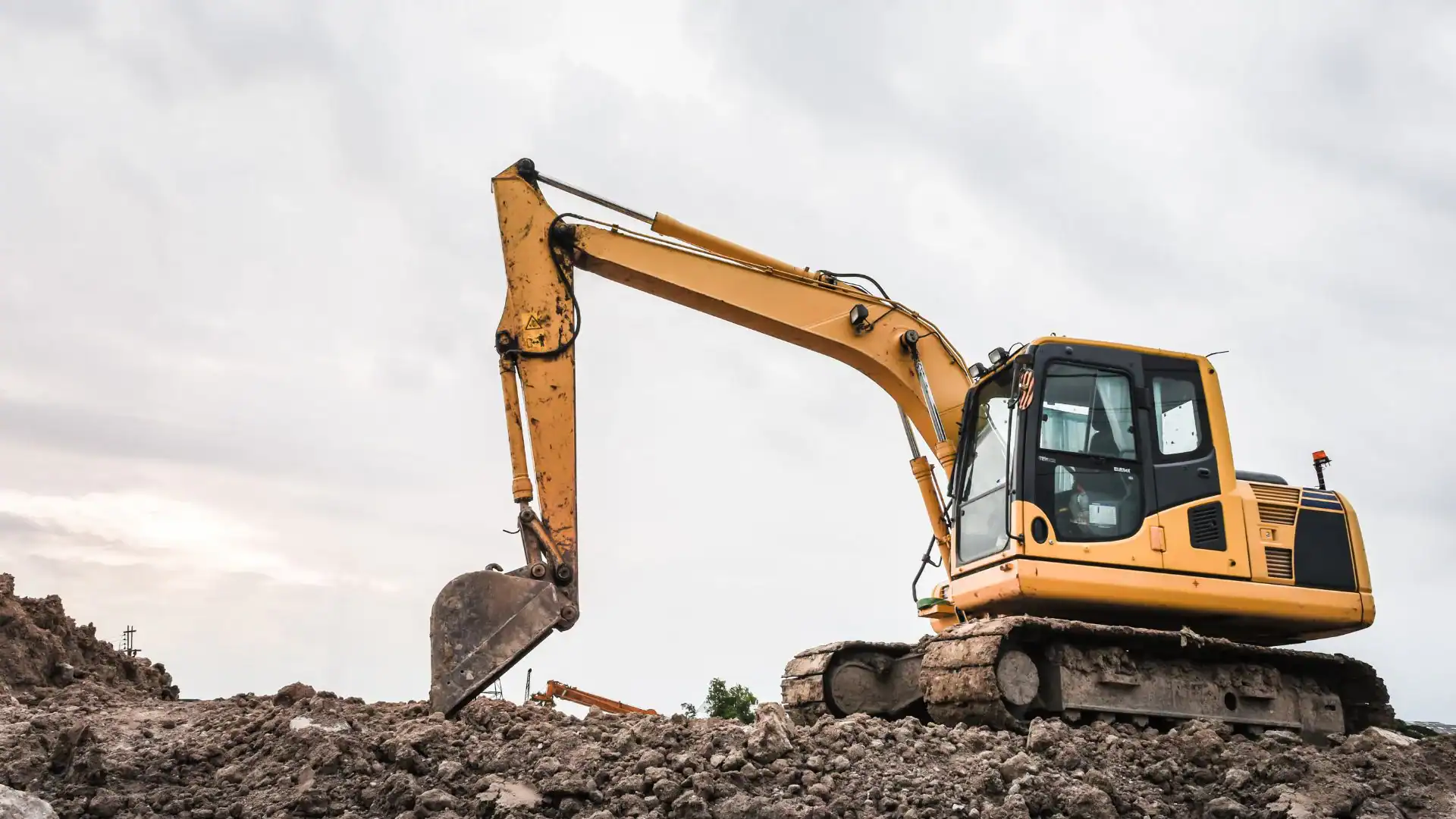
Excavation is the first move on almost every serious property project and whatever gets built on top of it lives or dies by how well it was done. A bad grade drains toward your foundation. An unmarked utility line turns a one-day job into a three-week problem. Spoil left on-site in Sayville doesn’t just look bad it creates friction with neighbors and, in some cases, code issues with the Town of Islip.
What you actually want is simple: the ground prepared correctly, the material removed cleanly, and the site handed off to the next phase without surprises. That’s what good excavation looks like and it’s what every property owner in Sayville deserves regardless of project size.
Sayville’s position on the South Shore adds a layer that inland contractors often underestimate. The sandy loamy soils near the Great South Bay can sit close to the water table, especially on the lower-lying lots south of Montauk Highway toward River Road. When that’s not accounted for before the machinery arrives, costs climb and timelines slip. Knowing what’s under your specific Sayville property before work begins isn’t a bonus it’s the baseline.
We’re a licensed and insured excavation contractor serving Sayville and the surrounding South Shore communities of Suffolk County. Every job we handle includes full NY 811 notification, proper Town of Islip permitting, and the kind of site management that a well-established neighborhood like Sayville actually expects.
We don’t show up, move dirt, and disappear. The crew that quotes your Sayville job is the crew that does it and we understand the difference between working on a waterfront lot near the ferry terminal on River Road and working on an inland block off Montauk Highway. Those aren’t the same job, and we don’t treat them like they are.
From residential excavation on older homes that have been standing since the early 1900s to commercial site preparation and land clearing across the Town of Islip, we do the work right the first time because fixing it later costs everyone more.

We start with a site assessment. Before any quote goes out, we evaluate the conditions on your specific property soil type, access points, proximity to the water table, and what the Town of Islip will require in terms of permits before work can legally begin. In Sayville, land clearing can’t start until a building permit or site plan approval is already in place, so getting that sequencing right upfront keeps your project on schedule instead of stalled at a desk somewhere.
Once permits are confirmed and NY 811 has marked the underground utilities gas, electric, water, communications excavation work begins. Depending on your project, that might mean full site clearing and grading, dig and haul to remove spoil from the property entirely, trenching for drainage or utilities, or cut and fill to bring your grade to spec. Every phase is coordinated under one contractor, which means you’re not managing three different crews with three different schedules and three different ideas about where their scope ends.
When the work is done, the site is cleaned up and ready for whatever comes next whether that’s a foundation pour, a drainage install, or a landscaping crew. The goal is a clean handoff, not a mess you have to deal with before the next trade shows up.
Ready to get started?
We handle the complete range of excavation and site preparation services that Sayville property owners actually need residential excavation, commercial excavation, land clearing, cut and fill, dig and haul, trenching, grading, and full site preparation. Our work covers everything from a straightforward drainage correction on a residential lot to a larger commercial site prep across the Town of Islip.
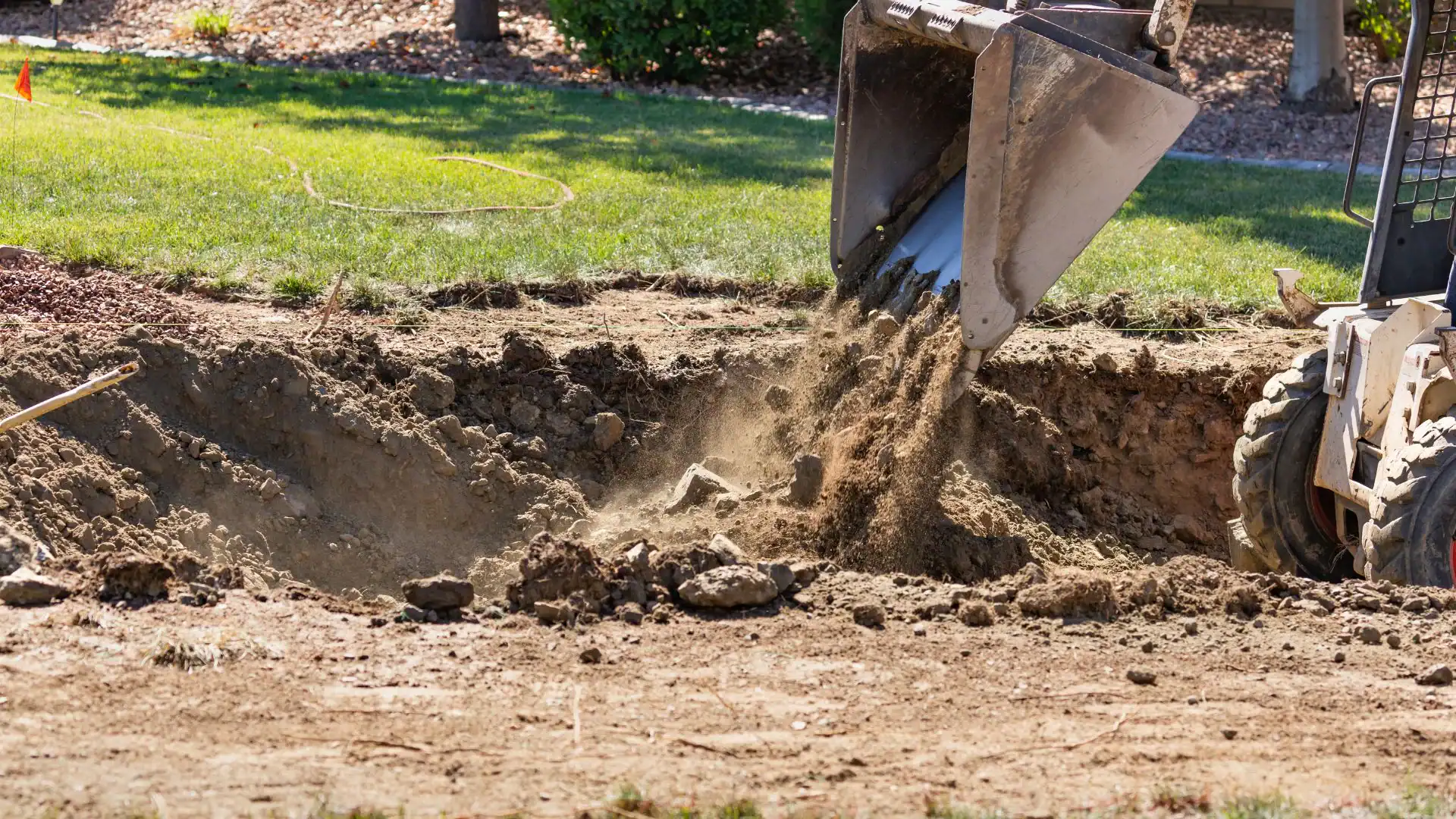
Dig and haul is one of the most requested services in Sayville specifically because residential lots here don’t leave much room for spoil. On a block off Montauk Highway or a tight lot in the southern end of the hamlet, there’s nowhere to pile excavated material and leaving it on-site in a community this well-maintained isn’t an option. We remove material, transport it, and dispose of it properly as part of the job.
Drainage work is another area where Sayville’s South Shore geography makes a real difference. The elevated water table, the sandy coastal soil profile, and the area’s exposure to nor’easters and storm surge mean that drainage isn’t a minor detail it’s often the whole point. Whether you need trenching for a dry well system, regrading for positive drainage away from a foundation, or stormwater management on a waterfront lot near the Great South Bay, we build the approach around what your specific property actually needs not a one-size-fits-all solution copied from an inland job.
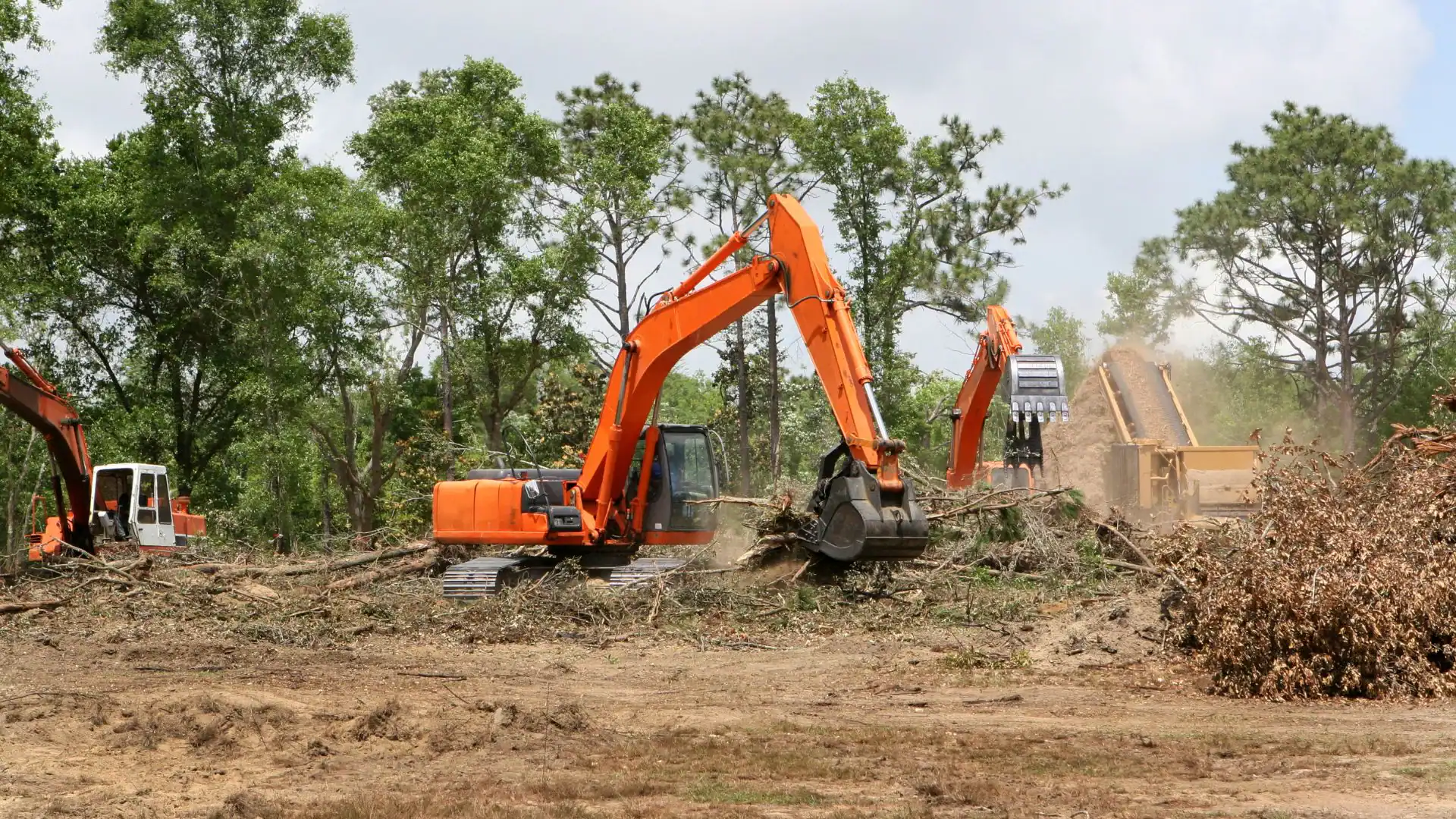
Yes and it’s not optional. The Town of Islip, which governs Sayville, requires a written permit from the Town Board before any excavation begins or any material is removed from the ground. This applies to residential and commercial properties alike. Land clearing specifically cannot start until a building permit or site plan approval has already been issued, so the sequence of approvals matters as much as having them at all.
On top of the Town of Islip requirements, all sanitary construction must be inspected and certified by the Suffolk County Department of Health Services before a certificate of compliance is filed with the Building Division. Skipping any of these steps even unintentionally can result in a stop-work order, fines, or required remediation at your expense. We handle this process upfront on every Sayville job, which is the simplest way to make sure your project doesn’t hit a wall before the machinery even arrives.
Dig and haul means the excavated material soil, fill, debris gets removed from your property entirely, not just moved to another corner of the lot. The excavation happens, the spoil gets loaded, and it leaves the site. What’s left behind is a clean, ready surface for whatever phase comes next.
For most Sayville properties, this is exactly what’s needed. Residential lots in the hamlet don’t typically have the space to store excavated material on-site, and in a neighborhood this established, a pile of dirt sitting in the front yard for two weeks isn’t going to go unnoticed. Beyond the aesthetic issue, leaving spoil on-site can create drainage problems, interfere with neighboring properties, and in some cases raise questions with the Town of Islip about site management compliance. Dig and haul removes all of that from the equation the material is gone, the site is clean, and your project moves forward without a secondary problem to solve.
It’s one of the most important variables on any South Shore job, and it’s one that inexperienced contractors routinely underestimate. Sayville’s position near the Great South Bay means the water table on lower-lying lots particularly those in the southern portion of the hamlet closer to River Road and the ferry terminal area can sit significantly closer to the surface than it would on an inland property. In some cases, you don’t have to dig very deep before groundwater becomes a factor.
What this means practically is that site assessment before quoting is non-negotiable. The depth of the water table on your specific lot affects what equipment is appropriate, how deep excavation can safely go, how drainage solutions need to be designed, and how long certain phases of the work will take. A contractor who quotes your Sayville job without accounting for this is either guessing or hasn’t done enough South Shore work to know what they’re dealing with. Either way, it tends to show up as a cost surprise once the machinery is already on your property.
NY 811 is New York State’s call-before-you-dig notification system. Before any excavation starts, the law requires that you notify 811 so that underground utility lines gas, electric, water, telecommunications can be located and marked on the surface. In an established hamlet like Sayville, where infrastructure has been installed, modified, and added to over many decades, the underground picture beneath your property can be more complicated than it looks from above.
Failing to notify NY 811 before digging isn’t just a technical violation it’s a genuine safety and financial risk. Striking a gas line or a buried electrical conduit mid-job creates an immediate hazard, stops the project entirely, and puts liability squarely on whoever broke ground without proper notification. The penalties for non-compliance are real, and the damage costs can be significant. We include NY 811 notification before any equipment touches the ground on every job it’s not a formality, it’s a baseline requirement that protects your property, your neighbors, and the crew doing the work.
It depends heavily on the scope, but most straightforward residential excavation jobs in Sayville drainage corrections, foundation prep, dig and haul on a standard lot run anywhere from one to several days of active work once the site is staged and permits are in place. Larger projects involving significant land clearing, grading, or cut and fill across a bigger footprint will naturally take longer.
What affects the timeline more than the work itself is the pre-work: permitting through the Town of Islip, NY 811 notification and utility marking, and site assessment. These steps take time, and trying to compress them is how projects end up with stop-work orders or mid-job surprises. In Sayville’s active real estate market where homes are selling and projects are moving quickly the contractors who deliver on schedule are the ones who do the front-end work correctly, not the ones who skip it to get started faster. Getting the prep right is what actually keeps the timeline on track.
Yes. While Sayville is predominantly a residential hamlet, there’s consistent demand for commercial excavation work along the Main Street corridor and from mixed-use and professional properties throughout the Town of Islip. We handle both residential excavation for homeowners managing additions, drainage corrections, pool installations, and foundation work, and commercial excavation for business properties requiring site preparation, utility access, or grading work.
The difference between residential and commercial jobs isn’t just scale it’s documentation, insurance requirements, and coordination with other trades. Commercial clients typically need more formal compliance paperwork, tighter scheduling around business operations, and a contractor whose insurance coverage is structured for commercial work. We carry the coverage and operate with the project management approach that commercial jobs in Sayville and across Suffolk County require. Whether the project is a single-family home near the Great South Bay or a commercial property off Montauk Highway, the standard doesn’t change.