Hear from Our Customers
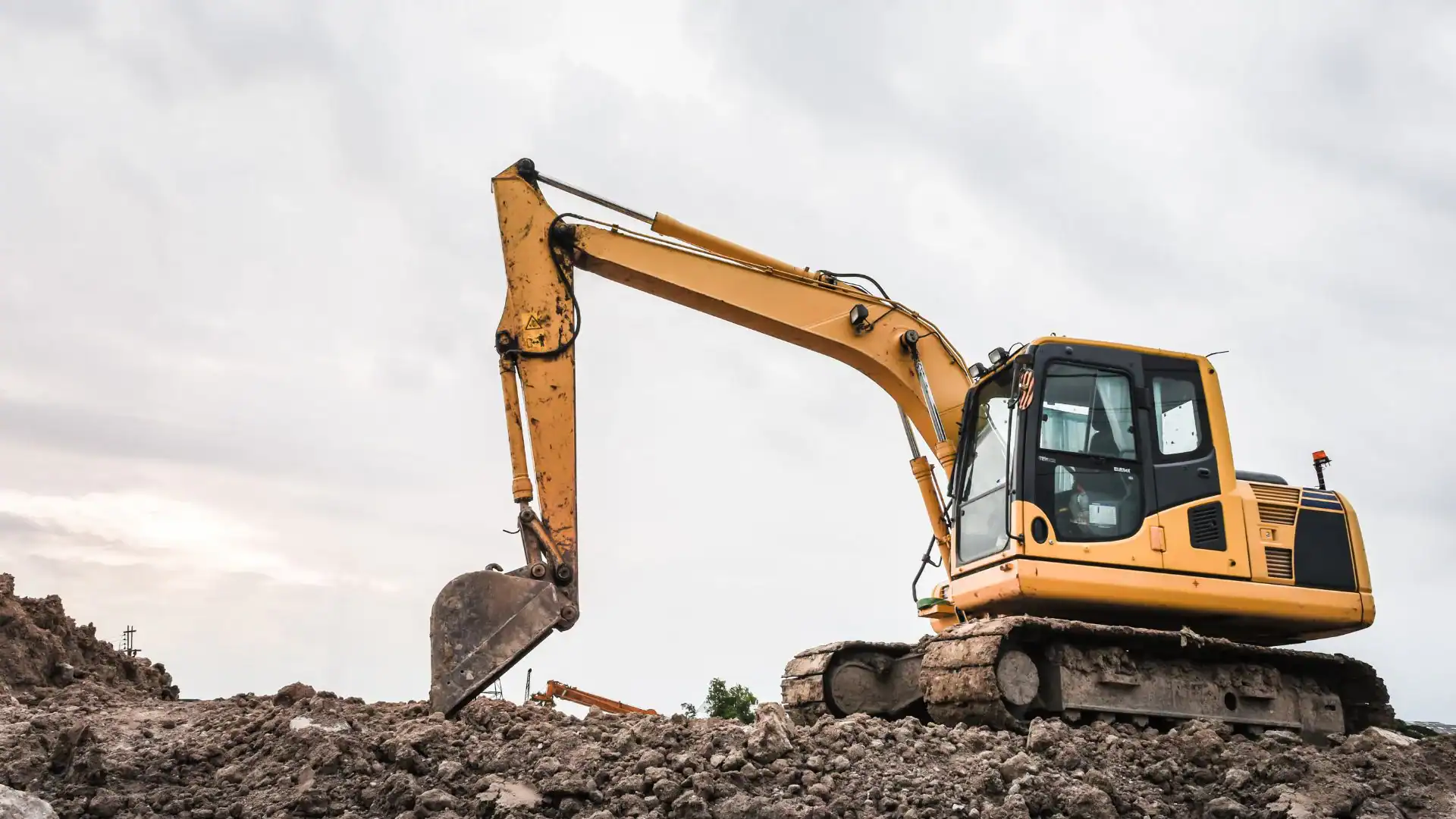
Stony Brook sits on the Stony Brook Moraine. That’s not just a geography fact it’s a direct warning that the ground beneath your property may contain glacial till, varved clay, and boulders that have no business being where they are. Contractors who don’t know this find out the hard way, usually on your dime.
When you hire a land excavation contractor who understands the actual soil conditions in Stony Brook, you’re not just getting a hole dug. You’re getting a project that doesn’t stall at the first boulder, doesn’t flood the neighbouring lot, and doesn’t fail a Town of Brookhaven inspection because the grading was done wrong. That matters whether you’re putting in a pool, adding onto your home, or correcting a drainage problem that’s been getting worse every spring.
Properties north of Route 25A tend to sit on older, larger lots with mature trees, sloped terrain, and proximity to Stony Brook Harbor conditions that require a different level of care and precision than a flat suburban site in another part of Suffolk County. The 2024 flash flood that hit the university campus was a reminder that drainage and grading aren’t afterthoughts here. Done right, excavation and grading services protect your property for years. Done poorly, you’re dealing with the consequences every time it rains.
We’re a licensed and insured excavation contractor serving Stony Brook and the broader Three Village corridor including East Setauket, St. James, and surrounding areas throughout Suffolk County. Every project we take on is covered by public liability insurance, and every dig begins with a New York 811 notification as required by New York State Code Rule 753. That’s not a selling point it’s the law, and it’s how professional excavation is supposed to work.
Stony Brook homeowners aren’t casual buyers. With some of the highest household incomes in Suffolk County and home values averaging over $700,000, you’re making a significant investment every time you commission major site work. You deserve a contractor who shows up prepared, communicates clearly, and doesn’t disappear when something unexpected comes out of the ground.
We work across the full range of residential excavation services from pool excavation and foundation digging to dig and haul services, land clearing, trenching, and drainage correction. If your project involves ground disturbance in Stony Brook, we know the permit requirements, the soil conditions, and the standards the Town of Brookhaven Building Division expects.

It starts with a site assessment. Before any equipment moves, we look at your lot the grade, the access points, the proximity to structures, trees, and any sensitive areas near the harbour or wetlands if that applies to your property. This step is what separates a project that runs smoothly from one that creates problems for the trades coming in behind us.
Once the scope is confirmed, we handle the New York 811 notification. Under Code Rule 753, utility companies have two business days to mark underground lines gas, electric, water, telecommunications before we break ground. This step is mandatory under New York State law, and skipping it exposes you to serious liability. We manage this process on every single project, no exceptions.
From there, excavation proceeds according to the agreed scope. If we encounter boulders which is a real and documented possibility in Stony Brook’s glacial moraine soil we stop, communicate, and agree on a path forward before continuing. You won’t find out about it on the final invoice. Spoil removal is handled as part of our dig and haul services, and when the excavation is complete, the site is left clean, graded to spec, and ready for whatever comes next whether that’s a pool builder, a foundation contractor, or a landscaper finishing the job. We also factor in seasonal timing: spring ground saturation and late-fall freeze risk are real considerations for project planning in this area, and we’ll tell you honestly if the timing needs to shift.
Ready to get started?
Residential excavation in Stony Brook covers a lot of ground literally. Pool excavation is one of the most common requests in this market, and it’s also one of the most technically demanding on North Shore lots where the terrain slopes, access is tight, and the soil profile doesn’t cooperate. We handle pool excavation with the equipment range and precision that complex residential sites require.
Beyond pools, our residential excavation services include foundation and basement excavation for new builds and additions, land clearing for site preparation, utility and drainage trenching, retaining wall excavation, and full excavation and grading services for sites that need engineered slope correction. For properties near Stony Brook Harbor or other coastal areas in the Three Village corridor, we understand the New York State DEC coastal zone and tidal wetland regulations that apply to ground disturbance near sensitive areas and we implement the erosion and sediment controls those projects require.
Every project in Stony Brook falls under Town of Brookhaven jurisdiction. That means permits through the Brookhaven Building Division for pools, foundations, and accessory structures and compliance with town code provisions that limit clearing and grading to the minimum necessary footprint. We’re familiar with those requirements and can help you understand what approvals are needed before work begins. If your project involves commercial site preparation or work connected to the Stony Brook University Research and Development Park corridor, we handle commercial excavation services with the same process and the same standards.
It depends on what you’re digging for. In Stony Brook, all permitting falls under the Town of Brookhaven Building Division not a village board, since Stony Brook is an unincorporated hamlet within Brookhaven Town. In-ground pools, new home foundations, additions, and accessory structures all require building permits before excavation begins. If you start digging without the appropriate permit in place, you risk a stop-work order that can freeze your project and push back every trade scheduled behind the excavator.
Brookhaven Town Code also requires that clearing, grading, and ground disturbance be limited to the minimum necessary for the permitted structure. That provision affects how your excavation contractor scopes the work it’s not just about digging the hole, it’s about staying within the approved footprint. If you’re unsure what your specific project requires, we can walk you through the general permit categories before you commit to anything.
NY 811 is New York’s call-before-you-dig service, and contacting them before any excavation is a legal requirement under New York State Code Rule 753, enforced by the Public Service Commission. When you or your contractor submit a locate request, utility companies have two business days to mark the underground lines on your property: gas, electric, water, sewer, and telecommunications. Digging without those markings in place exposes you to serious liability if a line gets struck.
In Stony Brook, this matters more than you might expect. The area has older utility infrastructure, particularly in the historic sections north of Route 25A, and the variable soil conditions created by glacial activity can make lines harder to predict. We handle the 811 notification as a standard part of the process on every Stony Brook project if someone you’re considering hiring doesn’t mention it, that’s worth asking about before you sign anything.
Stony Brook sits on the Stony Brook Moraine, a glacial formation that produces one of the more unpredictable soil profiles on Long Island. Beneath a thin layer of surface soil, you’ll often find glacial till a dense mix of sand, gravel, clay, and boulders deposited by glacial activity thousands of years ago. Those boulders are the variable that most affects cost and timeline. They can’t be predicted from the surface, and when they’re encountered, they require specialised equipment and additional time to break through or remove safely.
A contractor who quotes your project without acknowledging this possibility is either inexperienced with North Shore conditions or not being straight with you. A realistic quote for excavation in Stony Brook should include a clear explanation of how boulder encounters will be handled whether that’s a per-boulder rate, an hourly adjustment, or a different arrangement so you’re not caught off guard. The layered soil profile also creates variable drainage conditions that can affect how quickly the site dries out between weather events, which matters for project scheduling, especially in spring.
If your property is near Stony Brook Harbor or any tidal wetland area in the Three Village corridor, ground disturbance may trigger review under New York State Department of Environmental Conservation regulations specifically the Tidal Wetlands Act. The DEC establishes buffer zones around tidal wetlands, and excavation within those zones requires a permit from the DEC in addition to any Town of Brookhaven building permits. The size of the buffer and the specific requirements depend on the proximity and nature of the wetland area.
This isn’t a minor administrative detail. Working in a regulated coastal area without the appropriate DEC approval can result in fines, mandatory restoration, and significant project delays. Erosion and sediment control measures are also required for projects near waterways these are not optional best practices, they’re conditions of approval. If your lot is anywhere near the harbour or a mapped wetland, it’s worth confirming the regulatory status of your site before any work begins.
During peak construction season late spring through early fall excavation contractors on Long Island are typically booked two to six weeks out. In Stony Brook specifically, where the average project value is higher and the site conditions are more involved than in many surrounding towns, contractors with the right equipment and local experience tend to fill their schedules quickly once the weather stabilises.
If you’re planning a pool installation, an addition, or any project where excavation is the first trade in, the timeline matters a lot. A delay at the dig stage pushes back every contractor scheduled behind it the pool builder, the foundation crew, the landscaper. Booking early and getting a clear project start date locked in gives you the best chance of keeping your overall construction schedule on track. Spring is also when saturated ground conditions from winter moisture release can affect access and digging conditions, so factoring in a weather buffer is a smart move for projects planned between March and May.
Dig and haul means we don’t just dig we load and remove all excavated material from your property. For most residential projects in Stony Brook, this is a practical necessity. The material that comes out of the ground here isn’t clean fill you can redistribute on site. Glacial till mixed with boulders, clay, and varved sediment needs to be properly classified, loaded, and hauled to an appropriate disposal or fill site. Leaving that material on your property creates a staging problem for every trade that follows.
Whether you need dig and haul depends on your project scope and what you plan to do with the excavated material. Some projects particularly grading corrections involve redistributing spoil on site to achieve the finished grade. Others, like pool excavations or basement digs, generate a volume of material that simply has to go. When we assess your site, we’ll give you a clear picture of what comes out, what can stay, and what needs to be removed so you can make an informed decision before the work starts, not after.