
Hear from Our Customers
In a market where Mattituck lots are trading at premium prices and average North Fork sales figures are pushing past $1.5 million, an overgrown parcel isn’t just an eyesore it’s money sitting on the table. Buyers discount what they can’t see or access. Builders won’t quote what they can’t assess. A cleared, accessible lot changes the entire conversation.
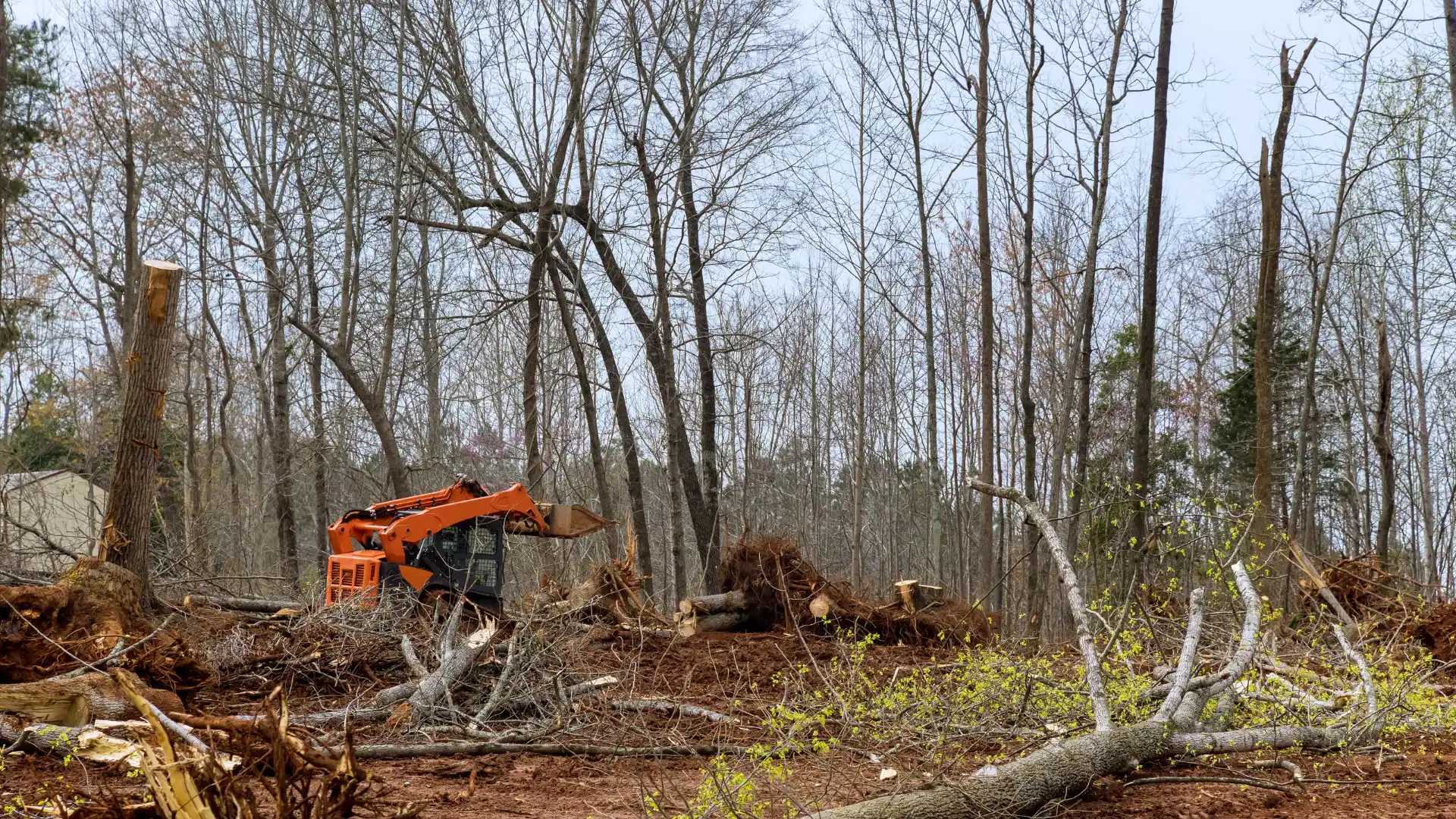
The properties along Oregon Road, Sound Avenue, and the waterfront corridors near Mattituck Creek don’t respond to the same approach you’d use on a quarter-acre suburban lot in central Suffolk. These are larger parcels sometimes agricultural, sometimes vineyard-adjacent, often left unmanaged through multiple winters and the vegetation that accumulates reflects that. Brush lines that have pushed 20 feet into a usable field, invasive species that have colonized fence margins, phragmites crowding inlet-adjacent edges. That’s what land clearing services in Mattituck actually look like in practice.
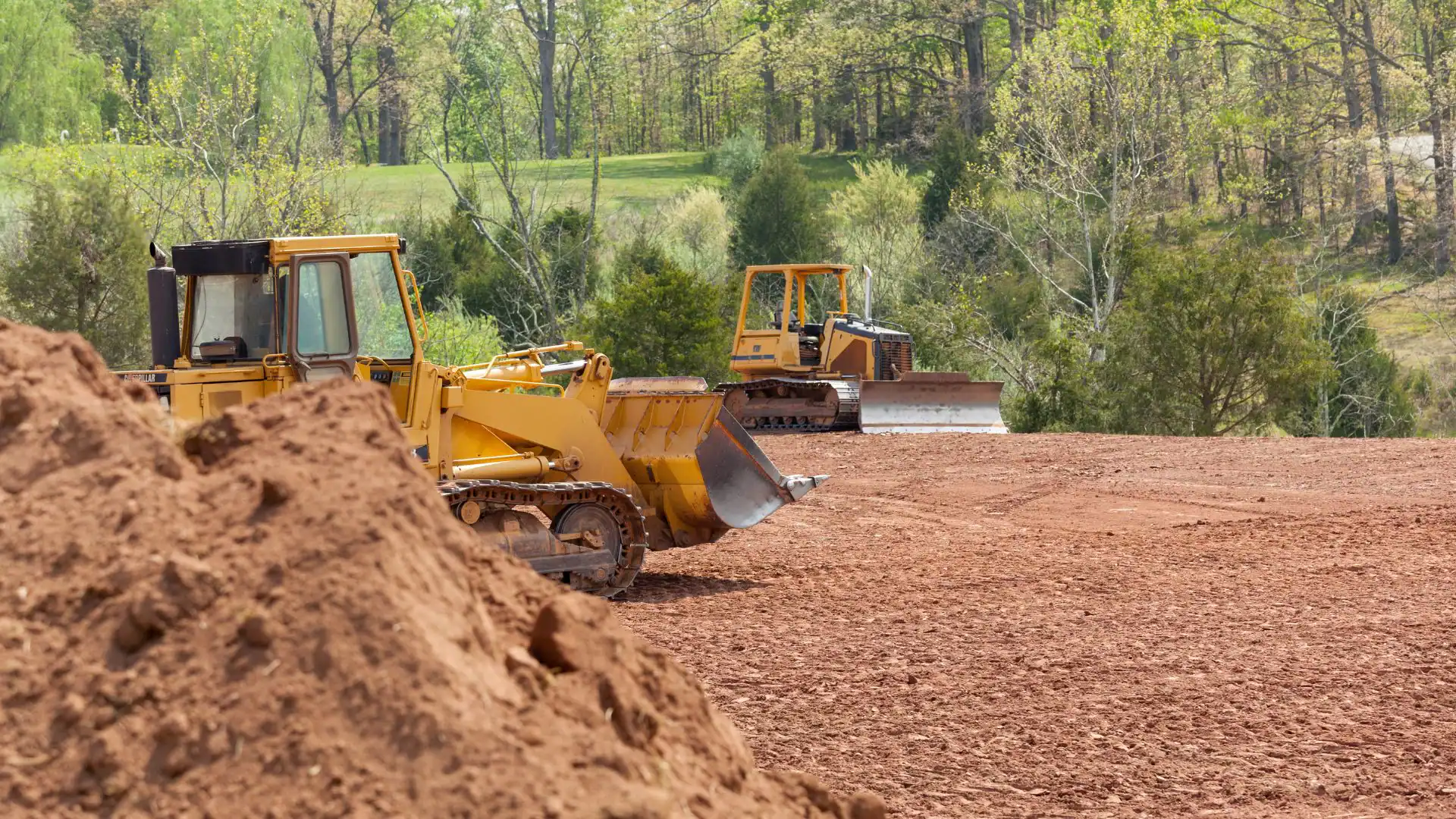
What you get on the other side is access. A property you can walk, assess, list, permit, or build on. For seasonal and absentee owners and Mattituck has plenty that means showing up in spring to a property that’s ready for the season, not one that requires another month of work before you can use it.
We serve Long Island with a focus on the kind of clearing work that takes real equipment, real knowledge, and an understanding of the local regulatory environment. On the North Fork, that last part matters more than most contractors will tell you. The Town of Southold has specific rules about what can be cleared, how much, and where and those rules are actively evolving. A contractor who treats Mattituck like any other Suffolk County town is a liability, not an asset.
We’ve worked properties from the agricultural corridors off Sound Avenue to waterfront lots near Mattituck Inlet. We understand what Chapter 240 and Chapter 275 of the Southold Town Code mean for your project before a single piece of equipment rolls onto your property. That’s not a sales line it’s the difference between a completed job and an enforcement notice.
It starts with a site visit. We don’t provide blind quotes or ballpark figures over the phone. Mattituck properties vary too much for that a half-acre residential lot near Love Lane and a multi-acre agricultural parcel off Oregon Road are completely different jobs, and quoting them without seeing them is how surprises end up on your invoice.
Once we’ve walked the property, you get an itemized written quote that breaks out clearing, stump removal, and debris disposal as separate line items. You’ll know exactly what’s happening and what it costs before anything starts. For properties near Mattituck Creek, Mattituck Inlet, or any wetland-adjacent area, we assess Chapter 275 Trustee permit requirements upfront because work that triggers a wetland violation doesn’t just stop the job, it creates a problem that follows the property.
When the work begins, we clear systematically and manage debris as we go. The Town of Southold’s brush cleanup program does not collect land-clearing debris, stumps, or branches over eight feet so debris disposal is always part of our scope, not an afterthought. When we leave, the site is clear, accessible, and ready for whatever comes next. You get a walkthrough confirmation, and if you’re managing this remotely, we can document the completed work so you’re not guessing from three hours away.
Ready to get started?
Land clearing services in Mattituck cover a wider range of conditions than most people expect when they first call. Brush clearing services address the field margins, fence lines, and overgrown edges that accumulate on larger rural and agricultural parcels the kind of growth that’s common along the Sound Avenue and Oregon Road corridors. Lot clearing services prepare parcels for construction, development, or sale including the site assessment work that informs a Southold Town building permit application. Vegetation removal services handle targeted removal of specific plant material, including invasive species that have become a real issue on North Fork properties near waterways and agricultural land.
For properties that have been left unmanaged for years inherited parcels, long-vacant seasonal homes, or agricultural land in transition we offer land reclamation services that address the full scope. That means clearing from the perimeter inward, managing debris continuously, and leaving the property in a condition that makes the next step actually possible. Overgrown property clearing in Mattituck is one of the most common calls we get from absentee owners who’ve returned after a long absence to find the property significantly worse than they left it.
Every job we do includes debris management. Every quote is itemized. And every project is assessed against current Town of Southold requirements including the clearing limits under Chapter 240 and any wetland buffer considerations under Chapter 275 before work begins.
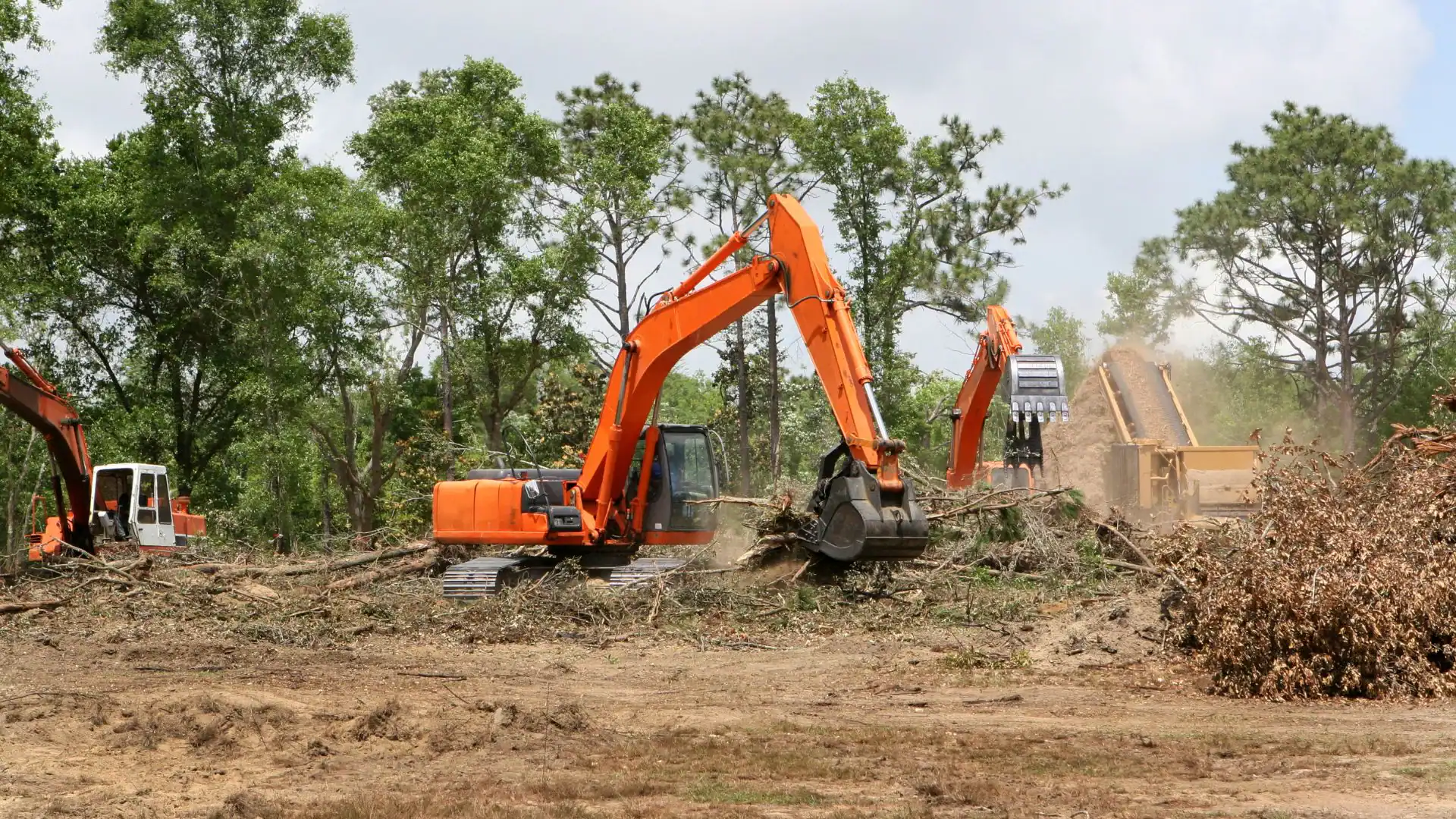
It depends on where the property is and what you’re clearing. The Town of Southold governs all clearing activity in Mattituck under Chapter 240 of the Town Code, which sets lot-size-based limits on how much native vegetation can be removed from residential parcels within subdivisions. Clearing beyond those limits requires Planning Board approval, and any clearing on slopes of 15% or greater requires an engineer-prepared erosion and sediment control plan.
If your property is near Mattituck Creek, Mattituck Inlet, or any other wetland or tidal area, Chapter 275 of the Southold Town Code applies and that means a Trustee permit is required before any clearing work can begin in the regulated area. Proceeding without that permit exposes you to enforcement action that can be difficult and expensive to resolve. The Town of Southold is also actively developing a tree removal permit code targeting trees over 20 inches in diameter on vacant parcels, so requirements may continue to evolve. The safest approach is to have your property assessed before any work starts which is exactly how we begin every job.
Land clearing costs on the North Fork vary significantly based on lot size, vegetation density, terrain, and what needs to happen with the debris afterward. A straightforward residential lot clearing job on a manageable parcel near Love Lane or Breakwater Beach will cost less than a multi-acre agricultural parcel off Oregon Road with dense scrub, mature trees, and invasive species that need to be handled separately.
What you should expect from us is a breakdown not a single lump sum. Clearing, stump removal, and debris disposal are three distinct cost components, and a quote that bundles them without explanation makes it impossible to understand what you’re actually paying for. On the North Fork specifically, debris disposal adds a real cost that some contractors underquote or leave out entirely, because the Town of Southold’s brush cleanup program does not collect land-clearing debris. That cost doesn’t disappear it just shows up later, either on a surprise invoice or as a pile of brush at your property boundary that you now have to deal with yourself.
This is one of the most important questions to ask before you hire anyone for land clearing in Mattituck and one that a lot of property owners don’t think to ask until it’s too late. The Town of Southold’s spring brush cleanup program, which runs starting around April 20 each year, explicitly excludes stumps, trees, branches longer than eight feet, and any material that qualifies as land-clearing debris. That means if your contractor clears the vegetation and leaves the material on site, the cleanup problem is entirely yours.
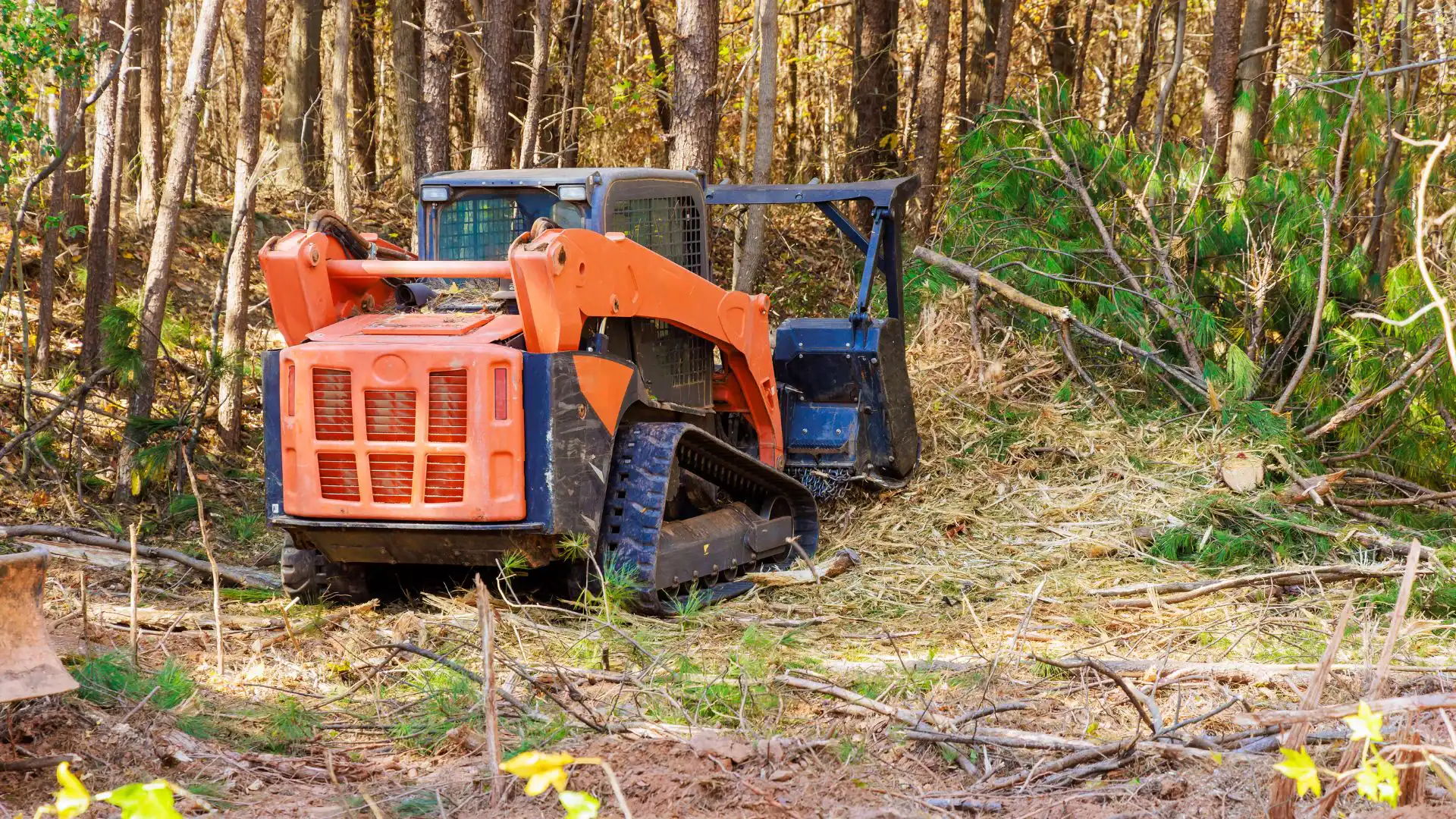
We include debris management as part of every clearing job. Depending on the property and the material, that means on-site mulching where it’s appropriate and permitted, or private haulage and disposal where the material can’t remain. Your quote will specify exactly which approach applies to your property and what it costs. When we leave, the site is clear not just cleared to the edge of your property line with a pile of brush waiting for someone else to deal with.
Clearing near Mattituck Creek, Mattituck Inlet, or any other wetland-adjacent area in Mattituck requires careful handling of the Town of Southold’s Chapter 275 regulations. Chapter 275 governs operations within the Town Trustees’ wetland jurisdiction, and any clearing work within that regulated area requires a written Trustee permit before work begins. Long Creek a branch of Mattituck Creek east of the Grand Avenue bridge is specifically named in the code as a sensitive area with additional restrictions.
This doesn’t mean clearing near the water is impossible it means it has to be done correctly. We assess the wetland jurisdiction boundary before quoting any waterfront or creek-adjacent job, confirm whether a Trustee permit is required, and factor that into the project timeline. Starting work without that assessment is how property owners end up with stop-work orders and remediation requirements that cost far more than the original clearing job. If your property is near the water, that’s the first conversation we need to have.
Timeline depends on the size of the parcel, the density of the vegetation, and whether any permit steps are required before work can begin. A standard residential lot clearing job in Mattituck say, a half-acre to one-acre parcel that’s been left unmanaged for a few seasons can typically be completed in one to two days once equipment is on site. Larger agricultural or rural parcels along Oregon Road or Sound Avenue, or properties with significant invasive species or mature tree removal, take longer and require more planning upfront.
The permit step is the variable that catches most people off guard. If your property requires a Chapter 275 Trustee permit for wetland-adjacent clearing, or if the Town of Southold’s Planning Board needs to review a clearing plan under Chapter 240, that process adds time before any physical work begins. We flag those requirements at the site visit stage so you’re not surprised mid-project. Spring is the busiest season for land clearing services in Mattituck if you’re planning a project for before summer, getting the site visit and quote done in late winter or early spring gives you the best chance of hitting your timeline.
Spring and fall are both strong windows for overgrown property clearing in Mattituck, but for different reasons. Spring particularly April through early June is when most property owners are motivated to act, especially seasonal and absentee owners returning to the North Fork after winter. Clearing in spring gets the property ready for summer use, and it aligns with the period when real estate activity on the North Fork is most intense. If you’re planning to list or develop, spring clearing puts you in front of buyers at the right moment.
Fall is underrated. Deciduous trees are dropping their leaves, which makes it easier to assess the full structure of the vegetation and identify what needs to come out. Ground conditions on the North Fork are typically firmer in fall than in the wet early spring, which means better access for equipment on larger parcels. Contractor availability is also better in fall than in peak spring season. Winter clearing is viable for the right project dormant trees are easier to work with, and there’s no competition for scheduling. Regardless of season, don’t wait until the week before you need the property ready. Between the site visit, the quote, any required permit steps, and scheduling, building in a few weeks of lead time makes the whole process significantly smoother.