Hear from Our Customers
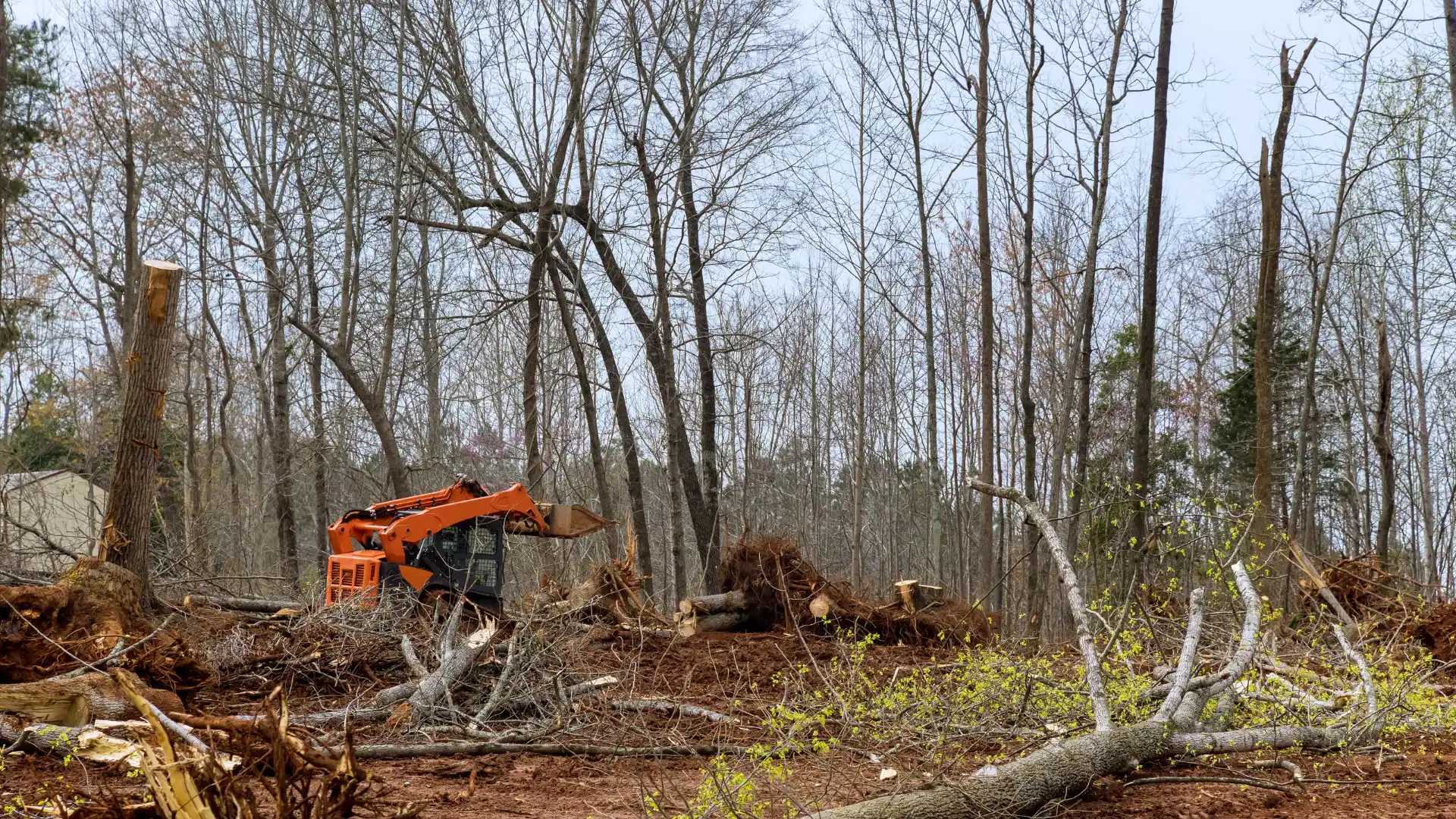
Ronkonkoma’s housing stock is older. A lot of it. Properties built in the 1950s through 1980s come with decades of growth behind them mature trees that have never been touched, hedgerows that have swallowed fences, and in more cases than you’d expect, running bamboo that’s been quietly buckling driveways and threatening underground utilities for years. When you finally decide to do something about it, you want a contractor who actually shows up, does the full job, and leaves the site clean. That’s the baseline. It shouldn’t be hard to find, but it often is.
What you get when the job is done right is more than just cleared land. It’s a property you can actually use whether that means breaking ground on a new build, listing it for sale, or simply reclaiming a yard that’s been unusable for years. For properties near the Lake Ronkonkoma watershed, there’s also the environmental compliance piece: cleared land that was handled correctly, without disturbing stormwater flow or triggering a call from the Suffolk County DEC. That matters here in a way it doesn’t in inland hamlets where water bodies aren’t part of the picture.
Ronkonkoma is in the middle of a real transformation. The Station Yards development, the activity along the Veterans Memorial Highway corridor, and rising property values across the hamlet mean the stakes for getting site prep right are higher than they’ve ever been. A properly cleared, clean site isn’t just a starting point it’s the difference between a project that moves forward on schedule and one that stalls before it starts.
We operate across Long Island with a specific focus on Suffolk County which means we understand the conditions, the codes, and the complications that come with working in this part of New York. Ronkonkoma isn’t a simple jurisdiction. Parts of the hamlet fall under the Town of Islip; others fall under the Town of Brookhaven. Those two towns have different tree ordinances, different land clearing permit requirements, and different processes. We know which rules apply to your address before we ever put a quote together.
That kind of local knowledge isn’t something you pick up from a website. It comes from working in Ronkonkoma handling bamboo removal under Town of Islip regulations, navigating NYSDEC requirements for properties near Lake Ronkonkoma, and understanding what the Town of Islip’s formal land clearing permit process actually requires, including the survey map submission for trees greater than ten inches in diameter. We bring that background to every job, whether it’s a single residential lot off Hawkins Avenue or a commercial parcel near MacArthur Airport.
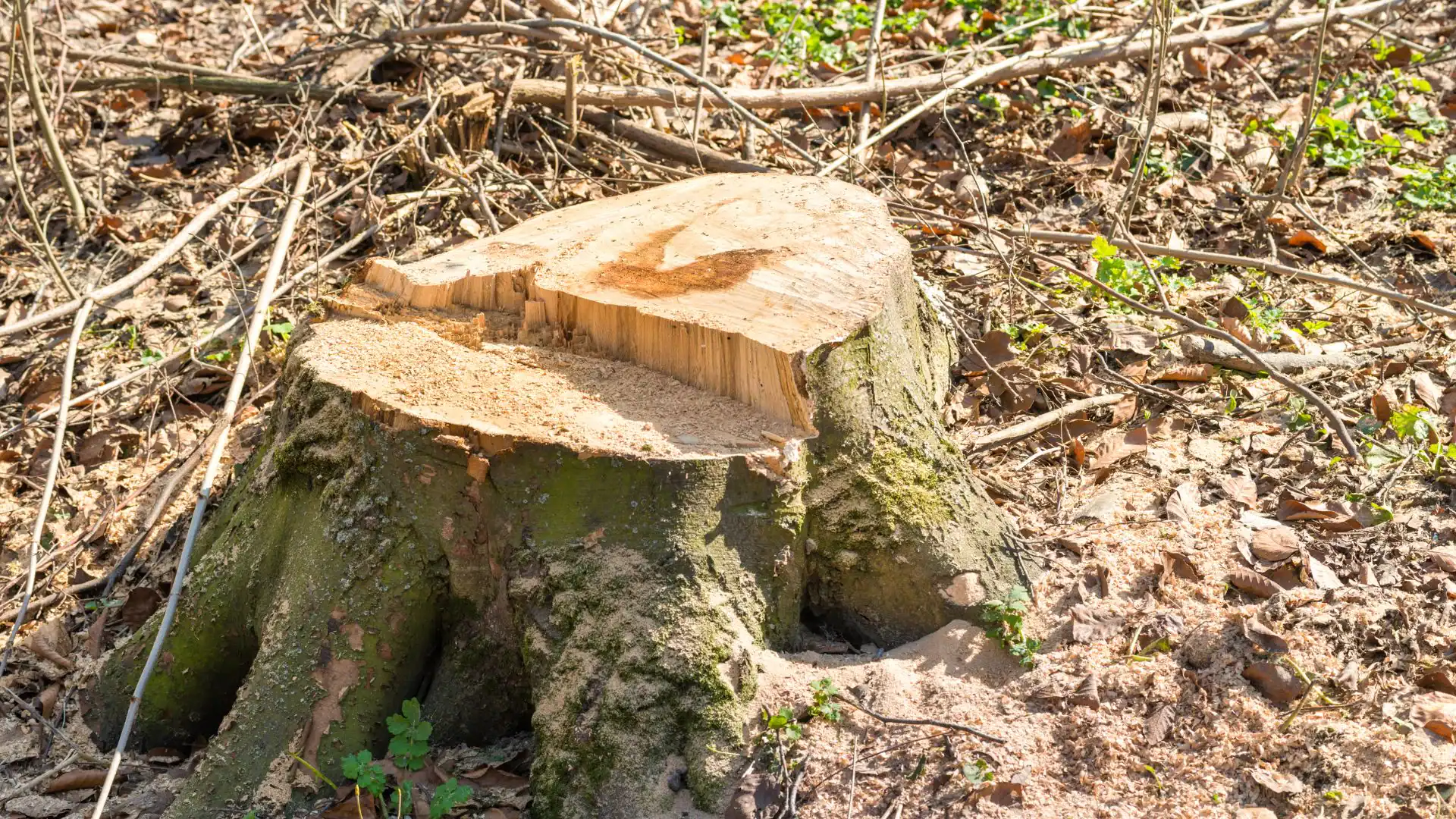
It starts with a site assessment. Before anything else, we look at what’s on the property the type and density of vegetation, tree sizes, stump locations, site access, and any conditions that affect the scope or the timeline. For properties near Lake Ronkonkoma or its watershed, we also assess proximity to regulated water bodies and wetland buffers, because that affects both the approach and whether additional approvals are needed from the Suffolk County Department of Environmental Conservation.
Once we understand the full scope, we put together an itemised quote. Not a lump sum that leaves you guessing a line-by-line breakdown of clearing, stump removal, debris haulage, and any permit fees that apply. If your property falls under the Town of Islip’s land clearing permit requirements, we walk you through that process and handle the submission. If you’re in the eastern section of Ronkonkoma under Town of Brookhaven jurisdiction, we apply the right set of rules for your address. You know exactly what’s happening and why before a single machine rolls in.
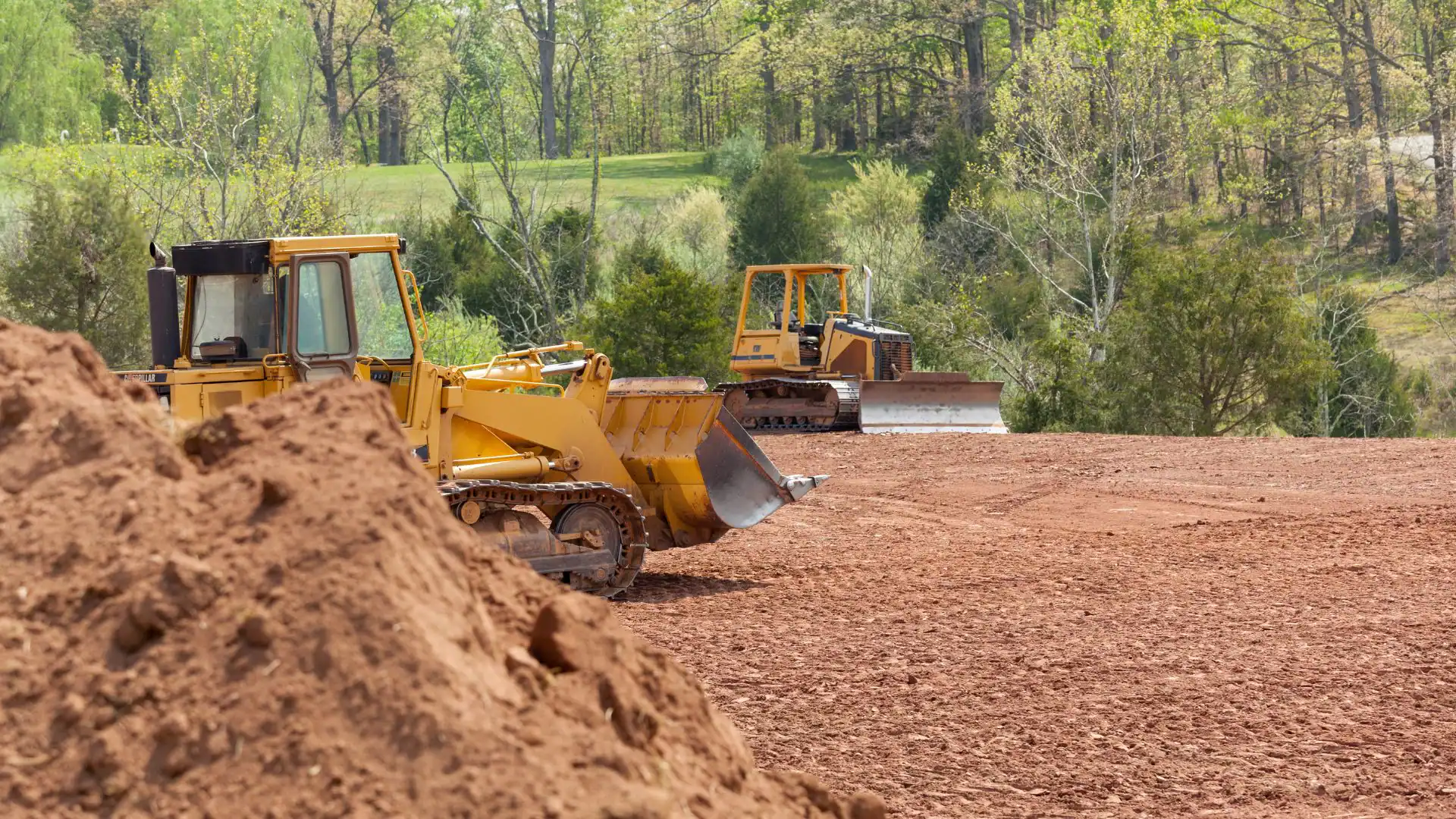
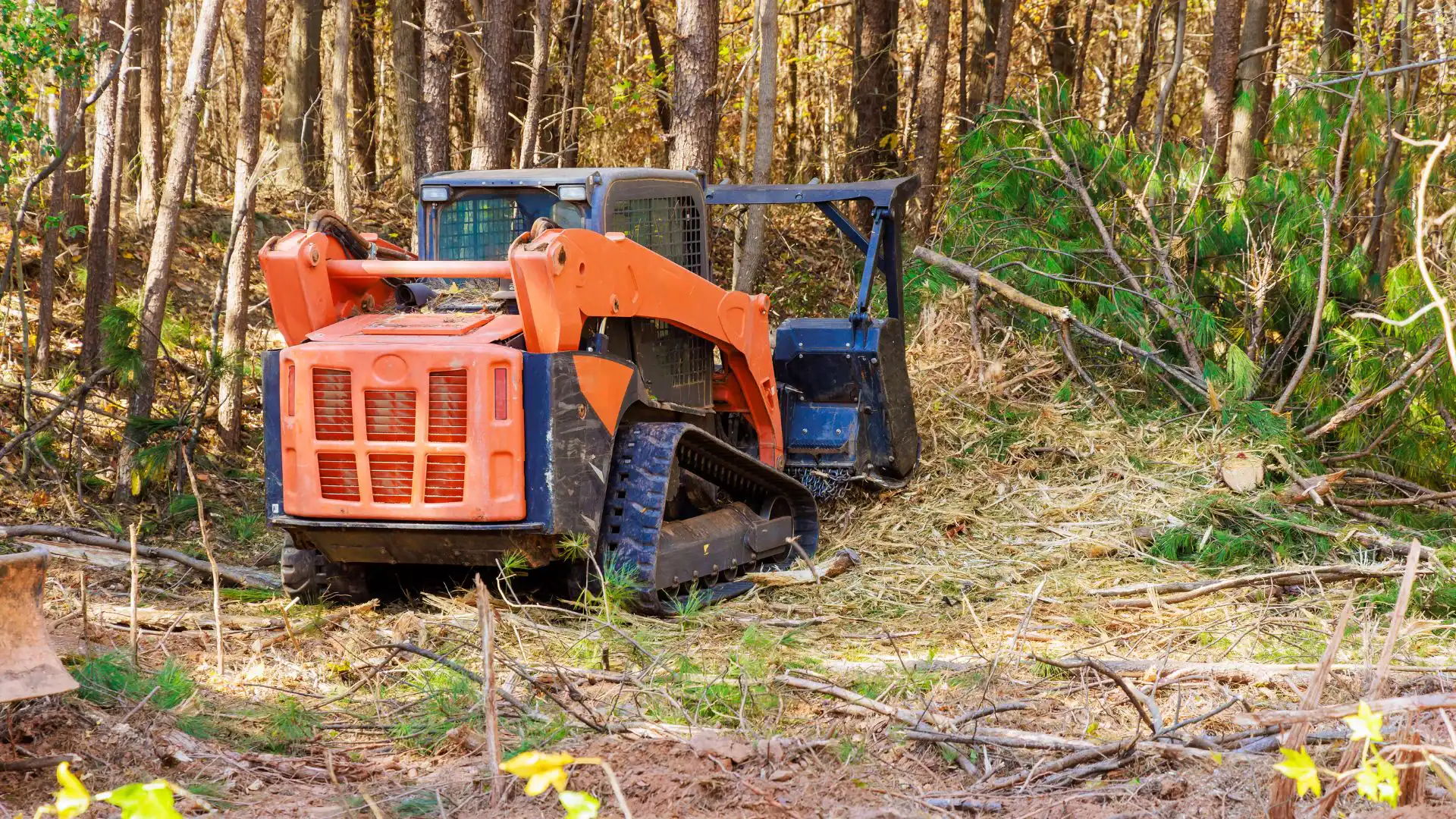
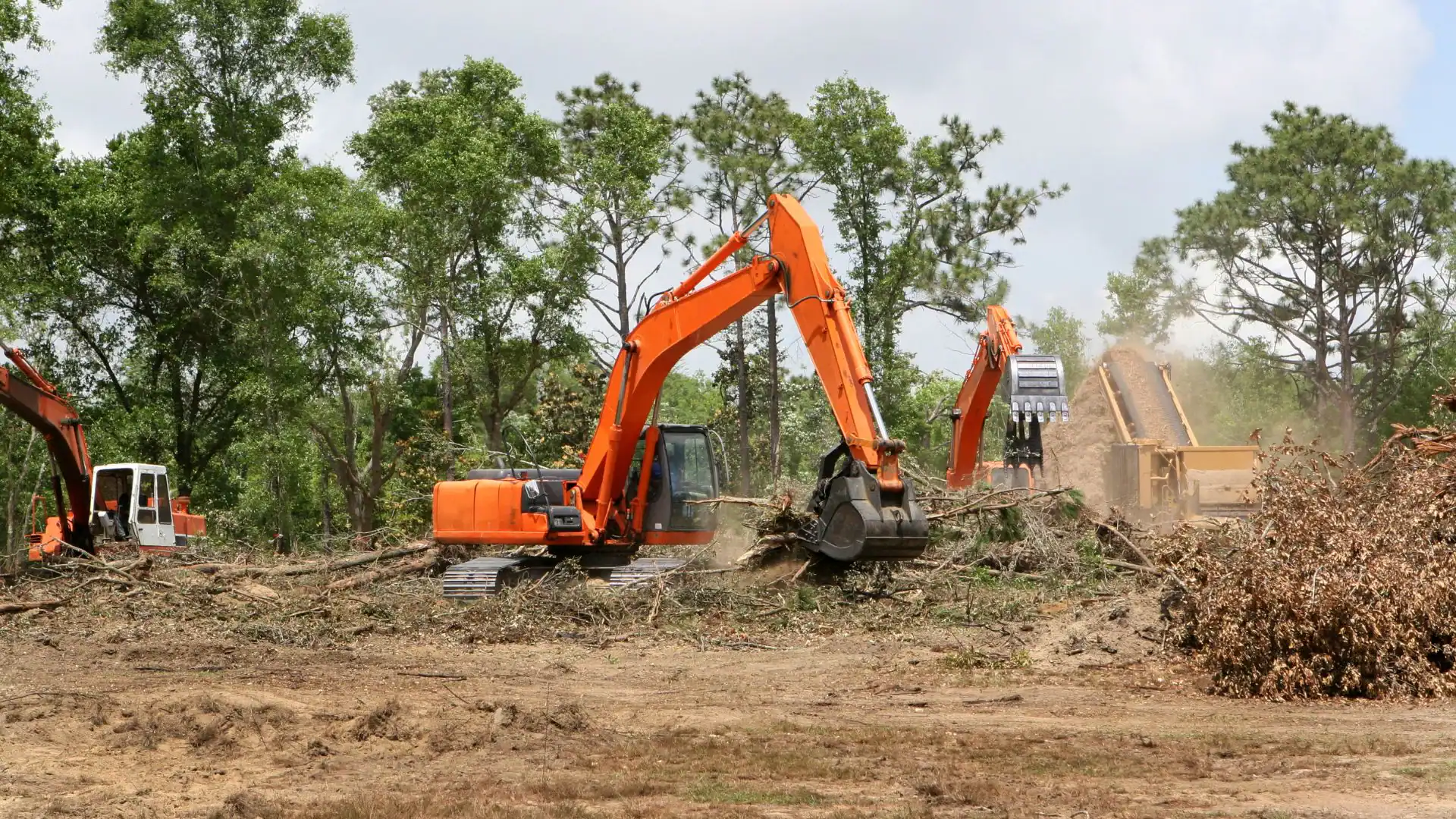
The work itself is straightforward: we clear, we grind, we haul. Vegetation, stumps, debris it all goes. When we’re done, the site is clean and ready for whatever comes next. No piles left at the boundary. No green waste for you to deal with. No follow-up calls wondering where the crew went. Spring and fall tend to be the busiest seasons in Ronkonkoma if you’re planning a project that needs to start before summer construction season, booking early gives you the most flexibility on scheduling.
Ready to get started?
Land clearing in Ronkonkoma isn’t one-size-fits-all. The scope changes based on what’s growing, how long it’s been growing, and where the property sits. We handle the full range land clearing, brush clearing, lot clearing, land reclamation, vegetation removal, and overgrown property clearing so you’re not piecing together multiple contractors to get one job finished.
Running bamboo is one of the most common and most mishandled issues on properties in this hamlet. The Town of Islip requires residents to control existing bamboo growth, and cutting it at ground level isn’t enough. The rhizomes spread laterally underground and come back harder if the root system isn’t properly addressed. We remove bamboo correctly above and below grade in compliance with the Town of Islip’s requirements. If you’ve got bamboo near a driveway, a pool, or a utility line, that’s exactly the kind of job that needs to be done right the first time.
For properties in the Lake Ronkonkoma area or anywhere near the watershed, we assess environmental exposure before quoting. For vacant lots and older residential properties across Ronkonkoma, land reclamation services are often the right call bringing an overgrown, unusable parcel back to a clean, level state that’s actually buildable or sellable. Whatever the property looks like right now, we can tell you what it takes to get it where you need it to be.
It depends on where your property sits and what you’re removing. Ronkonkoma straddles two town jurisdictions the Town of Islip covers the western portion of the hamlet, while the eastern portion falls under the Town of Brookhaven. Both towns have their own tree ordinances and land clearing permit requirements, and they’re not the same.
Under the Town of Islip, a formal Land Clearing Permit Application is required for clearing work that meets certain thresholds. That application needs to be accompanied by a survey map or scaled drawing that clearly identifies all areas to be cleared and all trees greater than ten inches in diameter. The Town of Islip also has Chapter 57, its tree ordinance, which addresses the removal of trees on both public and private property. If your property is in the Brookhaven section of Ronkonkoma, different rules apply. Before we quote any job, we confirm your property’s jurisdiction and walk you through exactly what approvals are needed so you’re not caught off guard by a stop-work order or a fine after clearing has already started.
Land clearing on Long Island generally runs between $2,800 and $4,500 per acre, but that range moves depending on several factors specific to your property. Vegetation density is the biggest driver a lot with decades of unchecked growth, mature trees, and established bamboo is a different scope than a lot with light brush and a few saplings. Site accessibility matters too, as does whether the terrain is flat or graded, and whether debris removal and haulage are included in the quoted scope or billed separately.
In Ronkonkoma specifically, older residential properties particularly those near Lake Ronkonkoma or in the established neighborhoods off Hawkins Avenue often come with heavier clearing requirements than newer or more recently maintained lots. Bamboo remediation, stump grinding, and debris haulage are all variables that affect the final number. The best way to get an accurate picture is a site assessment, not a phone estimate. We provide itemised quotes that break down each component of the job so you know exactly what you’re paying for before any work begins no surprises when the invoice arrives.
It can, and it’s worth finding out before the work starts rather than after. Lake Ronkonkoma is the largest freshwater lake on Long Island, and its watershed covers a significant portion of the surrounding residential neighborhoods. Properties within or adjacent to that watershed may be subject to oversight from the New York State Department of Environmental Conservation and the Suffolk County Department of Environmental Conservation, particularly if the clearing work is near a wetland buffer or could affect stormwater drainage.
Clearing that removes vegetation holding a slope, disrupts natural drainage patterns, or encroaches on a regulated wetland buffer without the right approvals can trigger enforcement action that’s far more disruptive and expensive than the clearing job itself. This isn’t a theoretical risk it’s a documented concern for properties in the Lake Ronkonkoma area. As part of our site assessment process, we evaluate every property for proximity to regulated water bodies and wetland areas. If approvals are needed, we identify that upfront and factor it into the timeline and quote so there are no surprises once work is underway.
Yes and it’s one of the more common requests we get from Ronkonkoma homeowners. Running bamboo has been planted on Long Island properties for decades, and a lot of those plantings have been left unmanaged long enough to become a serious problem. The Town of Islip actually requires residents to control existing bamboo growth, which tells you something about how widespread the issue is in Ronkonkoma.
The reason bamboo is so difficult to deal with is that cutting it at ground level does almost nothing. The rhizomes the underground root system spread laterally, sometimes several feet per year, and they’ll push back through the surface harder than before if the root system isn’t properly addressed. We’ve seen bamboo buckle driveway surfaces, work its way through pool walls, and get into underground utility lines. Removing it correctly means going after the root mass, not just what’s visible above grade. The approach varies depending on how established the growth is and how close it sits to structures or utilities, which is why a site visit is always the starting point before we quote bamboo removal.
Land clearing typically refers to removing trees, brush, and vegetation from a property to prepare it for a specific next step construction, landscaping, or sale. It’s the first phase of site preparation, and the scope can range from light brush removal to full clearing of heavily wooded or overgrown land.
Land reclamation goes a step further. It’s the right call when a property has been neglected long enough that it’s genuinely unusable not just overgrown, but compromised by invasive species, erosion, debris accumulation, or years of unchecked vegetation growth. In Ronkonkoma, land reclamation is common on older residential properties that have changed hands through estate settlements or long-term neglect, particularly in the established neighborhoods surrounding Lake Ronkonkoma where mature growth has had decades to take hold. The goal of reclamation is to bring the land back to a clean, functional, and buildable state not just clear it, but restore it to something you can actually work with. We assess each property individually and recommend the right scope based on what’s actually there, not a standard package applied regardless of conditions.
Spring and fall are the two peak seasons for land clearing in Ronkonkoma, and both have their advantages. Spring roughly March through May is when most property owners who’ve been watching an overgrown lot through the winter finally move forward. Demand picks up quickly, and contractors who can get on-site early in the season book out fast. If you have a construction start date or a permit deadline tied to a spring or summer project, getting your clearing scheduled before the season peaks gives you the most control over your timeline.
Fall is the other strong window. Once deciduous trees shed their leaves, it’s much easier to assess the full scope of what needs to come out which makes for more accurate quotes and fewer scope surprises mid-job. It’s also when the full extent of summer bamboo growth becomes visible and motivates a lot of homeowners to finally address it. Winter clearing is slower but not impossible frozen ground can actually improve access on soft or wet sites, which is relevant for properties near the Lake Ronkonkoma watershed where soil conditions can make summer or spring access more difficult. Whatever your timeline, the earlier you reach out, the more flexibility we have to work around it.