Hear from Our Customers
Sayville isn’t a town where you can just show up with a machine and start cutting. Properties here sit between Sunrise Highway and the Great South Bay, and depending on where your lot falls, you may be dealing with wet soils near the water, mature hardwoods that need careful assessment, or invasive species like Japanese knotweed and Oriental bittersweet that have taken over more quietly than most people realize. A cleared site means nothing if the work was done without the right permits or without understanding what was growing there in the first place.
When land clearing services in Sayville are done properly, what you’re left with is a site that’s genuinely usable not just visually open, but legally cleared, debris-free, and ready for the next contractor, the landscaper, or the builder. That matters especially here, where median home values sit above $720,000 and the cost of a stop-work order or an enforcement action from the Town of Islip can set a renovation or development project back by weeks.
Sayville residents notice the difference. This is a tight-knit, property-proud community, and the way a contractor leaves your site reflects on you as much as it does on us. Clean work, proper disposal, and protected surrounding vegetation aren’t extras they’re the baseline expectation in a community like this.
Gold Coast Landworks is a Long Island land clearing contractor that works across Suffolk County, including Sayville and the surrounding South Shore communities like West Sayville, Bayport, Oakdale, and Blue Point. We’re not a tree service that added clearing to the menu, and we’re not a landscaping company treating it as an add-on. Clearing is what we do, and we’ve built our process around the specific conditions, regulations, and expectations of Long Island properties.
We know the Town of Islip’s permit requirements before we ever quote a job in Sayville. We know what phragmites looks like near the bay, what knotweed does to a lot line if it’s left alone another season, and what it takes to leave a Sayville property in a condition the next contractor can actually work with. That’s not something you can fake it comes from doing this work here, repeatedly, and caring about the result every time.
It starts with a site visit and a conversation. Before any equipment is scheduled, we walk the property with you, assess the vegetation, identify anything that affects scope or method wet areas near the bay, mature trees that need to stay, invasive species that require specific handling and confirm what the Town of Islip requires before work begins. If a permit is needed under the Town’s Subdivision and Land Development Regulations, we walk you through that process. You don’t need to figure out Chapter 57 of the Town Code on your own.
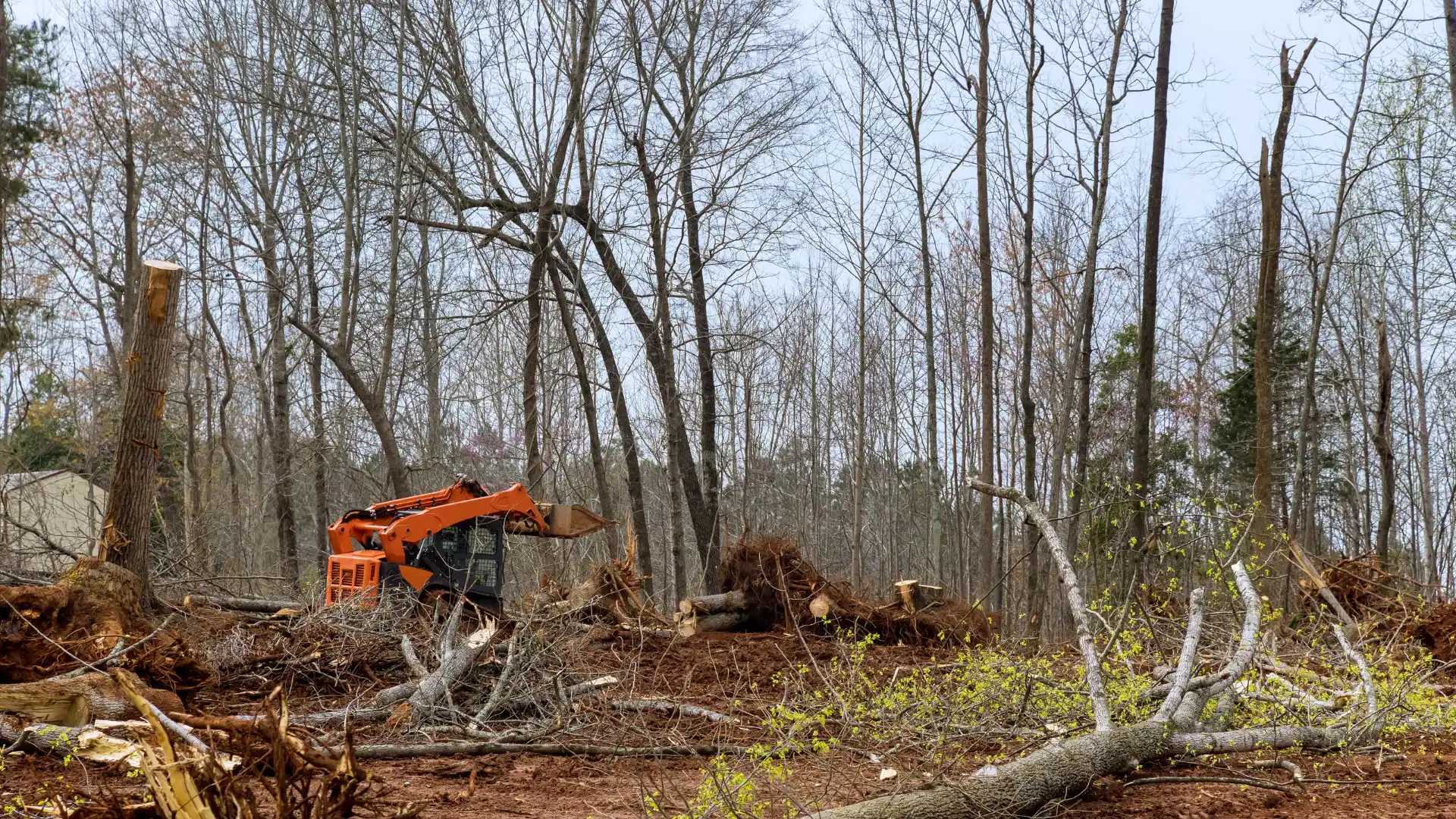
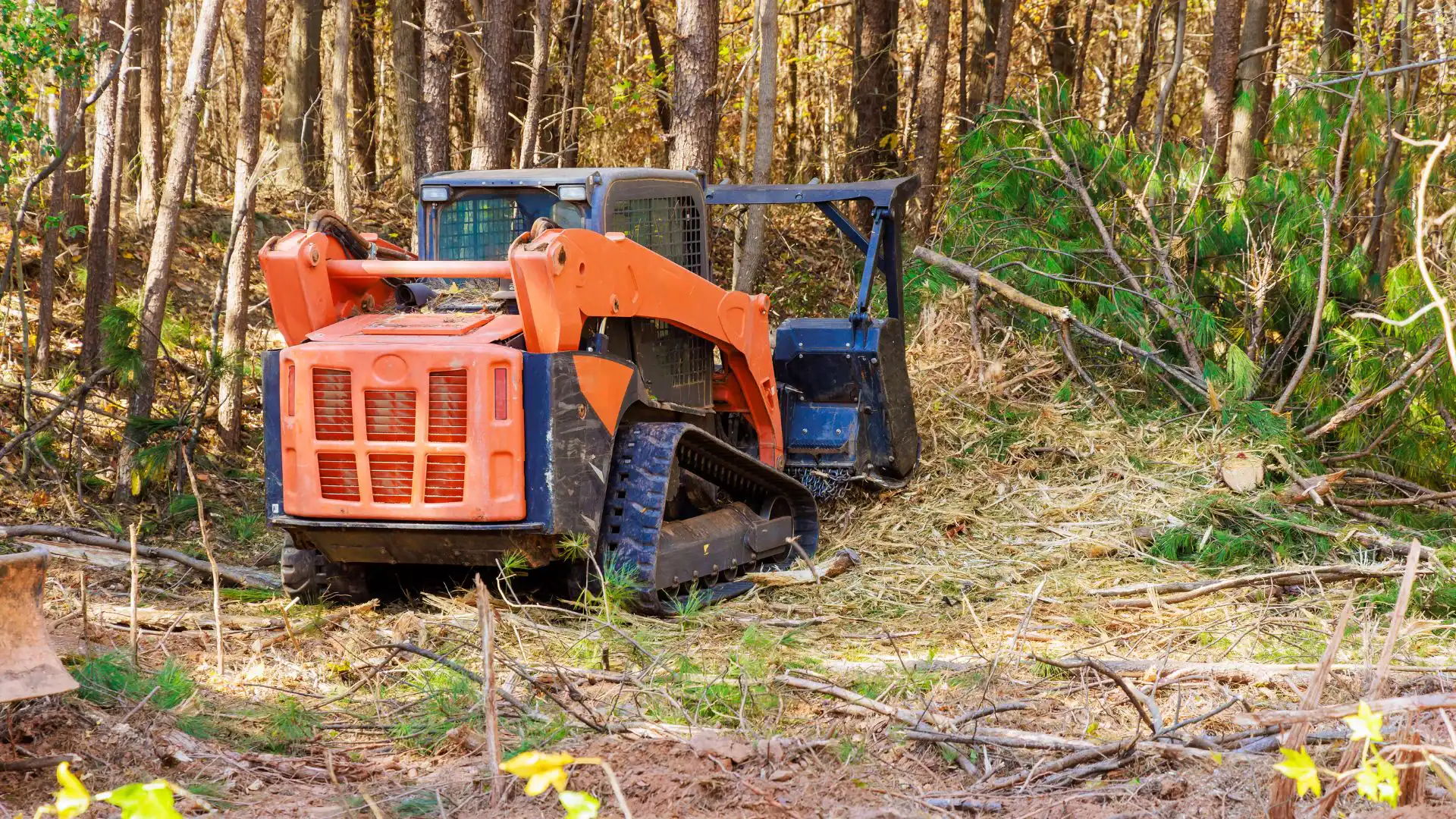
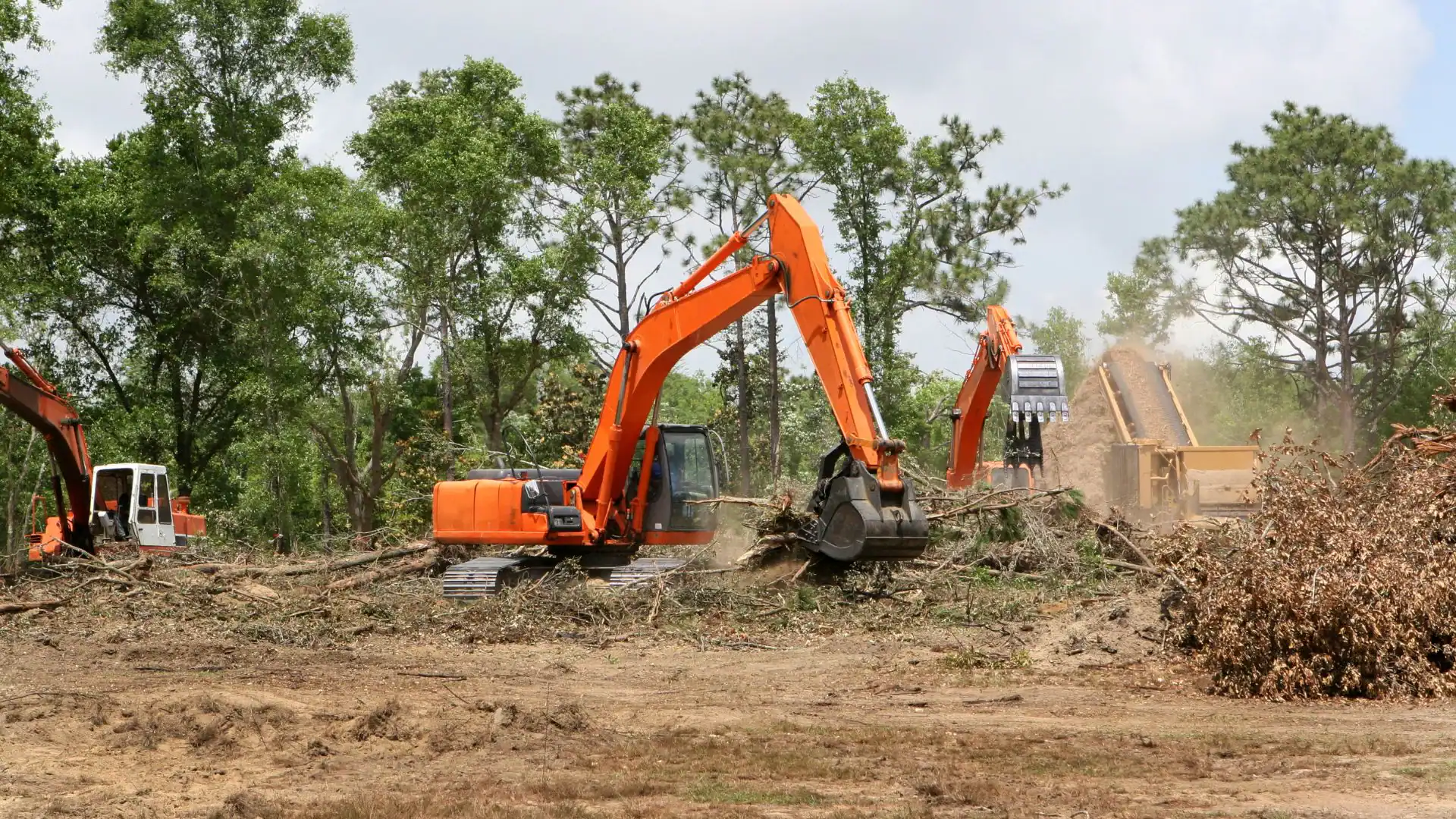
Once the scope is confirmed and permits are in order, we schedule the work and show up when we said we would. Clearing comes first brush, scrub, invasive growth, and overstory vegetation within the agreed area. Stump removal follows if it’s in scope. Debris is hauled and disposed of properly, including invasive material that can’t just be dumped anywhere. We don’t leave a pile on the curb and call it done.
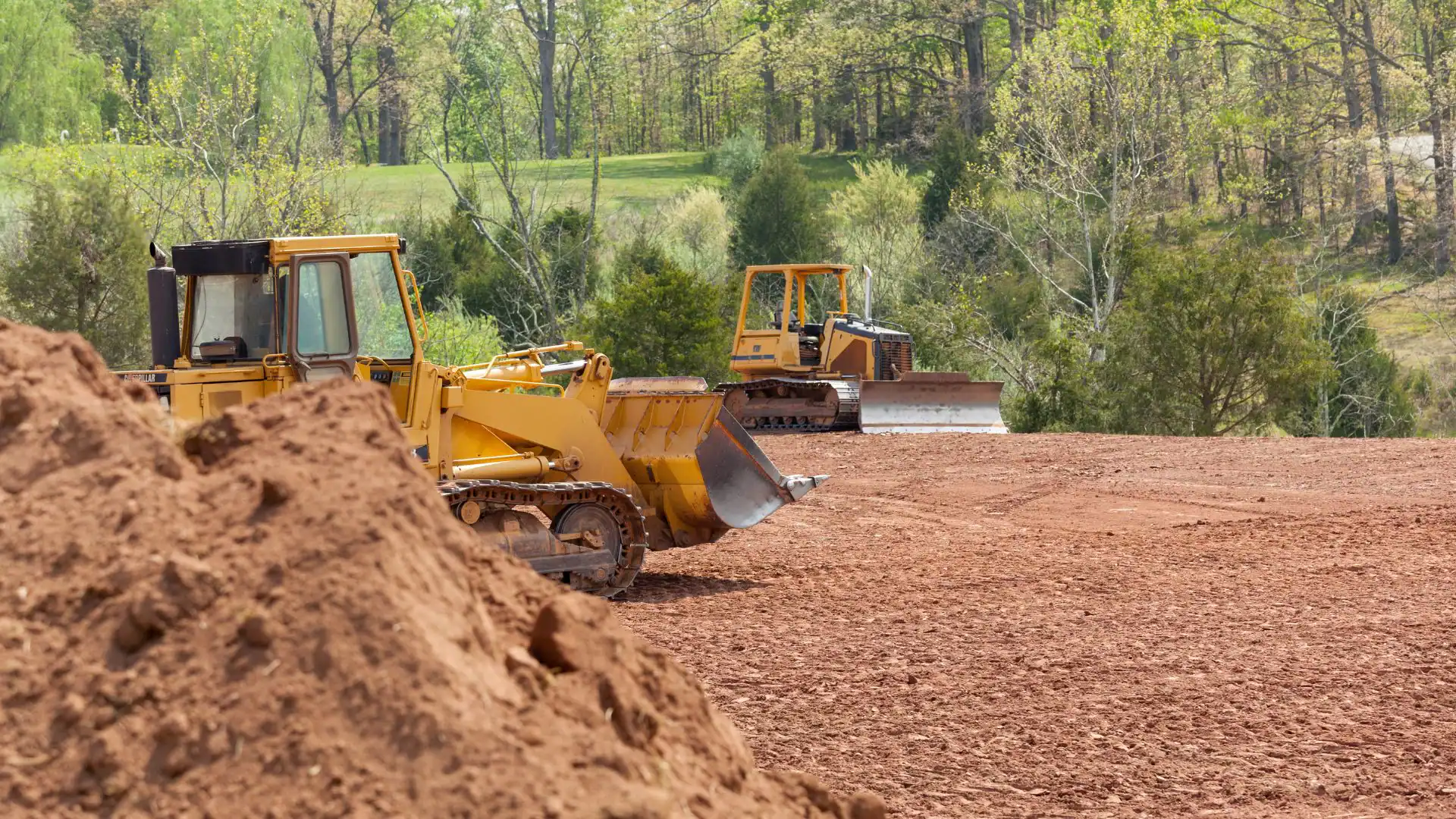
What you’re left with at the end is a site that’s clean, clear, and ready. If you’re heading into a build, your contractor has a workable surface. If you’re landscaping, your crew has a blank canvas. If you purchased an overgrown property in Sayville and just needed it reclaimed, you finally have land you can actually use.
Ready to get started?
Land clearing services in Sayville cover a wider range of situations than most people expect when they first call. Some properties need full lot clearing before a construction start everything from the tree line to the fence gone, site leveled and ready for a foundation. Others need targeted brush clearing to recrap a back corner that’s been overrun with bittersweet and scrub for the past decade. Some are overgrown property clearing jobs on recently purchased homes that haven’t been touched in years. And some are land reclamation services for parcels that have essentially reverted to secondary growth and need a systematic approach to bring them back to usable condition.
What’s included in your job depends on what your property actually requires not a fixed package that may or may not fit. Clearing scope, stump removal, invasive species treatment, debris hauling, and any permit-related steps are each identified and quoted separately, so you know exactly what you’re paying for before we start. No lump sums that hide what’s included, no surprise line items at invoice time.
For properties near the southern end of Sayville close to the Great South Bay, we also identify whether any portion of the site falls within a regulated wetland buffer under New York State’s Tidal Wetlands Act. If a NYSDEC consultation is needed before clearing can proceed, we flag that upfront because finding out mid-job is a problem no one needs on a South Shore property.
Yes in most cases, you do. The Town of Islip’s Subdivision and Land Development Regulations require a permit to be obtained before land clearing begins, and this applies to residential properties in Sayville just as it does to commercial or development sites. Chapter 57 of the Town Code also governs tree removal on both public and private property within the town, and cutting or removing trees without the proper documentation in place creates real legal exposure for the property owner.
The permit requirement isn’t something most Sayville homeowners know about until they’re already mid-project and by then, a stop-work order is a real possibility. Before any clearing work starts on your property, we confirm what’s required, what the application involves, and what the timeline looks like. If permits are needed, we walk you through the process so the job starts clean and stays that way.
The honest answer is that it depends on what’s actually on the property. A straightforward residential lot with light brush and a few stumps is a very different job from a neglected half-acre overtaken by Japanese knotweed, woody scrub, and mature overstory. Lot size, vegetation density, soil conditions, stump count, and debris volume all affect the final number and so does whether permits are required before work can begin.
What we can tell you is that every quote we provide is itemized. Clearing, stump removal, debris hauling, and any permit-related costs are each listed separately so you’re not guessing what’s included. In Sayville, where properties are a significant financial investment, the last thing you want is a vague lump-sum quote from a contractor who leaves out half the scope. A clear quote upfront protects you and it’s how we operate on every job.
A few species show up consistently on South Shore properties and are worth knowing about before you schedule any clearing work. Japanese knotweed is one of the most aggressive it spreads through underground rhizomes, and cutting it without treating the root system just triggers faster regrowth. Oriental bittersweet is another common one, particularly along lot lines and fence rows where it climbs and strangles established trees. Mugwort and multiflora rose are also documented throughout Suffolk County and can take over significant portions of a neglected lot.
The reason this matters for your clearing job is that invasive species can’t just be cut and left in a pile. Improper disposal can spread them further on your property or onto a neighbor’s. We remove invasive vegetation correctly, treat root systems where needed, and dispose of the material in a way that doesn’t create a second problem somewhere else. If your Sayville property has been sitting unmanaged for a few years, it’s worth flagging this before we quote so the scope reflects what’s actually there.
It can, and it’s something we check before any work is scoped. Properties in the southern portions of Sayville near the Great South Bay may fall within or adjacent to regulated wetland buffers under New York State’s Tidal Wetlands Act or Freshwater Wetlands Act, both administered by the NYSDEC. Clearing work within those buffer zones without the appropriate state permit is a serious regulatory issue and it’s not something a contractor who only works inland would necessarily catch before starting.
Beyond the regulatory side, bay-adjacent properties in Sayville often have wetter, more organic soils with higher water tables than properties further north toward Sunrise Highway. That affects equipment selection, site access, and sometimes the timing of when clearing can be done effectively. We factor all of this into the site assessment before we quote, so there are no surprises once work begins.
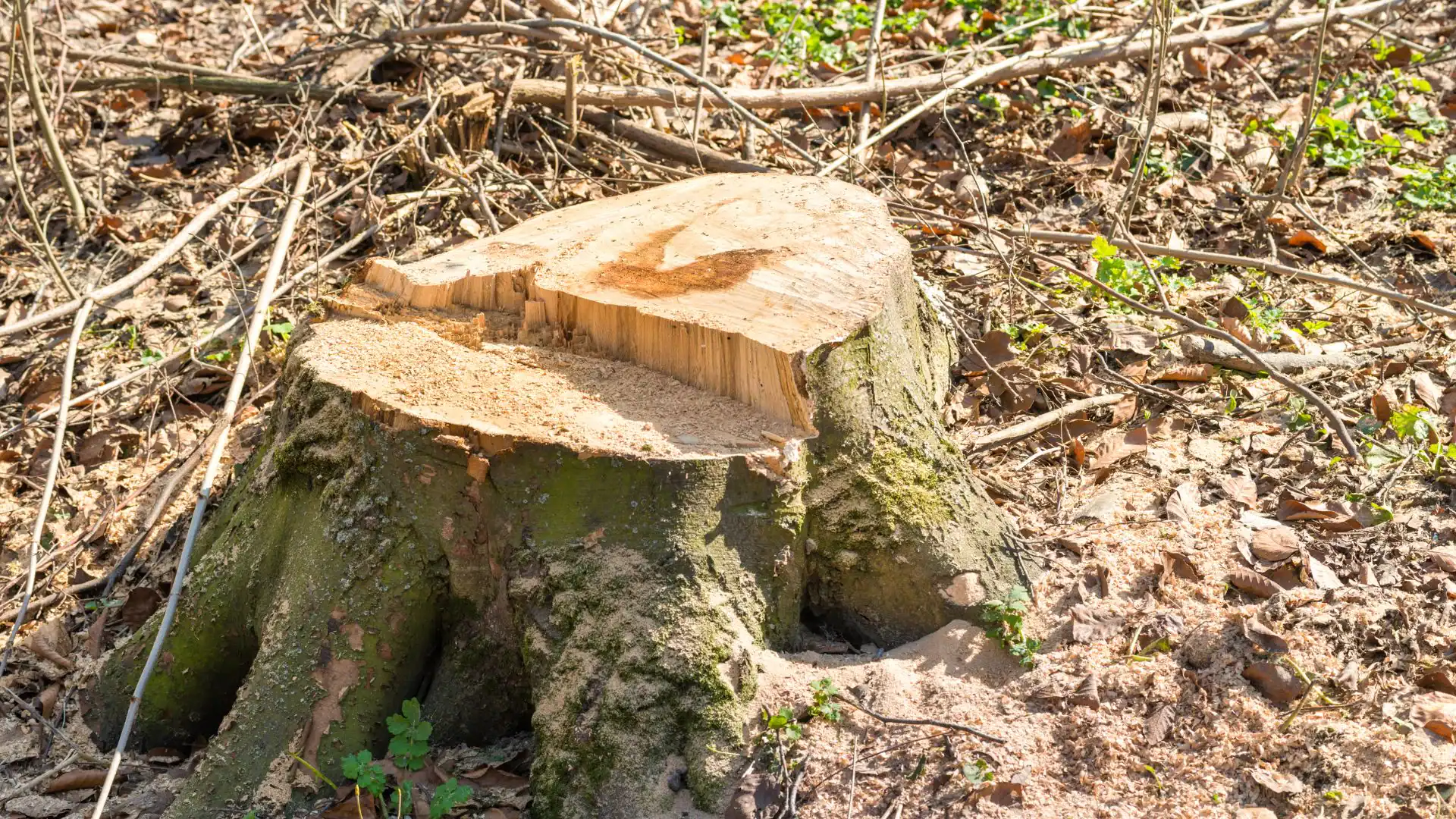
Stump removal is a separate scope item, and we quote it that way intentionally. Some clients want every stump ground down to grade because they’re preparing for a foundation, a driveway, or a lawn. Others are doing a clearing job where the stumps can stay in place at least for now because the priority is removing the above-ground vegetation. Bundling stump removal into a flat clearing rate without asking what you actually need is how contractors inflate quotes on jobs where it isn’t necessary.
When we walk your Sayville property during the initial assessment, we’ll look at stump count, size, and location relative to your end goal and give you a clear number for that line item separately. If you’re heading into a construction project, your builder will almost certainly want the stumps gone. If you’re reclaiming an overgrown section for landscaping, we’ll talk through what makes sense for your specific situation before anything is added to the scope.
Standard lot clearing typically means a defined parcel that needs vegetation removed before a build or a landscaping project the scope is relatively clear, the timeline is tied to a construction start, and the goal is a clean, level site. Overgrown property clearing is a different situation. These are properties often recently purchased in Sayville’s competitive real estate market where years or decades of unchecked growth have created dense secondary vegetation, established invasive species, downed debris, and in some cases trees that have grown into structures or lot lines.
The process is more involved, the equipment requirements are different, and the assessment phase matters more because you often can’t see the full scope until you’re actually on the ground. Sayville has seen real demand for this type of work as older, neglected properties get purchased for renovation or redevelopment buyers who finally found a home in a tight market and now need the land brought back before anything else can happen. If that’s your situation, the starting point is a site visit so we can give you an accurate picture of what the job actually involves.