Hear from Our Customers
Most West Sayville homes were built in the mid-1950s. That means the trees, shrubs, and hedgerows on your property have had 60 or 70 years to do whatever they want. What started as a manageable yard has, for a lot of homeowners here, turned into something that’s genuinely difficult to reclaim without the right equipment and the right approach.
When the clearing is done correctly, you don’t just get less vegetation you get your property back. A rear yard that’s actually usable. A lot line you can see. A side yard that doesn’t look like it’s trying to take over the house. For homeowners preparing to list a property in a market where median values sit around $583,200, that difference shows up at the appraisal.
There’s also a coastal reality that applies specifically to West Sayville. Properties near the Great South Bay deal with invasive species pressure Phragmites along the water’s edge, bittersweet and multiflora rose on older lots, and in some cases kudzu, which has been confirmed active in this area as recently as 2024. These aren’t plants you can cut once and call done. Proper removal matters, and it starts with knowing what you’re dealing with before the first cut.
We work on Long Island properties the kind with mature canopy, compact lot sizes, aging root systems, and a regulatory environment that varies depending on exactly where your property sits. In West Sayville, that means understanding Town of Islip codes, knowing when Suffolk County DEC requirements come into play for bay-adjacent lots, and recognizing that a clearing job near the water carries a different checklist than one a few blocks inland.
This isn’t a national directory or a company that sends a different crew every time. When you call us, you’re talking to people who have worked South Shore properties and know the difference between a straightforward brush clearing job and one that needs a permit conversation before anything else happens.
West Sayville homeowners invest in their properties the numbers back that up. The expectation when you hire a contractor here is that we show up, do the work right, and leave the site clean. That’s the standard we hold every job to, whether it’s a single overgrown lot near Montauk Highway or a larger clearing project backing up toward Dominy County Park.
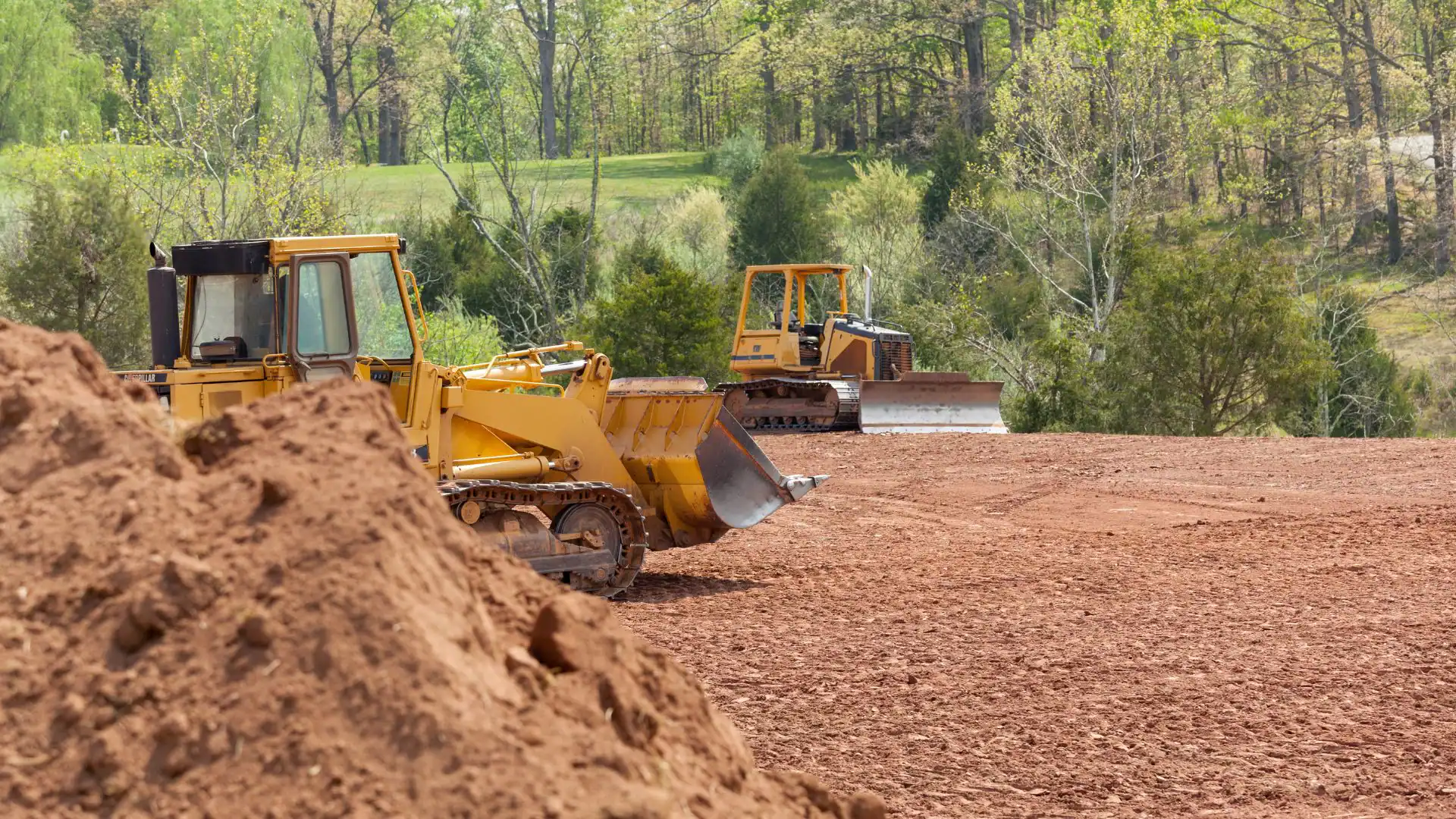
It starts with a site assessment. Before any quote is issued, we look at the property what’s there, how dense it is, what species are present, and whether the lot’s location triggers any permit requirements under the Town of Islip’s tree code or Suffolk County DEC regulations. For properties near the Great South Bay or any mapped wetland area, that last point isn’t optional. It’s the step that protects you from a stop-work order or a fine after the fact.
Once the scope is clear, you get an itemized quote. Not a ballpark. A line-by-line breakdown that separates clearing, stump grinding, debris removal, and any additional work so the number you approve is the number on the invoice. No “we found more vegetation than expected” surprises.
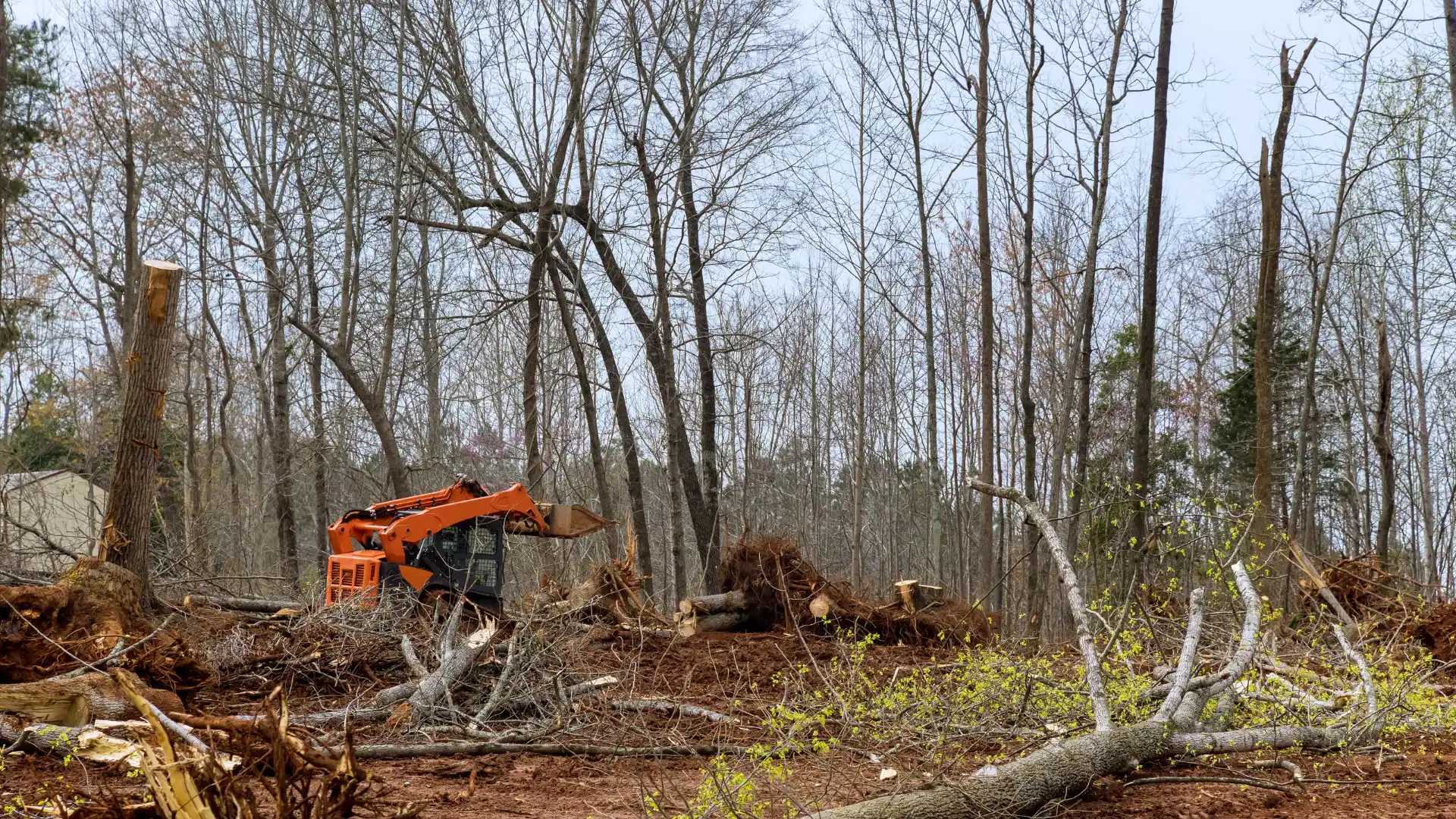
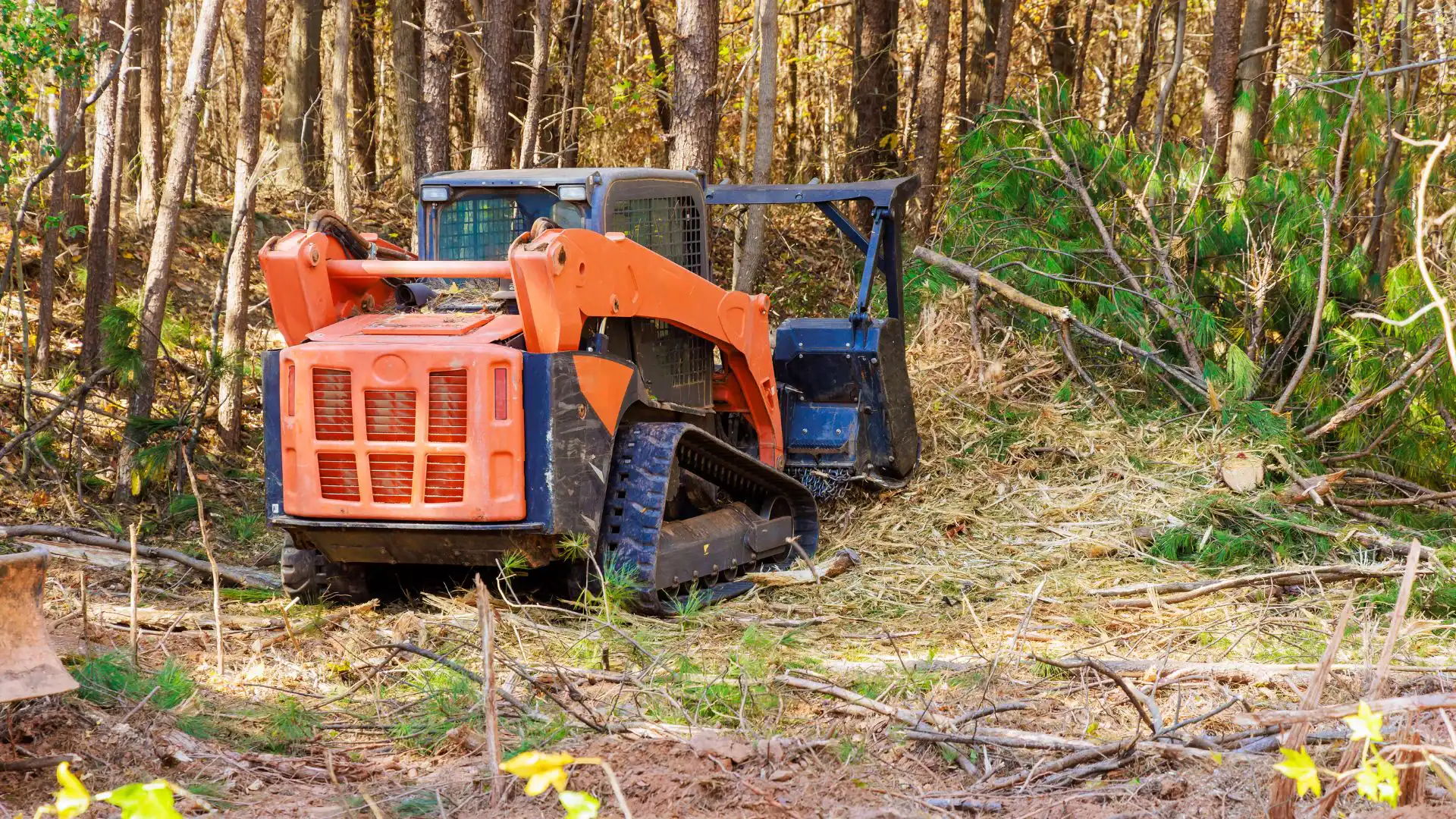
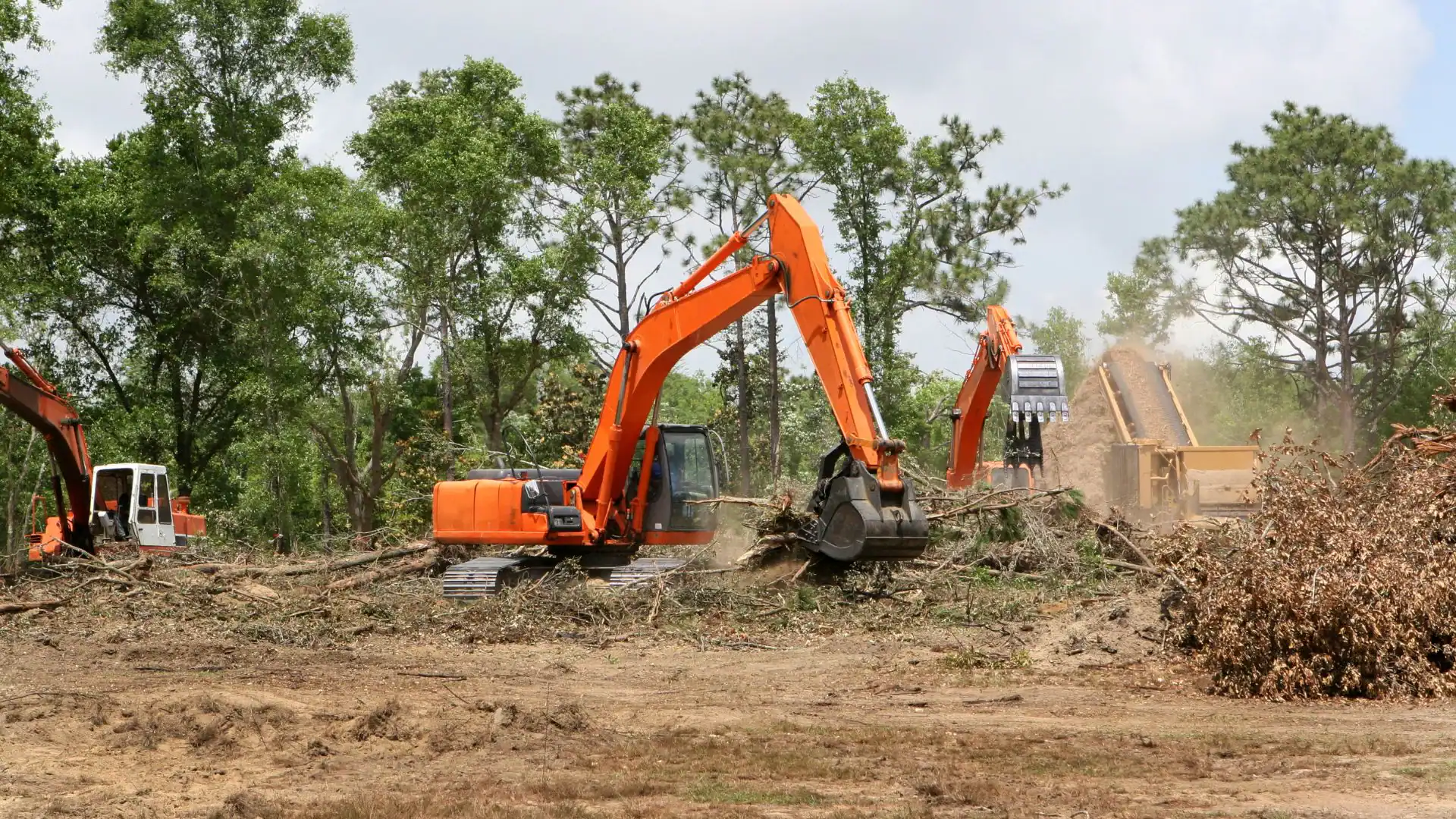
The clearing itself follows a sequenced approach: canopy and large woody material first, then shrubs and understory, then stumps if included in the scope, then debris processing and site cleanup. Spring and fall tend to be the busiest seasons in West Sayville spring for pre-construction and pre-landscaping work, fall for homeowners clearing before winter and addressing anything the summer growing season made worse. That said, clearing work happens year-round here, and dormant-season jobs on older lots often give the clearest picture of what actually needs to come out.
Ready to get started?
Land clearing in West Sayville isn’t one-size-fits-all, and we don’t quote it that way. The scope depends on what’s on the property, where it sits, and what you need the land to be when the job is done. That could mean full lot clearing for a property being prepped for sale or renovation, targeted brush clearing to reclaim a specific section of the yard, overgrown property clearing on a lot that’s been neglected for years, or land reclamation work on a bay-adjacent parcel dealing with Phragmites or other invasive coastal vegetation.
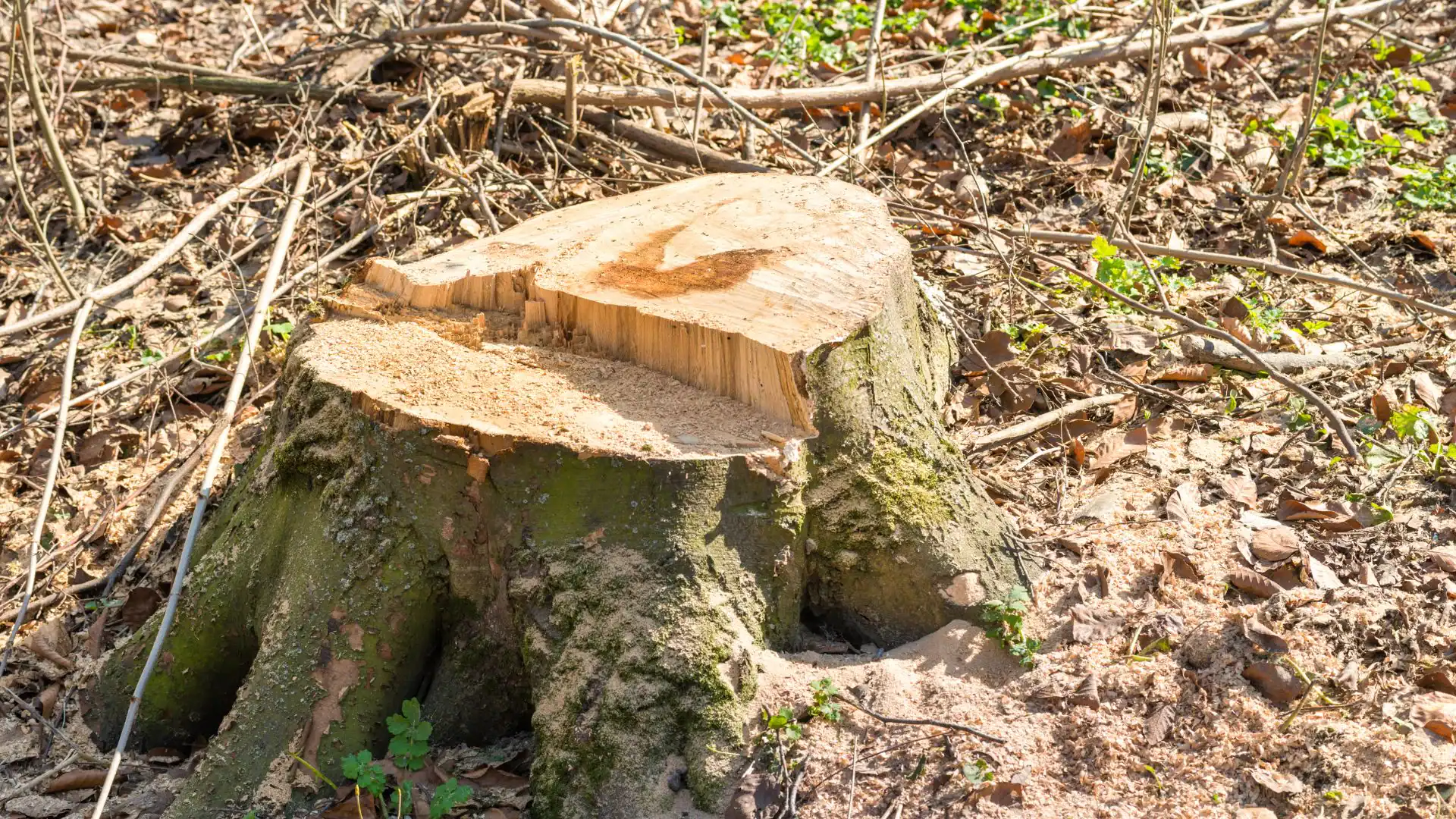
Stump grinding is quoted as a visible line item it’s either included or clearly separated, so you know exactly what the finished site will look like before work begins. Debris removal and site cleanup are handled as part of the job, not left for you to figure out afterward. In a community where annual property taxes run close to $10,000 and homeowners take their properties seriously, leaving a pile of green waste on site isn’t a finish line it’s a failure.
For properties in the Town of Islip where permit requirements apply, we assess that before quoting and walk you through what’s needed. If your lot is near the bay or a mapped wetland, that conversation happens upfront not after the crew is already on site.
In most cases, yes at least depending on what you’re removing and where. West Sayville falls under the Town of Islip’s jurisdiction, and Chapter 57 of the Town Code governs tree removal. The Town requires written property owner consent before any tree cutting, and certain removal work particularly near road rights-of-way or within regulated zoning districts may require a formal permit before anything is touched.
On top of that, if your property is near the Great South Bay or any mapped wetland area, New York State DEC tidal or freshwater wetlands regulations may also apply. These are separate from the Town’s requirements and carry their own approval process. Skipping that step isn’t just a paperwork issue unpermitted clearing near a protected wetland can result in mandatory restoration at your expense.
The short answer is: don’t assume you’re clear to clear. A proper site assessment before the job starts is the step that keeps you on the right side of both the Town of Islip and the DEC.
There’s no honest flat-rate answer to this because the cost depends on what’s on the property. Lot size, vegetation density, tree size and count, stump removal, debris disposal, and whether any permit work is involved all factor into the final number. A basic brush clearing job on a smaller residential lot in West Sayville will cost considerably less than a full lot clearing with stump grinding on a heavily overgrown half-acre property near the water.
What you should expect from us is an itemized quote not a ballpark that grows once the crew shows up. We separate every line item so you know exactly what clearing, stump removal, and debris disposal each cost before you approve anything. In a market where West Sayville properties average well over $500,000, the last thing you want is a quote that changes at invoice time. Ask for the breakdown upfront, and make sure debris removal is included or clearly priced separately before any work begins.
Several, and they matter because incorrect removal can make the problem worse. Phragmites australis common reed is widespread along bay-adjacent properties throughout West Sayville and the South Shore. It’s aggressive, it spreads fast, and cutting it without root treatment typically stimulates regrowth rather than controlling it. If your property backs up toward the water or sits in a low-lying area, there’s a real chance Phragmites is part of what you’re dealing with.
Beyond that, bittersweet, multiflora rose, and Japanese knotweed are common on older residential lots across the area. Kudzu has been confirmed active in the Sayville area as recently as October 2024 by the Long Island Invasive Species Management Area it’s not just a southern problem anymore. These species need to be identified correctly before clearing begins, because the removal method for an invasive vine network is different from standard brush clearing. A contractor who treats all vegetation the same isn’t doing you any favors.
It depends on the contractor and how they quote the job which is exactly why you should ask before signing anything. Some companies include stump grinding in their clearing scope. Others cut to ground level and leave the stumps, either as a cost-saving measure or because it was buried in the fine print as an add-on.
For most West Sayville homeowners, stumps left in the ground are a real problem. If you’re clearing to put in a patio, a garden, a pool, or even just to reclaim usable lawn space, stumps sitting at ground level or just below it will interfere with every one of those plans. They’re also a trip hazard and they continue to attract pests as they decompose. We quote stump grinding as a visible line item either it’s included in the scope or it’s clearly priced separately so you know exactly what the finished site will look like before the job starts. No half-finished results, no discovering the stumps are still there on day two.
Spring and fall are the two peak windows for land clearing work on Long Island, and West Sayville is no different. Spring is when most homeowners who’ve spent the winter watching an overgrown yard finally pull the trigger and it’s also the right time to get ahead of pre-construction or pre-landscaping projects before summer ground conditions make access harder on softer lots near the bay. Fall is the second strong window: vegetation is winding down, leaf drop gives you a clearer picture of what’s actually on the property, and clearing before winter means you’re not starting spring behind.
That said, clearing work happens year-round in this area. Dormant-season jobs late fall through early spring can actually be easier to assess because the canopy is down and you can see the full extent of the overgrowth without summer foliage in the way. If you’re planning a project and wondering whether to wait, the honest answer is: the best time to clear is when the property is ready and the scope is clear. Don’t let seasonality be the reason a problem sits another six months.
It does, and it’s worth understanding before you hire anyone. Properties in West Sayville that sit near the Great South Bay, tidal wetlands, or any mapped coastal vegetation zone fall under New York State DEC tidal wetlands regulations in addition to the Town of Islip’s own codes. That means clearing work in those areas even on your own property may require a DEC permit before a single tree or shrub is removed. The DEC’s jurisdiction typically extends a certain distance inland from the wetland boundary, and that boundary isn’t always obvious from a street-level view of the lot.
The risk of skipping this step is significant. Unpermitted clearing near a protected wetland can trigger enforcement action from the DEC, including mandatory restoration of the cleared area at the property owner’s expense. That’s not a hypothetical it happens on Long Island properties every year. We assess the regulatory picture for every bay-adjacent or waterfront job in West Sayville before quoting, so you know what approvals are needed and what the timeline looks like before any work begins.