
Hear from Our Customers
When the water stops coming in, you get your basement back. Not just as storage space as usable square footage that doesn’t smell, doesn’t grow mold, and doesn’t stress you out every time a nor’easter rolls up the South Shore. For families in Baywood with kids at home, that matters more than most people say out loud. Mold doesn’t stay in the basement. It moves through your HVAC and into the rooms where your family actually lives.
Baywood’s housing stock is almost entirely postwar ranch homes, bi-levels, and colonials built in the 1950s and 1960s, most of them sitting on block foundations that were coated with a tar-based dampproofing that was never meant to last forever. That coating is gone now. What’s left is bare concrete and block, pressed against clay-heavy Suffolk County soil that holds water for days after a storm and pushes it steadily against your foundation walls. A properly installed waterproofing system manages that pressure before it becomes a crack, a leak, or something worse.
The other thing a dry basement does is protect your investment. Baywood homes are serious assets and a wet basement is one of the fastest ways to lose negotiating power when you eventually sell. Buyers’ inspectors flag water intrusion immediately, and a documented waterproofing system with a transferable warranty removes that objection entirely.
Gold Coast Landworks is a Long Island-based waterproofing contractor that works specifically in Suffolk County communities including Baywood and the surrounding Town of Islip area. This isn’t a national franchise routing calls through a regional dispatch center. When you call, we’re a contractor who has worked on homes like yours, in soil conditions like yours, and knows exactly what a 1960s block foundation in this part of the South Shore looks like from the inside.
We understand that Baywood homeowners aren’t looking for a sales pitch. You’re looking for someone who will actually inspect your basement, tell you what’s happening, and give you an honest recommendation not a standard package with a high-pressure close. That’s how we operate. The inspection comes first. The quote follows. And the work doesn’t start until you understand exactly what you’re getting and why.
Whether you’re off Bay Shore Road, near Birchwood Park, or anywhere else in the hamlet, we serve this area and we know it.
It starts with a free in-home inspection. We come to your Baywood home, walk through your basement, and look at everything the foundation walls, the floor joints, any visible cracks, your existing sump pump if you have one, and the grading outside your foundation. We’re not trying to find a reason to sell you a system. We’re trying to figure out what’s actually causing the problem, because that determines what actually fixes it.
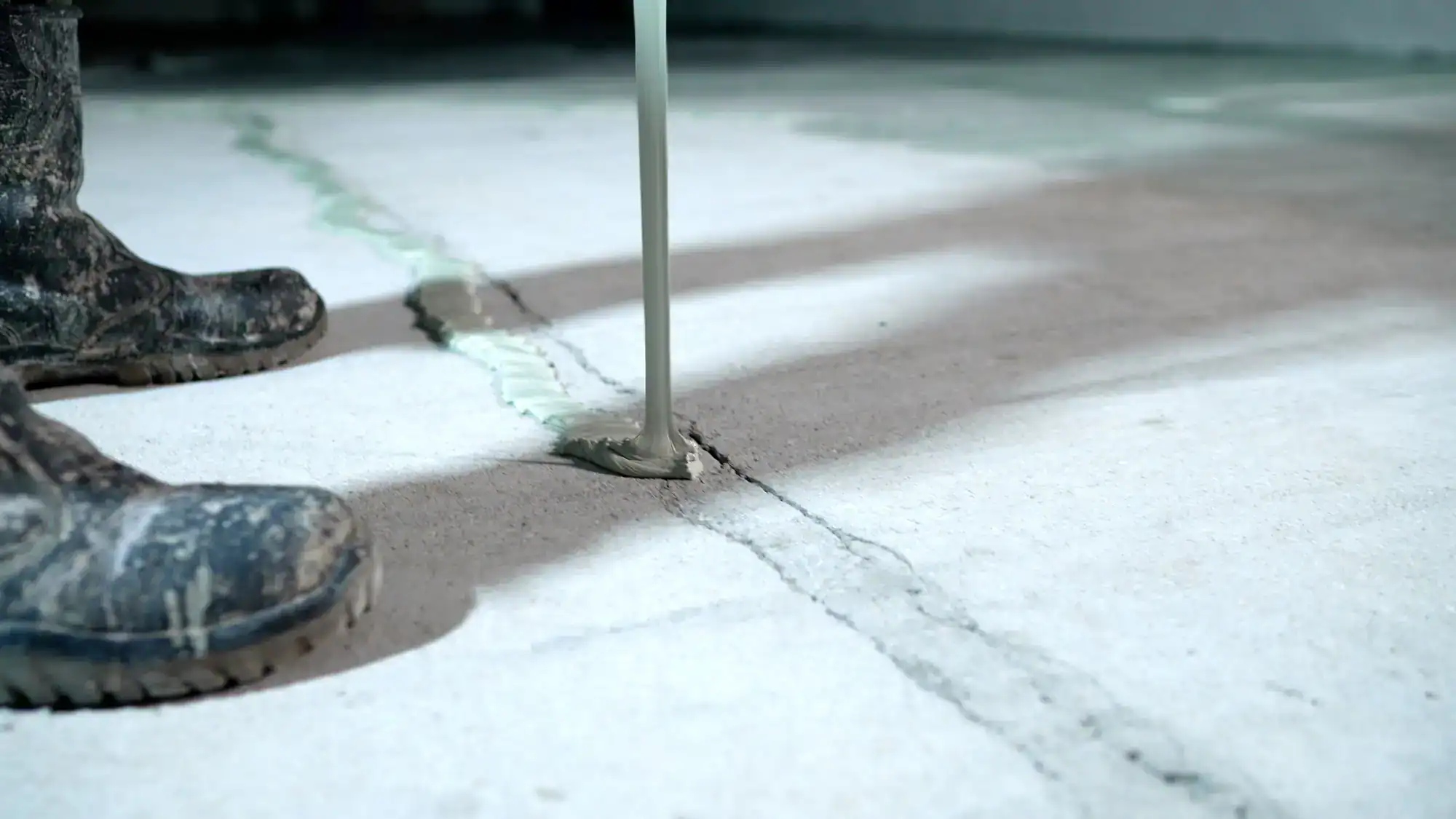
From there, we give you a written estimate. If a crack injection solves your problem, that’s what you’ll be quoted epoxy for structural cracks, polyurethane for active leaks. If your basement needs a full interior drainage system with a sump pump, we’ll explain why, show you what it involves, and give you a price that doesn’t change once the work starts. For homes in the Town of Islip where the work involves structural changes or drainage alterations, we handle the permitting process and make sure everything is done to code.
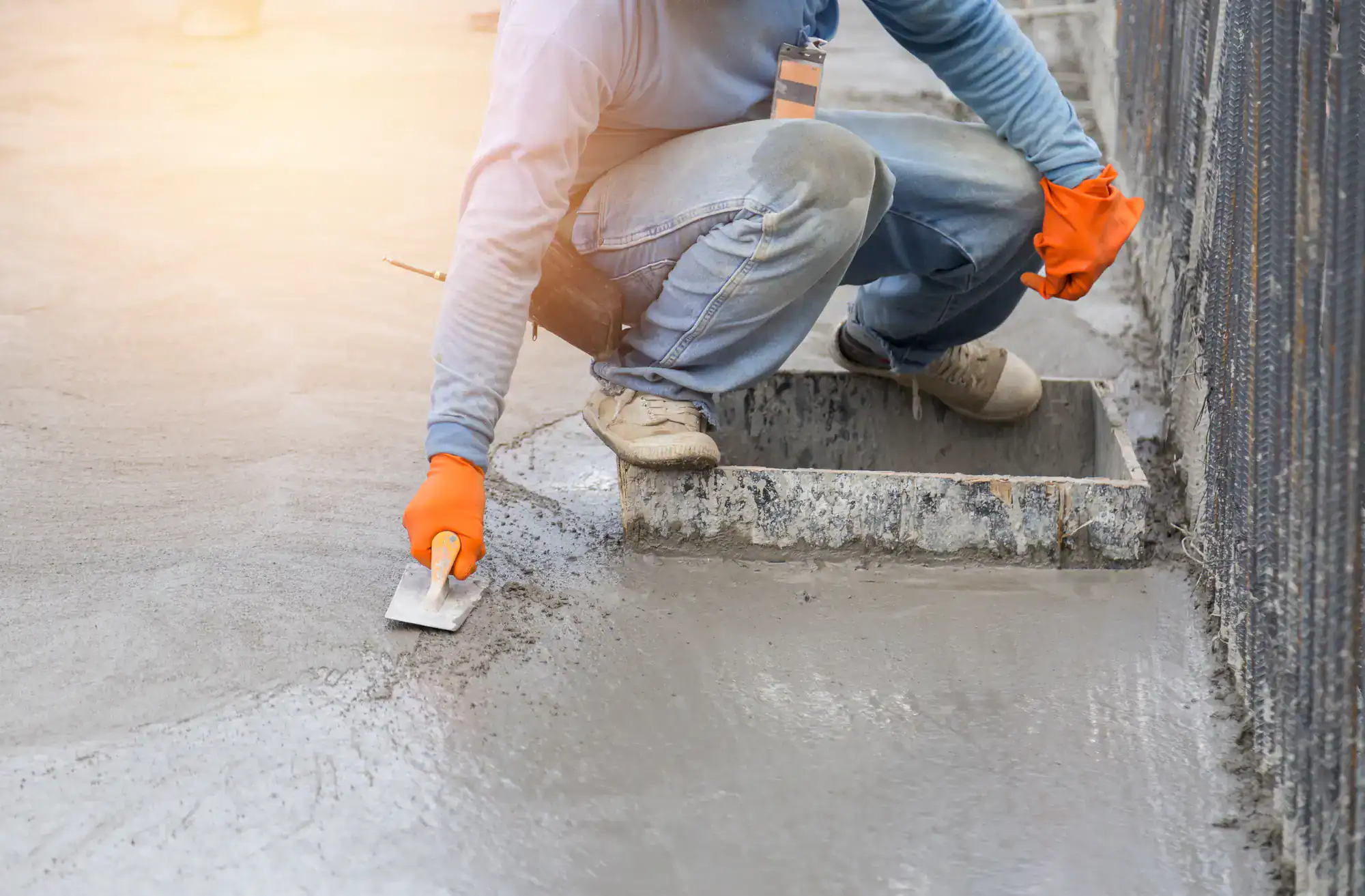
The installation itself is clean and contained. Interior drainage work doesn’t require excavating your yard or tearing up your landscaping. We cut a channel along the perimeter of your basement floor, install the drainage system, route it to a sump pit, and set up your pump including a battery backup, because a nor’easter that knocks out your power is exactly when you need that pump running.
Ready to get started?
Basement waterproofing in Baywood isn’t one product. It’s a diagnosis followed by the right solution for your specific home. We handle the full range interior drainage systems, foundation crack sealing, sump pump installation and replacement, waterproofing basement walls, and exterior waterproofing for homes where interior access alone isn’t enough.
Interior drainage is the most common solution for Baywood’s postwar housing stock. It manages water at the base of the foundation walls before it can accumulate on the floor, routing it to a sump pit and pump system. Sump pump installation in Baywood runs approximately $600 to $1,900 depending on the system, and we always include battery backup options because South Shore power outages during storms are a real and recurring issue here. Interior drainage systems with sump pump integration typically range from $4,500 to $10,000 depending on basement size and existing conditions. Foundation crack sealing using epoxy or polyurethane injection generally runs $800 to $1,500 per crack.
Every job comes with a written warranty covering both materials and workmanship. If you’re a Baywood homeowner who may sell in the next several years, that warranty transfers to the buyer which means it shows up as an asset on your disclosure, not a liability on the inspection report.
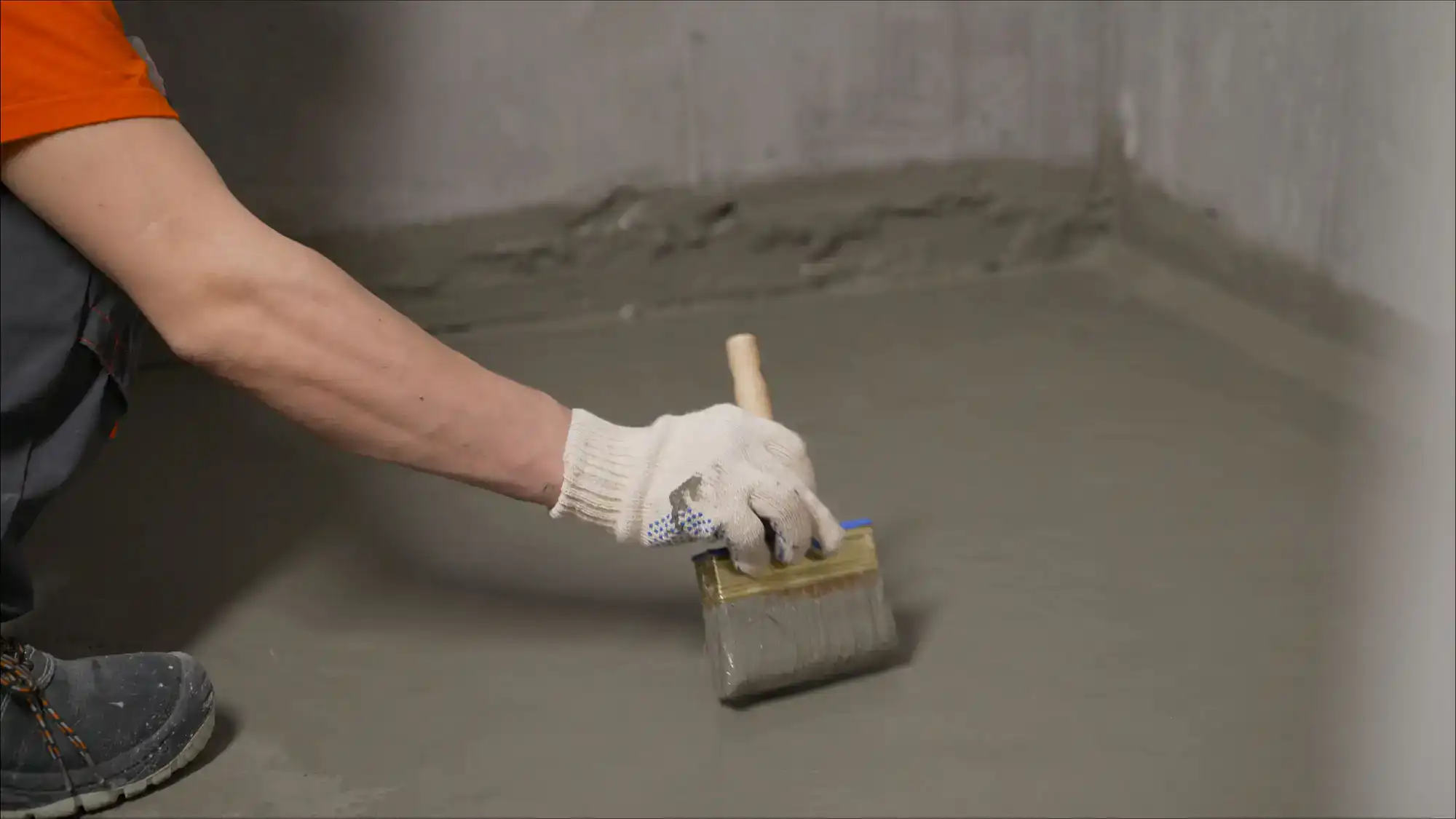
The most common reason is hydrostatic pressure water saturating the soil around your foundation and pressing inward through cracks, joints, or porous block. In Baywood specifically, the clay-heavy Suffolk County soil makes this worse than it sounds. Clay doesn’t drain quickly. After a heavy rain on the South Shore, that soil can stay saturated for days, maintaining constant pressure against your foundation walls long after the storm has passed.
For most homes in Baywood built in the 1950s and 1960s on block foundations the original dampproofing has completely degraded. There’s no functional barrier left between the saturated soil and your basement. What you’re seeing after rain is water finding the path of least resistance through a foundation that was never designed to hold up indefinitely without maintenance. The fix depends on where the water is entering and how, which is why an in-person inspection matters before any solution is recommended.
The honest answer is that it depends on what’s actually causing the problem which is why we don’t quote over the phone. That said, here are real numbers so you’re not walking in blind. Foundation crack sealing using epoxy or polyurethane injection typically runs $800 to $1,500 per crack. Sump pump installation in Baywood generally falls between $600 and $1,900 depending on the system and whether battery backup is included. A full interior drainage system with sump pump integration ranges from $4,500 to $10,000 depending on your basement’s square footage and current conditions.
What drives the price up is usually the scope of the problem a basement that has been leaking for years and has multiple entry points costs more to address than one with a single crack caught early. What drives it down is catching it before it becomes a structural issue. The inspection is free, the estimate is written and itemized, and the number you see is the number you pay.
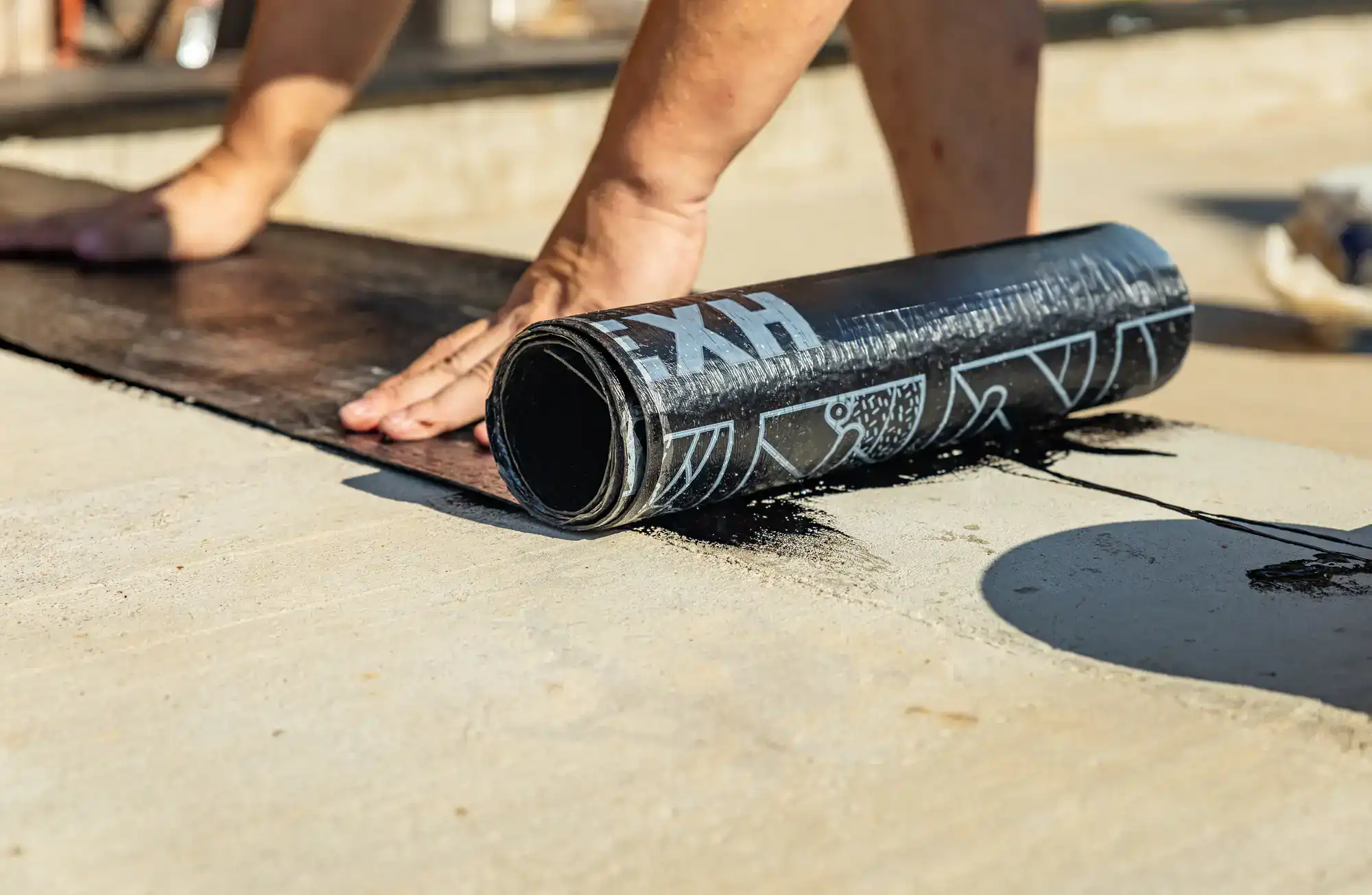
For most Baywood homes, interior waterproofing is the more practical and cost-effective solution and for the conditions here, it’s genuinely effective. Exterior waterproofing involves excavating the full perimeter of your foundation to apply a new membrane, which is the most comprehensive approach but also the most disruptive and expensive. It makes sense in specific situations, but for a typical postwar ranch or bi-level in Baywood with mature landscaping and tight lot lines, it’s often not necessary.
Interior drainage systems manage water at the foundation perimeter capturing it before it can accumulate on the floor and routing it to a sump pump. For Long Island’s clay soil conditions, where water enters through the base of the wall rather than through large structural breaches, interior systems are well-matched to the actual problem. The right answer for your home depends on where the water is entering and what your foundation looks like which is what the inspection determines.
It depends on the scope of work. Baywood falls under the Town of Islip’s building and permitting jurisdiction, and certain types of waterproofing work do require a permit. Interior drainage systems that involve cutting the floor, altering drainage discharge points, or making structural changes to the foundation typically require a building permit. Exterior waterproofing that involves excavation near the foundation may also trigger permitting requirements related to grading and drainage.
Crack injection work that doesn’t involve structural alteration generally doesn’t require a permit, but it’s worth confirming with the Town of Islip Building Department for your specific project. We handle the permitting process for jobs that require it you don’t need to navigate that on your own. We’re familiar with what Islip Town requires and make sure everything is done to code before work starts.
The simplest test is to pour a bucket of water into the sump pit and watch whether the pump activates and clears the water within a minute or two. If it doesn’t turn on, turns on but runs continuously, or makes unusual sounds, those are signs the pump needs attention. Age is also a factor most sump pumps have a functional lifespan of seven to ten years, and a pump that’s older than that is a real risk heading into storm season on Long Island’s South Shore.
The bigger concern for Baywood homeowners is power outage during a storm. The Southern State Parkway corridor and surrounding areas lose power during significant nor’easters, and that’s exactly when your sump pump needs to be running. A battery backup system keeps the pump operational when the grid goes down it’s not an upsell, it’s the part that actually protects you when the weather is worst. If your current pump doesn’t have a battery backup, that’s worth addressing before the next storm season.
A professionally installed interior drainage system with a quality sump pump is designed to last for the life of the home when properly maintained. The drainage components themselves don’t degrade the way surface coatings do they manage water mechanically, which means there’s no membrane to crack or peel over time. Sump pumps are the component that needs periodic attention, with replacement typically every seven to ten years depending on how hard the system works.
For Baywood homeowners specifically, the return on investment is straightforward. You’re protecting a home that’s likely your largest financial asset, in a community where property taxes run close to $9,000 a year meaning you’re already deeply invested in maintaining its value. A wet basement left unaddressed leads to mold, structural deterioration, and a significant hit to your resale value. A documented waterproofing system with a transferable warranty does the opposite it’s a line item that works in your favor when a buyer’s inspector walks through. For most Baywood homeowners, it’s not a question of whether it’s worth it. It’s a question of how long to wait.