
Hear from Our Customers
When water stops coming in, a lot of things change at once. The musty smell goes away. The floor stops feeling damp. You stop dreading a heavy rain on a Tuesday night. That’s the most immediate part but it’s not the only one that matters to a Terryville homeowner.
Homes in Terryville are sitting at median values pushing $480,000 to $690,000, and property taxes here run close to $10,000 a year. You’re already carrying a serious financial stake in this property. A wet basement doesn’t just affect how you live in the house it affects what you can get for it when you’re ready to sell. Buyers’ inspectors will find it. Buyers will use it. A properly waterproofed basement with documented work and a transferable warranty is a selling point, not a footnote.
The other thing worth understanding is what North Shore clay soil actually does to a foundation over time. Unlike the sandier ground on the South Shore, clay retains moisture and pushes against your foundation walls long after the rain stops. Homes in Terryville that were built in the 1950s, 60s, and 70s the Cape Cods, split-levels, and expanded ranches that make up most of the housing stock here were never built with that kind of sustained pressure in mind. Waterproofing your basement walls here isn’t optional maintenance. It’s catching up to what the ground has been doing for decades.
We’re a Long Island-based waterproofing contractor not a national franchise routing calls through a 1-800 number. When you reach us, you’re talking to people who actually work in Terryville and the surrounding Port Jefferson Station area, who understand what the soil around a Terryville foundation does in March when the ground is still frozen on top but saturated underneath, and who know what a 60-year-old concrete block foundation looks like when hydrostatic pressure has been working on it for years.
We serve Terryville with the same approach on every job: figure out where the water is actually coming from before recommending anything. That’s not a selling point it’s just how the work should be done. Terryville sits within the Central Suffolk Special Groundwater Protection Area, and the groundwater conditions here are specific enough that a generic solution often misses the real problem entirely.
You won’t get a phone quote from us, and you won’t get a same-day sales pitch designed to close you before you’ve had time to think. What you’ll get is a straight answer about what your basement needs and what it doesn’t.
It starts with a free in-home inspection not a phone estimate, not a ballpark based on square footage. Someone comes out, walks the basement, looks at the walls and floor, checks the exterior grading, and identifies where the water is entering and why. In Terryville, that usually means paying close attention to the clay soil profile around the foundation, the condition of any existing drainage, and whether hydrostatic pressure from the shallow water table is the primary driver or just part of the picture.
From there, you get a written estimate with clear line items. If foundation crack sealing is what the job calls for, that’s what we recommend. If the water intrusion is more systemic coming up through the floor slab or pushing through the walls from sustained groundwater pressure interior basement waterproofing with a perimeter drainage channel and sump pump installation may be the right call. The recommendation follows the diagnosis, not the other way around.
Because this work falls under the Town of Brookhaven’s jurisdiction, any structural or drainage work that requires a permit gets handled correctly no shortcuts. Timing matters here too. Fall is the best window for exterior foundation work before the ground freezes, and spring is when most Terryville homeowners discover the problem after snowmelt and rain push saturated clay soil to its limit. But whatever season you’re in, the process starts the same way: with an honest look at what’s actually going on.
Ready to get started?
Basement waterproofing in Terryville isn’t one thing it’s a range of solutions, and the right one depends entirely on what’s driving the water into your home. We work across the full scope of what that requires.
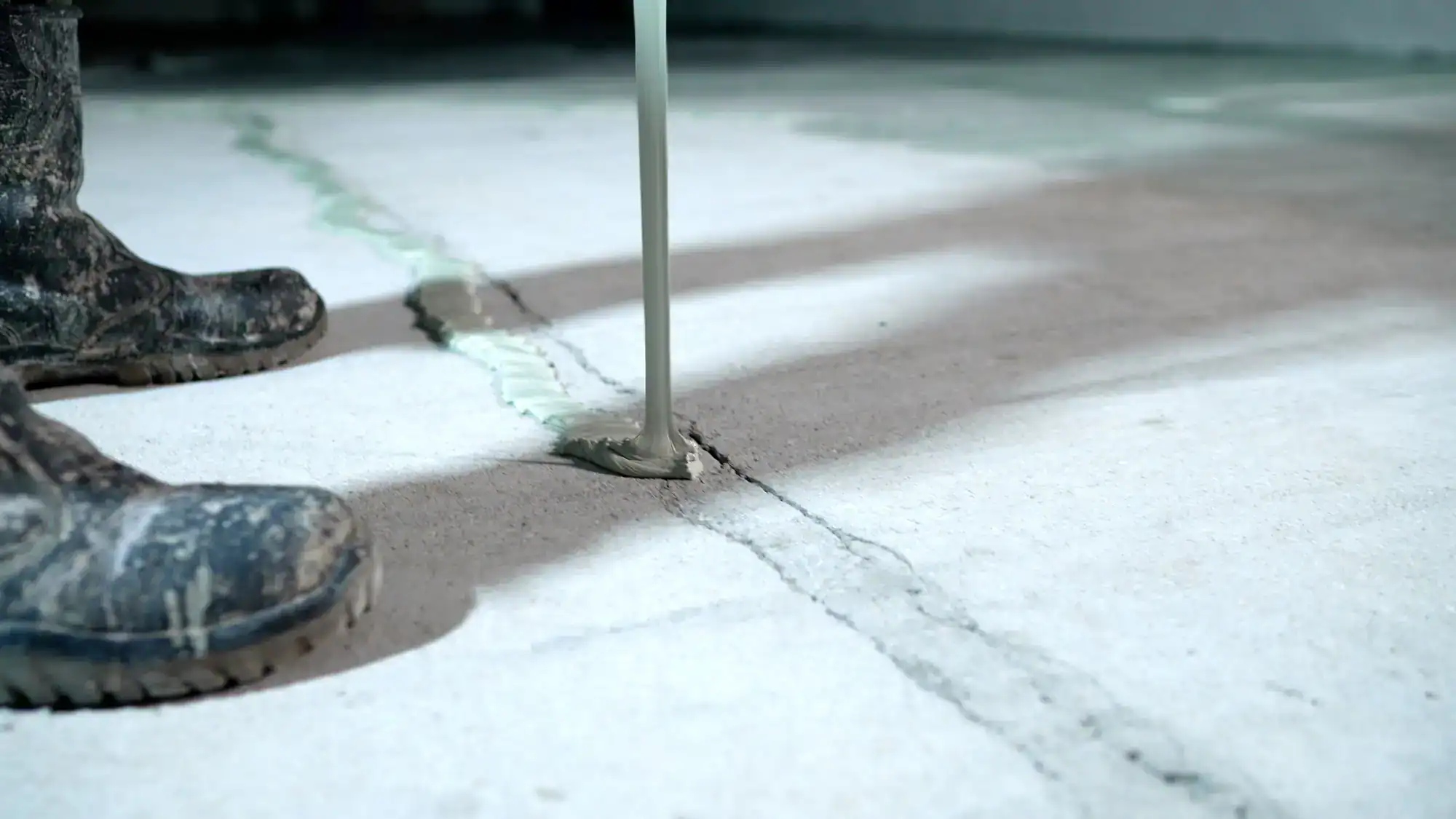
Foundation crack sealing is one of the most common starting points for homes in this area. The freeze-thaw cycles Long Island goes through from November to March temperatures dropping below freezing, then climbing back above it, sometimes multiple times in a single week force water that’s already infiltrated a crack to expand and contract repeatedly. The crack widens a little more each cycle. Epoxy and polyurethane injection fills those cracks from the inside out, restoring the wall’s integrity rather than just covering the surface with paint or sealant that won’t hold.
For homes dealing with more persistent moisture the kind driven by Terryville’s shallow water table and clay-heavy soil interior basement waterproofing with a perimeter drainage system and sump pump installation addresses the pressure at its source. Water gets intercepted before it reaches your floor or walls and directed out through a properly sized sump system. Battery backup is something we take seriously here given how Long Island’s summer thunderstorms can knock out power exactly when the pump needs to run most. Waterproofing your basement walls, managing groundwater beneath the slab, and protecting the foundation from ongoing soil movement that’s the full picture, and it’s what we assess on every job in Terryville and the surrounding Port Jefferson Station area.
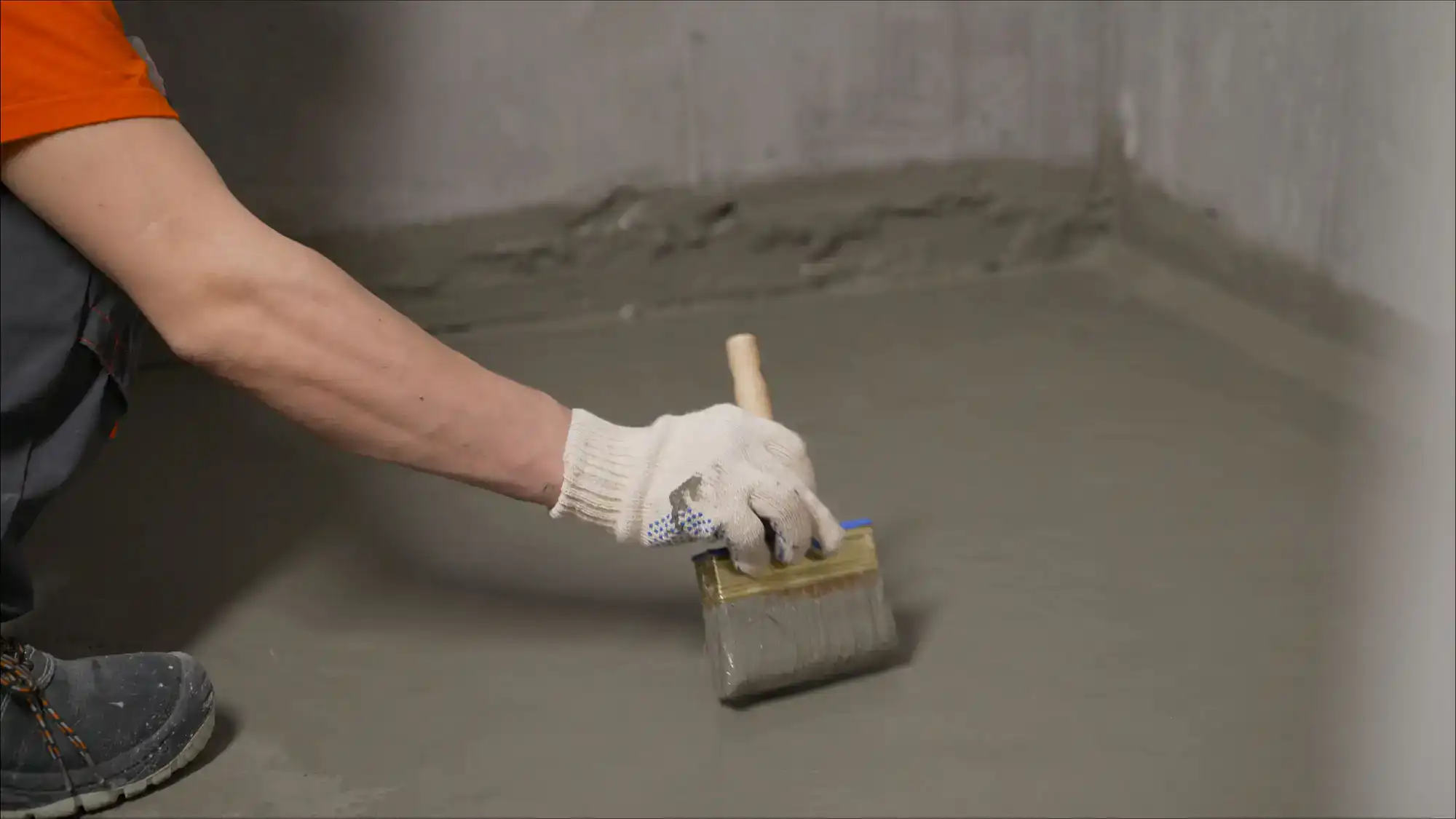
Surface sealants and waterproofing paints are designed to handle minor condensation or very light moisture vapor they’re not built to stop water that’s being pushed in by hydrostatic pressure. In Terryville, the combination of clay-heavy North Shore soil and a relatively shallow water table means that after a significant rain, groundwater pressure against your foundation walls can be substantial and sustained. A coating on the interior surface of the wall doesn’t relieve that pressure it just gives the water a slightly harder surface to push through until it finds the path of least resistance.
What actually solves the problem is addressing where the water is coming from and how it’s moving around your foundation. That might mean a perimeter interior drainage system that intercepts water before it enters the living space, crack injection to seal the specific entry points, improved exterior grading to redirect surface water away from the foundation, or a combination of all three. The right answer depends on your specific situation which is why an in-home inspection matters more than any phone estimate.
The honest answer is that cost varies significantly depending on what the job actually requires. Foundation crack sealing for one or two isolated cracks might run $500 to $1,500. A full interior perimeter drainage system with sump pump installation in a standard Terryville Cape Cod or split-level typically falls somewhere in the $5,000 to $12,000 range depending on the size of the basement and the severity of the water intrusion. Exterior excavation and waterproofing membrane work, when warranted, can run higher.
What matters more than the upfront number is what you’re comparing it to. Foundation repair from water damage that’s been left unaddressed structural wall repair, floor slab replacement, mold remediation routinely costs $15,000 to $30,000 or more. For a home carrying $10,000 a year in property taxes and sitting at a median value close to half a million dollars, the math on proactive waterproofing is straightforward. We provide written, itemized estimates after every inspection so you know exactly what you’re paying for before any work begins.
For a lot of homes in Terryville, a sump pump isn’t optional it’s functional infrastructure. The area sits within the Central Suffolk Special Groundwater Protection Area, which reflects how close the water table is to the surface in this part of Brookhaven. When the water table rises after heavy rain or spring snowmelt, hydrostatic pressure beneath your basement floor slab increases. Without a way to relieve that pressure and remove the water, it finds its way in through floor cracks, wall-floor joints, or the walls themselves.
A sump pump installation gives that water somewhere to go before it becomes your problem. The more important question for most Terryville homeowners isn’t whether they need one it’s whether their existing pump is properly sized for their groundwater volume and whether it has a battery backup system. Long Island’s summer storms are intense and fast-moving, and power outages during heavy rain are common. A pump without battery backup is a liability exactly when you need it most.
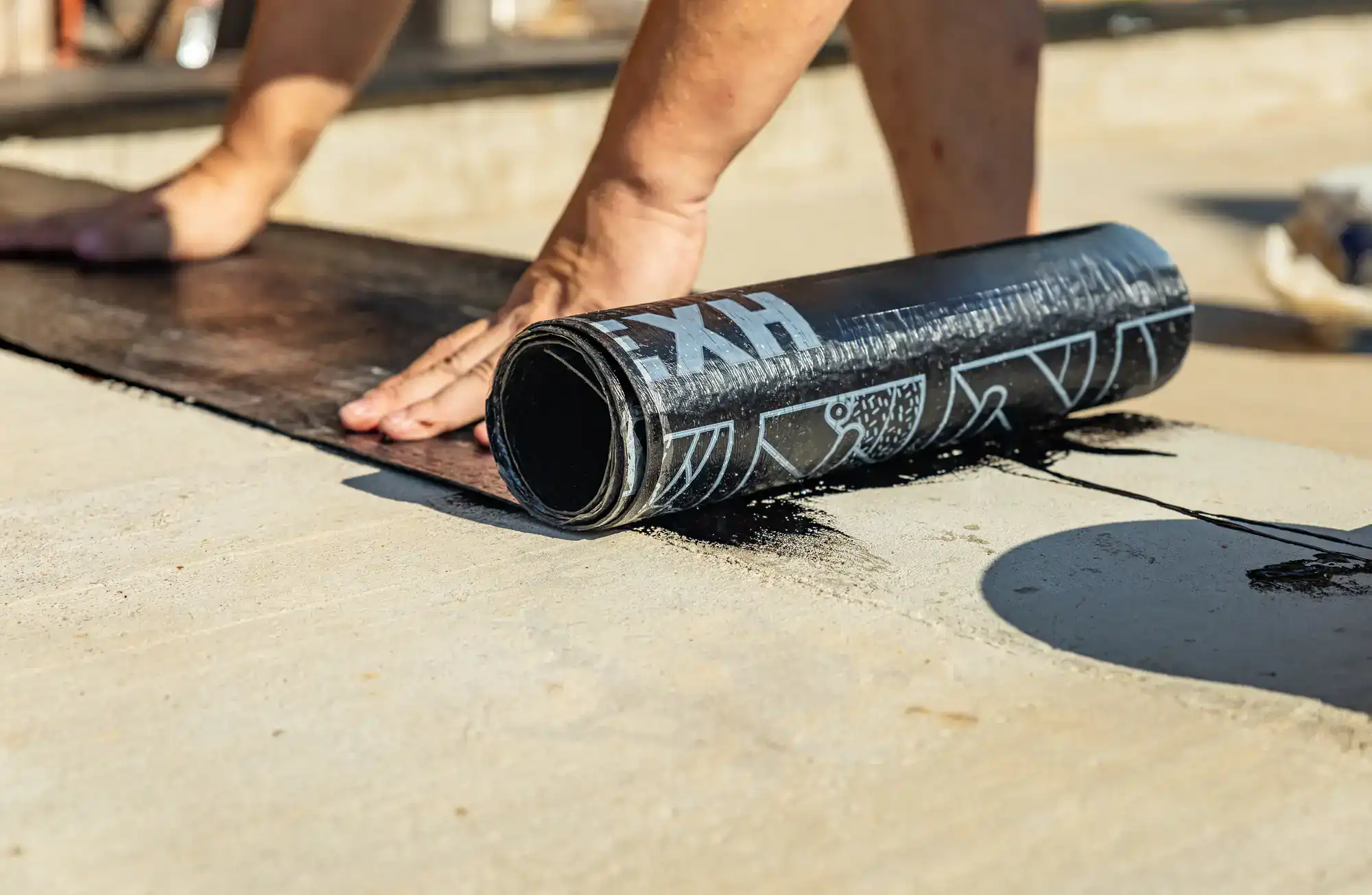
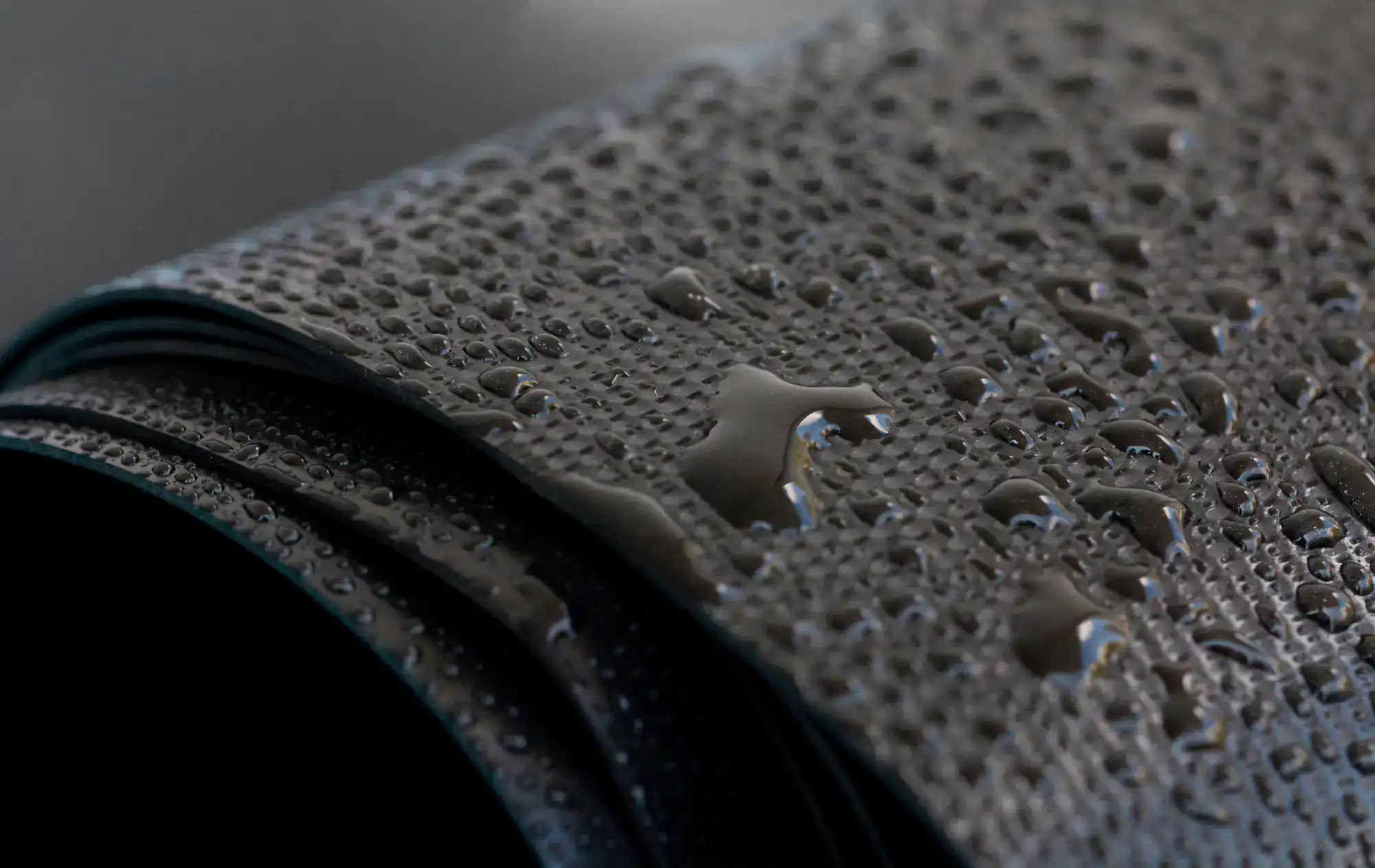
Exterior waterproofing involves excavating around the foundation, applying a waterproof membrane directly to the outside of the foundation wall, and installing drainage board and a footing drain to direct water away before it ever contacts the structure. It’s the most comprehensive solution when the foundation itself needs protection from the outside in. The tradeoff is cost and disruption it requires significant excavation, which is why fall is typically the best window before the ground freezes.
Interior waterproofing doesn’t stop water from reaching the foundation wall it manages water after it enters the wall system, intercepting it at the base of the wall through a drainage channel and directing it to a sump pit. It’s less disruptive and often the more practical solution for existing homes, particularly in Terryville where clay soil and established landscaping can make exterior excavation complex. Many homes need a combination of both approaches depending on where the water is entering and what’s driving it. That’s the determination we make during the inspection not before it.
Not every crack is the same, and the distinction matters. Hairline cracks in poured concrete walls are extremely common in Long Island homes of this age they’re typically the result of normal concrete shrinkage during curing and don’t indicate structural failure. These are usually good candidates for epoxy or polyurethane injection to seal them against water intrusion before Long Island’s freeze-thaw cycles widen them further.
Horizontal cracks in concrete block or poured walls are a different story. Those can indicate lateral soil pressure pushing inward which in Terryville’s clay-heavy soil environment is a real concern, especially in older homes where the original drainage has failed and soil moisture has been building against the wall for years. Stair-step cracks in block foundations, bowing or leaning walls, and cracks wider than a quarter inch all warrant closer evaluation. The inspection is where that determination gets made. If there’s a structural concern, we’ll tell you and if it’s outside our scope, we’ll tell you that too rather than proceed with waterproofing work that won’t address the real problem.
Fall genuinely is the better window for certain types of work and the reasoning is specific to this area, not a calendar-driven sales push. For exterior foundation work that requires excavation, you want the ground workable and dry, and you want the membrane and drainage system in place before winter freeze-thaw cycles begin widening existing cracks. Once the ground freezes, exterior excavation becomes significantly more difficult and expensive.
For interior drainage and crack sealing, the timing is more flexible that work can be done year-round. But if you discovered water in your basement during the spring or summer and have been waiting to deal with it, fall is a practical deadline. Every freeze-thaw cycle from November through March is another round of mechanical stress on whatever cracks already exist in your foundation. Terryville foundations that went through last winter with unsealed cracks came out of it in worse shape than they went in. Scheduling before the next one starts is just the practical move not a manufactured urgency.