
Hear from Our Customers
When your yard is properly graded and your lawn is restored from the ground up, you stop fighting the same problems every spring. No more water sitting against your foundation after a March thaw. No more patchy turf that fertilizer can’t seem to fix. No more calling around trying to find someone who actually does the structural work not just the surface stuff.
Stony Brook sits on Long Island’s North Shore moraine, and that glacially formed terrain means a lot of properties here have natural grade changes, slopes, and drainage patterns that quietly cause damage over years. Add in the freeze-thaw cycle that runs from November through March temperatures regularly dropping to 25°F and below and what started as a minor drainage issue can become a foundation concern faster than most homeowners expect.
The other thing worth knowing: Haven Loam, the dominant soil type across Suffolk County, is actually one of the most responsive soils on Long Island when conditions are right. It holds moisture well, responds to proper amendment, and can support a genuinely healthy lawn. But that only happens when the grade is correct and the underlying structure supports it. Fix the foundation of the yard, and the results follow.
We’re a full-scope landscape contractor serving Stony Brook and the broader Three Village area not a maintenance crew, not a mow-and-go operation. Our work ranges from landscape grading and property leveling to complete yard renovation and lawn restoration, all handled under one roof with one point of contact from start to finish.
That matters here more than it might somewhere else. Stony Brook homeowners have heard the stories the contractor who takes a deposit and goes quiet, the company that says they do grading but shows up without the equipment to prove it. This is a community where the homes are worth $600,000-plus, where property taxes run close to $10,000 a year, and where the standard for professional work is genuinely high. You should expect a written scope, clear timelines, and a crew that shows up when we say we will.
From the wooded hillside lots near Old Field to the properties along Route 25A closer to the Village Center, the terrain in this area is specific. So is our approach.
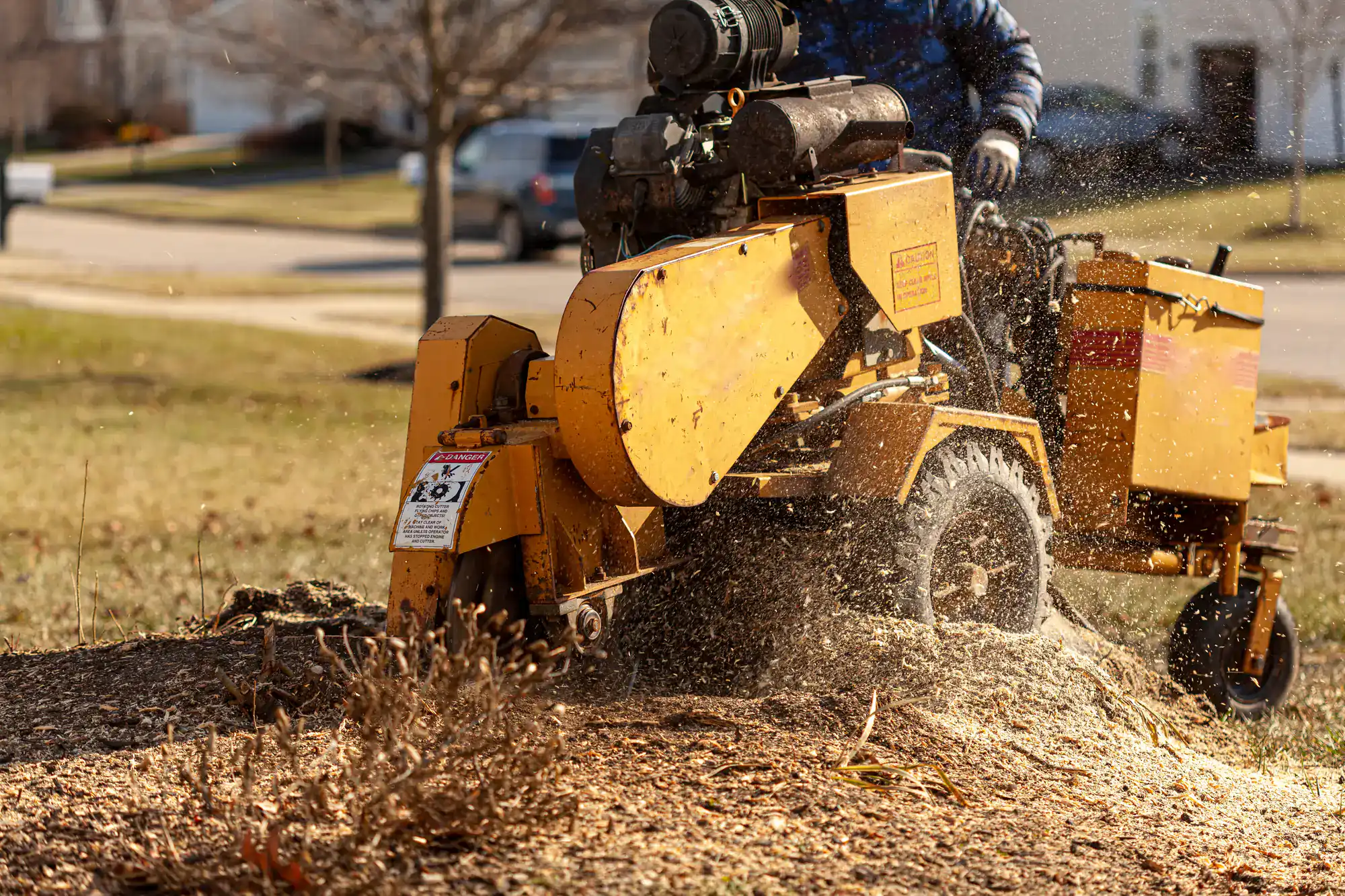
It starts with a site assessment. Before any work is scoped or priced, we walk the property. Grade changes, drainage patterns, soil conditions, existing turf health all of it gets evaluated together, because in Stony Brook, these things are almost always connected. A lawn that won’t hold seed is usually telling you something about what’s happening underneath it.
From there, you get a written scope of work with a clear project timeline and milestone-based payment structure. No vague estimates, no surprise additions mid-project. If the work involves significant grading or land disturbance, the Town of Brookhaven’s Planning and Environmental Department may require a permit we handle that process as part of the project, not hand it off to you to figure out alone.
Once work begins, the sequence matters: grading and leveling come first, drainage corrections follow, and lawn restoration or surface work comes last. That order is deliberate. Seeding or sodding over an improperly graded yard is just an expensive way to end up back at square one. The goal is a result that holds through the next winter and comes back stronger in the spring not something that looks good for one season.
Ready to get started?
Our landscaping services in Stony Brook cover the full range of structural and surface work: landscape grading, property leveling, drainage correction, lawn restoration, yard renovation, and complete outdoor renovation contracting. These aren’t separate services you have to coordinate between different vendors they’re handled as one connected scope because that’s how the problems actually exist on a property.
For homeowners in the Three Village area dealing with older homes many built in the 1960s through 1980s the original grading and drainage systems have often shifted significantly over the decades. Mature tree root systems disrupt grades. Original drainage infrastructure fails. What worked in 1975 isn’t working now, and no amount of overseeding fixes a yard whose underlying structure has drifted. That’s the kind of remediation work we’re built for.
Every project includes a pre-work soil and grade assessment, a written scope with defined milestones, and cleanup on completion. For projects requiring Town of Brookhaven permits, we handle that coordination not billed separately, not left to you to figure out. We carry Suffolk County home improvement licensing and full insurance coverage, which means you’re protected and the work is done within the legal framework of New York State.
It depends on the scope of the work. Minor grading adjustments correcting a small slope or addressing a localized drainage issue typically don’t require a permit. But if the project involves significant land disturbance, excavation, or changes to drainage patterns across a larger portion of the property, you’ll likely need to engage the Town of Brookhaven’s Planning and Environmental Department before work begins.
Stony Brook falls under Brookhaven Township jurisdiction, and the Town does have land development standards that govern grading and drainage work associated with any meaningful site disturbance. The application process runs through the Town’s online portal. We handle this coordination as part of the project scope we know when a permit is required, what documentation is needed, and how to move through the process without it becoming a bottleneck that delays your project.
If you’ve been fertilizing, seeding, and watering consistently and the lawn still won’t fill in, the problem almost certainly isn’t the seed or the fertilizer it’s what’s happening underneath. In Stony Brook, the most common culprits are soil compaction, improper grade, and drainage issues that keep certain areas waterlogged or, conversely, too dry because water is running off too quickly.
Haven Loam the dominant soil type across Suffolk County is genuinely one of the better soils for lawn establishment when it’s in good condition. It holds moisture, drains reasonably well, and responds to amendment. But decades of foot traffic, construction activity, and surface-only lawn care compact it over time and disrupt its natural drainage profile. On North Shore moraine properties with grade changes and mature tree coverage, this compounds quickly. A lawn restoration that starts with a soil assessment and grade evaluation will consistently outperform one that just throws seed at the problem.
For most residential grading projects in Stony Brook, the range runs roughly $1,000 to $3,300 depending on the size of the area, the severity of the grade change, and what the work uncovers once it starts. Yard leveling is generally priced per square foot, typically in the $1 to $2 range. Larger projects that involve drainage system installation or significant regrading of sloped North Shore moraine properties will run higher.
The more useful frame for a Stony Brook homeowner is the return side of that equation. Landscaping and grading work can add 5% to 12% to property value. On a home worth $623,000 close to the current median in this area that’s $31,000 to $74,000 in added equity. And that’s before you factor in what deferred drainage problems cost when they reach the foundation. Foundation repair on Long Island runs $10,000 to $100,000 or more. Grading it correctly now is a fraction of that number.
Fall is the optimal window for lawn restoration in Stony Brook specifically late August through October. Cooler temperatures, more consistent rainfall, and reduced heat stress create ideal conditions for seed germination and turf establishment. Grass planted in fall goes into winter with a stronger root system and comes back in spring far more aggressively than spring-seeded turf, which has to compete with weed pressure and summer heat almost immediately.
For grading, leveling, and structural yard work, spring and fall are both viable, but fall scheduling often comes with a practical advantage: contractors are slightly less backlogged than in peak spring season, and the ground conditions in Stony Brook after summer before the freeze-thaw cycle locks things up are often ideal for excavation and grading work. If you’re planning a project that involves both structural grading and lawn restoration, fall is the single best time to do both in one connected scope.
A landscaping company typically handles maintenance mowing, trimming, mulching, seasonal cleanup. A landscape contractor handles construction and transformation: grading, leveling, drainage systems, retaining walls, outdoor renovation, and structural site work. The distinction matters because most of the problems homeowners in Stony Brook call about drainage issues, uneven yards, declining lawns, outdoor spaces that need a complete overhaul are contractor problems, not maintenance problems.
The confusion comes from the fact that a lot of companies in this area present themselves as full-service landscapers but don’t actually have the equipment or expertise for structural work. If you’ve called several companies and been told they “don’t really do grading” or gotten a vague answer about leveling, that’s why. We’re a landscape contractor in the true sense our work includes everything from initial site grading through finished lawn restoration and outdoor renovation, handled with the equipment and process that structural landscape work actually requires.
The clearest sign of a drainage problem is water that pools or sits in the same spots after rain especially if it takes more than 24 to 48 hours to absorb. On North Shore moraine properties in Stony Brook, this often shows up near foundations, at the base of slopes, or in low spots where grade has shifted over time. If those same areas also have thin, yellowing, or moss-covered turf, that’s usually drainage confirming itself through the lawn.
A lawn care problem looks different: uneven growth, weed pressure across the whole yard, thinning from drought stress or shade. These respond to fertilization, aeration, and overseeding. A drainage problem will not respond to those treatments the turf in affected areas will stay stressed or die back regardless of what’s applied at the surface. If you’re unsure which you’re dealing with, a site assessment that evaluates both grade and soil conditions together will give you a clear answer before any money is spent on treatments that won’t hold.