
Hear from Our Customers
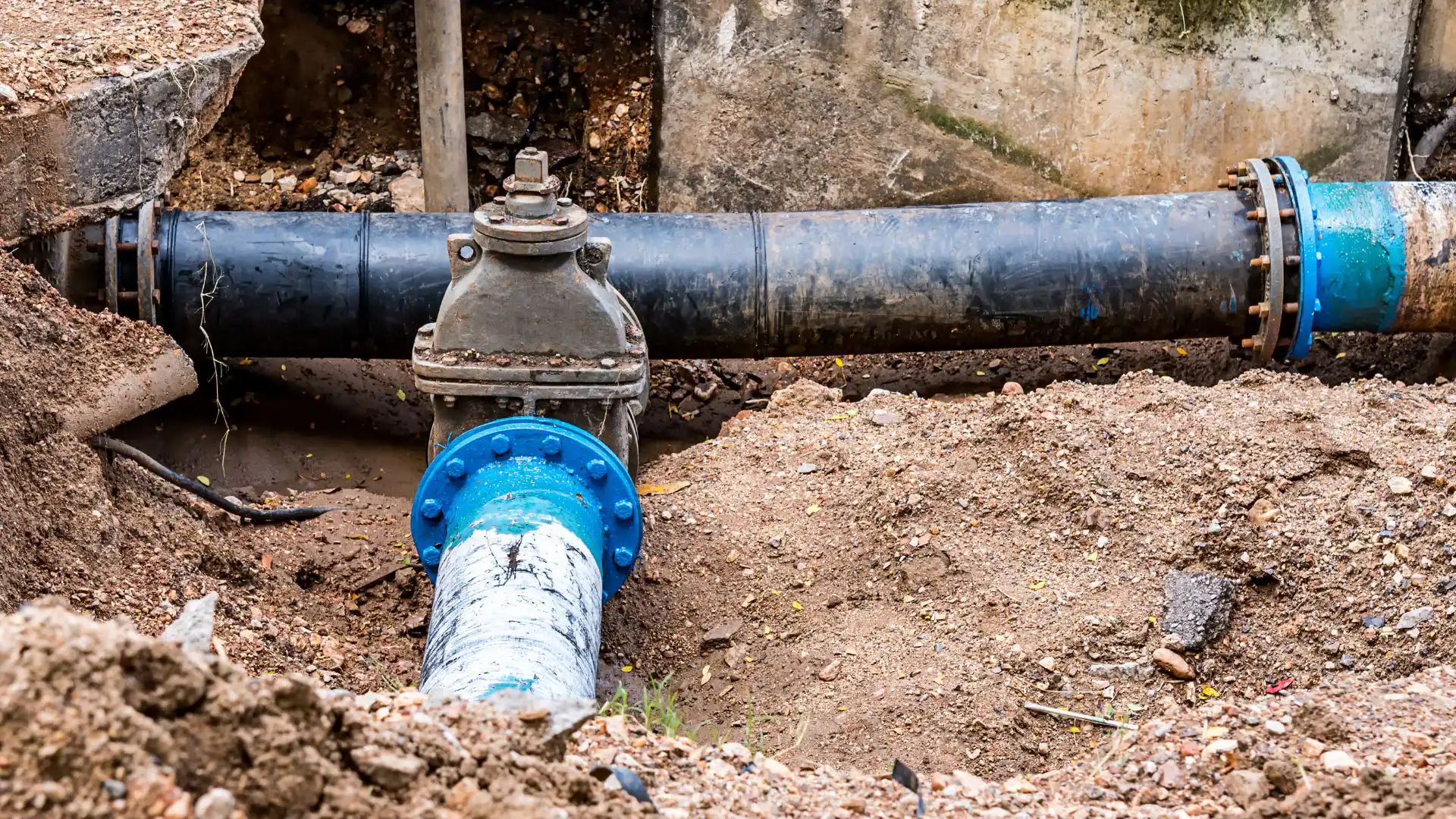
Bayport sits on sandy coastal soil with a high water table right at its doorstep. When a nor’easter rolls up the South Shore and drops three inches in six hours, there’s nowhere for that water to go vertically it has to move laterally, away from your property, or it stays. That’s not a generic drainage problem. It’s a site-specific one, and it needs a system designed for it.
What that looks like in practice: your yard dries out in hours instead of days, your lawn stops dying from waterlogged roots, and you stop watching water creep toward your foundation after every storm. The outdoor space you paid for the one that’s practically in the shadow of the Great South Bay actually gets used again.
The foundation piece matters more than most homeowners realize. Water sitting against a foundation doesn’t announce itself. It works quietly, and by the time you notice it, you’re looking at repair costs that run well into five figures. A properly installed drainage system moves water away before it ever becomes that problem. For a Bayport home worth $700,000 or more, that’s not a landscaping upgrade it’s the most cost-effective protection you can put into the ground.
We’re a landscape drainage company serving the South Shore of Suffolk County, with deep experience in Bayport and the surrounding coastal hamlets. That distinction matters here. Bayport isn’t an inland town with clay soil and slow percolation. It’s a coastal hamlet with sandy ground, a high water table, and a bay that amplifies every major storm that comes up the coast. The drainage systems that work in Holbrook or Holtsville don’t automatically work here and we design accordingly.
We handle the complete scope: site assessment, drainage system design, excavation, installation, and full restoration of your turf and landscaping when the work is done. You’re not left coordinating multiple contractors or staring at a torn-up yard for weeks. From the first assessment to the last shovelful of topsoil, it’s one team, one project, and one clear outcome.
We also work within Town of Islip permitting requirements and Suffolk County stormwater regulations because cutting corners on compliance doesn’t just create problems for you, it can create liability with your neighbors under New York State Drainage Law.
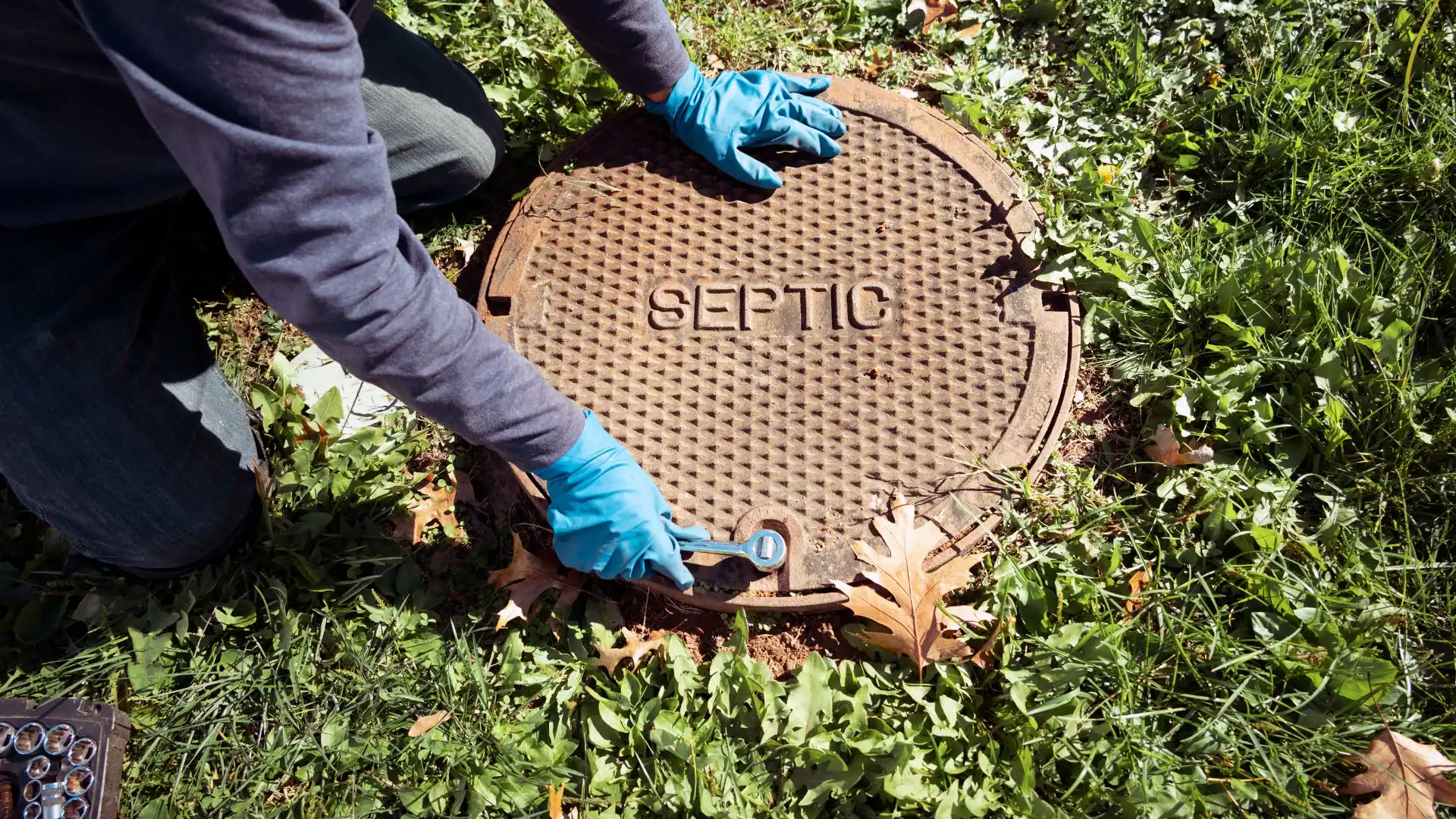
It starts with a site assessment not a sales pitch. We walk your property, map where water is entering, where it’s collecting, and where it needs to go. In Bayport, that means accounting for your water table depth, your soil composition, the grade of your lot relative to neighboring properties, and how your drainage challenges change when a coastal storm system hits versus a typical summer thunderstorm. Those aren’t the same problem, and a system designed for one needs to handle both.
From there, we design the right solution for your specific site. That might be a French drain moving water laterally to an appropriate outlet, a catch basin system capturing surface runoff, a dry well where soil conditions allow, or a combination of several approaches working together. We don’t default to one solution because it’s the easiest to install we match the system to what your property actually needs.
Once the design is confirmed and any required Town of Islip permits are in order, installation begins. The work is excavation-based, so there’s disruption during the process we won’t pretend otherwise. But restoration is part of our scope. When we’re finished, your turf is back, your topsoil is graded, and your yard looks like a crew came through and solved a problem, not like a construction site was abandoned. The optimal window for installation in Bayport is late spring through early fall ground is workable, conditions allow for proper excavation, and your system is operational before nor’easter season.
Ready to get started?
The drainage services we install in Bayport are designed around one reality: this is not a standard suburban lot. Sandy coastal soil near the Great South Bay behaves differently under load than inland Suffolk County ground. It drains quickly under normal conditions but saturates fast in heavy rain, and it’s prone to erosion and shifting if a drainage system isn’t designed with the right aggregate and geotextile fabric to hold its structure over time. Every system we install accounts for that.
The specific solutions depend on your property French drains, catch basins, trench drains, channel drains, dry wells, surface regrading, or a combination but the goal is always the same: move water away from where it’s causing damage and route it to where it can safely go without affecting your neighbors or violating Suffolk County’s stormwater management requirements. We design systems that comply with those regulations from the start, so you’re not dealing with a permit issue or a neighbor complaint after the fact.
For Bayport homeowners near the water, we also factor in the difference between standard rainfall management and resilience against the kind of surge and saturation that comes with a major nor’easter or a coastal storm system pushing water through the Great South Bay. If your property has flooded before and a previous drainage fix didn’t hold, that’s usually a design problem not a materials problem. We diagnose the root cause before anything goes in the ground.
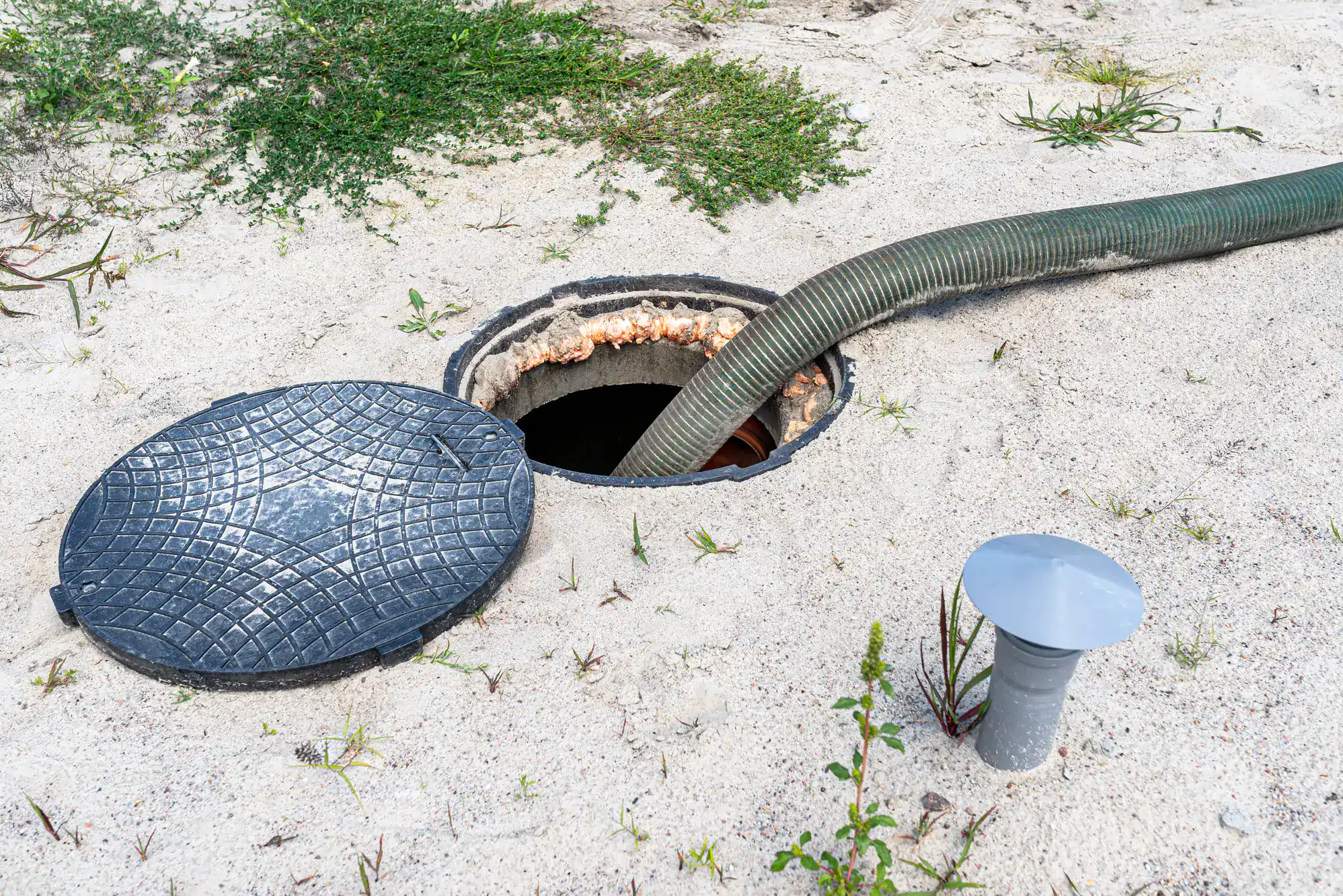
This is one of the most common situations we see on South Shore properties. The short answer is that most failed drainage fixes were designed for the wrong problem a single French drain installed without understanding the full water flow picture, a catch basin connected to an outlet that can’t handle peak storm volume, or a system designed for average rainfall that gets overwhelmed when a nor’easter drops three inches in a few hours.
In Bayport specifically, the high water table adds a layer that a lot of contractors miss. If your system relies primarily on downward percolation through sandy soil, it will work fine in moderate conditions and fail completely when the water table is already elevated from a storm event. Water has nowhere to go vertically, so it backs up. A system designed for Bayport’s actual conditions moves water laterally away from your property rather than depending on the ground to absorb it. That’s the design difference that determines whether a drainage fix actually works here.
The honest answer is that it depends on the scope the size of your property, how many collection points are needed, how far water needs to travel to reach an appropriate outlet, and what the site conditions require in terms of excavation depth and system complexity. Most residential drainage installations in Bayport fall somewhere between $2,500 and $10,000, with more involved systems on larger or more complex coastal lots running higher.
What’s worth keeping in mind for a Bayport property is the cost comparison. Foundation repairs from water intrusion run $23,000 to $48,000. A single basement flooding event averages $10,000 to $26,000 in damage. A drainage system that prevents those outcomes on a home worth $700,000 or more isn’t an expense you’re weighing against other landscaping projects. It’s the kind of investment that pays for itself the first time it keeps water away from your foundation during a major storm. We provide written, itemized quotes before any work begins so you know exactly what you’re getting and what it costs.
It depends on the scope of the work. In Bayport, you’re under Town of Islip jurisdiction not Brookhaven, which governs the adjacent hamlet of Blue Point just across the municipal line. For drainage work that involves significant grading, excavation, or connection to public stormwater infrastructure, a permit from the Town of Islip Building Department is typically required. Smaller surface-level drainage improvements may not trigger that requirement, but it’s worth confirming before work begins.
Suffolk County also has stormwater management regulations in place that govern how drainage systems discharge you can’t legally redirect runoff onto a neighboring property or into the county storm sewer system without authorization. And under New York State Drainage Law, a contractor who designs a system that causes downstream damage to a neighbor creates legal liability for the homeowner. This is why working with a licensed, experienced drainage contractor who understands the local regulatory environment isn’t just a preference it’s a real financial protection. We handle the permitting process as part of the project scope.
Properties near the Great South Bay deal with a drainage profile that’s different from inland Long Island lots in a few important ways. The water table is higher, which limits how much vertical percolation you can count on. The soil is sandy, which drains quickly under normal conditions but erodes and shifts if a drainage system isn’t constructed with the right aggregate and geotextile fabric. And coastal storm events particularly nor’easters tracking up the South Shore can bring surge conditions that go well beyond standard rainfall management.
For most Bayport properties, the most effective systems move water laterally rather than relying on downward absorption. French drains routed to an appropriate outlet, catch basins tied into a properly sized discharge point, and surface regrading to redirect flow away from the foundation are the most common solutions we deploy here. In some cases, a combination of approaches is necessary particularly on lots that face both surface flooding from rainfall and groundwater pressure from a high water table. The right answer depends on your specific site, which is why a proper assessment comes before any system recommendation.
This is a genuinely useful question because the two get confused constantly and if you search “drainage services Bayport NY,” most of what comes up is plumbing companies, not landscape drainage contractors. The distinction matters because they solve completely different problems.
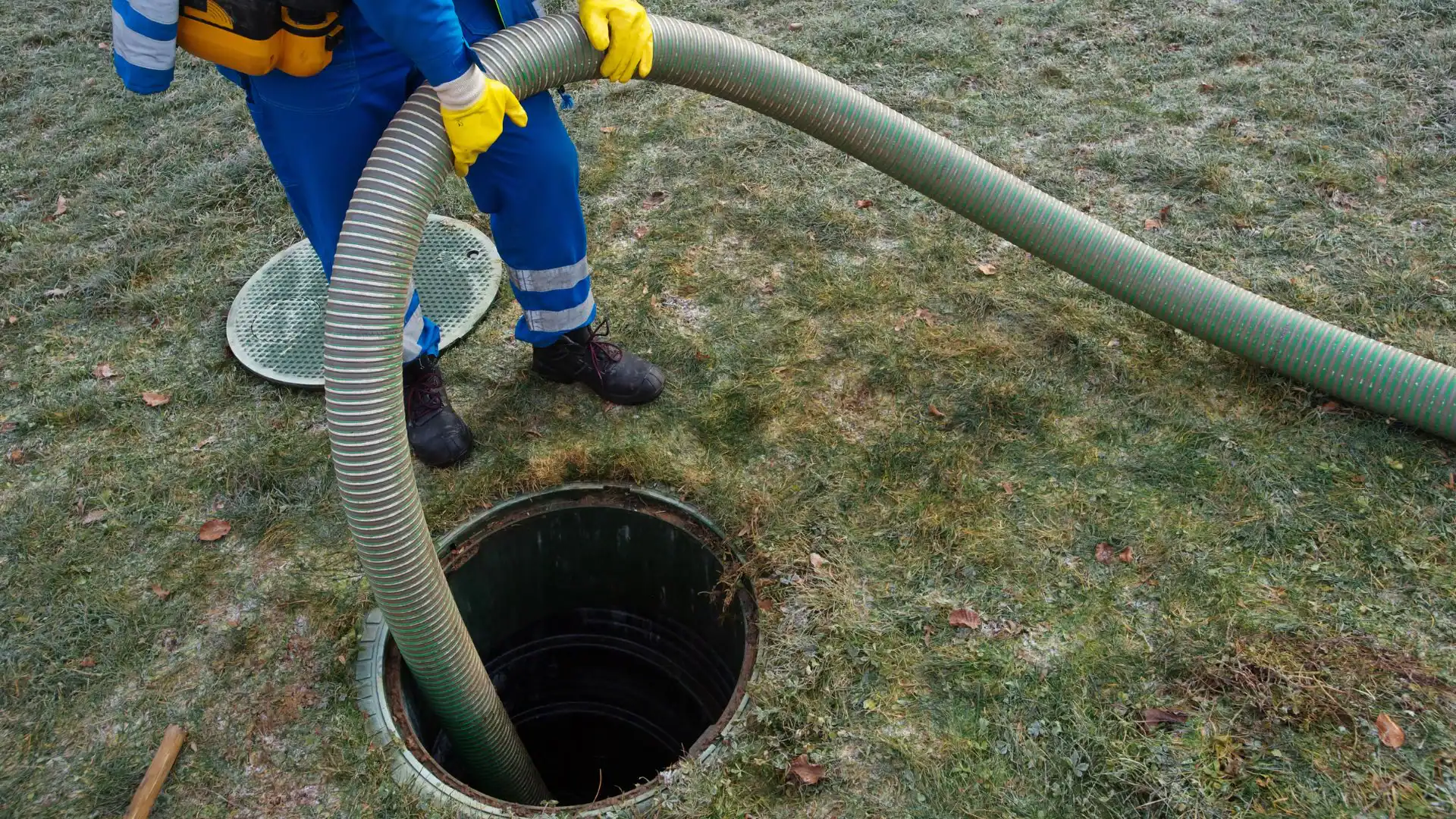
A plumber handles what happens inside your pipes a blocked sewer line, a clogged interior drain, a backed-up catch basin that needs to be cleared. A landscape drainage contractor handles how water moves across and through your land where it enters your property, how it flows across the surface, where it collects, and how to route it away from your home and foundation. If your yard floods after heavy rain, if water pools near your foundation, if your lawn is chronically soggy, or if you have erosion along a slope those are landscape drainage problems. A plumber clearing a drain won’t fix them, and a landscape drainage system won’t fix a cracked sewer line. Knowing which problem you actually have saves you from paying for the wrong solution.
The practical installation window in Bayport runs from late spring through early fall roughly May through October. During that period, the ground is workable, conditions are dry enough for proper excavation, and you have time to get a system installed and operational before nor’easter season starts pushing serious water through the South Shore in late fall and winter.
Spring is when most Bayport homeowners reach their breaking point snowmelt combined with spring rain creates maximum soil saturation, and properties that got through winter with minor issues often tip over in March or April. That’s when the calls come in. The challenge is that spring installations are in high demand, so the earlier you plan, the better. If you’re dealing with a yard that flooded this past season, the time to address it is before the next storm cycle, not during it. Winter installations are possible in mild conditions, but frozen ground limits what can be done, and a system installed in December is cutting it close for nor’easter resilience. Late spring through summer is the sweet spot.