
Hear from Our Customers
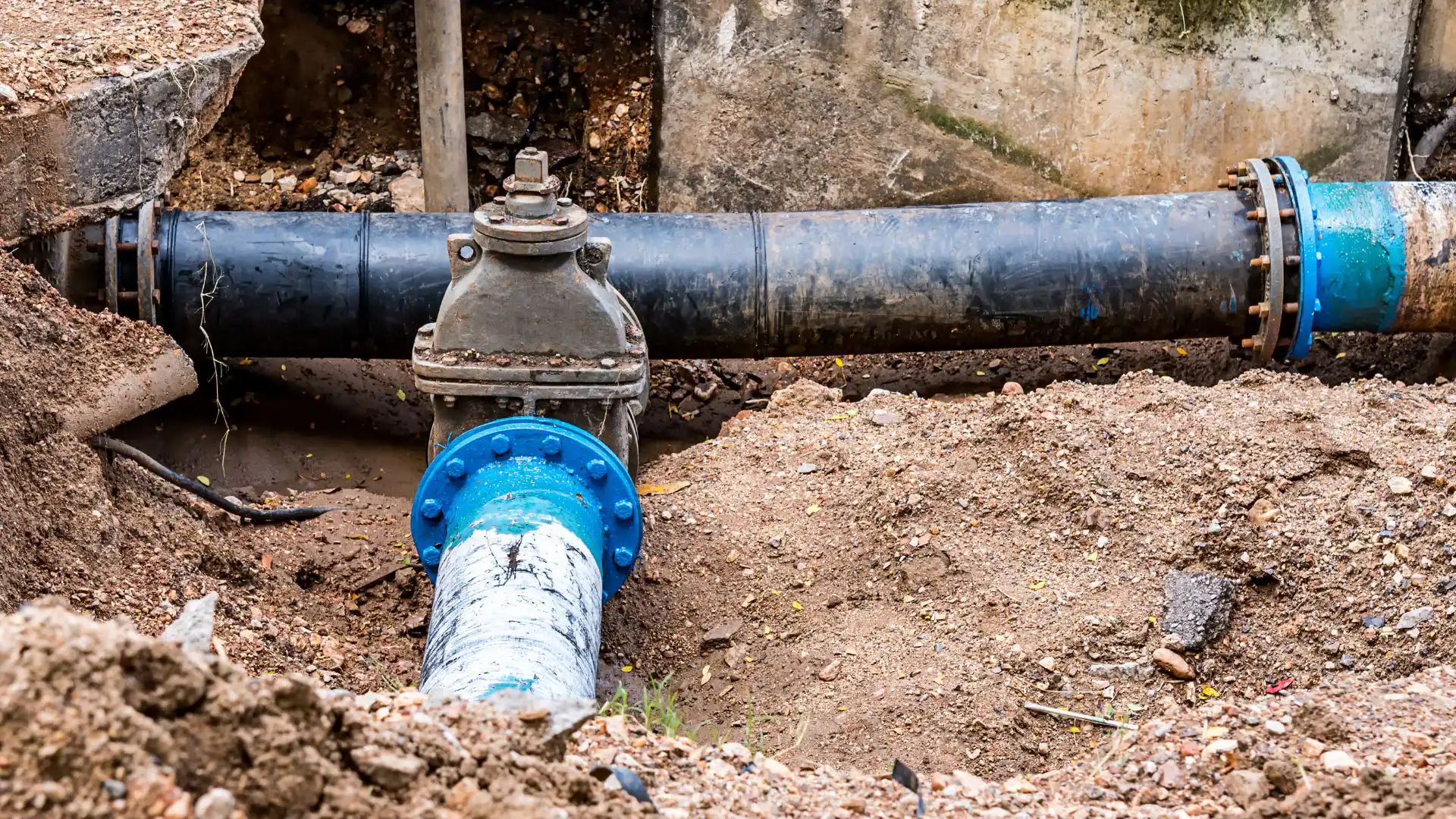
Standing water isn’t just an inconvenience. In Central Islip, where the ground is a mix of compacted urban fill and clay-heavy soil, water has nowhere to go after a heavy rain so it sits. Against your foundation. In your lawn. In your basement, if the grading is working against you. The longer that goes on, the more expensive the consequences get.
A properly designed drainage system changes that completely. Your yard becomes usable again not just after a light spring shower, but after a nor’easter drops three inches overnight. Kids can be outside the next morning. You stop watching the weather forecast like it’s a threat.
Central Islip’s housing stock is older in a lot of areas, and many of these homes were never built with serious drainage infrastructure to begin with. Decades of driveway expansions, patio additions, and grading changes have made things worse over time. What you’re dealing with now isn’t bad luck it’s a fixable problem, and fixing it protects the value of your home far more than most upgrades ever will.
We’re a landscape drainage contractor not a plumber, not a general landscaper who handles drainage on the side. That distinction matters more than it sounds. Plumbers clear pipes. We figure out why your yard floods, where the water is coming from, and how to move it away from your home for good.
We’ve worked across Suffolk County and understand the specific conditions that make Central Islip drainage more complicated than people expect. The urban fill left behind from decades of development and institutional land use including the redevelopment of the former psychiatric center grounds near Lowell Avenue doesn’t behave like natural soil. It compacts unpredictably, drains poorly, and punishes systems that weren’t designed with it in mind.
Every project starts with a real site assessment. We look at the full picture before we ever touch the ground.
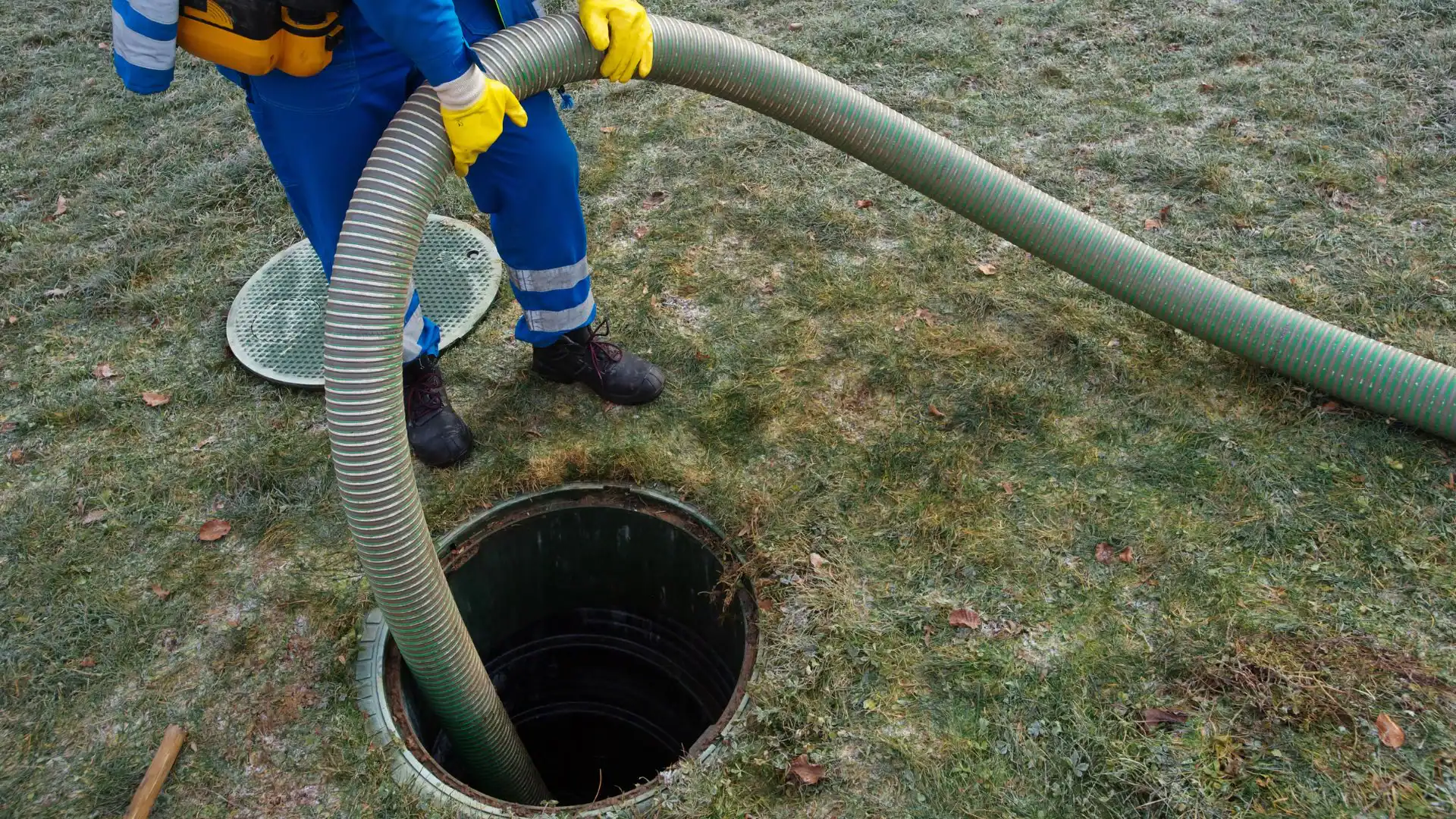
It starts with a site assessment. We walk the property, look at where water is entering, where it’s pooling, and what the current grading is doing or not doing. In Central Islip, that assessment almost always includes evaluating the soil profile, because urban fill and clay behave very differently from the sandy loam you’d find closer to the South Shore. That difference directly affects which drainage solution is right for your property.
From there, we design a system around your specific conditions whether that’s a French drain, a catch basin, a trench drain, regrading, or a combination of all of them. We handle the Town of Islip permit requirements where they apply, so you’re not navigating that process on your own. Any work that touches the municipal stormwater system or affects neighboring properties gets done with the right approvals in place.
Once the system is installed, we restore the yard. Topsoil, turf, and landscaping are part of the job not something you have to coordinate separately after we leave. When we’re done, the yard should look finished, not like a construction site waiting for the next contractor to show up.
Ready to get started?
The drainage systems we install are sized for peak conditions not average ones. Long Island’s nor’easters don’t ask permission, and a system that handles a light rain but backs up when three inches fall overnight isn’t actually solving your problem. Every installation accounts for the rainfall events Central Islip actually gets, including the freeze-thaw cycles that shift grading and crack pipes over time if the system wasn’t built with that in mind.
Depending on your property, the solution might be a French drain running along a fence line, a catch basin in a low-lying area of the yard, a trench drain at the base of a driveway, or a full regrading of the lot to redirect surface flow. Some properties especially those on smaller lots in Central Islip’s denser residential areas need a combination of approaches. We’ll tell you exactly what your yard needs and why before any work begins.
Everything is quoted in writing. The scope, the materials, the timeline it’s all on paper before we start. Central Islip homeowners are making a real financial investment when they address drainage, and a vague verbal estimate that changes at invoicing isn’t something we do. What you’re quoted is what you pay.
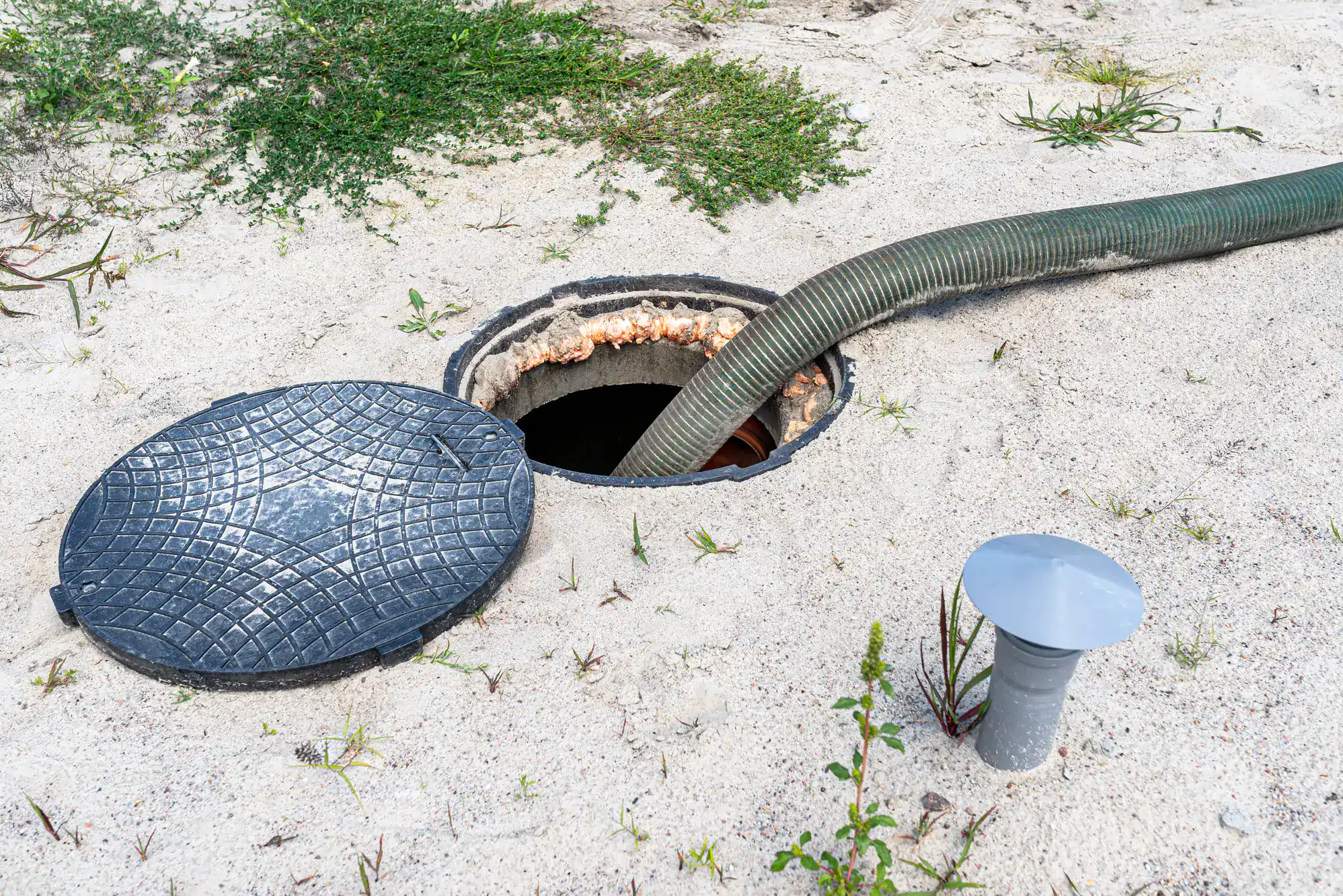
Central Islip’s soil is a combination of clay and urban fill and that combination creates drainage problems that don’t respond well to generic solutions. Clay is naturally dense and slow to absorb water. When it gets saturated, it holds that moisture for a long time, which is why yards in this area can stay waterlogged for days after a storm. Urban fill soil deposited during decades of development and large-scale land conversion, including the former psychiatric center grounds compacts unevenly and doesn’t follow predictable drainage patterns.
What that means practically is that a French drain or catch basin that works perfectly on a sandy-soil property on the South Shore might underperform on a Central Islip lot if it wasn’t designed with these specific conditions in mind. The system needs to be sized and positioned based on what’s actually in the ground. That’s why the site assessment matters so much here it’s not a formality, it’s the step that determines whether the system actually works.
The right solution depends on where the water is coming from and how it’s moving across your property. A French drain is typically the right call when water is seeping through the soil along a fence line, a foundation wall, or a sloped area of the yard it intercepts the flow underground and redirects it away. A catch basin works better when water is pooling on the surface in a specific low spot, like a corner of the yard or the base of a driveway. A trench drain is usually the answer when runoff is coming off a hard surface a driveway, a patio, or a walkway and has nowhere to go.
In a lot of Central Islip yards, the answer is more than one of these. Smaller lots with aging grading and decades of added impervious surface driveways, sheds, patios often need a combined approach to handle water coming from multiple directions. We’ll walk the property and give you a clear recommendation based on what we actually see, not a one-size-fits-all default.
It depends on the scope of the work. For most standard residential drainage installations a French drain, a catch basin, surface regrading a permit isn’t required. But if the work connects to or modifies the municipal stormwater system, or if your property is in a designated Special Flood Hazard Area under the Town of Islip’s Flood Damage Prevention ordinance, a floodplain development permit is required before any drainage modification can take place.
The Town of Islip operates a Municipal Separate Storm Sewer System and enforces a stormwater management ordinance, so work that affects neighboring drainage or ties into public infrastructure does go through the Building Division. We know what triggers a permit requirement and what doesn’t and when a permit is needed, we handle that process. You won’t be left figuring out the Town of Islip’s approval process on your own.
Most residential drainage projects fall somewhere between $2,000 and $7,500, depending on the size of the area, the complexity of the system, and how much yard restoration is involved after installation. A straightforward French drain on a standard lot is on the lower end of that range. A full drainage design that includes catch basins, regrading, and complete turf restoration on a property with significant water issues will be toward the higher end.
The number that matters more, though, is the cost of not fixing it. Foundation repair from water damage runs $23,000 to $48,000. A basement flooding event averages $10,000 to $26,000 before you factor in contents and mold remediation. A properly installed drainage system is a fraction of either of those outcomes and it prevents them entirely. We provide detailed written quotes before any work begins, so you know exactly what you’re investing and what you’re getting for it.
Yes and it’s one of the most common patterns we see on Long Island. In summer, the ground has time to dry out between rain events, and lighter rainfall doesn’t expose the underlying drainage limitations of the property. In spring, it’s a different situation entirely. The ground is still partially frozen or fully saturated from winter, snowmelt is adding volume on top of that, and then March and April rain events hit before the soil has any capacity to absorb more water.
In Central Islip, clay soil makes this worse. Clay holds moisture long after a rain event ends, so by the time the next storm arrives, the ground is already at or near capacity. A drainage system designed for spring conditions not just summer averages accounts for that saturation baseline. It also needs to be built to handle freeze-thaw cycling, which shifts grading and can compromise pipes over time if the installation didn’t account for it. If your yard only floods in spring, the system still needs to be sized for that scenario.
Full yard restoration is part of every project we do it’s not an add-on and it’s not something you coordinate separately after we leave. Once the drainage system is installed, we bring the yard back: topsoil is replaced, turf is restored, and any landscaping that was disturbed during excavation is addressed as part of the same scope of work.
This matters more in Central Islip than it might sound. Lots here tend to be smaller and closer to neighboring properties, which means excavation work is happening in tight spaces near fences, existing plantings, and hardscaping. We work carefully around what’s already there, and we leave the yard looking like the job is finished because it is. The goal isn’t just a drainage system that works. It’s a yard that looks right and functions the way it should, every time it rains.