
Hear from Our Customers
Standing water after a storm isn’t just frustrating it’s a warning sign. When your yard pools up every time it rains, water is sitting closer to your foundation than it should be. Left alone, that becomes a much more expensive problem than a drainage installation ever would have been.
For Islip homeowners, the challenge runs deeper than surface water. The sandy South Shore soils here saturate fast once the water table rises and when tidal pressure from the Great South Bay pushes groundwater upward during prolonged rain events, even a yard that drains fine in August can turn into a swamp by October. That’s not a landscaping issue. That’s hydrology, and it needs to be treated that way.
A properly designed drainage system changes your relationship with rain entirely. Your yard stays usable. Your foundation stays dry. And when the next nor’easter rolls through or something worse you’re not holding your breath wondering if this is the storm that finally gets inside. With median home values in the hamlet of Islip sitting around $652,000, protecting that investment with the right drainage infrastructure isn’t a luxury. It’s just smart.
A lot of drainage jobs fail because the contractor treated the symptom, not the source. They installed a catch basin where the water was pooling and called it done without ever asking where that water was actually coming from. When the next storm hit, the homeowner found out the hard way.
We start every job with a real site assessment. We map how water moves across your property, where it’s coming from, and what it needs to get off your lot without threatening your foundation or your lawn. That diagnostic step is what separates a system that holds from one that fails in year two.
We’ve worked on properties throughout the Town of Islip from lots near the Great South Bay where tidal groundwater is a real factor, to older homes along Route 111 where the original grading was never designed for today’s storm volumes. We know this area, and we build systems that reflect that.
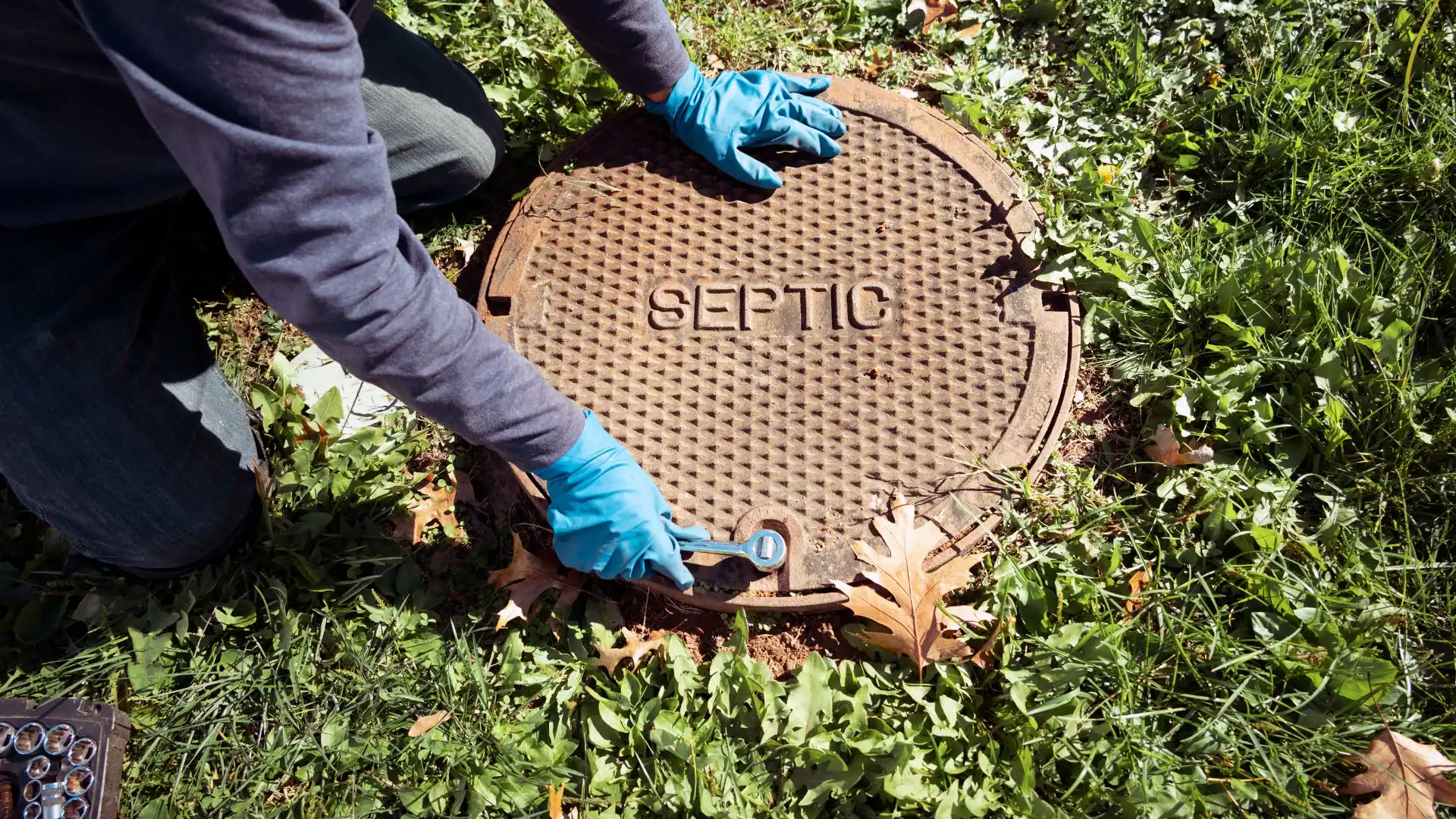
It starts with a site visit, not a quote. Before we recommend anything, we walk your property and assess the full picture where water enters, where it stalls, what the grading looks like, and whether your lot has any flood zone or wetland overlay considerations that affect how we design the system. Properties near the Great South Bay sometimes fall within the Town of Islip’s Wetland and Watercourse Management Area Overlay District, which adds a layer of regulatory review to drainage work. We handle that you don’t need to figure it out yourself.
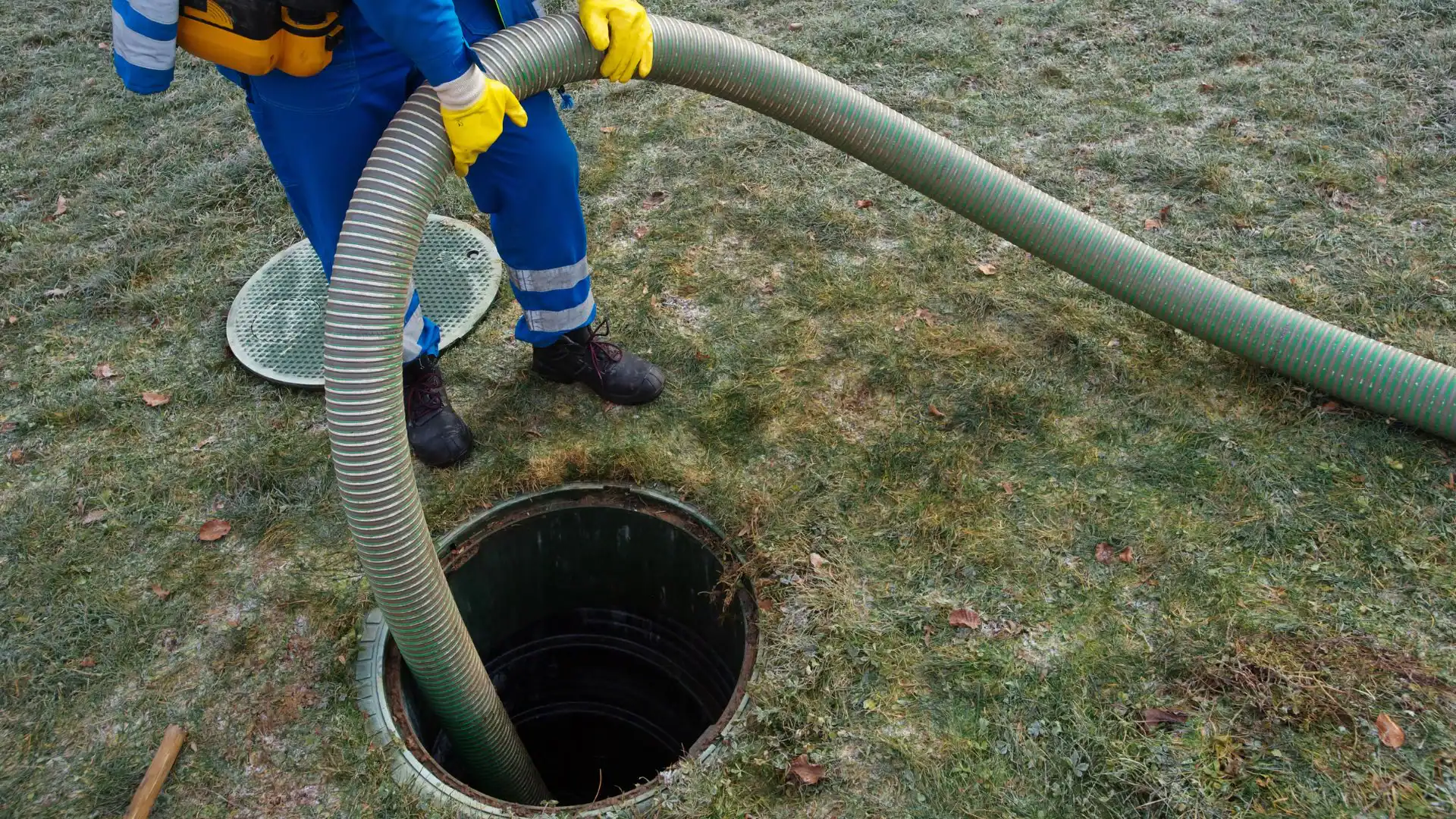
Once we understand your property, we design a system sized for your actual water load not a generic solution pulled off a shelf. That might mean a French drain, a catch basin network, regrading, a dry well, or a combination of all of the above depending on what the site calls for. We’ll explain the recommendation clearly before any work begins, and you’ll have a written quote with a defined scope so there are no surprises mid-project.
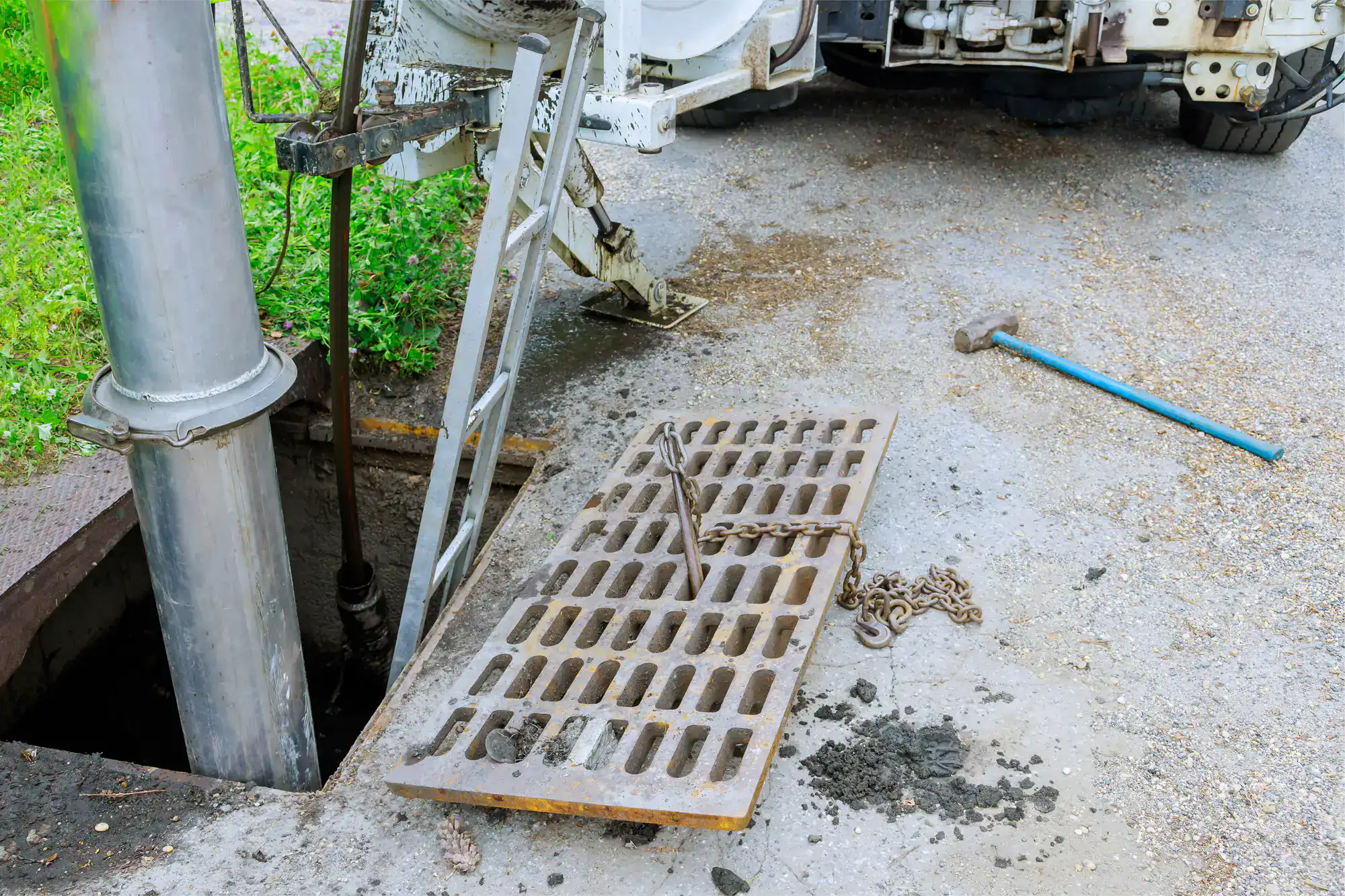
Installation is clean and deliberate. When the work is done, your lawn and landscaping are restored not left as a construction site. The goal is a yard that looks like nothing happened, except it doesn’t flood anymore.
Ready to get started?
Drainage on Long Island’s South Shore isn’t the same as drainage in an inland suburb. The soils here are sandy and porous which sounds like a good thing until they hit their saturation point, and then water has nowhere to go. Add in a water table that fluctuates based on rainfall and tidal influence from the Great South Bay, and you’ve got a drainage environment that demands more than a standard catch basin and a prayer.
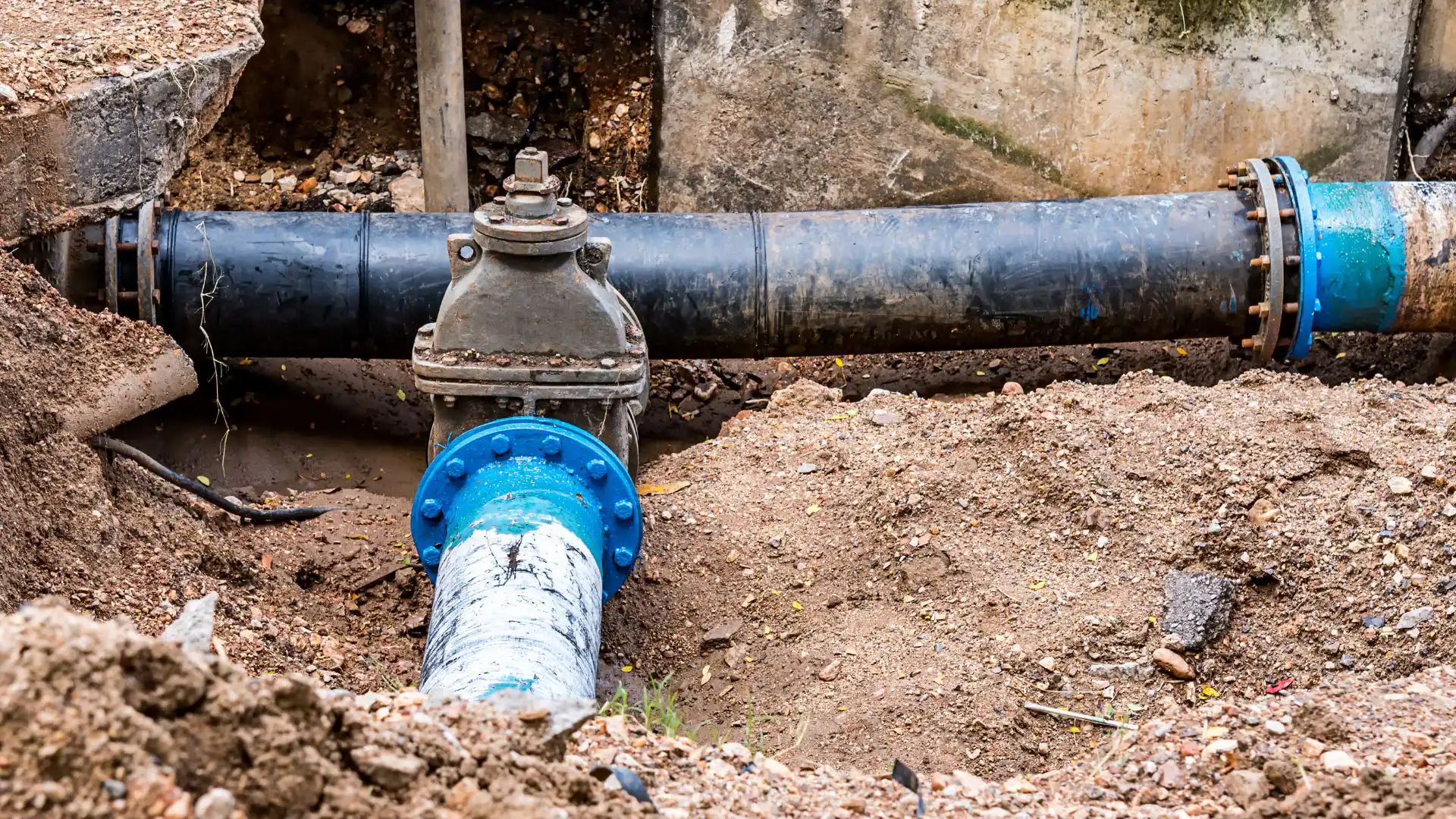
The landscape drainage services we provide in Islip are designed around that reality. French drain installation, surface grading corrections, catch basin systems, dry well placement, and full stormwater routing are all part of what we do and every system is designed based on your specific lot, not a template. For properties south of Sunrise Highway, we account for flood zone designations and the Town of Islip’s stormwater management requirements under its MS4 permit. If your project needs a permit, we coordinate it. If your property sits near a regulated watercourse or wetland, we design accordingly.
What you get at the end is a drainage system that was built for your property, your soil, and your location not one that works on paper but fails when Islip gets three inches of rain in six hours.
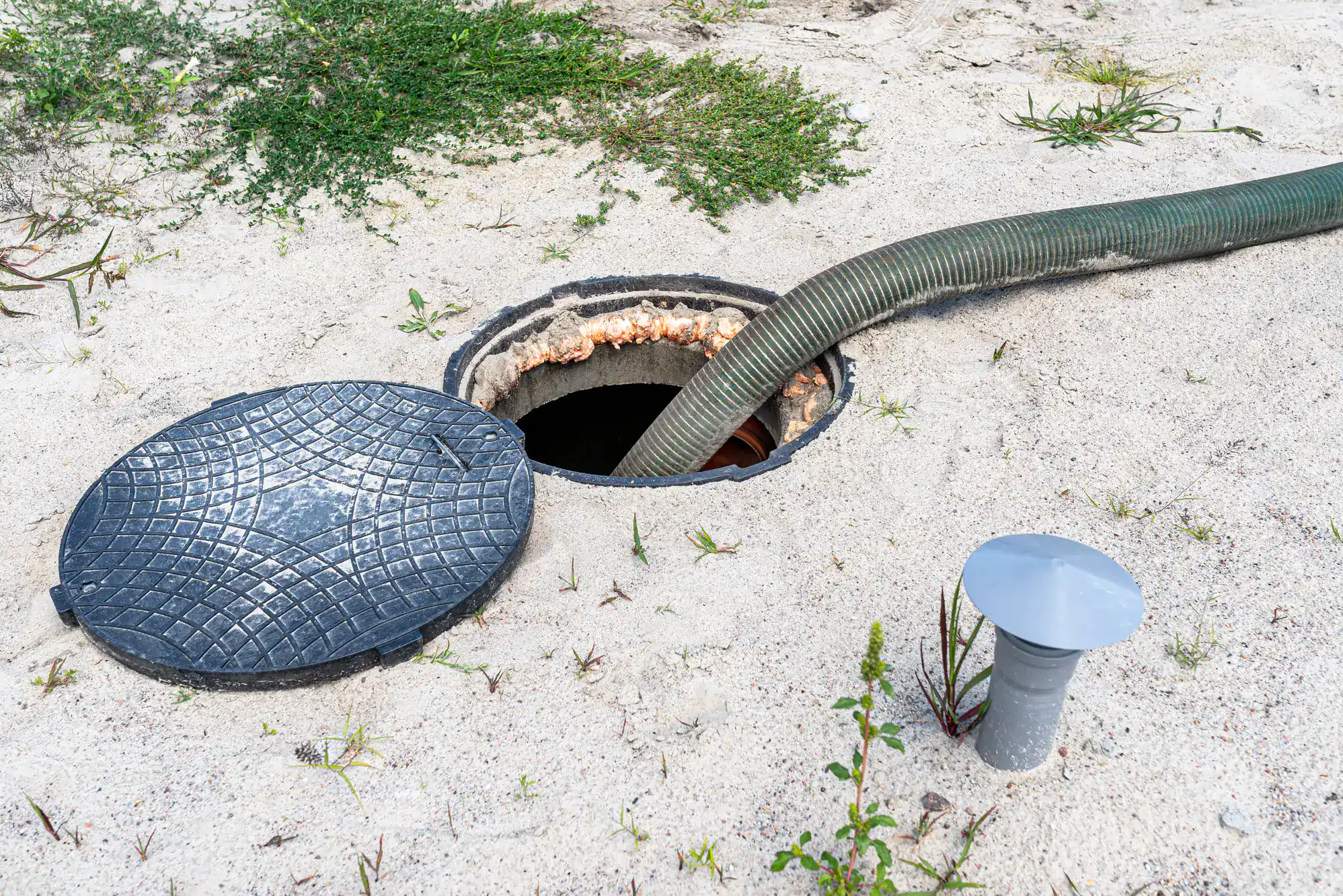
This is one of the most common situations we run into on South Shore properties. The most frequent reason a previous drainage fix failed is that it addressed where the water was pooling not where it was coming from or why it couldn’t leave. A single catch basin installed at the low point of a yard, for example, will overflow in a heavy storm if it’s not connected to a properly sized outlet with adequate fall. The system looks functional on a dry day and fails when you actually need it.
In Islip specifically, there’s another factor that catches a lot of homeowners off guard: the water table. When the Great South Bay’s tidal influence pushes groundwater upward during prolonged rain events, subsurface drainage systems lose the vertical separation they need to function. A French drain that works fine in a normal rain can back up entirely when the surrounding soil is already saturated from below. Fixing this correctly means understanding the full hydrological picture of your property not just the visible wet spot.
It depends on the scope of the work and where your property is located. The Town of Islip operates a Municipal Separate Storm Sewer System under a federal Clean Water Act permit, and its stormwater management code governs drainage work that affects runoff, grading, or connections to the town’s storm infrastructure. For most standard residential drainage installations a French drain, a catch basin, a dry well a permit may not be required. But if your project involves significant regrading, a new connection to the municipal storm sewer, or any work near a regulated watercourse or wetland, the Town’s Wetland and Watercourse Management Area Overlay District may apply.
Properties south of Sunrise Highway and close to the bay are more likely to fall within regulated zones. We evaluate permit requirements as part of every site assessment and handle the coordination if your project requires Town approval.
Most residential drainage projects in the Islip area fall somewhere between $2,500 and $8,000, depending on the scope of work, the size of the property, and what the site assessment reveals. A straightforward French drain installation on a smaller lot will land at the lower end of that range. A more complex system involving multiple catch basins, regrading, dry well installation, and full lawn restoration on a larger South Shore property will cost more.
What’s worth keeping in mind is the cost of not acting. Foundation repair from water intrusion typically runs $23,000 to $48,000. A single basement flooding event averages $10,000 to $26,000 in damage. Islip homes are valuable the median sits around $652,000 and water damage affects both the livability and the resale value of your property. When you frame a drainage installation against those numbers, the math is pretty straightforward. We provide written quotes with a clear breakdown before any work begins, so you know exactly what you’re investing in.
There’s no single answer that works for every property, which is exactly why a site assessment matters before any recommendation is made. That said, South Shore properties in and around Islip tend to share a few common characteristics that shape the solution. Sandy, porous soils mean surface water can move quickly when conditions allow but that same soil saturates fast under sustained rainfall or when the water table rises. Properties close to the bay also deal with tidal groundwater influence that inland lots simply don’t have.
For most Islip residential lots, a combination approach works best: surface grading to direct water away from the foundation, a French drain or catch basin system to intercept and route that water, and a dry well or outlet to a suitable discharge point. The exact configuration depends on your lot’s topography, the location of your home on the lot, and whether any regulated wetlands or watercourses are nearby. A good drainage contractor will assess all of that before recommending anything.
Sandy changed the way a lot of South Shore homeowners think about their property’s vulnerability and for good reason. The storm surge that hit the Town of Islip in October 2012 exposed drainage weaknesses that years of normal rainfall had never revealed. Low-lying streets near the Great South Bay flooded severely. Properties that had never had a water problem suddenly did. The 2014 Suffolk County Hazard Mitigation Plan, approved by FEMA, specifically identified Islip-area streets requiring drainage mitigation as a direct result of what Sandy revealed.
What Sandy demonstrated and what long-term residents here already know is that South Shore drainage systems need to be sized for worst-case conditions, not average ones. A system that handles a normal nor’easter but fails in a major storm event isn’t really protecting your property. It’s just delaying the problem. When we design a drainage system for an Islip property, we’re not designing for the last storm we’re designing for the next one.
A properly installed drainage system on a South Shore Long Island property should last 20 to 30 years or more under normal conditions. The longevity depends heavily on the quality of the materials used, the depth and grade of the installation, and whether the system was correctly sized for the property’s actual water load. Undersized systems and improperly graded pipes are the two most common reasons drainage installations fail prematurely not because the materials wore out, but because the system was never adequate to begin with.
In Islip, there are a few local factors worth accounting for. Freeze-thaw cycles in winter can shift improperly installed pipes that weren’t set at adequate depth. Sandy soils can migrate into drain pipes over time if the filter fabric surrounding the system wasn’t installed correctly. And properties near the bay may see more fluctuation in groundwater levels than inland lots, which puts more consistent pressure on subsurface drainage components. These aren’t reasons to avoid investing in drainage they’re reasons to make sure it’s installed correctly the first time.