
Hear from Our Customers
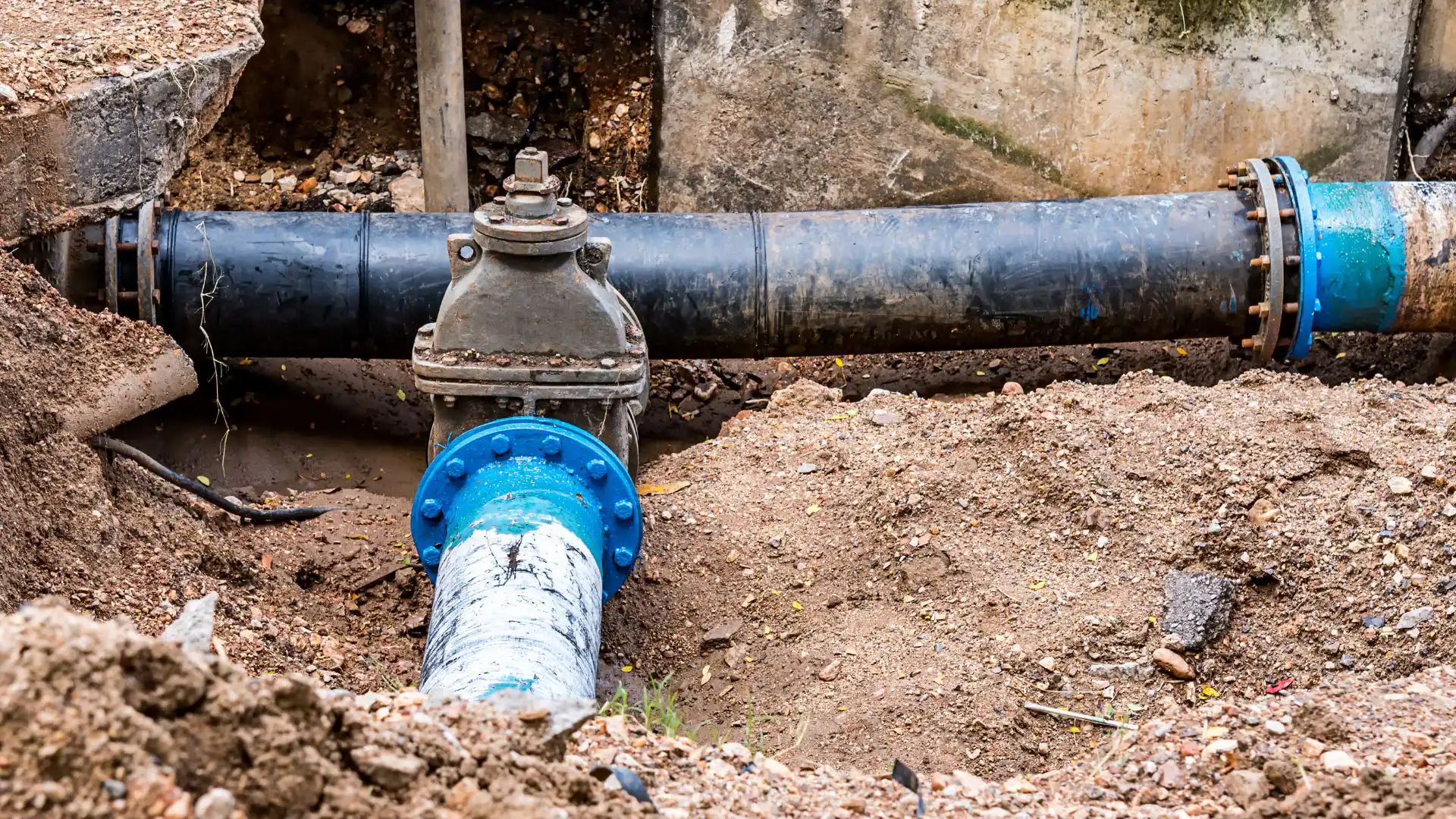
Standing water in Springs isn’t just an eyesore it’s a signal. It means water is sitting somewhere it shouldn’t be, and the longer it stays there, the closer it gets to your foundation, your landscaping, and eventually your wallet. Foundation repairs from water intrusion run $23,000 to $48,000. A properly installed drainage system costs a fraction of that.
What makes Springs different from most of Long Island is the combination of factors working against you at once. The glacial soils here a mix of sandy outwash and heavier morainal till near the Accabonac Cliffs behave differently depending on where your property sits. Add a water table that runs high near Three Mile Harbor and Accabonac Harbor year-round, and you’ve got conditions that overwhelm any drainage system that wasn’t designed with this specific area in mind.
The goal isn’t just to move water off your lawn. It’s to make sure your yard in Springs is usable after a storm, your foundation stays dry through nor’easter season, and your landscaping isn’t quietly drowning between visits. When the system is right, you stop thinking about it and that’s exactly the point.
We work on the East End because this is where the work demands real expertise. The drainage challenges near Accabonac Harbor aren’t the same as what you’d find in a mid-Island subdivision, and a contractor who doesn’t know the difference will leave you with a system that looks finished but fails the first time a real storm rolls through.
We understand East Hampton Town’s stormwater regulations, the MS4 permit requirements that apply to drainage work in this jurisdiction, and what it means to work near wetland setback zones without creating bigger problems down the road. That regulatory layer is real, and ignoring it costs homeowners more than the job itself.
Whether you’re a year-round resident off Springs-Fireplace Road or a second-home owner who discovers a drainage problem mid-season, our approach is the same assess the whole property, design a system that actually fits the conditions, and leave the yard looking the way it should when we’re done.
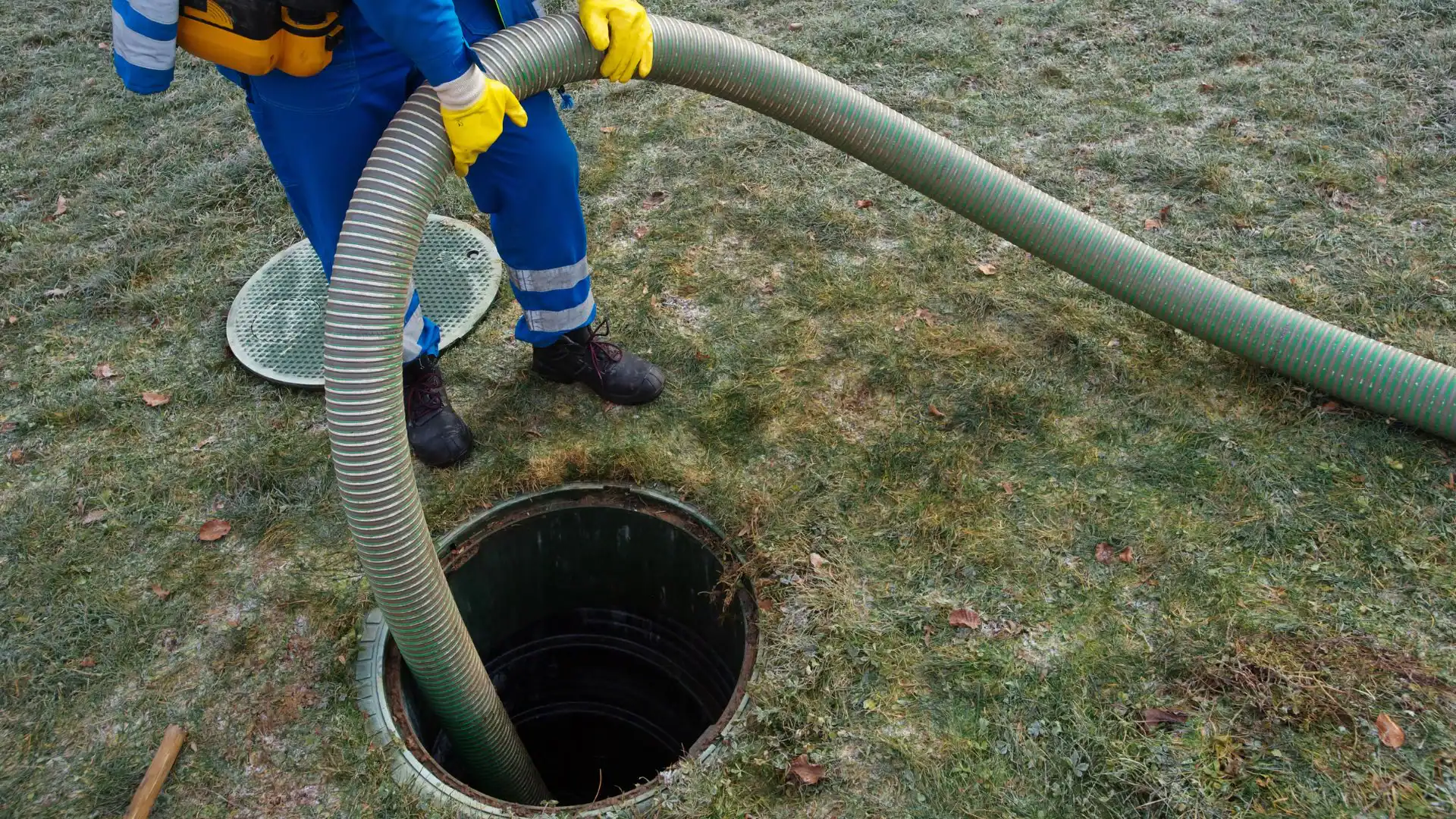
It starts with a site assessment not a quick walk-around, but an actual read of how water moves across your property. Where it enters, where it pools, what the soil is doing with it, and where it needs to go. In Springs, that means accounting for your proximity to tidal wetlands, your soil type, and your distance from the harbor. Two properties a quarter-mile apart can behave completely differently.
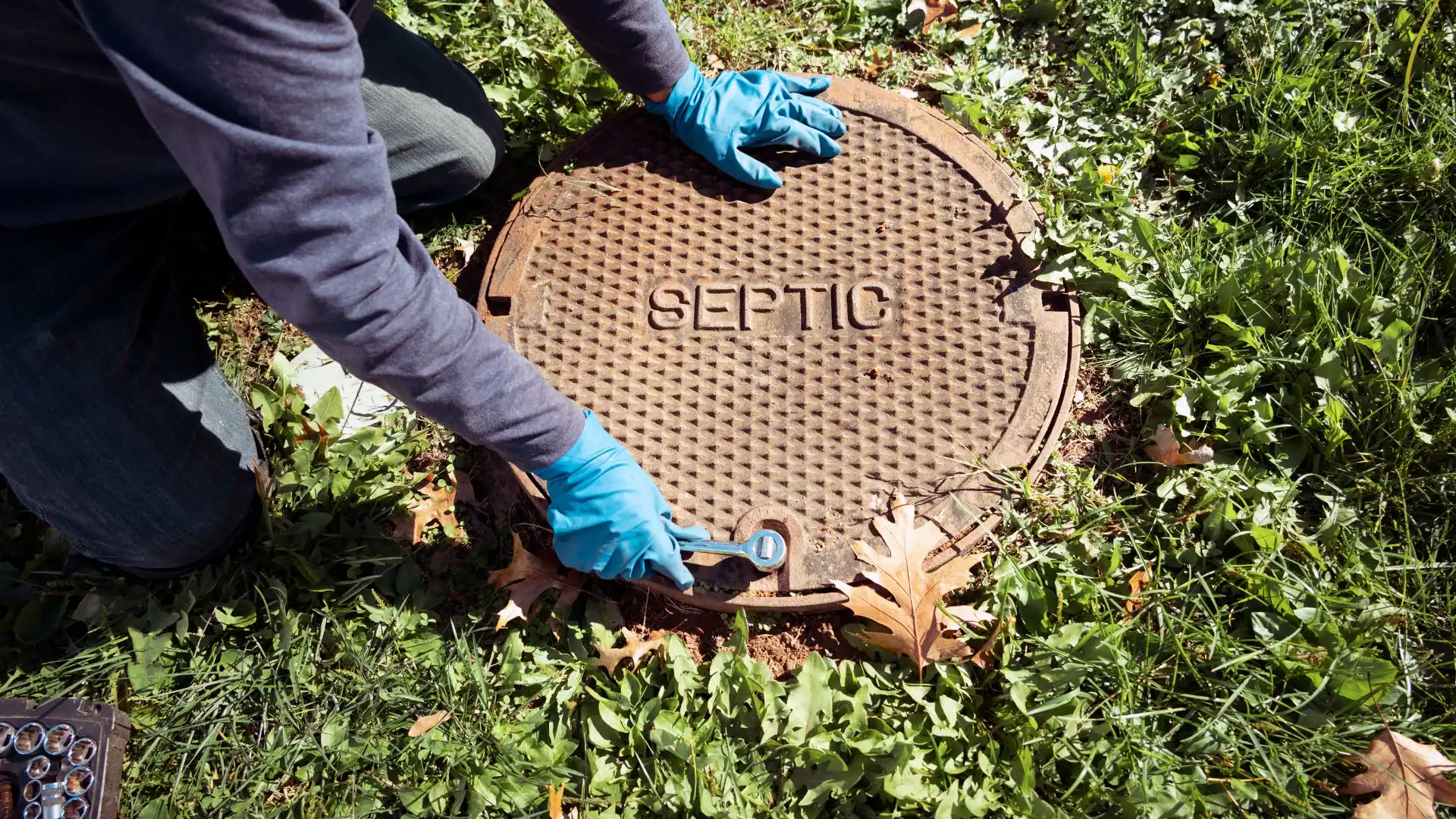
From there, we design the system. That might mean a French drain to intercept and redirect subsurface water, a catch basin to capture surface runoff, a dry well to handle overflow volume, or a combination of all three. If the grade of your yard is working against you, we address that too. The design is based on what your property actually needs not a standard package applied the same way everywhere.
Before any work begins, we identify whether permits are required under East Hampton Town Code or the Town’s MS4 stormwater obligations. Work near wetland buffers or natural drainage areas in this jurisdiction can require additional review, and we handle that upfront so there are no surprises mid-project. Once the system is installed, we restore the disturbed turf and topsoil so the finished result looks clean not like a construction site that someone gave up on.
Ready to get started?
The drainage work we do in Springs covers the full range of what waterfront and near-waterfront properties on the South Fork actually need. French drain installation for subsurface water interception. Catch basins and trench drains for surface runoff management. Dry wells for high-volume discharge. Yard regrading when the slope itself is the problem. And full stormwater system design for properties where multiple issues are happening at once.
A significant portion of Springs properties sit within the Accabonac Harbor watershed an area where the Town of East Hampton has formally invested in stormwater abatement because runoff is a documented, ongoing issue. If your property drains toward the harbor or sits near Three Mile Harbor, the system we design accounts for both your property’s needs and the environmental standards that apply in this jurisdiction. That’s not optional in East Hampton it’s how permitted work gets done correctly.
For second-home owners who aren’t on-site year-round, every installation includes a written workmanship warranty. If something doesn’t perform the way it should after a winter nor’easter, you have recourse even if you’re not there to catch it the day it happens. The work is built to last, and we stand behind it either way.
It depends on the scope and location of the work. East Hampton Town has its own stormwater management code, and the Town is covered under an NYSDEC MS4 permit which means drainage work that affects the Town’s stormwater system has to meet specific design and compliance standards. Basic French drain installations on properties well away from wetlands may not require a formal permit, but any work near wetland buffers, tidal water setbacks, or natural drainage areas typically does.
If your Springs property is near Accabonac Harbor or Three Mile Harbor, there’s a real chance that wetland proximity regulations apply. East Hampton’s natural resources protections are actively enforced, and non-compliant drainage work can result in stop-work orders or required removal which ends up costing far more than doing it right the first time. We identify what’s required before the project starts, not after.
If water is sitting in your yard for more than 24 to 48 hours after a storm, that’s a problem worth addressing. If it’s pooling within ten feet of your foundation, near a crawl space, or against a retaining wall, it’s urgent. Water that lingers that close to a structure is actively working against it even if you can’t see the damage yet.
In Springs specifically, the combination of high water tables near the harbor areas and the variable soil conditions across the hamlet means that surface pooling is often a symptom of a deeper issue. The water you see sitting in the yard may be coming from below as much as from above. A professional assessment looks at both and gives you a clear answer on what’s actually happening and what it would take to fix it permanently, rather than just managing it season to season.
Properties in the Accabonac Harbor watershed deal with a specific set of conditions: water tables that run close to the surface year-round, soils that shift from sandy outwash to heavier glacial till depending on where you are on the property, and wetland setback requirements that affect where and how drainage infrastructure can be installed. There’s no single answer that applies to every property in this area.
That said, French drains combined with dry wells are a common and effective approach for near-waterfront properties in Springs the French drain intercepts lateral groundwater movement and redirects it, while the dry well handles volume during peak storm events. For properties with significant surface runoff from hardscaping or sloped terrain, catch basins are often part of the solution as well. The right system depends on a proper site assessment, not a default recommendation. What works for a property on Neck Path may not be the right call for a property closer to the harbor’s edge.
Nationally, professional yard drainage installation averages around $4,600, with a typical range of $2,100 to $7,200 for straightforward residential projects. In the East Hampton market, you should expect costs at or above the top of that range. Labor costs on the East End run higher than mid-Island, permitting requirements add time and complexity, and waterfront or near-waterfront properties often require more involved system design than a standard suburban yard.
For a comprehensive drainage solution in Springs one that addresses both surface runoff and subsurface water movement, includes proper discharge planning, and meets East Hampton Town’s stormwater standards a realistic budget is typically $5,000 to $15,000 depending on the property size, soil conditions, and proximity to regulated areas. Larger or more complex waterfront properties can run higher. The best way to get an accurate number is a site assessment, because the variables here are specific enough that a ballpark without seeing the property isn’t worth much.
Some disturbance is unavoidable trenching for a French drain or installing a catch basin requires digging, and digging disturbs turf and topsoil. But how we handle that disturbance is what separates a clean finished project from one that leaves your yard looking like it was dug up and abandoned.
Lawn and landscape restoration is a standard part of every drainage project we complete in Springs. Disturbed turf gets re-seeded or re-sodded, topsoil is graded back to its original profile, and any affected planting areas are restored before we leave. For Springs properties many of which have mature landscaping, established gardens, and carefully maintained outdoor spaces this matters. The drainage system should work without being visible, and your yard should look the way it’s supposed to look when the project is done.
Yes and in Springs, the timeline for that getting worse is shorter than most people expect. The South Fork gets hit hard during nor’easter season, which runs roughly October through April. Each major storm that moves water against your foundation, saturates the soil around your crawl space, or keeps your yard underwater for days is adding cumulative stress to your property. It’s not always dramatic it’s slow, quiet damage that shows up later as efflorescence on basement walls, soft spots in the lawn, or erosion near the foundation.
For second-home owners who aren’t in Springs year-round, the risk is compounded. A drainage failure that happens in January may not be discovered until a spring visit, by which point several months of water movement have already done their work. Addressing a drainage problem before nor’easter season or immediately after you identify it is almost always less expensive than dealing with the structural or landscape damage that follows from leaving it unresolved.