Hear from Our Customers
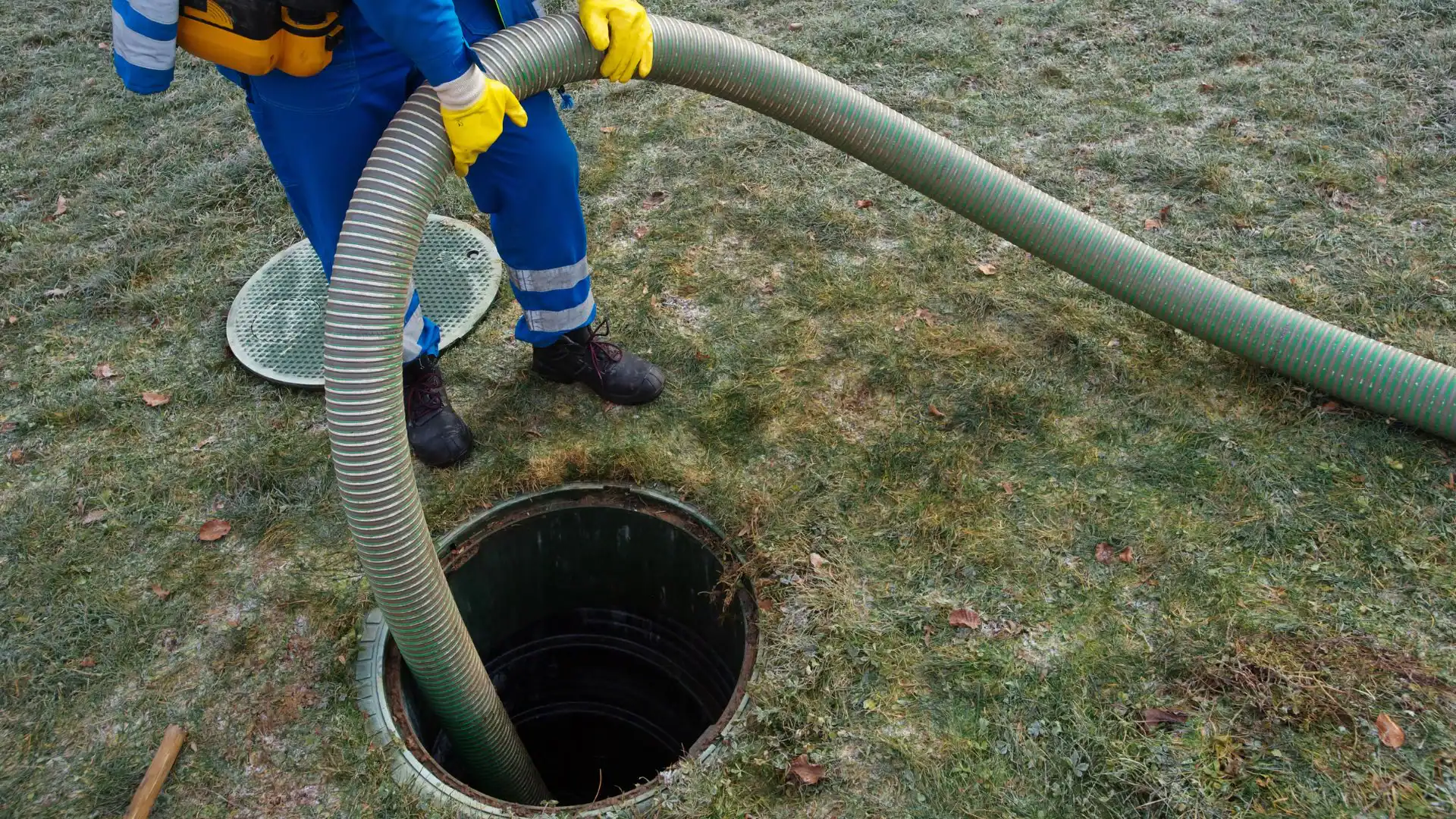
Standing water after a storm is frustrating. But in West Sayville, it’s also a compounding risk. You’re sitting one to two feet above sea level, on a South Shore lot where the water table already sits close to the surface before a single drop of rain falls. When a nor’easter rolls through or the bay surges, the ground has nowhere to send the water and that water finds the path of least resistance, which is usually toward your foundation.
A properly designed drainage system changes that equation. Water gets redirected away from your home before it has a chance to saturate the soil around your foundation, damage your lawn, or work its way into your basement. The yard dries out faster after rain. You stop watching puddles sit for three days after a storm. And the structural risk that comes with chronic water exposure cracked foundations, rotting sill plates, eroded grading stops building quietly in the background.
The other thing that changes is your peace of mind heading into storm season. West Sayville homeowners deal with the full range of what Long Island throws at the South Shore: heavy spring rains, summer thunderstorms, and fall nor’easters that combine rainfall with bay surge. When your drainage is working, none of those events become emergencies.
Gold Coast Landworks is a licensed and insured landscape drainage contractor serving West Sayville and the surrounding communities in the Town of Islip. We work specifically in the landscape drainage space which means we handle how water moves across and through your property, not your pipes or your sewer line. That distinction matters because the problems West Sayville homeowners face aren’t plumbing problems. They’re site problems, grading problems, and coastal hydrology problems.
West Sayville is a compact, tightly knit waterfront hamlet. The Long Island Maritime Museum sits on the bay a few blocks from residential streets where homeowners are dealing with the same low-elevation drainage challenges that have existed here for decades. We understand the local soil conditions, the tidal influence on the water table, and what the Town of Islip’s stormwater regulations require for drainage work in this area.
Every project we undertake starts with an honest assessment of what’s actually causing the problem because a drainage system that isn’t sized and designed for the real conditions here won’t hold up when it matters.
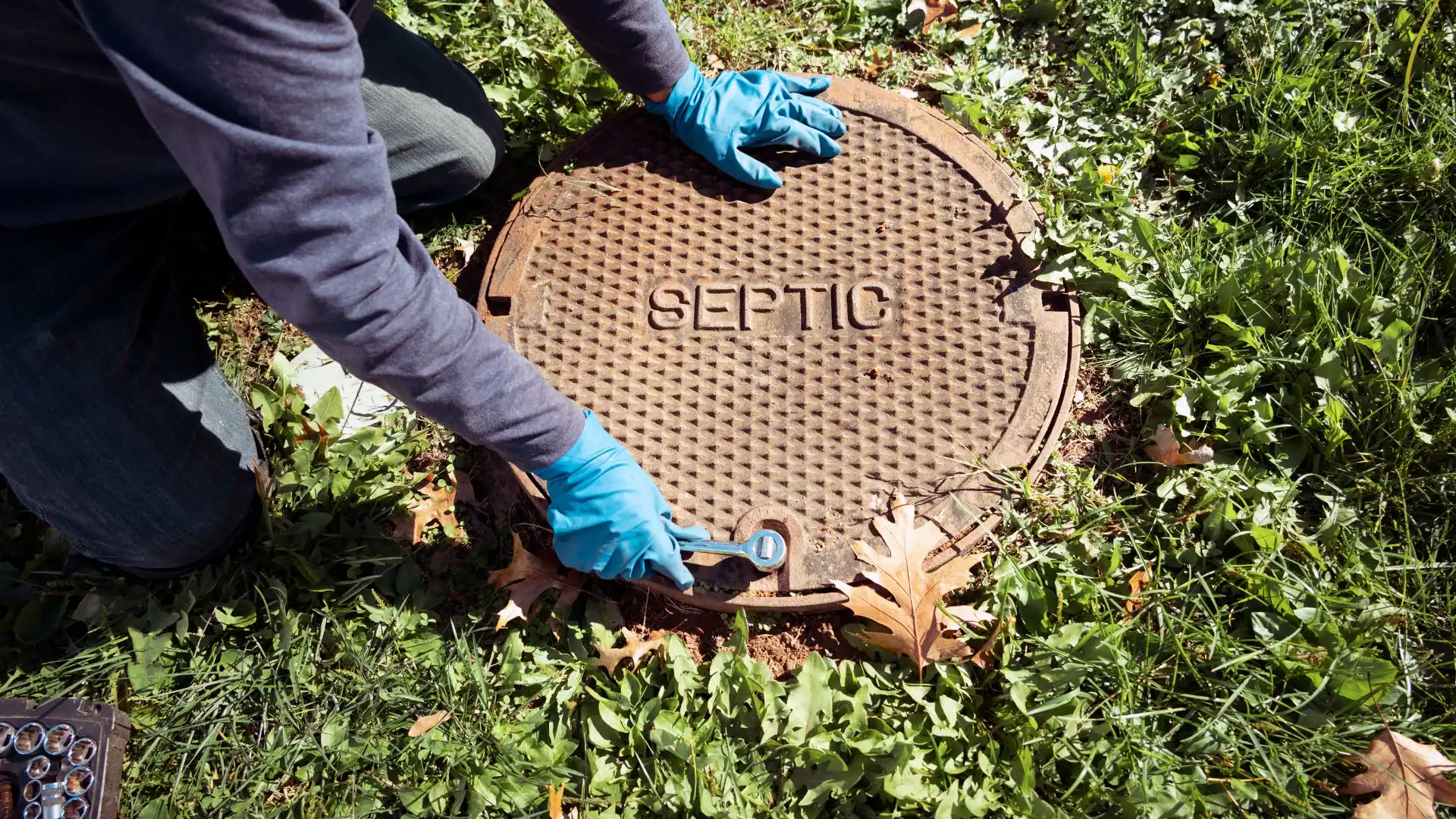
It starts with a site assessment. Before anything gets installed, we need to understand where the water is coming from, where it’s going, and why your current setup isn’t handling it. In West Sayville, that means looking at more than just surface runoff we account for the water table elevation, the proximity to the Great South Bay, and how your property’s grading interacts with the surrounding lots. The diagnosis comes first, every time.
Once we know what we’re dealing with, we put together a written quote that outlines the proposed system, the materials, the scope of work, and the cost clearly, with no vague line items. You’ll know exactly what you’re getting before we touch anything. If the project requires a permit under the Town of Islip’s Stormwater Management Ordinance, we handle that as part of the process. You shouldn’t have to figure out local stormwater compliance on your own.
Installation typically involves excavation French drains, catch basins, channel drains, dry wells, or a combination depending on what the site needs. When the drainage system is in, we restore the yard: topsoil, turf, and any disturbed landscaping brought back to order before we leave. The goal is a yard that drains correctly and looks like the work was never done.
Ready to get started?
Most of the drainage problems we see in West Sayville fall into a few recognizable patterns: water pooling near the foundation after sustained rain, low spots in the yard that stay wet for days, water running toward the house from a neighboring property or the street, and crawl spaces or basements that show moisture intrusion during storm season. These aren’t random they’re predictable outcomes of building residential properties on low-elevation South Shore land without drainage infrastructure that accounts for the coastal environment.
The systems we install are selected based on what the specific site requires. French drains redirect subsurface water laterally away from structures. Catch basins and channel drains capture surface water at high-volume collection points. Dry wells provide controlled infiltration where soil conditions and water table depth allow for it. In coastal environments like West Sayville, where salt air accelerates material degradation, we select components rated for the conditions because a drainage system built to inland specs won’t hold up the same way here.
Every project we take on in the West Sayville area is scoped to comply with the Town of Islip’s stormwater management requirements. That means the system is designed to manage water on your property correctly not just push it somewhere else. With median home values in West Sayville approaching $605,000, a properly installed drainage system isn’t a luxury. It’s the most straightforward way to protect what you’ve built here.
This is one of the most common things we hear from South Shore homeowners, and the answer usually comes down to elevation and water table depth. West Sayville sits at roughly one to two feet above sea level, which means the water table is already close to the surface before a storm even starts. When rain falls even a moderate amount the ground reaches saturation quickly because there’s limited depth available to absorb it. The water has nowhere to go vertically, so it moves laterally across the surface and collects in low spots.
The bay adds another layer to this. Tidal cycles and onshore wind events can push the water table even higher, which means your yard’s drainage capacity is already reduced before the rain arrives. This is why properties in West Sayville sometimes flood during storms that don’t cause problems in inland communities. A drainage system that accounts for these coastal conditions one designed to move water away from your property laterally rather than relying on soil infiltration is the right solution here.
It’s a fair question, and the confusion costs homeowners time and money regularly. Plumbers handle what happens inside pipes blockages, sewer line failures, drain cleaning, and indoor water systems. If your kitchen drain is backed up or your cesspool needs pumping, that’s a plumber. But if water is pooling in your yard, running toward your foundation, or sitting in low spots after rain, that’s a site drainage problem and it’s not something a plumber’s tools or training are designed to fix.
Landscape drainage contractors address how water moves across and through your land. That means grading, French drains, catch basins, dry wells, swales, and surface water redirection the systems that control where water goes before it ever reaches a pipe. In West Sayville, where the drainage challenges are rooted in coastal elevation and soil conditions, you need someone who understands the full hydrological picture of your property, not just what’s happening underground in your plumbing system.
It depends on the scope of the work, but in many cases, yes especially if the project involves significant land disturbance or alters the way stormwater flows on or off your property. West Sayville falls under the Town of Islip’s jurisdiction, and the Town has a formal Stormwater Management Ordinance in place that governs drainage installations. Projects that disturb land or redirect stormwater may require a Stormwater Pollution Prevention Plan submitted to the Town Engineer, and final as-built surveys may need to document drainage structure locations and finished grade elevations.
Suffolk County also maintains its own stormwater management regulations under Chapter 763 of the Suffolk County Code, which can apply depending on the nature of the work. The practical takeaway is that drainage work in West Sayville isn’t a permit-free zone, and a contractor who doesn’t mention permits at all is a red flag. We handle the regulatory side of the project as part of the scope so you’re not left figuring out Town of Islip compliance requirements on your own after the work is done.
Most residential drainage projects in the West Sayville area fall somewhere between $3,000 and $8,000, depending on the size of the yard, the complexity of the drainage problem, and the type of system required. Simpler installs a single French drain run to redirect water away from a foundation sit on the lower end. More involved projects that combine catch basins, channel drains, and dry wells to address multiple problem areas will run higher. French drains specifically tend to cost between $10 and $50 per linear foot installed.
The more useful framing, though, is what you’re comparing that cost against. Foundation repairs from chronic water intrusion run $23,000 to $48,000. A single basement flooding event averages $10,000 to $26,000 in damage. In a market where West Sayville homes are valued at $600,000 and above, a properly installed drainage system is one of the most cost-effective protective investments you can make. We provide written quotes with a clear scope before any work begins no verbal estimates that shift when the invoice arrives.
The practical window for drainage installation in West Sayville runs from late spring through early fall roughly May through October when the ground is workable, excavation is straightforward, and yard restoration can be completed before the next wet season sets in. That said, we’ve seen homeowners wait too long, hold off through summer, and then get hit by a fall nor’easter before the work gets done. The South Shore’s storm season doesn’t give much warning.
If you’re noticing the problem now whether it’s spring saturation, summer thunderstorm pooling, or water that’s been creeping toward your foundation for a couple of seasons the right move is to get the assessment done and the project scoped while the weather cooperates. The demand for drainage contractors on Long Island picks up significantly after major storm events, which means lead times stretch. Getting ahead of it before the next coastal storm season is the practical call, not a sales pitch.
This is more common than most homeowners realize, and there are a few predictable reasons it happens. The most frequent is that the original system was undersized it was designed for average rainfall, not for the peak storm volumes that West Sayville properties actually see during a sustained nor’easter or a heavy summer event. When the system gets overwhelmed, water backs up and the original problem reappears. The second common failure is silt intrusion: French drains installed without proper geotextile fabric eventually clog with fine sediment, reducing their capacity over time until they stop functioning altogether.
In coastal environments like West Sayville, there’s an additional factor salt air and shifting coastal soils accelerate the wear on drainage components, particularly metal fittings and pipe joints. A system that might hold up for 15 years in an inland community can degrade faster here if it wasn’t built with materials rated for coastal conditions. When we assess a property where previous drainage work has failed, we’re looking at all of these factors system sizing, material condition, and whether the original design actually matched what the site requires. A fix that doesn’t start with the right diagnosis will eventually fail the same way the last one did.