
Hear from Our Customers
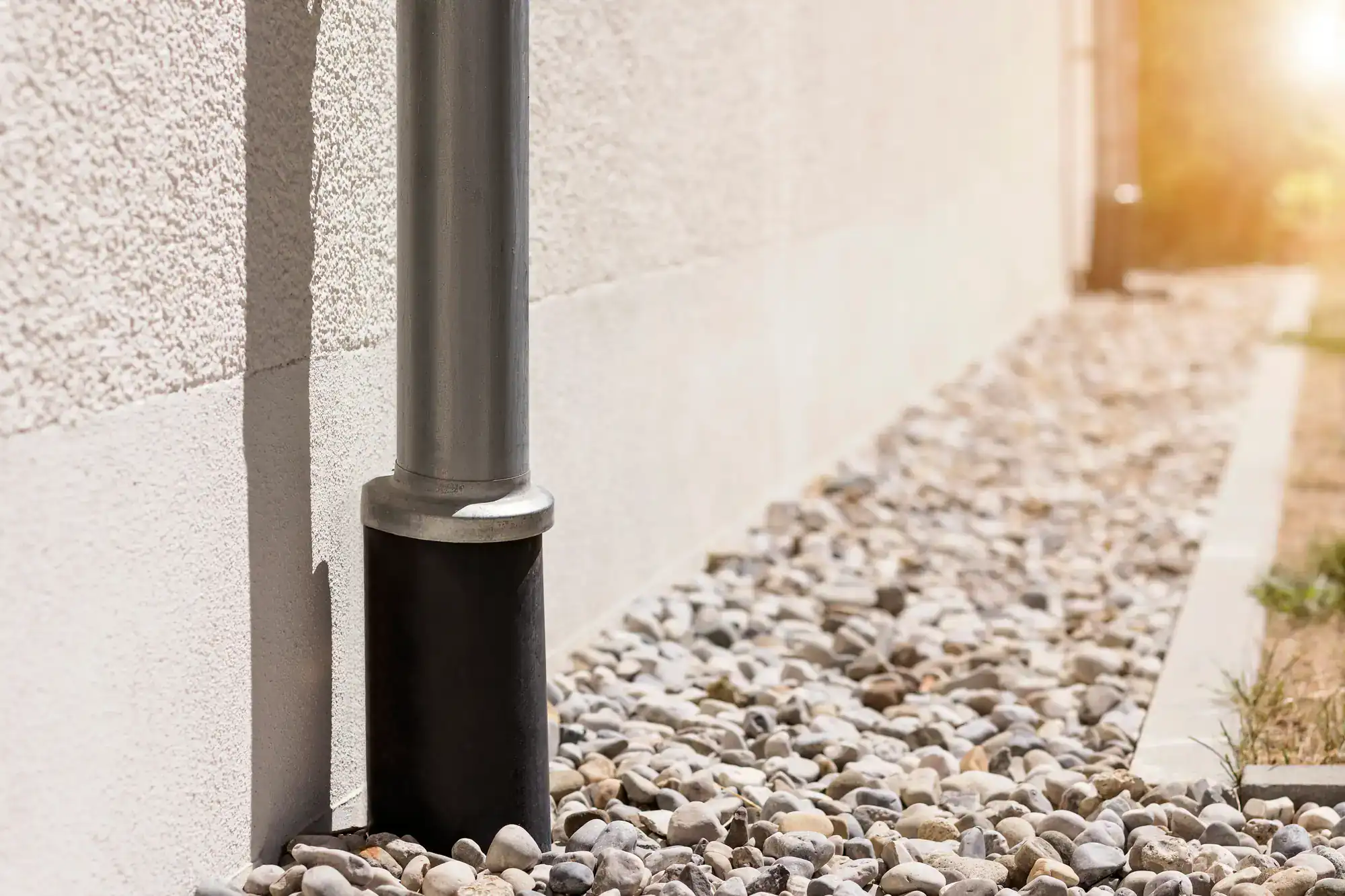
A soggy yard isn’t just an eyesore. In Copiague, where the water table sits close to the surface and the soil is a mix of porous sand over clay, standing water after a storm isn’t draining slowly it has nowhere to go. A properly installed French drain intercepts that water before it reaches your foundation and moves it away from your home entirely.
For homeowners south of Montauk Highway in the American Venice canal community or along Copiague Harbor the problem runs even deeper. Tidal fluctuation in the Great South Bay affects groundwater levels year-round, independent of rainfall. That means your basement or crawl space is under hydrostatic pressure even on dry days. A French drain system designed for that reality doesn’t just manage rainwater it manages the constant push of groundwater that defines living near the bay.
The long-term picture matters too. Foundation crack repair can run $15,000 to $50,000. Mold remediation starts at $3,000 and climbs fast once it spreads into walls. A home with a documented wet basement loses real value at the point of sale on a Copiague home worth over $500,000, that’s a significant hit. A French drain system built right lasts 30 to 40 years. The math is straightforward.
We’re a Long Island-based drainage contractor working specifically in the residential market. That means every property we assess whether it’s a landlocked block in Marconiville or a canal-front home in Copiague Harbor gets evaluated for what’s actually happening on that site, not a one-size-fits-all diagnosis.
South Shore Long Island has its own drainage character. The sandy topsoil moves water fast, the clay underneath traps it, and the proximity to the Great South Bay keeps the water table unpredictably high. We’ve worked in Copiague and the surrounding hamlets long enough to know what works here and what doesn’t and what kinds of shortcuts cause systems to fail within a few years.
We’re licensed, fully insured, and we handle all permitting and utility marking through the Town of Babylon before any excavation begins. You don’t have to figure out what requires a permit or who to call that’s part of the job.
It starts with a free on-site assessment. We walk your property, read the grade, look at where water is entering or pooling, and identify what’s driving the problem. For Copiague properties near the canals or the Great South Bay shoreline, that assessment includes evaluating how tidal groundwater movement affects your site not just surface drainage from rainfall.
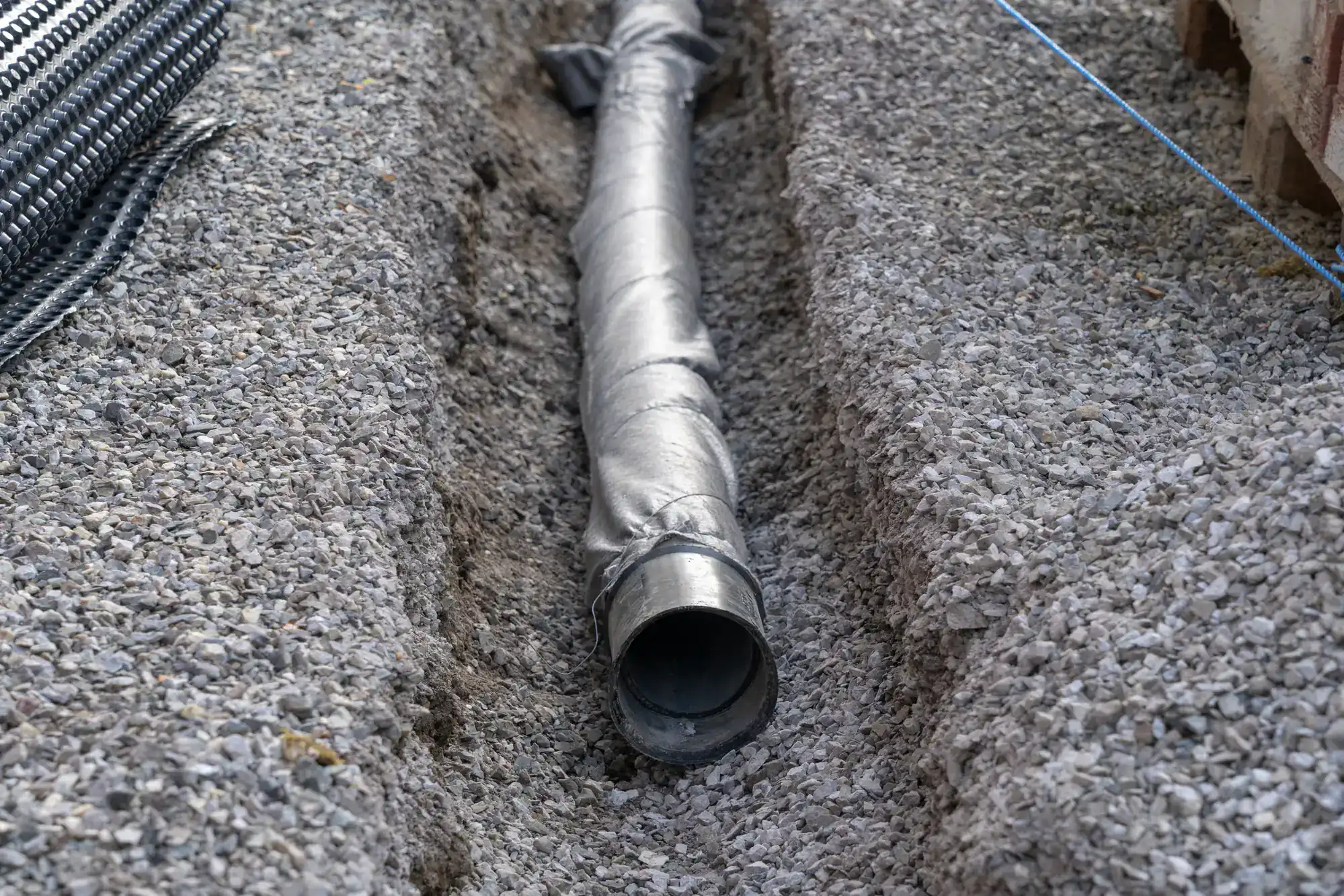
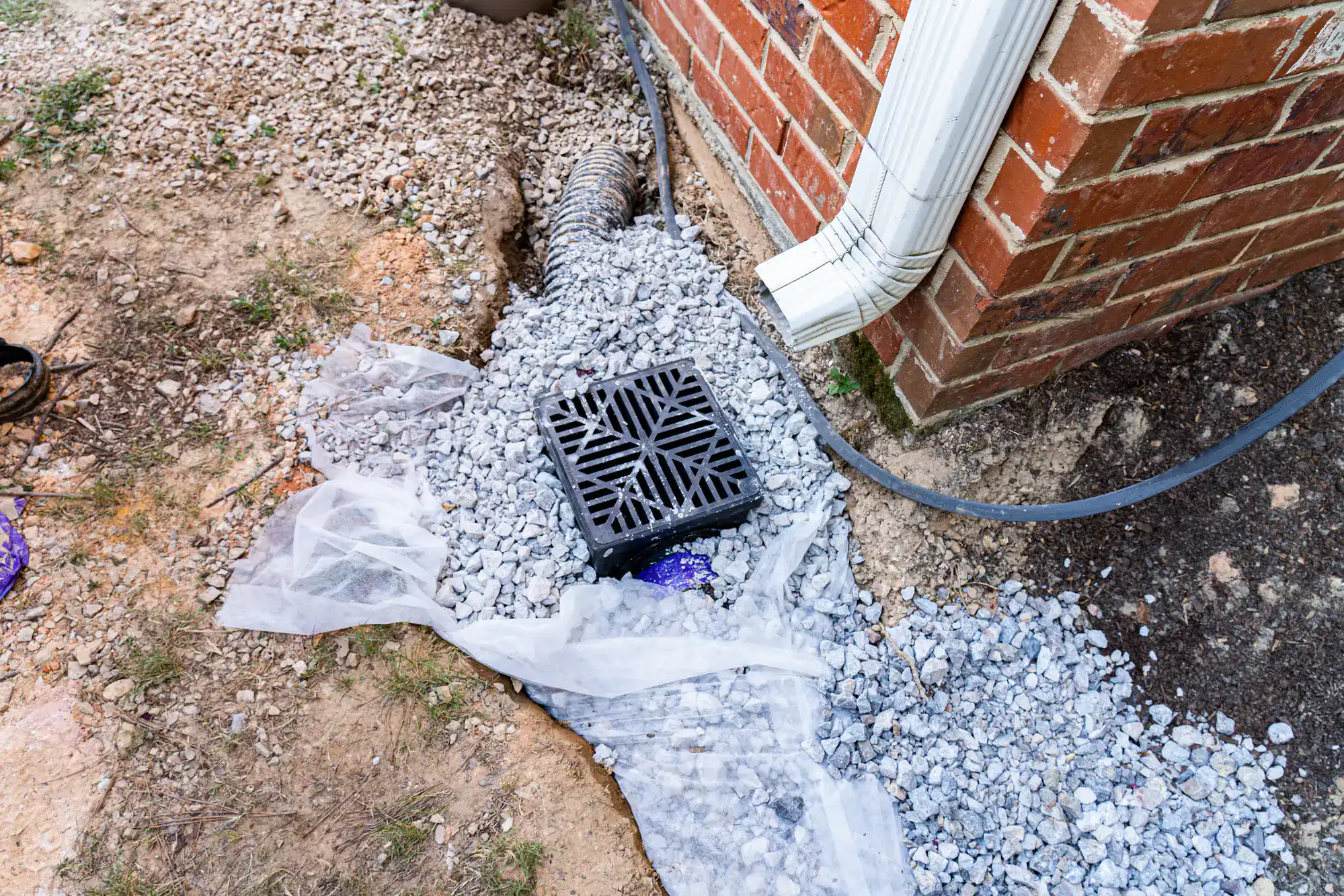
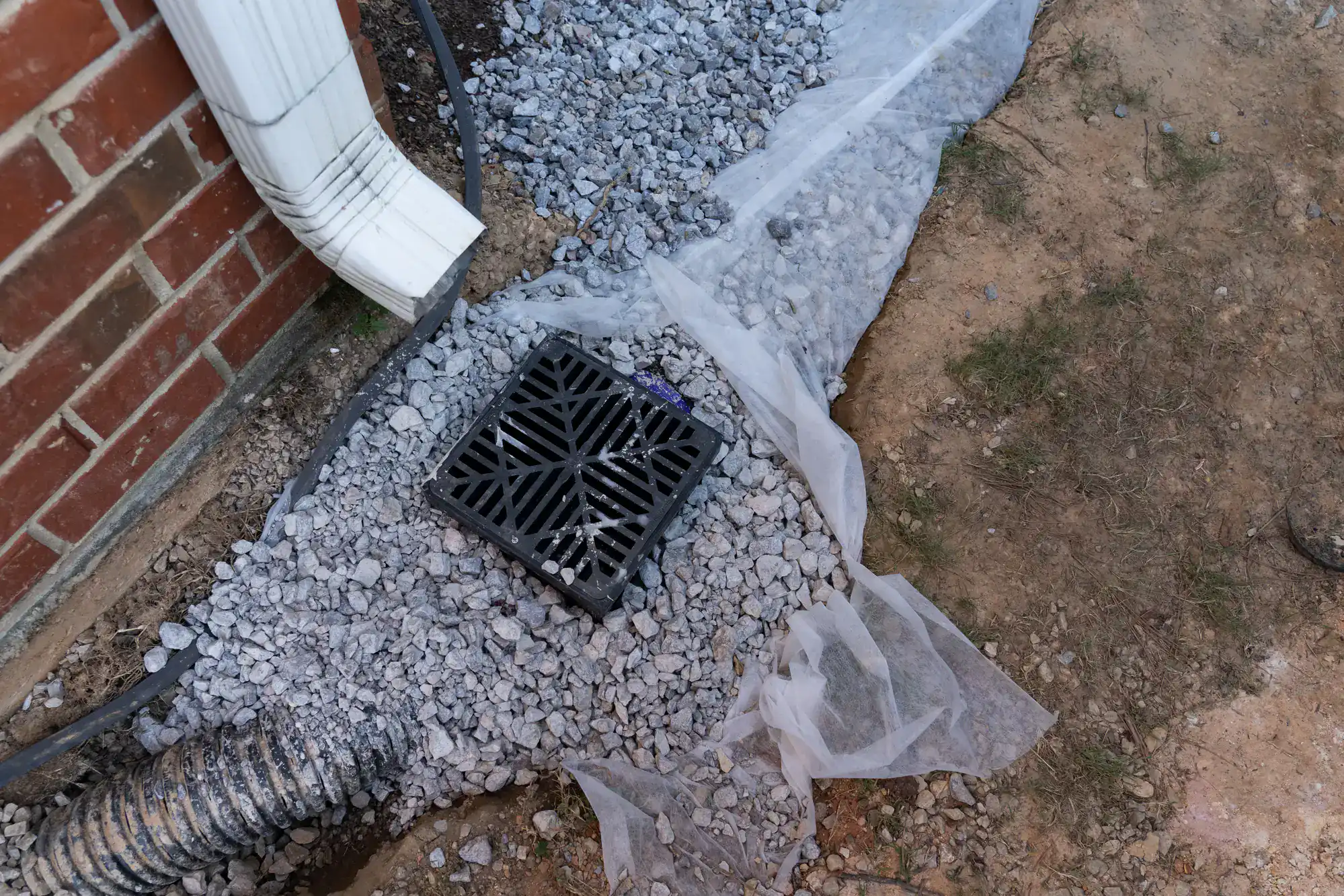
Once we understand what’s actually happening, we design the system around it. That means specifying the right pipe, the correct depth, proper slope at least one inch of drop per eight to ten feet of run geotextile filter fabric that keeps Long Island’s sandy silt from clogging the pipe over time, and a discharge point that moves water completely away from your foundation. Before we dig anything, we contact 811 to have all underground utilities marked. In a dense residential hamlet like Copiague, that step is non-negotiable.
Most residential installations complete in one to two days. After the system is in, we restore the ground topsoil, seeding, or sod matching so your yard looks like the work was never done. What remains is a drainage system doing its job quietly underground, keeping water away from your home for decades.
Ready to get started?
Not every drainage problem in Copiague looks the same, and the system design reflects that. For yards with surface pooling common on landlocked residential streets north of Montauk Highway where water has no natural outlet an exterior French drain intercepts runoff at the surface and channels it to a safe discharge point. For basements taking on water through the foundation wall or floor, a perimeter interior drain system collects groundwater at the base of the foundation before it becomes a flooding event.
For homes in Copiague’s flood-zone sections south of Montauk Highway where the Town of Babylon may require additional review and NYSDEC involvement applies for work near regulated wetland buffers we handle the permitting process as part of every project. You won’t be left trying to figure out what approvals are needed or whether your installation is code-compliant.
Every installation we do uses rigid perforated pipe, double-punched geotextile filter fabric, and washed angular gravel. These aren’t premium upgrades they’re the baseline for a system that actually lasts. The corrugated pipe and bare gravel installs that fail within a few years are exactly what we don’t do. Whether you’re protecting a canal-front property in American Venice or a mid-century home on a standard Copiague residential block, the system is built to perform in the specific conditions on your property.
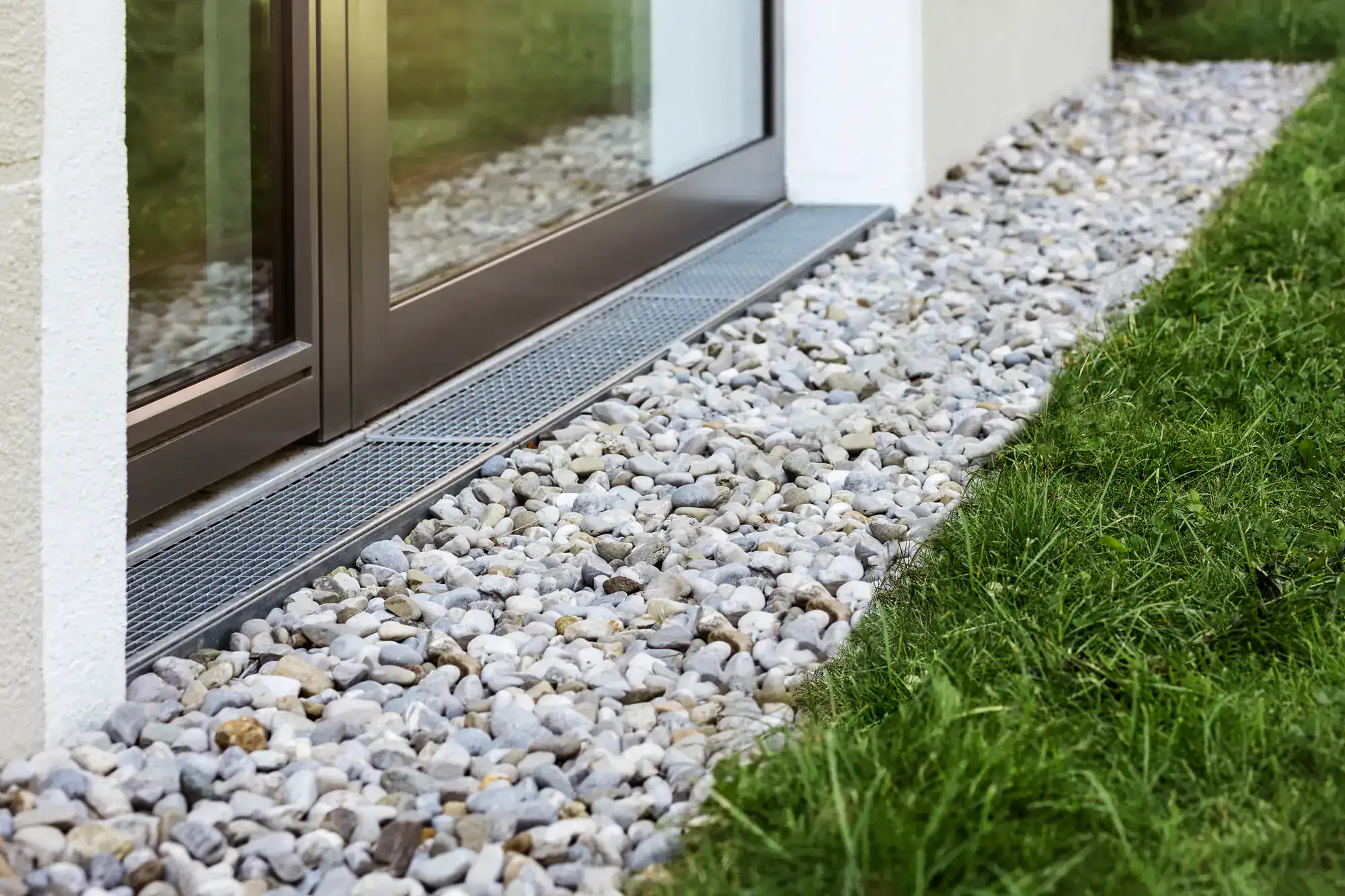
Copiague sits on the South Shore of Long Island, where the water table is naturally shallow and heavily influenced by the Great South Bay. When it rains, the sandy upper soil absorbs water quickly but the clay layers underneath don’t drain well, so water moves laterally and channels directly toward home foundations. That lateral pressure, called hydrostatic pressure, is what forces water through foundation walls, floor cracks, and window wells.
For homes south of Montauk Highway in the American Venice canal area or near Copiague Harbor the problem is compounded by tidal fluctuation. The Great South Bay raises and lowers groundwater levels in the surrounding soil even when it hasn’t rained. So if your basement gets wet after a storm but also stays damp during dry stretches, that’s likely what’s happening. A French drain system addresses the subsurface pressure directly, intercepting water before it reaches the foundation rather than just managing what’s already gotten in.
For most residential properties in Copiague, interior French drain installations which include the perimeter drain, sump pump with battery backup, and concrete restoration typically run between $4,000 and $8,000. Exterior foundation waterproofing systems, which involve excavation around the foundation perimeter, generally fall in the $10,000 to $15,000 range. Yard drainage systems vary based on linear footage, depth, and how complex the discharge routing needs to be.
The range is wide because no two properties are identical. A landlocked home on a standard Copiague residential block has different drainage demands than a canal-front property in Copiague Harbor where groundwater is near the surface year-round. The best way to get an accurate number is a site assessment not a phone estimate. What you’re really evaluating isn’t just the cost of installation; it’s the cost relative to what you’re protecting. On a Copiague home valued at $500,000 or more, the math on prevention versus repair tends to be pretty clear.
It depends on the scope of work and where your property is located. In the Town of Babylon, drainage installations that significantly alter surface water flow, involve substantial excavation, or are located near wetlands or waterways may require a permit from the Town of Babylon Building Division. For Copiague properties in FEMA-designated flood zones which includes portions of the hamlet south of Montauk Highway there may be additional requirements tied to drainage modifications in those areas.
Properties near the canals, Howells Creek, or the Great South Bay shoreline may also trigger NYSDEC review if the work falls within a regulated wetland buffer. Additionally, New York State law requires calling 811 before any excavation to have underground utilities marked that applies to every project regardless of size. We handle all of this as standard practice. You won’t be handed a list of agencies to contact on your own permitting, utility marking, and code compliance are part of every installation we do in Copiague.
A properly installed French drain system lasts 30 to 40 years. That lifespan depends heavily on the materials used and how the system was designed. The most common reason systems fail early especially on Long Island is silt infiltration. Copiague’s sandy soil is fine-grained, and without the right geotextile filter fabric wrapped around the pipe and gravel, that sand works its way into the system over time and clogs it. A system that’s functioning well in year three can be completely blocked by year seven if the fabric was skipped or the wrong type was used.
Other failure points include insufficient slope water sitting in a flat pipe doesn’t drain, it stagnates and a discharge point that terminates in the wrong location or at the wrong elevation. In Copiague’s coastal environment, where the water table can be high even in dry conditions, the outlet placement matters more than it would in a drier inland location. We design every system with these failure points in mind from the start, not as afterthoughts.
They solve different problems, even though both involve perforated pipe and gravel. A French drain for yard drainage is installed at or near the surface to intercept runoff before it pools. It’s the right solution when you have a soggy lawn, water collecting near a driveway, or a low spot that stays wet for days after rain. These systems are common on landlocked Copiague residential streets where the grade doesn’t naturally move water away from the property.
A basement or foundation French drain is installed at the base of the foundation either along the interior perimeter below the slab or excavated along the exterior foundation wall to intercept groundwater that’s pushing against the structure. This is the right solution when water is entering through the foundation itself, not just pooling on the surface. In some Copiague properties, particularly those in flood-zone sections near the Great South Bay, both systems are needed: one to manage surface runoff, one to manage the hydrostatic pressure below grade. A proper site assessment tells you which situation you’re actually dealing with.
Spring is typically the peak snowmelt from winter accumulation combined with March and April rain events drives the water table to its annual high point, and that’s when most Copiague homeowners realize the problem is worse than they thought. But on the South Shore, it’s not a strictly seasonal issue. Tropical storm remnants and nor’easters in late summer and fall bring intense rainfall events that hit Copiague hard, and the hamlet’s position near the Great South Bay means storm surge and tidal flooding can compound what would otherwise be a manageable rain event.
For homes in the American Venice or Copiague Harbor sections, the water table fluctuates with the tides throughout the year not just after storms. That means the pressure on your foundation isn’t something that goes away between seasons. Homeowners who install a French drain system after a bad spring flooding event are often surprised to find it’s working hard in October too, during nor’easter season. The drainage need in Copiague is genuinely year-round, which is part of why the investment pays off over a long period.