Site prep is where every project either gets set up for success or quietly set up to fail. Here's what Suffolk County homeowners need to know before hiring.
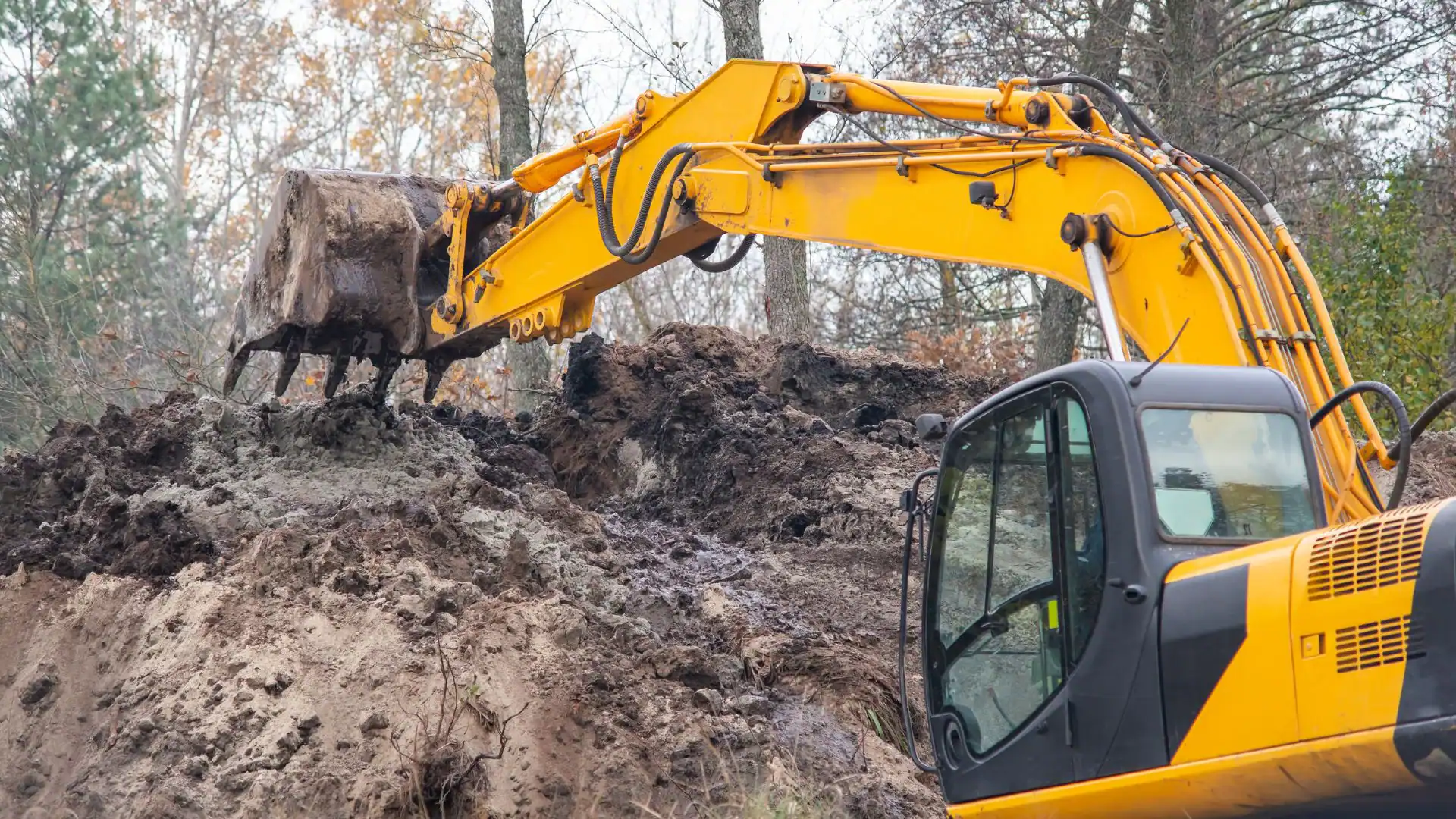
Site preparation is the full sequence of work that happens before construction begins. That includes clearing existing vegetation, removing stumps and debris, excavating to the required depth, grading the land to manage drainage, and — critically — making sure the foundation is protected from water before anything gets built on top of it.
Each of those steps affects the ones that follow. Grading done wrong creates drainage problems that eventually become water intrusion problems. Excavation done without accounting for soil conditions can lead to uneven settling. Foundation work done without waterproofing in Suffolk County, where the water table sits just a few feet below the surface in many areas, is a problem waiting to happen.
Done right, site prep is invisible. You never notice it because nothing goes wrong. Done poorly, it becomes the most expensive line item you didn’t plan for.
Before any equipment shows up, a thorough site assessment should happen. This isn’t a formality — it’s how we figure out what we’re actually dealing with, and it’s the difference between an accurate estimate and one that quietly grows once work is underway.
A proper assessment looks at soil composition, drainage patterns, grade changes, access constraints, and the proximity of underground utilities. In Suffolk County, that last point matters more than people realize. Long Island’s utility infrastructure is dense, and New York State law requires contractors to contact 811 — New York’s call-before-you-dig service — before any excavation begins. We handle that requirement as standard procedure. Skipping it isn’t just careless; it’s a violation of state law that puts your project at serious legal and financial risk.
Soil conditions across Suffolk County vary significantly depending on where you are. The North Shore — Huntington, Cold Spring Harbor, Northport, Setauket — sits on glacial till left behind by the Wisconsin Glacier. That means a mix of sand, gravel, clay, and boulders that can complicate excavation in ways that aren’t always visible from the surface. The South Shore, from Babylon down through Islip and into Brookhaven, is predominantly sandy with a high water table in many areas. What looks like a straightforward dig in one town can be a very different project fifteen miles away.
That local knowledge comes from experience — from having encountered the rock ledge on a North Shore project that wasn’t visible in any soil report, or from knowing that certain neighborhoods near the Great South Bay require extra drainage consideration before a foundation is ever poured. We’ve worked this ground long enough to know what to expect and what to plan for.
We do a thorough site walk, ask the right questions, and provide a written estimate that reflects what we actually found. That’s how we price work — not over the phone, but on the property, with eyes on the conditions we’ll be dealing with.
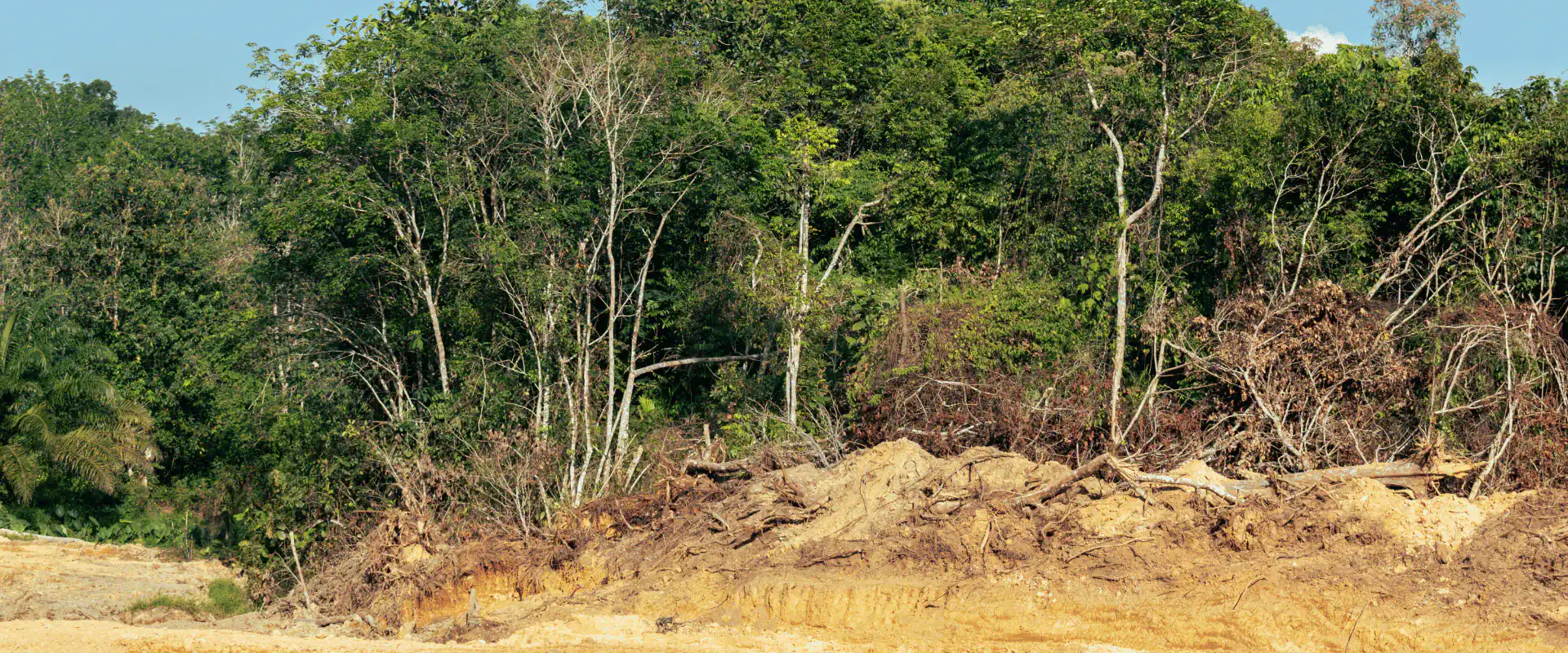
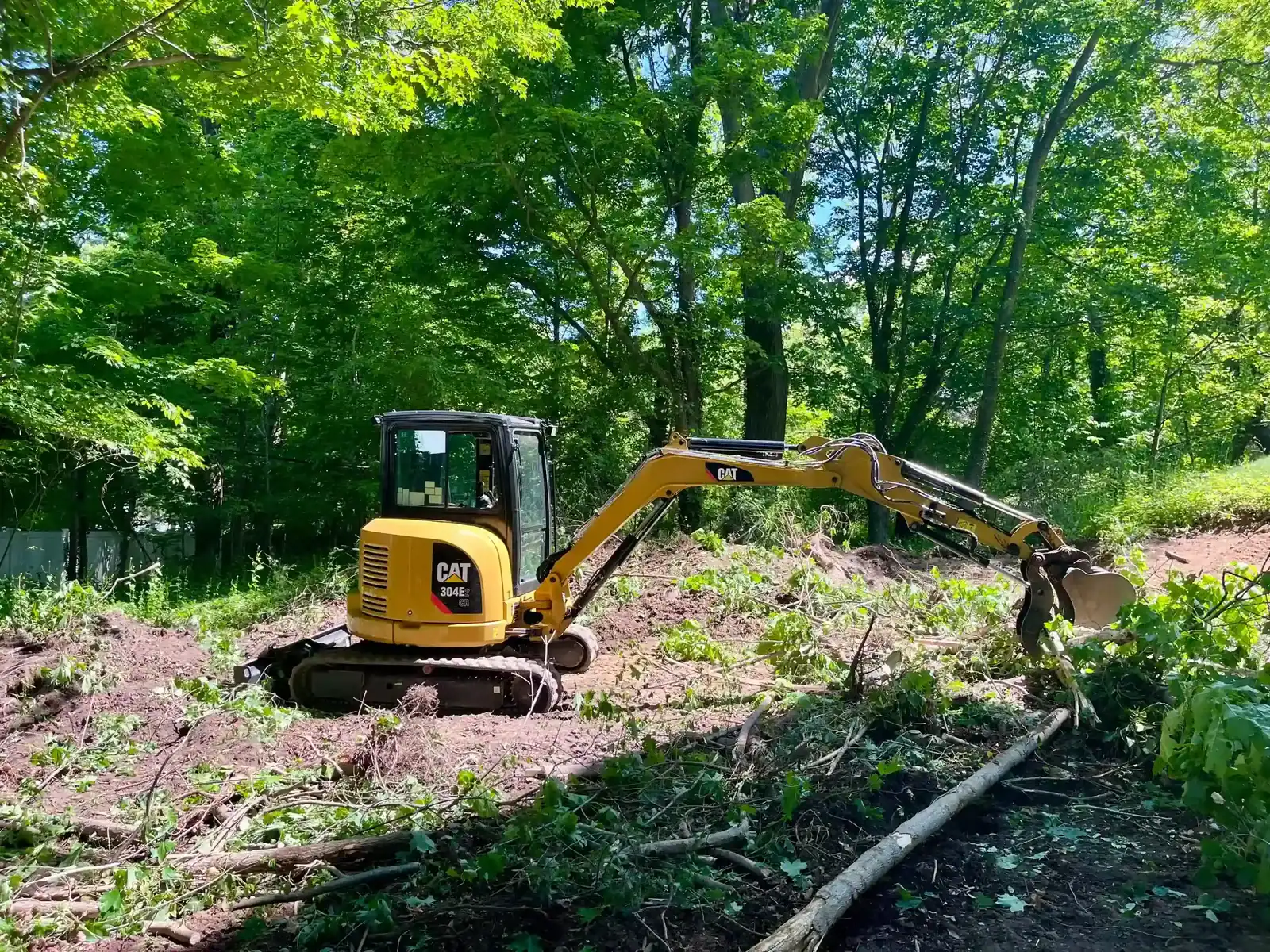
Land clearing is often the first phase of site prep, and it’s more involved than most people expect. Removing trees, brush, stumps, and overgrowth isn’t just about getting the vegetation out of the way — it’s about preparing the ground properly so that what comes next can be done correctly.
One thing that comes up regularly on Long Island properties is invasive bamboo. It has spread across a significant number of Suffolk County properties, and it’s not a plant you can simply cut down and move on from. The rhizome root system spreads aggressively — sometimes 20 to 30 feet from the main stand — and can damage foundations, block drainage systems, and compromise underground utilities if it’s not fully excavated. We remove the root mass entirely, not just surface-level cutting that lets it grow back within a season.
Beyond bamboo, land clearing across Suffolk County often involves navigating environmental regulations that don’t exist in other markets. Properties near wetlands, coastal areas, or the Peconic Estuary may require permits from the New York State Department of Environmental Conservation before any clearing begins. Projects near the water in Southampton, East Hampton, or along the North Shore bays can trigger additional review processes. We know those requirements and handle the permitting process before we start work.
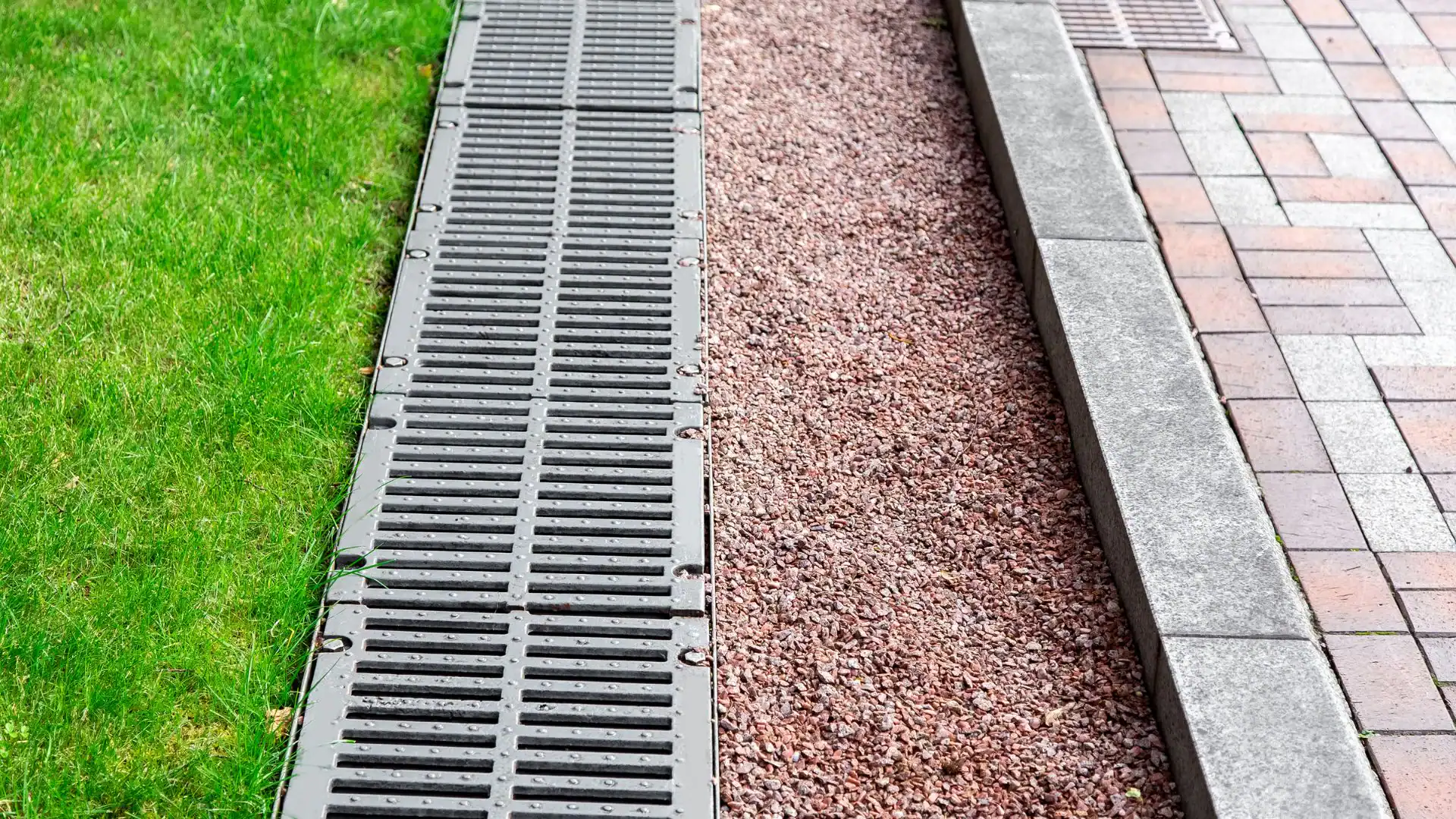
Once the land is cleared, proper grading and soil preparation set the foundation for everything that follows. This includes removing unsuitable material, compacting the subgrade, and establishing the drainage slope that will keep water moving away from your structure rather than toward it. Skipping or rushing these steps is one of the most common causes of the basement water problems that Suffolk County homeowners deal with years after a project is complete.
Want live answers?
Connect with a Gold Coast Landworks expert for fast, friendly support.
The Suffolk County excavation market has no shortage of contractors. The challenge isn’t finding someone who says they can do the work — it’s finding someone who actually will, at the price they quoted, on the schedule they committed to, with the licensing and insurance to back it up.
The most important thing you can do before hiring is verify, not just accept. Ask for the contractor’s Suffolk County Home Improvement Contractor license number and look it up. Ask for an insurance certificate and call the carrier directly to confirm the policy is active. Ask who will actually be on your property — the owner, a foreman, a subcontracted crew you’ve never met. These aren’t difficult questions, and a contractor worth hiring won’t hesitate to answer them.
A low bid feels like good news until the project starts and the invoices start climbing. One of the most consistent complaints from homeowners who’ve had bad experiences with excavation contractors is that the initial estimate bore little resemblance to the final bill. The usual explanation is “unexpected conditions” — rock, buried debris, soil issues that weren’t anticipated. Sometimes that’s legitimate. Often, it reflects a contractor who didn’t assess the site carefully before quoting, or one who deliberately underbid to win the job.
A written, itemized estimate is non-negotiable. It should break down labor, equipment, material removal, and any restoration work so you can compare bids on equal footing. If a contractor gives you a number over the phone without visiting the property, that number doesn’t mean anything. If they pressure you to sign quickly, that’s worth noticing.
Reliability is the other major issue. The trades in Suffolk County are busy, especially from March through August when construction season is in full swing and every contractor’s schedule is packed. Contractors who overcommit and underdeliver on start dates are a real problem. Before hiring, ask specifically how we handle scheduling, what our communication process looks like during a project, and what happens if conditions change once work begins. The answer tells you a lot about how the job will actually go.
One more thing: make sure whoever you hire pulls the required permits before breaking ground. In Suffolk County’s ten towns — Huntington, Babylon, Islip, Brookhaven, Smithtown, Southampton, East Hampton, Southold, Riverhead, and Shelter Island — permit requirements vary, and the consequences of working without them range from stop-work orders to fines to complications when you eventually sell the property. We handle permits as a standard part of the job, not an afterthought.
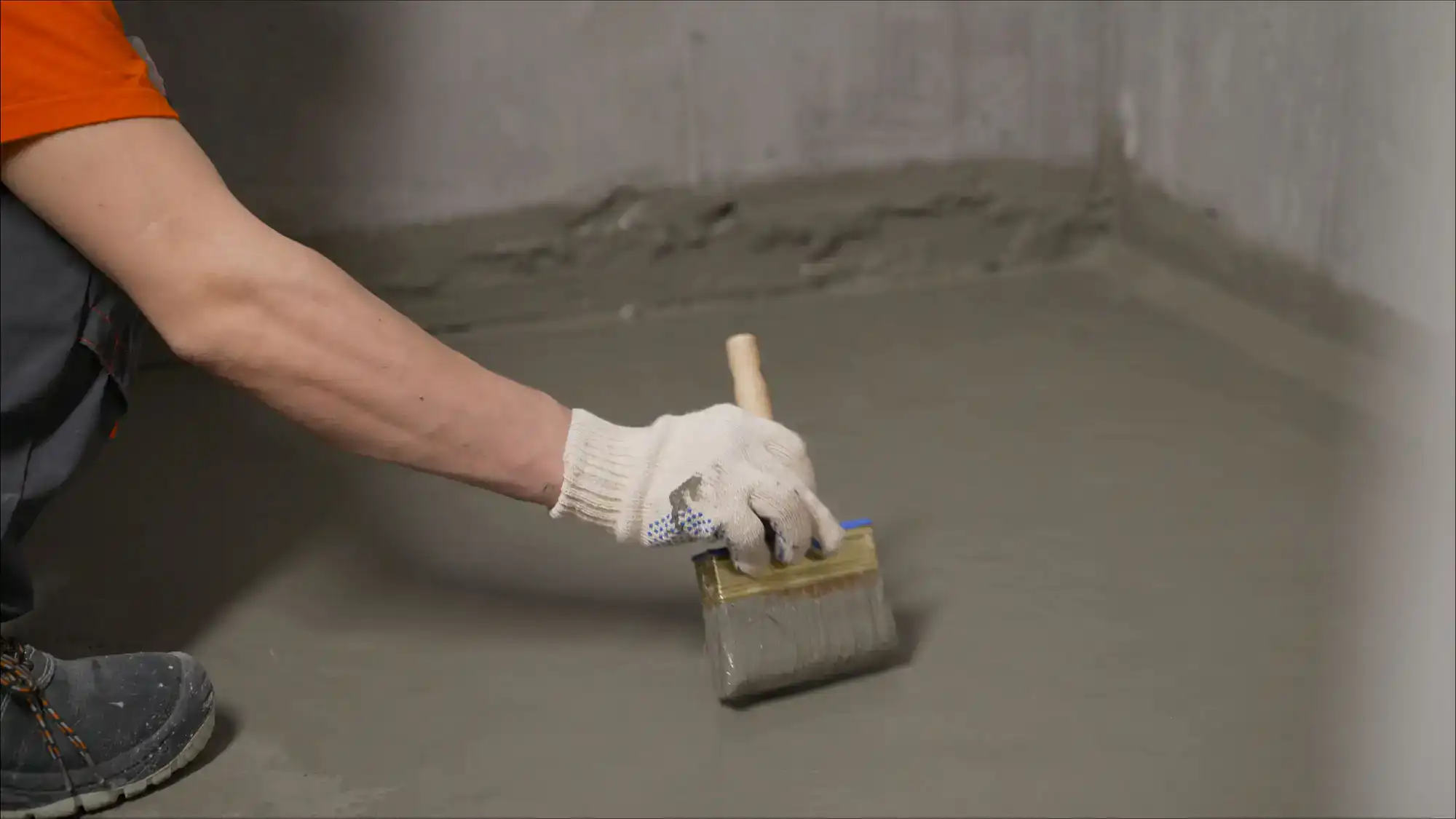
Here’s something most homeowners don’t find out until it’s too late: exterior foundation waterproofing is dramatically cheaper when it’s done during the excavation phase than when it’s retrofitted later. Once a foundation is backfilled and a structure is built, addressing water intrusion from the outside means re-excavating around the entire perimeter — essentially paying for the excavation twice, plus the cost of the waterproofing itself.
In Suffolk County, this isn’t a hypothetical risk. The county’s median home was built in 1970, long before modern waterproofing standards were common practice. A significant portion of the housing stock was constructed with minimal or no exterior waterproofing, and the region’s geology makes water intrusion a persistent issue. High water tables near the South Shore bays, hydrostatic pressure against foundation walls in low-lying areas of Babylon and Islip, storm-driven saturation after nor’easters — these are real, recurring conditions that affect real homes across the county.
If you’re excavating for a new foundation, that’s the moment to waterproof it properly. If you’re already dealing with water in your basement, the question worth asking is whether the problem is coming from inside — a humidity or condensation issue — or from outside, where water is pressing against the foundation wall and finding its way through cracks or gaps. Interior drainage systems like sump pumps manage the symptom. Exterior waterproofing addresses the source.
We handle both sides of that equation. Excavation and waterproofing done by the same crew, on the same project, with full accountability for the outcome. That’s not how most site work gets done on Long Island — typically, the excavation contractor leaves and a separate waterproofing contractor comes in later. When something goes wrong, each one points at the other. We eliminate that gap entirely.
Site prep done right is something you’ll never have to think about again. Site prep done wrong has a way of reminding you for years. The contractor you hire before a single shovel hits the ground sets the trajectory for everything that follows — the foundation, the drainage, the structure, the basement that stays dry through every Long Island winter and every nor’easter that rolls through.
What you’re really looking for is a contractor who knows this county, knows the soil, knows the permit offices, and takes the work seriously enough to assess your property before quoting it. Someone who handles the excavation and the waterproofing under one roof, so nothing falls through the cracks between trades.
That’s what we do at Gold Coast Landworks. If you’re planning a project in Suffolk County and want to talk through what it actually involves, reach out — we’re straightforward about scope, honest about timelines, and local enough to know what your specific property is likely to need.
Summary:
Article details: