DIY excavation on Long Island comes with real risks most homeowners don't see coming. Here's what you need to know before breaking ground.
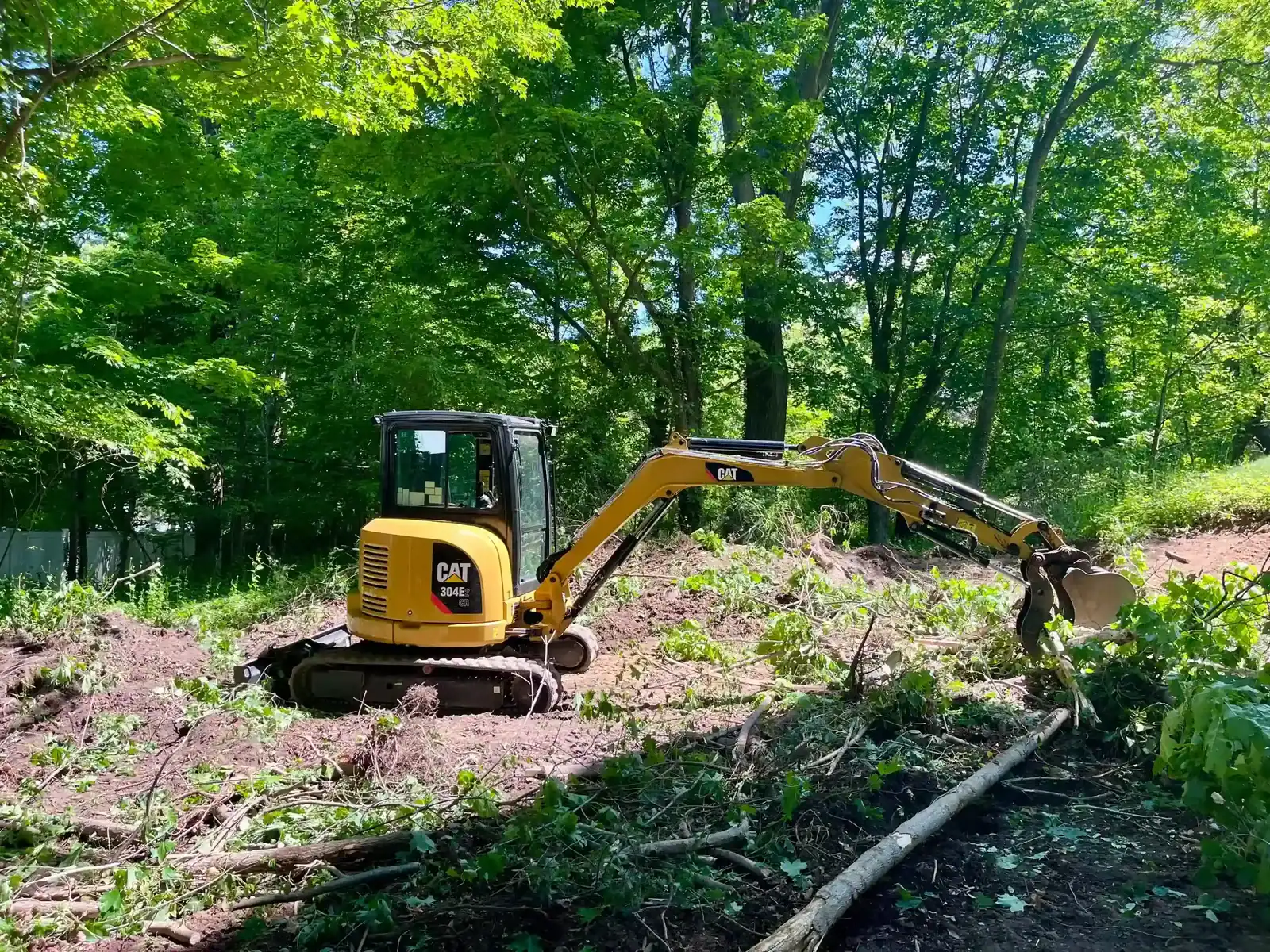
Most people don’t think much about what’s under their property until something goes wrong. A drainage problem surfaces after a heavy rain. A foundation project kicks off and suddenly nobody’s sure where the utility lines run. A homeowner rents an excavator to save a few hundred dollars and ends up with a $50,000 repair bill.
Excavation work on Long Island carries real stakes — and the decisions you make before the first bucket hits the ground matter more than most people realize. Whether you’re preparing a site for new construction, fixing a drainage issue, or clearing land on the North Shore, this page will walk you through what’s actually involved, what can go wrong, and why working with us is almost always the smarter call.
Renting an excavator for the weekend feels like a reasonable shortcut. The machine does the work, right? The problem is that the machine is the easy part. What it can’t do is locate the gas line buried 14 inches below your Huntington backyard, assess whether the sandy soil near your foundation is stable enough to trench without shoring, or pull the permit your Suffolk County building department requires before any ground is broken.
Long Island’s underground is crowded and complicated. Decades of suburban development — most of it built out in the 1950s and 60s — means utilities, drainage lines, cesspools, and old infrastructure are often installed at inconsistent depths and not always where the maps say they are. That’s not a hypothetical. It’s the reality of working in one of the most densely developed suburban regions in the country.
New York State law requires anyone digging to notify the 811 call-before-you-dig center at least two to three business days before breaking ground. It’s not optional, and it applies to homeowners, not just contractors. But according to the Common Ground Alliance, 58% of underground utility damage cases involve someone who never made that call — and in 2023 alone, there were over 180,000 reported incidents of buried utility damage across the country.
The cost of a single utility strike averages around $56,000 to repair. That’s before you factor in service outages, project delays, and the potential liability that comes with disrupting a gas or electric line in a residential neighborhood. On Long Island’s North Shore, where properties sit close together and utility corridors run beneath mature landscaping and long driveways, the risk is even more concentrated.
Here’s what most people don’t consider: calling 811 gets you markings for known utilities, but it doesn’t account for private lines — irrigation systems, pool equipment wiring, septic connections, and old drainage infrastructure that was never mapped. We know to look for these, ask the right questions during the site assessment, and adjust our approach before a shovel ever enters the ground. That kind of experience isn’t something you pick up from a YouTube tutorial.
There’s also the legal side. Under New York’s Labor Law, property owners can carry personal liability for injuries that occur during construction on their land — even when they didn’t cause the incident. Hiring an uninsured contractor or attempting excavation work yourself without proper coverage doesn’t just risk physical damage. It can expose you to a lawsuit. We carry full insurance coverage and transfer that risk appropriately, keeping you protected.
The math is straightforward. Calling 811 and hiring a professional gives you a 99% chance of avoiding an incident, according to CGA research. Skipping it to save a few hundred dollars on a rental machine is a gamble that rarely pays off.
Long Island was formed by glacial deposits, and the soil profile reflects that — predominantly sandy and loamy, relatively easy to move, but with its own set of challenges. In many parts of Nassau and Suffolk counties, the water table sits just five to twenty feet below the surface. In low-lying areas closer to the south shore or near tidal wetlands, it can be as shallow as two to four feet down.
What that means practically is that excavation work — especially anything involving foundations, drainage systems, or deep utility trenches — frequently hits groundwater before the job is done. Without dewatering equipment and the experience to manage saturated conditions, a project that looked manageable on paper can stall out fast. We’ve seen it happen on jobs across the Gold Coast corridor, from Cold Spring Harbor to Oyster Bay, where the terrain shifts quickly and what looks like stable ground on the surface can be entirely different three feet down.
Sandy soils also have poor cohesion. A trench wall in this kind of material doesn’t give you much warning before it gives way. OSHA classifies excavation as one of the most hazardous construction operations for exactly this reason — a cubic yard of soil weighs up to 3,000 pounds, and a collapse can happen in seconds. Federal law requires a designated competent person on site for any excavation deeper than five feet, someone trained to assess soil conditions and identify instability before it becomes a crisis. That’s not a formality. It’s a genuine life-safety requirement that exists because the consequences of ignoring it are severe.
Beyond the water table, properties on Long Island’s North Shore often sit near DEC-regulated wetlands, coastal erosion hazard areas, and tidal wetland zones. Any excavation work near these areas may require permits from the New York State Department of Environmental Conservation before a single bucket of soil is moved. Missing that step doesn’t just slow a project down — it can result in stop-work orders, substantial fines, and mandatory restoration of disturbed areas. We know which properties are affected, which permits apply, and how to navigate that process from years of working specifically in this market.
Want live answers?
Connect with a Gold Coast Landworks expert for fast, friendly support.
The assumption that DIY or the cheapest bid saves money is understandable. Excavation looks like a commodity — move dirt from here to there, how complicated can it be? But the real cost of excavation work isn’t in the hourly rate. It’s in what happens downstream when the job is done wrong.
Improper grading is one of the most common and costly mistakes in residential construction. When a site isn’t graded correctly the first time, water doesn’t drain where it should. That leads to foundation water intrusion, landscape erosion, and drainage failures that can cost tens of thousands of dollars to correct — often years after the original work was done. Getting the grade right from the start isn’t a premium service. It’s the baseline standard that protects everything built above it.
A verbal quote that sounds reasonable on the phone has a way of looking very different on the final invoice. In the excavation industry, low bids often exclude things that aren’t optional — spoil removal, site cleanup, permit fees, compaction of backfill, and utility locating costs. By the time those line items are added back in, the cheaper bid frequently ends up costing more than a professional who quoted the full scope upfront.
There’s also the issue of what happens when unexpected conditions are encountered. Every excavation project on Long Island has the potential to hit something unexpected — buried debris from a demolished structure, unmarked utility lines, rock that wasn’t visible in the site assessment, or groundwater higher than anticipated. We identify these risks before the job starts, have contingency plans in place, and manage them without derailing the schedule or triggering surprise charges. A low-bid operator who hasn’t done the site assessment properly tends to handle surprises by adding costs or walking away.
The right way to evaluate an excavation quote is to look at what’s included — written scope of work, spoil removal, site restoration, permit handling, and a clear description of what happens if conditions change. A contractor who provides all of that upfront isn’t charging more for the same job. They’re showing you what a complete job actually looks like.
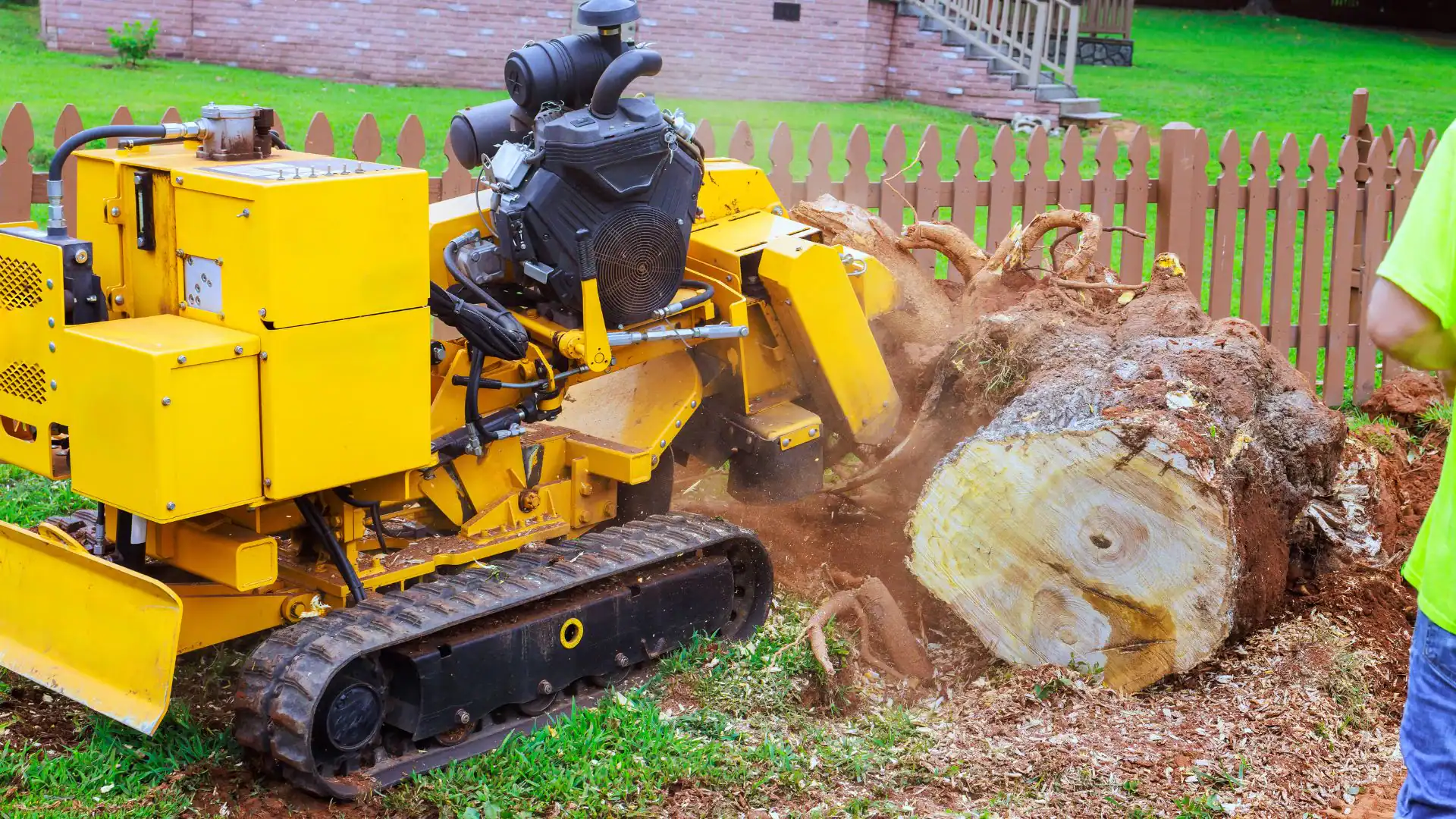
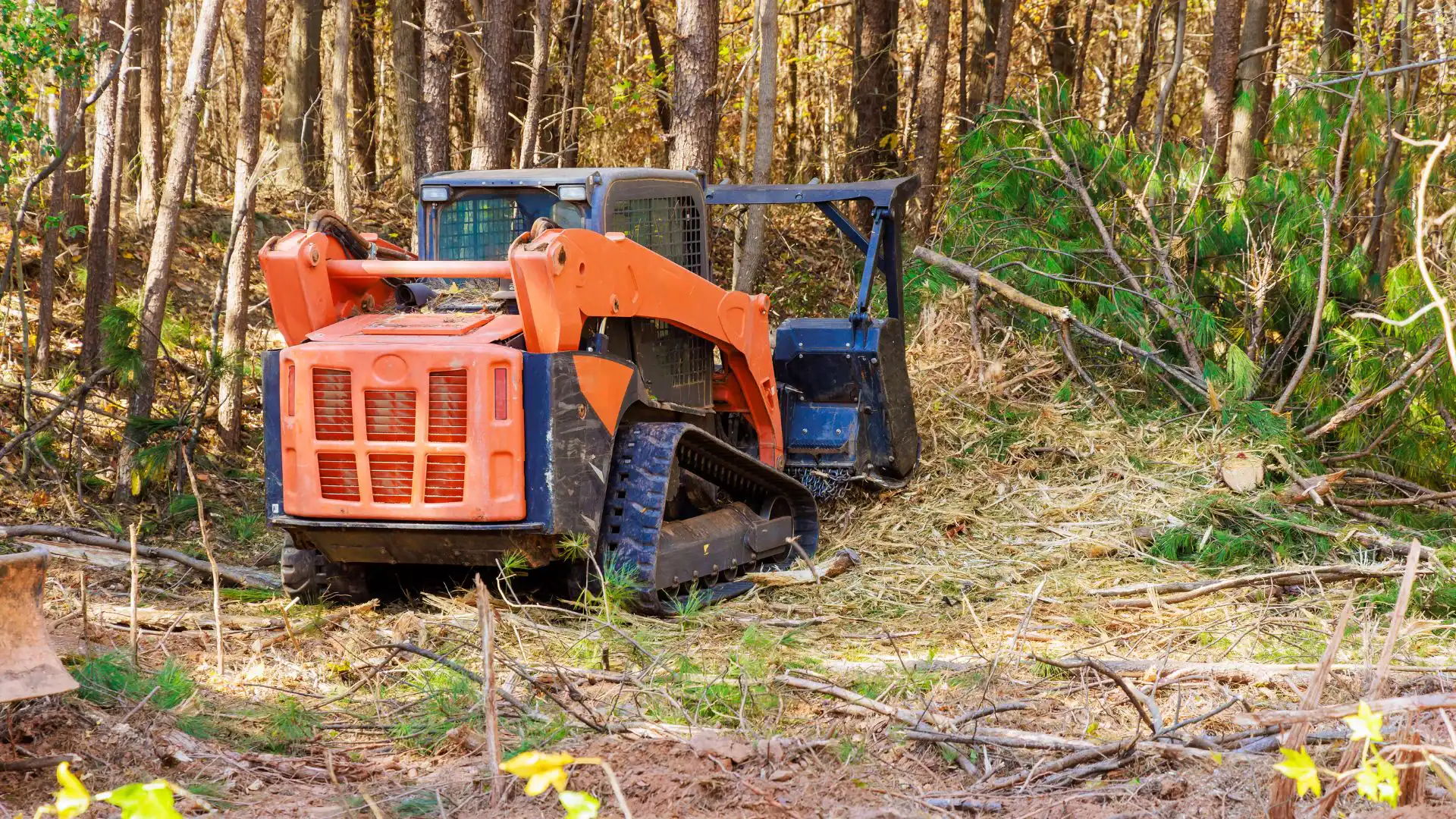
Equipment matters here too. Long Island’s residential neighborhoods — particularly in the tighter streets of Glen Cove, Northport, and the older sections of Oyster Bay — don’t have room for oversized machines. We use compact, rubber-tracked equipment for residential work specifically because the collateral damage from the wrong machine can easily exceed the cost of the excavation itself. Oversized equipment tears up driveways, damages fencing, and disturbs landscaping that costs real money to restore.
Excavation and site preparation happen at the beginning of a construction project, which means any problems at this stage ripple forward through every trade that follows. A foundation crew that shows up to a site that isn’t properly graded loses time. A utility contractor who can’t access a trench that was dug at the wrong elevation has to remobilize. A framing crew waiting on a delayed site prep job pushes the entire project calendar back — and on Long Island, where the construction season has a real window before the ground freezes in December, those delays matter.
Professional construction site preparation compresses the overall project timeline because everything downstream works off a properly prepared platform. When the grade is right, the drainage is correct, the utilities are located, and the site is clean and accessible, every subsequent trade can do their job faster and with fewer complications. That efficiency has real dollar value — not just in avoided delays, but in the carrying costs of a project that stays on schedule versus one that doesn’t.
There’s also the question of compliance. Nassau and Suffolk county building departments require permits for most excavation work, and those permits need to be in place before work begins. The approval process takes time, and a contractor who doesn’t factor that into the project schedule creates a gap that stalls everything. We handle the permit process as a standard part of the job — not as an add-on — because starting work without the right approvals in place is a risk that no property owner should have to absorb.
For Long Island homeowners who commute into the city and have limited bandwidth to manage a construction project, this matters. You shouldn’t have to chase your contractor for updates, track down permit status yourself, or wonder whether the crew is actually showing up tomorrow. We manage the process from site assessment through final cleanup and hand off a site that’s ready for the next phase — not one that requires another round of calls to figure out what’s left to do.
The bottom line is this: excavation work on Long Island carries real consequences when it goes wrong, and the conditions here — sandy soils, a high water table, DEC regulations, dense suburban lots, and aging underground infrastructure — make local experience genuinely valuable, not just a marketing claim.
The contractors who do this work well show up when they say they will, provide written proposals that cover the full scope, carry proper insurance, and leave a site cleaner than they found it. We call 811 before every job, pull the permits, and know what to do when conditions don’t match the plan. That’s not a long list of extras. That’s what professional excavation looks like.
If you’re planning a project in Nassau County, Suffolk County, or anywhere along Long Island’s North Shore, Gold Coast Landworks is ready to take a look at your site and give you a straight answer on what the job actually involves. Reach out and let’s talk through it.
Summary:
Article details: