Building new on Long Island? Here's exactly what the excavation process looks like — and why getting it right from the start matters more than most people realize.
Most people don’t think much about excavation until something goes wrong — a delayed foundation, a flooded basement, a utility strike that shuts down the job site for days. By then, the damage is already done. If you’re planning new construction on Long Island, understanding what happens below grade — and why it matters — can save you real time, real money, and a lot of headaches. This page walks you through the full excavation process, from the first pass of a dozer to the final grade check before your foundation contractor shows up. No jargon, no overselling — just a clear picture of what good site work actually looks like.
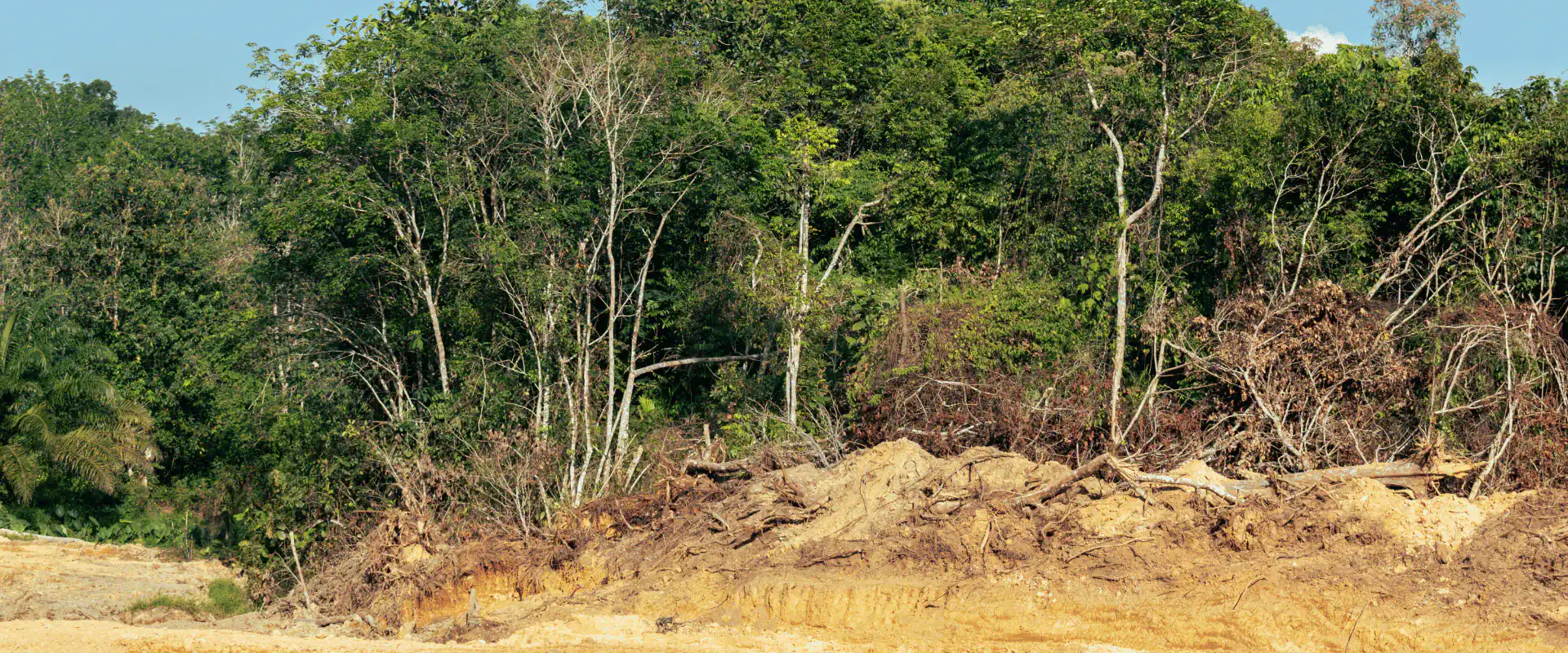
Site preparation is everything that happens before the real excavation work starts — and it sets the tone for every phase that follows. That means clearing vegetation, removing trees and stumps, stripping topsoil, and demolishing any existing structures or improvements that aren’t part of the new design. On Long Island, where teardown-rebuild projects are increasingly common in Nassau County neighborhoods and along the North Shore, this phase often involves more than people expect.
Before a single machine breaks ground, we verify the engineered site plans, confirm property boundaries, and contact New York 811 to have all underground utilities marked. That last step isn’t optional — New York State Code Rule 753 requires notification at least two business days before any excavation begins, and for good reason. A utility line is struck somewhere in the U.S. every nine minutes. Skipping that call is how projects turn into emergencies.
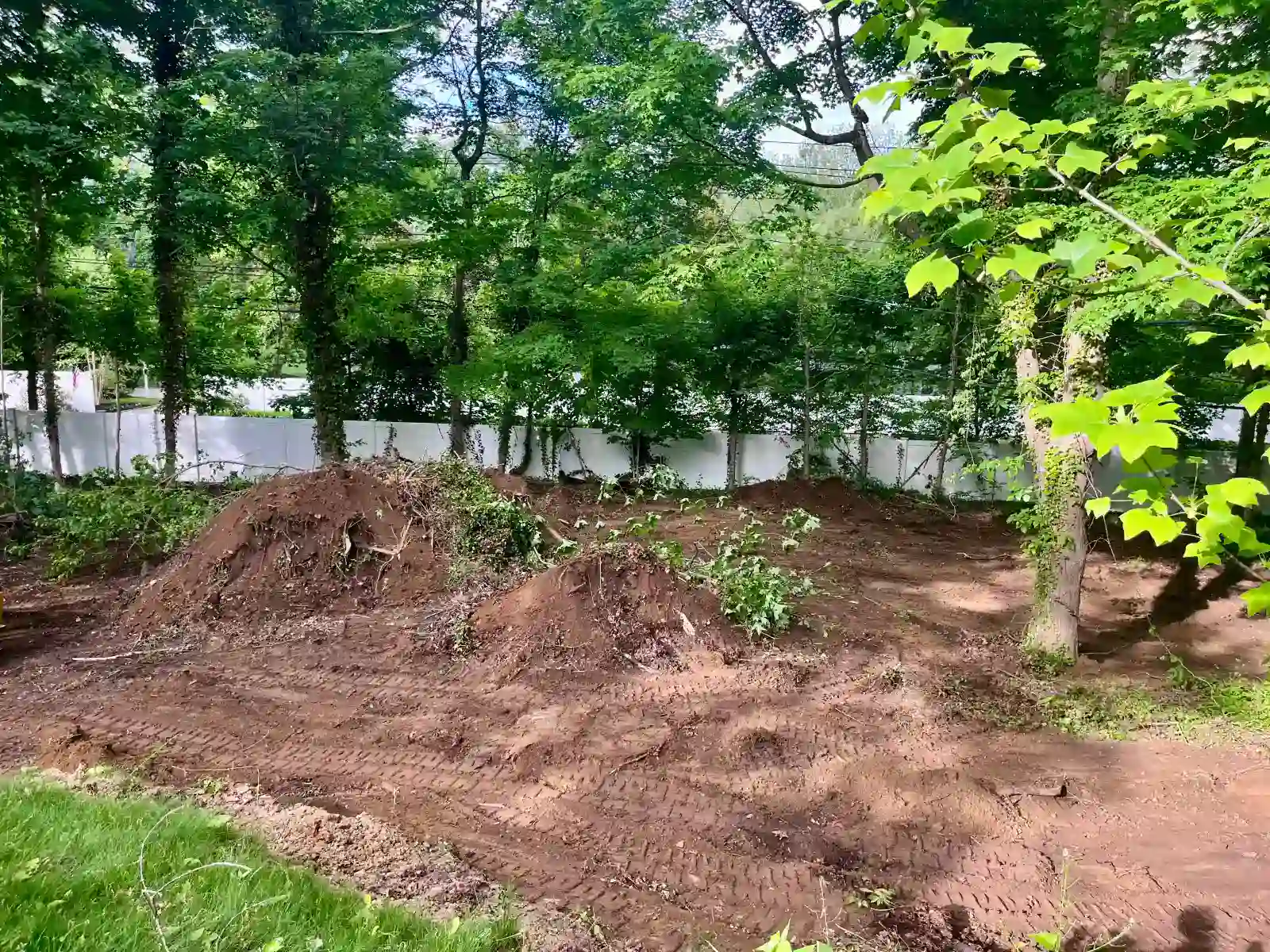
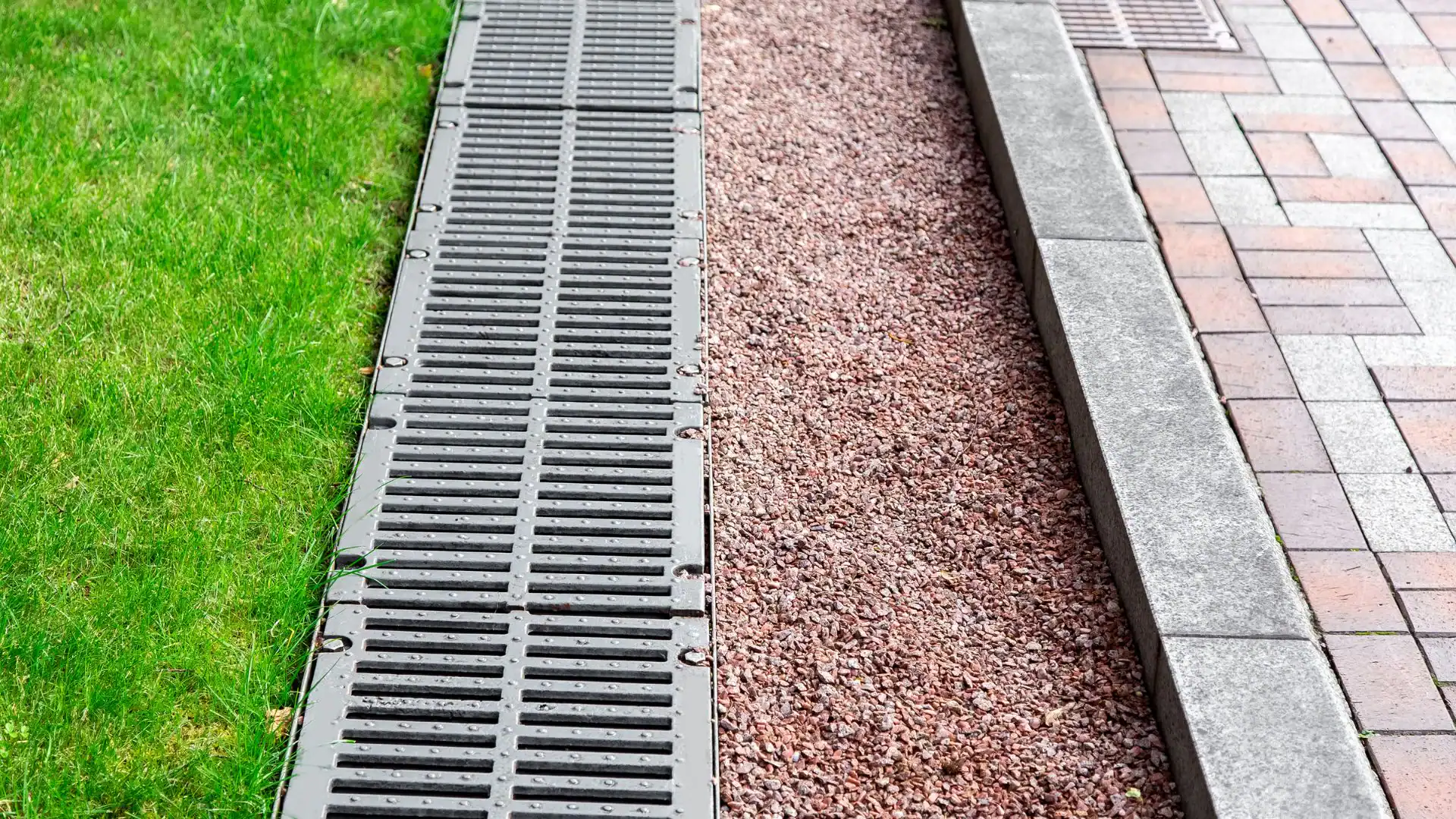
Grading often gets treated like a finishing touch, but it’s really a structural decision. The way your land is shaped after excavation determines whether water flows away from your foundation or toward it — and that relationship between grade and drainage plays out every time it rains for as long as your home stands.
Rough grading happens early in the process. This is the large-scale reshaping of the terrain — cutting down high spots, filling low areas, and establishing the overall topographic profile of the site. The goal is to match the engineered site plan while creating a stable, properly drained building pad. In areas like the South Shore of Long Island — Wantagh, Massapequa, Bay Shore — where the water table can sit as little as six to ten feet below grade, getting the drainage design right from the start isn’t just good practice. It’s the difference between a dry basement and a perpetual problem.
Finish grading comes later, once underground work is complete and the site is ready for final shaping. This is where slopes are fine-tuned, swales are formed, and the land is brought to its finished elevation. Both phases require precision — not just a machine operator pushing dirt around, but someone reading the plans, checking elevations, and understanding how water moves across the specific topography of your lot.
One thing that surprises homeowners is how much the soil itself affects grading decisions. Long Island’s glacial geology means you’re often working with sandy outwash soils in the southern portions of both counties, which drain well but can shift and settle if not properly compacted. Further north — in areas like Cold Spring Harbor, Oyster Bay, or Lloyd Neck — you’re more likely to encounter dense glacial till and the occasional boulder that has to be broken up or removed before grading can continue. Knowing to plan for these conditions is part of what local experience actually means.
Foundation excavation is where the precision really matters. This is the phase where we dig the footprint of your structure to the exact depth and dimensions specified by your structural engineer — whether that’s a slab-on-grade, a crawl space, or a full basement. The excavation has to be accurate. Too shallow, and the bearing soils won’t support the load. Too deep, and you’re importing structural fill to make up the difference, which adds cost and time.
The bearing soils at the bottom of the excavation are critical. Before the foundation contractor pours anything, those soils need to meet the bearing capacity specified in the structural engineer’s plans. If they don’t — because of soft spots, organic material, or disturbed soil — the right move is to over-excavate and bring in engineered fill, compacted in lifts, until the design spec is met. This step gets skipped more often than it should, and the consequences show up years later as settlement, cracking, and structural distress.
Federal OSHA standards under 29 CFR 1926 Subpart P require protective systems — shoring, trench boxes, or properly sloped walls — for any excavation deeper than five feet. Deeper than twenty feet requires a system designed by a licensed professional engineer. These aren’t bureaucratic formalities. They exist because trench collapses kill people. Every excavation we do has a designated competent person on site, conducting daily inspections and monitoring conditions throughout the project.
For basement excavation specifically on Long Island, the shallow water table in many areas means dewatering is often part of the job. Well points or submersible pumps keep the excavation dry so foundation work can proceed safely. This is especially relevant in lower-lying areas across Nassau County and the southern tier of Suffolk County, where groundwater sits close to the surface year-round.
Want live answers?
Connect with a Gold Coast Landworks expert for fast, friendly support.
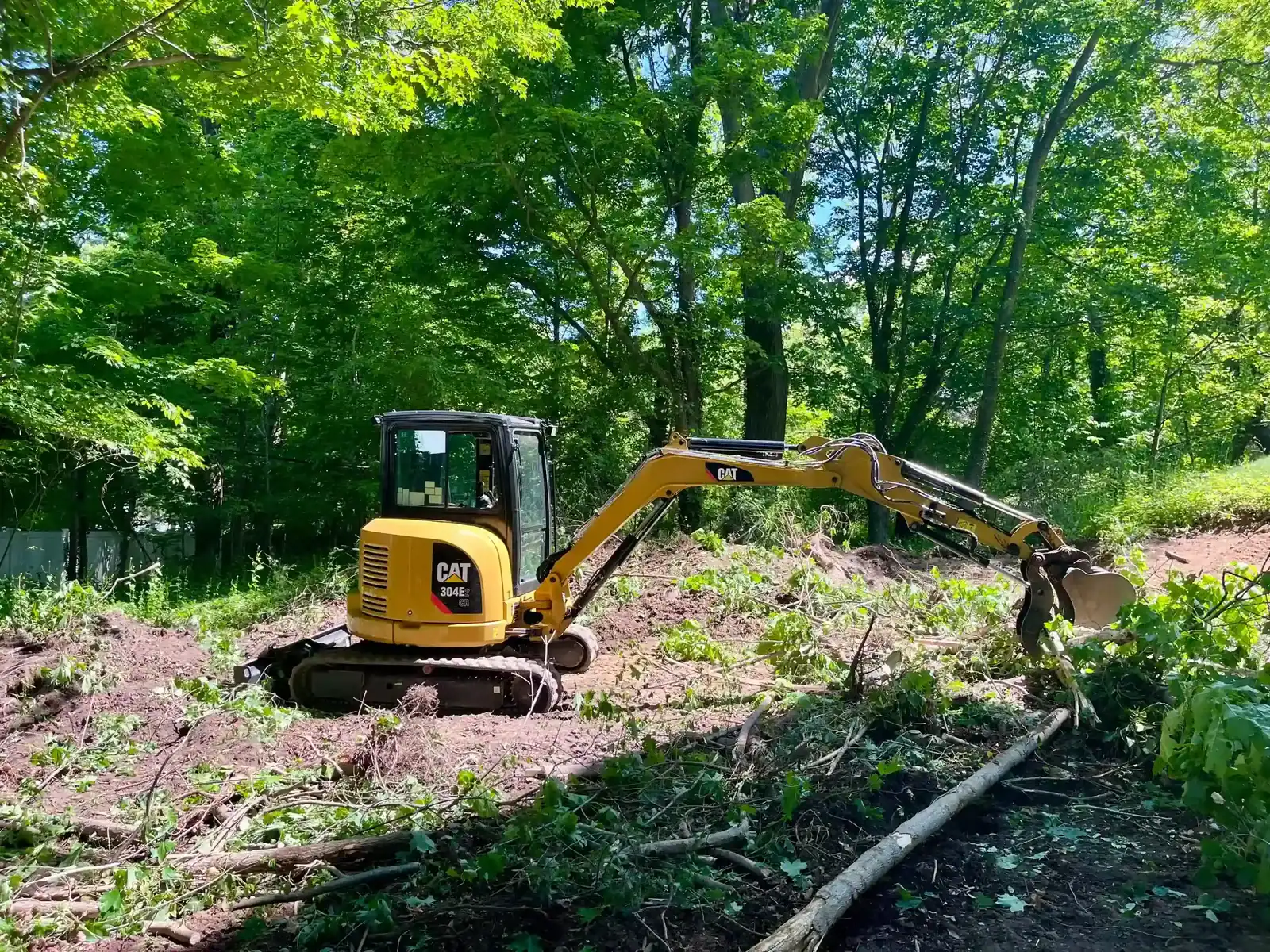
Once the site is graded and the foundation excavation is complete, utility trenching begins. This is the process of digging precise trenches for the underground infrastructure your home depends on — water supply lines, sewer laterals, electrical conduit, gas lines, and telecommunications. Each utility has its own depth requirements, bedding specifications, and required separation distances from other lines.
Getting this phase right requires coordination. We work directly with your general contractor, plumber, and the relevant utility companies to confirm trench locations, depths, and sequencing before any digging starts. Trenches in the wrong location — or at the wrong depth — mean rework, and rework on a new construction timeline is expensive for everyone involved.
Here’s something specific to Long Island that often catches people off guard: a significant portion of Suffolk County doesn’t have municipal sewer service. If you’re building in areas outside of incorporated sewer districts — which covers a large swath of central and eastern Suffolk — your new construction will need a septic system rather than a sewer lateral. That means excavating for the tank, distribution box, and leaching field, all of which must comply with Suffolk County Department of Health Services requirements and be designed to work within the constraints of your lot’s soil conditions and setbacks.
Suffolk County has also been actively rolling out its Septic Improvement Program, which incentivizes homeowners to replace aging cesspools with nitrogen-reducing systems. If your project involves any of this work, the excavation requirements are specific and the inspection process is thorough. We’ve completed enough of these projects across the county to understand what the inspectors are looking for and how to sequence the work efficiently.
For properties that do connect to municipal sewer, the sewer lateral trench needs to be excavated at the correct slope — typically a quarter inch of drop per linear foot — to ensure proper gravity flow. This sounds straightforward, but on lots with significant grade changes or long runs to the street connection, it requires careful layout and precise excavation to get right.
Water line trenching on Long Island also has to account for frost depth. The frost line here typically reaches two to three feet in a normal winter, which means water supply lines need to be buried deep enough to avoid freezing — usually a minimum of four feet below finished grade. These details matter, and they’re the kind of thing that only comes up when you’ve done enough of this work locally to have seen what happens when they’re overlooked.
Not every excavation project is a single-family teardown-rebuild. Some of the most complex site work we handle involves larger land development projects — subdivisions, commercial pads, multi-unit residential sites, and significant lot grading for properties with challenging topography. This is where earthmoving services come in as a distinct discipline within the broader scope of site work.
Earthmoving at scale means coordinating large equipment — excavators, bulldozers, motor graders, and compaction rollers — to move significant volumes of soil efficiently and precisely. The goal is always the same: get the site to the engineered grades, achieve the required compaction, and do it on a schedule that keeps the rest of the project moving. On a large development site, poor earthmoving sequencing can create bottlenecks that ripple through every subsequent trade.
Long Island’s regulatory environment adds a layer of complexity to larger projects that smaller operators often aren’t prepared for. Between Nassau County’s Department of Consumer Affairs licensing requirements, Suffolk County’s parallel contractor registration system, New York State DEC regulations governing stormwater and erosion control, and the individual permitting requirements of the dozens of towns and incorporated villages across both counties, the administrative side of a large site work project can be as demanding as the physical work. The Town of Brookhaven has different requirements than the Town of Huntington. The Town of North Hempstead processes permits differently than the Town of Oyster Bay. Knowing those distinctions — and having existing relationships with the relevant building departments — is part of what we bring to every project.
Erosion and sediment control is also a non-negotiable part of any land development project in New York. Silt fencing, stabilized construction entrances, and other best management practices have to be in place before soil disturbance begins. Long Island’s sole-source aquifer — the island’s only source of drinking water — sits beneath every project site, and protecting it from construction runoff isn’t just a regulatory requirement. It’s the right thing to do.
The excavation phase is the one part of your construction project that you can’t go back and fix easily. Everything built above grade depends on what happened below it — how the soil was prepared, how the grades were set, how the utilities were placed, and whether the bearing soils under your foundation were actually ready to carry the load.
On Long Island, where soil conditions vary dramatically from one town to the next, where the regulatory landscape is genuinely complex, and where the stakes of getting it wrong are high, the contractor you choose for this phase matters more than most people realize. Local experience isn’t a marketing line — it’s the difference between a project that moves forward cleanly and one that stalls at the first inspection or surprises you with a change order you weren’t expecting.
If you’re planning new construction on Long Island and want to talk through what your site actually needs, we’re ready to take a look.
Summary:
Article details: