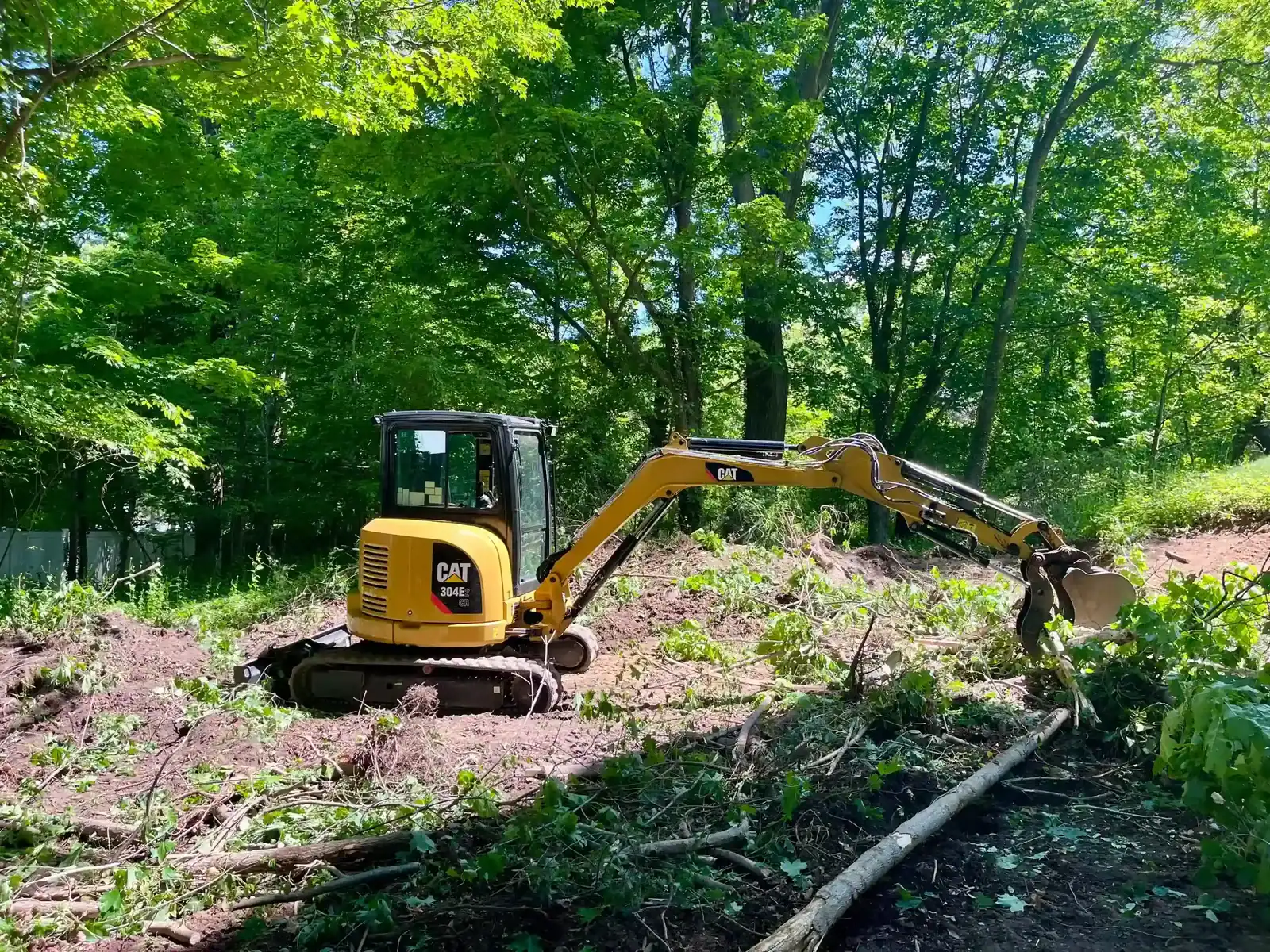
Before you hire an excavation contractor in Suffolk County, there are a few questions worth asking first. Here's what to look for — and what to watch out for.
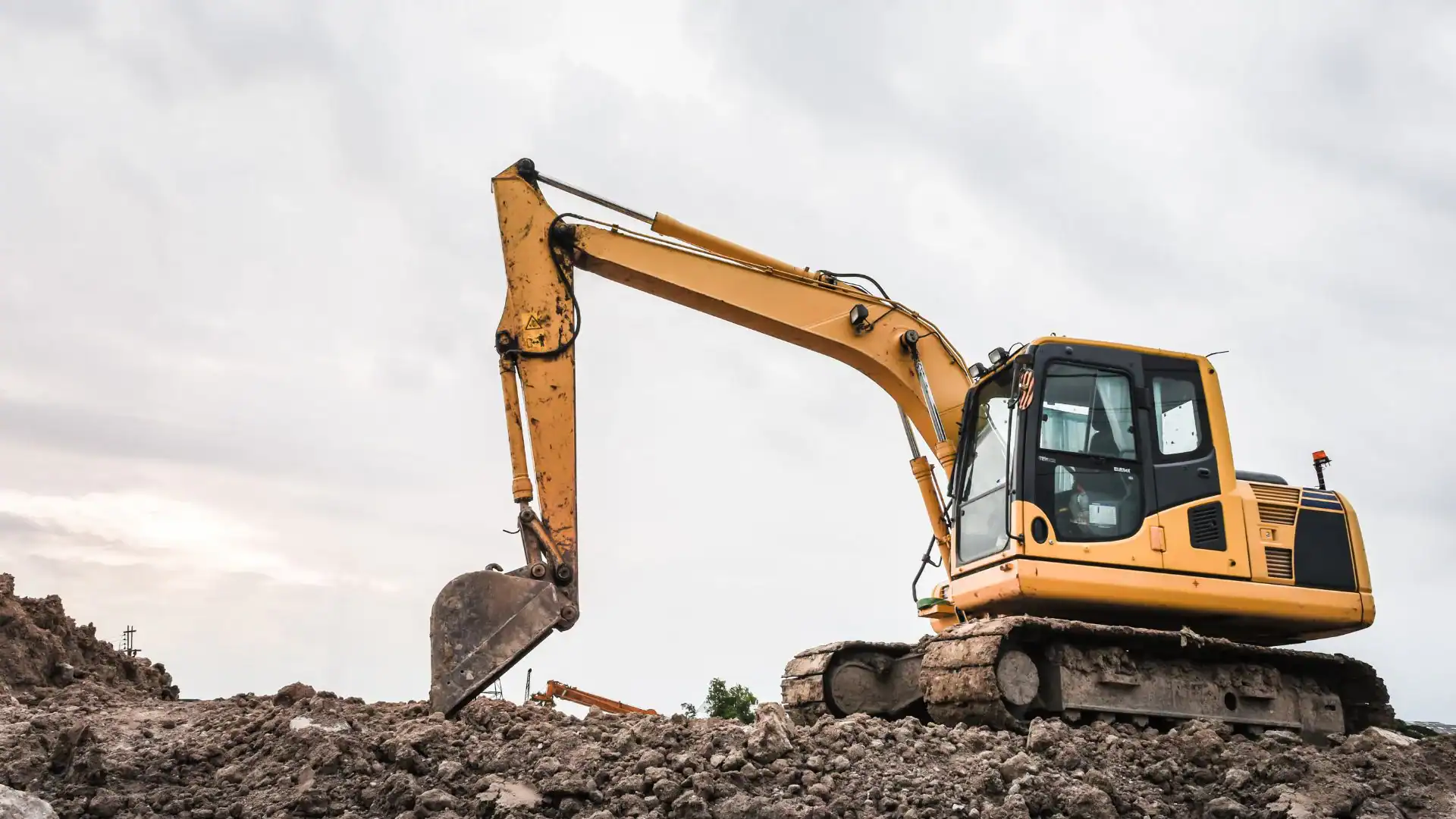
The best time to evaluate a contractor is before they show up with a machine. Once work starts, your leverage drops fast. A few direct questions during the estimate phase will tell you more about a contractor’s professionalism than any website or ad ever will.
You’re not interrogating anyone — you’re just doing your due diligence. Any contractor worth hiring has heard these questions before and will answer them without hesitation. The ones who get defensive or vague? That’s your answer too.
This is the first question, and it’s non-negotiable. In Suffolk County, NY, any contractor performing home improvement work is legally required to hold a valid license through the Suffolk County Office of Consumer Affairs. This isn’t a technicality — it’s a consumer protection law, and operating without it carries fines starting at $750 for a first violation. Ask for the license number and verify it. A legitimate contractor will hand it over without blinking.
Insurance is equally important. You want to see proof of general liability insurance and workers’ compensation coverage. General liability protects your property if something goes wrong during the job. Workers’ comp protects you from financial exposure if a worker gets hurt on your property. Ask for a current certificate of insurance and make sure it’s not expired. Some contractors will even name you as an additionally insured party on the certificate — that’s a sign of a professional operation.
Here’s something that catches a lot of homeowners off guard: if a contractor asks you to pull the permit yourself, that’s a red flag. Licensed contractors pull their own permits. When you pull a permit as a homeowner, you take on personal liability for the work meeting code — and that can create real problems when you go to sell the house or file an insurance claim down the line. A contractor who knows the permit process in your town handles it themselves.
Suffolk County’s 10 towns — Babylon, Brookhaven, Huntington, Islip, Smithtown, Riverhead, Southampton, East Hampton, Southold, and Shelter Island — each have their own building departments with their own requirements. We work regularly across the county and know those differences. A contractor unfamiliar with multiple towns’ processes may not be the right fit for your project.
It’s a simple question, and the answer should be an immediate yes. Calling 811 — New York State’s “Call Before You Dig” line — triggers a utility locate process that marks underground lines for gas, electric, water, and telecommunications before any excavation begins. It’s required by law in New York, and skipping it is how contractors cause utility strikes that cost an average of $56,000 in damages, not to mention the safety risk to the crew and anyone nearby.
The reason this question matters isn’t just safety — it’s also a window into how a contractor operates. A crew that routinely skips 811 calls is also probably cutting corners elsewhere: on permits, on insurance, on cleanup, on the scope of work. It’s a reliable signal.
Beyond the 811 call, it’s worth asking how we handle unexpected conditions underground. Long Island’s glacial geology means the ground beneath your property can change significantly over a short distance. The North Shore — communities like Cold Spring Harbor, Huntington, Northport, and Nissequogue — tends to have rockier, more unpredictable subsurface conditions than the sandier soils you’d find closer to the South Shore. If the crew hits rock, a buried structure, or unexpectedly high groundwater, you want to know upfront how that gets communicated to you and how it affects the cost. A professional excavation company addresses this in the contract — not after the fact on the final invoice.
Ask what our process is when something unexpected comes up. The answer should involve a phone call to you before anything changes, not a line item you discover at the end. That kind of transparency is what separates a contractor who respects your project from one who’s just trying to get through the job and move on.
Want live answers?
Connect with a Gold Coast Landworks expert for fast, friendly support.
Once you’ve confirmed licensing, insurance, and basic safety practices, the next set of questions is about the work itself. What exactly is being done, when will it be done, and what does the price actually cover?
These aren’t uncomfortable questions — they’re the ones any responsible homeowner should be asking. Vague answers here are a preview of vague communication throughout the project, which is one of the most common complaints homeowners have about contractors in every trade.
Get everything in writing. That sounds obvious, but a surprising number of homeowners agree to work based on a verbal quote or a rough number texted from a job site. Written, itemized estimates aren’t just professional — they’re the only way to actually compare bids and hold a contractor accountable to the scope you agreed on.
When you’re reviewing an estimate, look for clarity on a few specific things. Does it include permit fees, or are those extra? What happens to the excavated material — is disposal included, or will there be a separate charge? If it’s a land clearing job, does the price cover stump grinding and root removal, or just above-ground clearing? These gaps are where costs quietly expand once work is underway.
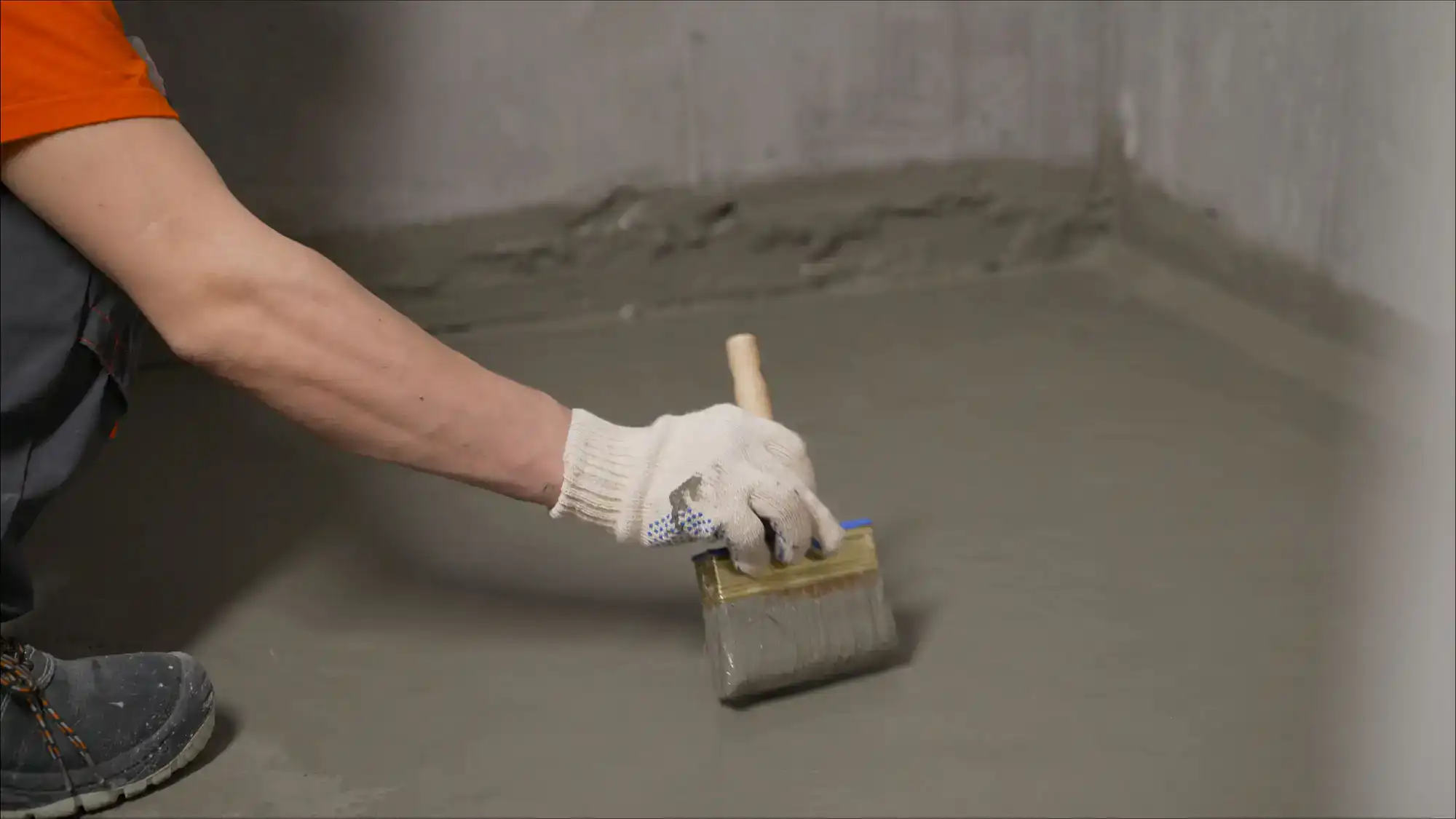
For foundation or basement waterproofing projects, the scope question is especially important. There’s a meaningful difference between an interior drainage system — which collects water after it enters the basement and redirects it to a sump pump — and exterior waterproofing, which involves excavating down to the footing, applying a waterproofing membrane, installing drainage board, and placing a perforated drain at the base to intercept water before it ever contacts the foundation wall. Both have their place, but they’re not the same thing, and they’re not priced the same way. Exterior waterproofing solutions involving full excavation typically start at $10,000 or more. Interior systems run $3,000 to $7,000. Make sure you understand which one you’re getting and why.
It’s also worth asking whether any portion of the work will be subcontracted. Some excavation companies handle everything with their own crew and equipment. Others subcontract portions of the job to crews you’ve never met and never vetted. There’s nothing inherently wrong with subcontracting, but you deserve to know who will actually be on your property and whether those crews are covered under the same insurance policy.
Timeline questions feel basic, but they matter more than most homeowners realize — especially in Suffolk County, where the excavation season fills up fast. Spring bookings, particularly April through June, are the busiest period of the year. If you’re planning a project that needs to be done before a construction start date or before the ground freezes in late fall, locking in a committed timeline is part of the contract, not an afterthought.
Ask for a specific start date and an estimated completion window. Ask what happens if the project runs long — weather delays are one thing, but a contractor who can’t give you a reasonable timeframe is often one who’s overbooked and managing too many jobs at once. You’re not asking for a guarantee against rain. You’re asking whether they’ve thought through the schedule and can communicate it clearly.
Cleanup is another question that separates professional crews from those who just move on to the next job. After an excavation or land clearing project, your property is going to look different. Disturbed soil, equipment tracks, debris from clearing — all of that needs to be addressed. Ask specifically what the job site will look like at the end of each day and at project completion. Ask whether topsoil will be replaced, whether debris will be hauled off-site, and whether any damage to surrounding areas — driveways, lawns, landscaping — is our responsibility to repair.
For homeowners in communities like Northport, St. James, or Stony Brook, where properties often have mature landscaping and tight access, these questions are especially worth pressing on. The right equipment for a tight residential lot is not the same machine you’d use on a commercial site in Hauppauge. Ask whether the contractor has sized the equipment appropriately for your property. Oversized equipment in a confined space causes damage that takes longer to fix than the original project took to complete. A contractor who thinks through that in advance — and mentions it without being asked — is one who’s done this enough times to know what goes wrong.
The questions in this guide aren’t meant to make hiring a contractor more complicated. They’re meant to make it faster to find the right one. A contractor who’s licensed, insured, transparent about scope, and willing to put everything in writing doesn’t need a hard sell — the answers speak for themselves.
Suffolk County is a specific place with specific ground conditions, specific permit requirements, and specific seasonal pressures. The contractor who knows that — who’s worked in Huntington and Smithtown and Southampton and understands what the building departments in each town actually require — is worth more than the lowest bid you can find online.
If you’re getting ready to start an excavation, land clearing, foundation waterproofing, or basement waterproofing project in Suffolk County and you want straightforward answers to the questions above, we’re ready to talk. No pressure, no runaround — just a real conversation about what your project needs and whether we’re the right fit to handle it.
Summary: