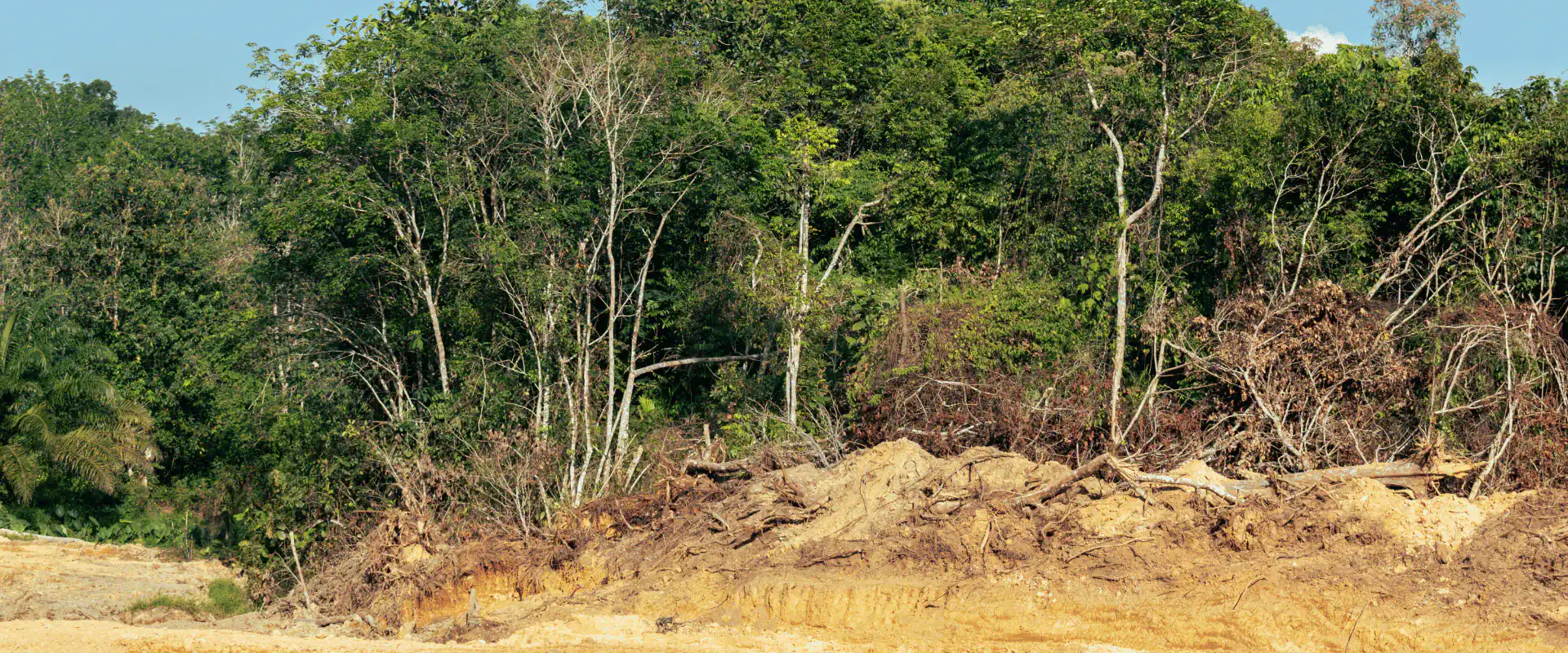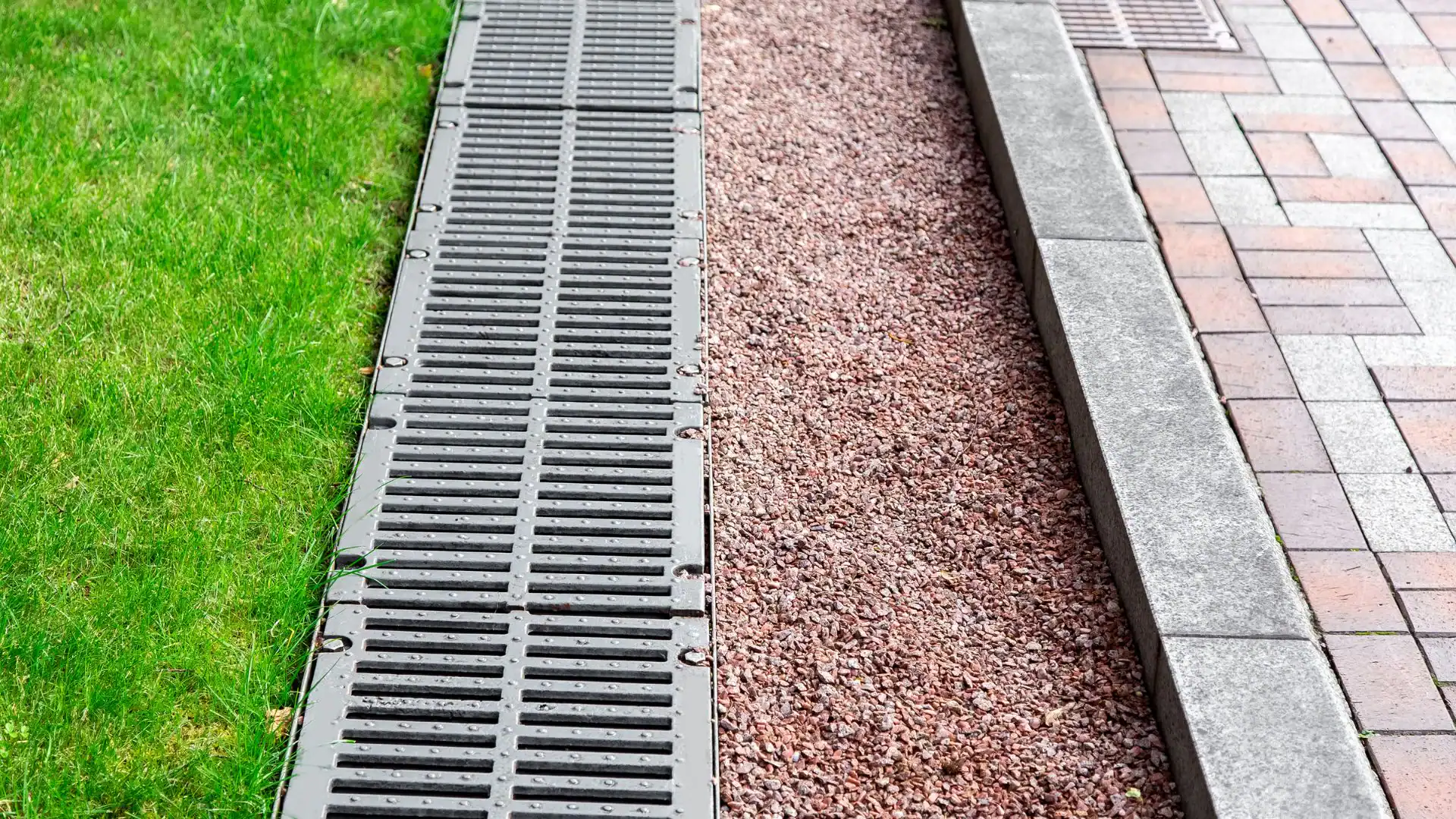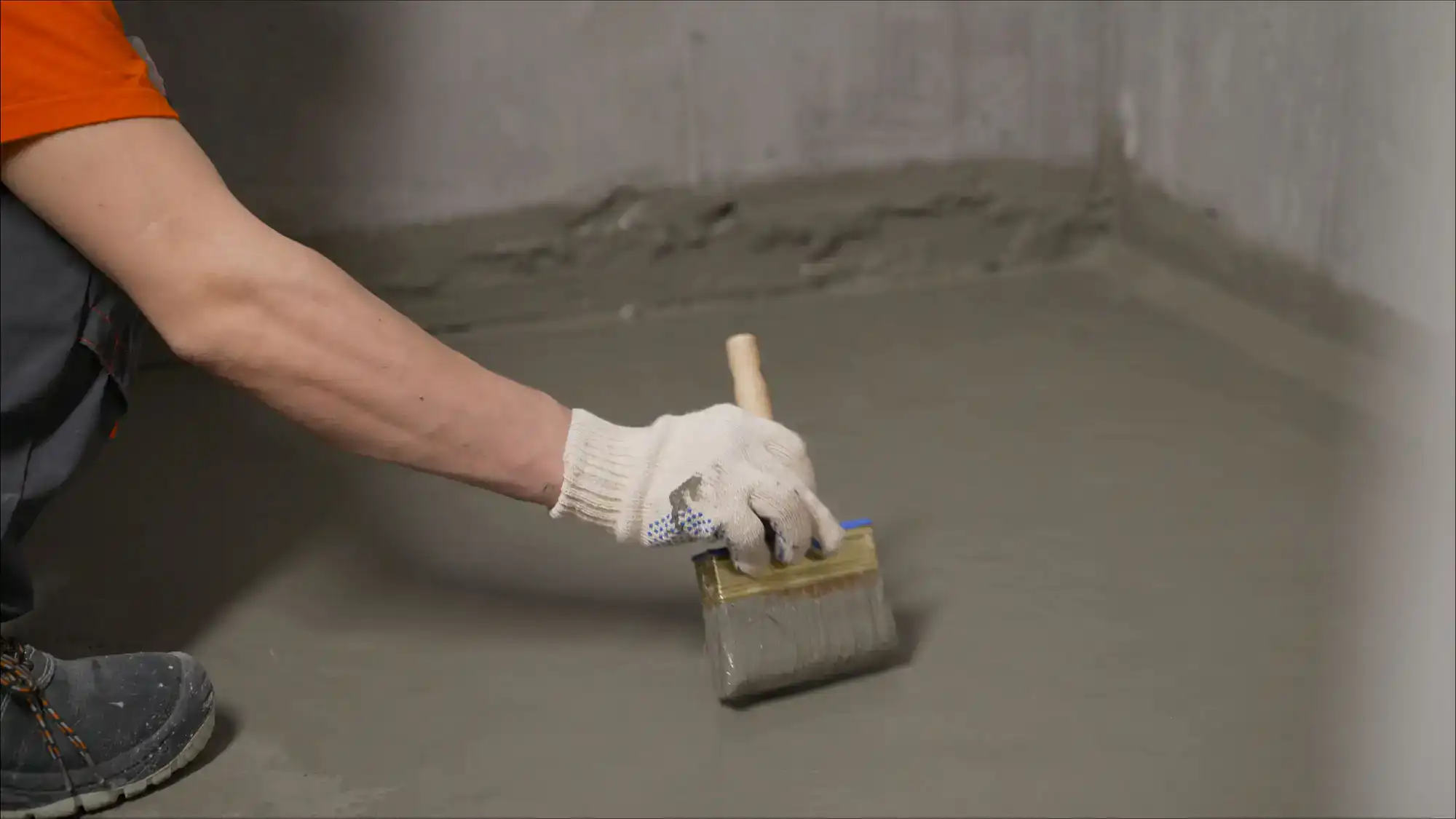
Overgrown land costs you more than you think. Here's how professional land clearing in Suffolk County can turn neglected acreage into real property value.
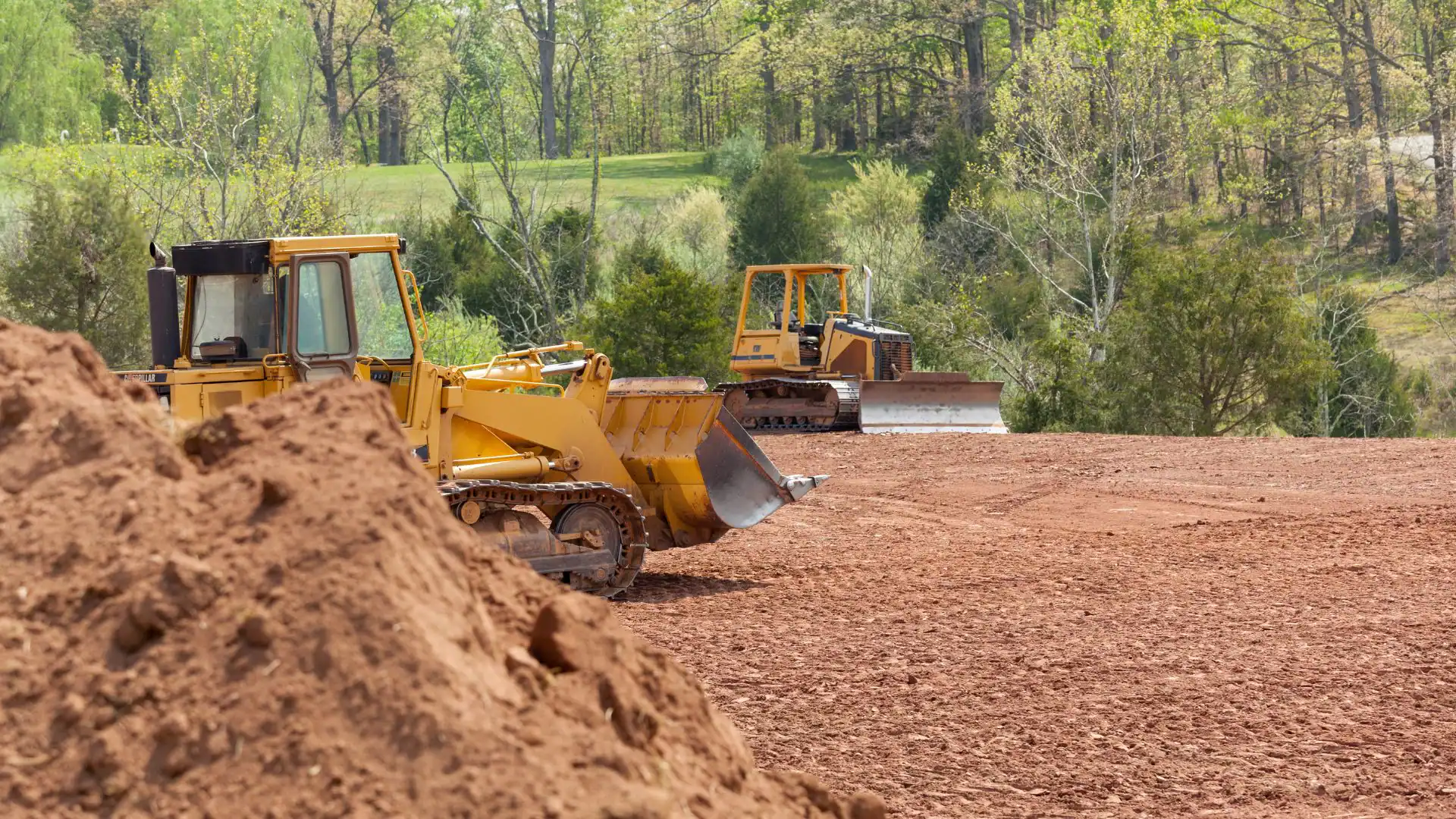
The connection between land clearing and property value isn’t complicated. Overgrown, inaccessible land signals neglect to buyers, appraisers, and developers. It’s harder to visualize, harder to build on, and harder to sell. Clear it, grade it properly, and suddenly the same parcel looks completely different — because it is different.
Industry data puts the value increase from professional land clearing at roughly 10 to 30 percent, depending on the property, the market, and how much usable acreage is gained. In Suffolk County’s real estate market, where lot values vary significantly from Brookhaven to the Hamptons, that range can represent a meaningful return on a relatively modest investment.
The key word is usable. Buyers and appraisers don’t just count square footage — they count what can actually be done with it.
Suffolk County properties have a particular tendency to get away from their owners. The combination of a humid climate, fast-growing native vegetation, and the bamboo problem — which is genuinely widespread across Long Island — means that a lot left unmanaged for even a few years can become nearly impassable. What started as a wooded buffer becomes a liability.
That liability shows up in a few different ways. Appraisers discount land that isn’t accessible or developable. Buyers make lower offers because they’re factoring in the cost of clearing it themselves. And if you’re planning to build — an addition, a pool, a detached garage, anything — an uncleared site means you can’t even get an accurate foundation estimate until the land is prepped.
There’s also the bamboo issue, which deserves its own mention. Running bamboo has spread across residential properties in virtually every Suffolk County community. It’s not a cosmetic problem. The underground rhizome system can extend 30 feet or more from the visible plant, and cutting it down does nothing permanent. The only real fix is full excavation of the root system — and that requires the right equipment and an operator who’s done it before. We’ve handled bamboo removal across the county, and the homeowners who waited always wish they hadn’t.
Beyond bamboo, overgrown land can hide drainage problems, grading issues, and foundation concerns that only become visible once the site is cleared. That’s actually one of the underappreciated benefits of professional clearing — you find out what you’re actually dealing with before you’re committed to a construction timeline.
A lot of homeowners aren’t sure what to expect when they hire a land clearing contractor, and that uncertainty is one of the main reasons people put it off. So here’s what the process actually looks like when it’s done professionally.
It starts before any equipment moves. A proper site assessment covers the property boundaries, soil conditions, underground utility locations, any wetland buffers or DEC-protected areas, and the access routes for equipment. In Suffolk County, this step matters more than most places — soil conditions vary significantly between the sandy coastal areas near the South Shore and the heavier, clay-laden soils in inland towns like Brookhaven and Smithtown. What works in one area doesn’t automatically work in another.
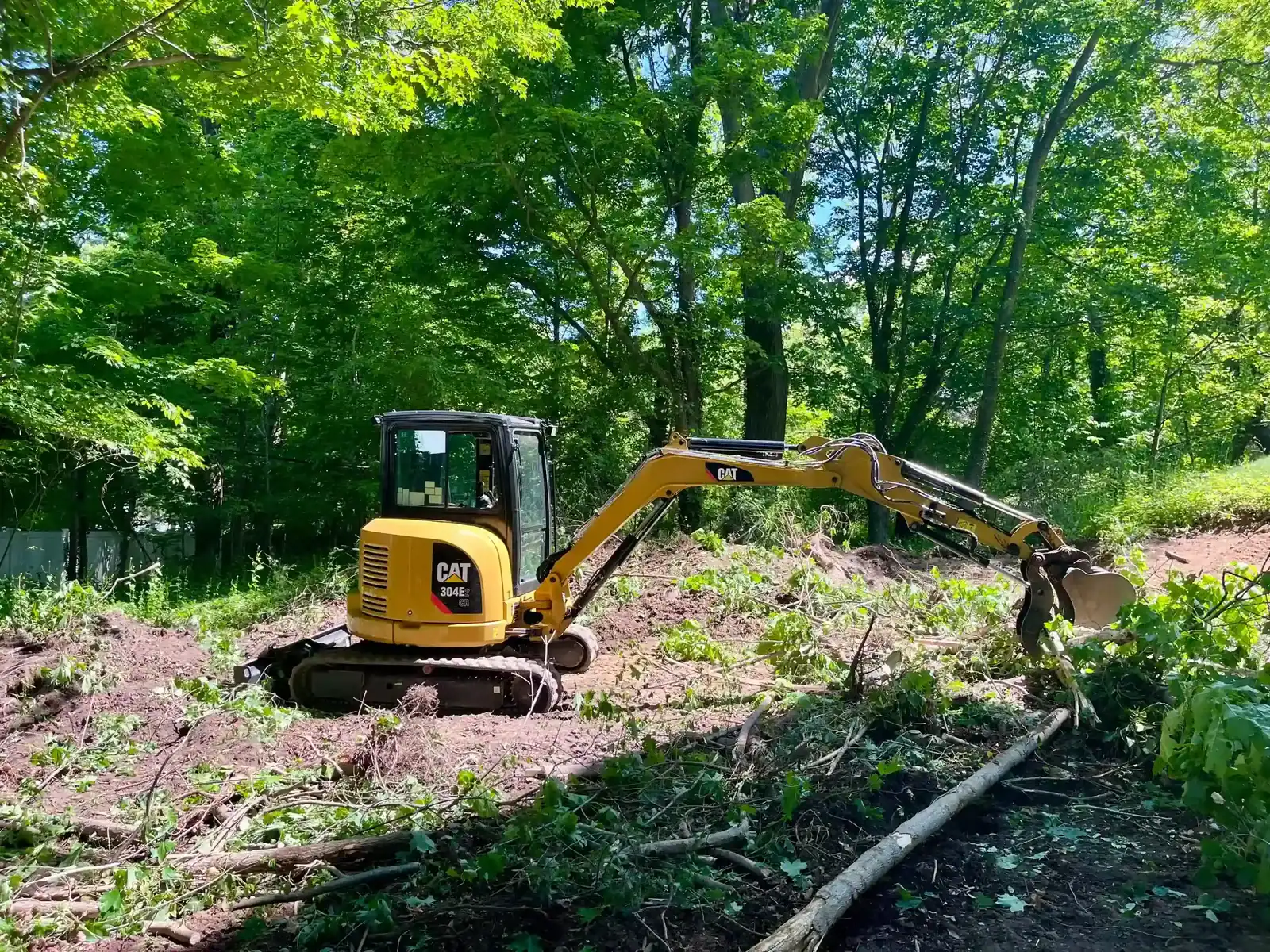
Once the site is assessed, clearing begins — trees, brush, stumps, invasive species, and debris. The method depends on the project. Forestry mulching returns organic material to the soil and reduces hauling costs. Full removal is appropriate when the site needs to be graded for construction. Stump grinding handles what’s left after trees come down. The right approach depends on what the land is being cleared for.
After clearing comes grading. This is where a lot of contractors cut corners, and it’s where problems show up later. Proper grading ensures water moves away from structures and doesn’t pool on the site. In a county where high water tables and storm runoff are facts of life — particularly in communities like Bay Shore, Lindenhurst, and Patchogue — getting the grade right isn’t optional. It’s the foundation of everything that comes after.
The job ends with a clean site handoff. All debris removed, the site properly graded, no damage to surrounding areas. That’s the standard, and it’s what we hold ourselves to on every project.
Want live answers?
Connect with a Gold Coast Landworks expert for fast, friendly support.
Land clearing is usually the first step, but it’s rarely the only one. Once a site is cleared and graded, the next phase — whether that’s excavating for a foundation, installing drainage, or waterproofing an existing structure — flows directly from it. In Suffolk County, where high water tables and aging housing stock create persistent site and drainage challenges, these services are often interconnected.
We handle land clearing, excavation, foundation waterproofing, and basement waterproofing under one roof. That matters because it eliminates the coordination problems that come with managing multiple contractors on the same site — and it means the work is planned as a sequence, not a series of disconnected jobs.
More often than homeowners expect. If you’re clearing land to build — an addition, a new structure, a pool, a detached garage — the excavation for the foundation or pool shell comes directly after clearing and grading. Having the same contractor handle both phases means the site is graded with the excavation plan already in mind, not regraded after the fact because the clearing contractor didn’t account for what came next.
As an excavation contractor serving Suffolk County, we see the consequences of disconnected work regularly. A site gets cleared by one company, graded without accounting for drainage, and then the excavation contractor arrives to find the site holds water in exactly the wrong places. That costs time and money to fix — and it’s entirely preventable.
Excavation in Suffolk County also comes with its own set of variables. The glacially deposited terrain on the North Shore means rocky, uneven ground that requires specific equipment. The sandy soils near the coast shift and require careful shoring in deeper excavations. And before any digging begins, New York State law requires an 811 notification — Call Before You Dig — to locate underground utilities. This isn’t optional, and it’s not something to skip to save time.
When we take on an excavation project, the site assessment that precedes clearing feeds directly into the excavation plan. Soil conditions, water table depth, utility locations, access routes — all of it is mapped before equipment is on-site. That’s how you avoid the expensive surprises that happen when a contractor shows up and starts digging without a full picture of what’s underground.
In Suffolk County, yes — more directly than most homeowners realize. Here’s why: improper grading around a home is one of the leading causes of water intrusion in basements and foundations. When a site is cleared or excavated and the grade isn’t set correctly, water runs toward the foundation instead of away from it. Over time, that leads to hydrostatic pressure, wall cracks, seepage, and eventually the kind of water damage that costs far more to remediate than it would have cost to prevent.
Approximately 98 percent of homes with basements will experience some form of water damage during their lifetime. In Suffolk County — where the South Shore communities sit close to the water table, where nor’easters and tropical storms are seasonal realities, and where Hurricane Sandy’s impact on communities like Babylon, Islip, and Lindenhurst is still part of the local memory — that statistic isn’t abstract. It’s something homeowners in this county live with.
Foundation waterproofing and basement waterproofing are how you address that risk at the source. Exterior foundation waterproofing involves excavating around the foundation, applying a waterproof membrane, installing drainage board, and properly backfilling — work that connects directly to excavation. Interior basement waterproofing addresses the problem from the inside, with French drains, sump pump systems, and vapor barriers. The right approach depends on the specific situation, and often both are warranted.
The cost of proactive waterproofing is a fraction of what water damage remediation runs. Remediation — once mold, structural damage, and personal property loss are factored in — can reach $5,000 to $70,000. A properly installed waterproofing system protects the home for decades. For Suffolk County homeowners who’ve already dealt with a wet basement or know their neighborhood’s water table is high, this is less of an upgrade decision and more of a straightforward calculation.
Do I need a permit to clear land in Suffolk County?
It depends on the scope and location of the work. Projects involving disturbance of natural areas greater than five acres require permits, and any work near wetlands, waterways, or DEC-protected areas needs environmental review before clearing begins. Suffolk County’s 10 towns — Brookhaven, Huntington, Smithtown, Islip, Babylon, and the rest — each have their own building departments with their own requirements. We handle the permit questions upfront, before equipment is on-site, because navigating Suffolk County’s regulations is part of what we do.
What time of year is best for land clearing in New York?
Spring and fall are the two peak windows. Spring clearing sets you up for summer construction. Fall clearing gets the site prepped before frozen ground makes excavation significantly harder and more expensive. That said, spring bookings in Suffolk County fill up fast — homeowners and developers are all competing for the same contractors and equipment. If you’re planning a spring project, reaching out in late winter puts you in a much better position.
How do I get rid of bamboo permanently on Long Island?
Surface cutting won’t do it, and neither will most herbicides over the long term. The only permanent solution is full excavation of the rhizome system, which can extend 30 feet or more underground. This requires specialized equipment and an operator who understands how bamboo spreads. It’s one of the most common calls we get across Suffolk County, and it’s one of the most satisfying jobs to complete — because the difference before and after is immediate and lasting.
What’s the difference between land clearing and grading?
Clearing removes what’s on the land — trees, brush, stumps, invasive plants. Grading shapes the land itself, establishing the slope and drainage patterns that determine how water moves across the site. Both are usually needed together, and grading done poorly after clearing creates drainage problems that show up later as foundation issues or flooded basements.
If your property in Suffolk County needs land clearing, excavation, foundation waterproofing, or basement waterproofing — or some combination of all of them — we’re worth a conversation. A free estimate starts with a site visit, and that visit alone usually tells you more about your property than you knew going in.
Summary:
Article details: