Suffolk County basements face unique water challenges. Here's what's actually behind the problem — and what a real fix looks like.
Long Island’s geology is doing a lot of the heavy lifting here — and not in your favor. Suffolk County sits on glacial deposits laid down thousands of years ago, and depending on where you live, your soil behaves very differently when it rains.
On the North Shore — communities like Huntington, Cold Spring Harbor, Smithtown, and Northport — the soil is predominantly clay and glacial till left behind by the Harbor Hill Moraine. Clay holds water instead of draining it. After a heavy rain, that saturated clay presses against your foundation wall for days, building what’s called hydrostatic pressure. Over time, that pressure finds the path of least resistance: a hairline crack, a mortar joint, the seam where your floor meets the wall.
On the South Shore, the soil is sandier and drains faster — but proximity to Great South Bay, shallow groundwater, and the legacy of Hurricane Sandy create a different set of challenges. In low-lying areas near the water, the water table can sit just a few feet below your basement floor. You don’t need a storm for that to become a problem.
A significant portion of Suffolk County’s homes were built during the post-World War II suburban boom of the 1950s and 1960s. That housing stock is now 60 to 70 years old, and the waterproofing systems those homes were built with — tar-based exterior coatings, rudimentary drainage, no sump pumps — were never designed to last this long. Most of them haven’t.
What this means practically is that a home in Brentwood, Bay Shore, or Hauppauge that’s never had a water problem might suddenly develop one. Not because something catastrophic happened, but because the original protection finally gave out. The coating cracked. The drain tile clogged with sediment. The mortar joints in a block foundation started to deteriorate. These aren’t failures you can see from inside the house — they develop slowly, on the exterior face of your foundation, until the water finds its way through.
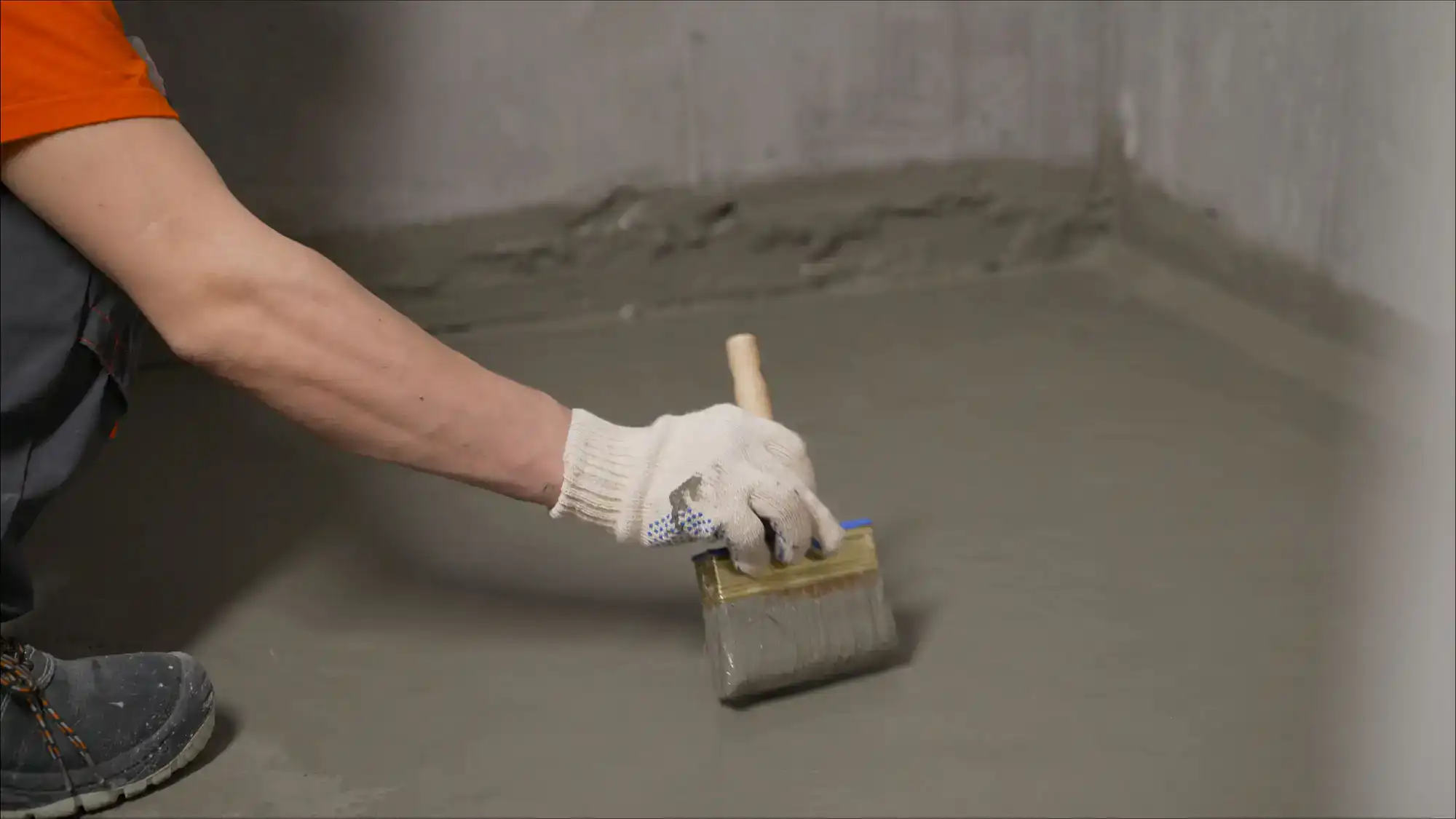
This is also why waterproofing paint and hydraulic cement — the stuff you find at the hardware store — don’t work as a long-term fix. They address the interior surface of the wall. The water is coming from the outside, under pressure. A surface coating can’t hold that back indefinitely. It peels, it cracks, and the water finds another way in.
The homes most at risk right now are the ones that have never had any waterproofing work done beyond what the original builder installed. If your home was built before 1980 and you’ve started noticing seepage, efflorescence (that white chalky residue on your walls), or a persistent musty smell, those are early warning signs worth taking seriously — not ignoring until the next big storm makes the decision for you.
Groundwater levels in Suffolk County don’t stay static. They respond to rainfall patterns, seasonal snowmelt, and long-term climate trends. Homes that stayed dry for decades can start showing moisture problems when groundwater rises — and in much of central and coastal Suffolk County, it doesn’t have far to rise.
This is the question most homeowners don’t know to ask until they’ve already paid for something that didn’t fully solve the problem. The distinction matters, and it’s worth understanding before you talk to any contractor.
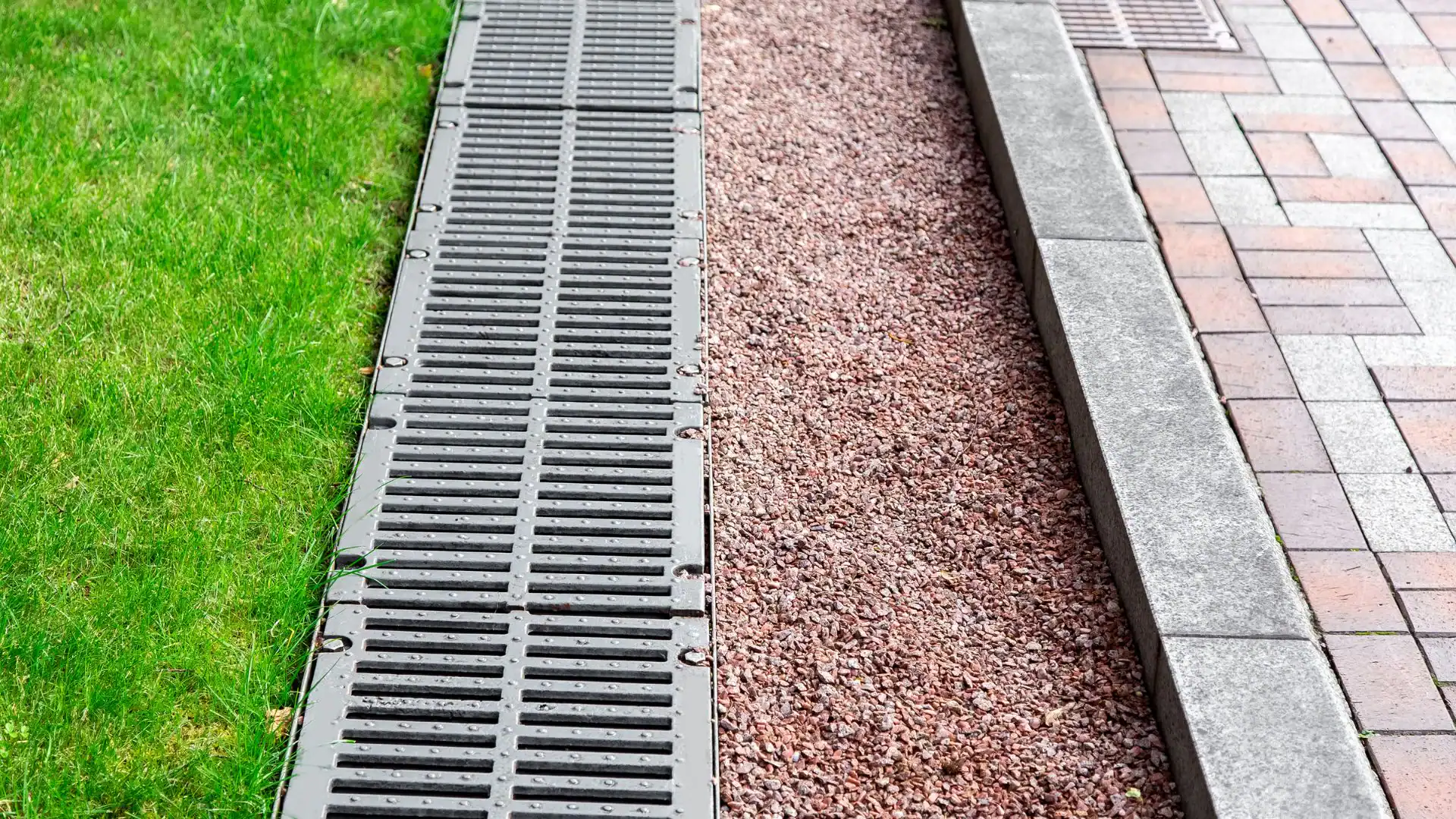
Interior waterproofing — the most commonly offered solution on Long Island — manages water that has already entered your basement. A perimeter drain (often called a French drain) is installed along the inside edge of your basement floor. Water that seeps through the walls or up through the floor-wall joint is captured by that drain and directed to a sump pump, which pumps it out of the house. Done right, this is an effective system for keeping your basement dry. It’s also less invasive and less expensive than exterior work, and it can be installed year-round.
What interior waterproofing doesn’t do is stop water from reaching your foundation wall. For many homes, that’s fine — the system manages the water before it causes damage, and that’s enough. But for homes with masonry block foundations, significant foundation cracks, or severe hydrostatic pressure from clay-heavy North Shore soil, interior drainage treats the symptom without addressing the cause. The water is still hitting your foundation wall. Over years, that continued exposure can deteriorate mortar joints, cause concrete spalling, and compromise the structural integrity of the wall itself.
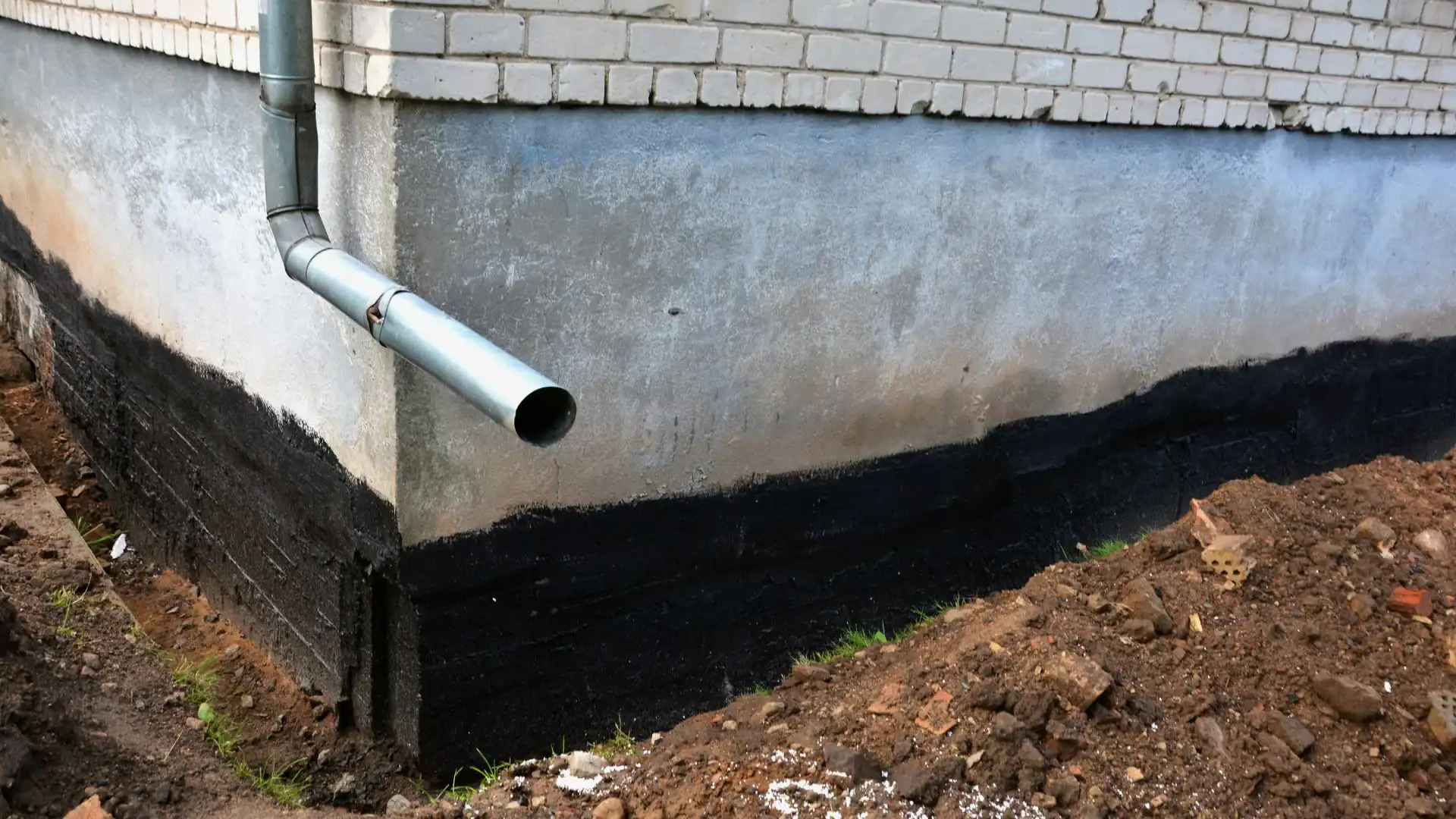
Exterior waterproofing addresses the problem at the source. It involves excavating around the perimeter of your foundation, down to the footer, and applying a waterproof membrane directly to the exterior face of the foundation wall. Drainage board is installed over the membrane, and the area is backfilled with clean gravel to encourage water to move away from the wall rather than press against it. The result is a foundation that water can’t reach in the first place.
The reason most waterproofing companies on Long Island don’t offer exterior waterproofing isn’t because it’s unnecessary — it’s because they don’t own excavation equipment. Excavating around a foundation is a serious earthmoving job. It requires machinery, experienced operators, and the knowledge to do it without undermining the structure you’re trying to protect. Companies that don’t have that capability steer every conversation toward interior solutions, regardless of what the property actually needs.
We handle both. And because we perform excavation in-house — no subcontractors, no coordination gaps — we can offer the full range of solutions and recommend the one that’s actually right for your situation.
Want live answers?
Connect with a Gold Coast Landworks expert for fast, friendly support.
A legitimate waterproofing job starts with a diagnosis, not a pitch. Before anyone recommends a solution, they should be able to tell you exactly where the water is entering, why it’s entering there, and what the appropriate fix is for your specific foundation type, soil conditions, and severity of the problem.
If a contractor walks through your basement for five minutes and immediately starts talking price without explaining what they found, that’s a red flag. The diagnosis should come first — and it should make sense to you in plain language.
From there, the scope of work depends on what the inspection reveals. Some homes need a full interior perimeter drain system with a properly sized sump pump and battery backup. Some need exterior excavation and membrane application. Many need a combination of both. And some — honestly — just need their gutters extended and their grading corrected. A contractor who tells you that when it’s true is one worth trusting.
This is something most homeowners don’t think about until they’re already in the middle of a project — and it catches a lot of people off guard when they realize they need to hire a second contractor.
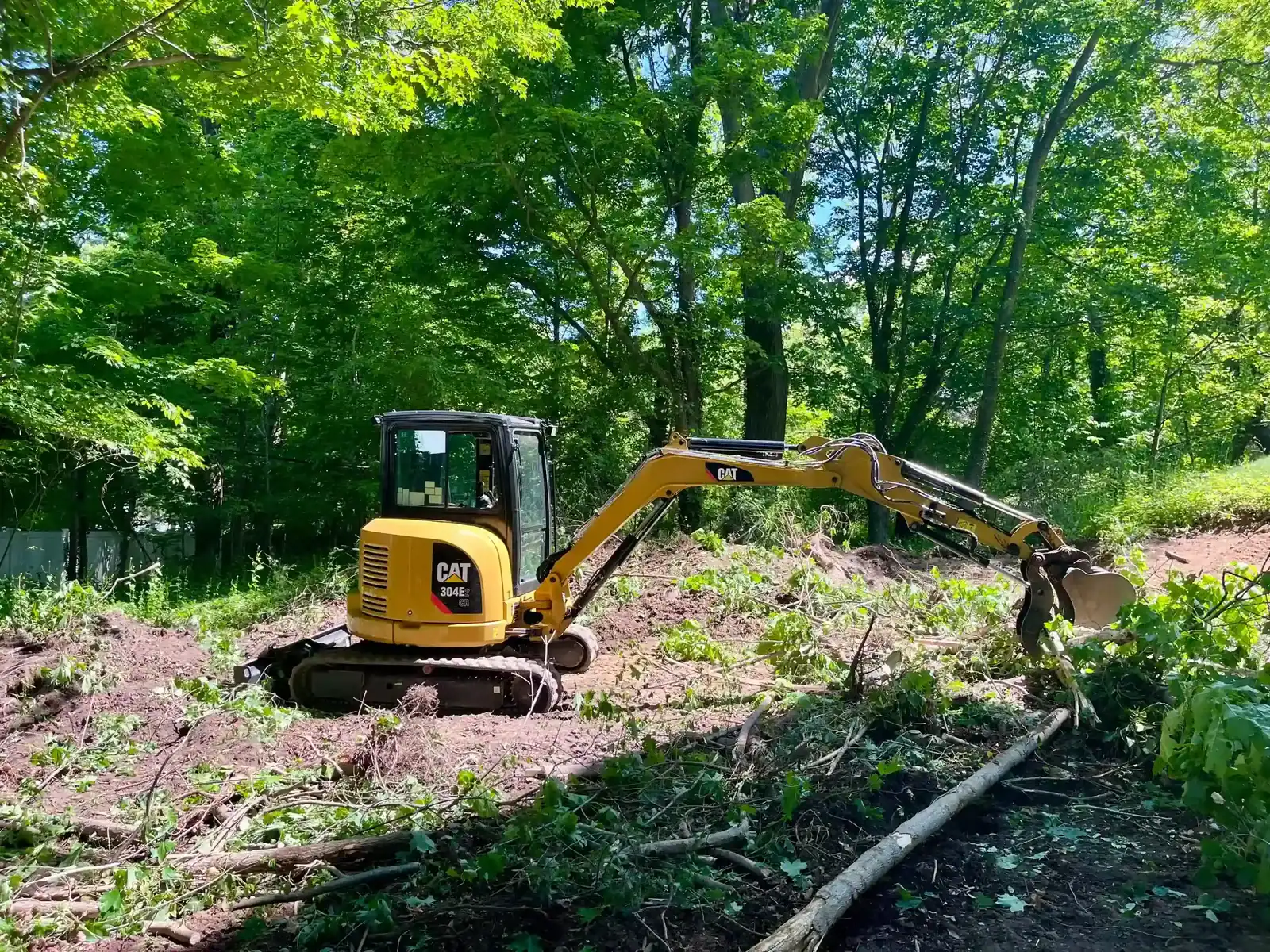
Exterior foundation waterproofing requires excavation. Full stop. To apply a membrane to the outside of your foundation wall, the soil around the perimeter has to come out, down to the footer. On a typical Suffolk County home, that means excavating several feet deep along all or part of the foundation. That’s not a job for hand tools. It requires machinery, an experienced operator, and a plan for what happens to the soil, the grading, and the site after the work is done.
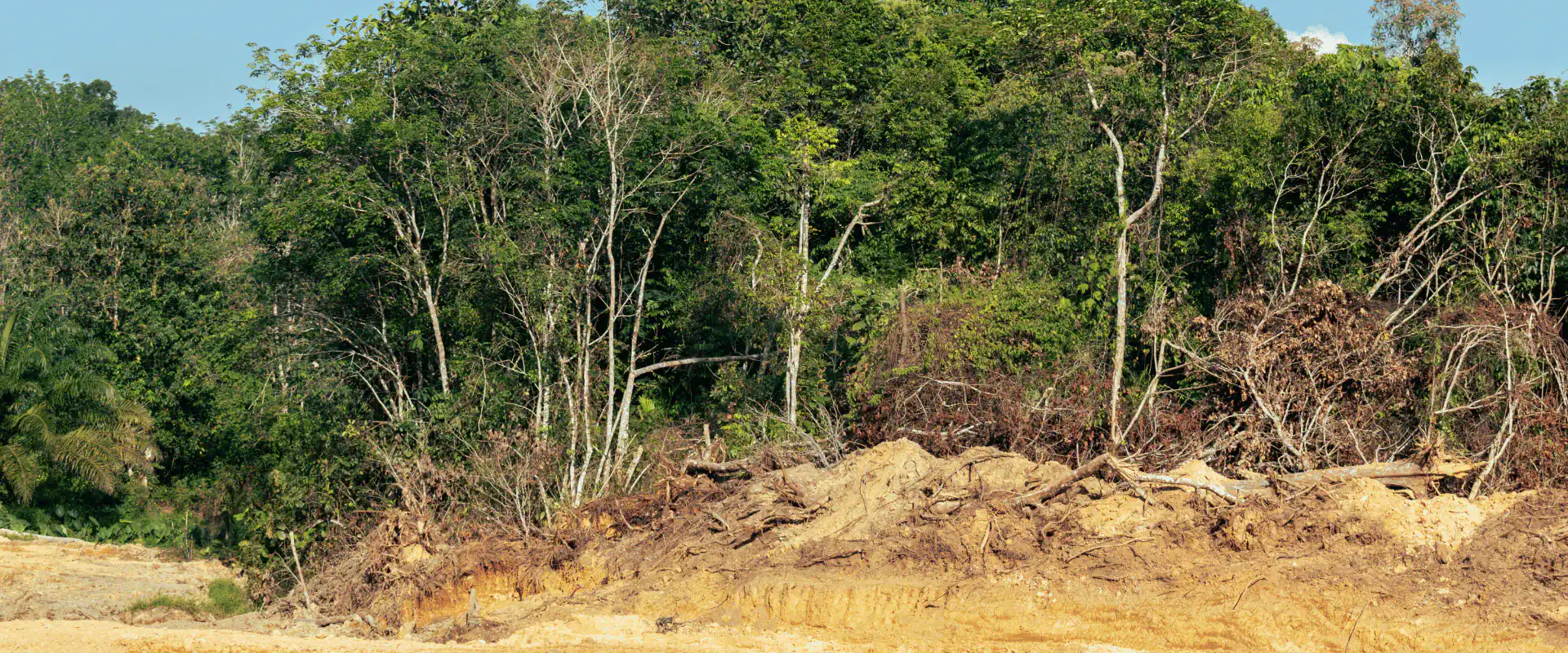
On properties with mature trees, dense vegetation, or overgrown perimeters — common on North Shore lots in Huntington, Nissequogue, Centerport, and the wooded communities of the East End — there’s often land clearing work that needs to happen before excavation can even begin. Root systems growing toward the foundation, overgrown shrubs blocking access, poor site grading from years of neglect — these are contributing factors to water problems that most waterproofing-only companies aren’t equipped to address.
We do land clearing and excavation as core services, not as an afterthought. That means when a property needs clearing before excavation, or regrading after waterproofing, we handle it as part of the same project. You’re not coordinating between three different contractors or waiting on one trade to finish before another can start. The crew that clears the site is the same crew that digs, and the same crew that restores it when the work is done.
For homeowners worried about their landscaping — a concern we hear often — this integrated approach actually minimizes disruption. We know what we’re excavating around, we control the process from start to finish, and we restore the site properly when we’re done. That’s a different experience than hiring a waterproofing company that subcontracts the digging to someone they’ve never worked with before.
How much does basement waterproofing cost in Suffolk County?
It depends on the scope of work, but for a comprehensive interior system — perimeter drain, sump pump, and vapor barrier — most Suffolk County homeowners are looking at somewhere between $5,000 and $8,000. Exterior waterproofing with excavation is a larger investment, reflecting the additional labor and equipment involved. The range is wide because every property is different: foundation type, linear footage, soil conditions, and severity of the problem all affect the final number. What we can tell you is that a written, itemized estimate — with specific materials, methods, and warranty terms — is the baseline expectation. If a contractor can’t provide that, keep looking.
Is basement waterproofing worth it?
Consider the alternative. Water damage and mold cost the insurance industry $2.5 billion a year, and the average home water damage claim runs nearly $7,000. Mold can begin growing within 24 to 48 hours of water intrusion. In Suffolk County’s real estate market, where median home prices regularly exceed $600,000, water leakage can reduce a property’s value by up to 25 percent — a significant financial hit. Waterproofing is not a luxury expense. It’s protection for an asset you’ve invested heavily in.
Do I need a permit for basement waterproofing in Suffolk County?
It depends on the scope. Interior drainage systems typically don’t require a permit, but structural work, exterior excavation, and drainage systems that connect to municipal infrastructure may. Any contractor working in Suffolk County should hold a current Suffolk County Home Improvement Contractor license — that’s a county-level requirement, separate from state licensing. Ask for the license number before you sign anything, and make sure your contractor pulls any required permits. A legitimate contractor won’t have a problem with either of those requests.
What if I’ve already had waterproofing done and it didn’t work?
This is more common than it should be, and it usually comes down to one of two things: the wrong solution was applied for the actual problem, or the installation wasn’t done properly. If you had an interior French drain installed and you’re still getting water, the question is whether the system was correctly sized and installed — or whether your property actually needed exterior work that the previous contractor wasn’t equipped to do. We start every project with a fresh inspection, regardless of what was done before. Understanding why the previous fix failed is part of figuring out what will actually work.
Will excavation damage my yard or landscaping?
Exterior waterproofing does require digging around your foundation, and we won’t pretend otherwise. But the extent of the disruption depends on how the excavation is managed. Because we own and operate our own equipment and handle the full scope of the project — clearing, excavating, waterproofing, and site restoration — we control every stage of that process. We’re not handing your property off to a subcontractor and hoping for the best. The goal is always to leave the site in better shape than we found it, with proper grading that actively directs water away from your foundation going forward.
The waterproofing market on Long Island has its share of contractors who will sell you the same solution regardless of what your basement actually needs. The best protection against that is understanding your options before you make a call — which is exactly what this guide was meant to help with.
A dry basement isn’t complicated in concept. It’s just a matter of identifying where the water is coming from, choosing the right method to stop it, and having the equipment and experience to execute it properly. What makes Suffolk County different from most markets is the soil, the water table, the aging housing stock, and the sheer variety of conditions from one town to the next. A solution that works in Babylon may not be the right call in Huntington. That local knowledge matters.
If you’re ready to get a straight answer about what’s happening in your basement — and what it will actually take to fix it — we’re a call away.
Summary:
Article details: