
Hear from Our Customers
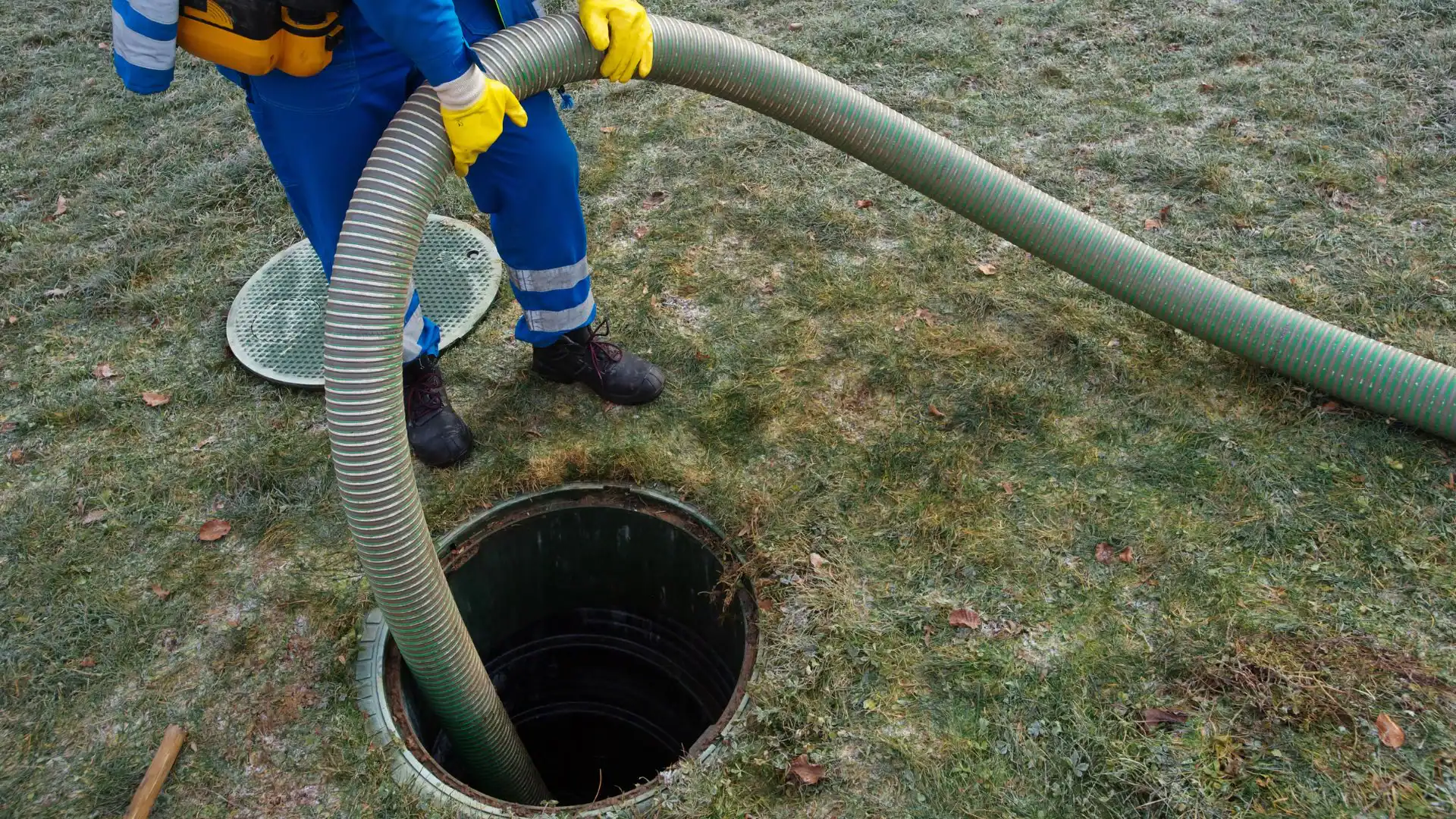
If your yard pools after every storm and stays soggy for days, that’s not a minor inconvenience it’s your soil telling you the drainage system underneath it has stopped working. East Northport sits on Long Island’s North Shore glacial moraine, where the ground is dense with clay. Water doesn’t move through it the way it does in sandier South Shore communities. It sits, saturates, and eventually finds the path of least resistance which is often straight toward your foundation.
The homes in East Northport were largely built in the 1950s and 1960s. The drywells and catch basins installed back then were designed for a different era of rainfall and a brand-new infrastructure that now has 60-plus years of silt, cracks, and freeze-thaw damage behind it. When you see your yard flooding now in ways it didn’t used to, the infrastructure underneath has likely reached the end of its functional life not just the surface.
Getting this fixed means your lawn can actually grow back. It means the water near your foundation stops being a slow, expensive problem. It means the yard your family uses every day is usable again not just on dry weeks, but after real rain. That’s the outcome. That’s what a properly designed landscape drainage system in East Northport actually delivers.
We are a Long Island landscape drainage contractor that works specifically with the soil conditions, housing stock, and drainage challenges of North Shore Suffolk County communities including East Northport, Northport, Greenlawn, Centerport, and Fort Salonga. We’re not a plumbing company. We’re not an irrigation crew that added drainage to a service menu. Landscape drainage is what we do, and it’s what we’ve built our work around.
The reason most drainage fixes fail is simple: the contractor addressed a symptom without understanding the cause. Before anything gets installed on your property, we assess the full picture how water is moving across your yard, what the soil is doing underneath, where the original infrastructure has failed, and what a system actually needs to handle peak rainfall on a clay-dominant North Shore lot. That assessment is what separates a fix that lasts from one that fails after the next nor’easter.
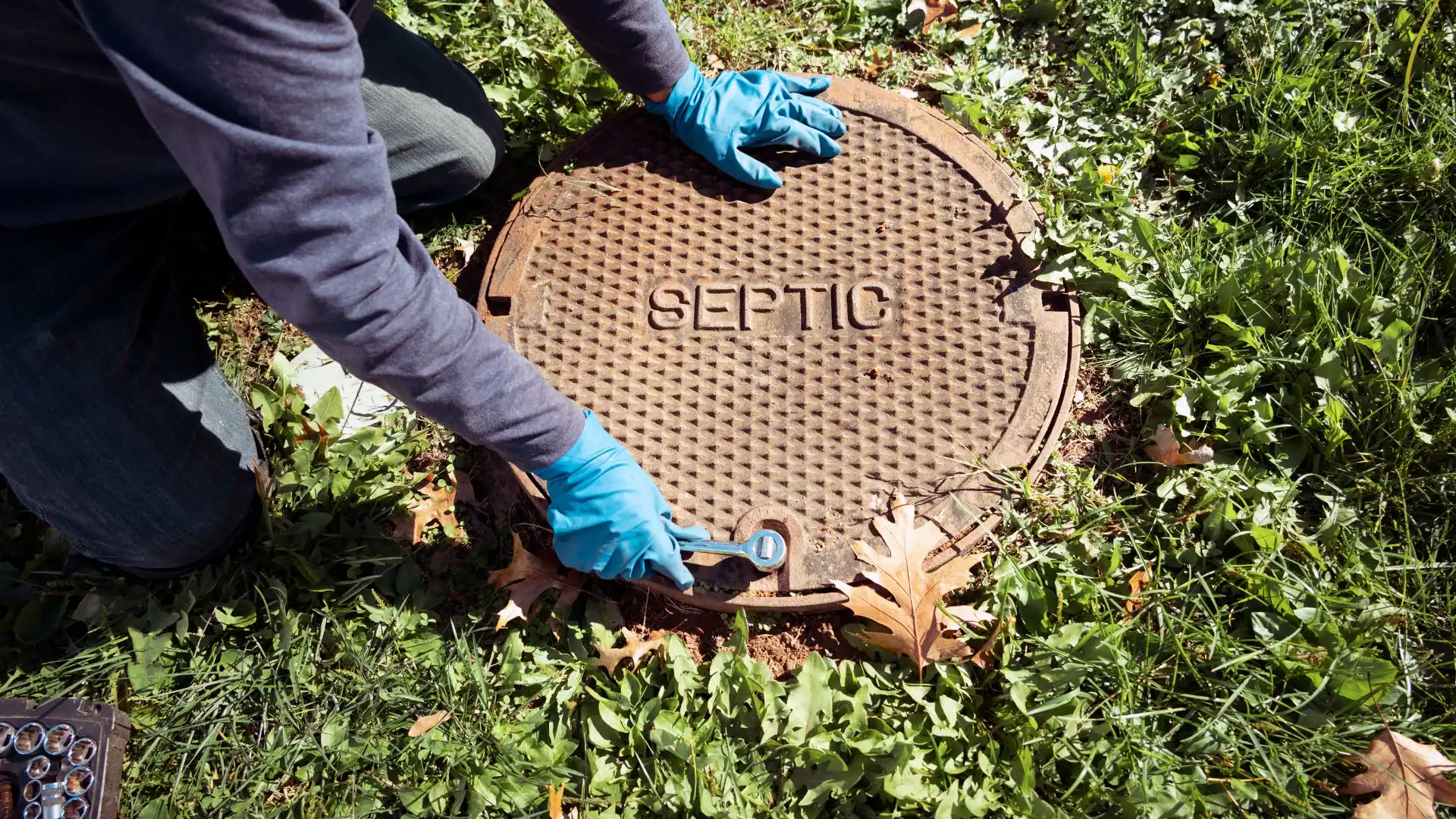
It starts with a site assessment not a sales visit. We walk your property, map where the water is entering, where it’s collecting, and where it needs to go. On a North Shore lot with clay-heavy soil, that assessment matters more than it does anywhere else on Long Island, because the standard assumptions about soil permeability simply don’t apply here. What works on a sandy lot in Babylon will fail in East Northport’s ground.
From there, we design a system that fits your specific property whether that’s a French drain, a catch basin and outlet system, a regrading solution, or a combination of all three. We size everything for peak rainfall events, not average ones, because a system that handles a light shower but fails in a heavy storm isn’t doing its job. If the project requires a permit through the Town of Huntington, we handle that conversation upfront so there are no surprises mid-project.
Installation is followed by full surface restoration topsoil, seed, and any disturbed landscaping brought back to finished condition. You’re not left with a trench and a handshake. When we leave, the yard looks like the work was done right, because it was.
Ready to get started?
The drainage work we perform in East Northport covers the full range of what a residential property actually needs French drain installation, catch basin installation and replacement, dry well assessment and replacement, surface regrading, swale creation, and downspout and roof runoff redirection. Every system is designed around your property’s specific topography, soil composition, and water flow path. There are no one-size-fits-all packages here, because no two yards on the North Shore drain the same way.
For East Northport homeowners specifically, the clay soil factor changes how every component of a drainage system gets sized and placed. A French drain bedded in the wrong aggregate on a clay lot will back up within a season. A catch basin outlet that doesn’t account for the soil’s slow absorption rate will overflow under heavy rain. These aren’t hypothetical problems they’re why drainage fixes fail on North Shore properties when they’re designed by contractors more familiar with South Shore conditions.
Every project also includes a full review of any existing infrastructure on the property. If you have an original 1960s drywell that’s silted up, we’ll tell you exactly what condition it’s in and what replacing or supplementing it will accomplish. No guesswork, no upselling work that isn’t needed just a clear picture of what your property has, what it needs, and what the finished system will do.
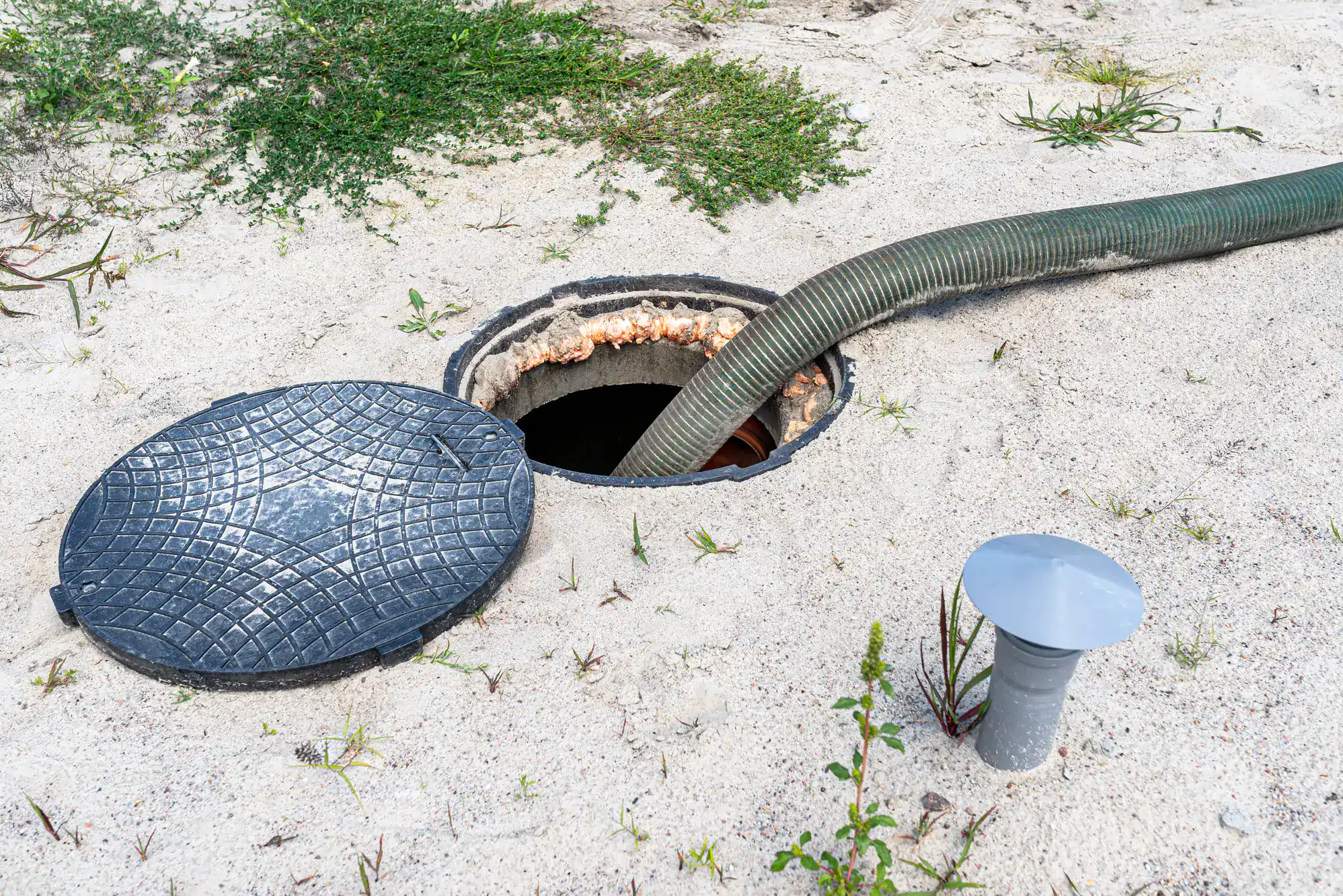
This is one of the most common situations we see in East Northport, and the answer is almost always the same: the previous work treated a symptom rather than the underlying cause. A contractor might install a catch basin where water is visibly pooling, but if the outlet has nowhere adequate to discharge or if the surrounding clay soil is too dense to absorb what the system is trying to move the fix won’t hold. The water finds the next low point, and the problem shifts rather than disappears.
The other common reason is that the original drainage infrastructure on the property was never properly assessed. East Northport’s housing stock is predominantly from the 1950s and 1960s, and the drywells and grading decisions from that era have had decades to degrade. If a contractor installs a new component without evaluating what the existing system can actually handle, you end up with a new piece connected to a failed foundation. A thorough site assessment before any installation is the only way to avoid this outcome.
There’s no single answer that applies to every property, but the clay-dominant glacial till soil throughout East Northport and the broader North Shore does narrow the field considerably. French drains work well here when they’re designed correctly meaning the right aggregate, the right pipe sizing, and a discharge point that can actually handle the volume being moved. A French drain bedded in the wrong material on a clay lot will clog faster than you’d expect and stop performing within a season or two.
Catch basin systems are often a better primary solution on East Northport lots where the water volume is high and the soil can’t absorb fast enough to keep up. They collect surface water at the problem point and move it through pipe to an appropriate outlet a street drain, a dry well, or a daylight outlet at a lower point on the property. In many cases, the best system combines both: a catch basin to handle peak surface runoff and a French drain to manage lateral water movement through the soil. The right combination depends on your specific lot, and that’s what a proper site assessment determines.
East Northport falls within the Town of Huntington for municipal purposes, so permitting for drainage work is handled through the Town of Huntington Building Department. Whether a permit is required depends on the scope of the work. Most standard residential drainage installations a French drain, a catch basin replacement, minor regrading typically fall below the threshold that triggers a formal permit requirement. However, work that involves significant grading, connections to a municipal stormwater system, or disturbance of a larger land area may require prior approval.
Suffolk County also has stormwater regulations that apply to projects disturbing one acre or more of soil, which is rarely relevant for a residential drainage project but worth knowing if your property is large. The more important regulatory consideration for most East Northport homeowners is that drainage systems cannot legally discharge onto neighboring properties or into sensitive water bodies something that matters given the hamlet’s proximity to Northport Harbor. We address all of this upfront during the site assessment so you know exactly what’s required before work begins.
For most residential properties in East Northport, a straightforward drainage installation a single French drain run, a catch basin with proper outlet, or a targeted regrading project typically falls in the range of $2,000 to $5,000. More complex systems that address significant grading issues, multiple problem areas, or whole-yard water management can run $7,000 to $15,000 or more, depending on the scope and the condition of any existing infrastructure that needs to be replaced or worked around.
The honest framing for a $700,000-plus East Northport home is this: foundation repairs triggered by water intrusion run $23,000 to $48,000. A single basement flooding event averages $10,000 to $26,000 in damage. A properly installed drainage system is among the most cost-effective property protection investments available to a Long Island homeowner not because it’s cheap, but because what it prevents is far more expensive. Every project gets a written, itemized quote before work begins, so you know exactly what you’re getting and why.
Both are viable, but late fall through early winter is often the most practical window for East Northport homeowners. We have more scheduling availability during the off-season, ground disturbance during lawn dormancy is less disruptive to the turf, and the system will be fully installed and tested before the spring rain season which is consistently the peak problem period on the North Shore. Spring combines snowmelt with heavy rainfall, and it follows a winter of freeze-thaw cycles that degrade aging drainage infrastructure year over year. Having a new system in place before that hits is a meaningful advantage.
That said, if your yard is actively flooding and causing damage, the right time to address it is as soon as possible not at a seasonally convenient moment. The damage water does to a foundation or a lawn compounds over time. If the problem is urgent, we’ll assess it and get it addressed. If you have flexibility, fall scheduling is worth considering for both availability and lawn restoration outcomes.
If water is backing up inside your home through a drain or a pipe, that’s a plumbing call. If your yard is flooding, pooling, or staying wet after rain, that’s a landscape drainage problem and a plumber isn’t equipped to solve it. Plumbers work with pipe systems inside structures. They don’t assess grading, soil conditions, surface water flow paths, or the performance of a French drain on a clay-dominant North Shore lot. The problem is fundamentally different, and so is the solution.
This distinction matters in East Northport because the local search results for drainage are heavily populated by plumbing companies. Roto-Rooter, drain cleaning services, and sewer contractors all appear when homeowners search for drainage help and many homeowners call them first, get a drain cleaned or a pipe scoped, and still have a flooded yard the next time it rains. If the water is coming from the ground, the grade, or a failed drywell, no amount of pipe cleaning will fix it. We assess the property as a whole system and design a solution that addresses where the water is coming from and where it needs to go which is the only way to actually solve the problem.