Hear from Our Customers
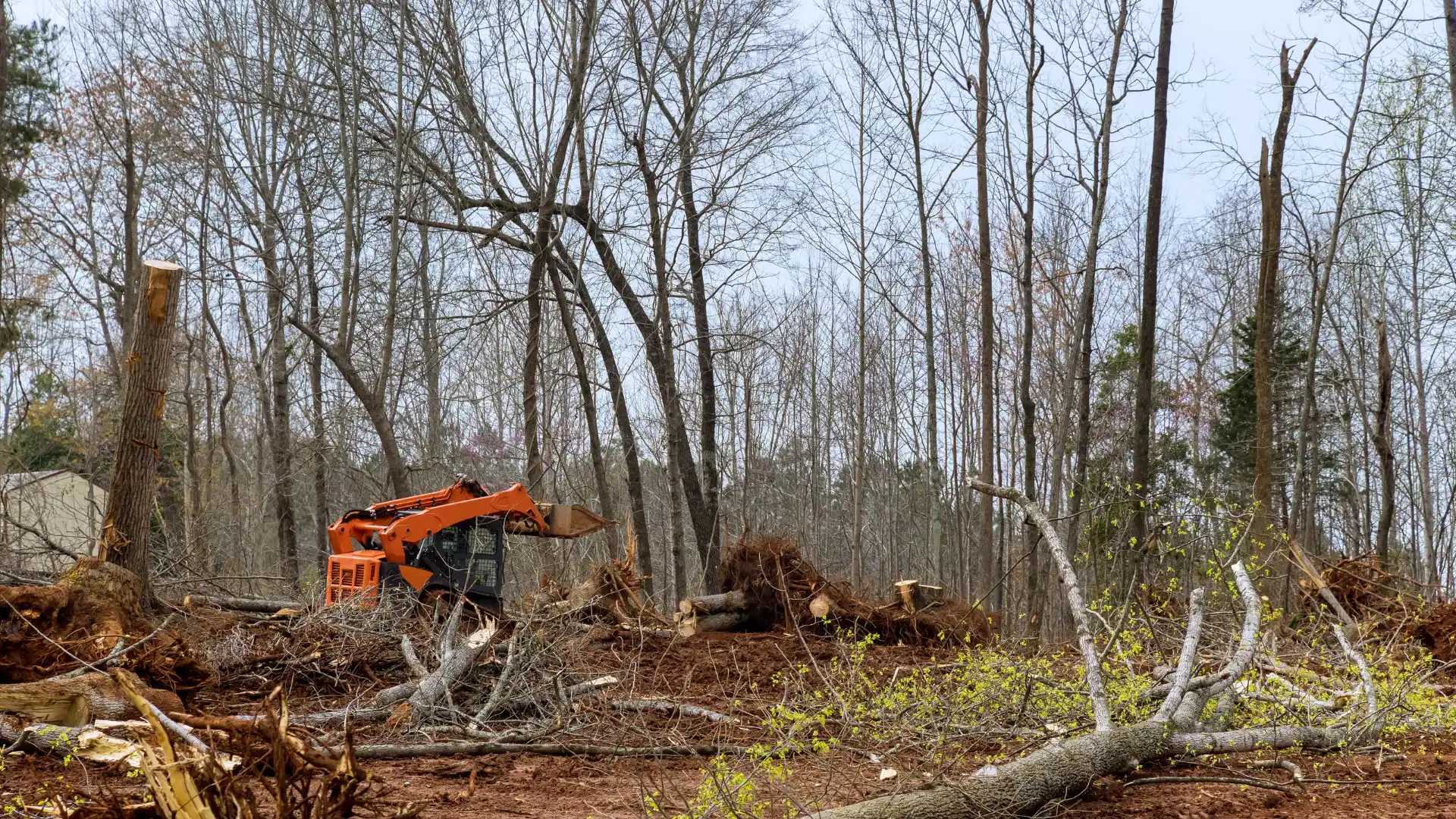
Most East Northport properties were built in the 1950s and 60s. The trees planted as saplings back then are now full-grown oaks and maples with root systems that go deep into the north shore’s clay-heavy soil. When a lot like that gets neglected even for just a few seasons it doesn’t take long before you’re dealing with something that looks more like woodland than a residential yard. That’s the reality for a lot of homeowners here, and it’s exactly the kind of job we do every day.
When the work is done right, you get more than cleared ground. You get a site that’s graded, clean, and ready whether that means starting a renovation, preparing for a new build, getting the property listed, or simply being able to use your own backyard again. The difference between a job done well and one done halfway shows fast in a community like East Northport, where properties are well-maintained.
What also matters here is what doesn’t get touched. East Northport’s mature canopy is part of what makes this neighborhood worth living in. Selective clearing removing what needs to go while protecting the trees and landscaping you want to keep is a skill, not an afterthought. Every job starts with a clear, agreed scope so nothing comes down that wasn’t supposed to.
We operate across Long Island’s north shore, and East Northport is a regular part of our territory. The rolling terrain off Larkfield Road, the mature hardwood lots throughout the Northport-East Northport school district corridor, the clay soil conditions that behave differently than anything you’ll find on the south shore this is familiar ground for us, not a new market.
That local experience matters when it comes to quoting accurately, selecting the right equipment for the terrain, and knowing what the Town of Huntington is going to require before a single tree comes down. There are no surprises on a Gold Coast Landworks job because the groundwork the permits, the site assessment, the clear scope gets done before the work begins.
Every quote we provide is itemized. Every job we finish is cleaned up completely. And if something changes mid-job, you hear about it before it affects your invoice.
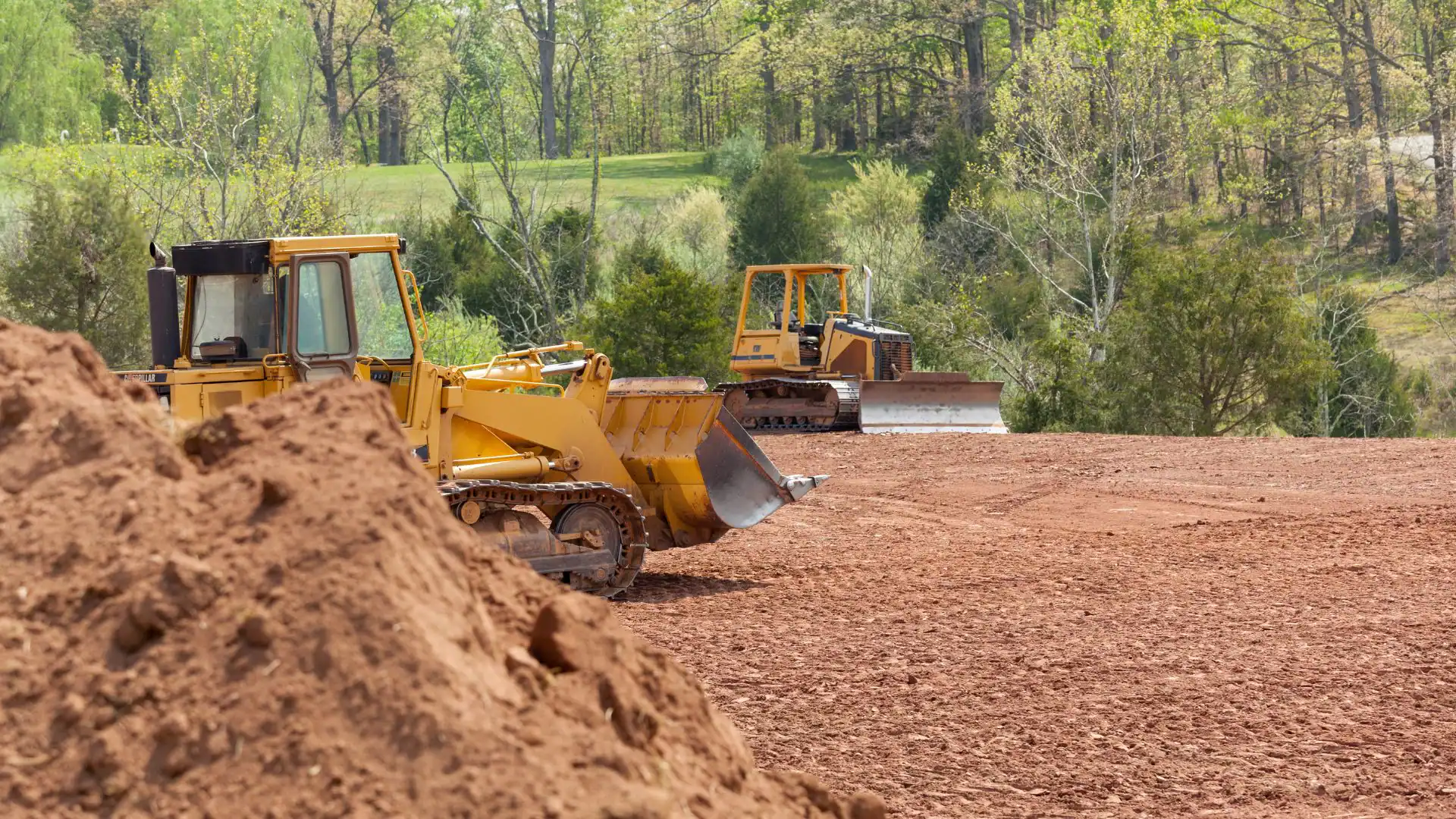
It starts with a site assessment. Before anything is quoted, we walk the lot and evaluate what’s there, what needs to come out, what stays, and what the ground conditions look like. On north shore properties, that last part matters more than most people expect. Clay-heavy soil, steep grades, and mature root systems all affect how the job gets done and what equipment is right for it.
Once the scope is agreed, we handle the Town of Huntington permit process. East Northport falls under Town of Huntington jurisdiction, and tree removal on private property requires prior written approval. If work starts before that permit is issued, the fee triples that’s not a rumor, it’s written into the Town ordinance. We confirm permit status before any clearing begins, every time, without exception.
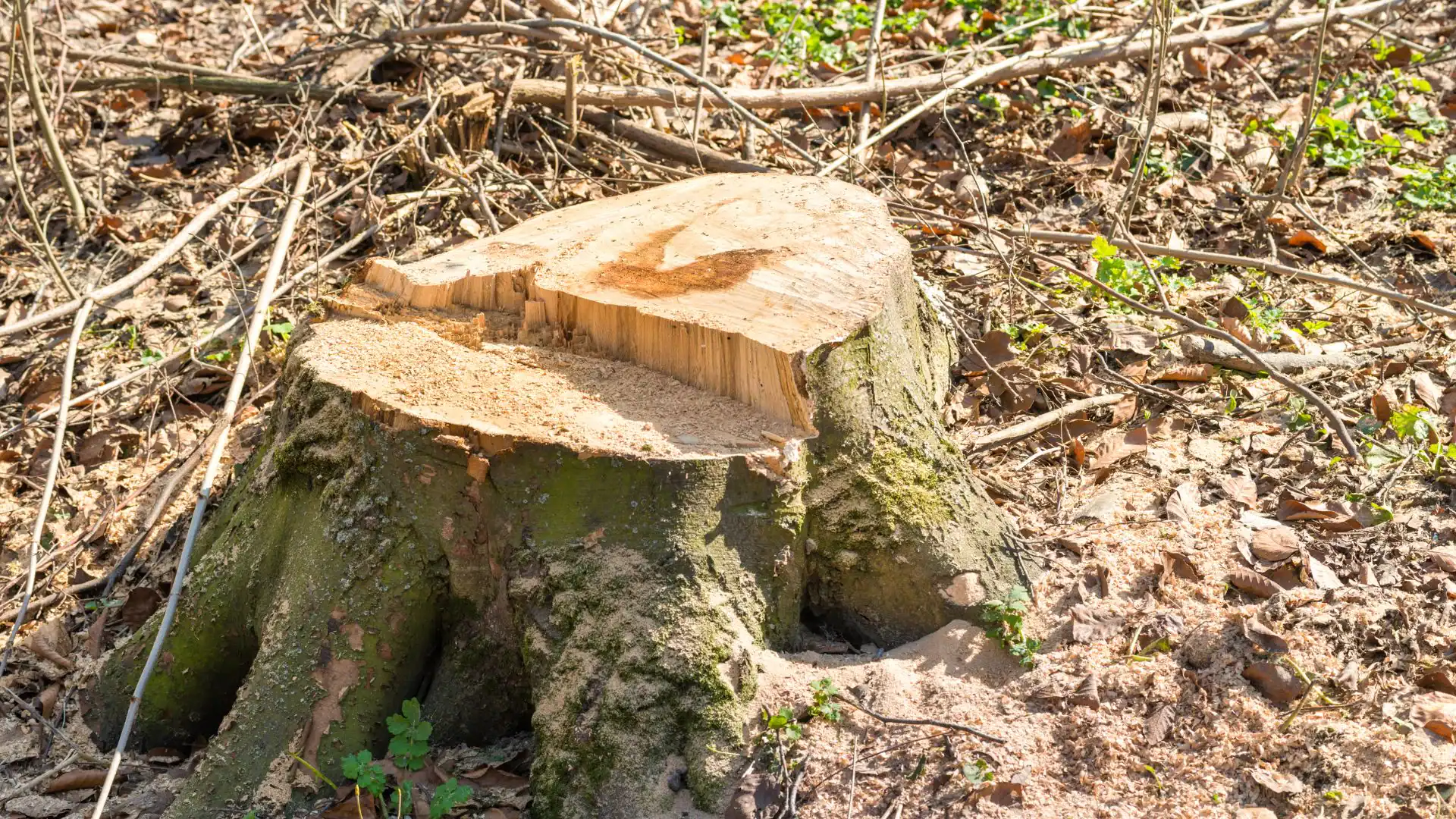
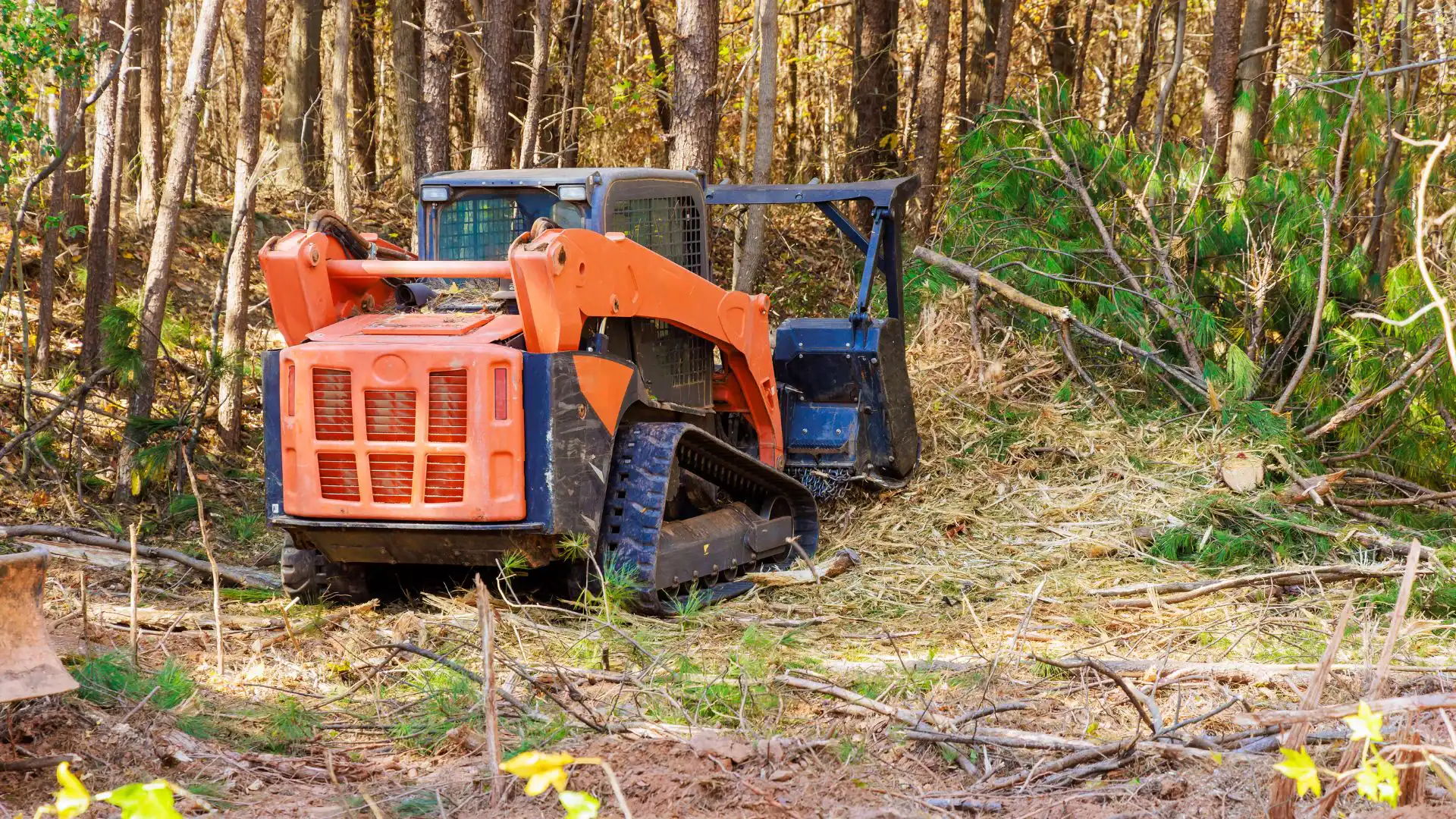
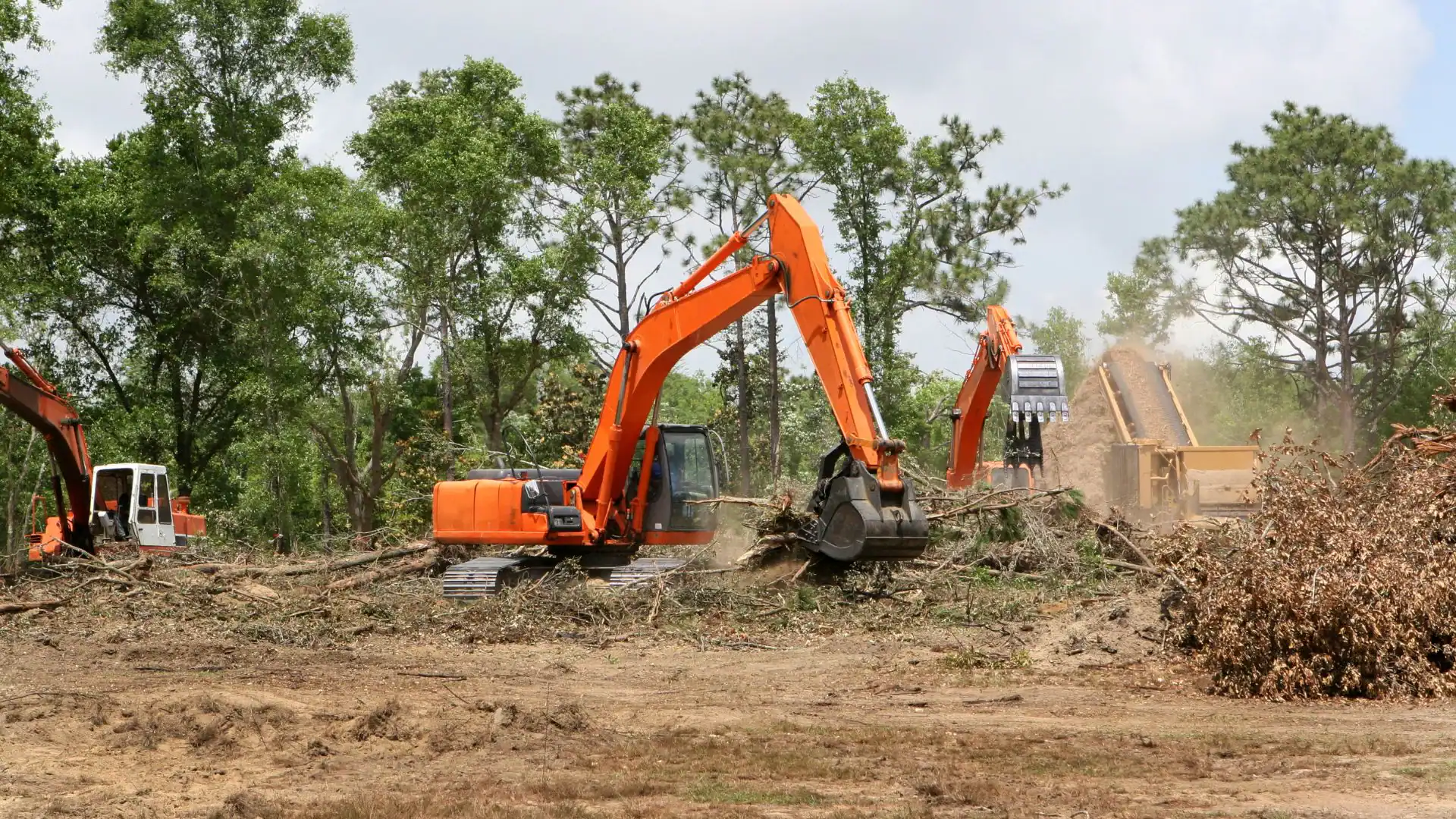
Then the work gets done. Trees come down, stumps get ground, brush and invasive vegetation get cleared and removed. If your property has Japanese knotweed along the back fence or a multiflora rose hedge that’s taken over the side yard, we treat those correctly not just cut back and left to regrow. When our crew leaves, the site is clean. Debris is processed or removed. What you’re left with is usable ground, not a half-finished mess.
Ready to get started?
Land clearing in East Northport isn’t one-size-fits-all. Some jobs are full lot clearing for a teardown-rebuild on an older property near the East Northport LIRR station corridor. Some are overgrown property reclamation for a homeowner who bought a place with a rear yard that hasn’t been touched in twenty years. Some are targeted brush clearing along a fence line that’s been colonized by invasive shrubs. The scope varies, but our standard doesn’t.
Every job we take on in East Northport includes a full site walkthrough before quoting, itemized pricing that breaks out tree removal, stump grinding, brush and vegetation clearing, and debris disposal separately, and complete site cleanup before the job is considered finished. There are no line items that appear on the final invoice without being on the original quote.
For properties near drainage features or areas with standing water, potential wetland buffer considerations get flagged during the assessment not discovered after the equipment is already on site. East Northport’s north shore terrain creates drainage patterns that aren’t always obvious from the street, and a thorough site review accounts for that. The goal is a job that’s done completely, compliantly, and without leaving you to sort out what we left unfinished.
Yes and this is one of the most important things to sort out before any work begins. East Northport is an unincorporated hamlet within the Town of Huntington, which means the Town of Huntington’s tree removal permit requirements apply directly to your property. You need prior written approval from the Town’s Department of Planning and Environment before any tree removal or significant clearing takes place on private land.
The part most homeowners don’t know until it’s too late: if clearing begins before the permit is issued, the fee automatically triples. That’s not discretionary it’s written into the Town ordinance. The permit application requires a property survey and a description of the trees being removed. Approved permits are valid for one year from the date of issue. Some exemptions exist for example, trees within 25 feet of an approved building or drainage structure may not require a separate permit if a landscaping plan is already part of an active building permit. Dead or hazardous trees certified by a qualified arborist also carry no permit fee. We review all of this before quoting your job so you’re not walking into a compliance issue you didn’t see coming.
Land clearing costs vary based on lot size, vegetation density, terrain, and what needs to happen with the debris afterward. On a typical East Northport residential lot a quarter to half acre with mature hardwood canopy and some overgrown understory costs reflect the complexity of north shore conditions. Clay-heavy soil, rolling grades, and 60-year-old root systems take more time and more capable equipment than a flat, sandy south shore lot of the same size.
What matters most is getting a quote that actually reflects your specific property, not a ballpark number that changes once the crew shows up. We provide itemized quotes that separate tree removal, stump grinding, brush and vegetation clearing, and debris disposal so you can see exactly where the cost is coming from. There are no line items added after the fact. If anything changes mid-job that affects the scope or cost, you’re notified before the work continues not handed a surprise invoice at the end.
Several invasive species are widespread across East Northport and the broader Huntington area, and they’re not all handled the same way. Japanese knotweed is one of the most aggressive it spreads rapidly along fence lines, property edges, and drainage corridors, and cutting it back without treating the root system just causes it to regrow thicker the following season. Multiflora rose is another common one, especially along older fence lines and woodland edges throughout north shore properties. Tree-of-heaven colonizes disturbed ground fast and competes aggressively with native species. Phragmites takes over wet areas and drainage swales. All of them are common in this area.
The key with invasive species removal is doing it correctly the first time. A crew that cuts and leaves is not solving the problem they’re just resetting the clock. We identify invasive species during the site assessment, apply the correct removal method for each one, and deliver results that actually last. If your property has a knotweed situation or an autumn olive hedge that’s overtaken the side yard, we address that as part of the clearing scope not treated as a separate, additional problem to deal with later.
These terms get used interchangeably, but they describe different scopes of work and knowing the difference helps you get an accurate quote. Lot clearing typically refers to full clearing of a defined parcel: trees, stumps, brush, and ground cover all removed to prepare the site for construction, a new build, or a major renovation. It’s the most comprehensive scope and is common in East Northport when older properties change hands and the buyer needs the lot ready before any building work can begin.
Brush clearing is more targeted. It focuses on dense undergrowth, invasive shrubs, overgrown vegetation along fence lines, and secondary growth that has taken over an otherwise usable area. It doesn’t always involve large tree removal. Land clearing is the broader category that covers both it can mean anything from a full lot clear to a selective vegetation removal job depending on what the property needs. Land reclamation is a related term used when a property has been significantly neglected and needs to be brought back to a functional, usable state from a heavily overgrown condition. When you contact us, the site assessment determines which scope actually applies to your property and what the right approach looks like.
Spring and fall tend to be the most popular windows for land clearing on Long Island’s north shore, and both have practical reasons behind them. Spring clearing from March through May lets homeowners and developers get the site ready before the summer construction and landscaping season kicks in. Demand picks up quickly in spring, so booking early matters if you have a project timeline to hit.
Fall clearing, particularly after leaf drop, has a real advantage on properties with dense deciduous canopy. Once the leaves are down, visibility into the lot improves significantly, which makes it easier to assess what’s there, plan the clearing scope accurately, and work efficiently. Many homeowners prefer fall clearing so the site is fully ready for a spring build or landscaping project. Winter clearing is also viable frozen ground can actually improve equipment access on East Northport’s clay-heavy north shore soil, which can get soft and difficult to work in wet conditions. Storm damage response doesn’t follow a seasonal schedule. East Northport’s mature hardwood canopy takes a hit during nor’easters and late-season storms, and when a large tree comes down across a yard or fence line, that job needs to happen quickly regardless of the time of year.
Not if the job is scoped and executed correctly and that starts well before the crew arrives. Every job we take on begins with a site walkthrough where the trees, shrubs, and landscaping features you want preserved are identified and documented. Nothing comes down that isn’t explicitly part of the agreed scope. That’s not a verbal understanding it’s a written scope you review and confirm before work begins.
East Northport homeowners are often very specific about this, and reasonably so. A mature oak that took 60 years to grow to its current size is not something you want accidentally taken down because of a miscommunication. The same applies to established privacy hedges, ornamental trees, and any landscaping that contributes to the property’s value or appearance. On properties with tight clearances where the trees being removed are close to structures, fences, or landscaping you’re keeping the approach and equipment selection get adjusted to work within those constraints. The goal is to remove exactly what needs to go and leave everything else exactly as it was. If your property is near a neighbor’s fence line or has mature trees close to the house, that gets accounted for in the plan, not discovered as a problem on the day of the job.