
Hear from Our Customers
After August 2024, nobody in the Three Village area needs to be convinced that water is a serious problem. Nearly 10 inches of rain fell in a matter of hours. Harbor Road collapsed. The Mill Pond dam breached for the first time since 1910. More than 2,000 homes and businesses took damage. That event was extreme but the drainage vulnerabilities it exposed weren’t new. They’d been building for years in yards across East Setauket, Setauket, and Stony Brook.
What a properly designed drainage system gives you is simple: water moves off your property the way it’s supposed to, every time it rains not just during light showers, but during the storms that actually matter. No more standing water sitting against your foundation for days. No more soggy corners of the yard that never fully dry out. No more watching a heavy rain and wondering what you’re going to find when it stops.
For homeowners near Conscience Bay or on Strong’s Neck, where groundwater tables run high and tidal influence is real, that kind of reliability isn’t a luxury. For the majority of East Setauket properties sitting on clay-heavy North Shore soil soil that was compacted further the day your house was built a drainage system that’s actually designed for these conditions is the difference between a fix that lasts and one that fails by the following spring.
Gold Coast Landworks is a landscape drainage contractor serving East Setauket and the surrounding Three Village area. We work specifically in the yard drainage and earthworks space which means our entire focus is on how water moves across and through land, not just through pipes. That distinction matters when you’re dealing with the kind of drainage problems that show up on the North Shore.
Most of the yards we assess in East Setauket have clay-dominated soil that sits on glacial moraine deposits the same geology that makes this part of Long Island fundamentally different from the sandy South Shore communities. Water doesn’t percolate here the way it does in Bay Shore or Amityville. It sits. It spreads. And a drainage system that doesn’t account for that from the start won’t work for long.
We’re fully licensed and insured, familiar with Town of Brookhaven requirements, and we restore every yard we work in to finished condition before we leave. Your neighbors won’t know we were there except that your yard finally drains.
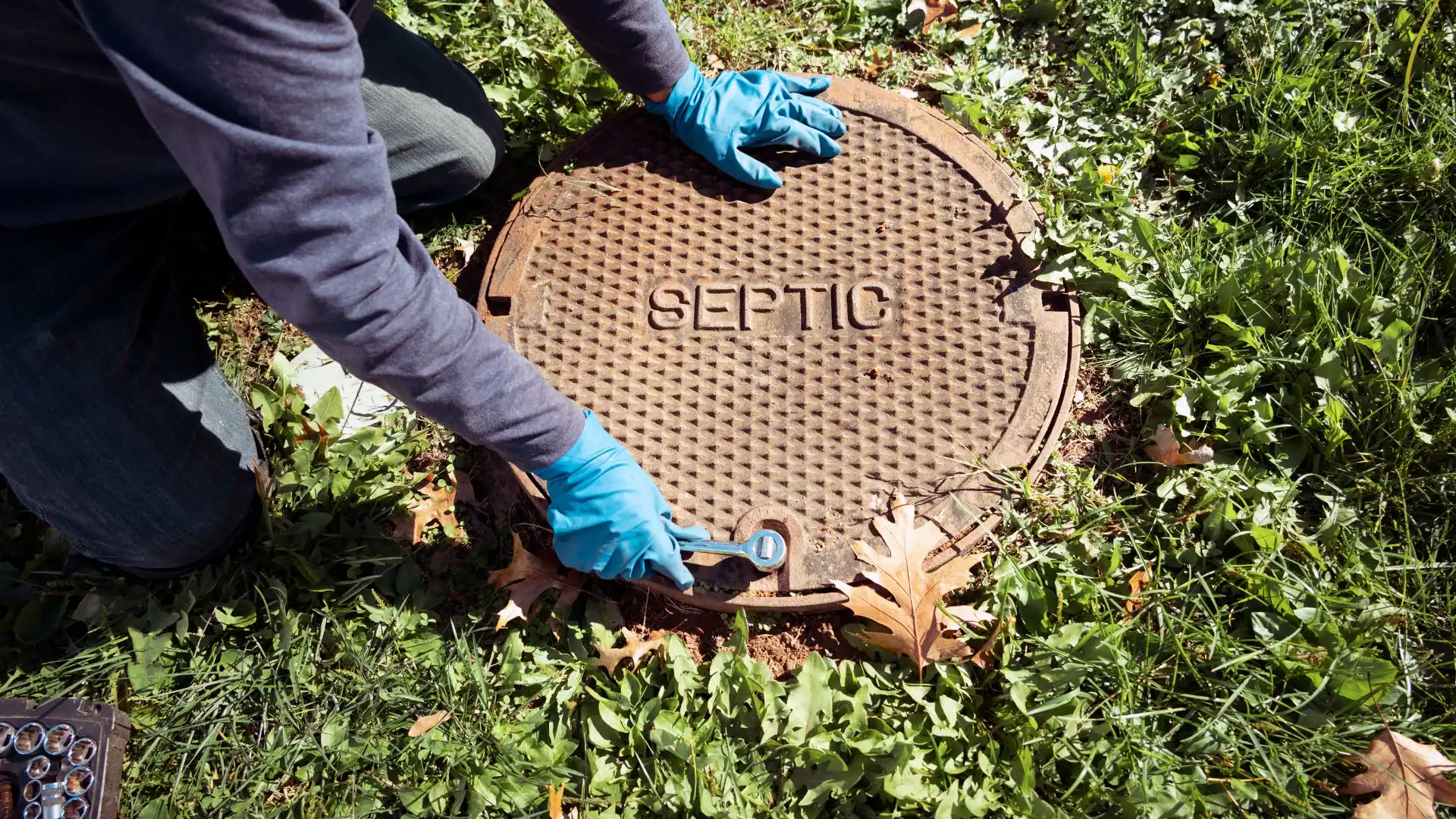
The first thing we do is a thorough site assessment and we mean thorough. We’re not looking at where the water pools and calling it a day. We trace the full path: where the water originates, what’s driving it toward your yard, what’s preventing it from leaving, and where it needs to go once we build a system to move it. In East Setauket, that often means accounting for neighboring lots that sit higher, aging dry wells that stopped recharging years ago, and clay layers that are completely impermeable just a few inches below the surface.
Once we have a clear picture of what’s actually happening, we design a system around the root cause not the symptom. That might be a French drain with a proper discharge point, a catch basin system integrated with your downspouts, a dry well sized for the actual volume your property generates, or some combination of all three. Because East Setauket falls within the Town of Brookhaven, we design every system to align with local stormwater requirements and Suffolk County Chapter 763 discharge standards so there are no surprises after installation.
Then we install it. We do the excavation, run the system, and restore the yard turf, topsoil, garden beds, whatever was there before. The goal when we leave is a yard that looks right and drains right, not a yard that looks like it just had a drainage crew through it.
Ready to get started?
Yard drainage services in East Setauket aren’t one-size-fits-all, and we don’t treat them that way. The combination of North Shore clay soil, aging mid-century housing stock, and proximity to Conscience Bay and Setauket Harbor creates drainage challenges that are genuinely different from what you’d find in other parts of Long Island. We design around those specifics not around a generic template.
French drains, catch basins, channel drains, dry wells, surface grading, downspout rerouting the system we recommend depends entirely on what your property actually needs. For waterfront and near-waterfront properties on Strong’s Neck or along the northern edges of East Setauket, high groundwater tables and tidal influence are part of the equation. For properties south of Route 25A with compacted clay and older infrastructure, the approach looks different. We don’t recommend the same solution twice just because it’s easier.
What you can expect from every project: a written quote with a clear scope before anything starts, installation using commercial-grade materials, and a workmanship warranty that gives you real recourse if something doesn’t perform the way it should. Quality drainage systems installed correctly in Suffolk County typically last 15 to 25 years. That’s what we’re building toward not a quick fix that holds until the next big storm.
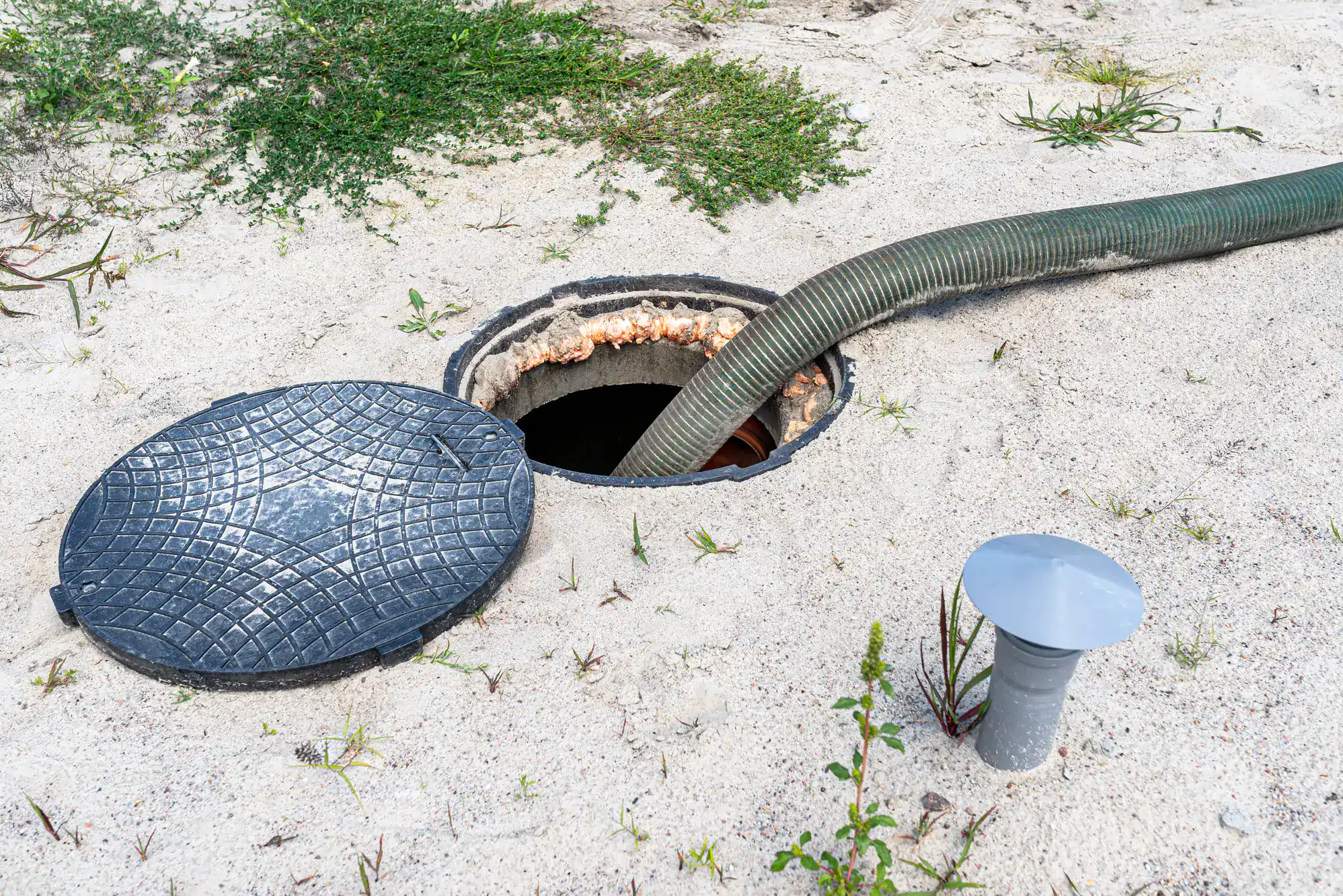
This is one of the most common situations we walk into in East Setauket, and the answer is almost always the same: the previous system addressed the symptom without understanding the source. A French drain installed without adequate fall won’t move water. A dry well that’s too small for the volume it’s receiving will back up in a heavy rain. A system designed without accounting for North Shore clay soil which is essentially impermeable when compacted will redistribute water into ground that can’t accept it.
Before recommending anything, we do a full site assessment to understand what was installed before, why it failed, and what the property actually needs. That diagnosis is the most important part of the job. Getting it right the second time requires understanding what went wrong the first time, and we take that seriously before a single trench gets dug.
Most residential drainage projects in East Setauket fall somewhere between $2,000 and $8,000, depending on the scope the size of the area, the complexity of the system, how many components are involved, and how much restoration work is needed afterward. Simpler surface grading or a single French drain with a clean discharge point will sit toward the lower end. A full system with catch basins, underground piping, a dry well, and complete turf restoration will be higher.
What’s worth keeping in mind is the alternative. Foundation repairs from water damage run $23,000 to $48,000. Basement flooding remediation averages $10,000 to $26,000 per incident. In a market where the median home value in East Setauket is over $855,000, a properly installed drainage system is one of the most cost-effective investments you can make in the property. We provide detailed written quotes before any work begins no vague estimates, no surprises on the back end.
It depends on the scope of the work. East Setauket falls within the Town of Brookhaven, which has its own stormwater management program aligned with NYSDEC regulations. For most standard residential drainage installations French drains, dry wells, catch basins, grading the soil disturbance stays well under one acre, which means the full SPDES General Permit for Construction Activity typically doesn’t apply.
That said, if your drainage system discharges to a road, a storm drain, or a waterway, there may be coordination required with the Town of Brookhaven’s Highway Department. Suffolk County Chapter 763 also governs stormwater discharge and prohibits illicit connections to the municipal storm sewer system. We design every system with these requirements in mind and handle the regulatory side of things so you’re not left figuring it out on your own.
Clay soil changes the math on drainage design in a meaningful way. Unlike the sandy, porous soils on Long Island’s South Shore where water percolates relatively quickly North Shore clay is largely impermeable, especially once it’s been compacted by construction equipment or years of foot traffic. A French drain that works well in a sandy-soil yard in Amityville may be completely ineffective in an East Setauket yard because the surrounding soil simply won’t accept the water the drain collects.
For clay-heavy properties, the system needs to move water completely off the property to a proper discharge point like a street drain or an adequately sized dry well rather than just redistributing it into ground that can’t absorb it. Suffolk County has historically favored dry wells as a preferred discharge solution because they return stormwater to the Long Island aquifer system, which is the region’s primary groundwater source. We size every component for the actual permeability of your soil, not a generic average.
A drainage system that’s properly designed and installed with commercial-grade materials in Suffolk County will typically last 15 to 25 years with minimal maintenance. The key word there is properly. The factors that most often shorten a system’s lifespan are incorrect design for the soil conditions, undersized components, pipes installed without geotextile filter fabric which allows silt to clog the system within a year or two and discharge points that can’t handle peak flow during a heavy storm.
In East Setauket specifically, the combination of clay soil and the kind of rainfall events the Three Village area has seen including the historic August 2024 flooding means that systems need to be built for real conditions, not average ones. We use commercial-grade materials throughout, install filter fabric on every French drain, and size every component for peak rainfall scenarios. That’s what separates a system that’s still working in 20 years from one that fails in two.
The straightforward way to think about it: if the water problem is happening outside pooling in your yard, running toward your foundation, sitting in low spots after rain that’s a landscape drainage issue. A plumber addresses what happens inside pipes: blocked drains, sewer line problems, clogged downspout connections. A landscape drainage contractor addresses how water moves across and through your land slope, soil saturation, surface flow, and subsurface drainage systems.
The reason this distinction matters is that calling the wrong contractor leads to a fix that doesn’t solve the problem. A plumber clearing a downspout connection won’t fix a yard that floods because of clay soil and poor grading. And a landscape drainage contractor won’t fix a backed-up sewer line. In East Setauket, the vast majority of yard flooding complaints we hear about standing water after rain, soggy low spots, water pooling near the foundation are landscape drainage issues that require proper grading, a correctly designed drain system, and a discharge point that actually moves water off the property. That’s exactly what we do.