
Hear from Our Customers
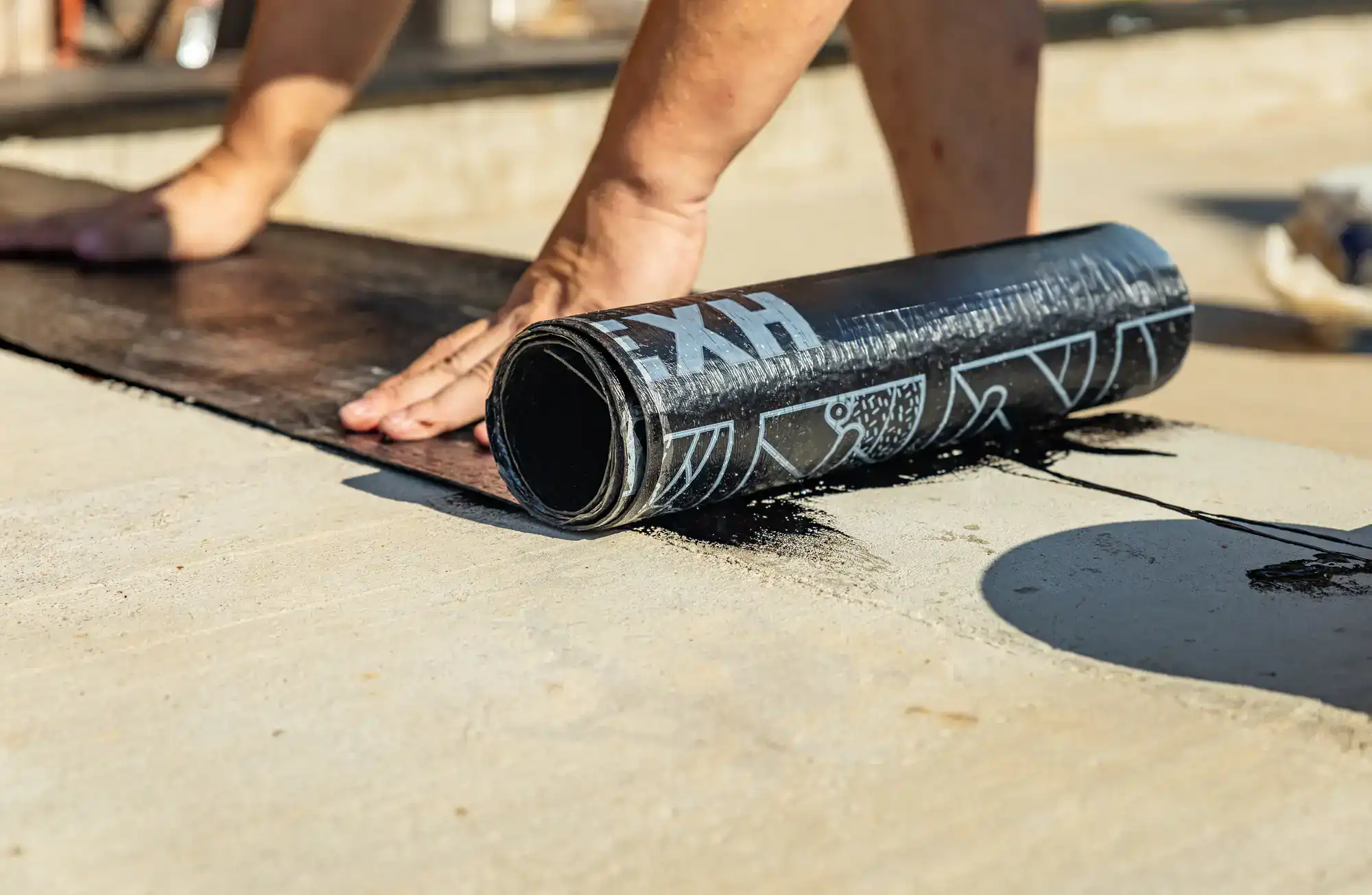
When your basement stays dry, you stop losing square footage you’re already paying for. In East Setauket, where the median home value sits above $855,000, a wet basement isn’t just an inconvenience it’s a liability. Buyers notice it. Inspectors flag it. And the longer it goes unaddressed, the more it costs to fix.
The soil conditions here are part of the problem most contractors don’t talk about. East Setauket sits on glacially deposited moraines layers of clay, till, and sand that hold water against your foundation long after the rain stops. That sustained pressure is what turns a hairline crack into a structural one, and what pushes moisture through block walls that looked solid for decades.
The August 2024 storms made this real for a lot of Three Village families. Parts of Long Island received up to 10 inches of rain in a single weekend, and East Setauket wasn’t spared one local family watched their basement fill with 9 feet of water. Homes with a properly installed interior drainage system and a battery-backup sump pump came through it. Homes without one didn’t. That’s the difference a real waterproofing system makes, and it’s the kind of outcome that lasts well beyond one storm season.
We serve East Setauket and the broader Three Village area as a local contractor not a national franchise routing calls through a call center. When you reach out, you’re talking to the same team that shows up, does the work, and stands behind it.
Every job starts with a thorough in-home inspection. That means walking your foundation, identifying the actual source of water intrusion, and explaining what’s happening before recommending anything. In a community where a significant portion of residents work in research, science, and finance many at Stony Brook University or right here in East Setauket we know that a vague pitch doesn’t fly. You want to understand the problem. We’re here to explain it.
We provide written, itemized estimates after every inspection. No phone quotes, no pressure, no surprises on the invoice. That’s how we’ve built a reputation worth protecting in this community.
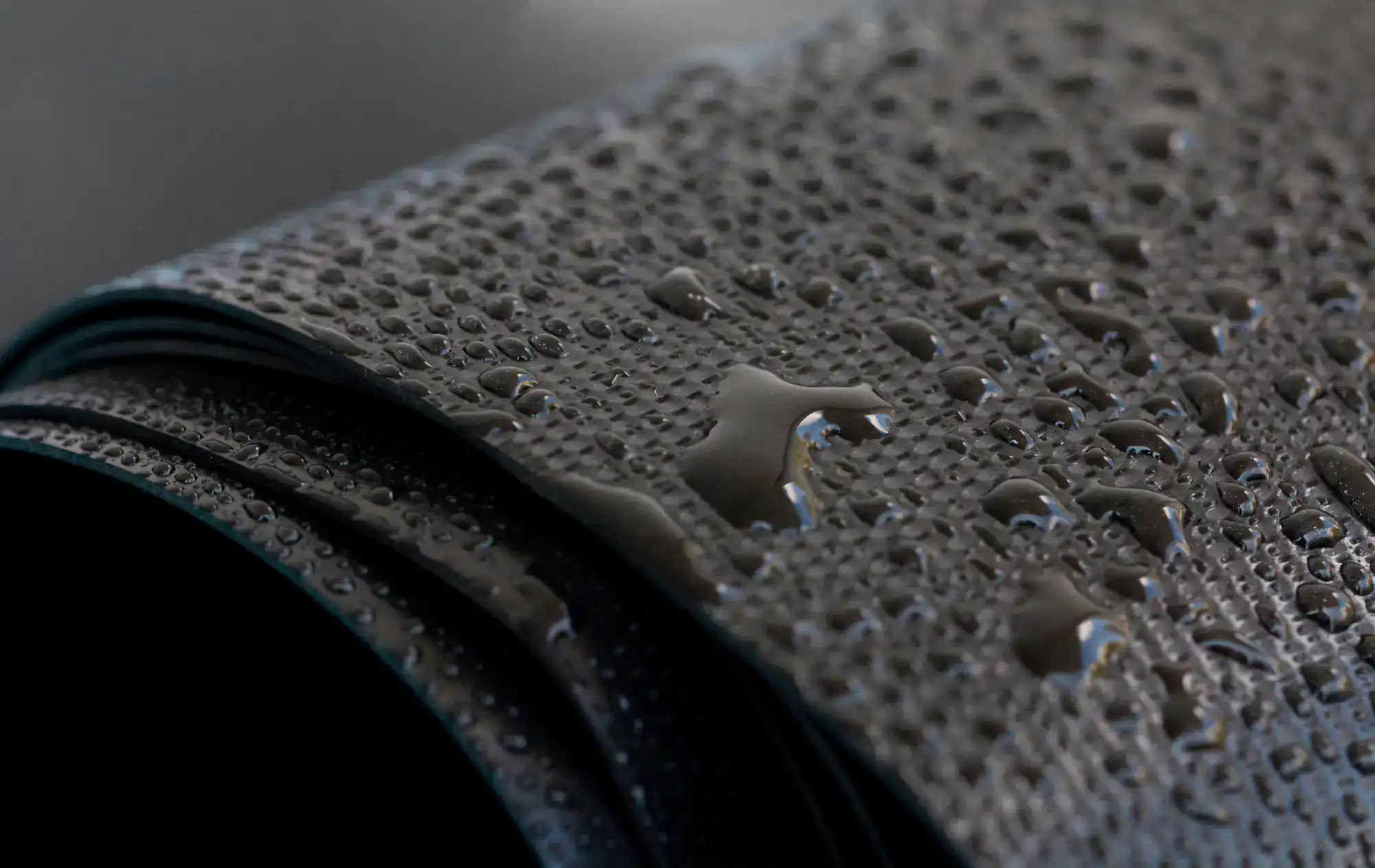
It starts with a free in-home inspection no cost, no obligation. We look at your foundation walls, check for active cracks or moisture points, assess the drainage conditions around your home, and identify whether you’re dealing with hydrostatic pressure, a failed damp-proofing coat, or something more specific to your property. Most homes in East Setauket’s 11733 ZIP code were built around 1969, which means the original damp-proofing has had 50-plus years to break down. That context matters when we’re figuring out what your basement actually needs.
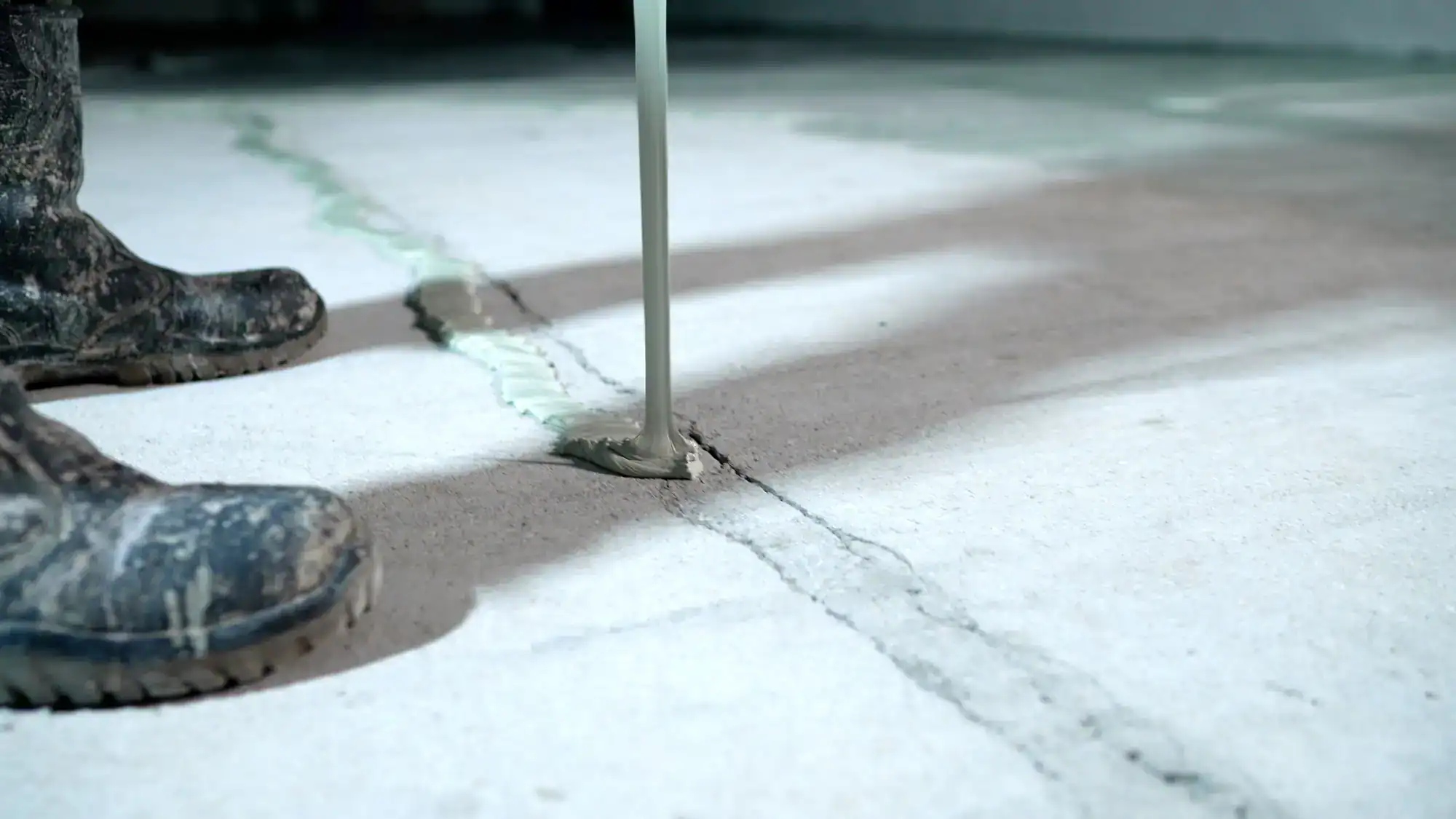
From there, you get a written estimate that breaks down the work clearly. If your foundation has active cracks, we’ll use epoxy or polyurethane injection depending on whether the crack is dormant or leaking. If the issue is broader water coming in at the floor-wall joint or through the block wall itself we may recommend an interior drainage system that channels water to a properly sized sump pump before it can cause damage.
For properties near the historic corridor along Route 25A or within East Setauket’s historic district areas, we’re also familiar with Brookhaven Town’s permit requirements, including the Foundation Wall Inspection that’s required before backfill on any structural work. We handle that coordination so you don’t have to figure it out yourself.
Ready to get started?
Basement waterproofing isn’t one thing it’s a category of solutions, and the right one depends entirely on what’s causing the problem. We offer interior basement waterproofing systems, basement leak repair, foundation crack sealing using epoxy and polyurethane injection, waterproofing of basement walls, and sump pump installation with battery backup. Each of those addresses a different entry point for water, and we won’t recommend one over another until we’ve inspected your specific situation.
For East Setauket homeowners, the most common issues we see are tied directly to the area’s conditions: clay-bearing soil that holds water against aging concrete block foundations, original damp-proofing that’s long past its useful life, and cracks that have been widened by decades of Long Island’s freeze-thaw cycles. A hairline crack that admits water in October will be measurably wider by April water expands roughly 9 percent when it freezes, and it does that repeatedly all winter.
Sump pump systems in coastal North Shore communities like East Setauket also need to account for salt air corrosion on hardware and the very real possibility of a power outage during the storms that cause the flooding in the first place. Battery backup isn’t optional here it’s the part of the system that actually works when you need it most.
The most common reason is hydrostatic pressure water-saturated soil pushing against your foundation walls with nowhere else to go. In East Setauket, the combination of clay-bearing glacial soils and a naturally elevated water table near the Long Island Sound means the ground around your foundation stays wet longer than it would in sandier, more inland areas. That sustained pressure finds the path of least resistance, which is usually an aging crack, a deteriorated mortar joint in a block wall, or the floor-wall joint at the base of your foundation.
Homes built in the 1960s and 1970s the majority of the housing stock in East Setauket were originally treated with asphalt damp-proofing, not true waterproofing. That coating was never designed to handle active water pressure, and after 50-plus years, it’s typically gone. If your basement leaks during or shortly after heavy rain, that’s the likely cause. The fix depends on the severity and source sometimes it’s targeted crack injection, sometimes it’s a full interior drainage system. A proper inspection is the only way to know for sure.
Damp-proofing is a thin asphalt or bituminous coating applied to the exterior of a foundation during original construction. It’s designed to resist soil moisture the kind of slow, passive dampness that comes from contact with damp earth. It is not designed to handle hydrostatic pressure, which is what happens when water actively pushes against your foundation from saturated soil. Most homes built before the 1980s received damp-proofing, not waterproofing, and that distinction matters a great deal on Long Island’s North Shore.
True basement waterproofing whether interior or exterior is engineered to manage active water intrusion. Interior systems typically involve a perimeter drainage channel, a sump pump, and sometimes wall panels that direct water down rather than letting it pool. Exterior waterproofing involves excavating around the foundation and applying a membrane that physically blocks water from entering. Interior systems are more common for existing homes because exterior excavation on an occupied property is significantly more disruptive and expensive. For most East Setauket homeowners dealing with a leaking basement, an interior system is the practical and effective solution.
Cost varies based on what the job actually requires, which is why a phone quote is never accurate. As a general reference point, targeted crack injection typically runs $800 to $1,500 per crack depending on length and method. A full interior drainage system with sump pump installation generally falls in the $4,500 to $10,000 range for a standard basement footprint. Sump pump replacement or new installation alone is typically $600 to $1,900. For a comprehensive waterproofing scope on a larger basement, the average nationally runs around $13,000 and East Setauket homes tend to be larger than average.
The more useful framing for most homeowners here is return on investment. With median home values above $855,000 in East Setauket, a basement that a buyer’s inspector flags as wet can reduce your sale price or kill a deal entirely. A transferable waterproofing warranty is a documented asset in that transaction. The cost of fixing a flooded basement after the fact including mold remediation, drywall replacement, and damaged belongings consistently exceeds the cost of waterproofing it properly in the first place.
It depends on the scope of work. For most interior waterproofing jobs crack injection, wall sealants, sump pump installation a permit is typically not required. However, any work that involves structural alterations to the foundation or modifications to the drainage system may require a permit from the Town of Brookhaven Building Division. Brookhaven Town also requires a Foundation Wall Inspection prior to backfill on any work that involves the exterior of the foundation, so if your job includes exterior waterproofing or excavation, that inspection needs to be coordinated in advance.
For homeowners in East Setauket’s historic district areas particularly properties near the Setauket Village Green or along the Route 25A historic corridor the Historic District Advisory Committee (HDAC) may have review jurisdiction over certain exterior alterations. This doesn’t typically affect interior waterproofing work, but it’s worth knowing if your project involves anything visible from the exterior. If you’re unsure whether your specific job requires a permit, the Brookhaven Building Division can be reached directly, and we can help you navigate that process before work begins.
For North Shore communities like East Setauket, it’s not really optional it’s the part of the system that works when conditions are worst. The storms that produce the most basement flooding are the same storms that knock out power. During the August 2024 event that brought up to 10 inches of rain to parts of Long Island over a single weekend, power outages were widespread across Suffolk County. A primary sump pump with no battery backup is essentially useless during a power failure, which means your drainage system stops working at the exact moment you need it most.
East Setauket’s proximity to the Long Island Sound and its coastal harbors also means salt air is a real factor for mechanical hardware. Sump pump components in this environment are subject to faster corrosion than in more inland communities, which makes regular inspection and appropriate material selection more important. A properly sized battery backup system one that’s been installed with the right hardware for coastal conditions keeps your basement protected through the full duration of a storm, regardless of what’s happening to the power grid outside.
The short answer is that you can’t reliably tell from visual inspection alone and neither can most people who aren’t trained to evaluate it. What looks like a hairline crack can be the beginning of a structural failure, or it can be a minor shrinkage crack that’s been stable for decades. The key factors are the direction of the crack, whether it’s widening over time, whether it’s allowing water intrusion, and what the surrounding soil conditions look like.
In East Setauket specifically, horizontal cracks in block foundation walls are a serious warning sign. They typically indicate lateral soil pressure the clay-bearing glacial soils on the North Shore pushing inward against the wall and they require prompt professional evaluation. Vertical cracks are more commonly shrinkage-related and may only need injection sealing. Stair-step cracks in block foundations often indicate differential settlement. Any crack that’s actively leaking water, regardless of size, needs to be addressed before the next winter freeze-thaw cycle makes it worse. The safest move is a professional inspection that gives you a clear answer, not a guess.