
Hear from Our Customers
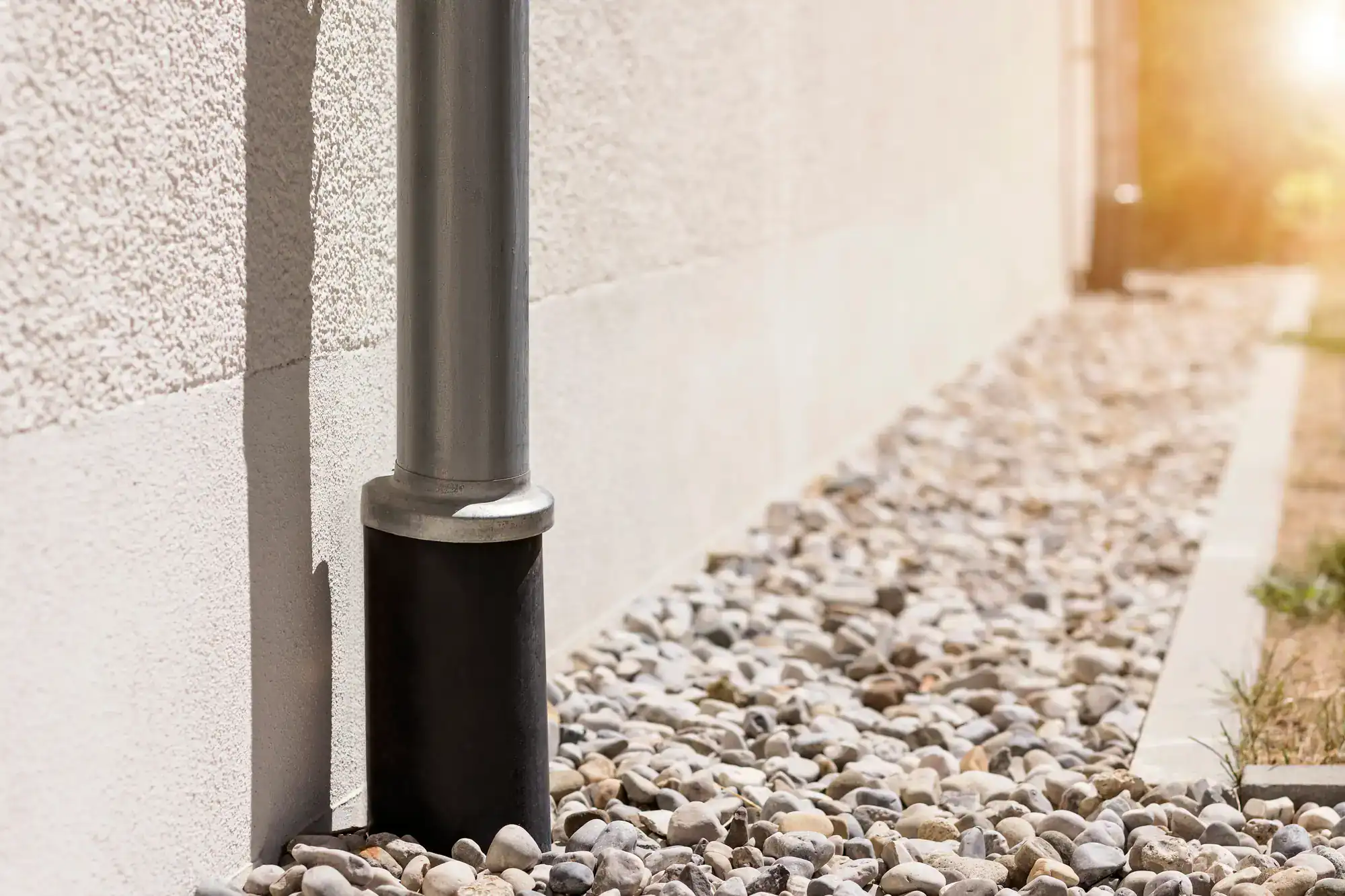
When a French drain system is installed correctly, the difference is immediate and lasting. Standing water that used to sit for days after a storm disappears. The soggy corner of your yard firms up. Your basement stops feeling like it’s fighting a losing battle every time it rains. That’s what a properly engineered residential French drain installation in Amityville, NY actually delivers not just a drier yard, but a home that isn’t quietly deteriorating underneath you.
For Amityville homeowners specifically, the stakes are higher than they are in most Long Island towns. About one-third of properties in the village sit in federally designated flood zones. The southern canal communities along Amity Harbor deal with groundwater that rises and falls with the tides not just with rainfall. And most of the housing stock here was built decades ago on land the Town of Babylon officially describes as low-lying marshland, without the drainage infrastructure that modern construction standards would require. A French drain system designed for an inland suburb isn’t the right answer here. The depth, the materials, and the outlet design all need to account for what’s actually happening beneath your property.
The financial case is straightforward. Foundation repair runs $15,000 to $50,000. Mold remediation starts at $3,000 and climbs fast. A documented wet basement can knock 10% or more off your home’s value at resale on a median Amityville home worth nearly $585,000, that’s close to $60,000 in lost equity. A residential French drain installation in Amityville typically costs between $5,000 and $9,250 depending on scope. That’s not an expense. It’s the cheaper option by a significant margin.
We work on the South Shore of Long Island, which means we’re not guessing at what your Amityville property is dealing with. We know what it looks like when a post-war Cape Cod in the north end of the village has been quietly taking on water for thirty years. We know what tidal groundwater does to a canal home in Amity Harbor. We know what happens to a foundation on a block that used to be marshland when the drainage system if there ever was one gives out.
That specific experience matters when you’re deciding who to call. A water drainage contractor who mostly works inland isn’t going to design the same system as one who understands how Great South Bay, shallow aquifers, and aging infrastructure all interact on the same property. We do this work here, for homes like yours, with materials and methods that are matched to what Long Island’s South Shore actually demands. When we assess your property, we’re not starting from a generic playbook.
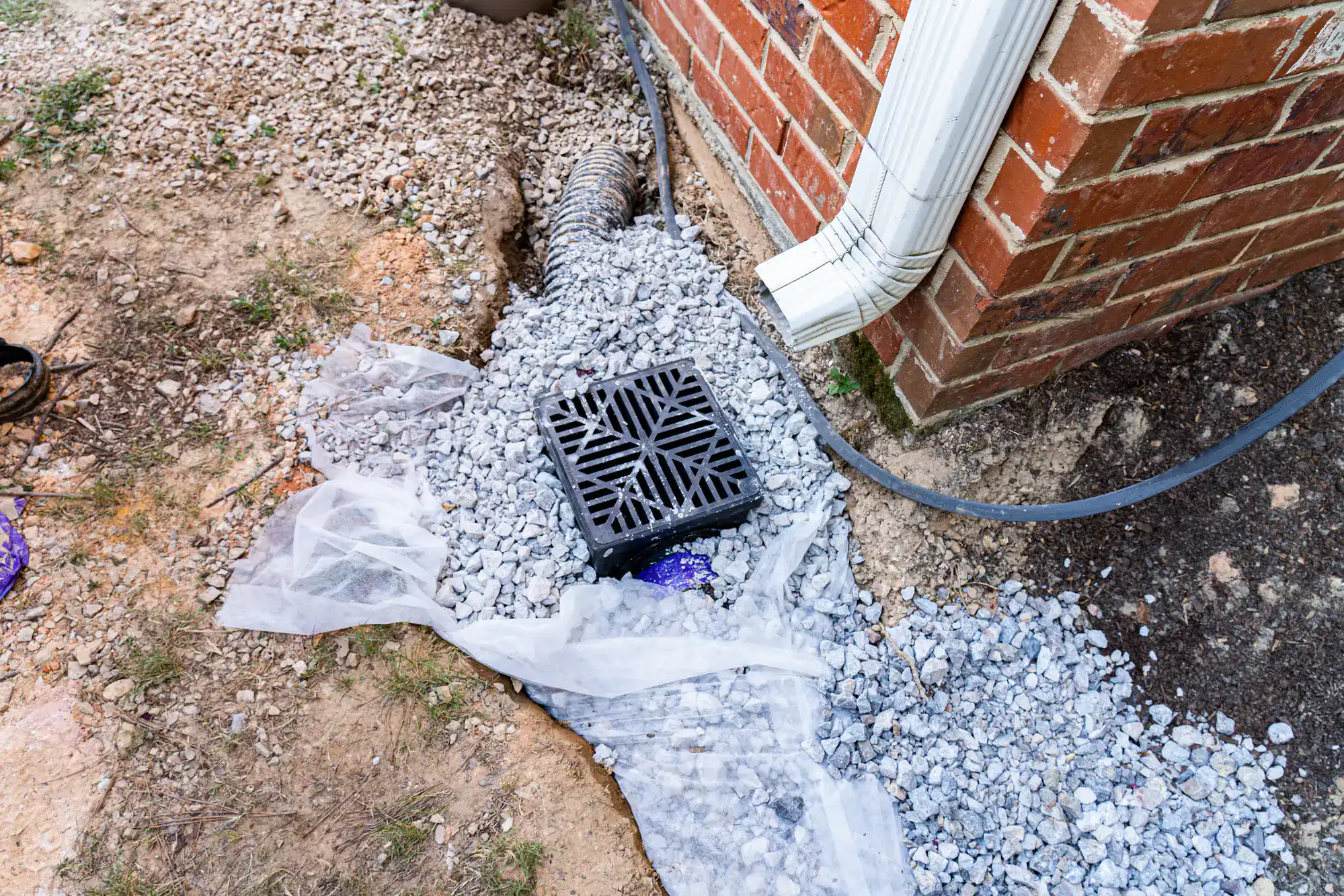
It starts with a free on-site assessment not a phone estimate, not a ballpark number based on your square footage. Drainage problems in Amityville are too site-specific for that. We come to your property, look at where water is collecting, evaluate your soil conditions, check your grade, and figure out what kind of system will actually solve the problem. That visit costs you nothing and commits you to nothing.
Once we’ve assessed the site, we walk you through exactly what we’re recommending and why pipe type, installation depth, gravel specification, fabric selection, and where the system will outlet. In a community where roughly a third of properties carry FEMA flood zone designations, some projects require permits before work begins. We handle all of that, including the mandatory 811 utility marking that New York State requires before any excavation. You don’t have to navigate the Village of Amityville’s permitting environment or the Town of Babylon’s stormwater compliance requirements on your own. We take care of it.
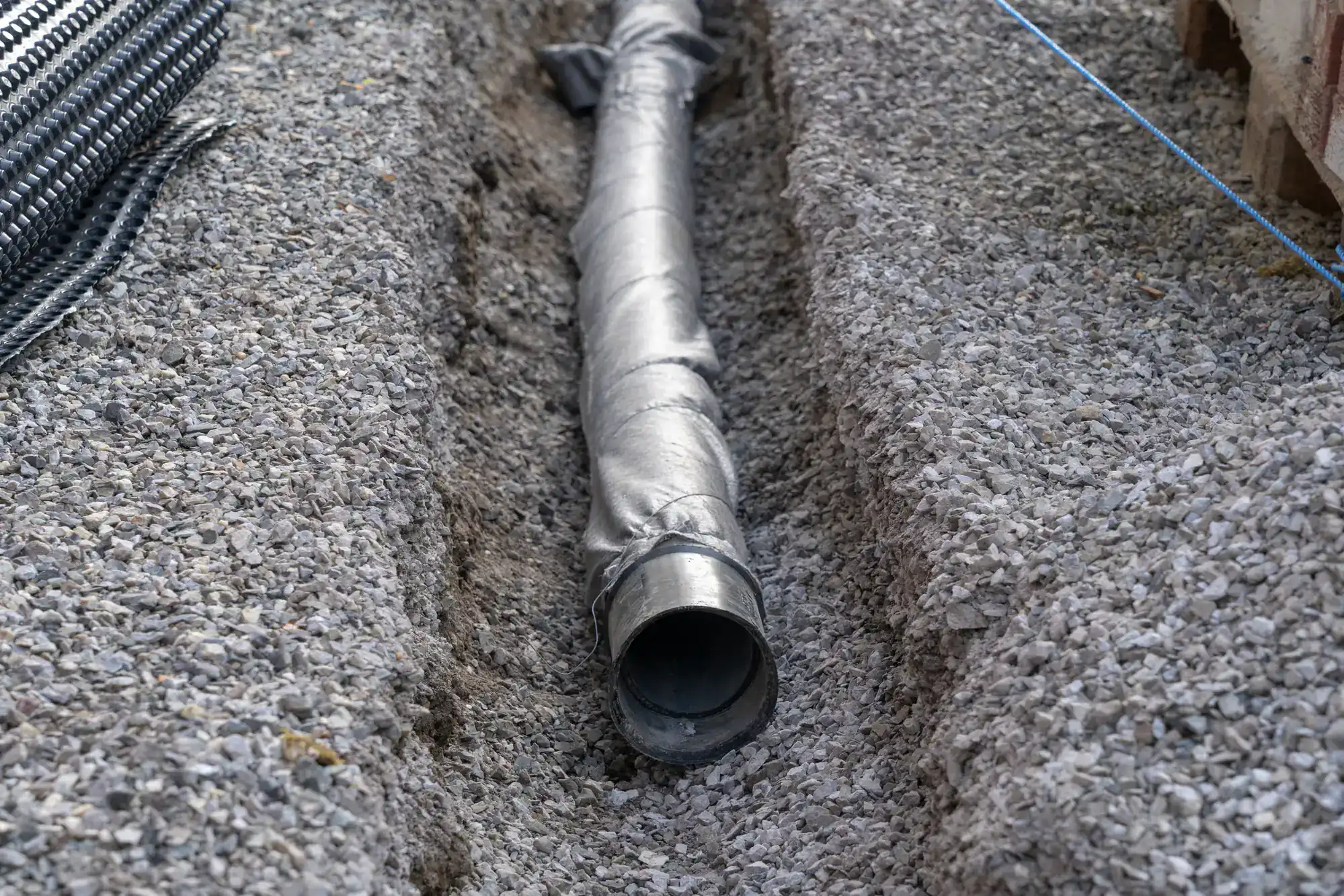
Installation typically runs one to three days for a residential project. We excavate the trench, set the pipe at the correct depth deep enough to stay below Long Island’s freeze-thaw line lay the geotextile fabric, backfill with washed angular gravel, and restore the yard when we’re done. Topsoil, seeding, cleanup all of it. When we leave, your yard should look better than it did before we arrived, and the drainage system underneath it should work for the next 30 to 40 years.
Ready to get started?
Every French drain system we install in Amityville is specified for the conditions on that property not templated from a one-size-fits-all design. That means rigid perforated pipe, not the cheap corrugated tubing that collapses or clogs within a few years. It means double-punched geotextile filter fabric matched to Long Island’s sandy-silt South Shore soils, which will infiltrate and block an unprotected system faster than most homeowners realize. It means correct pipe slope a consistent one-inch drop per eight to ten feet so water actually flows to the outlet instead of pooling in the line.
For homes in the southern sections of Amityville near the canal communities and Amity Harbor, we account for tidal groundwater influence in the system design. That’s a real factor here that doesn’t apply to most of Long Island, and it changes how a French drain for yard drainage needs to be engineered. For the older post-war homes in the northern parts of the village the Cape Cods and ranches built in the 1950s and 60s on what was originally wetland we focus on retrofitting a system that addresses decades of drainage deficiency without compromising the existing foundation or landscaping.
Every project includes a workmanship warranty. If the system doesn’t perform as designed, we come back and make it right. In a market where a lot of homeowners have already paid for drainage work that failed, a written warranty isn’t a bonus it’s the baseline standard you should expect from any contractor you hire.
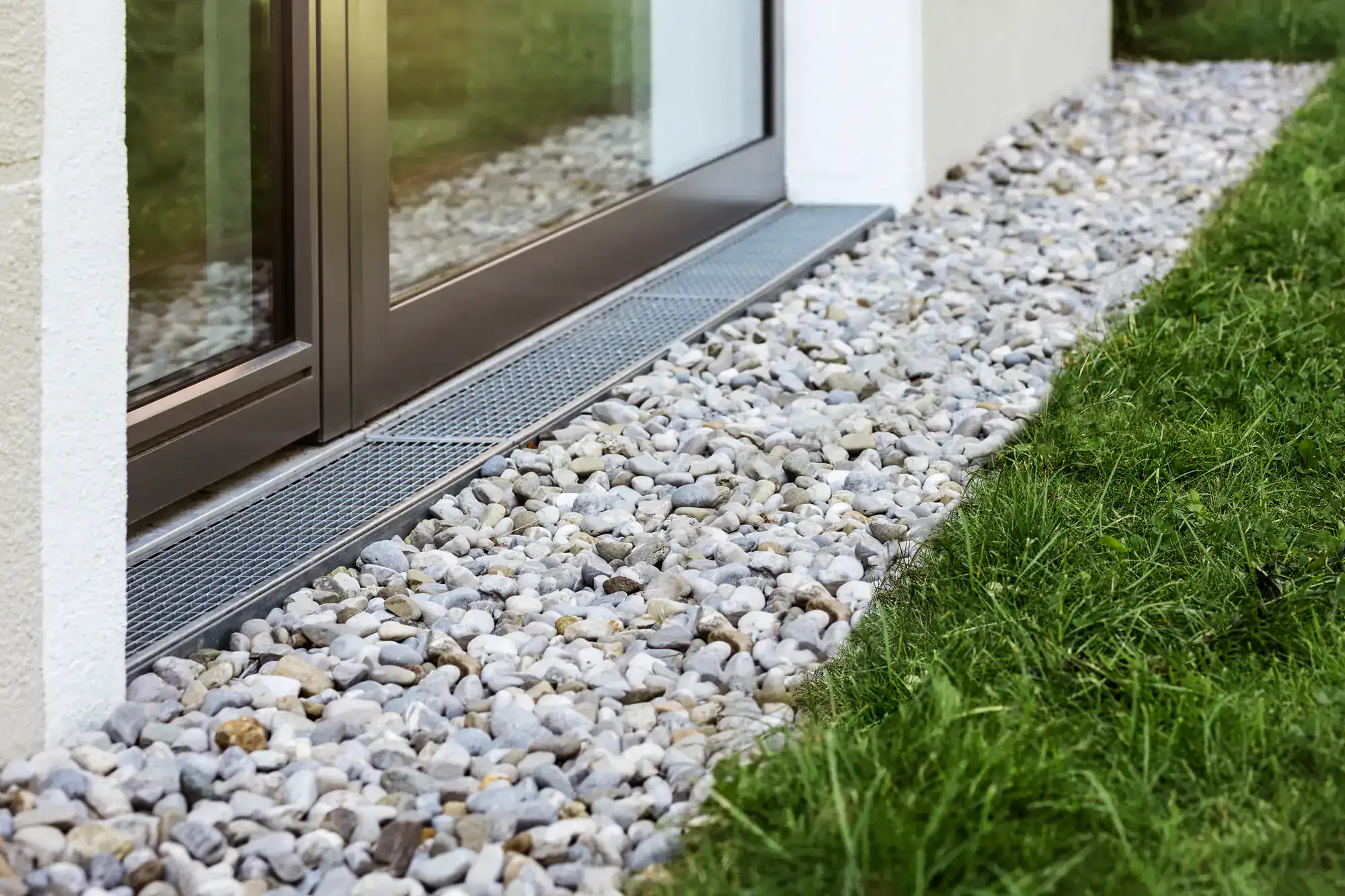
It depends on the specifics of your project, but for many Amityville properties especially those in or near FEMA flood zones the answer is yes. The Village of Amityville has its own building and code enforcement authority, and the Town of Babylon’s Department of Environmental Control oversees stormwater compliance for the broader area. Projects that alter surface water flow, discharge to a storm sewer, or are located near designated wetlands or flood zone boundaries typically require permits before work begins.
New York State also mandates that all excavation projects call 811 before digging to mark underground utilities. In Amityville’s older neighborhoods, utility infrastructure isn’t always mapped with precision, which makes this step especially important. We handle all permit applications, utility marking coordination, and inspection scheduling on every project we take on in Amityville. You won’t have to figure out which permits apply to your specific address or make calls to multiple agencies that’s part of what we do.
Most residential French drain installations in Amityville run between $5,000 and $9,250, though the range for larger or more complex projects can stretch from around $1,650 on the low end to $12,250 or more. What drives the cost is scope how many linear feet of pipe the system requires, how deep the installation needs to go, whether the outlet ties into an existing storm sewer or daylights into the yard, and how much restoration work is involved after excavation.
For Amityville homeowners, it’s worth putting that number against the alternative. Foundation crack repair costs between $15,000 and $50,000. Mold remediation starts at $3,000 and escalates depending on how far it’s spread. A wet basement documented during a home inspection can reduce your sale price by 10% or more on a home worth close to $585,000, that’s real money. The French drain is almost always the cheaper path when you factor in what happens if you wait. We provide detailed, itemized proposals before any work begins so you know exactly what you’re paying for and why.
They solve different parts of the same problem, and in a lot of Amityville homes, you may need both but they’re not interchangeable. A French drain is an exterior system. It intercepts groundwater and surface water before it reaches your foundation, redirecting it away from the structure through a perforated pipe and gravel trench. It’s a preventive system it stops water from building up against your foundation walls in the first place.
A sump pump is an interior system. It collects water that has already entered the basement and pumps it out. If your basement is taking on water because hydrostatic pressure is pushing it through the foundation wall, a sump pump manages the symptom but doesn’t address the cause. For homes in the southern sections of Amityville where tidal groundwater cycles can raise the water table even during dry weather an exterior French drain system that addresses the source is often the more complete solution. We’ll tell you honestly during the site assessment which approach makes sense for your specific situation, or whether a combination of both is the right answer.
A properly installed French drain system should last 30 to 40 years. The key word is properly. The most common reason French drains fail early sometimes within three to five years is poor material selection or installation shortcuts. Cheap corrugated pipe collapses under soil pressure. Absent or wrong geotextile fabric allows the sandy-silt soils common on Long Island’s South Shore to infiltrate the gravel bed and clog the pipe. Pipes installed too shallow freeze and crack during Long Island’s winter freeze-thaw cycles, which can be significant even in a relatively mild coastal climate like Amityville’s.
We install rigid perforated pipe, use double-punched geotextile fabric matched to South Shore soil conditions, and set pipe depth appropriate for the freeze-thaw exposure this area sees. We also maintain correct pipe slope throughout the run a consistent one-inch drop per eight to ten feet so the system drains completely and doesn’t allow standing water to sit in the line. When those details are done right, 30 to 40 years of reliable performance is a realistic expectation, not a marketing claim.
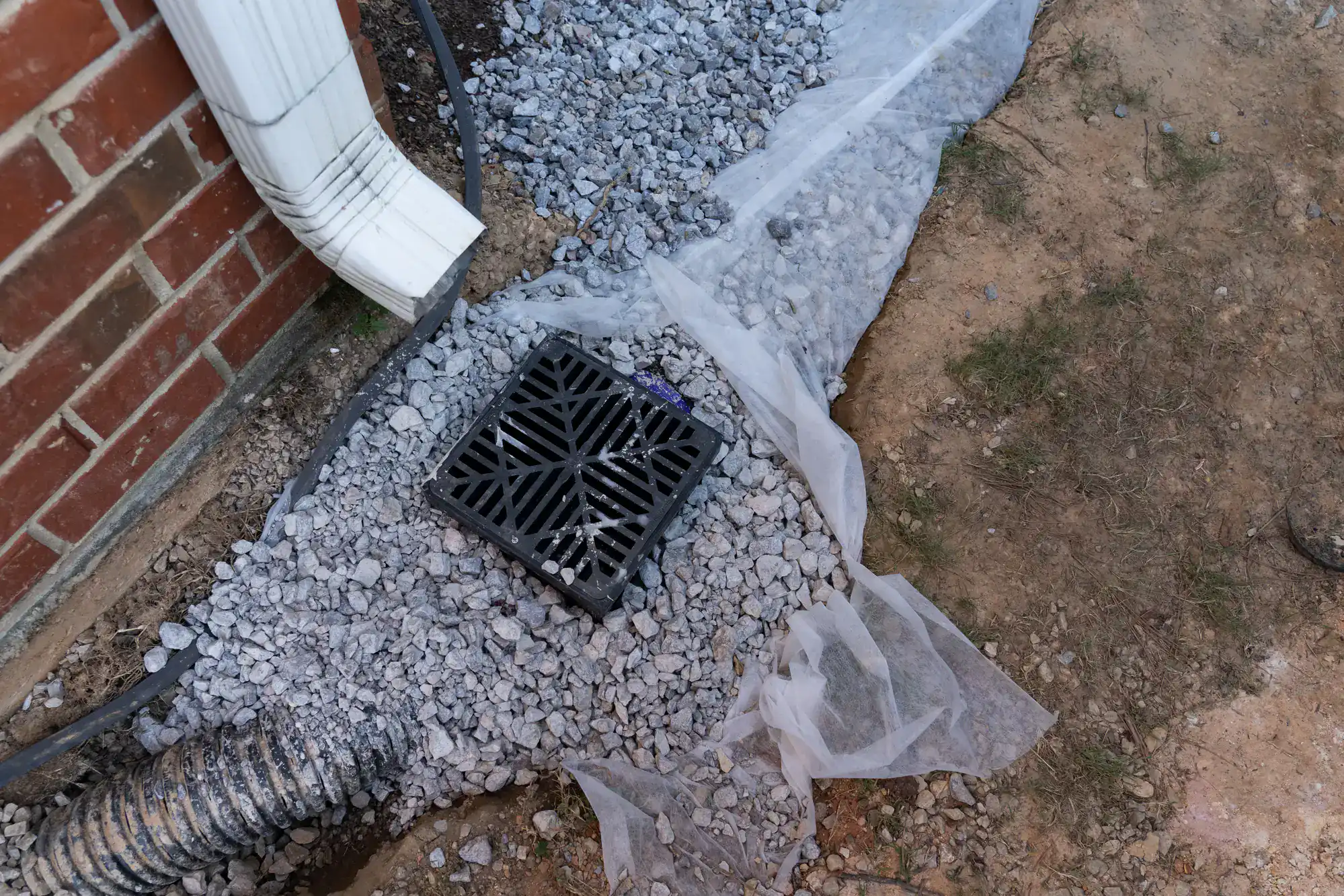
Sometimes yes, sometimes the problem calls for something different a dry well, a catch basin, or a combination of systems. The honest answer is that it depends on what’s causing the water to pool. If water is collecting because the grade of your yard directs runoff toward a low point, a French drain intercepting that flow is likely the right answer. If you have a single concentrated collection point like a low spot in the middle of the yard a catch basin feeding into a drain line may be more effective. If the issue is high groundwater rather than surface runoff, the system design changes accordingly.
In Amityville, the cause is often more than one thing at once. Low-lying terrain, shallow water tables, aging drainage infrastructure, and high impervious surface coverage from dense residential development all contribute to chronic wet yards. That’s why the site assessment matters we’re not going to recommend a French drain for yard drainage in Amityville just because it’s the most common solution. We look at what’s actually happening on your specific property before recommending anything.
It can, but the design has to account for conditions that don’t exist in most other Long Island towns. In the canal communities along Amity Harbor and the southern sections of Amityville near Great South Bay, groundwater levels are influenced by tidal cycles not just by rainfall. That means the water table can rise and push against your foundation even during dry weather, driven by tidal pressure rather than a recent storm. A standard French drain designed for inland suburban drainage may not be sufficient for this dynamic.
For properties in these areas, we design systems that account for tidal groundwater behavior including outlet placement, pipe depth, and gravel bed sizing that can handle the volume and frequency of groundwater movement in a coastal environment. We also factor in FEMA flood zone designations, which are common in the southern sections of Amityville, and any permit requirements that apply to drainage work near the water. If you’re in Amity Harbor or anywhere south of the LIRR tracks in Amityville, the drainage conversation starts with understanding your tidal exposure and that’s exactly where we start.