Hear from Our Customers
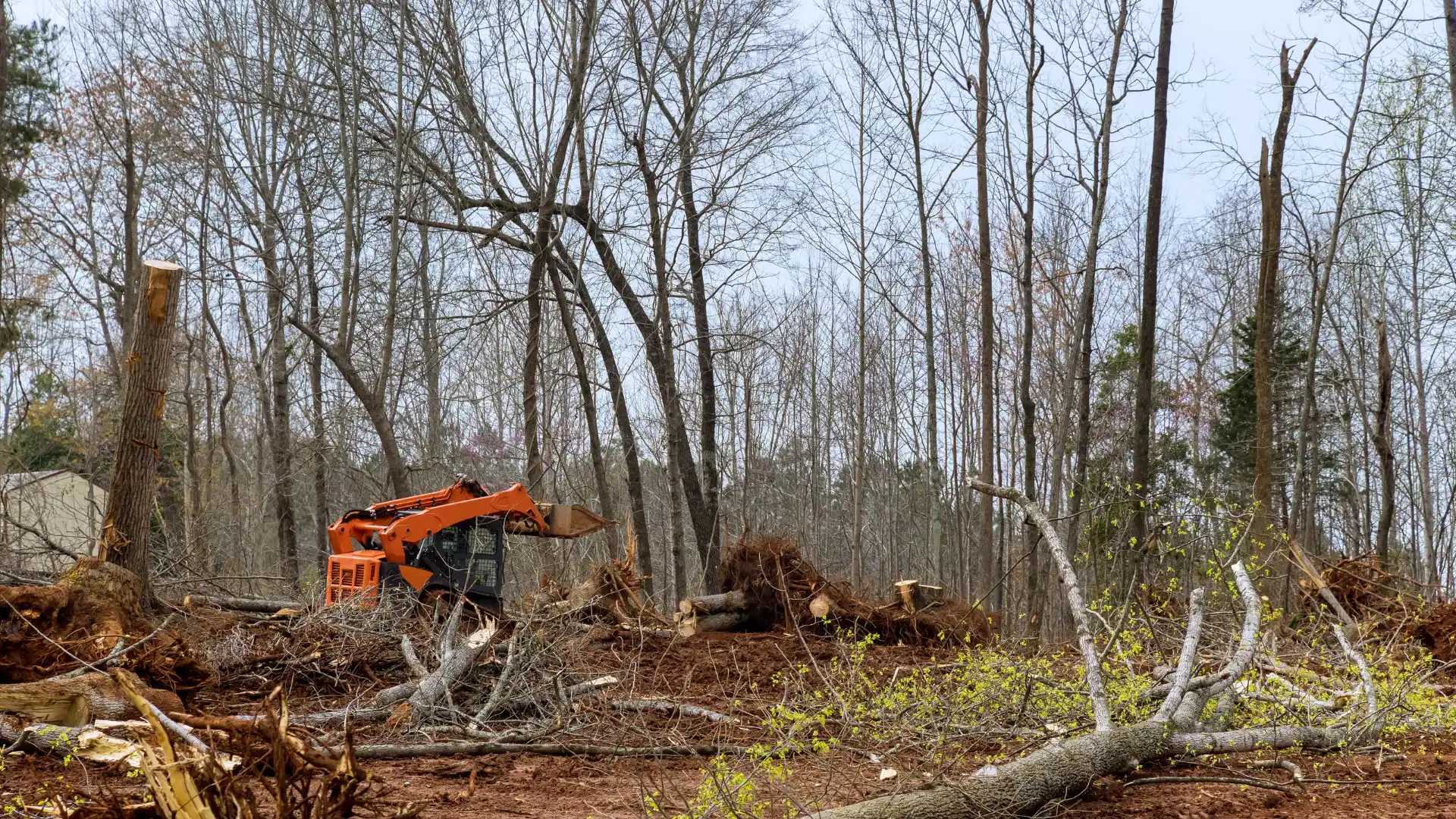
When a property has been sitting for years or decades it stops working for you. The overgrowth takes over, the usable space shrinks, and what should be an asset starts feeling like a liability. Once it’s cleared properly, that changes fast. You get your property back. You can see the boundaries, plan what comes next, and actually use the land you’re paying taxes on.
For Amityville homeowners specifically, that matters in ways that go beyond aesthetics. Properties on the southern necks and along the Great South Bay tend to accumulate dense waterfront vegetation phragmites, invasive shrubs, and reed growth that crowds out everything else and can quietly affect drainage and property value at the same time. Clearing that out correctly, without triggering a wetland buffer issue, is a different job than clearing a flat inland lot. It requires someone who knows what they’re looking at.
The village’s housing stock also plays a role. Most Amityville properties were built between the 1940s and 1970s, which means decades of unchecked growth along fence lines, back boundaries, and neglected corners. Estates change hands. Properties sit. By the time a new owner is ready to act, they’re often dealing with Norway maple seedlings, multiflora rose thickets, and Japanese knotweed that’s already pushing against the foundation. Getting ahead of that or reclaiming a property that’s already there is exactly what land reclamation services in Amityville are built for.
Gold Coast Landworks is a full-service land clearing contractor serving Amityville and the surrounding South Shore communities. Every job we take on from brush clearing to full lot clearing is handled by our own crew, with our own equipment, from first site visit to final cleanup. There’s no handoff to a subcontractor halfway through.
We work in the Town of Babylon regularly, which means we know the land clearing permit process through the Department of Planning and Development not in theory, but from actual experience filing applications and managing timelines around approvals. For Amityville specifically, we understand the added layer that comes with being an incorporated village: local ordinances that sit on top of the town framework, and NYSDEC oversight that applies to any work near Amityville Creek or the bay margins.
When you call us, you’re talking to someone who has worked on properties in Amityville, knows what South Shore Long Island vegetation actually looks like, and won’t show up to your job and start figuring things out on the fly.
It starts with a site visit. Before we quote anything, we walk the property with you, identify what’s there, and flag anything that affects scope, access, or permitting. On Amityville properties, that often means checking proximity to Amityville Creek, identifying invasive species like Japanese knotweed or phragmites that require specific removal techniques, and confirming whether the lot falls under any wetland buffer restrictions.
From there, we handle the permit. The Town of Babylon requires a land clearing permit from the Building Division for any clearing of trees or vegetation on private property this isn’t optional, and it applies to jobs of essentially any size. We manage that process as a standard part of every project, not an afterthought. You don’t have to figure out which forms to file or which office to call. That’s on us.
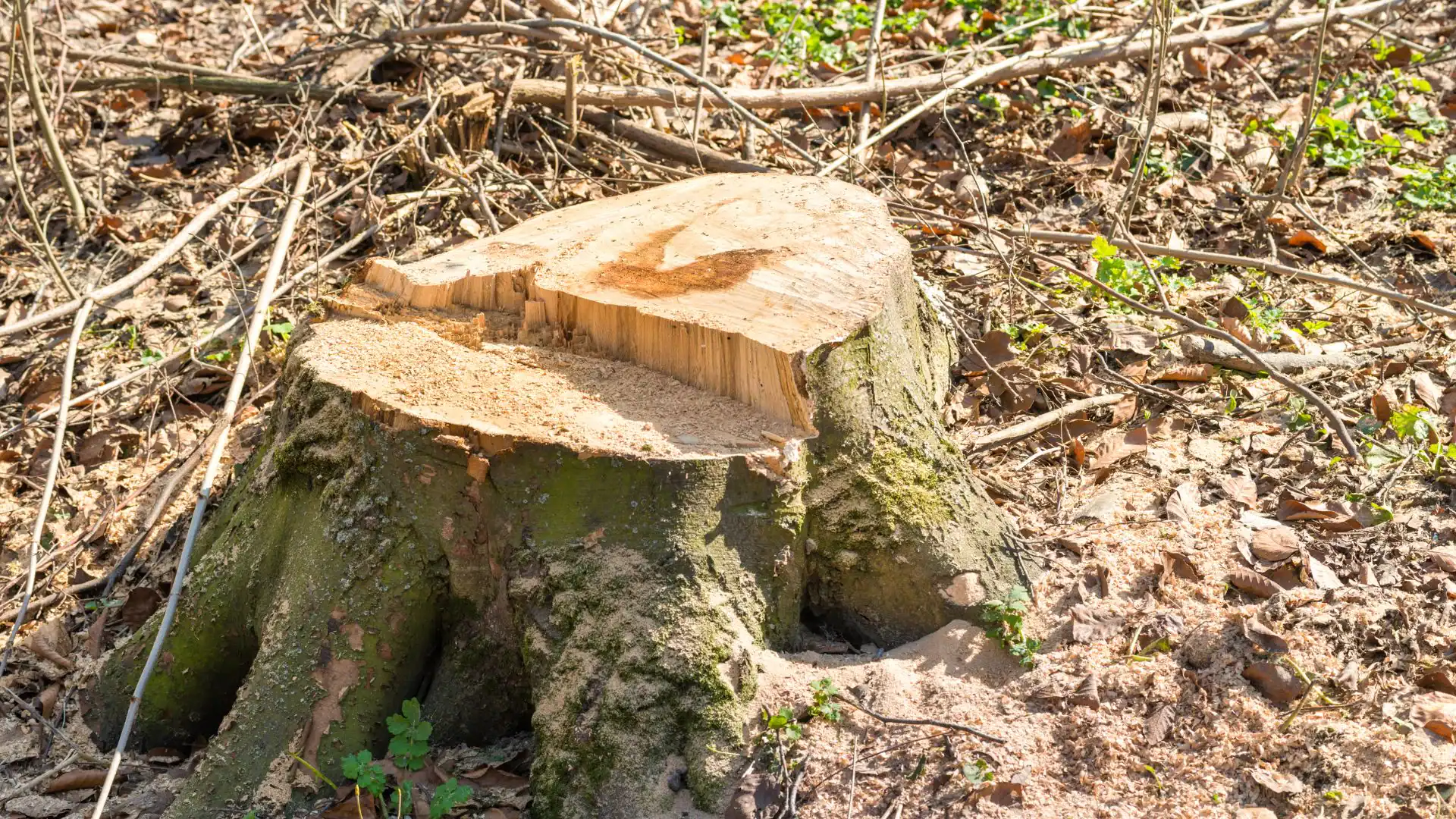
Once permits are confirmed, we schedule the work and execute it in the right sequence clearing first, stump grinding to below grade, then debris removal and site cleanup. Nothing gets left behind. By the time we’re done, the site is clean, the boundaries are intact, and you have a property that’s genuinely ready for whatever comes next whether that’s landscaping, construction, or listing. One crew, one scope, one result.
Ready to get started?
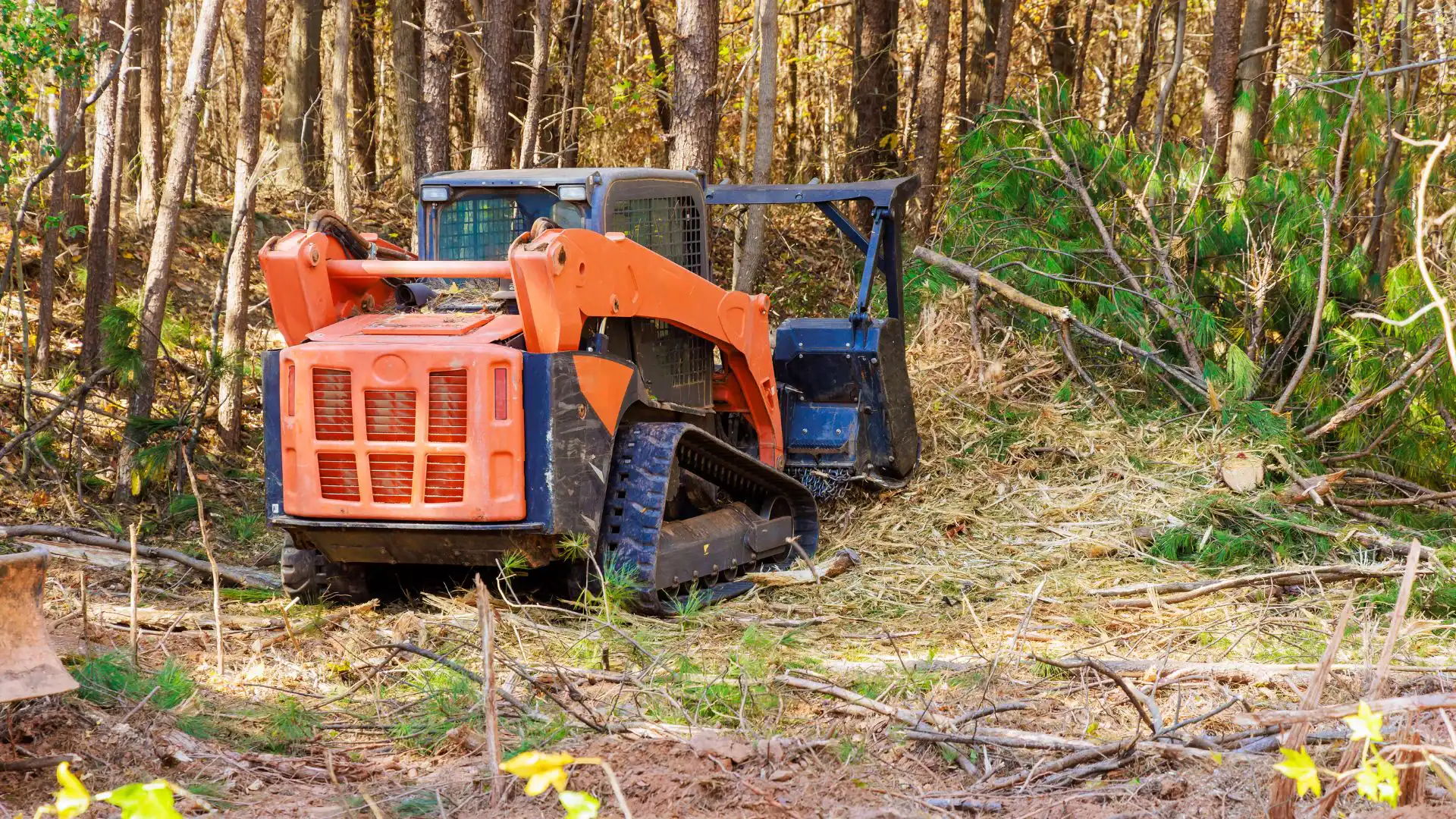
Land clearing services in Amityville through Gold Coast Landworks cover the full scope: vegetation removal, brush clearing, stump grinding, debris processing, and site cleanup. We don’t clear the trees and leave the stumps. We don’t pile the debris and call it done. The job isn’t finished until the property is clean and usable that’s what full-service means in practice.
For overgrown property clearing in Amityville, that often means dealing with species that don’t respond to standard clearing methods. Japanese knotweed, for example, can regenerate from small root fragments if it’s not removed correctly, it comes back worse than before. Phragmites along the bay margins requires targeted removal to prevent regrowth and avoid disturbing the areas near the water’s edge that fall under state environmental oversight. We know the difference, and we work accordingly.
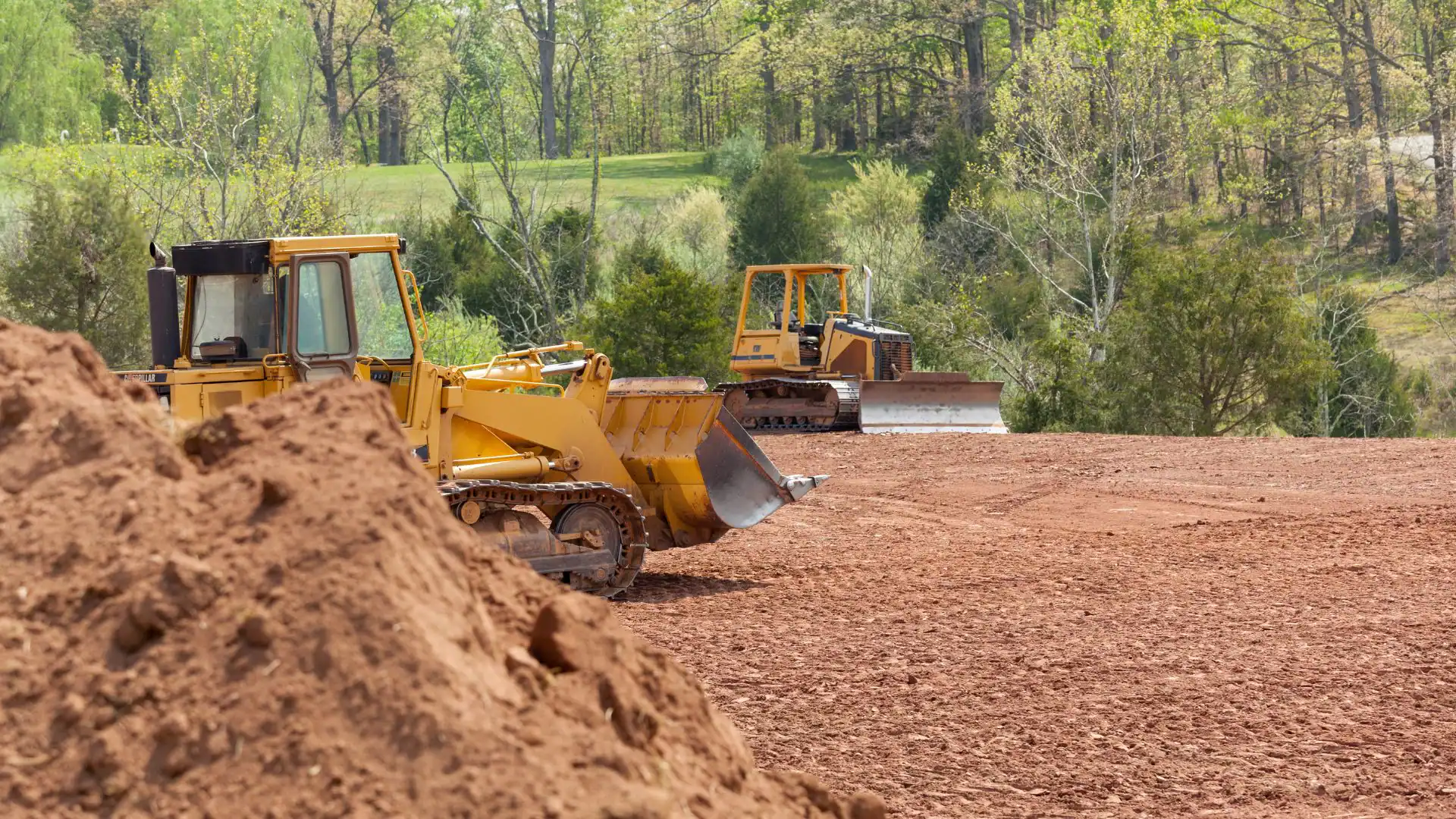
For properties tied to Amityville’s active downtown revitalization or new residential construction, we also handle construction-ready site preparation grading-ready clearing that leaves a site in the condition a builder actually needs, not just visually clear. Whether you’re on one of the necks, in the village core near Merrick Road, or on a lot in North Amityville that falls under the same Town of Babylon framework, the scope we deliver is the same: complete, permitted, and done right.
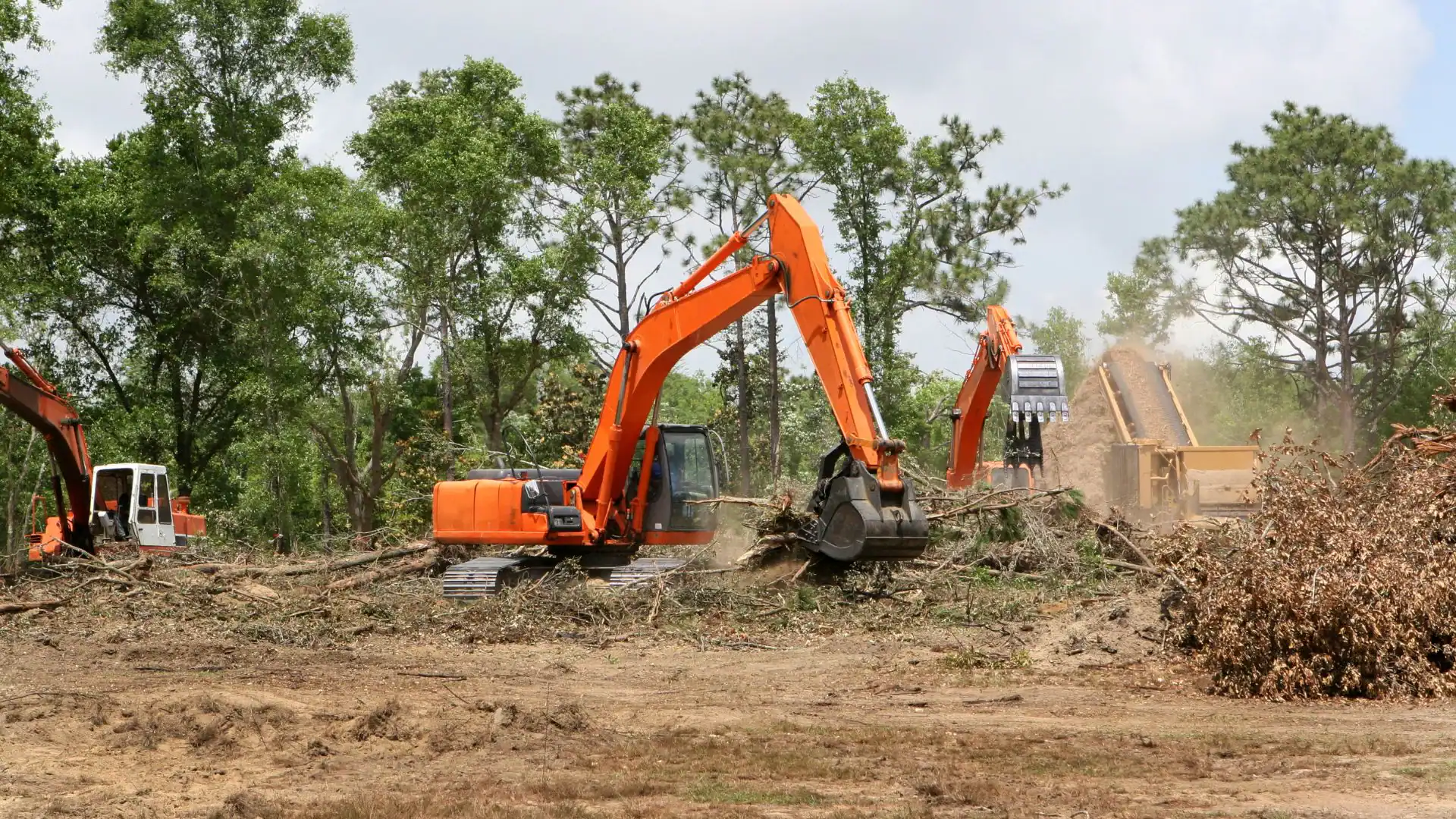
Yes and this catches a lot of Amityville property owners off guard. The Town of Babylon requires a land clearing permit from the Department of Planning and Development, Building Division, for any clearing of trees or associated vegetation on private property. This isn’t a threshold-based rule where small jobs are exempt. It applies broadly, which means even a modest clearing project technically requires approval before work begins.
Because Amityville is an incorporated village, there’s also a second layer to be aware of. The village has its own local governance that may impose additional requirements on top of the town framework. And if your property is near Amityville Creek or the Great South Bay, you may also need to deal with the New York State Department of Environmental Conservation before any clearing near a wetland buffer can proceed. The short version: permits are required, the process has multiple steps depending on your property’s location, and starting work without them puts you at risk of enforcement action, stop-work orders, or having to restore cleared vegetation at your own expense. We handle this process as part of every job we take on.
South Shore Long Island has some of the most aggressive invasive species pressure in the Northeast, and Amityville properties reflect that. The ones we see most often are Japanese knotweed, Norway maple, phragmites, porcelain berry vine, and multiflora rose. Each one behaves differently and requires a different removal approach which matters more than most people realize.
Japanese knotweed is the one that causes the most problems when it’s handled incorrectly. It can regenerate from small root fragments left in the ground, so cutting it back without addressing the root system just delays the problem. It’s also known to damage foundations and pavement over time, which makes it more than just a nuisance on an older Amityville property. Phragmites is common along any ground near the bay or drainage areas, and its removal near the water’s edge needs to account for NYSDEC buffer regulations. Nassau and Suffolk Counties were actually the first in New York State to establish legislative lists prohibiting the sale of invasive species the problem here is well-documented and well-established. Knowing what’s on your property before clearing begins is the first step to making sure it doesn’t come back.
It varies depending on lot size, vegetation density, species present, and what’s included in the scope but for a standard residential lot in Amityville, you’re generally looking at a range that reflects the full cost of doing the job properly: clearing, stump grinding, debris removal, and site cleanup included. Waterfront properties on the necks or lots with significant invasive species like Japanese knotweed will typically run higher because the work is more complex and takes longer to do correctly.
What you want to avoid is a quote that looks low because it’s missing half the scope. A number that doesn’t include stump grinding or debris haulage will always look better upfront and always cost more by the time the job is done. We provide itemized quotes that break down every component before anything is agreed to, so you know exactly what you’re paying for and what the finished site will look like. Given that the median home value in Amityville is close to $585,000, the cost of getting this wrong a permit violation, a knotweed regrowth problem, or a site that isn’t actually construction-ready is a lot higher than the cost of doing it right the first time.
Spring is the busiest season for land clearing on Long Island, and for good reason. Property owners who’ve been watching overgrowth all winter want to act before summer growth kicks in, and construction season is ramping up at the same time. If you’re planning a spring project, booking early is worth doing schedules fill up quickly between March and May.
That said, fall is also a strong window for clearing work in Amityville, particularly for properties tied to construction timelines or year-end development goals. Ground conditions stay firm through October, and clearing deciduous vegetation in the fall or even in dormant winter months can actually be easier because leafless trees and shrubs give the crew better visibility and access. The one thing to plan around is the Town of Babylon permit timeline. Permit applications take time to process, and if you’re working toward a specific construction start date or a building permit that requires clearing to be completed first, you want to factor that lead time into your schedule. We can help you work backward from your deadline to make sure the timing lines up.
Yes but it requires knowing where the regulatory lines are before the work starts, not after. Properties on Amityville’s southern necks and along the Great South Bay are some of the most desirable in the village, and they’re also the most regulated when it comes to vegetation removal. Work near tidal water and mapped wetland areas falls under NYSDEC oversight, and clearing too close to the water’s edge without the appropriate approvals can trigger enforcement action from state environmental authorities separate from and in addition to the Town of Babylon land clearing permit.
The practical reality is that waterfront clearing on the necks is a different job than clearing an inland residential lot. The vegetation is different phragmites and other wetland-margin species are common and the buffer zones that govern how close you can work to the water’s edge vary depending on the specific property and its mapped wetland boundaries. We assess these conditions during the initial site visit and confirm what approvals are needed before any work begins. The goal is a clean, usable property that stays compliant not a cleared lot that comes with a state enforcement notice three weeks later.
It’s one of the highest-return improvements you can make before listing or building. A cleared, clean lot reads completely differently to a buyer or a builder than an overgrown one and in a market where Amityville home values have nearly tripled since 2000, first impressions carry real weight. Buyers can see the boundaries, understand the usable space, and picture what the property can become. That changes how they value it.
For new construction specifically, clearing needs to go beyond just removing vegetation the site needs to be genuinely construction-ready, which means stumps ground to below grade, debris fully removed, and the lot in a condition that a foundation crew can actually work with. Amityville’s active development environment including the downtown revitalization projects underway and the ongoing demand for infill residential construction means that properly prepared sites move faster and attract better offers. We also make sure the clearing work is fully permitted through the Town of Babylon before construction begins, so there are no compliance issues that could hold up your building permit or delay your project start date.