
Hear from Our Customers
Living this close to Great South Bay means your foundation is working harder than most. When a nor’easter pushes water north through the bay, or a summer storm drops nine inches of rain in a few hours like August 2024 did your basement is on the front line. A properly waterproofed basement doesn’t just stay dry during those events. It gives you back usable space, peace of mind, and a home that holds its value.
Amityville’s housing stock averages 63 years old, and nearly a quarter of homes here were built before 1939. Those foundations were never designed for the hydrostatic pressure that builds up in a coastal, high-water-table environment. What you’re dealing with isn’t a failing home it’s a home that needs what it was never originally given. Once the right system is in place, the seasonal anxiety around heavy rain stops being part of your routine.
And if you’re thinking about selling someday, a documented waterproofing system with a transferable warranty is something a buyer’s inspector will actually notice. At a median home value pushing $585,000, that’s not a small thing.
We work on Long Island, which means we understand what South Shore homes in Amityville actually deal with. The sandy and clay soil mix that moves water unpredictably toward foundations. The water table that rises fast near the bay after a storm. The block and poured concrete foundations in older Amityville and North Amityville homes that have been through decades of freeze-thaw cycles and are showing it.
We don’t show up with a predetermined system to sell you. We inspect the interior and exterior of your home first walls, floor, grading, drainage and we explain what we find before we recommend anything. If a simple crack repair solves your problem, that’s what we’ll tell you. If you need a full interior drainage system, we’ll walk you through exactly why.
The Village of Amityville has its own flood damage prevention ordinance, and the permit landscape differs between the village and North Amityville under the Town of Babylon. We know the difference, and we handle that process when it’s required.
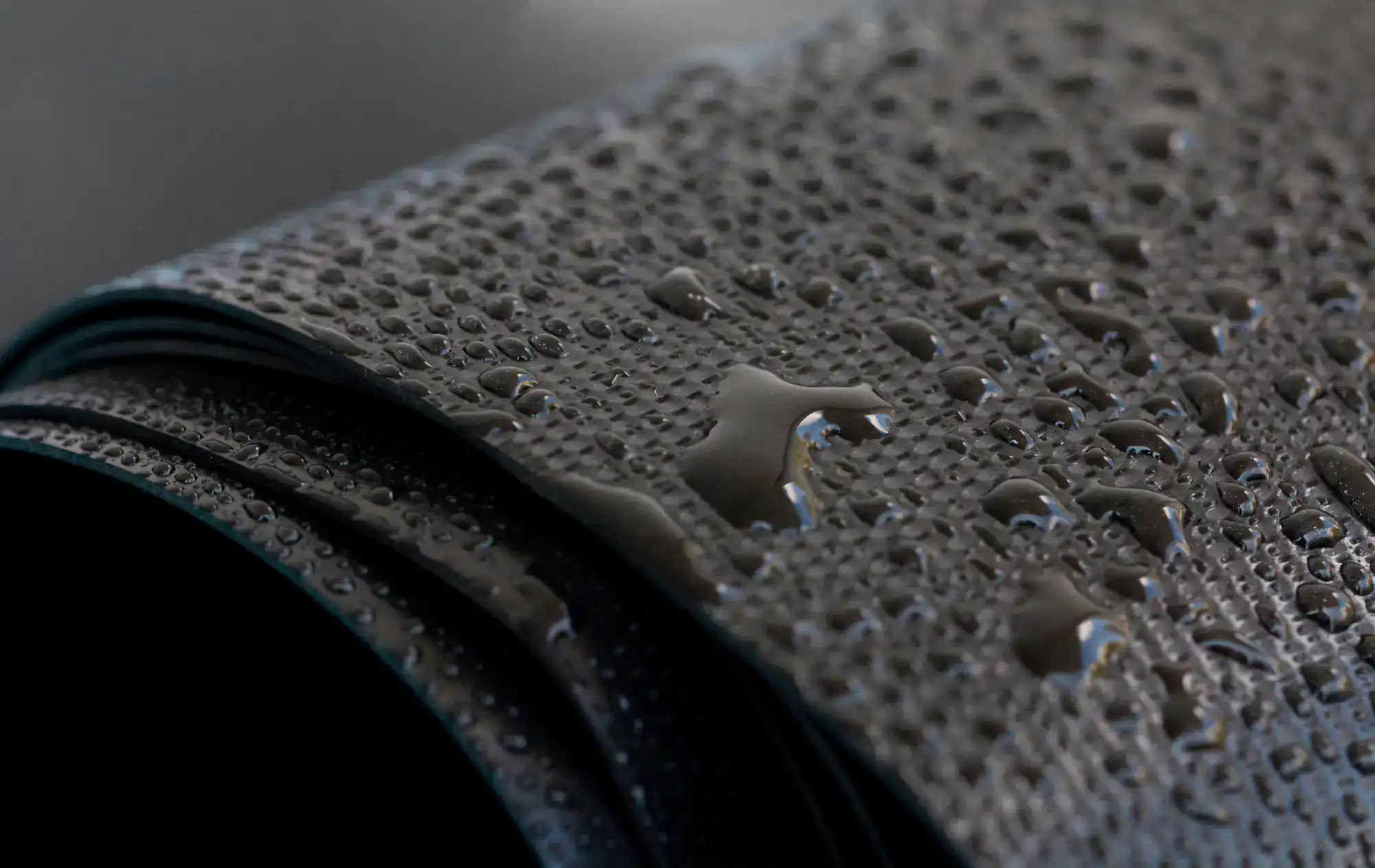
It starts with a free in-home inspection not a phone estimate, not a generic quote based on square footage. We come to your property, walk the interior and exterior, and look at everything: foundation walls, floor joints, window wells, grading, existing drainage, and any visible cracks or moisture staining. By the end of that visit, you’ll know what’s causing the problem and what it will take to fix it.
From there, the scope of work depends entirely on what we found. For some Amityville homes especially those with hairline foundation cracks that have been worsening through winter freeze-thaw cycles epoxy or polyurethane injection seals the problem at the source without any major disruption. For homes with chronic water intrusion from the high water table near the bay, an interior perimeter drainage system paired with a properly sized sump pump and battery backup is usually the right answer. Battery backup matters here specifically because the coastal storms that flood basements in Amityville are the same storms that knock out power.
Once the work is done, we walk you through what was installed, how it functions, and what your warranty covers. You’ll have documentation in hand not just a verbal promise.
Ready to get started?
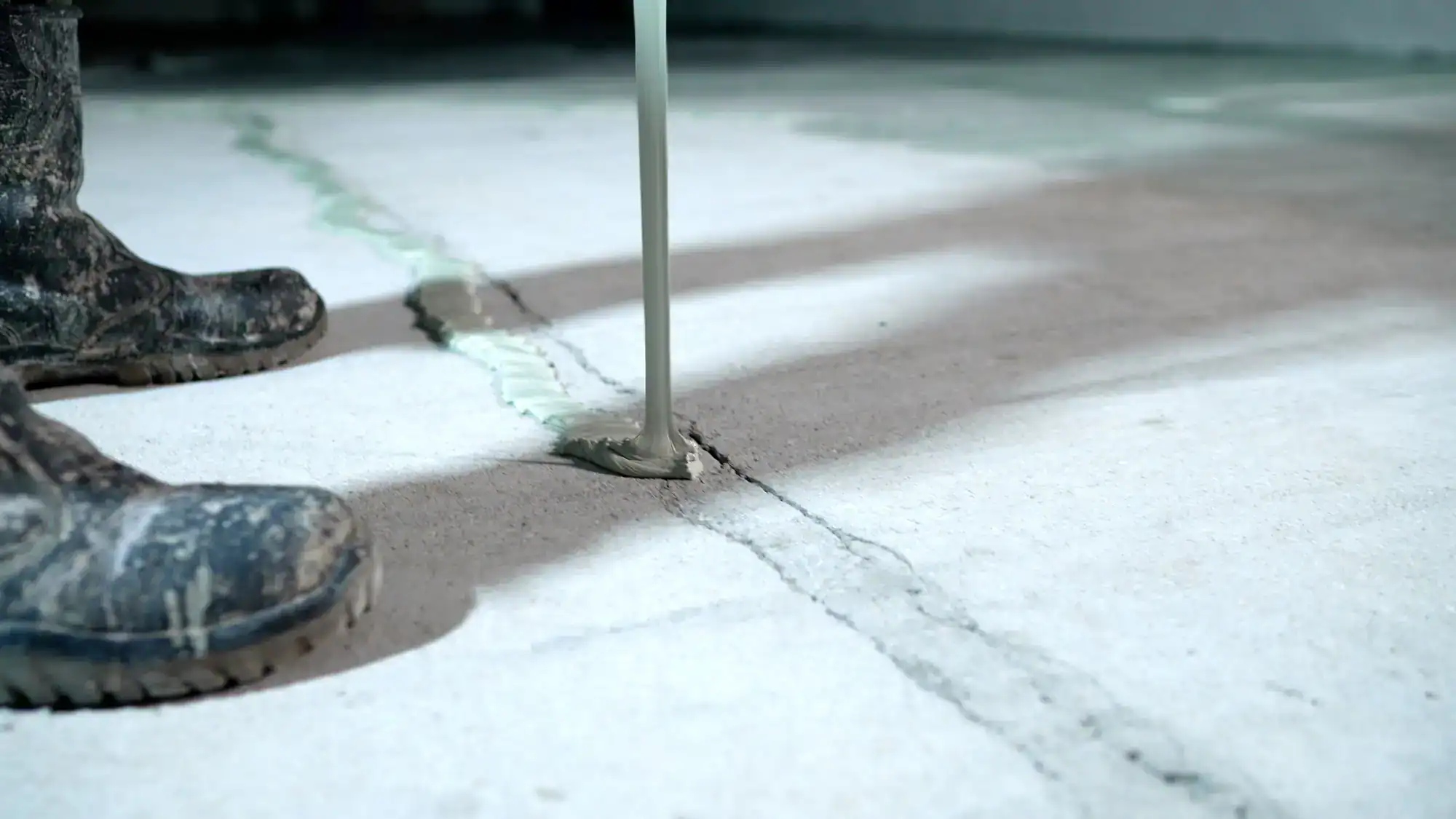
Basement waterproofing in Amityville isn’t one-size-fits-all, and we don’t treat it that way. Foundation crack sealing in Amityville, NY addresses the freeze-thaw damage that compounds every winter on older foundations a crack that costs under a thousand dollars to seal today can become a structural repair costing many times that if it’s left alone for a few more seasons. We use pressure-injected epoxy and polyurethane depending on the crack type, which fills the void completely rather than just patching the surface.
For homes dealing with water intrusion from below or through the walls common in Amityville given the proximity to the bay and the naturally high Suffolk County water table we install interior basement waterproofing systems that channel water to a sump basin before it ever reaches your floor. Sump pump installation in Amityville, NY includes primary pump sizing based on actual groundwater volume, plus a battery backup system that keeps running when the power goes out mid-storm. That’s not an upsell it’s a necessity for coastal South Shore homes.
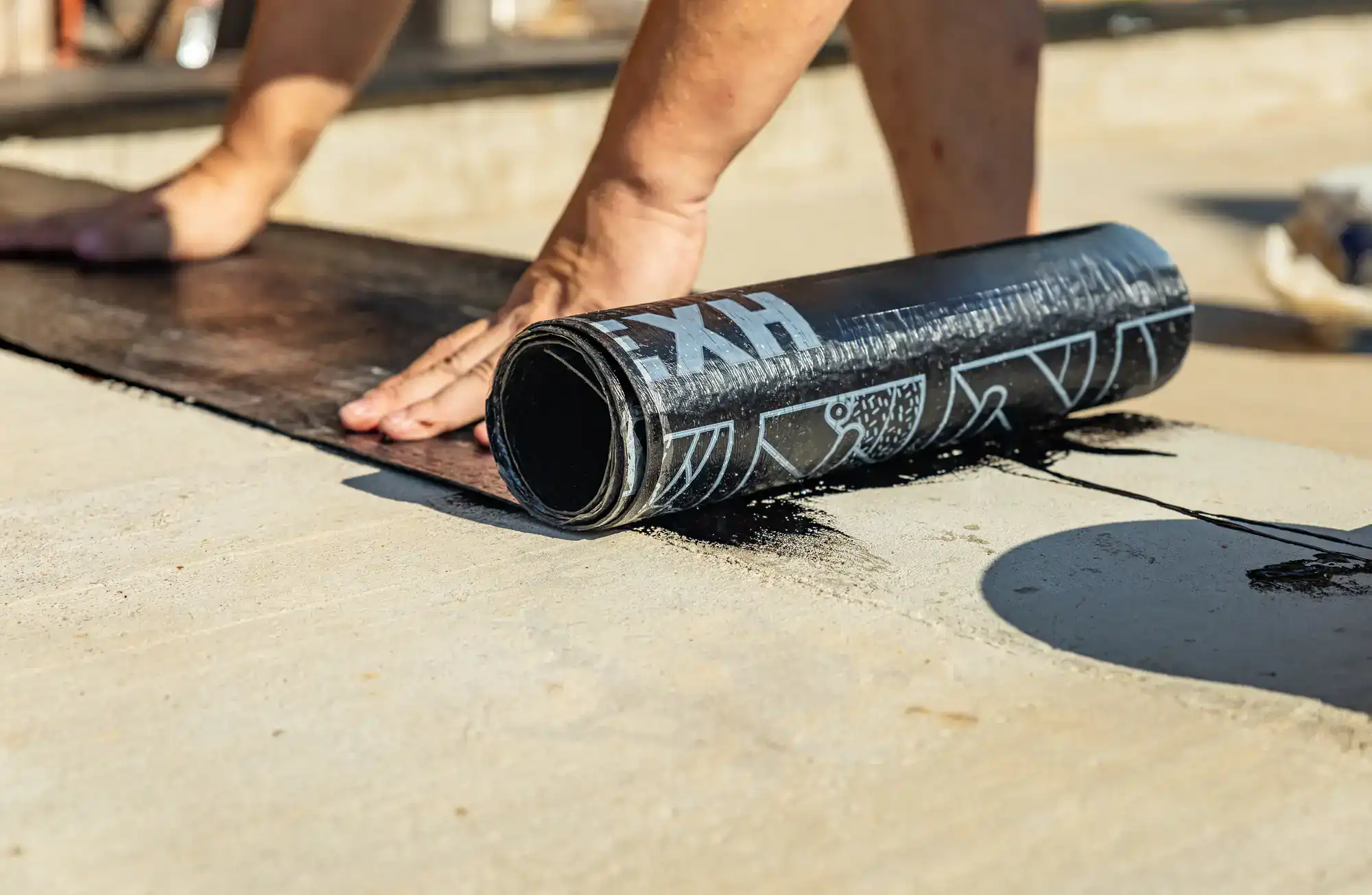
We also waterproof basement walls in Amityville, NY using drainage membrane and hydraulic cement applications suited to the specific wall type block, poured concrete, or stone because each one fails differently and needs to be addressed differently.
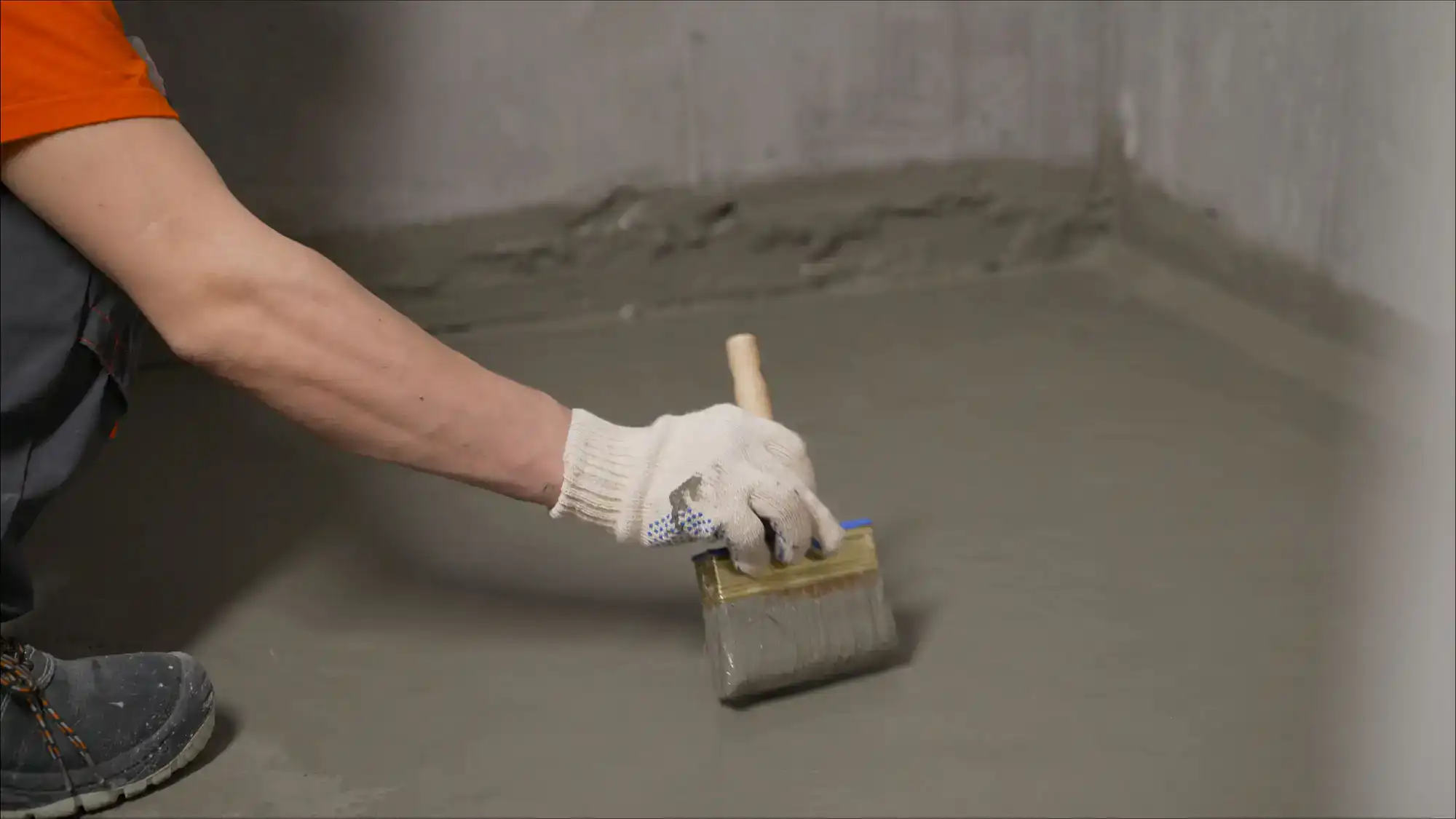
This is one of the most common questions we hear from South Shore homeowners, and the answer comes down to groundwater. Suffolk County sits on sandy, porous soil, and in Amityville this close to Great South Bay the water table can rise several feet after a significant storm. That rising groundwater pushes laterally and upward against your foundation walls and floor, creating hydrostatic pressure that forces water through cracks, mortar joints, and cold joints at the base of the wall. You won’t see it coming from the surface because it isn’t coming from the surface.
The fix depends on where the water is entering. If it’s a specific crack in the wall, injection sealing may be all you need. If it’s coming up through the floor or seeping through multiple points along the perimeter, an interior drainage system that intercepts the water before it spreads is typically the right approach. The only way to know for sure is an in-person inspection which is exactly where we start.
The honest answer is that it depends heavily on what’s actually causing the problem and how extensive the damage is. A foundation crack repair using pressure-injected epoxy typically runs in the range of $800 to $1,500 per crack. A full interior perimeter drainage system with sump pump installation for a standard Amityville home can range from $8,000 to $15,000 or more depending on the basement’s size and the severity of the water intrusion. The national average for a full waterproofing job on a 1,000-square-foot basement is around $13,640.
What we won’t do is quote you over the phone or hand you a number before we’ve seen the problem. That’s how homeowners end up paying for systems they didn’t need or paying twice when the first fix doesn’t hold. A free inspection gives you an accurate, written estimate based on your specific home, not a ballpark designed to get you to sign something quickly.
For most Amityville homes, battery backup isn’t optional it’s essential. Here’s why: the storms that cause the most serious basement flooding on the South Shore are the same storms that take down power lines. A nor’easter or tropical system that pushes water through Great South Bay and raises the local water table will also knock out your electricity, sometimes for hours or days. A standard sump pump that runs on grid power is completely useless the moment that happens.
A battery backup system activates automatically when the primary pump loses power, and it will continue running until power is restored or the battery is depleted. We size both the primary and backup units based on the actual groundwater volume your specific property deals with not a generic residential spec. Homes closer to the bay or in lower-lying areas of the village may need higher-capacity systems than homes further inland. That’s a determination we make after the inspection, not before.
Interior basement waterproofing is a legitimate, long-term solution but it works by managing water at the foundation perimeter rather than stopping it from entering the soil around your home. For the vast majority of Amityville homes, that’s exactly the right approach. Exterior waterproofing which involves excavating around the entire foundation is sometimes the better solution, but it’s also far more disruptive and expensive, and it isn’t always feasible for homes on smaller lots or with landscaping, driveways, or structures close to the foundation walls.
A properly installed interior drainage system intercepts water as it enters through the foundation and channels it to a sump basin, where it’s pumped away before it can spread across your floor. When it’s paired with wall membrane systems and crack sealing where needed, the result is a basement that stays dry consistently not just after light rain, but after the kind of events Amityville has seen repeatedly. The key is proper diagnosis to confirm that interior waterproofing is the right tool for your specific situation.
Not all foundation cracks are equal, and the distinction matters. Hairline shrinkage cracks in poured concrete are extremely common in older homes and typically indicate normal settling over time they’re a water intrusion risk, but not a structural one. Horizontal cracks in block foundation walls, on the other hand, can indicate lateral soil pressure and warrant a closer look at structural integrity. Stair-step cracks along mortar joints in block foundations are also common in Amityville’s older housing stock and usually signal settling or moisture-driven deterioration rather than structural failure.
The freeze-thaw cycle that Long Island foundations go through every winter progressively widens cracks that would otherwise stay minor. A crack that was hairline-thin last spring can be noticeably wider by the time the ground thaws. During our inspection, we assess crack type, width, direction, and any signs of movement or displacement and we’ll tell you plainly whether what you’re looking at is a sealing job, a monitoring situation, or something that needs a structural engineer’s eyes on it.
It depends on the scope of work. For most interior waterproofing jobs perimeter drainage systems, sump pump installation, crack injection permits are typically not required in most Long Island municipalities. However, the Village of Amityville has its own building department and its own flood damage prevention ordinance under Chapter 88 of the Village Code, which governs construction and renovation work in flood-prone areas. If your project involves any structural modification, egress window installation, or electrical work beyond a standard sump pump circuit, a permit may be required.
It’s also worth noting that North Amityville which shares the 11701 ZIP code but sits outside the village limits as an unincorporated hamlet falls under Town of Babylon jurisdiction rather than the Village’s building department. The permit requirements and review process differ between the two. We’re familiar with both, and when a permit is required for your scope of work, we handle that process on your behalf so it doesn’t become another thing on your plate.