
Hear from Our Customers
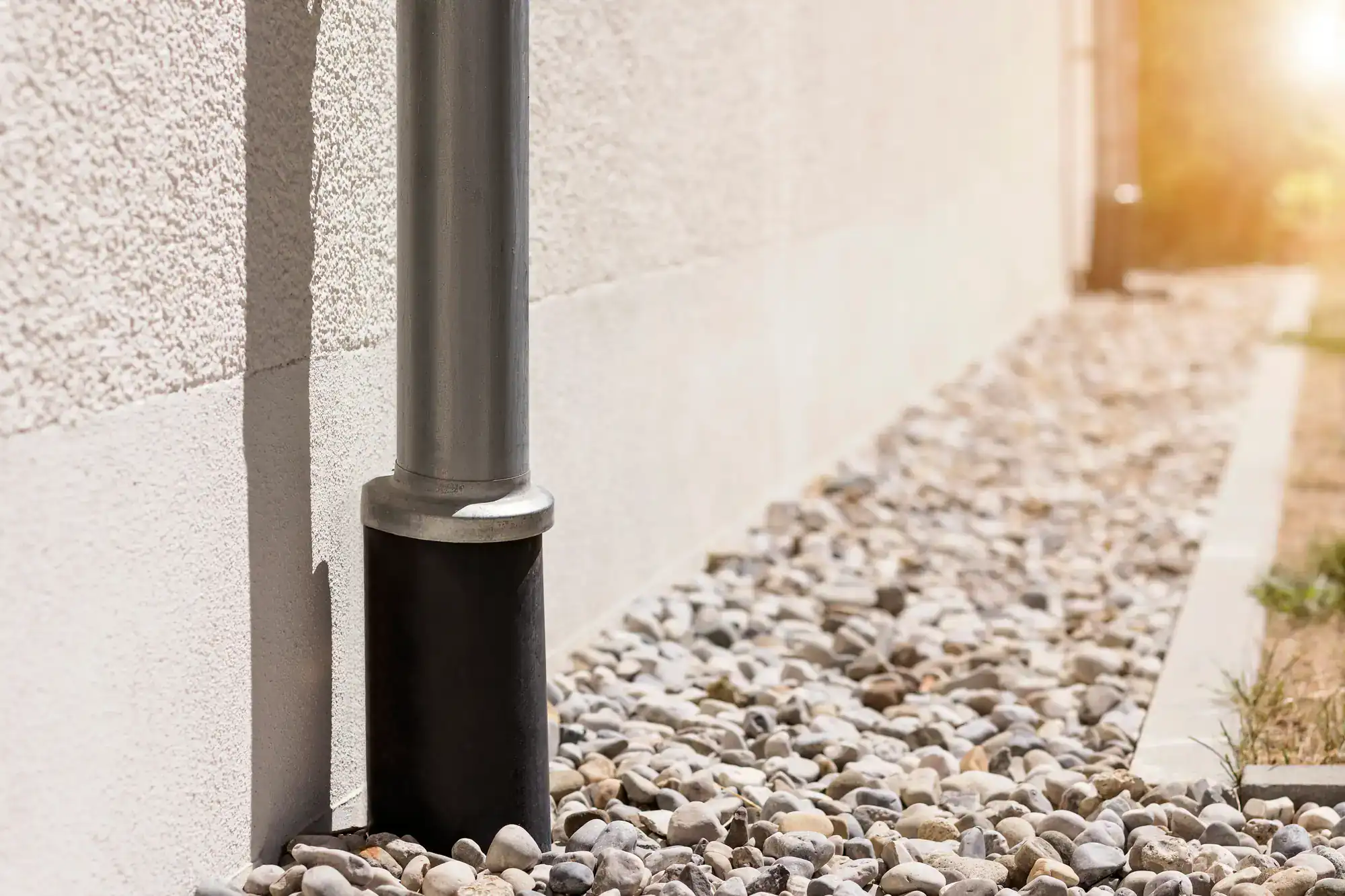
If your yard stays soggy days after a rainstorm, or your basement smells like it’s been wet all winter, you’re not imagining it and you’re not alone in East Moriches. This hamlet sits on Long Island’s South Shore glacial outwash plain, which means the terrain is flat, the soils are sandy, and the water table is naturally shallow. Water that falls on or near your property doesn’t naturally sheet away. Without a system designed to move it, it just sits there or worse, it finds your foundation.
A properly installed French drain intercepts that water before it becomes a structural problem. For homes near Moriches Bay and the tidal creeks that feed into it, this isn’t a precaution it’s a necessity. The water table in the lower-lying parts of East Moriches is close enough to the surface that even a moderate storm can saturate the ground faster than it can drain on its own. A French drain gives that water a defined path out.
What changes after installation is real and immediate. The yard dries out. The basement stops taking on water. You stop running the sump pump every time it rains. With median home values in East Moriches approaching $720,000, protecting your foundation with a system that lasts 30 to 40 years is one of the most financially sound decisions a homeowner here can make.
We’re a Long Island drainage contractor that works specifically in the residential market homeowners protecting real property with real money at stake. We’re not a landscaping crew that added drainage to the service list. This is what we do, and we’ve done it throughout the South Shore, including East Moriches and the bay-adjacent neighborhoods that come with their own set of challenges.
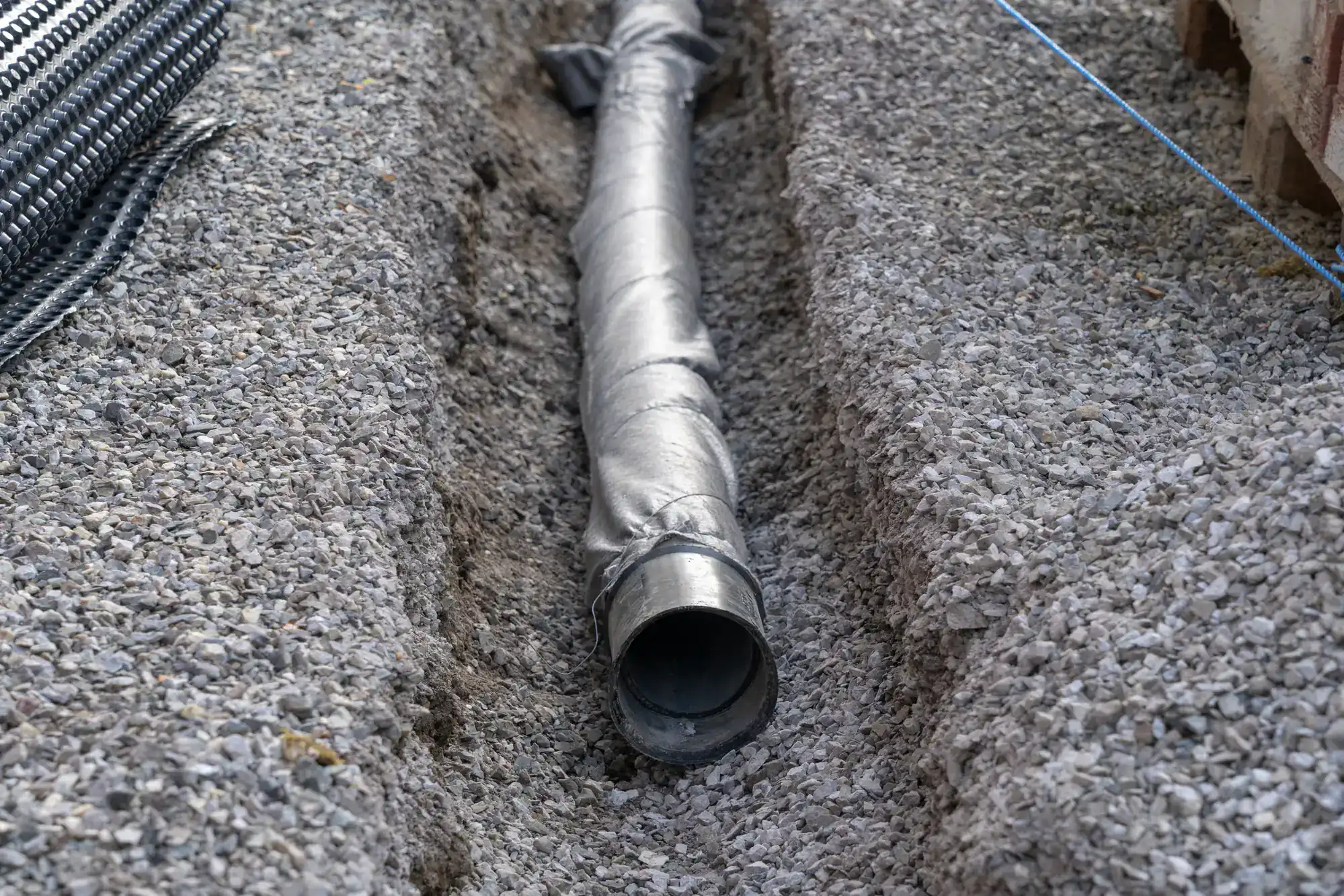
We understand what it means to work near Moriches Bay shallow water tables, sandy coastal soils, and properties that sit in or near FEMA flood zones. We handle permitting with the Town of Brookhaven, call 811 before any excavation, and build systems with the right materials from the start. That means perforated SDR pipe, double-punched geotextile filter fabric, washed angular gravel, and a calculated slope with a defined outlet because those details are what separates a system that performs for decades from one that clogs in three years.
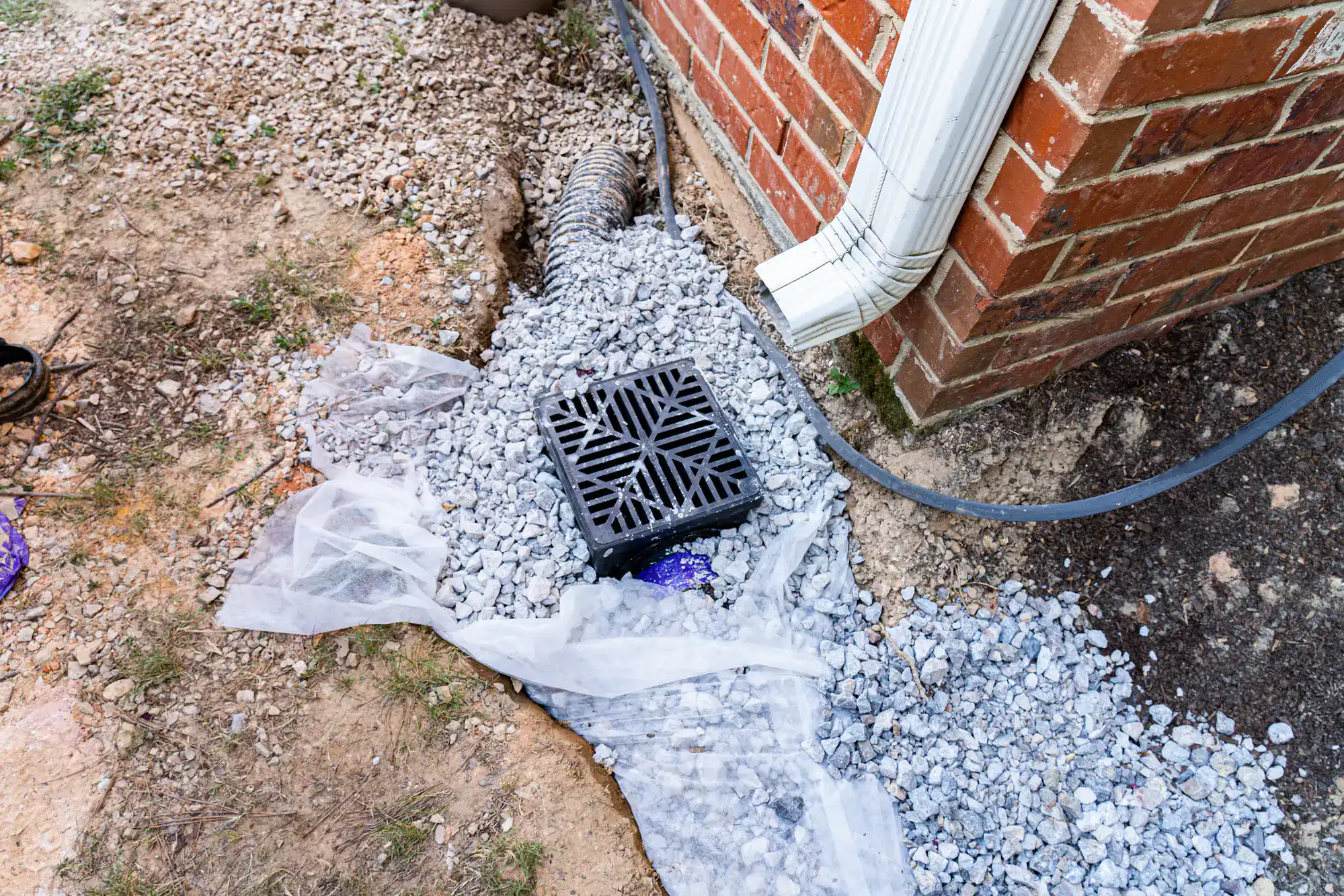
It starts with a site assessment. We come out to your property, look at how water is moving across your yard and around your foundation, and identify where it’s coming from and where it needs to go. For East Moriches properties especially those near the bay or in lower-lying areas off Montauk Highway that assessment includes evaluating the water table depth, soil saturation patterns, and whether your property falls within a Brookhaven Town flood zone that affects how the work gets permitted and designed.
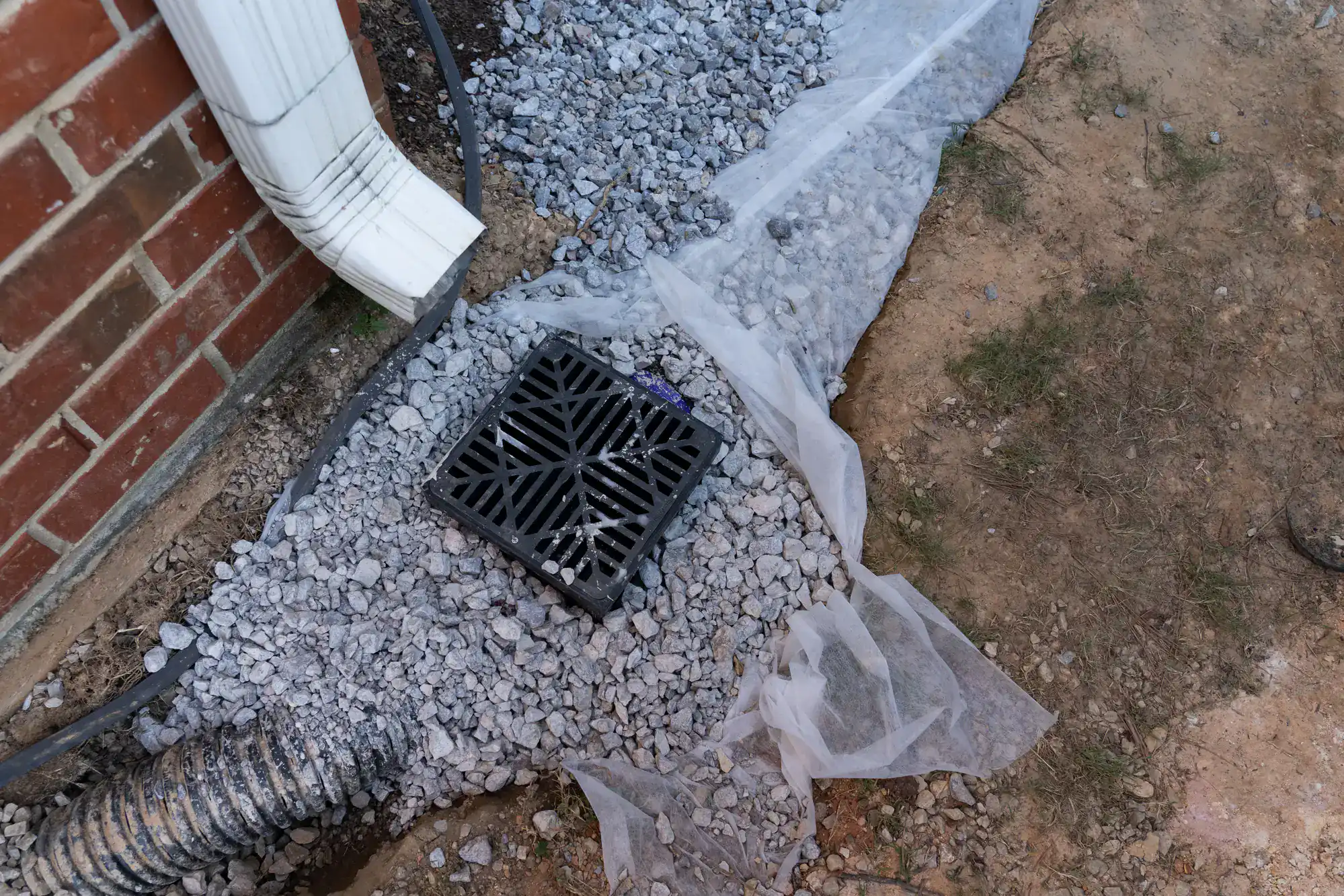
Once we have a clear picture, we design a system with a defined inlet, proper pipe slope, and a real outlet whether that’s a dry well, a catch basin, a daylight point at the property edge, or a connection to an existing drainage structure. Before any digging starts, we contact 811 to mark utilities. In East Moriches, where homes were built primarily in the late 1970s and underground infrastructure varies widely by property, this step is non-negotiable.
Installation typically takes one to three days depending on the scope. We excavate the trench, lay the filter fabric, set the pipe at the correct grade, backfill with washed angular gravel, wrap the fabric, and restore the surface topsoil and seed or sod to match what was there. Most homeowners can’t tell we were there within a few weeks. What they can tell is that the yard drains.
Ready to get started?
French drain installation in East Moriches isn’t one-size-fits-all. The service we deliver is designed around your specific site the grade of your yard, your proximity to Moriches Bay, your soil composition, and what’s already been tried. A lot of homeowners in this area have already installed a sump pump or two. If you’re still dealing with water, the issue isn’t the pump it’s that the water is getting to your foundation in the first place. A French drain addresses that at the source.
For yard drainage, we install exterior French drain systems that intercept surface water and shallow groundwater before it pools or migrates toward the house. For foundation drainage, we install perimeter systems either exterior at the footing level or interior under the slab that relieve hydrostatic pressure and direct water to a sump or outlet. Both approaches use the same quality materials and the same standard of installation.
East Moriches homes built in and around 1979 which is most of the housing stock here often have no original drainage infrastructure, or what was installed has long since silted over or collapsed. If your home is in that range and you’ve started noticing water problems, the timing isn’t a coincidence. We assess, design, and install a system built to last another 30 to 40 years, with a workmanship warranty and full yard restoration included.
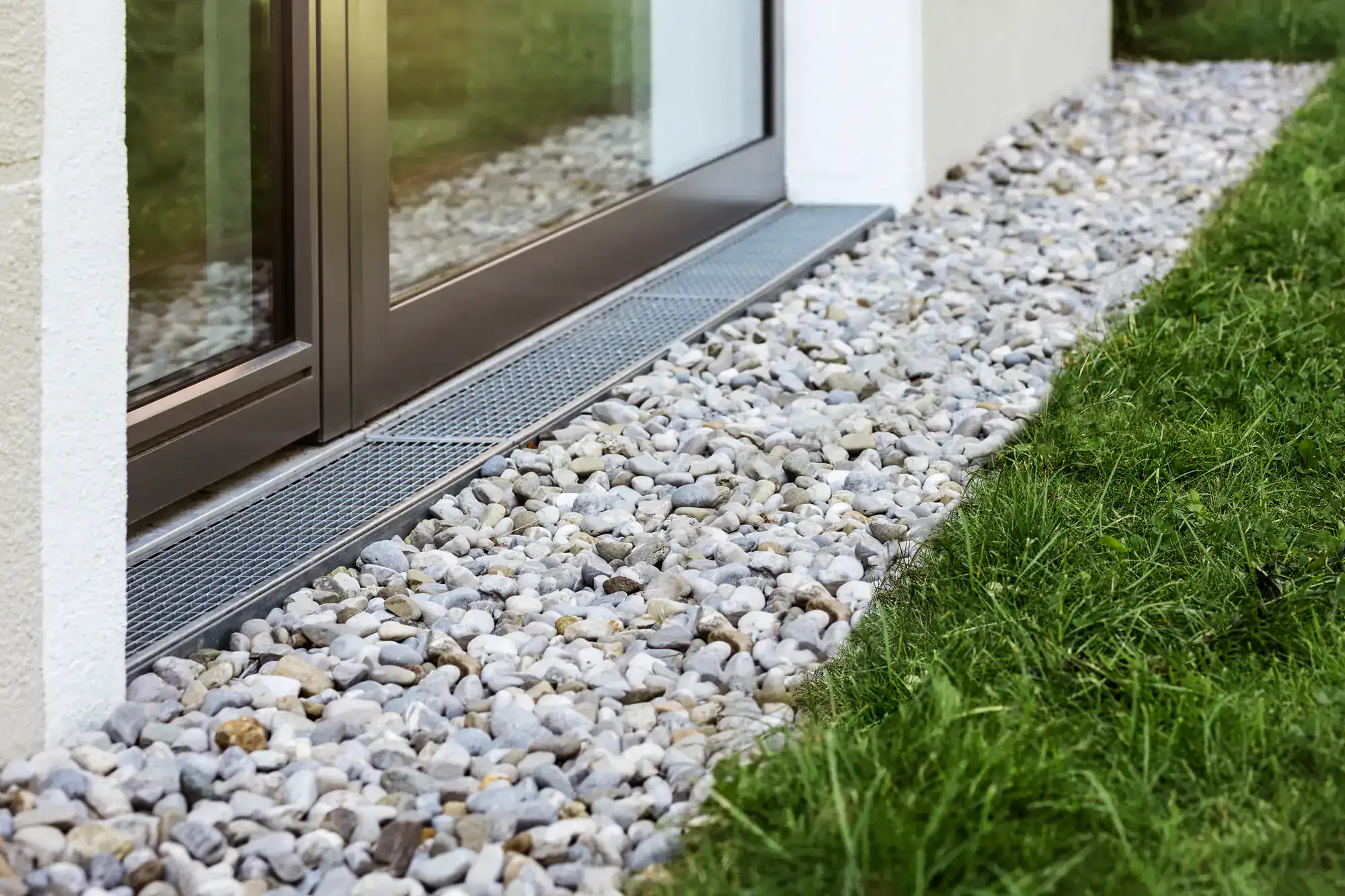
The short answer is geography. East Moriches sits on Long Island’s South Shore glacial outwash plain flat terrain with sandy soil and a water table that’s naturally close to the surface, particularly in areas near Moriches Bay and the tidal creeks that feed into it. When it rains, water saturates the ground quickly and has nowhere to go because the terrain doesn’t provide enough natural grade to move it away from your property.
This is compounded by the fact that most homes in East Moriches were built around 1979, and many either have no drainage infrastructure at all or have systems that have silted over and stopped functioning. A French drain for your yard creates the engineered slope and outlet path that the natural terrain doesn’t provide intercepting water and directing it away before it has a chance to pool, damage your lawn, or work its way toward your foundation.
Most residential French drain installations in East Moriches fall somewhere between $5,000 and $12,000, with the average project landing around $9,000 depending on the length of the system, the depth required, and the complexity of the outlet. Per linear foot, professional installation typically runs $20 to $60 shallow yard drainage systems are on the lower end, and deep foundation perimeter systems are on the higher end.
The more useful number to keep in mind is what you’re protecting. With median home values in East Moriches near $720,000 and waterfront properties exceeding a million, the cost of a drainage system is a fraction of what foundation repair, mold remediation, or a discounted sale price would cost you. Foundation crack repair runs $15,000 to $50,000. Mold remediation starts at $3,000 and goes up fast. A French drain installed correctly today is not an expense it’s protection against a much larger problem down the road.
It depends on the scope of the work, but in many cases, yes. East Moriches falls under the Town of Brookhaven’s jurisdiction, and drainage work that involves significant excavation, alters surface water flow, or connects to a dry well or catch basin may require a building permit from Brookhaven’s Building Division. Properties in or near FEMA-designated flood hazard zones which exist throughout the lower-lying areas of East Moriches near Moriches Bay face additional requirements under Brookhaven’s floodplain management regulations.
Suffolk County Health Department considerations may also apply if the drainage system interacts with groundwater or is located near a septic system. Long Island’s drinking water comes from underground aquifers, so the county takes groundwater protection seriously. We handle all permit applications, utility marking through 811, and required inspections as part of the installation process so you’re not navigating Brookhaven’s building department on your own.
A yard French drain is designed to manage surface water and shallow groundwater the kind of problem that shows up as a soggy lawn, pooling water near a patio, or a low spot that stays wet long after rain. The trench is typically shallow, runs through the yard, and outlets to a dry well, a daylight point at the property edge, or a catch basin.
A foundation French drain goes deeper and targets the water that’s pushing against your basement walls or working its way under your slab. In East Moriches, where the water table is naturally elevated near the bay and tidal creeks, foundation drainage is often the more critical need. Homes here that have been running multiple sump pumps without resolving the problem almost always need a perimeter drainage system either exterior at the footing level or interior under the slab that intercepts water before it reaches the basement. The right approach depends on your specific site, which is why a proper assessment comes first.
A properly installed French drain system should last 30 to 40 years. The key word is properly. The most common reasons French drains fail early are cheap corrugated plastic pipe that collapses under soil pressure, missing or inadequate geotextile filter fabric that allows sand and silt to infiltrate and clog the gravel bed, insufficient slope that lets water sit in the pipe instead of flowing out, and no defined outlet meaning the water has nowhere to actually go.
In East Moriches specifically, the sandy coastal soils are particularly prone to silt migration into drainage systems that weren’t built with the right filter fabric. A system installed without double-punched geotextile in this environment can clog within a few years. We use perforated SDR pipe, proper filter fabric, washed angular gravel, and a calculated slope with a verified outlet on every installation because the materials aren’t optional here, they’re what makes the difference between a system that lasts and one that fails quietly over time.
Fall is one of the best windows for French drain installation in East Moriches, and there are a few good reasons to move before winter. The ground is still workable, which makes excavation more efficient and less disruptive to your yard. More importantly, the South Shore doesn’t just face spring flooding the USGS monitoring station on Moriches Bay recorded a maximum water elevation of over six feet in January 2024 during a winter coastal storm, not a hurricane. If your drainage system isn’t in place before that kind of event, you’re exposed.
Installing in fall also gives the system time to settle and the restored lawn areas time to establish before spring, which is typically the heaviest demand period on any drainage system. One thing to note: in Suffolk County, pipe should be installed below the frost depth approximately 36 inches to prevent freeze damage over winter. That’s standard practice for any reputable water drainage contractor working in this area, and it’s built into how we design and install every system.