Hear from Our Customers
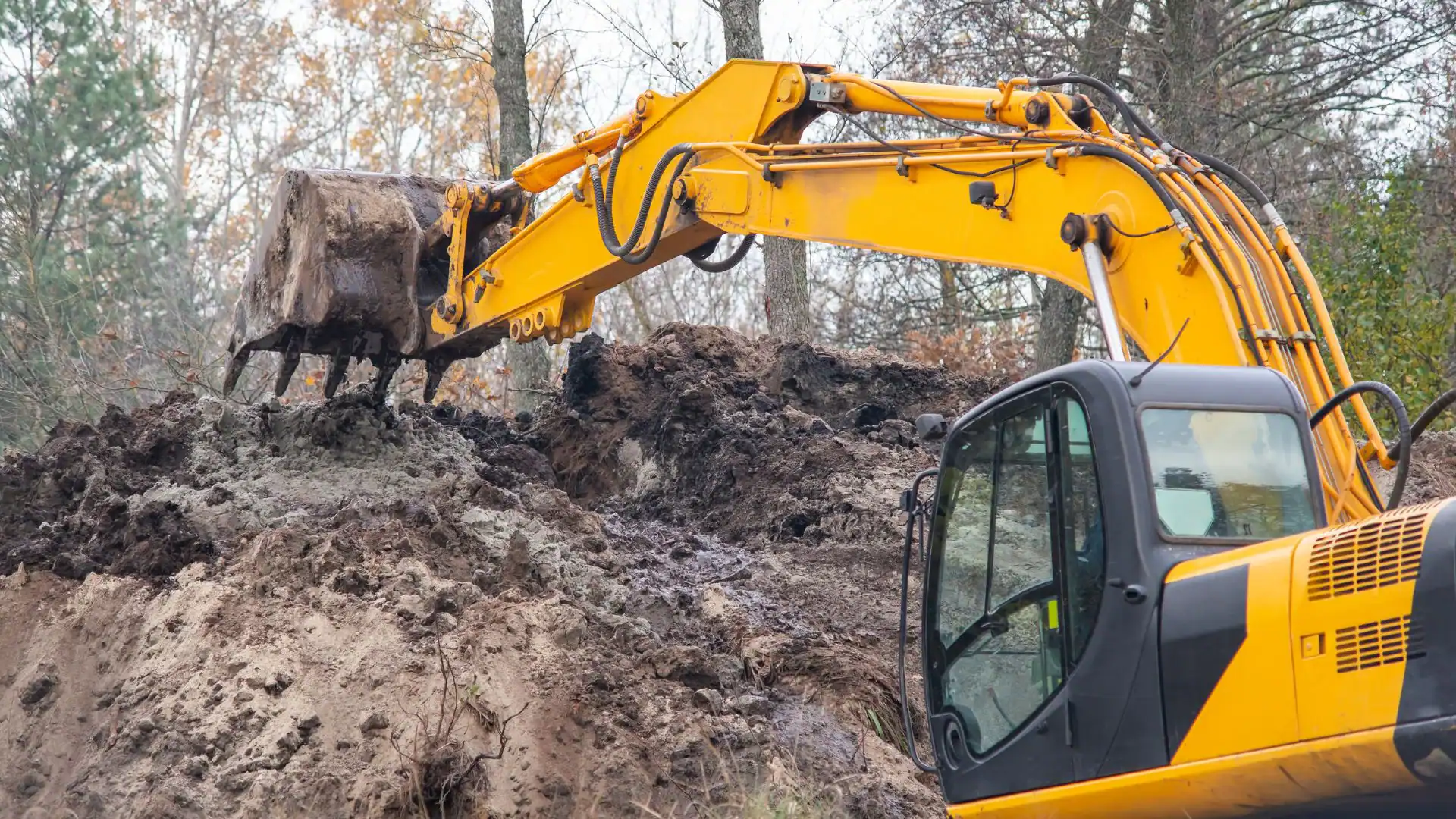
Excavation is the first thing that happens on your project and the one decision that affects everything after it. A solid grade, a clean foundation dig, a properly managed site these aren’t finishing touches, they’re the foundation every other trade builds on. Get this wrong and you’re not just dealing with a bad excavation job, you’re dealing with delays, cost overruns, and problems that show up months later when the concrete is already poured.
In East Moriches, that risk is higher than people expect. The South Shore’s sandy coastal soils can shift during excavation if they’re not managed correctly. Properties near Moriches Bay and Tuthill Cove regularly hit groundwater at shallow depths, which means a contractor without dewatering experience and local site knowledge is already behind before the first bucket is dumped. These aren’t edge cases they’re common conditions in this hamlet, and they require a contractor who’s actually worked here.
What you get when the job is done right is straightforward: your site is prepped to spec, your construction timeline stays intact, and you’re not calling anyone back to fix something that should have been handled the first time. That’s the outcome. That’s what actually matters.
We work across Long Island’s South Shore, and East Moriches is a market we know specifically not generally. We understand what it means to excavate near the bay, manage sites adjacent to tidal wetlands, and work within the Town of Brookhaven’s permit requirements. That local familiarity isn’t something you can fake on a job site.
The homes being built in East Moriches from the Oriole Run subdivision to the waterfront builds going up along Tuthill Cove are serious investments. The people building them expect a contractor who shows up prepared, communicates clearly, and delivers what the quote says. That’s the standard we hold ourselves to on every project, regardless of size.
We’re fully licensed and insured in New York State, and we bring the equipment and operator experience to handle the full range of excavation and grading work this area demands.
It starts with a site assessment. Before any quote goes out, we look at the actual conditions on your property soil type, drainage patterns, access for equipment, and whether your lot has any proximity to regulated wetland areas near Moriches Bay or its associated tidal creeks. In East Moriches, that last point matters more than most homeowners realize. If your property falls within or near a NYSDEC-regulated zone, you’ll need permits before work can begin, and we identify that early so it doesn’t become a surprise mid-project.
Once the scope is clear, you get a written quote that breaks down exactly what’s included clearing, grading, dig and haul, spoil removal, erosion controls, whatever applies to your project. No line items that appear later. If site conditions during the dig reveal something unexpected buried debris, rock, or groundwater above the anticipated depth we communicate immediately before adjusting anything.
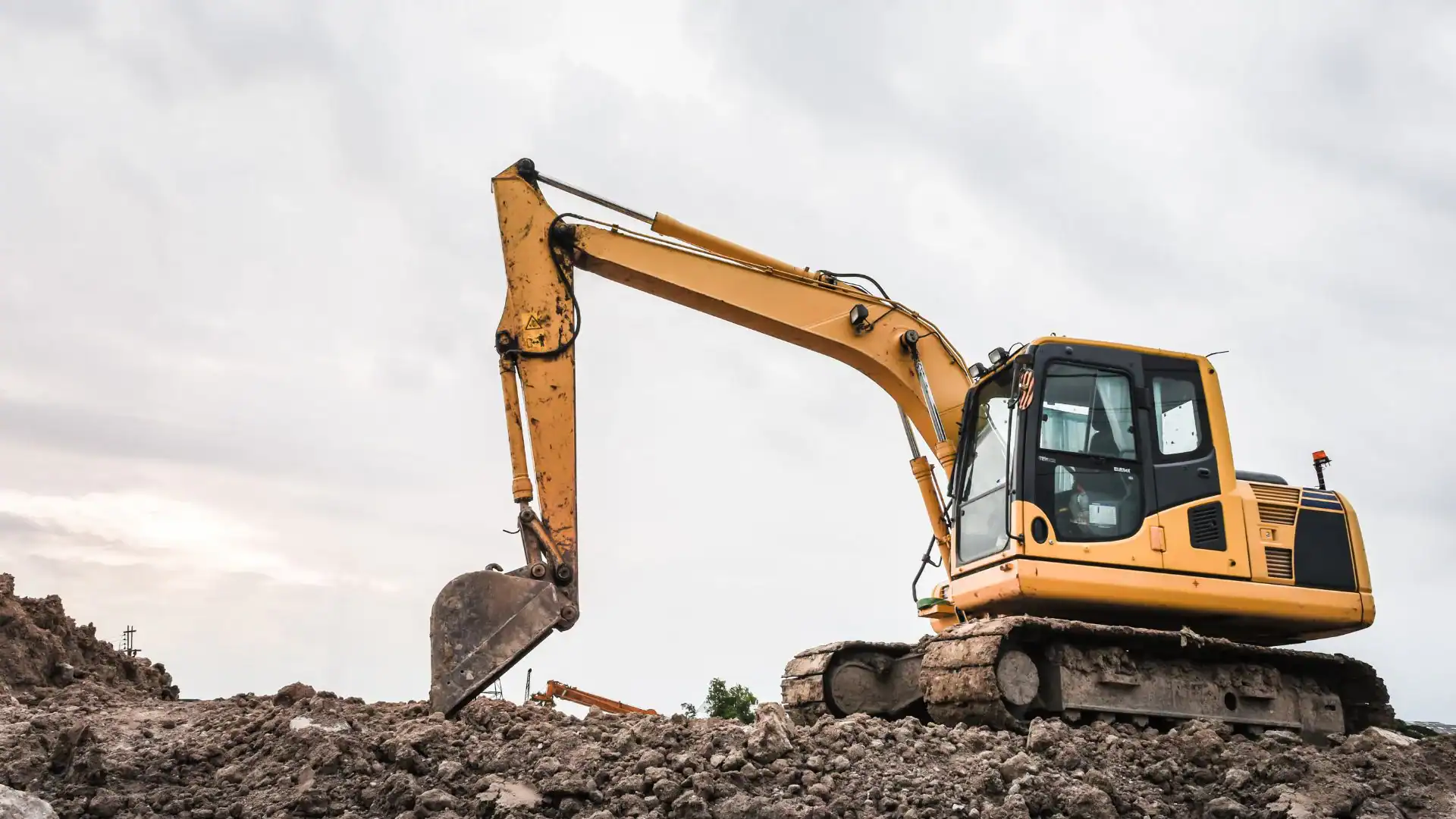
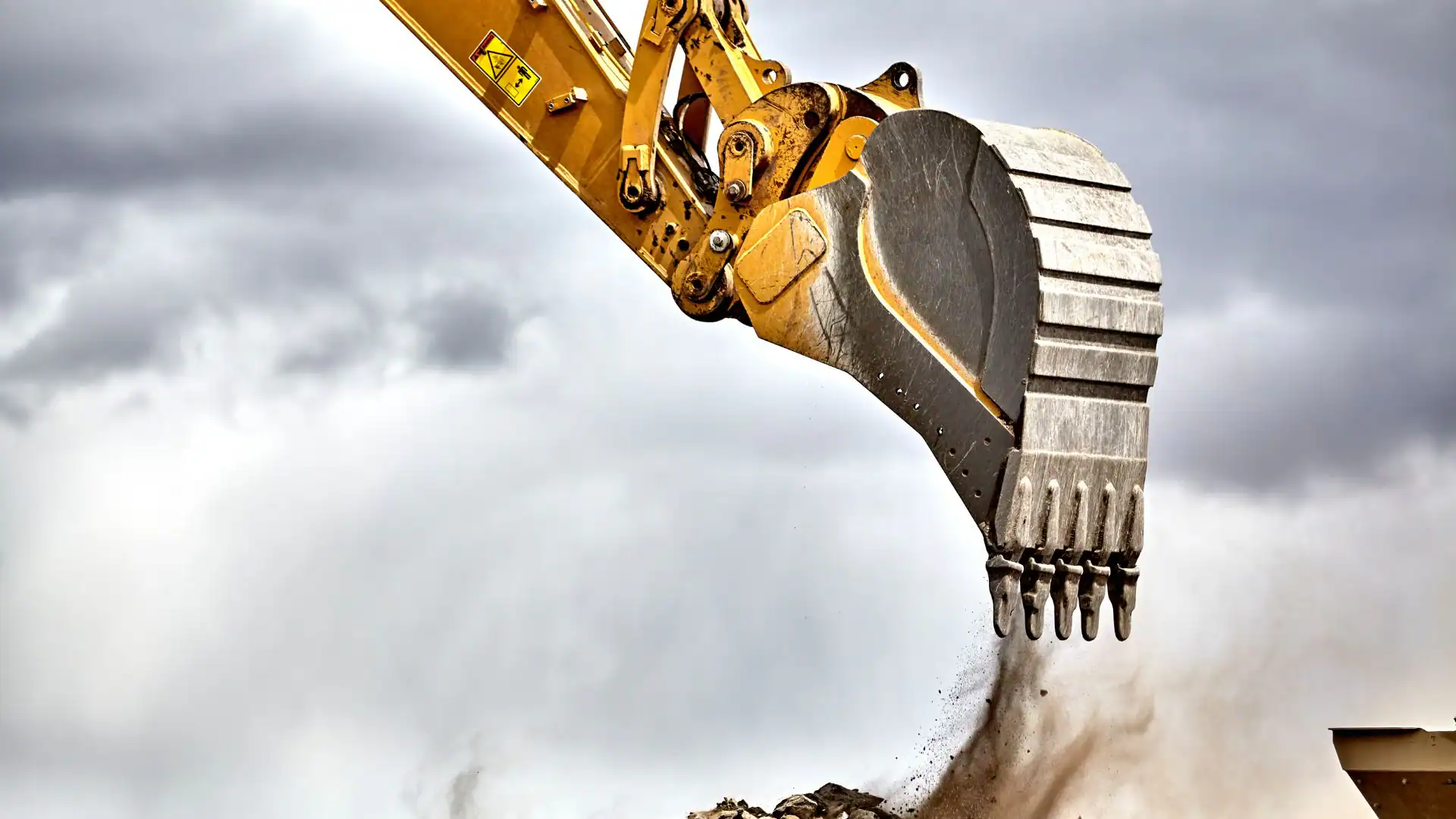
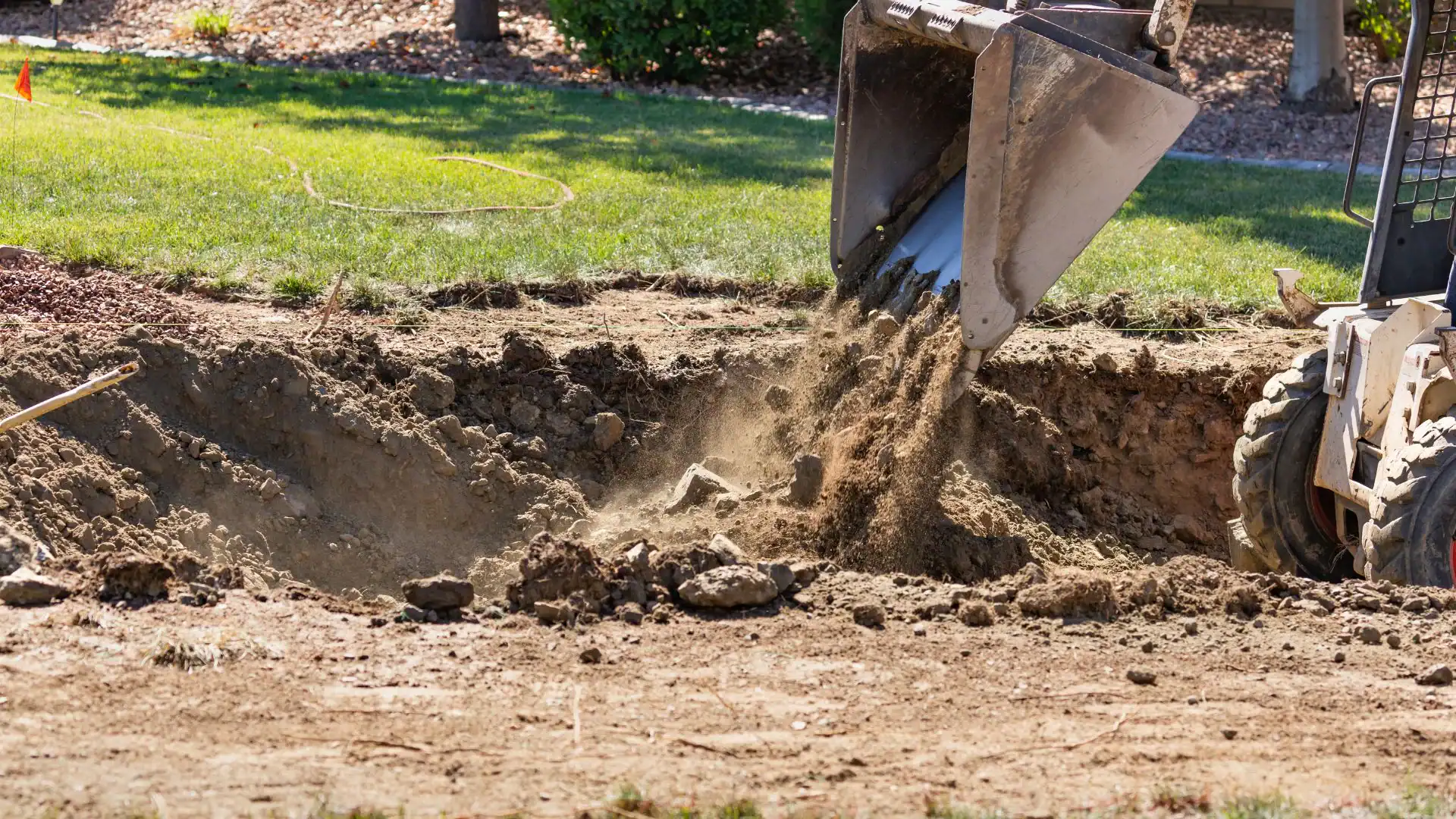
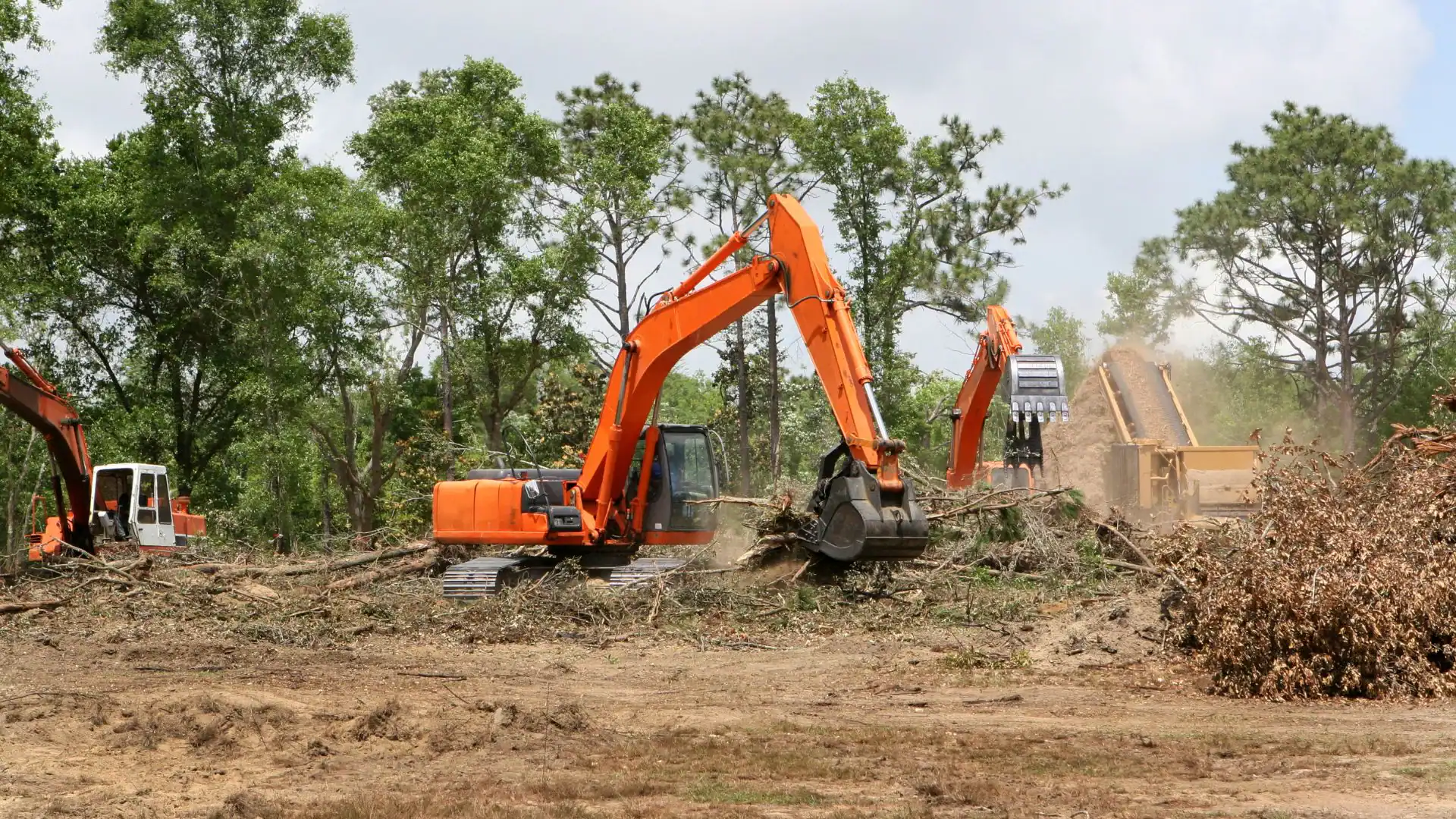
The work itself follows the sequence your project requires: clearing and stripping first, then cut and fill to grade, then foundation excavation or pool dig depending on the scope. We handle NY 811 utility notification before any ground is broken, every time. When we’re done, your site is clean, graded to spec, and ready for the next trade to come in without delays.
Ready to get started?
The excavation work that comes through East Moriches covers a wide range new residential builds on subdivision lots, in-ground pool excavation in sandy coastal soils, foundation digs for waterfront homes along Tuthill Cove, drainage improvements on older properties, and full site preparation for commercial projects. We handle all of it, with the equipment range and crew experience to match the scope without subbing out critical work to operators who don’t know the site.
For residential clients in East Moriches, that often means navigating the Town of Brookhaven’s clearing and grading limitations, which require that land disturbance stays tied directly to the permitted work. We scope accordingly and can advise you on what your project triggers from a permit standpoint before you’re in the middle of it. For waterfront and bay-adjacent properties, we implement erosion and sediment controls as standard not as an add-on because the environmental sensitivity of the Moriches Bay shoreline demands it and because failing to do so puts your property at regulatory risk.
Whether you’re a homeowner, a builder working through a new development, or a property owner dealing with drainage or land prep, the process is the same: clear scope, written quote, no shortcuts, and a finished site that’s ready for whatever comes next.
It depends on what you’re doing and where your property sits. In East Moriches, all construction falls under the Town of Brookhaven’s jurisdiction, and the Town requires building permits for new homes, additions, in-ground pools, and accessory structures all of which involve excavation. The permit covers the associated digging, but the Town also limits clearing and grading to the minimum necessary for the permitted work, so you can’t simply clear an entire lot without a specific reason tied to the approved project.
On top of Brookhaven Town requirements, if your property is near Moriches Bay, Tuthill Cove, or any of the tidal creeks and wetlands in the area, you may also need a New York State DEC tidal wetlands permit before any ground is broken. That process can take weeks to months, so identifying it early is critical. We assess wetland adjacency and permit requirements as part of every project scoping conversation before the quote goes out, not after the equipment arrives.
Excavation pricing in East Moriches varies based on project scope, site conditions, and how much material needs to be removed and hauled. A straightforward pool excavation on a standard residential lot might run in the range of $3,000 to $7,000 depending on depth, soil conditions, and spoil volume. A full foundation dig for a new home build will typically cost more often $8,000 to $20,000 or higher depending on footprint, access, and whether dewatering is required. Site prep for a new subdivision lot covers a wider range still.
What inflates costs in East Moriches specifically is the coastal soil profile and water table. Sandy soils near the bay can require additional shoring management, and properties in lower-lying areas near Moriches Bay regularly encounter groundwater at depths that require dewatering equipment. These aren’t surprises if you’re working with a contractor who knows the area but they can absolutely be surprises if you’re not. A detailed written quote based on an actual site assessment is the only way to get a number you can trust.
NY 811 is New York State’s Call Before You Dig notification system, and yes it applies to every excavation project, no exceptions. Before any digging begins, contractors are legally required to notify 811 so that underground utilities including gas, electric, water, telecommunications, and sewer lines can be identified and marked on the surface. Striking an unmarked underground line isn’t just dangerous it can result in serious legal and financial liability for the property owner and the contractor.
In East Moriches, where older residential streets and waterfront properties may have utility infrastructure that isn’t always where you’d expect it, this step is especially important. We complete the 811 notification process on every single project before a machine touches the ground. It’s not something we treat as optional or a formality it’s a baseline professional standard, and any contractor who skips it is putting your property and your project at risk.
The South Shore of Long Island has a distinctly different soil profile from the North Shore or inland areas. In East Moriches, you’re largely dealing with sandy, well-draining soils in upland areas which excavate cleanly but can be unstable under load and require careful compaction management, particularly for foundation work. In lower-lying areas closer to Moriches Bay and its associated tidal wetlands, soils tend to be wetter, heavier, and more prone to saturation, with water tables that can be surprisingly shallow.
For pool excavation, this means the walls of the dig need to be managed carefully to prevent collapse in loose sandy soils. For foundation work near the bay, dewatering may be required before the dig can reach the necessary depth. None of this is unworkable it’s just what South Shore coastal excavation looks like when you know what you’re dealing with. We assess these conditions before quoting and plan the approach accordingly, so there are no mid-project adjustments that weren’t already accounted for.
Spring and early summer are the most active periods for excavation on Long Island, and East Moriches is no different. Most new construction starts happen between March and June, which means excavation contractors in the area are heavily booked during that window. If you’re planning a project that needs to start in spring, reaching out in late winter January or February gives you the best chance of securing your preferred start date and keeping your construction timeline on track.
Winter excavation in East Moriches is generally possible, since Long Island doesn’t see the extreme frost depths of upstate New York, but extended cold periods in January and February can make ground conditions difficult. The bigger winter challenge is saturated soil from wet weather, which can make site access problematic for heavy equipment, particularly on lower-lying properties near the bay. Summer is also worth planning for if you’re looking at pool excavation demand for in-ground pool digs on the South Shore peaks in late winter and early spring as homeowners plan for summer installations, so the earlier you move, the better your scheduling options.
This is one of the most important questions you can ask, and the answer comes down to a few specific things. First, ask whether the contractor is familiar with NYSDEC tidal wetlands regulations and knows how to identify whether your property falls within a regulated buffer zone. If they don’t know what you’re talking about, that’s a clear signal. Properties near Moriches Bay, Tuthill Cove, and the tidal creeks of East Moriches are subject to state environmental regulations that can halt a project entirely if the right permits aren’t in place and an inexperienced contractor won’t catch that until it’s already a problem.
Second, ask about their experience with high water tables and dewatering. Waterfront and bay-adjacent excavation in East Moriches regularly encounters groundwater at shallow depths, and managing that correctly requires equipment and experience that not every contractor has. Third, verify that they’re licensed and insured in New York State and that they complete NY 811 utility notification before every dig. These aren’t extras they’re the baseline. A contractor working near Moriches Bay who can speak specifically to these conditions, not just in general terms, is one who has actually done this work here.