
Hear from Our Customers
Most East Moriches homeowners don’t discover their basement has a problem on a calm Tuesday afternoon. It’s during a nor’easter, or the morning after heavy rain pushes off Moriches Bay, that the water shows up and by then, the damage is already happening. A properly waterproofed basement doesn’t just stay dry on good days. It holds when the conditions are at their worst, which is exactly what South Shore weather demands.
Your home was most likely built in the late 1970s or early 1980s. That’s a 45-plus-year-old foundation that has been through dozens of freeze-thaw cycles every winter, multiple named storms, and years of coastal groundwater pressure working against it from every direction. Concrete that old develops pathways for water, and the sandy coastal soil around East Moriches shifts in ways that open new ones over time.
When the waterproofing is done right, you get back something you’ve probably been missing for a while: usable space. In a market where East Moriches homes are listing above $800,000, a basement that’s dry, stable, and finished adds real value not just to your quality of life, but to what a buyer will pay when the time comes. A transferable warranty makes that even more concrete.
We work across Long Island, and the South Shore corridor East Moriches, Center Moriches, the bay-adjacent communities along Brookhaven’s coastline is territory we know well. The water table here behaves differently than it does ten miles inland. The storm exposure is real. The soil conditions are specific. We don’t show up with a generic pitch and a clipboard we show up having already understood what your neighborhood deals with.
Every job starts with an honest inspection, inside and out. We look at where the water is coming from before we recommend anything. If a targeted crack repair is what your foundation needs, that’s what we’ll tell you. If the problem calls for a full interior perimeter drainage system and a sump pump, we’ll explain exactly why. East Moriches homeowners have lived through enough post-Sandy contractor experiences to know the difference between someone who diagnoses and someone who just sells and we’re the former.
It starts with a free in-home estimate no phone quotes, no ballpark numbers based on square footage alone. A technician comes out, walks your basement, inspects the foundation walls and floor for active cracks, staining, efflorescence, and moisture intrusion points, and checks the exterior grade and drainage situation around the foundation perimeter. In East Moriches, that exterior inspection matters more than most people expect. Bay-adjacent soil compacts and shifts in ways that redirect surface water straight toward the foundation, and you can’t see that problem from inside the basement.
Once we know what’s actually happening, we put together a written, itemized estimate that explains what we found, what we recommend, and why. If the work requires a permit through the Town of Brookhaven which applies to certain sump pump electrical connections and drainage modifications we walk you through that process. Nothing moves forward until you understand what you’re getting and you’re comfortable with it.
The installation itself depends on what your foundation needs. Foundation crack sealing using epoxy or polyurethane injection typically takes a few hours. A full interior perimeter drainage system with sump pump installation is a more involved process usually completed within one to two days that involves cutting a channel along the base of the foundation wall, installing the drainage system, and routing water to a properly placed sump basin. When the job is done, you get documentation of the work and warranty information in writing.
Ready to get started?
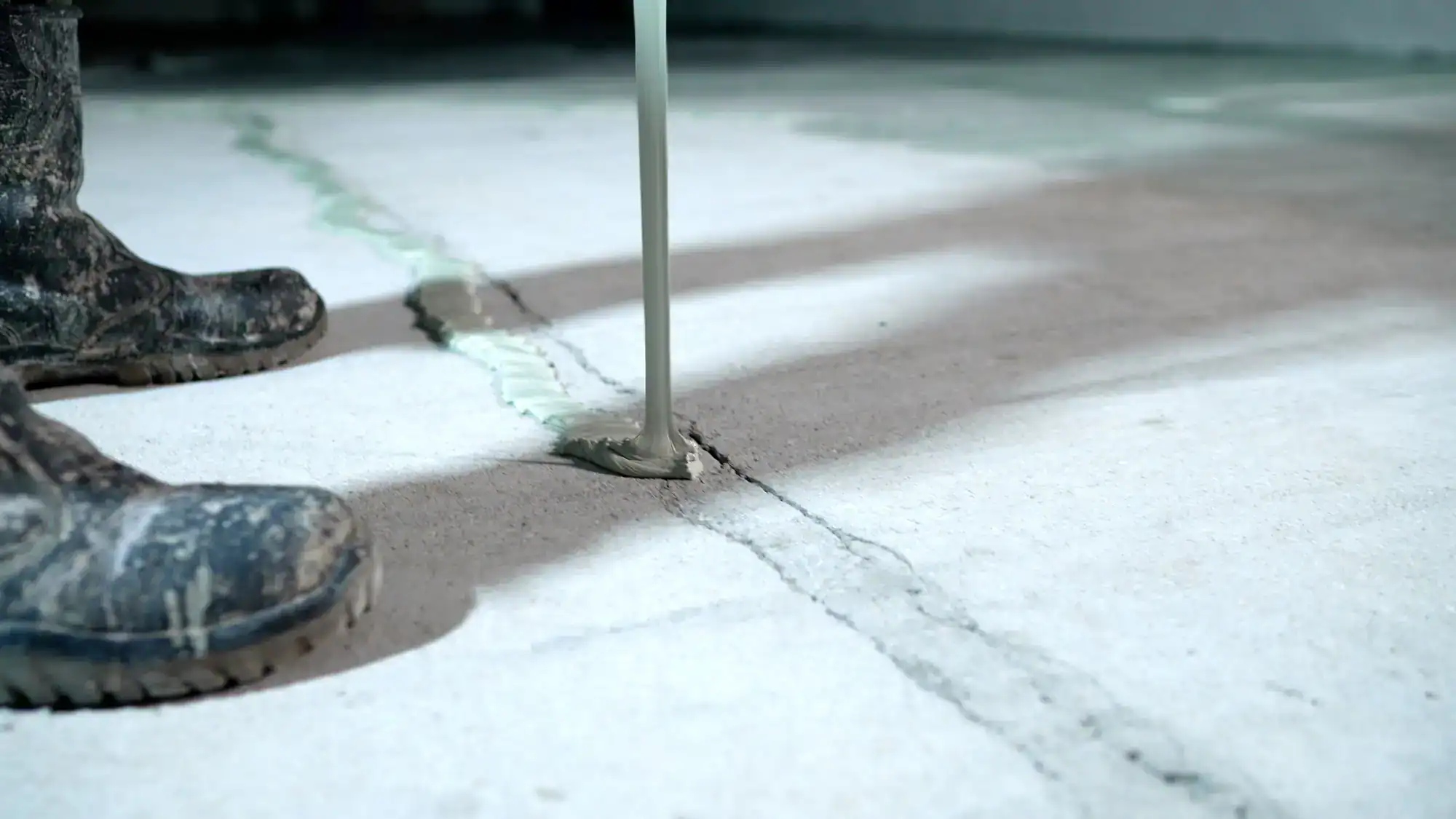
Not every wet basement in East Moriches has the same problem, and the fix should match the diagnosis not the other way around. Foundation crack sealing addresses active cracks in poured concrete walls using epoxy or polyurethane injection, filling the crack from the inside out and restoring the wall’s integrity against water infiltration. For homes near Tuthill Cove or the Newport Beach area where lots sit close to bay-level elevation, this type of targeted repair is often the right starting point before water intrusion has a chance to worsen through another winter’s freeze-thaw cycle.
Interior basement waterproofing a perimeter drainage channel installed along the base of the foundation wall is the appropriate solution when water is entering at the wall-floor joint or seeping through multiple points along the foundation. It intercepts water before it reaches your floor and routes it to a sump pump for removal. Sump pump installation in East Moriches always includes a conversation about battery backup. The storms that raise the water table here are the same storms that knock out power, and a primary pump with no backup is a liability waiting to be discovered at the worst possible moment.
For homes in or near the East Moriches Historic District where foundations may predate the 1970s construction era by decades the approach is adjusted accordingly. Older stone, brick, or early poured concrete foundations require a more careful diagnostic process before any waterproofing method is applied. Whatever the foundation type, the goal is the same: a system that performs when the South Shore weather tests it.
This is one of the most common questions from homeowners along the South Shore, and the answer usually comes down to the water table rather than surface rainfall alone. East Moriches sits adjacent to Moriches Bay, and the coastal groundwater table in this area sits close to the surface year-round. When bay levels rise during a storm even a moderate one the water table rises with it, pushing hydrostatic pressure upward and inward against your foundation from below and on all sides. USGS monitoring of Moriches Bay at East Moriches has recorded water elevations exceeding six feet during storm events, and that pressure doesn’t need heavy rain to build it just needs the right conditions.
What you’re likely seeing is water entering through the wall-floor joint, through hairline cracks in the foundation wall, or through the floor itself all driven by that hydrostatic pressure rather than direct rainfall infiltration. Surface sealants and waterproofing paint won’t solve this because they can’t hold against sustained pressure from the outside. The right fix involves intercepting that water at the foundation perimeter before it reaches your living space, which is what an interior drainage system and properly installed sump pump are designed to do.
The honest answer is that cost depends entirely on what your foundation actually needs, which is why we don’t quote over the phone. That said, here are realistic ranges so you can plan accordingly. Foundation crack sealing using epoxy or polyurethane injection typically runs $800 to $1,500 per crack. A full interior perimeter drainage system on a standard-sized basement generally falls in the $8,000 to $15,000 range depending on the linear footage involved. Sump pump installation, including the basin and pump unit, typically runs $600 to $1,900 and adding a battery backup system, which we strongly recommend for East Moriches given the storm-related power outage history on the South Shore, adds to that figure but is worth every dollar.
With East Moriches home values approaching and exceeding $700,000, the math on waterproofing tends to work in your favor quickly. A documented water intrusion problem is one of the first things a buyer’s inspector flags, and it can cost you far more at resale than a properly installed system would have cost upfront. We provide a written, itemized estimate after the in-home inspection so you know exactly what you’re paying for before any work begins.
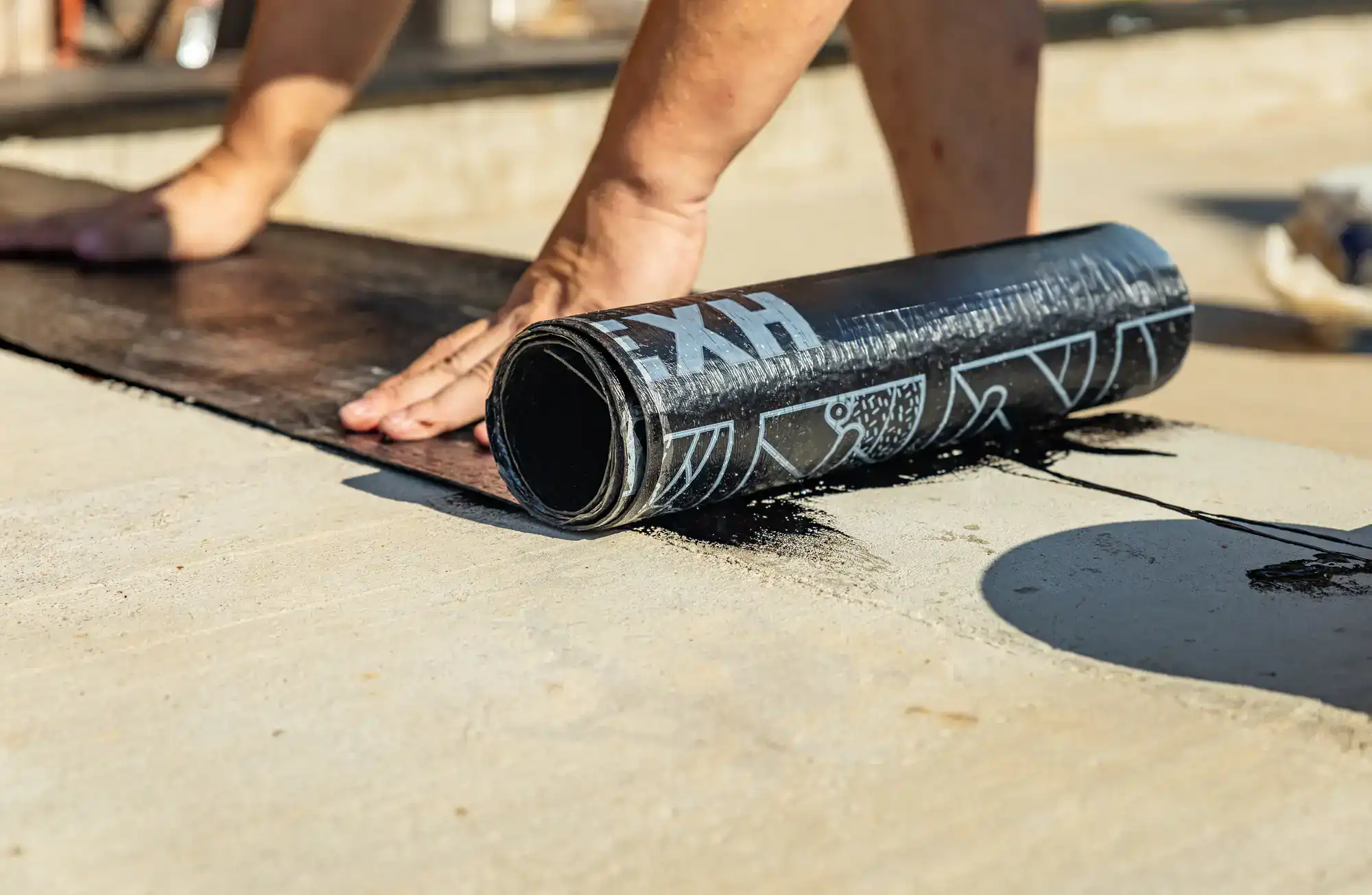
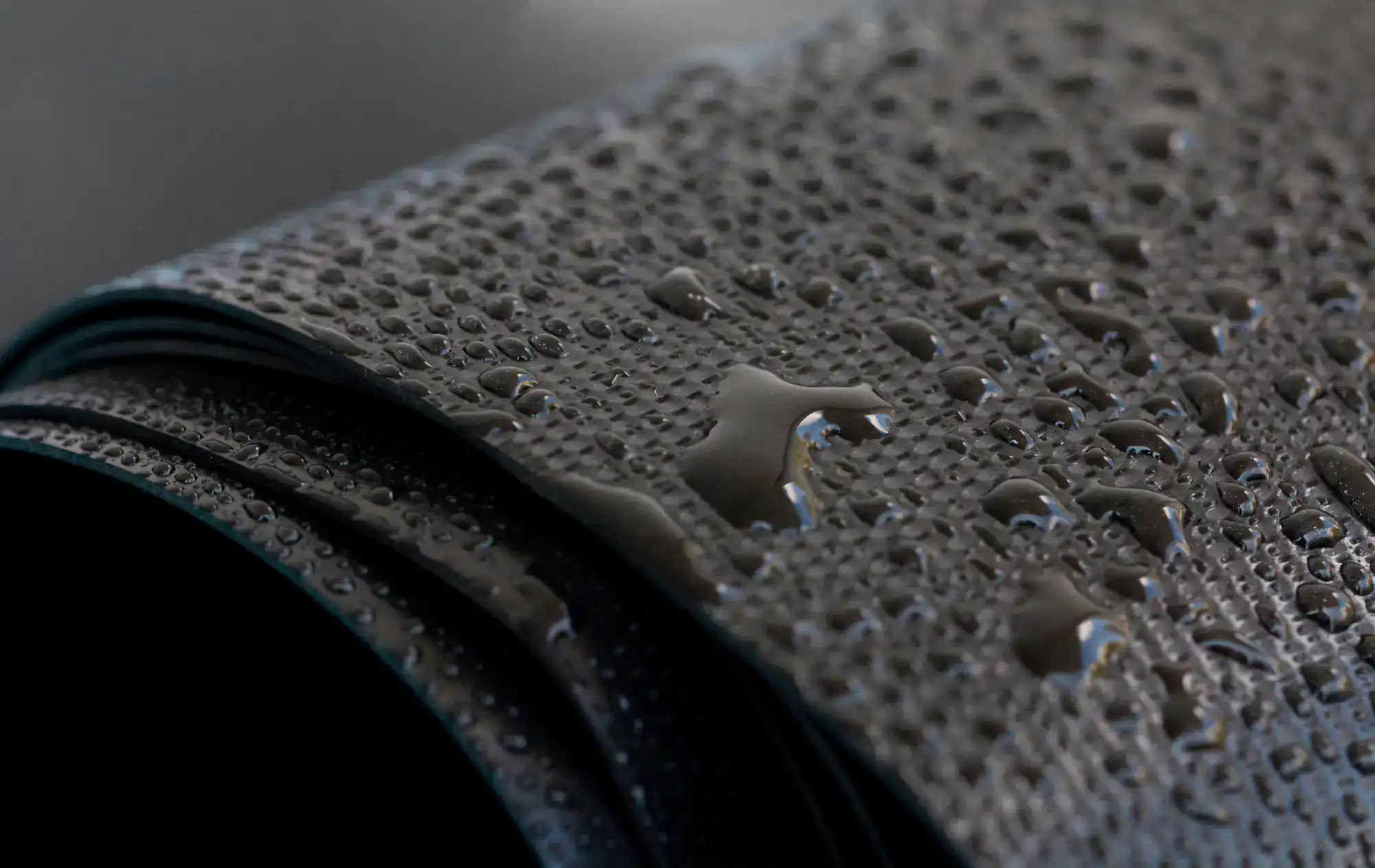
Exterior waterproofing involves excavating around the outside of the foundation, applying a waterproof membrane to the exterior wall surface, and installing drainage board and a French drain system to redirect water away from the foundation before it ever makes contact. It’s the most comprehensive approach when done correctly, but it’s also the most invasive and expensive and in East Moriches, where many properties have landscaping, driveways, or structures close to the foundation perimeter, exterior excavation isn’t always practical or necessary.
Interior waterproofing doesn’t stop water from reaching the foundation wall it manages water after it enters the wall assembly, intercepting it at the base before it reaches your floor and routing it to a sump pump. For most South Shore homeowners dealing with hydrostatic pressure from a high coastal water table, interior waterproofing is the more realistic and cost-effective long-term solution. It’s less disruptive, doesn’t require excavation, and when installed correctly, it performs reliably through the kind of storm conditions East Moriches regularly sees. The right choice depends on your specific foundation, your drainage situation, and what’s causing the water intrusion which is exactly what the inspection is for.
East Moriches falls under the jurisdiction of the Town of Brookhaven Building Division, so permit requirements here follow Brookhaven’s rules rather than a village-level code. Whether a permit is required depends on the scope of the work. Interior drainage channel installation that doesn’t alter the structural elements of your foundation typically doesn’t require a permit, but any sump pump installation that involves new electrical connections or modifications to your home’s drainage routing may require one.
Suffolk County also has specific regulations about where sump pump discharge water can be directed it needs to go to an appropriate drainage location and cannot be discharged onto neighboring properties or into sanitary systems. This matters more than most homeowners realize, especially in a bay-adjacent community like East Moriches where improper discharge can create secondary problems quickly. We handle the permit process when it applies and make sure the discharge routing is set up correctly from the start. You won’t be left to figure out the paperwork on your own.
Not all foundation cracks are the same, and the right answer depends on what type of crack it is, where it’s located, and whether it’s active or stable. Hairline cracks in poured concrete walls are extremely common in East Moriches homes built in the 1970s and 1980s they develop naturally as concrete cures and settles over decades, and they widen gradually with each freeze-thaw cycle. Long Island typically sees dozens of freeze-thaw events every winter, and that repeated expansion and contraction is one of the primary reasons 45-year-old South Shore foundations develop active water pathways.
A crack that is letting in water but hasn’t compromised the structural integrity of the wall is typically a candidate for epoxy or polyurethane injection a straightforward repair that fills the crack from the inside out and stops infiltration. A crack that is horizontal, that shows significant displacement, or that is accompanied by bowing or inward movement of the wall is a different situation entirely and may indicate structural stress that needs engineering review before any waterproofing approach is applied. The inspection tells us which category you’re dealing with. We won’t recommend injection sealing on a crack that needs structural attention, and we won’t recommend a $12,000 drainage system for a crack that a $1,000 repair will solve.
For most of Long Island, a battery backup sump pump is a smart precaution. For East Moriches specifically, it’s closer to a necessity. The storms that push Moriches Bay water inland and raise the local water table to its highest levels are the exact same storms that knock out power sometimes for hours, sometimes for days. A primary sump pump that loses power during a nor’easter or tropical storm event is completely useless at the moment your basement needs it most. That’s not a hypothetical scenario for this community; it’s a pattern that South Shore homeowners have lived through repeatedly, including during Hurricane Sandy in 2012 when the Moriches area saw some of the most significant coastal damage on Long Island.
A battery backup system runs independently of your home’s electrical supply and activates automatically when the primary pump loses power or when water volume exceeds what the primary pump can handle alone. For a home sitting near bay-level elevation in a storm-exposed coastal hamlet, that redundancy is the difference between a dry basement and a flooded one when the grid goes down. The upfront cost is real, but it’s a fraction of what water damage remediation costs after a single flooding event and in East Moriches, that event is a matter of when, not if.