
Hear from Our Customers
The soggy corner of your yard that you’ve been mowing around for three seasons. The basement wall that smells like something you can’t quite place. The driveway edge that’s slowly sinking because the ground beneath it stays saturated. These aren’t quirks of your property they’re symptoms of a drainage problem that doesn’t fix itself.
A residential French drain installation intercepts water before it reaches your foundation and moves it to a controlled outlet. No more water sitting against your home. No more yard you can’t use after a rainstorm. For homeowners in Lindenhurst especially those south of Montauk Highway, where the water table rises with Great South Bay’s tidal cycles that’s not a minor upgrade. It’s a fundamental change in how your property handles water.
Sixty-three percent of homes in Lindenhurst were built between the 1940s and 1960s. The original drainage around those Cape Cods and ranch homes was never designed for today’s storm intensity, today’s impervious surfaces, or a water table that tidal flooding has made even less predictable. A properly installed French drain system doesn’t just solve today’s problem it protects a home that, at a median value of over $525,000, is worth protecting correctly.
We’re a Long Island drainage contractor that focuses specifically on what South Shore homeowners deal with high water tables, coastal soil conditions, aging postwar housing stock, and the kind of recurring flooding that Lindenhurst residents know firsthand. This isn’t a landscaping company that installs drains on the side. Drainage is the work.
We’ve worked throughout the Town of Babylon, including in and around Lindenhurst’s most flood-vulnerable areas the streets south of Montauk Highway, the canal-adjacent properties in American Venice, and the denser inland neighborhoods where small lots mean one property’s drainage problem quickly becomes a neighbor’s problem too. We understand the Village of Lindenhurst’s stormwater management requirements, and we handle all permitting so you don’t have to navigate that process yourself.
When you call us for a free on-site assessment, you’re getting a real look at your property not a sales pitch dressed up as a consultation.
It starts with a free on-site assessment. We walk your property, look at where water is entering, where it’s pooling, and where it needs to go. In Lindenhurst, that assessment always accounts for your proximity to Great South Bay, your soil conditions, and whether your property sits in or near a FEMA flood zone factors that directly affect how a system needs to be designed and where the outlet can legally discharge.
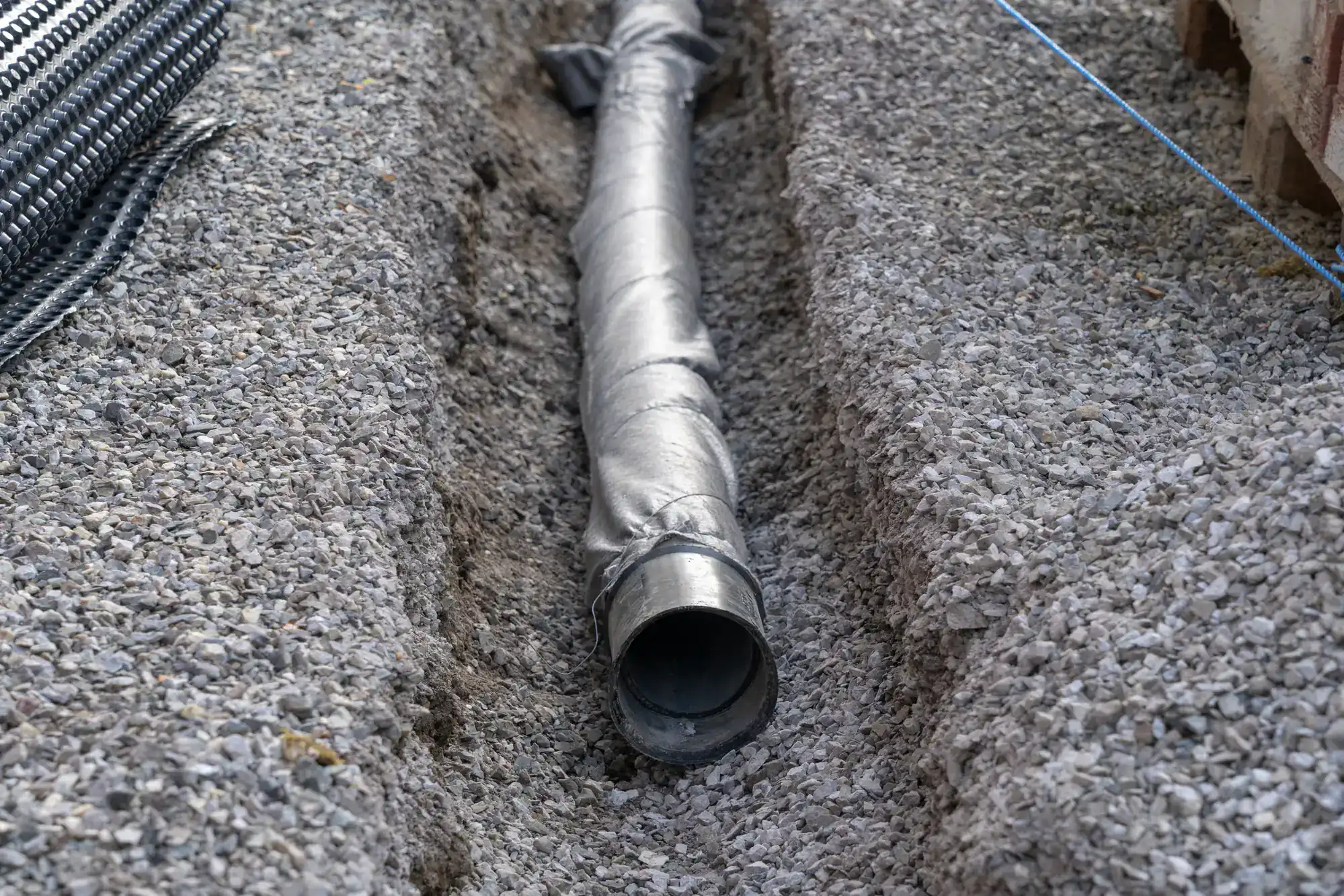
Once we’ve mapped the drainage path, we trench, line with double-punched geotextile filter fabric, backfill with washed angular gravel, and set perforated pipe at a consistent slope typically one inch of drop per eight to ten feet of run. That slope isn’t optional. It’s what keeps the system from backing up. We also call 811 before any excavation, which matters in a village with decades of layered utility infrastructure beneath its streets and yards.
Before we leave, your yard is restored topsoil, seed, or sod as needed. The trench disappears. The system doesn’t. On Long Island, where frost depth reaches around 36 inches, we bury pipe at the right depth so your system doesn’t freeze and fail in its first winter. That’s a detail a lot of installers skip. We don’t.
Ready to get started?
Every French drain installation we complete in Lindenhurst is designed around the specific conditions of that property. That means accounting for the outwash plain sandy soils that saturate fast, the Gardiners Clay layer beneath the surface that slows downward drainage, and for properties in the southern sections of the village the tidal influence from Great South Bay that can push water backward through storm drains even when it hasn’t rained.
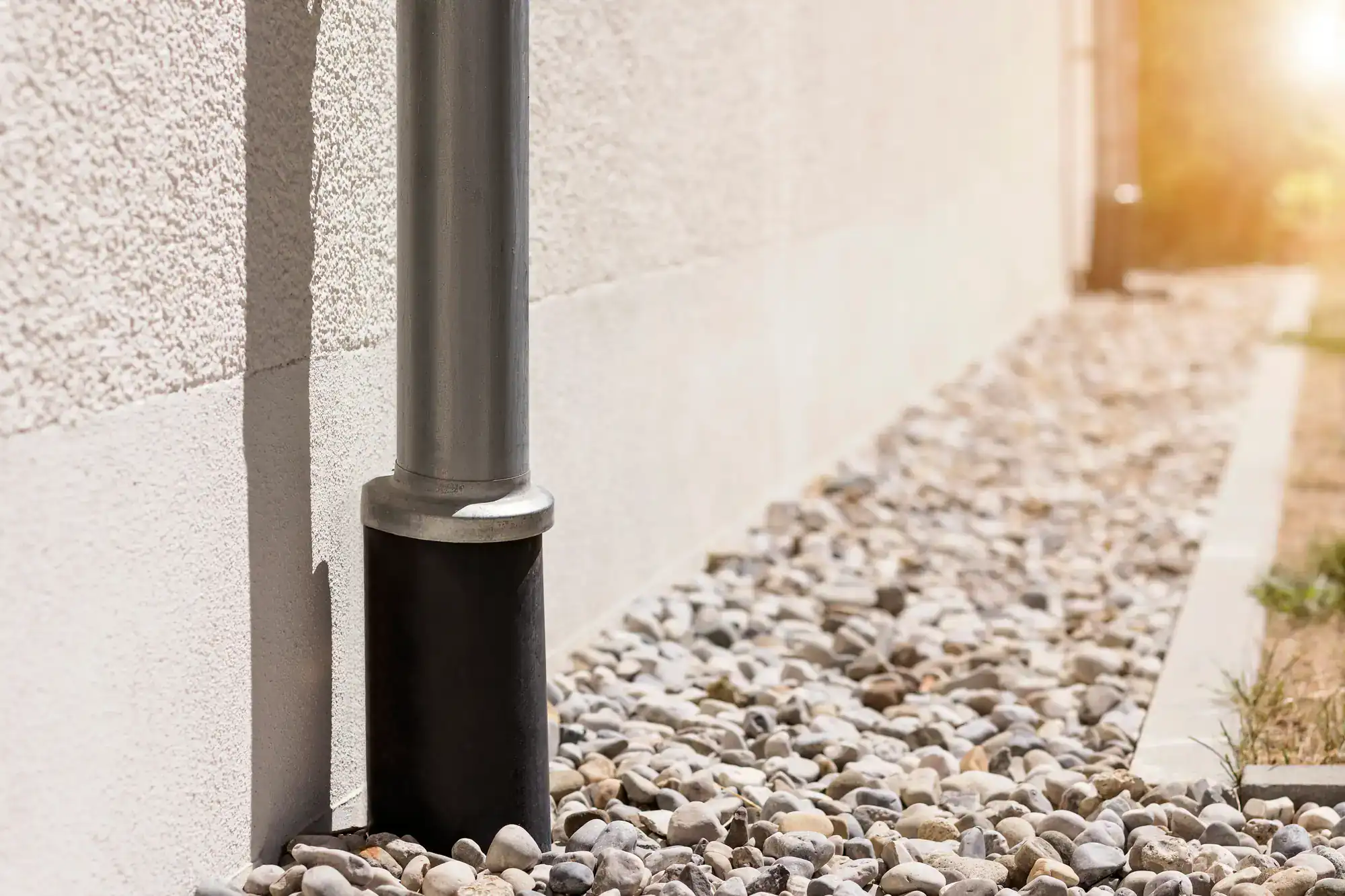
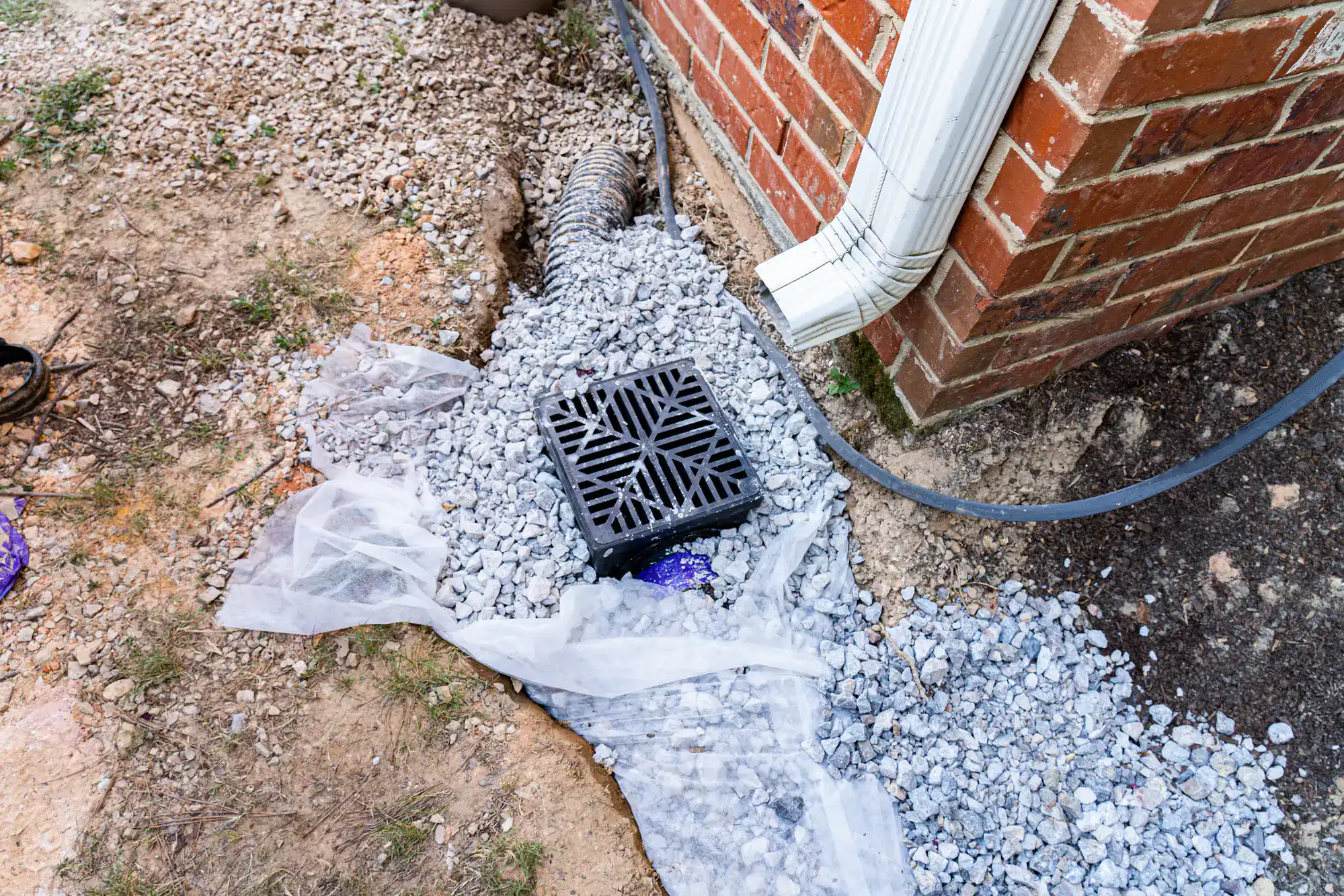
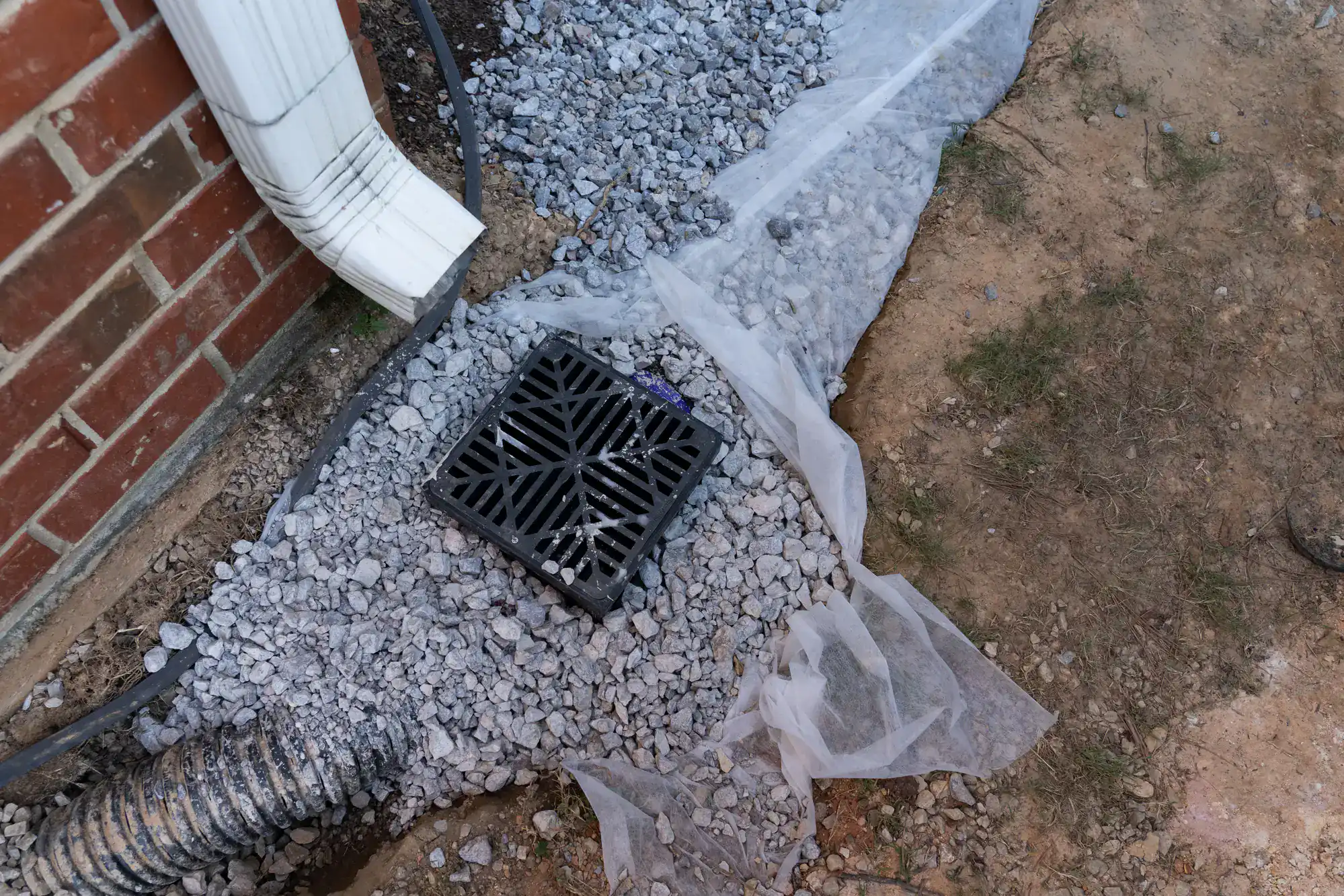
The system itself includes perforated drainage pipe, washed angular gravel, and geotextile filter fabric rated for long-term performance. We connect downspouts to a separate solid pipe rather than running them into the French drain line a detail that protects the system from being overwhelmed during heavy rain events. Outlets are designed to comply with the Village of Lindenhurst’s stormwater ordinances, which prohibit illicit discharge into the municipal storm sewer system. If a dry well or infiltration basin is the right outlet for your property, we’ll tell you that upfront.
We also handle all permit applications with the Village of Lindenhurst Building Department. For homeowners near American Venice or in designated flood zones, that permitting step isn’t optional and having a drainage contractor in Lindenhurst who already knows the process saves you time and avoids costly mistakes.
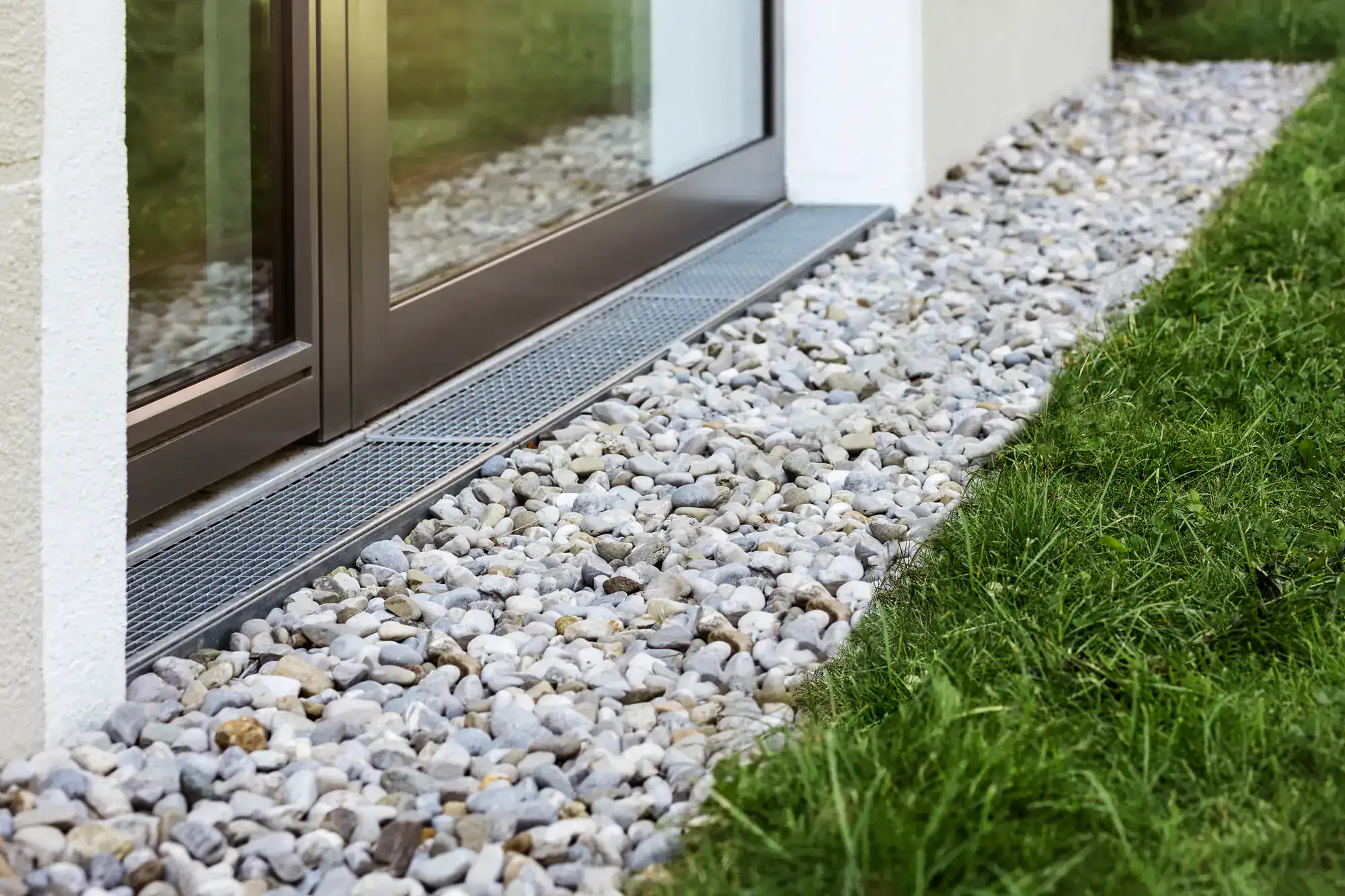
In most cases, yes. The Village of Lindenhurst has its own stormwater management office and formal ordinances that govern how drainage work is done and where water can be discharged. Any system that alters surface water flow, connects to the village’s storm sewer infrastructure, or involves significant excavation will typically require a permit from the Village of Lindenhurst Building Department.
Beyond the permit itself, the village operates under a New York State DEC SPDES General Permit for its Municipal Separate Storm Sewer System. That means your system’s outlet where the water ultimately goes has to be designed to comply with those discharge rules. You can’t simply run a pipe to the street. We handle all permitting as part of every installation, so you don’t have to figure out the process on your own. We also call 811 before any excavation, which is required by New York State law and especially important in Lindenhurst given the decades of utility infrastructure buried throughout the village.
Most residential French drain installations fall somewhere between $5,000 and $12,000, with the national average sitting around $9,250. The range on a per-linear-foot basis runs roughly $20 to $60 for professional installation. What drives your specific number is the length of the system, the complexity of the drainage path, the outlet type required, and whether any additional work like downspout rerouting or dry well installation is needed.
In Lindenhurst, properties in the southern sections of the village, particularly near the American Venice canal network or in FEMA flood zones, sometimes require more engineered outlet solutions, which can affect overall cost. That said, it helps to put the number in context. Foundation crack repair runs $15,000 to $50,000. Mold remediation can reach $25,000. A wet basement can reduce your home’s sale price by 10% or more and at a median home value of over $525,000 in Lindenhurst, that’s a $52,000 discount you’d be handing a buyer. A properly installed French drain system is one of the more rational investments you can make in a home at this price point.
A properly installed French drain system should last 30 to 40 years. The operative word is properly. The materials matter double-punched geotextile filter fabric, washed angular gravel, and perforated pipe with the correct perforation pattern. The slope matters the pipe needs a consistent grade to keep water moving. And the design has to account for the specific conditions of your property and your location.
On Long Island’s South Shore, that means a few things most installers don’t think about. Frost depth here reaches around 36 inches, so pipe buried too shallow will freeze and fail in winter. In Lindenhurst’s coastal sections, the water table rises with tidal cycles, which affects how the system needs to be sized and where it can discharge. A French drain that performs well in an inland community might underperform here if those details aren’t built into the design. Systems that fail within a few years almost always come down to one of these variables being ignored during installation.
Regrading changes the slope of your yard’s surface so water flows away from your foundation rather than toward it. It’s a legitimate fix for certain problems specifically, surface water that’s pooling because the ground pitches the wrong direction. If that’s your only issue, regrading might be enough.
The problem is that in Lindenhurst, surface grading rarely tells the whole story. When the water table is elevated by tidal influence from Great South Bay, or when the Gardiners Clay layer beneath your yard retards downward drainage, water isn’t just coming from the wrong direction it’s coming from below. Regrading doesn’t address subsurface saturation. A French drain system does, because it intercepts water underground and moves it to a controlled outlet before it ever reaches your foundation. Many Lindenhurst homeowners have tried regrading, added topsoil, or adjusted their grading and still ended up with a wet basement or a yard that pools after rain. That’s usually a sign the problem is subsurface, and a French drain is the right tool for it.
It can help, but the system has to be designed with the tidal dynamic in mind. Standard French drain installations are built to manage rainfall and subsurface groundwater. In American Venice and the streets south of Montauk Highway, you’re dealing with an additional variable: tidal cycles from Great South Bay that push water backward through storm drains and raise the water table independently of rainfall. The village has installed check valves and sump pumps on its storm drains to address the municipal side of this problem, but those don’t protect your individual property.
A French drain system designed for this environment needs the right outlet location one that doesn’t simply discharge into an already-overwhelmed storm sewer and pipe depth that accounts for the elevated water table. In some cases, a dry well or infiltration basin is the better outlet choice for properties in this area. We design French drains for yard drainage in American Venice with the coastal conditions here in mind, giving you meaningful protection that no amount of surface grading or municipal infrastructure improvement can replicate at the property level.
Chronic saturation doesn’t disqualify a property from benefiting from a French drain in fact, it’s exactly the condition a well-designed system is built to resolve. Years of wet soil can cause compaction, root damage, and in some cases early foundation stress, but none of those things prevent a French drain installation from working. What matters is whether the drainage path is engineered correctly for your specific conditions.
In Lindenhurst, where a large portion of the housing stock has been dealing with drainage limitations since the 1940s and 1960s, long-term yard saturation is common and well-understood. The soil here sandy outwash plain over a clay layer that slows downward drainage holds water longer than it should, especially during the wet seasons when the water table is already elevated. A free on-site assessment will tell you whether a French drain system is the right fix, what the system would look like for your property, and what you can realistically expect after installation. There’s no obligation, and you’ll leave the conversation with a clearer picture of what’s actually going on beneath your yard regardless of whether you move forward with us.