Hear from Our Customers
Most clearing jobs in Lindenhurst aren’t complicated on their own. What makes them complicated is everything around them the Town of Babylon permit process, the DEC jurisdiction that kicks in near the canal network, the FEMA flood zone rules that apply to a big chunk of the properties south of Montauk Highway. When a contractor doesn’t know those layers exist, you end up with a stop-work order, a fine, or a half-cleared lot and nobody returning your calls.
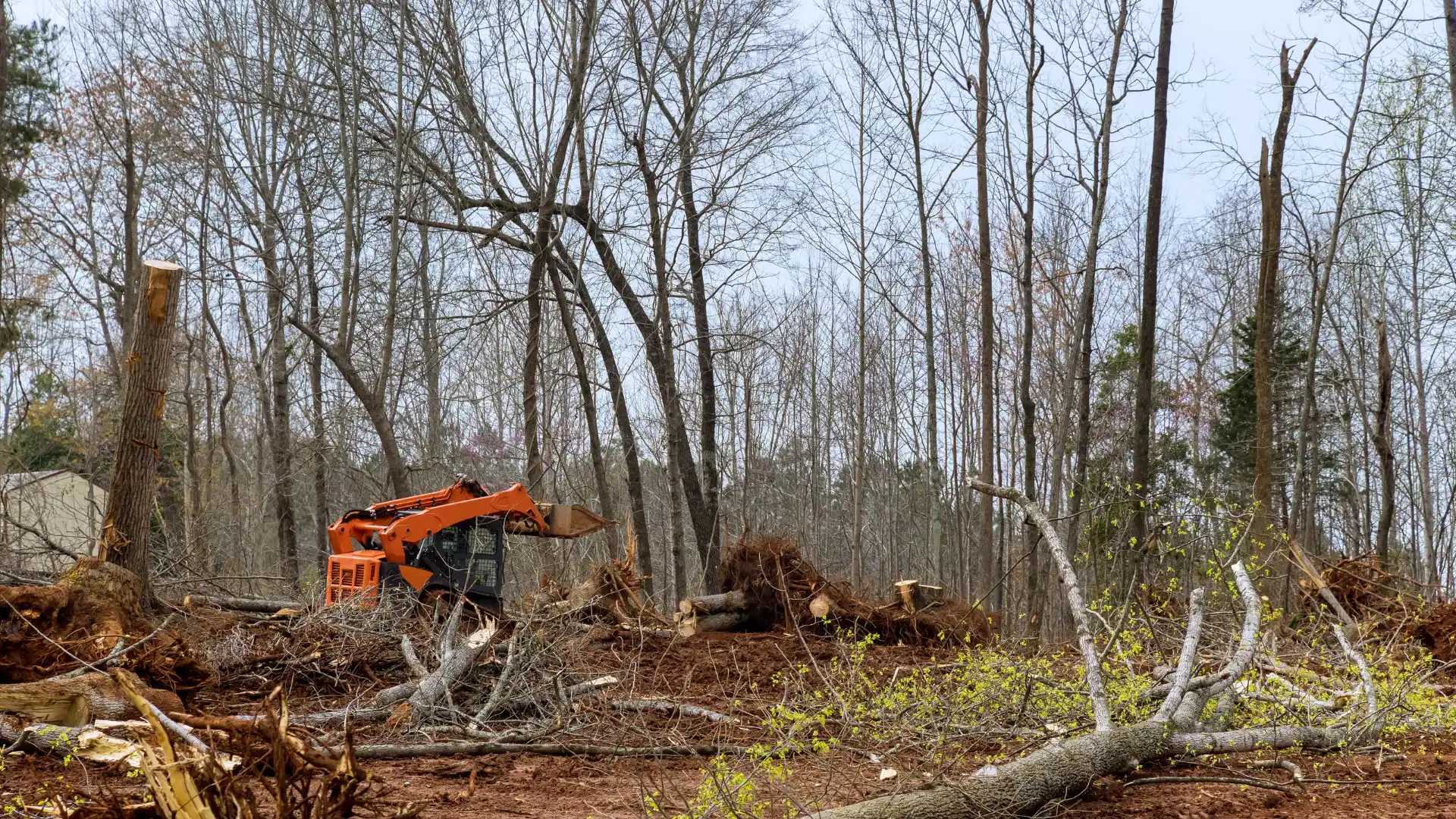
What you actually want is straightforward: the vegetation gone, the debris removed, and the site ready for whatever comes next whether that’s a builder, a landscaper, or just the ability to use your own yard again. That’s what we deliver with every land clearing job in Lindenhurst, NY.
The South Shore has its own set of conditions that inland contractors simply don’t deal with. Phragmites taking over a canal bank. Sandy-affected lots that have been sitting overgrown for years. Tight residential lots where the neighbour’s fence is six feet away and equipment access requires actual planning. These aren’t edge cases here they’re the norm. Knowing that before the job starts is what separates a clean outcome from a costly one.
We operate across Long Island’s South Shore, including Lindenhurst and the surrounding Town of Babylon communities. This isn’t a company that shows up with a truck and figures it out on the way the permit requirements, the waterfront regulations, the specific vegetation challenges of South Shore lots that knowledge is built into how we quote and plan every job.
Lindenhurst is one of the most densely settled villages on Long Island. The lots are tight, the neighbours are close, and a significant portion of the properties south of Montauk Highway carry a post-Sandy history that affects everything from site conditions to applicable flood zone rules. Understanding that context isn’t optional it’s the difference between a job that goes smoothly and one that creates problems you didn’t budget for.
Every quote we provide is itemised. Every scope is confirmed before work begins. And when the job is done, the site is clean no debris piles left against your fence, no half-finished work, no chasing us down for a follow-up.
It starts with a site assessment. Before anything is quoted, we take a proper look at the property existing vegetation, access conditions, proximity to water or wetlands, and whether the job falls within Town of Babylon permit requirements. For properties near Lindenhurst’s canal network or south of Montauk Highway, that assessment also includes a check of DEC wetlands jurisdiction. This step isn’t a formality it’s what prevents the job from hitting a regulatory wall halfway through.
Once the scope is confirmed, you get an itemised quote that breaks out clearing, stump removal if applicable, and debris disposal as separate line items. No lump sums that leave room for interpretation. If a Town of Babylon land clearing permit is required and for most meaningful residential clearing work in Suffolk County it is that process is confirmed before equipment is scheduled, not after.
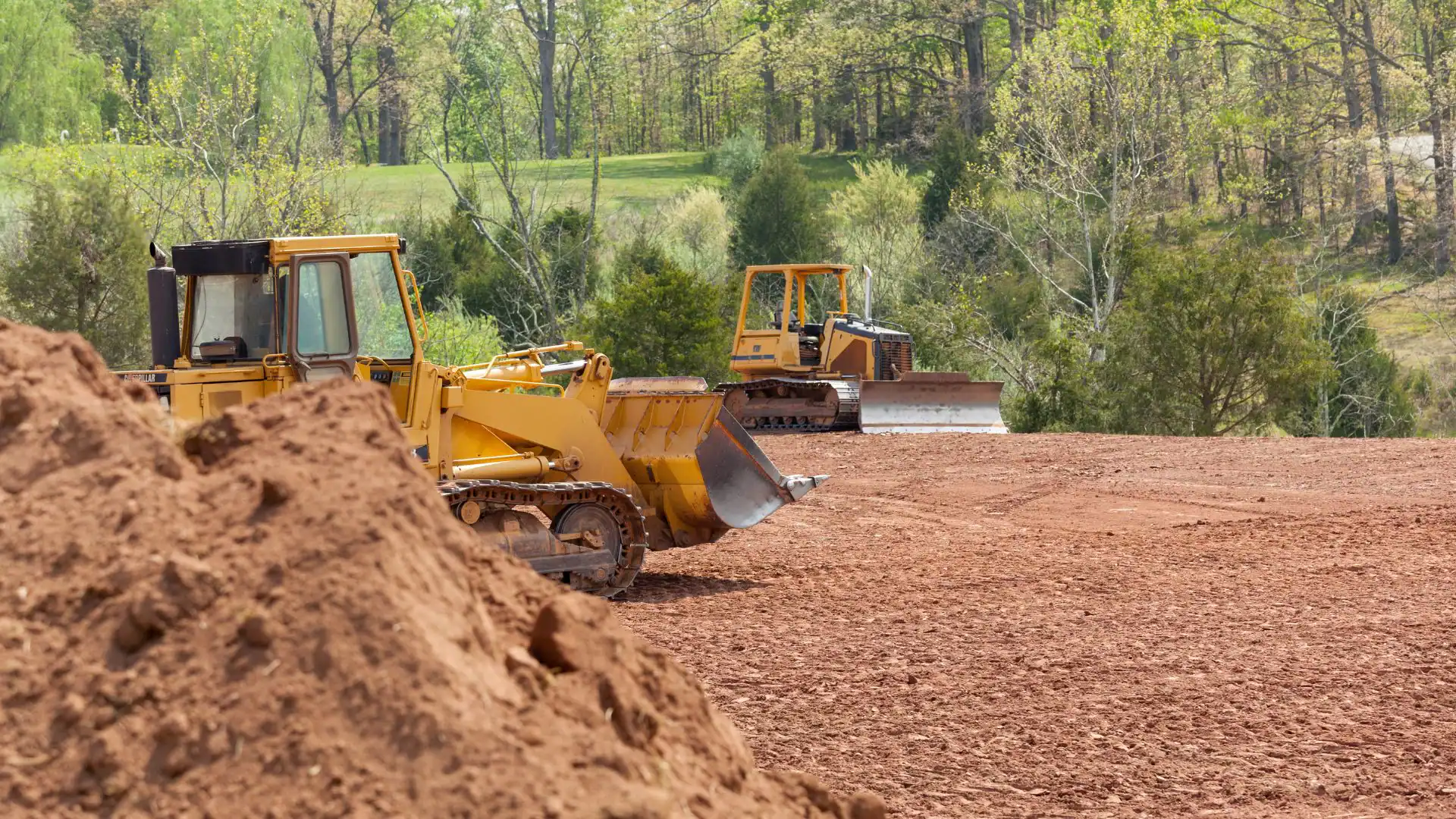
On the day of the job, the work follows the agreed scope. If something unexpected comes up on site, you’re told before it’s addressed not when the invoice arrives. When the clearing is done, all vegetation, brush, and debris is removed. The site is left clean, level, and ready for whatever your next step is, whether that’s a builder coming in, a landscaping project starting up, or simply having your property back.
Ready to get started?
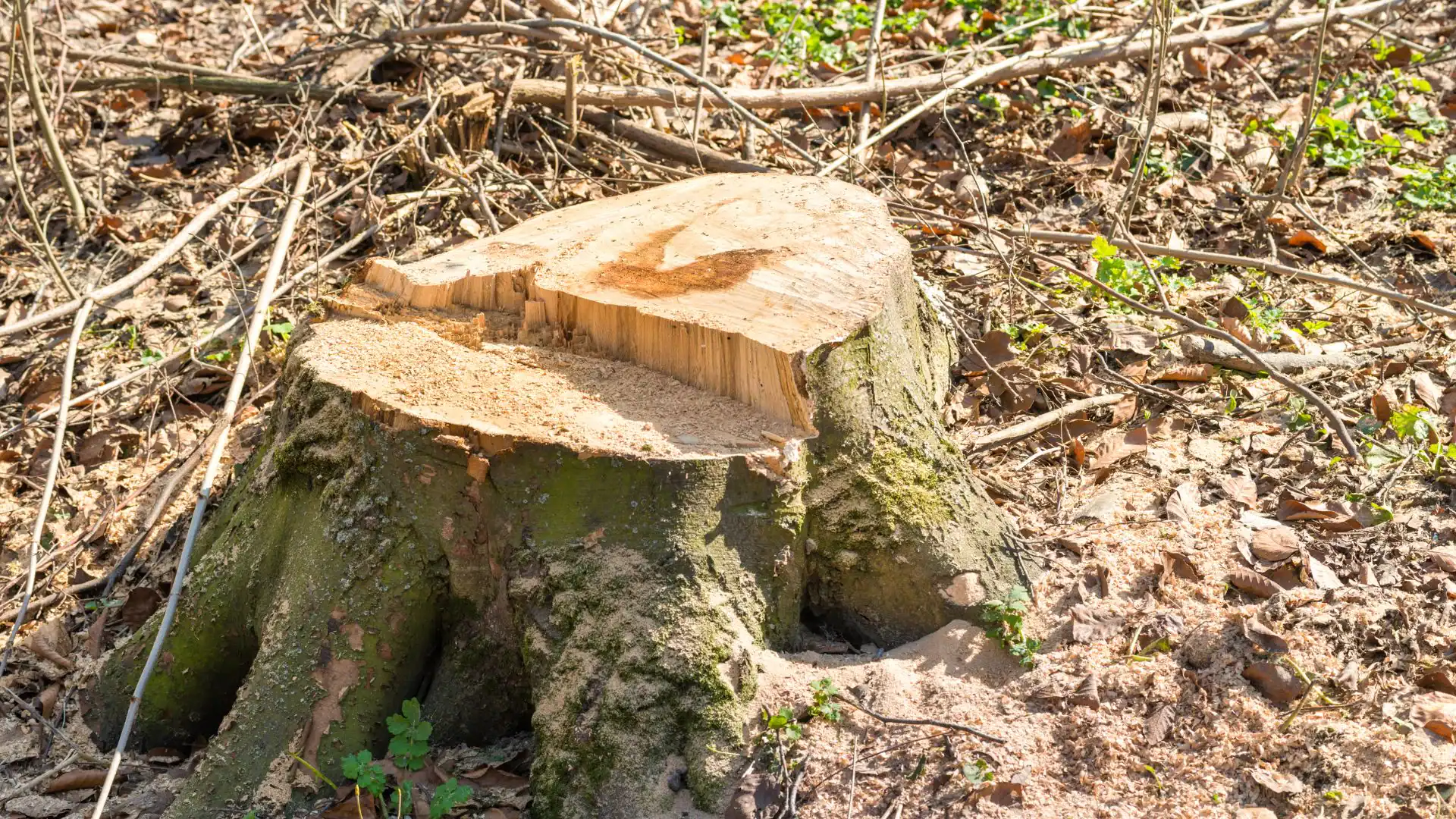
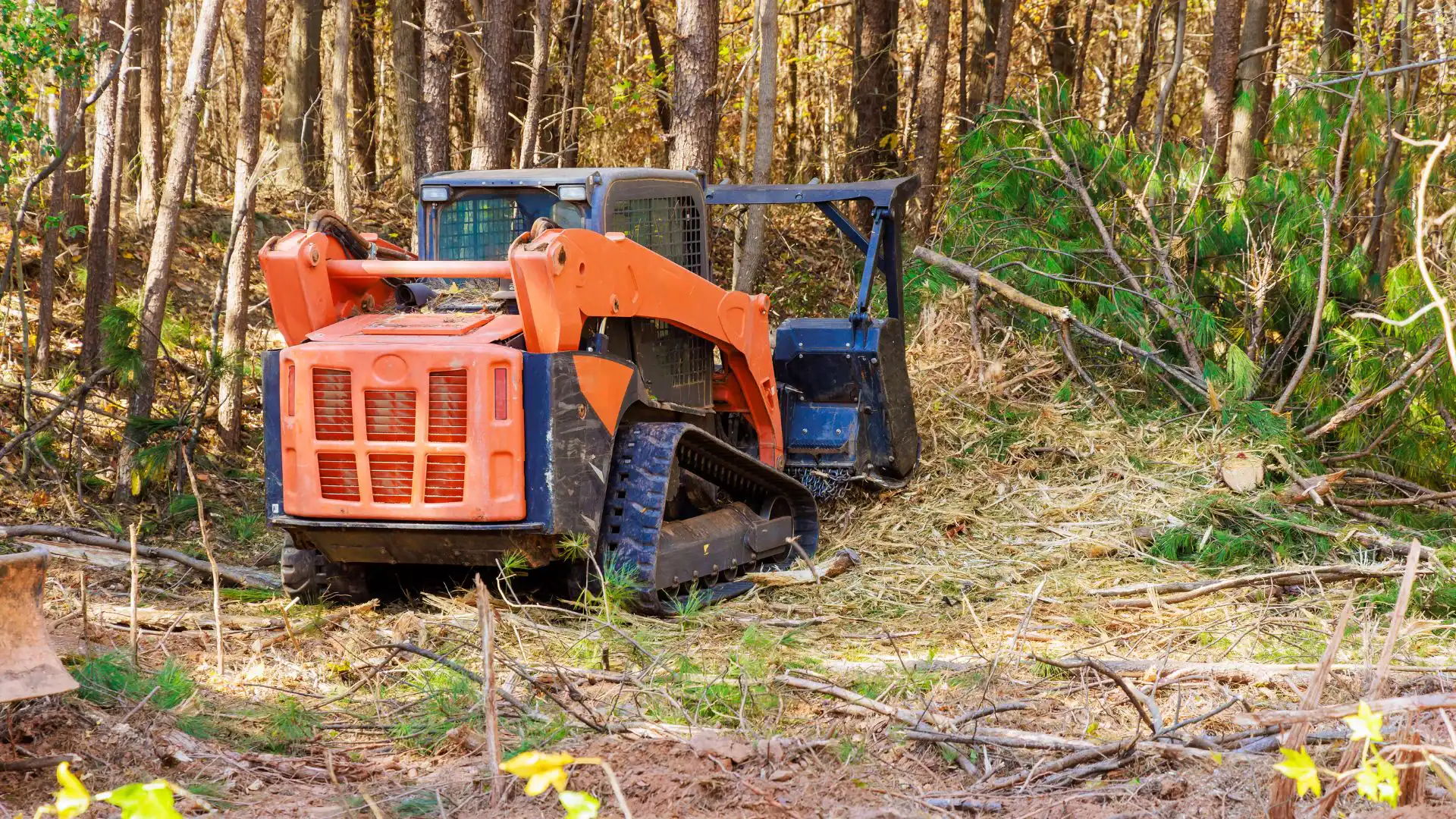
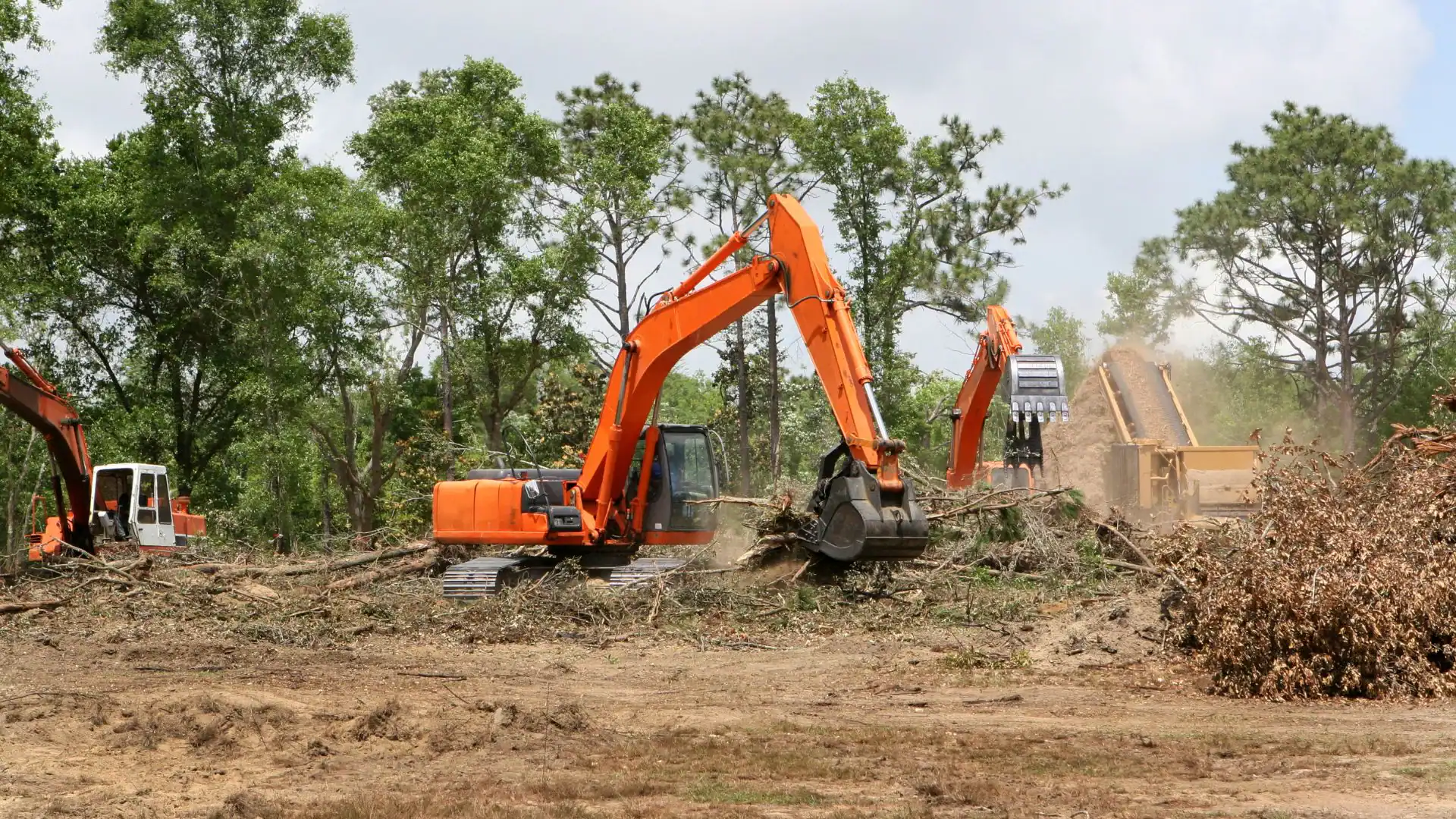
Land clearing services in Lindenhurst cover a wide range of what actually shows up on South Shore residential lots. Full lot clearing for pre-construction or pre-sale preparation. Brush clearing along fence lines, drainage areas, or sections of the yard that have been left unmanaged for years. Vegetation removal services for overgrown properties where the growth has gotten ahead of any standard maintenance approach. And land reclamation services for the lots that have been genuinely abandoned Sandy-affected properties that were never rebuilt, inherited parcels that have been sitting vacant, or canal-adjacent land where phragmites has taken over to the point where the property isn’t functional.
Overgrown property clearing in Lindenhurst often involves more than just surface cutting. Invasive species like phragmites and Japanese knotweed have aggressive root systems cutting the top growth without addressing what’s underground means the problem is back within a season. We size the clearing approach to the specific vegetation on your property rather than using a one-size method that leaves you with the same problem in six months.
Every job includes full debris removal unless explicitly discussed otherwise in the quote. In a village as dense as Lindenhurst where lots average small and neighbours are close leaving brush piles on site isn’t a neutral outcome. It creates immediate problems. That’s not how we do this work.
Yes, in most cases. The Town of Babylon requires a formal land clearing permit for vegetation removal on residential and commercial properties. The application goes to the Department of Planning and Development, Building Division, and it’s not a simple one-page form it requires a notarized submission, your Suffolk County Tax Map Number, a description of existing site conditions, and signed owner consent documentation. Beyond the town requirement, Suffolk County sets a permit threshold of just 100 square feet of vegetation removal, which means virtually any meaningful clearing job on a Lindenhurst lot requires permits before work begins.
If your property is near one of Lindenhurst’s canals or south of Montauk Highway, there’s a second layer to check: New York State DEC wetlands jurisdiction applies within 100 feet of regulated water bodies, and that can require separate approval before any vegetation is removed. Contractors who skip this step or who don’t know it applies put you in the position of dealing with enforcement action that has nothing to do with the town permit. We confirm regulatory status before quoting every job.
For a standard residential lot in Lindenhurst with moderate vegetation density, clearing typically falls somewhere in the range of $800 to $3,500 depending on scope, access conditions, and what’s being removed. Canal-adjacent properties or heavily overgrown lots particularly those with phragmites stands or significant invasive growth tend to run higher because of the added complexity in access, removal method, and in some cases regulatory requirements that affect how the work is sequenced.
What matters more than the headline number is how the quote is structured. A low lump-sum quote that doesn’t separate clearing, stump removal, and debris disposal leaves a lot of room for charges to appear after the job starts. An itemised quote tells you exactly what you’re paying for before equipment shows up on your property. Given that Lindenhurst median home values are approaching $525,000 and waterfront properties well above that a properly scoped and transparently quoted clearing job is a worthwhile investment in the property, not just a line item to minimise.
Phragmites australis common reed is the dominant invasive species along Lindenhurst’s canal margins and low-lying South Shore lots. It grows in dense stands that can reach 15 feet tall and spreads aggressively through underground rhizomes. Cutting it at the surface doesn’t solve the problem; without addressing the root system, it regrows within a season and often comes back thicker. Japanese knotweed, multiflora rose, and Oriental bittersweet are also common throughout residential lots in the village, particularly on older properties where vegetation management has been neglected for years.
Yes, we can remove these but the method matters. Effective invasive species removal targets the root system, not just the visible growth, and in some cases involves follow-up treatment to prevent regrowth. For phragmites on canal-adjacent properties, removal may also fall under DEC jurisdiction depending on how close the stand is to the waterway. That regulatory check is part of the pre-work assessment, not something that gets discovered mid-job. If you’re dealing with any of these species on your Lindenhurst property, we match the clearing approach to what’s actually there.
Start with a site assessment that accounts for the full regulatory picture, not just the vegetation. A significant portion of Lindenhurst properties south of Montauk Highway sit in FEMA-designated flood zones AE zones and in some cases VE zones in the most exposed areas. Clearing and site work in these zones is subject to flood zone development regulations that affect what can be done with grading, fill, and vegetation removal near flood zone boundaries. A contractor who isn’t familiar with that framework can create compliance problems that delay your rebuild timeline considerably.
Beyond the regulatory layer, Sandy-affected lots often have specific site conditions that affect how clearing proceeds deteriorated bulkhead infrastructure near canal-front properties, soil that has been disturbed or deposited by storm surge, and in many cases vegetation that has had over a decade to establish itself on a lot that was cleared once and then left. We account for all of that during the assessment phase before a scope is written. If your property has been sitting since Sandy and you’re finally ready to move forward, the starting point is a proper look at what’s there and what the regulatory environment requires not just a quote based on square footage.
This is a real concern on canal-front properties in South Lindenhurst, and it deserves a direct answer. Working near bulkhead infrastructure requires awareness of where the equipment operates and how close heavy machinery gets to the water’s edge. The site assessment specifically identifies bulkhead proximity, access constraints, and any areas where equipment weight or movement could create risk. On tight canal-front lots, that often means selecting equipment sized and suited to the specific access conditions rather than defaulting to the largest available machine.
For neighbouring properties, the same logic applies. Lindenhurst’s residential lots are small and closely spaced this isn’t a rural clearing job where there’s buffer in every direction. We define scope clearly before work starts, and the clearing stays within the agreed boundaries. If there’s a shared fence line, an adjacent structure, or a drainage feature that needs to be worked around, that gets identified during the assessment and factored into how we execute the job. The goal is a clean result on your property without creating a problem for the person next door.
Spring is the busiest window March through May is when most Lindenhurst homeowners are ready to move on clearing and site preparation after winter, and contractor schedules fill up quickly during that stretch. If you have a construction timeline or a landscaping project starting in spring, booking in late winter gives you the best shot at getting the dates you want.
That said, clearing work in Lindenhurst isn’t limited to one season. Fall is a solid secondary window vegetation has slowed its growth, storm-damaged trees and brush from the summer hurricane season are a common driver of clearing calls, and the cooler conditions make for efficient work. Winter clearing is underrated: dormant vegetation is easier to assess and in some cases easier to remove, and frozen ground can actually improve access on the wet, low-lying lots that are common in South Lindenhurst near the canal network. The one variable worth planning around is post-storm demand nor’easters and tropical remnants hit the South Shore with enough regularity that clearing schedules can tighten quickly after a significant weather event. If your property has storm damage that needs addressing, calling sooner rather than later is the practical move.