
Hear from Our Customers
Most Lindenhurst homeowners dealing with yard flooding aren’t facing a simple problem. South of Montauk Highway, the village’s canal network creates tidal backflow conditions that overwhelm standard drainage systems during nor’easters and storm surges. The village’s own stormwater management documents confirm that the most abundant flooding in Lindenhurst occurs in this zone because the existing systems were never built to handle it. A drainage solution that doesn’t account for that reality isn’t a solution. It’s a delay.
When the right system is in place, the difference is immediate. Water moves off your property the way it’s supposed to during a light spring rain and during the kind of storm that had residents walking to their homes on South Shore streets because the roads were too flooded to drive. Your yard becomes usable again. Your foundation stops taking on water. And the soggy, unusable outdoor space you’ve been working around stops being a fixture of every rainy season.
For homeowners in northern and central Lindenhurst, the conditions are different but the frustration is the same. Flat terrain, aging post-war drainage infrastructure, and high groundwater levels mean water has nowhere to go without an engineered path. A properly graded yard with the right drainage system installed gives it one and keeps your lawn, landscaping, and hardscaping from paying the price every time the sky opens up.
Gold Coast Landworks is a Long Island-based landscape drainage company that works exclusively on this island which means we’re not applying generic drainage knowledge to a new zip code. We know the difference between how water behaves on a sandy lot in northern Lindenhurst versus a clay-heavy, canal-adjacent property south of Montauk Highway. That distinction matters more than most homeowners realize, and it’s usually the reason a previous fix didn’t hold.
We’ve worked throughout Suffolk County and across the South Shore corridor from Babylon to Bay Shore and we understand the soil variability, the tidal dynamics of the Great South Bay, and the permit requirements specific to the Village of Lindenhurst’s building department. Every project starts with a real site assessment, not a quick glance and a generic proposal.
What you get is a contractor who understands your specific conditions in Lindenhurst, pulls the necessary permits, installs a system designed for your property, and restores your yard before we leave. No second-guessing. No coordinating multiple trades. One crew, one scope, one accountable point of contact from start to finish.
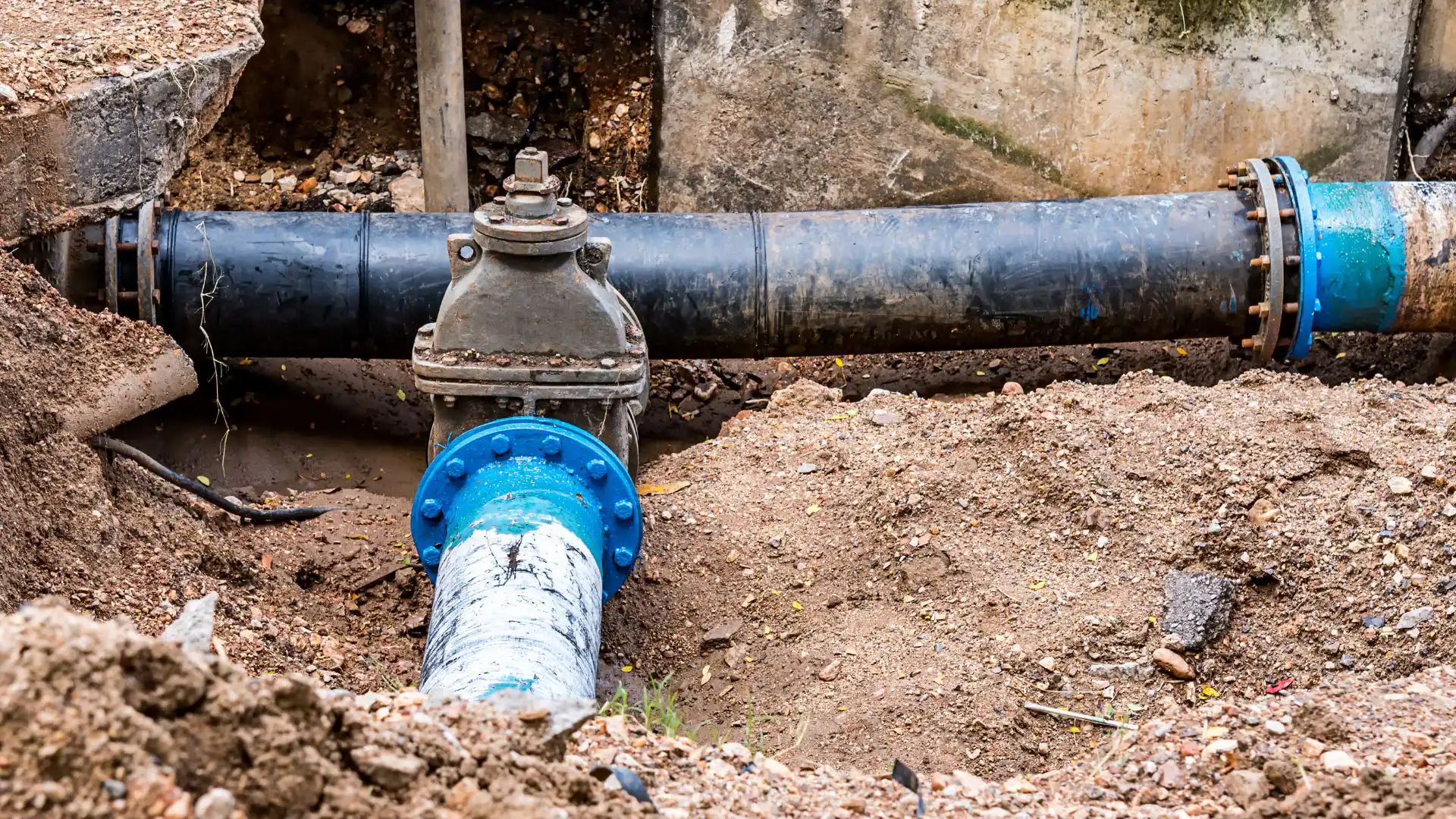
It starts with a site assessment not a sales visit. We walk your property, map how water moves across it, identify where it pools, and look at what’s driving the problem beneath the surface. In Lindenhurst, that means checking groundwater elevation, soil composition, proximity to the canal network, and whether tidal backflow is a factor on your specific lot. That last piece is something a lot of contractors skip entirely, and it’s exactly why systems installed south of Montauk Highway often underperform.
Once we understand the full picture, we put together a scope of work that addresses the actual cause not just the most visible symptom. That might be a French drain, a catch basin system, regrading for proper slope, a dry well installation, or a combination of several approaches working together. For new drainage installations in Lindenhurst, the Village’s building department requires a permit before work begins. We handle that process as part of every project you don’t need to navigate the village code on your own.
Installation is clean and deliberate. We excavate what needs to be excavated, install the system correctly the first time, and restore disturbed turf and topsoil before we leave your property. On a small lot in a dense neighborhood like Lindenhurst, that restoration matters. The goal is a yard that drains properly and looks the way it should not a construction site with a pipe running through it.
Ready to get started?
The drainage services we provide in Lindenhurst are built around what this community actually deals with not what a standard drainage menu looks like. French drain installation, catch basin systems, dry wells, surface grading corrections, channel drains, and driveway drainage are all part of what we do. What determines the right combination is your specific property: lot size, soil type, proximity to the canal network, groundwater elevation, and how your existing drainage infrastructure if any is performing.
For canal-adjacent properties in southern Lindenhurst, that means designing systems that account for tidal influence and high groundwater, not just surface runoff. For properties north of Montauk Highway, it often means correcting decades of gradual grade change caused by additions, new hardscaping, or settling conditions that are common in a housing stock where most homes were built between the 1940s and 1970s and have been modified many times since.
Every installation includes full permit handling through the Village of Lindenhurst’s building department, compliance with the village’s stormwater management requirements, and complete yard restoration when the work is done. The Great South Bay and Lindenhurst’s tidal tributaries are on the NYSDEC’s Priority Water Bodies List meaning properly managed drainage on your property isn’t just good for your yard, it’s part of keeping the waterway your neighborhood was built around in better shape.
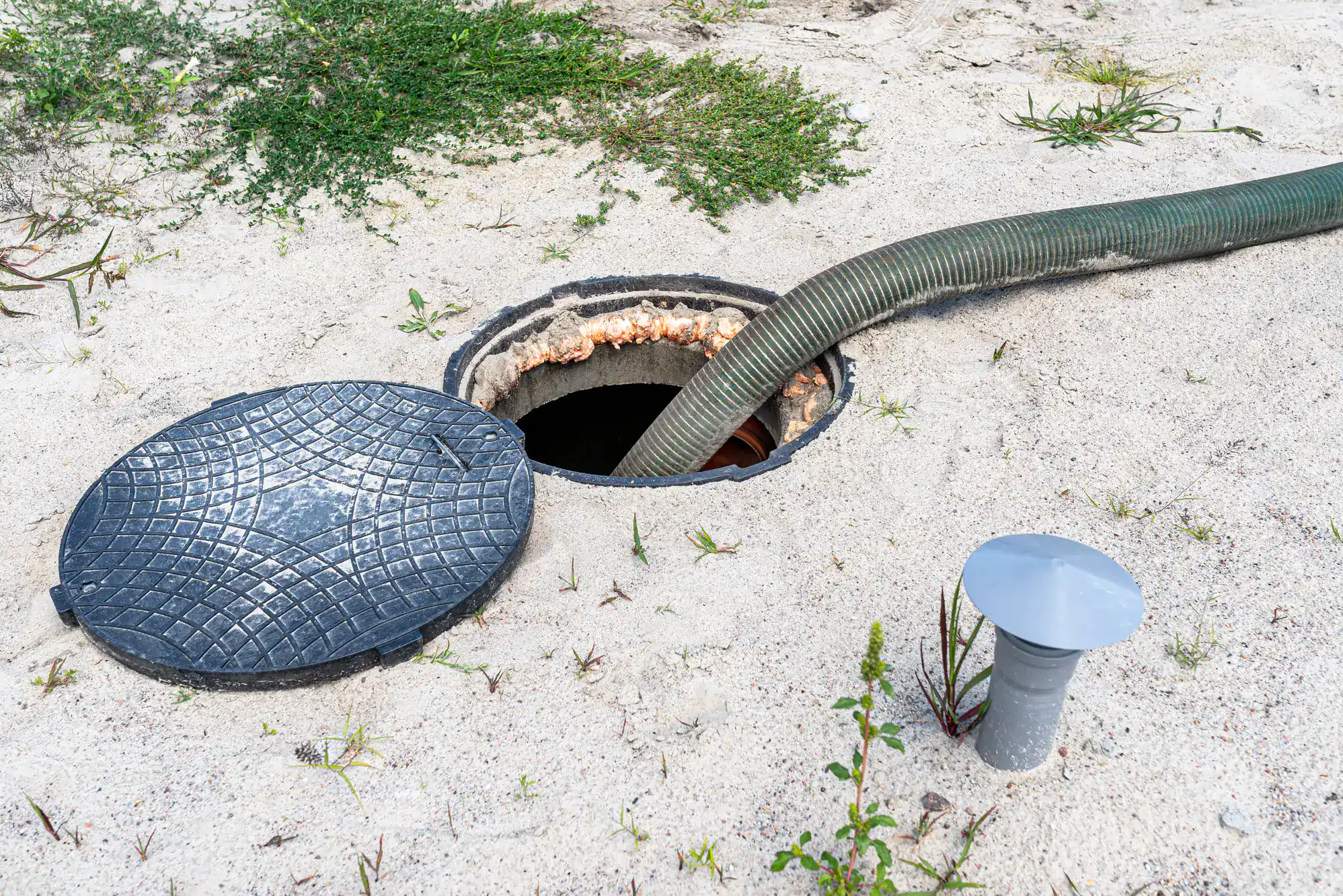
This is one of the most common situations we run into on the South Shore. The most frequent reason a previous drainage fix didn’t hold in Lindenhurst is that it addressed the surface symptom without accounting for what’s driving the problem underground specifically, high groundwater elevations and, for properties south of Montauk Highway, tidal backflow from the canal network. A French drain or catch basin installed without factoring in those conditions will move water from one spot to another, but it won’t actually solve the flooding.
The village’s own stormwater management documents acknowledge that many of the existing drainage systems south of Montauk Highway are undersized and were never built to handle the volume they receive. If your property is in that zone and a previous contractor didn’t mention tidal influence or groundwater as part of their diagnosis, that’s likely where the gap is. A proper site assessment one that looks at subsurface conditions and not just surface water is the starting point for a fix that actually lasts.
For new drainage installations in Lindenhurst, yes a permit is required. The Village of Lindenhurst’s building department requires an application and permit before any new plumbing or drainage work is installed, whether it connects to the sewer system or not. Repairs to existing drainage can typically be made without a permit, but if you’re installing a new French drain, catch basin, dry well, or any new drainage infrastructure, you need to go through the village’s permitting process first.
This matters beyond just following the rules. If drainage work is done without a permit in Lindenhurst and it comes up during a sale or inspection, the village can withhold a certificate of occupancy until the violation is corrected. That’s a real problem at closing. We handle the permit process as part of every new installation we’re familiar with the Village of Lindenhurst’s stormwater management chapter and building department requirements, so you don’t have to figure that out yourself.
It’s a fair question, and the confusion is understandable search for drainage help in Lindenhurst and you’ll find plumbers and landscape contractors mixed together in the results. Here’s the practical distinction: plumbers solve pipe problems. Blocked drains, broken sewer lines, stormwater pipe connections that’s their lane. If your yard is flooding because of a clogged underground pipe, a plumber is the right call.
If your yard is flooding because of how water moves across and through your land flat terrain, inadequate grading, high groundwater, surface runoff with nowhere to go, or tidal backflow near the canals that’s a landscape drainage problem. No amount of pipe clearing solves a grading issue or a high water table. A landscape drainage contractor evaluates the land itself: how it slopes, how it absorbs, how water flows across it, and what engineered system will redirect that water effectively. For most Lindenhurst homeowners dealing with yard flooding, that’s the conversation that actually leads to a fix.
French drain installation costs in Lindenhurst generally range from $3,000 to $8,000 for a residential property, depending on the length of the drain, the depth required, soil conditions, and whether the system needs to tie into an existing catch basin or outlet. Properties in southern Lindenhurst with clay-heavy soils, high groundwater, or limited outlet options near the canal network tend to be on the higher end of that range the conditions require more careful system design and sometimes additional components like geotextile fabric or deeper excavation.
It’s worth framing that cost against what you’re protecting. The average water damage insurance claim pays out around $13,954. Foundation repairs from water intrusion can run $23,000 to $48,000. A French drain that solves a chronic flooding problem is, in most cases, the cheapest form of property protection available to a Lindenhurst homeowner. We provide written, itemized quotes before any work begins so you know exactly what you’re getting and why it costs what it costs no vague estimates that change once the crew shows up.
More than most homeowners realize. For properties in the canal-adjacent neighborhoods south of Montauk Highway, yard drainage isn’t just about keeping the lawn usable it’s about managing the interaction between surface water and a water table that’s already close to grade. When the canals rise during a nor’easter or storm surge, groundwater in that zone rises with it. A yard without a properly designed drainage system in that environment doesn’t just get soggy it can push water toward your foundation, into your crawl space, or into your basement.
There’s also an environmental dimension worth knowing about. The Great South Bay and Lindenhurst’s tidal tributaries are on the New York State DEC’s Priority Water Bodies List, with urban runoff identified as a primary source of impairment. A properly installed yard drainage system keeps water managed on your property rather than contributing uncontrolled runoff to the storm drain system that eventually reaches the Bay. It’s good for your property and consistent with what the village is actively working toward through its own stormwater management program.
Late summer through early fall tends to be the most practical window for drainage installation in Lindenhurst the ground is workable, the heaviest storm season hasn’t started yet, and you’re set up before the nor’easters that typically run from October through March. That said, drainage work can be done year-round in most conditions, and if you’ve just had a flooding event, waiting for an ideal season rarely makes sense.
Spring is also a reasonable time, particularly for properties in northern and central Lindenhurst where snowmelt combined with spring rain saturates already-high water tables. The honest answer is that the best time to schedule is before the next flooding event, not after. Lindenhurst’s South Shore location means the window between a calm stretch and a significant storm can be short the community has experienced that firsthand more than once. If your yard has a drainage problem you’ve been putting off, the off-season or early fall is when most homeowners get ahead of it, and it’s also when scheduling tends to be more flexible on our end.