
Hear from Our Customers
If your yard is still soggy three days after a storm, or your basement smells like it’s been holding moisture all winter, the problem isn’t going away on its own. Water that has nowhere to go finds somewhere and that somewhere is usually your foundation wall, your crawl space, or the base of your landscaping investment.
In North Sea, that problem is compounded by something most drainage contractors don’t account for: the water table here is naturally close to the surface. The hamlet borders Little Peconic Bay, and the presence of wetlands and salt marsh throughout the area means the ground is already holding more moisture than in most inland Suffolk County communities. When heavy rain hits and the Northeast has seen a significant increase in intense rainfall events over the past few decades there’s very little buffer left.
A properly installed French drain system redirects that water before it reaches your foundation or turns your yard into a seasonal swamp. For North Sea homeowners, especially those who aren’t at the property year-round, that means coming back in spring to a dry basement instead of a remediation project. It means your outdoor space is usable in July, not just August. And on a property worth well over a million dollars in this market, it means you’re protecting real equity not just fixing a nuisance.
Gold Coast Landworks focuses on residential French drain installation and water drainage across Long Island’s East End. That focus matters in North Sea. Properties near Conscience Point, Wolf Swamp, and the bay-facing streets along North Sea Road deal with conditions that a general landscaper adding drainage to their service list won’t fully anticipate.
We work specifically in the Town of Southampton service area, which means we understand the permitting environment, the wetland buffer considerations near preserved areas like Big Woods, and the site-specific challenges that come with building on land that’s been shaped by the bay and the glacial landscape beneath it. We’ve installed systems on North Sea properties for over a decade, and we know what works here and what doesn’t.
When you call us out for an assessment, you’re not getting a sales pitch. You’re getting a ground-level look at what’s actually happening with water on your property and an honest answer about what will fix it.
It starts with a site visit. Before any equipment shows up, we walk the property and look at where water is entering, where it’s pooling, how the grade is working, and what the soil conditions tell us about how the system needs to be designed. In North Sea, that assessment always includes a look at proximity to wetland areas if your property sits near any of the preserved land or marsh buffers in the hamlet, that affects where and how we discharge, and whether Southampton Town’s permitting process needs to be part of the plan.
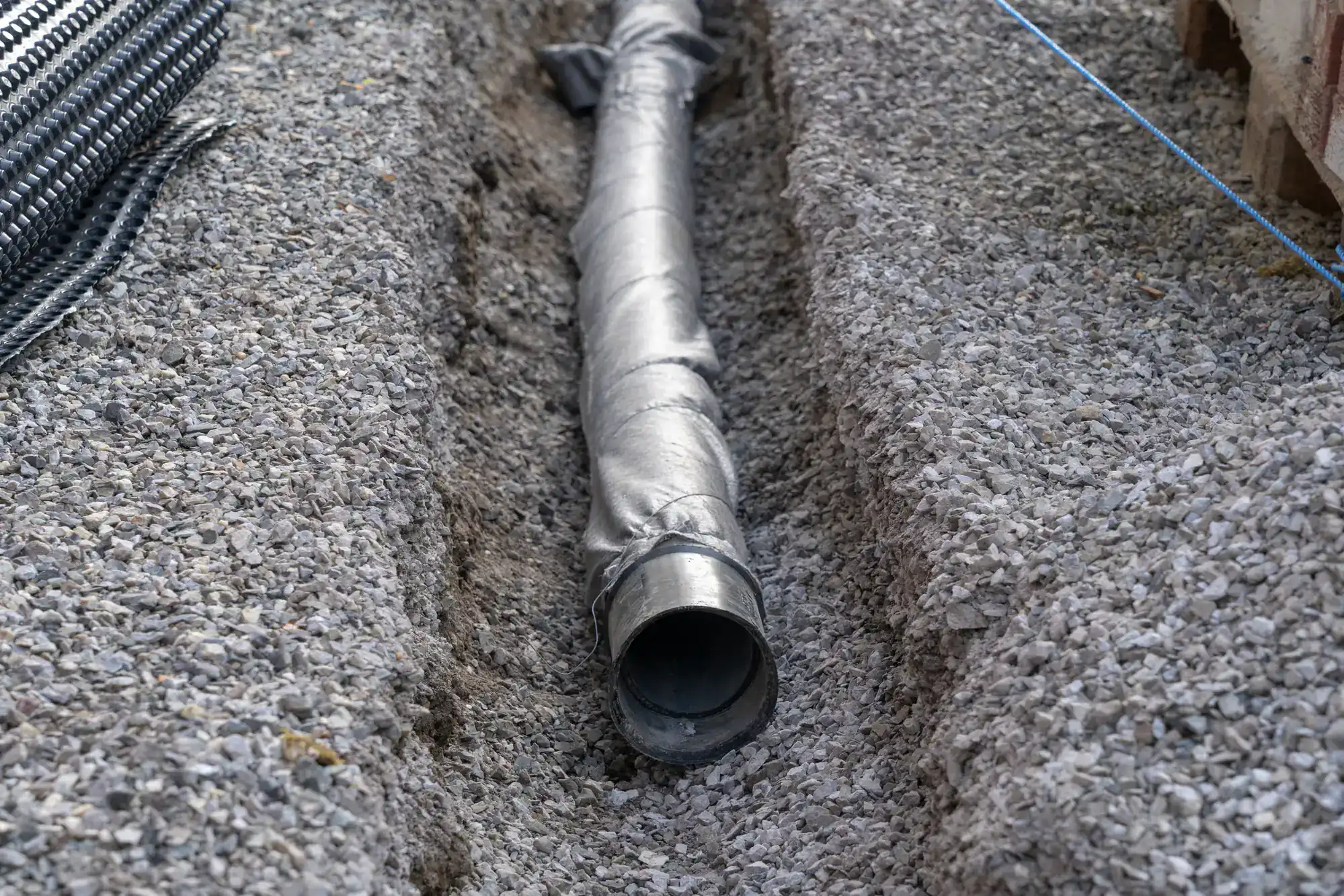
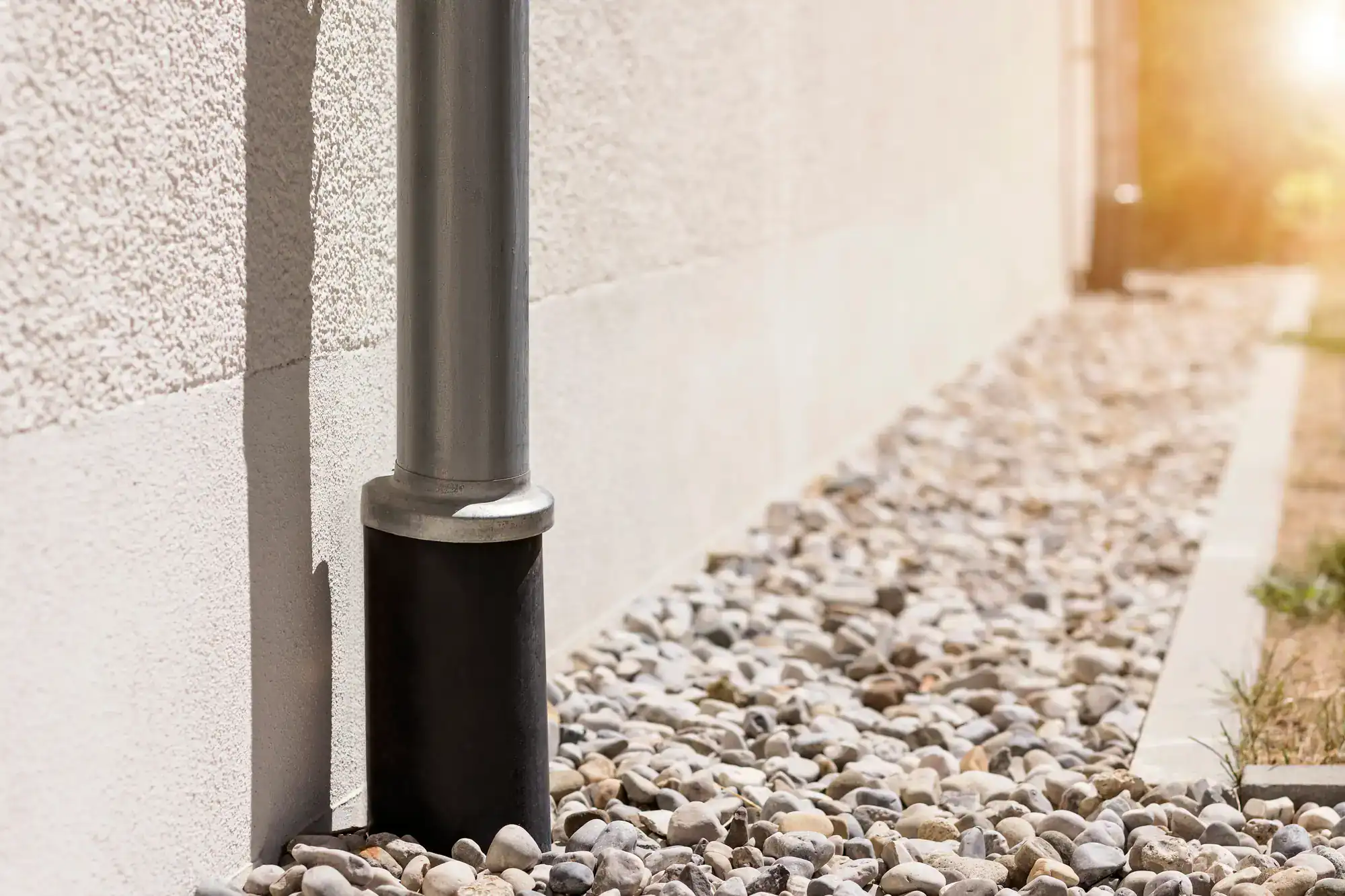
Once the design is confirmed, we handle utility marking through 811 before any digging starts that’s not optional, it’s required by New York State law, and it’s something we take care of so you don’t have to. The installation itself involves excavating a trench at the right depth and slope, laying perforated pipe wrapped in geotextile filter fabric, backfilling with clean angular gravel, and connecting the system to a defined discharge point that moves water away from the structure.
When the work is done, we restore the yard. Topsoil, seeding, or sod whatever matches what was there before. The goal is a system that works invisibly and a yard that looks like we were never there.
Ready to get started?
Every French drain system we install is designed around what’s actually happening on that specific property. For some North Sea homes, that’s a perimeter French drain around the foundation to intercept groundwater before it creates hydrostatic pressure against the wall. For others, it’s a yard drainage French drain that captures surface water pooling in low spots and channels it to a safe discharge point. Some properties especially those on larger lots near the bay or adjacent to preserved wetland areas need a curtain drain positioned upslope to intercept groundwater flowing toward the structure before it ever reaches the foundation.
The materials we use are professional grade throughout: rigid perforated SDR pipe, correctly rated geotextile filter fabric to prevent silt migration, and clean angular gravel that maintains drainage capacity over time. These aren’t small decisions. The difference between a system that lasts 30 years and one that clogs and fails in three comes down entirely to what goes in the ground and how it’s installed.
For North Sea homeowners with properties near Conscience Point, Wolf Swamp, or any of the wetland-adjacent streets off Tuckahoe Road or Noyac Road, we also assess whether Southampton Town’s wetlands regulations apply to the proposed work and handle any required review as part of the project. You shouldn’t have to navigate that process alone.
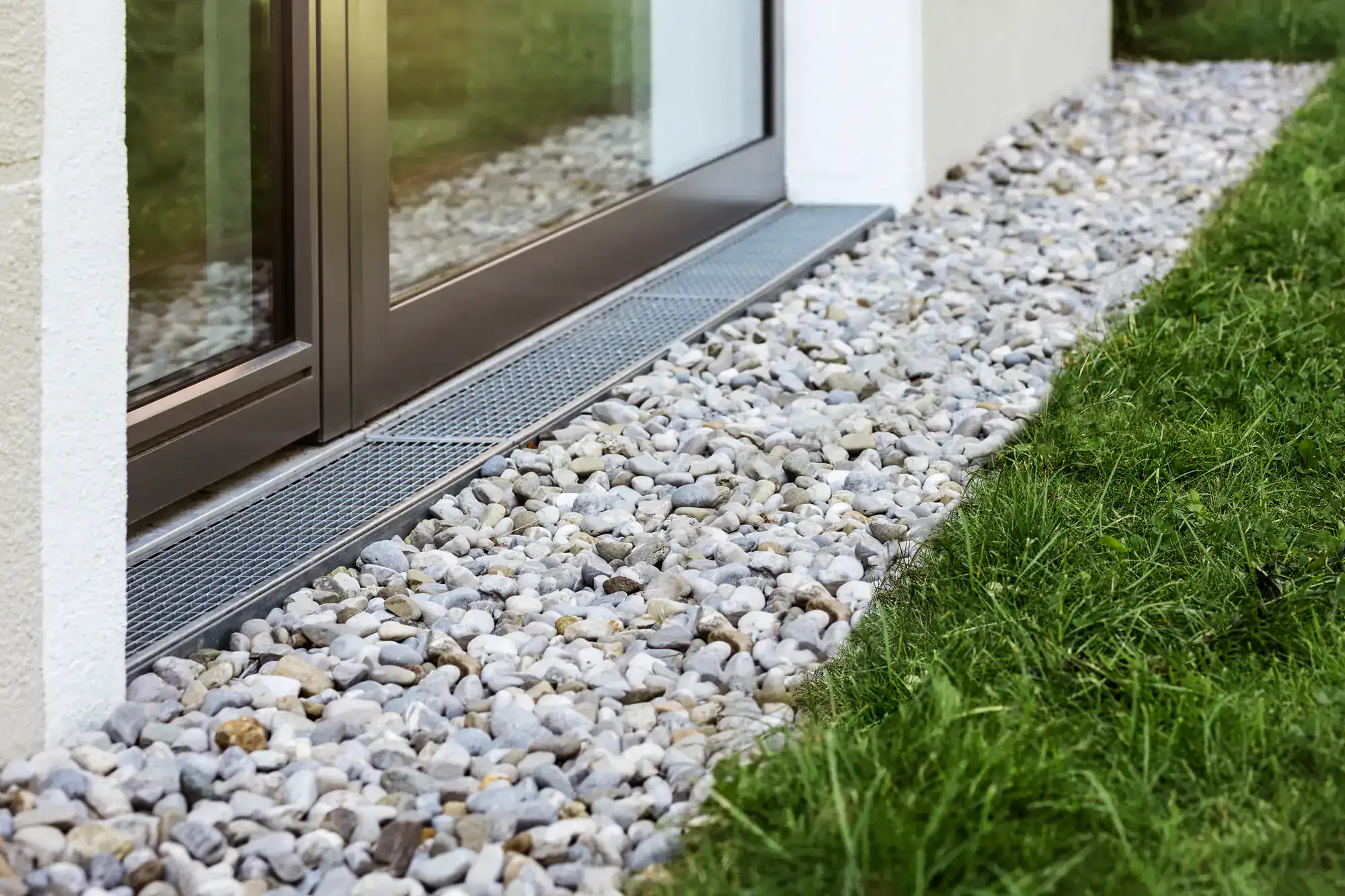
North Sea’s position along Little Peconic Bay means the water table in many parts of the hamlet is naturally closer to the surface than in most other Suffolk County communities. When rain falls, the soil has less capacity to absorb it before it reaches saturation so water sits on top longer, and it takes more time to drain away naturally. This is especially noticeable on properties near the bay-facing areas, along the lower-lying streets, and anywhere adjacent to the preserved wetland areas throughout the hamlet.
The other factor is soil variability. Long Island’s South Fork has a mix of sandy and loamy soils, and depending on where your property sits, drainage capacity can vary significantly even within a single yard. A French drain system for yard drainage in North Sea accounts for both the soil conditions and the water table depth it’s not just about moving surface water, it’s about relieving the pressure that builds up when the ground is already near capacity.
Most residential French drain installations in the North Sea area fall somewhere between $5,000 and $12,000, depending on the length of the system, the depth required, site conditions, and whether any discharge infrastructure like a dry well or pop-up emitter needs to be added. Properties near wetland areas that require Southampton Town permitting review may have additional costs associated with that process.
What’s worth keeping in perspective in this market is the cost comparison. Foundation crack repair and waterproofing runs $15,000 to $50,000. Mold remediation starts around $3,000 and escalates quickly. On a North Sea property where median values have crossed $1 million, a drainage system that prevents that kind of damage isn’t an expense it’s straightforward asset protection. We’ll give you a specific number after we see the property, because a phone quote in a market with this much site variability isn’t worth much to either of us.
It depends on the specifics of your property and where the system discharges. The Town of Southampton has a stormwater management ordinance that governs how drainage systems are designed and where water can be discharged. If any part of the proposed work is within or near a wetland buffer which applies to a meaningful number of properties in North Sea given the proximity to Conscience Point, Wolf Swamp, and the various marsh areas throughout the hamlet it may require review by the Town’s environmental boards under Chapter 325 of the Town Code.
Any work within the Town-owned right-of-way also requires a permit, and all excavation in New York State requires 811 utility marking before digging begins. We handle all of this as part of the project. If permits are required, we manage the application. If wetlands review is needed, we know what that process looks like and how to navigate it. You don’t need to figure out Southampton Town’s regulatory requirements on your own that’s part of what you’re hiring us for.
A French drain is a subsurface system it’s designed to capture water underground and move it away from a structure or a saturated area through a perforated pipe bedded in gravel. It works best for properties dealing with groundwater pressure against a foundation, water that infiltrates through the soil rather than just pooling on the surface, or yards where the water table is close enough to the surface that conventional grading alone doesn’t solve the problem. In North Sea, where high water table conditions are well-documented, French drains are often the right primary tool.
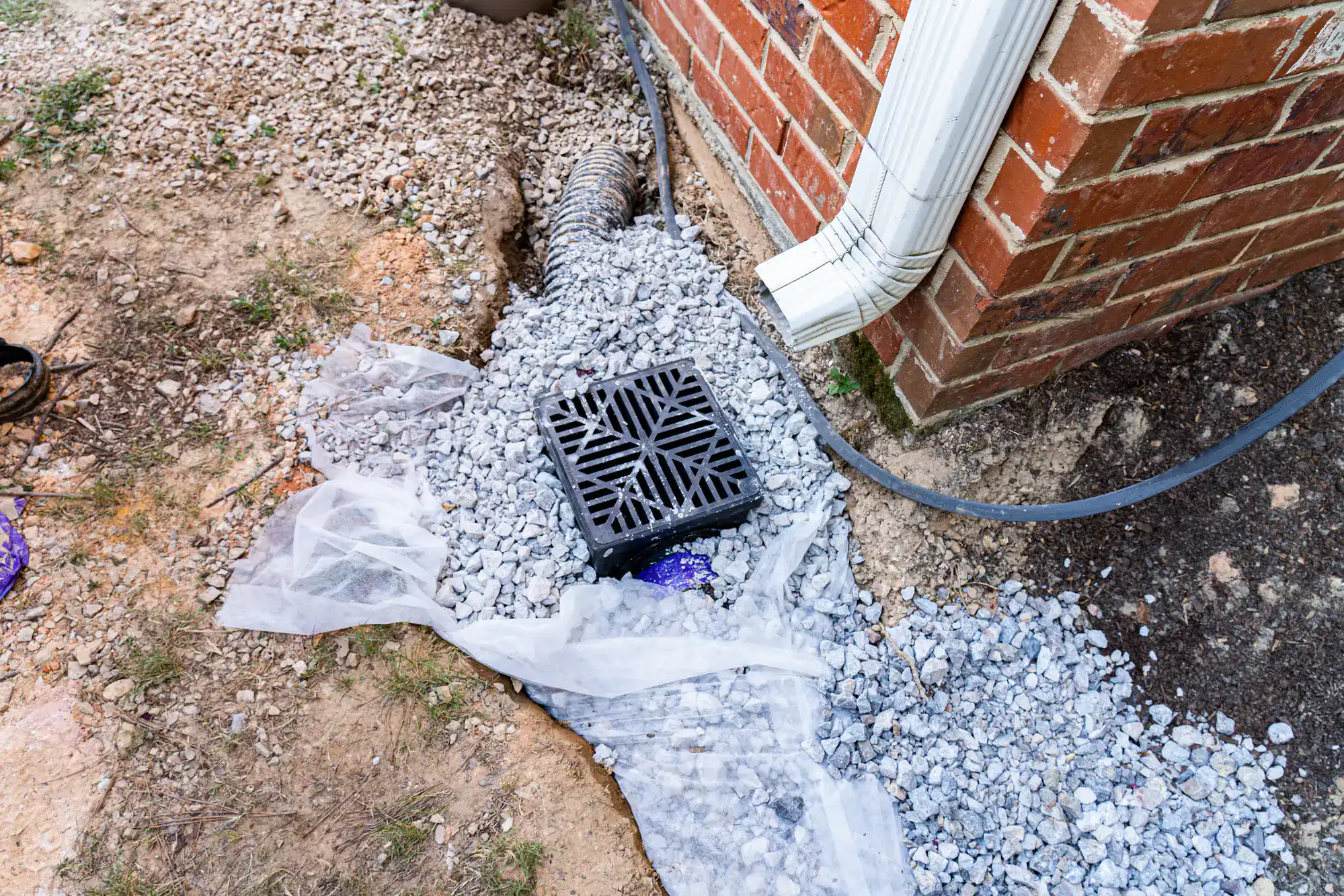
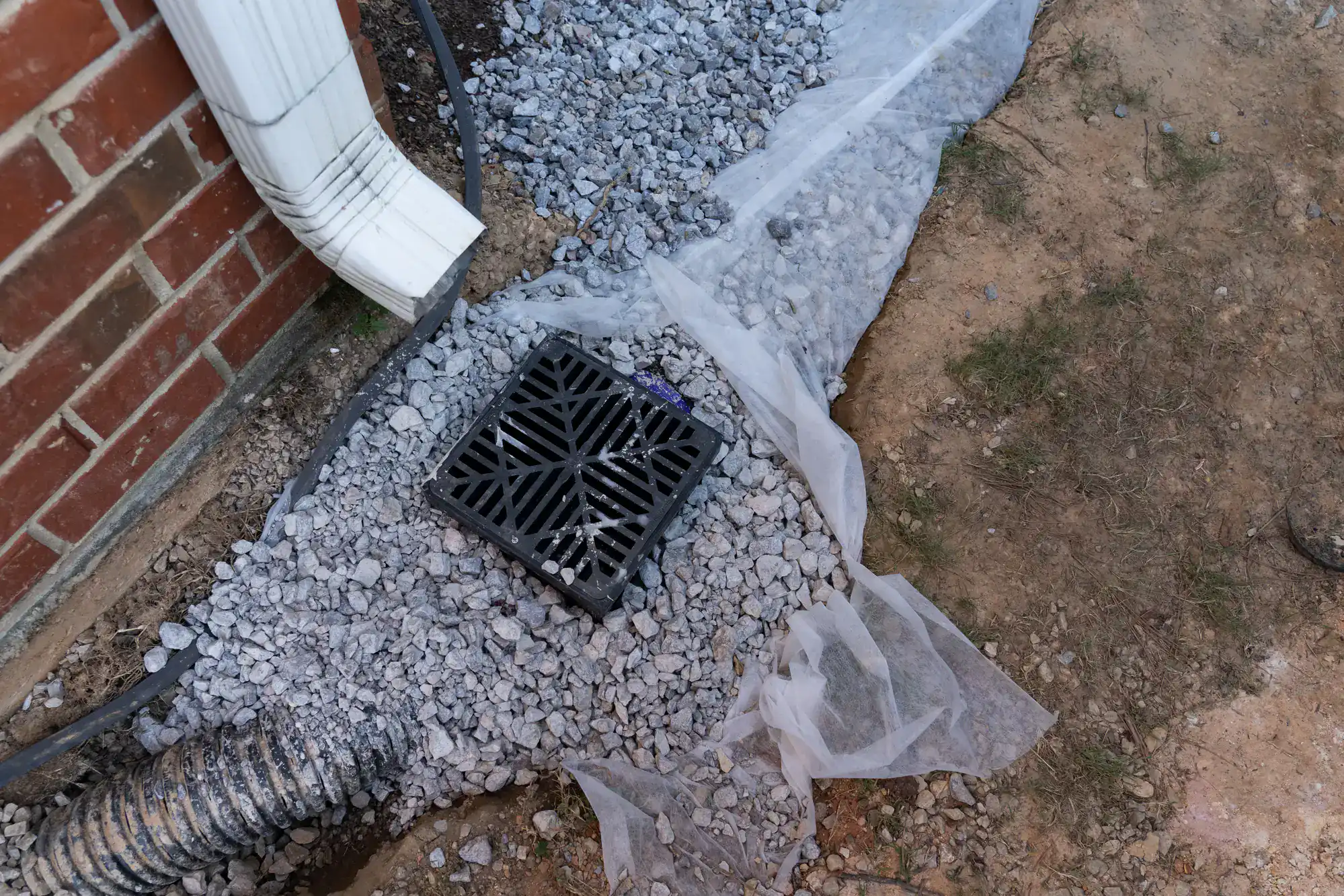
A catch basin with solid pipe is better suited for fast-moving surface water that pools quickly after heavy rain like a low spot in a driveway or patio. A dry well captures and slowly disperses water into the soil below. Many properties need a combination: a French drain to address the subsurface pressure, and a catch basin or surface inlet to handle the fast runoff. The site assessment is where we figure out which system or which combination actually matches what’s happening on your property.
The most common signs are the same problems that prompted the original installation: water returning to areas that were previously dry, yards that stay saturated longer than they should, or basement moisture reappearing after a period of being resolved. If a system was installed more than five to ten years ago, silt migration into the pipe is the most frequent cause of failure especially in areas with variable soil conditions like those found across North Sea’s residential streets.
The other common failure mode is poor original installation: undersized pipe, wrong gravel type, missing or inadequate filter fabric, or a discharge point that’s been blocked or compromised. In North Sea, where some properties have had drainage work done by general landscapers who added it as a secondary service, these shortcuts are not uncommon. If you’re not sure whether your existing system is working, we can assess it during the same site visit we’d use to evaluate a new installation. Sometimes the fix is straightforward. Sometimes the system needs to be rebuilt correctly.
Fall is actually one of the better windows for drainage installation in North Sea, and it’s underused compared to spring. Installing before the ground freezes means your system is operational before winter precipitation and snowmelt begin putting pressure on the foundation and yard. For a hamlet where a significant share of homes are seasonally occupied, a fall installation means you close up the property knowing it’s protected and you’re not returning in April to discover what happened while you were away.
Spring is when most homeowners call, because that’s when the problem becomes impossible to ignore. But spring also means you’ve already gone through an entire wet season without protection, and you’re scheduling into a backlog of other homeowners who made the same discovery at the same time. If you’re noticing early signs of drainage issues slow-draining areas, basement dampness after rain, soft spots in the yard fall is the right time to act, not the following April.