Hear from Our Customers
When excavation is done right, everything that follows gets easier. The foundation goes in without surprises. The drainage holds. The grade is where it needs to be. When it’s done wrong, you’re looking at delays, rework, and cost blowouts on a project that was already a significant investment.
In North Sea, the margin for error is even tighter than most. Many properties here sit near Little Peconic Bay or within reach of the wetlands and salt marsh areas around Conscience Point. That means excavation isn’t just about moving dirt it’s about knowing where the boundaries are, managing sediment correctly, and making sure the work holds up under Southampton Town’s permit requirements before a single machine touches the ground.
The properties here are also high-value by any measure. A new home build or major renovation in North Sea represents a serious financial commitment, and the last thing you need is an excavation contractor who treats your site like a bulk earthmoving job. What you need is someone who works with precision, communicates clearly, and delivers a site that’s genuinely ready for the next phase not one that needs to be fixed before work can continue.
We’re a full-service excavation contractor serving North Sea and the broader Southampton Town area. Every project residential or commercial, large or small is handled with the same level of care, because we understand what’s at stake when you’re building on the South Fork.
We’re fully licensed, insured, and compliant with New York State contractor requirements. We complete utility identification checks before breaking ground on every job. And we know the regulatory landscape here Southampton Town’s Building and Zoning requirements, NYSDEC tidal wetlands setbacks, and the permit processes that affect properties near areas like Conscience Point and the Little Peconic Bay waterfront. That knowledge isn’t a bonus it’s what keeps your project moving.
When you get a quote from us, it’s detailed and in writing. Scope, inclusions, conditions for any variation all of it on paper before work begins. No surprises when the invoice arrives.

It starts with a site assessment. We look at what you’re building, where the boundaries are, what the soil conditions are telling us, and whether there are any regulatory factors wetlands setbacks, drainage requirements, permit needs that need to be addressed before excavation begins. In North Sea, this step matters more than most places. Properties near the bay or adjacent to preserved land often require wetlands permit review through Southampton Town, and in some cases NYSDEC sign-off as well. Getting this right at the start is what prevents stop-work orders later.
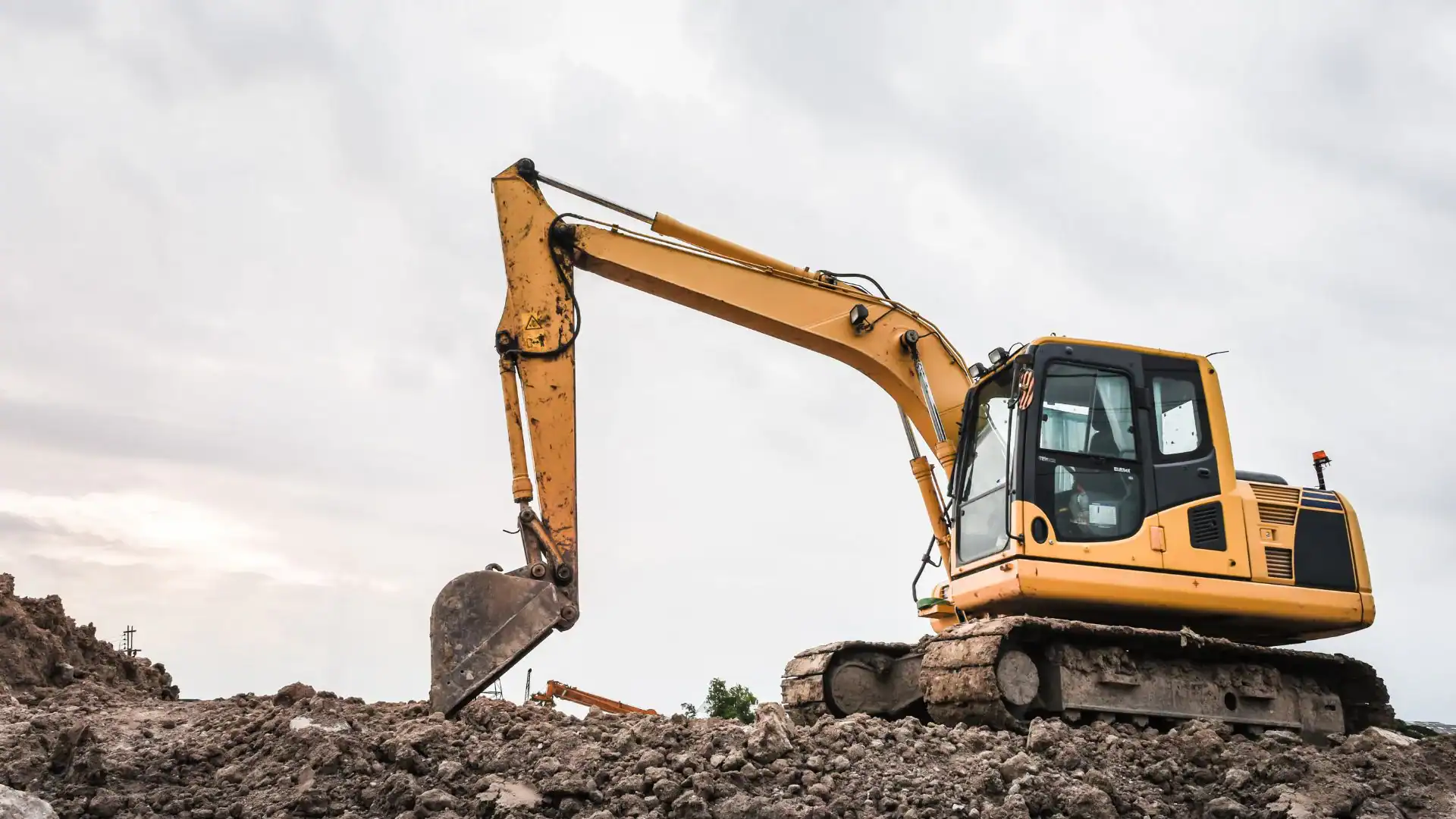
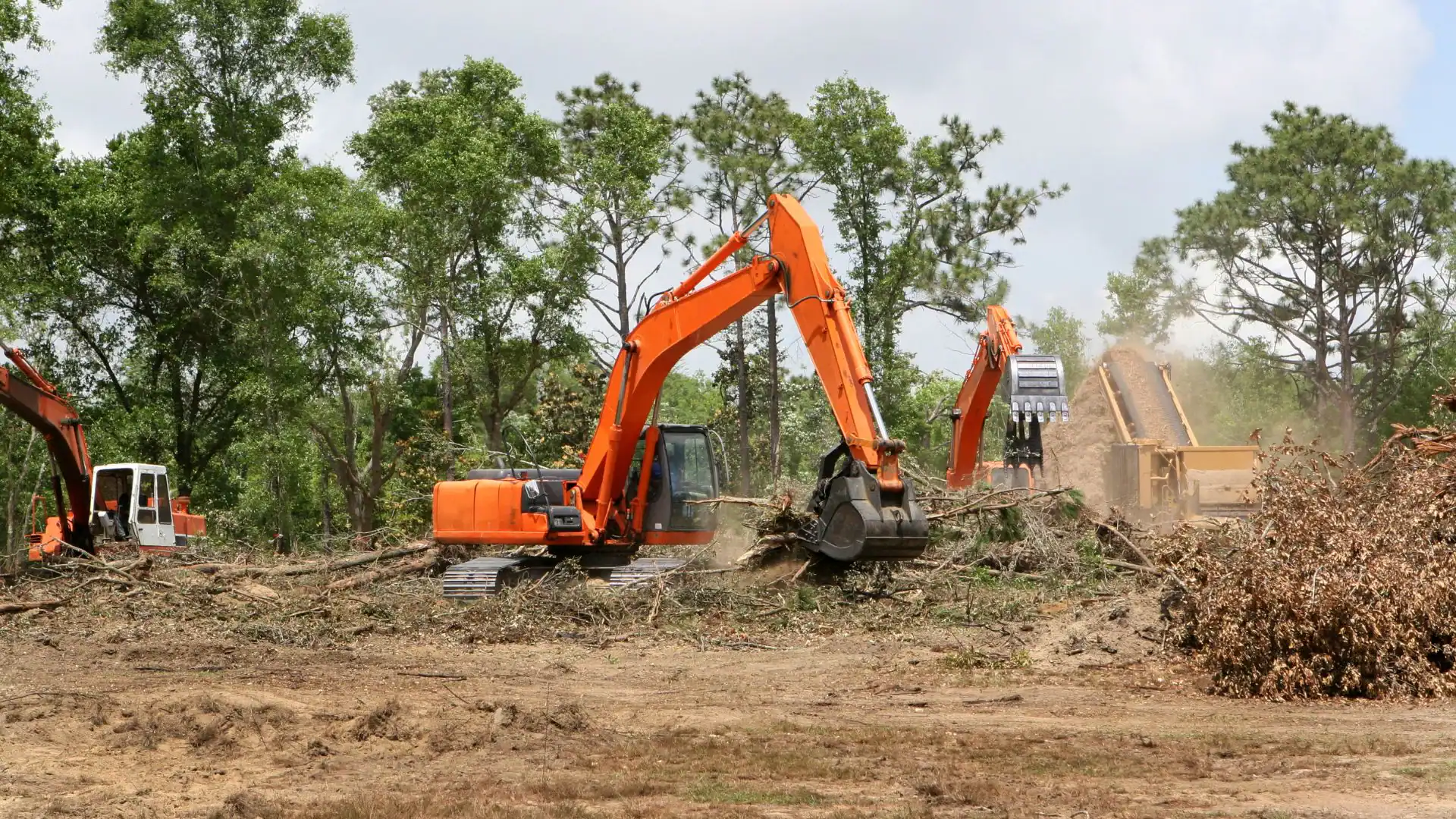
Once the site is assessed and permits are confirmed, we move into the work itself. Clearing comes first if the site needs it, followed by bulk excavation, cut and fill where the grade requires it, and trenching for any utility or drainage work. Throughout the dig, we’re managing spoil correctly either staging it on site where space allows or coordinating haul-off as part of an integrated dig and haul operation for properties where material can’t sit.
Final grading is where the site gets handed off to the next phase of your build. We bring the grade to spec, ensure drainage is directing water where it needs to go, and leave the site in a condition that your builder, landscaper, or pool contractor can work from immediately. The Hamptons construction calendar doesn’t have room for a site that needs remediation before the next crew can start so we make sure it doesn’t need any.
Ready to get started?
We handle the full range of excavation work that comes with residential and commercial construction in North Sea. That includes land clearing for new builds, bulk excavation for foundations and pools, cut and fill for sloped or uneven lots, trenching for utilities and drainage, and dig and haul for sites where excavated material needs to leave the property entirely.
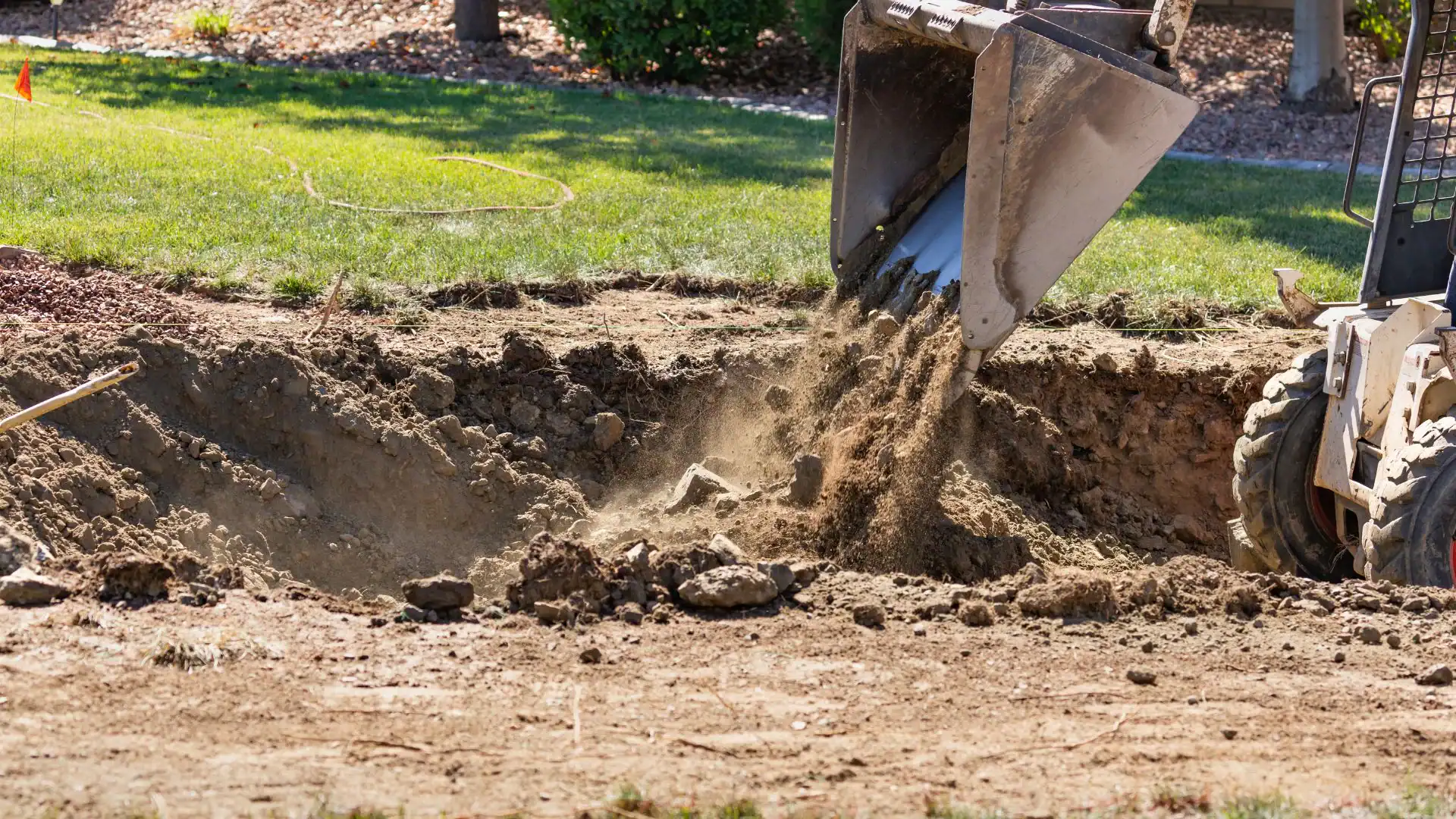
Pool excavation is one of the most consistent requests we handle in this area and it’s also one of the most site-specific. Many North Sea properties have mature landscaping, limited driveway access, and setback requirements from property lines or wetland boundaries that shape exactly how and where the dig can happen. We assess those conditions upfront and select equipment that can work within them, rather than forcing a one-size approach onto a site that doesn’t fit it.
For larger residential builds or any project near the bay or preserved land areas along Noyack Road and the northern waterfront, we coordinate directly with the permit process and can work alongside your architect or general contractor from the planning stage. The goal is always the same: a site that’s compliant, graded correctly, and ready for whatever comes next without the back-and-forth that happens when excavation and construction aren’t aligned from the start.
In most cases, yes especially if the excavation is connected to new construction, a pool installation, or any significant site alteration. The Town of Southampton requires building permits for work of this nature, administered through the Department of Land Management’s Building and Zoning Division. If your property is near tidal wetlands which applies to a significant number of North Sea lots given the area’s bay frontage and proximity to areas like Conscience Point you may also need a wetlands permit from Southampton Town and potentially sign-off from the NYSDEC, whose Adjacent Area regulations extend 300 feet landward from the nearest tidal wetlands boundary.
The permit process isn’t something to figure out after excavation starts. A stop-work order mid-project is far more disruptive and costly than getting the paperwork right before the first machine arrives. We assess permit requirements as part of every project and can flag what you’ll need before we quote the work.
Dig and haul is exactly what it sounds like we excavate the material and remove it from your property in the same coordinated operation. It’s not always necessary, but for a lot of North Sea projects it’s the only practical option. Residential lots here often don’t have the space to stockpile excavated material on site, especially when you’re doing a pool dig or foundation excavation on a property that already has established landscaping, structures, or tight boundary setbacks.
When material sits on site, it creates problems blocked access for other trades, drainage issues if it rains, and aesthetic concerns on a property where the owners have invested significantly in the surroundings. Dig and haul eliminates all of that. We load and remove spoil as the excavation progresses, leaving the site clean and accessible for the next phase of work. It’s built into our quoting process upfront so there’s no ambiguity about what’s included.
Carefully, and with the right permits in place first. Southampton Town has its own wetlands regulations under Chapter 325 of the Town Code, and the NYSDEC has separate tidal wetlands jurisdiction that covers properties within 300 feet of the nearest tidal wetlands boundary. In North Sea, where the bay and the network of salt marsh and preserved land are close to a significant number of residential properties, these regulations are a real factor not a theoretical one.
What that means practically is that before any excavation begins near a sensitive area, the wetlands boundaries need to be identified, the appropriate setbacks confirmed, and the necessary permits applied for and received. Excavating without that process in place exposes the property owner to stop-work orders, remediation requirements, and potential environmental violations that are far more expensive and time-consuming to resolve than the permit process itself. We know how this works in Southampton Town and build it into the project timeline from the start.
It depends on the scope of the site, but for a typical new residential build in North Sea you’re generally looking at one to two weeks for the full site preparation phase clearing, bulk excavation, cut and fill if needed, and final grading. Larger lots, sloped terrain, or sites with significant existing vegetation will take longer. Sites near the bay or wetlands that require additional permit coordination will also affect the overall timeline, since work can’t begin until the necessary approvals are in place.
The Hamptons construction calendar adds a layer of timing pressure that doesn’t exist in most other markets. If you’re building for summer occupancy, excavation typically needs to begin in late winter or early spring to keep the build schedule on track. We work with that calendar and prioritize timeline reliability for clients who are working within a compressed seasonal window. Booking early and getting the permit process started early is the single most effective way to protect your build schedule.
The South Fork sits on glacially deposited soils that are predominantly sandy and loamy, which drain reasonably well in most areas but can shift and become unstable if not managed correctly during excavation. As you get closer to the bay and the lower-lying areas near the water, soils tend to get heavier and wetter, with higher organic content conditions that require more careful management during digging and grading to avoid instability or drainage problems post-construction.
Groundwater levels in the wetter spring months can also complicate excavation on low-lying North Sea lots, particularly those near the Little Peconic Bay waterfront or adjacent to wetland areas. This is something we assess during the initial site visit and factor into how we sequence the work. Understanding the soil conditions before you start not after you’re already in the ground is what keeps the excavation phase from creating problems that cascade into the rest of the build.
The baseline is New York State contractor licensing and verifiable insurance coverage. Any excavation contractor working in Southampton Town should be able to confirm both immediately not after you’ve asked twice. Beyond the credentials, the real indicator of qualification in this market is regulatory knowledge. A contractor who understands Southampton Town’s Building and Zoning permit requirements, knows how wetlands setbacks work under NYSDEC tidal wetlands regulations, and can speak to the specific conditions that affect North Sea properties is a fundamentally different hire than a regional generalist who’s never worked on the South Fork.
Ask directly: Have they pulled permits in Southampton Town before? Do they know the wetlands setback requirements for properties near Little Peconic Bay? How do they handle utility identification before breaking ground? The answers to those questions will tell you more than any marketing language. We carry full licensing and insurance, complete mandatory utility checks on every project, and have direct familiarity with the regulatory environment that governs excavation work in North Sea and the surrounding Southampton Town area.