
Hear from Our Customers
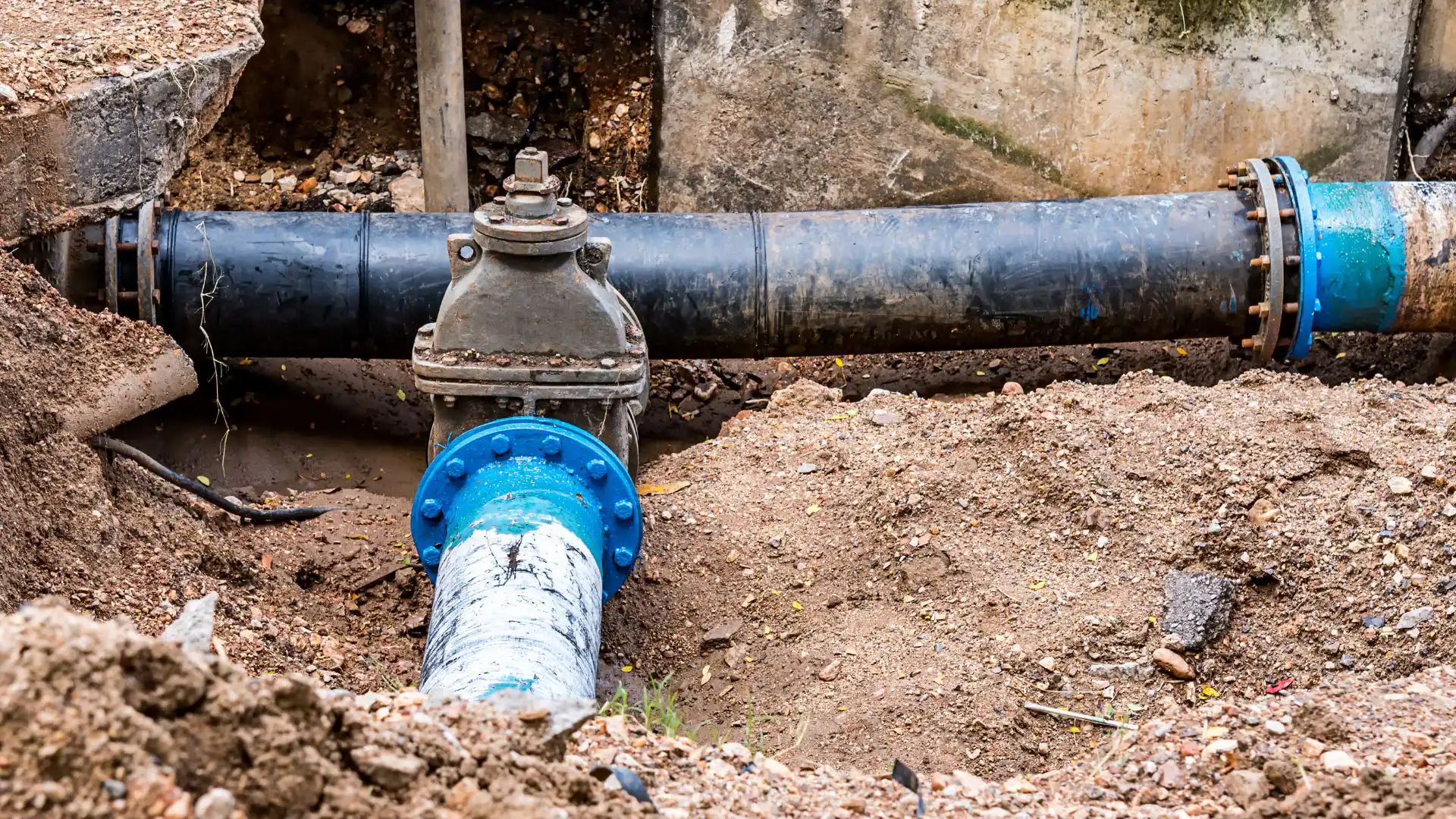
Standing water isn’t just an eyesore. In North Sea, a chronically wet yard is often the first sign of something bigger water working its way toward your foundation, saturating your soil from below, and quietly doing damage that adds up fast. One inch of floodwater causes an average of $27,000 in home damage. Foundation repairs from water intrusion can run $23,000 to $48,000. A properly installed drainage system is a fraction of that and it eliminates the problem entirely.
What changes after the work is done is straightforward: your yard drains, your lawn recovers, and you stop watching the forecast with dread. No more soggy turf after every storm. No more water sitting against the house for days. No more wondering whether this is the season it finally gets into the basement.
North Sea’s proximity to Little Peconic Bay and its surrounding wetland areas Conscience Point, Wolf Swamp, Big Woods means the water table here is naturally shallow. When a summer thunderstorm hits or a nor’easter rolls through, the ground doesn’t have much room left to absorb. That’s not a flaw in your yard. It’s a site condition that requires the right drainage design, not a generic fix.
We’re a landscape drainage contractor serving the South Fork of Long Island and there’s a meaningful difference between a contractor who works North Sea regularly and one driving out from central Suffolk to take a job. The drainage challenges along North Sea Road, around North Sea Harbor, and on the wooded lots off David Whites Lane are not the same as what you’ll find in Hauppauge or Holbrook. The soils are different. The water table is different. The wetland constraints are different.
We work within the Town of Southampton’s regulatory framework including Chapter 285 of the Town Code governing stormwater management and we understand when projects near wetland buffers require additional review. That knowledge isn’t incidental. It directly affects how a drainage system gets designed, where water can be directed, and whether the work holds up over time.
You get a written quote, a clear scope of work, and a contractor who shows up knowing what they’re dealing with before the first shovel goes in.
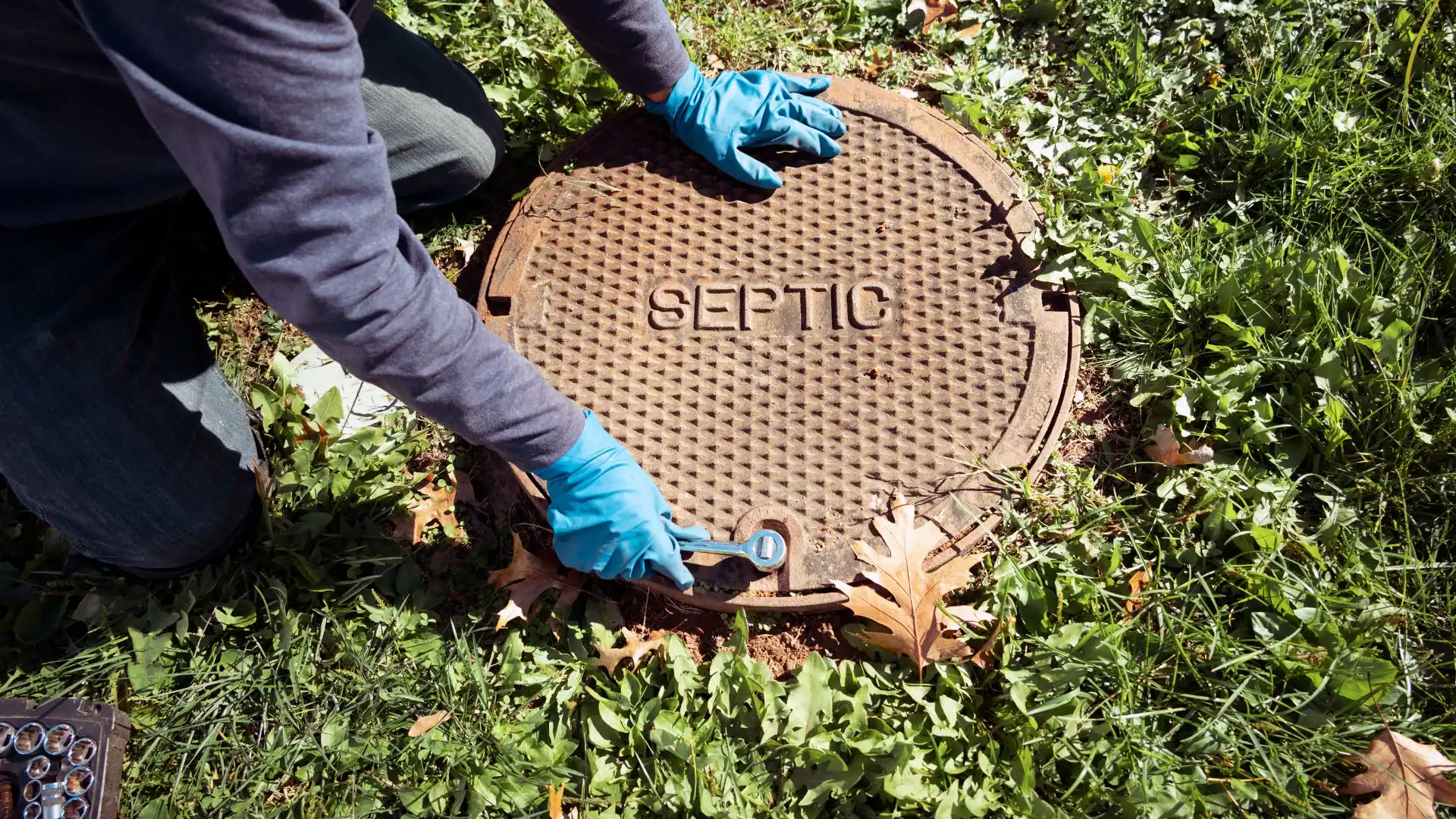
It starts with a site assessment not a sales visit. Before anything is proposed, we walk the property and map how water actually moves across it. Where it enters, where it pools, where it’s trying to go, and what’s stopping it from getting there. In North Sea, that assessment almost always includes evaluating groundwater conditions, not just surface flow, because the two are often connected here.
From there, we design a system around what your property actually needs. That might be a French drain to intercept subsurface water before it reaches the foundation. It might be a catch basin to collect surface runoff from a low point in the yard. It might involve regrading a section of lawn to redirect flow away from the house. Often it’s a combination. What it won’t be is a one-size-fits-all solution applied without understanding your specific site.
Once the scope is agreed on and the work is permitted where required under Southampton Town Code, installation begins. We work carefully around existing landscaping established turf, mature plantings, garden beds and restore disturbed areas before we leave. The drainage system gets integrated into your landscape, not imposed on it. When the job is done, your yard should look like the work was always there.
Ready to get started?
The drainage services we provide in North Sea cover the full range of what a property on the South Fork might need. French drains for intercepting and redirecting subsurface water. Catch basins and channel drains for managing surface runoff at low points. Dry wells for controlled infiltration where soils and water table depth allow. Regrading and swale work for redirecting surface flow across larger turf areas. And full landscape restoration after every installation because tearing up a yard and leaving it rough isn’t a finished job.
Every system is sized for peak storm events, not average rainfall. North Sea gets hit by flash flooding conditions regularly the hamlet is explicitly named in Southampton-area flood warnings alongside Sag Harbor, Bridgehampton, and Hampton Bays. A drainage system that handles a light spring shower but fails in a July thunderstorm isn’t doing its job. We design for the storms that actually happen here, not the ones on a textbook chart.
If your property sits near Conscience Point, North Sea Harbor, or any of the hamlet’s protected wetland areas, discharge options are constrained by New York State DEC regulations and Southampton Town’s stormwater code. We account for those constraints in the design phase not after installation, when it’s too late to change course.
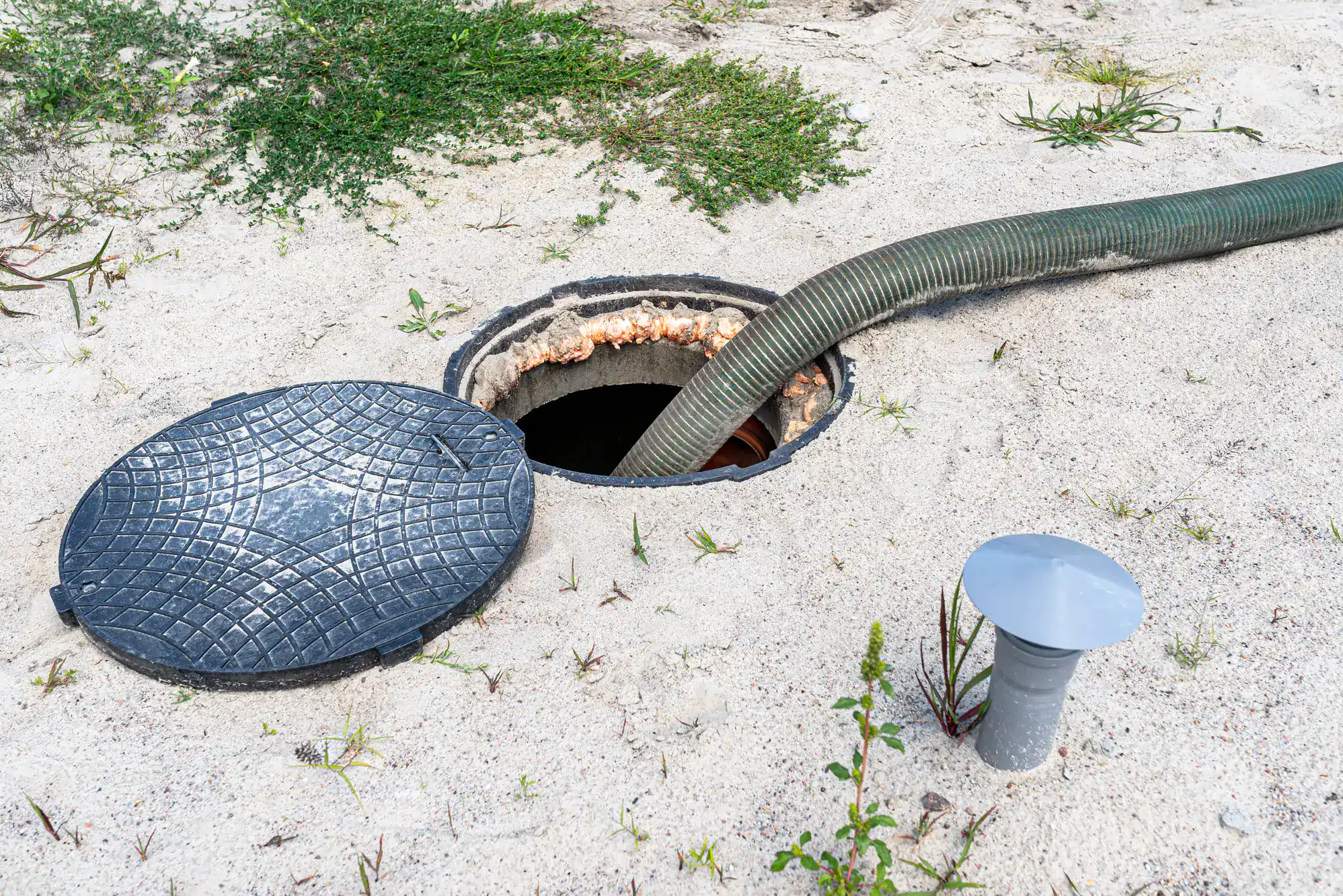
This is one of the most common questions we hear from homeowners along the South Fork, and the answer usually comes down to groundwater, not surface water. North Sea sits in a coastal landscape where the water table is naturally shallow particularly in lower-lying areas near North Sea Harbor and Little Peconic Bay. When the water table rises after a prolonged wet period, it saturates the soil from below. Your yard stays soggy not because rain is still falling, but because the ground itself is full.
This is documented across Southampton Town at least 268 homes have experienced confirmed shallow groundwater flooding damage, with hundreds more identified as likely affected. Surface drainage alone won’t solve a groundwater problem. The right fix usually involves a combination of subsurface drainage components French drains, dry wells, or a system designed to manage both surface and subsurface water together. A proper site assessment will identify which issue you’re actually dealing with before any work is proposed.
It depends on what’s causing the problem and what your property’s site conditions allow. French drains are effective for intercepting water before it reaches a foundation or pools in a low area they work well on the wooded, larger-lot properties common off roads like David Whites Lane and Head of Pond Road in North Sea. Catch basins handle surface runoff at specific collection points and are often used in conjunction with underground pipe systems that route water to a discharge point. Dry wells allow water to infiltrate gradually into the soil below the saturated zone, though they need to be sized carefully given North Sea’s high water table.
In many cases, the most effective solution combines two or three of these components rather than relying on one alone. Properties near wetland buffers including those adjacent to Conscience Point or Wolf Swamp have constrained discharge options, which affects the design. A site assessment is the only way to know what will actually work for your specific property, soil conditions, and drainage volume.
For most standard residential drainage projects a French drain, catch basin, or dry well installation you typically won’t need a formal permit from Southampton Town. However, the answer changes depending on the scope of work and where your property sits. Projects that disturb one or more acres of land require a New York State SPDES General Permit for stormwater discharges, which applies to some larger estate properties in North Sea. Any work near a wetland buffer and North Sea has significant wetland areas including Conscience Point’s salt marsh and the tidal areas around North Sea Harbor may require review under New York State DEC Article 24 or Article 25.
Southampton Town Code Chapter 285 governs stormwater management and erosion control in this jurisdiction. If you’re unsure whether your project triggers any of these requirements, the Town of Southampton Engineering Division handles stormwater inquiries at 631-702-1750. We’re familiar with these regulations and will identify any permit requirements during the assessment phase before work begins, not after.
Most residential drainage installations fall somewhere between $2,145 and $7,163, with the average project coming in around $4,600. Where your project lands within that range depends on the size of the area being addressed, the complexity of the system, how much excavation is involved, and whether landscape restoration is needed after installation. Larger estate properties with multiple drainage problem areas, or projects that require more extensive regrading, will naturally run toward the higher end.
It’s worth putting that cost in perspective. Foundation repairs from water intrusion run $23,000 to $48,000. Basement flooding averages $10,000 to $26,000 per incident. Every dollar invested in proper drainage protection saves an estimated five to eight dollars in damage costs down the line. In a market like North Sea where property values are well above the Suffolk County average a drainage system isn’t a discretionary expense. It’s one of the most straightforward ways to protect what you’ve invested in your property. You’ll receive a written, itemized quote before any work begins so you know exactly what you’re getting.
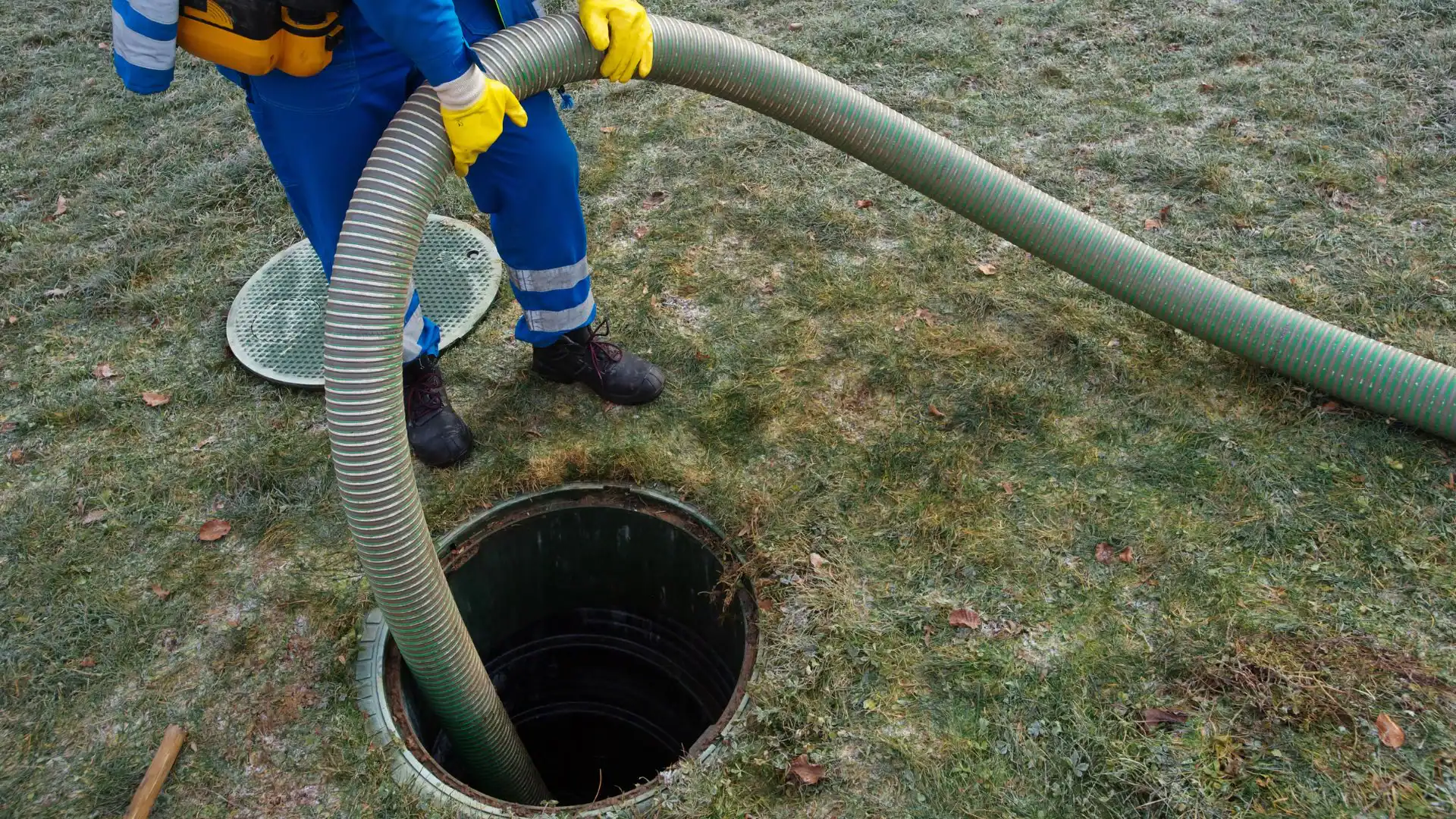
This is an important distinction that often gets overlooked. If you’re searching for drainage help and finding plumbers and cesspool companies in the results which is common for North Sea searches you may be looking at the wrong type of contractor for your problem. Plumbers address blocked pipes, sewer lines, and household drain systems. Landscape drainage contractors address how water moves across and through land: grading, French drains, catch basins, dry wells, and surface water redirection.
If the issue is water pooling in your yard, saturating your lawn, running toward your foundation after rain, or staying soggy between storms that’s a landscape drainage problem, not a plumbing problem. If the issue is a blocked household drain, a backed-up sewer line, or a cesspool concern, that’s a plumber’s domain. The two can sometimes overlap water near a foundation can eventually affect interior drains but the starting point for a wet yard or flooded lawn is almost always a landscape drainage contractor, not a plumber.
The best time is whenever the problem becomes clear to you because waiting for a “better season” usually means sitting through another round of damage first. Spring and fall tend to be the most common installation windows in North Sea. Spring installations address the most acute drainage season directly snowmelt combined with spring rain pushes already-high water tables to their peak, and homeowners who’ve just watched their yard flood for the third time in April are ready to fix it before summer. Fall installations let seasonal homeowners address problems discovered during the summer before closing up for winter.
Summer is also a viable installation window, though scheduling demand is higher across the Hamptons during peak season. Winter installations are possible for most drainage components, though frozen ground can complicate excavation timing. If you’re a seasonal homeowner who arrives each May to find drainage problems, the most practical approach is to schedule an assessment in late spring and have the system in place before the summer storm season which in North Sea can bring intense flash flooding events from both Atlantic and bay-side weather systems.