
Hear from Our Customers
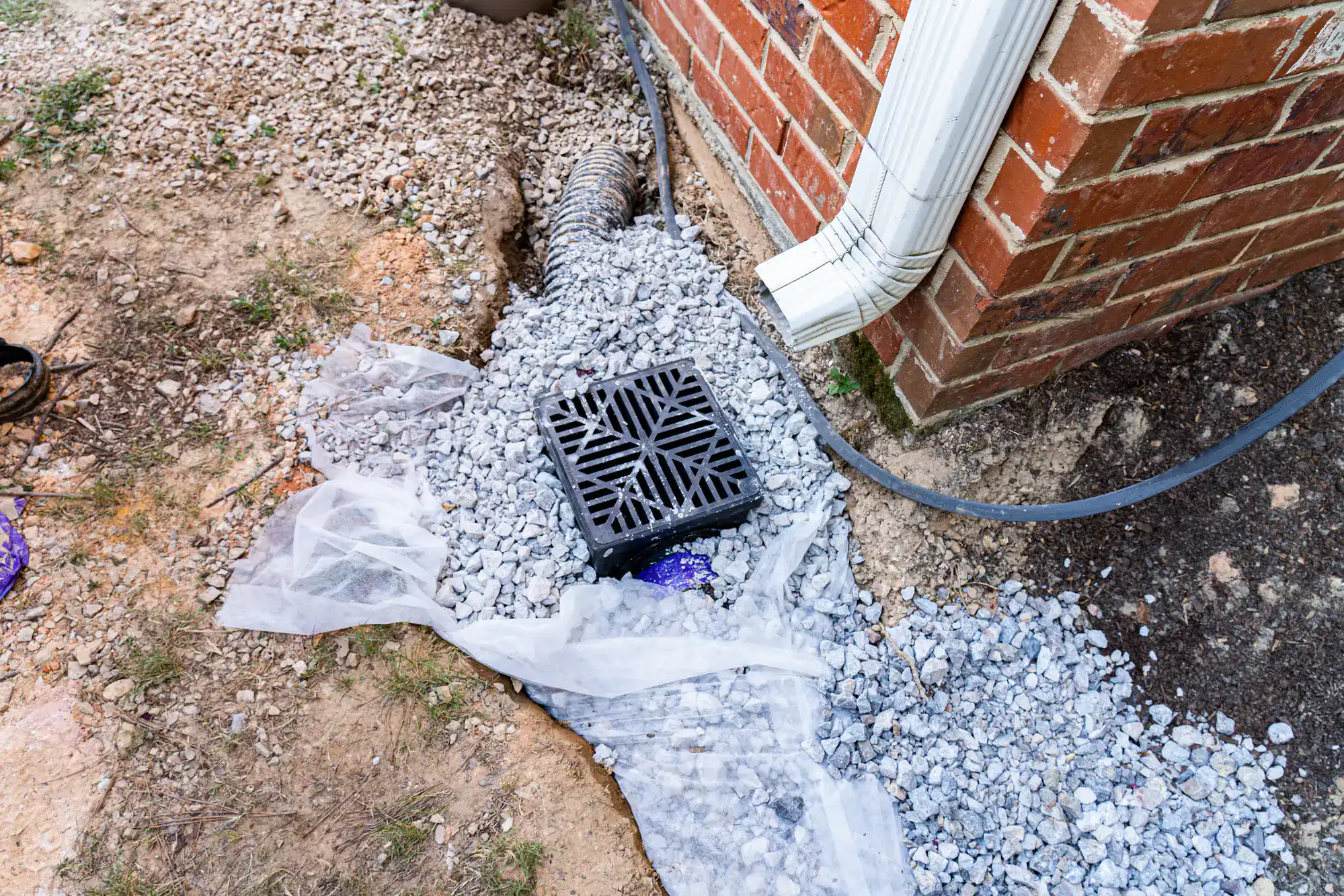
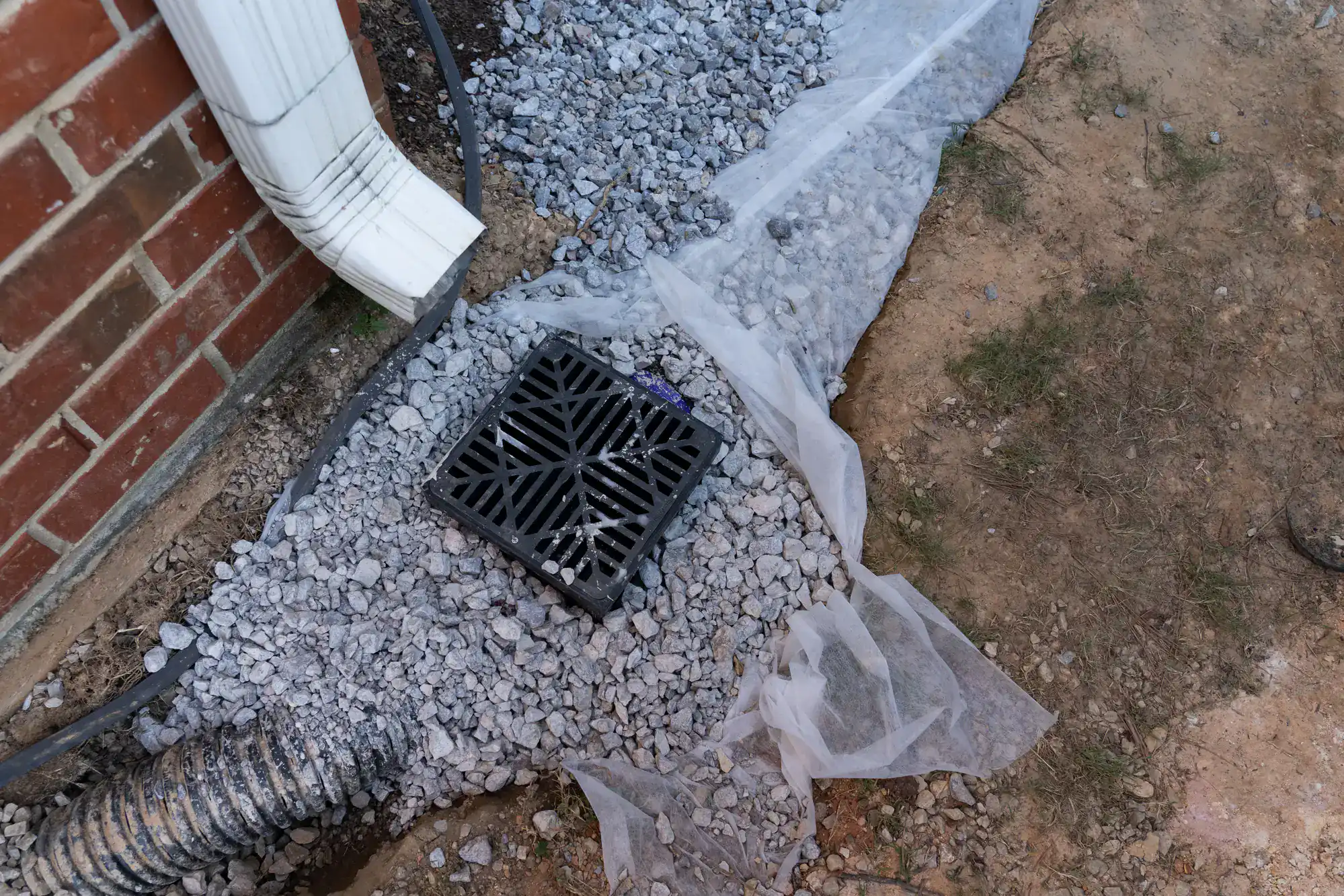
The yard that stays soggy for a week after rain isn’t just an inconvenience it’s telling you something. Water that pools at the surface is water that’s moving toward your foundation, not away from it. Once a properly designed French drain system is in place, that pattern stops. The water gets intercepted underground, redirected through perforated pipe and washed gravel, and routed to a proper outlet. Your yard dries out. Your basement stays dry. And the cycle that’s been quietly damaging your foundation every season finally breaks.
In Northport, that cycle is more aggressive than most homeowners realize. The North Shore’s clay-heavy soil holds water at the surface far longer than the sandy soils you’d find on the South Shore. When it saturates, it expands pushing outward against your foundation walls. When it dries, it contracts and pulls away, creating new cracks for the next storm to exploit. Homes along the harbor and up through East Northport and Fort Salonga deal with this every year. A French drain system installed at the right depth, with the right materials, interrupts that cycle before the damage compounds.
For a home worth $800,000 or more which describes most of Northport the math on drainage is straightforward. A professionally installed French drain system typically runs $5,000 to $12,000. Foundation repair starts at $15,000 and goes well past $50,000. Buyers at this price point will not overlook a wet basement at inspection. Protecting your drainage is protecting your investment.
We take our name from this corridor the Gold Coast of Long Island’s North Shore and that alignment runs deeper than branding. We understand the clay soil that defines Northport and the surrounding villages, the aging housing stock that lines the streets near Northport Harbor, and the specific drainage challenges that come with both. We’re not a regional chain applying a generic system to every property we touch. We look at each site in Northport, diagnose what’s actually causing the problem, and build a system around that.
Northport is an incorporated village with its own building department separate from the Town of Huntington. Permits for drainage work here go through the Village of Northport’s building officials, not the town. That’s a distinction most homeowners don’t know and that many contractors get wrong. We handle the permitting process on your behalf, so you don’t have to navigate it yourself or find out after the fact that something was filed with the wrong office.
We serve Northport, East Northport, Fort Salonga, Centerport, and the broader North Shore community fully licensed and insured in New York State.
It starts with a free on-site assessment. Not a quote over the phone, not a ballpark based on your square footage an actual site visit where we walk the property, identify where the water is coming from, how it’s moving, and where it needs to go. Northport’s clay soil and older lot grades mean that the source of a drainage problem isn’t always obvious from the surface. We look at the whole picture before we propose anything.
From there, we design a system specific to your property. That means selecting the right pipe depth for Long Island’s freeze-thaw cycle shallow installations freeze solid in a hard winter and fail before the second season. It means specifying washed angular gravel, double-punched geotextile filter fabric, and a defined outlet that actually drains. It means accounting for your existing landscaping, your lot grade, and if you’re near the harbor any proximity to Northport’s waterways that may involve additional review under New York State environmental guidelines.
Once the design is approved and permits are in place through the Village of Northport, we excavate, install, and restore. Topsoil, seeding, and cleanup are part of the job. The disruption is measured in days. The system is built to last decades. When we’re done, your yard looks like nothing happened except now it drains.
Ready to get started?
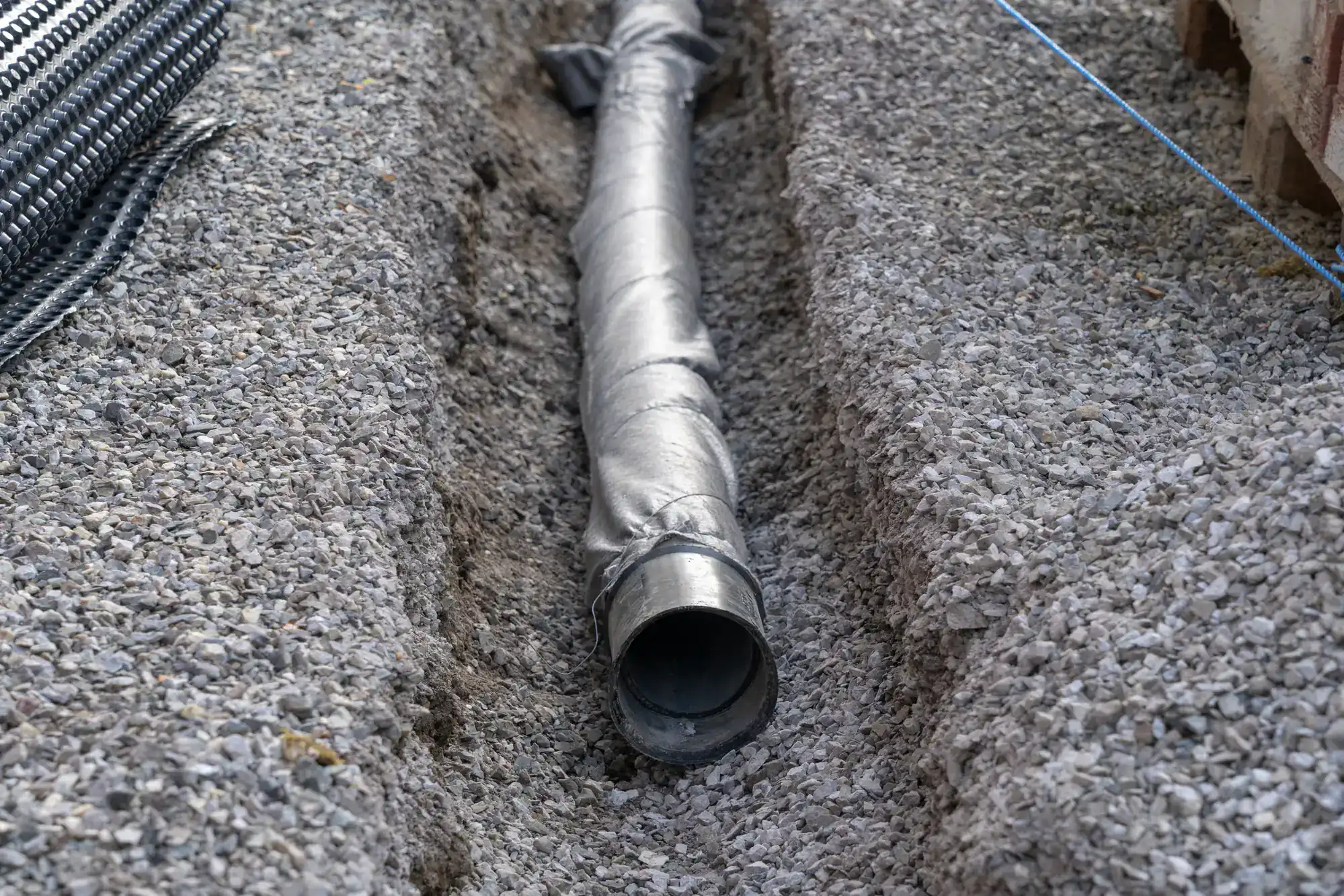
Every French drain installation we complete in Northport is engineered for the conditions on that specific property not a one-size-fits-all trench with whatever pipe was on the truck. We use rigid perforated pipe (not the cheap corrugated tubing that collapses within a few years), double-punched geotextile filter fabric to keep silt out of the gravel bed, washed angular gravel for proper flow, and a correctly sloped run to a defined outlet. These are the details that separate a system that lasts 30 to 40 years from one that fails quietly underground and leaves you wondering why the problem came back.
For Northport homeowners specifically, there are a few factors we always account for. The village’s clay soil requires a deeper gravel bed than you’d use in a sandy-soil environment the drainage path needs more capacity. Homes near the harbor or within proximity to Northport’s waterways may require coordination with the Village of Northport building officials and, in some cases, review under New York State DEC guidelines for projects that affect surface water flow into the harbor. We handle that navigation.
Yard restoration is included. We match topsoil, reseed or sod as needed, and leave the property clean. You shouldn’t have to hire a second crew to fix what we dug up and with us, you won’t.
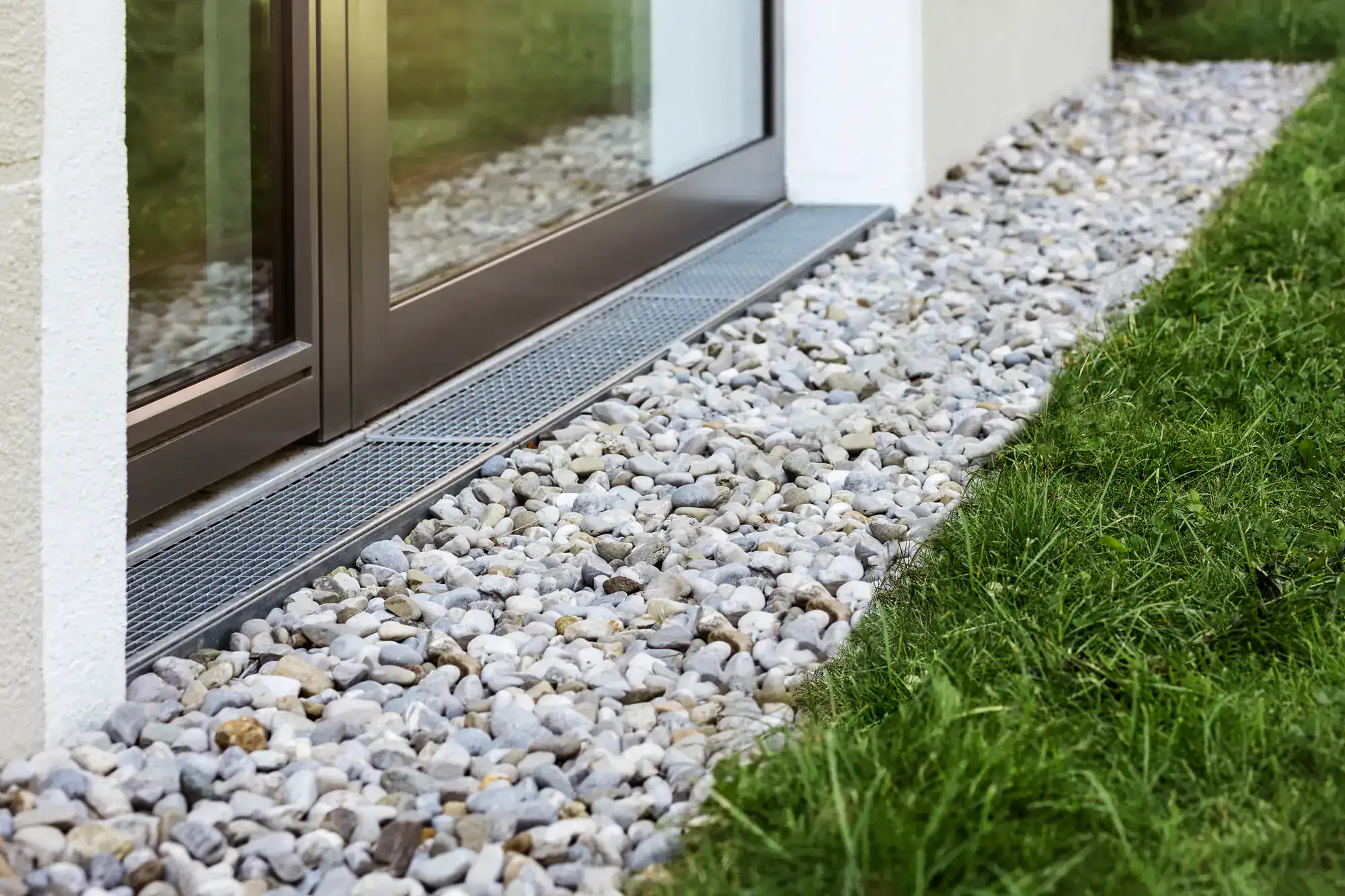
In many cases, yes and in Northport specifically, the permitting process works differently than it does in most of Suffolk County. Because Northport is an incorporated village, building permits and drainage-related approvals are handled by the Village of Northport’s own building officials, not the Town of Huntington Building Department. This is a distinction that matters: filing with the wrong jurisdiction causes delays and can create compliance issues after the work is done.
Whether a permit is required depends on the scope of the project the depth of excavation, proximity to the harbor or local waterways, and whether the system modifies surface water flow in a way that triggers state environmental review. Projects near Northport Harbor may involve additional oversight from the New York State Department of Environmental Conservation. We handle the permit application and any required inspections on your behalf, so you’re not left figuring out which office to call or what forms to file.
Clay soil behaves in a way that’s particularly hard on foundations and yards. When it gets saturated which happens fast on the North Shore after a heavy rain it expands and pushes outward against whatever is next to it, including your foundation walls. When it dries out, it contracts and pulls away, creating gaps and cracks that let the next storm penetrate even deeper. That expansion-contraction cycle repeats every season and progressively worsens foundation damage over time.
Compare that to the sandy soils on Long Island’s South Shore, which drain quickly and rarely create the same surface pooling or foundation pressure issues. Northport’s clay profile means water sits at the surface far longer after rain, creating the soggy yards and wet basements that homeowners here deal with year after year. A French drain system designed for clay soil with adequate gravel bed depth and proper pipe sizing intercepts that water before the saturation cycle starts, which is a fundamentally different approach than simply regrading a lawn or extending a downspout.
A properly installed French drain system using rigid perforated pipe, quality filter fabric, and washed angular gravel should last 30 to 40 years with minimal maintenance. The systems that fail early almost always have one of a few problems: pipe that was installed too shallow and froze during a Long Island winter, corrugated tubing that collapsed under soil pressure, filter fabric that was skipped or cheaply applied, allowing silt to clog the gravel bed over time, or an outlet that was never properly defined.
Long Island’s freeze-thaw cycle is a real factor for drainage system longevity. Every winter, the ground around your pipes freezes and thaws repeatedly, and shallow installations take the brunt of that stress. We install at depths appropriate for the local frost line, which protects the system through the kind of winters Northport regularly sees. If you’ve had a French drain installed before and it stopped working within a few seasons, the issue was almost certainly installation quality not the concept itself.
They solve different parts of the same problem. A sump pump removes water that has already entered your basement it’s reactive. A French drain system is designed to intercept water before it ever reaches the foundation, redirecting it away from the structure entirely through a subsurface pipe and gravel system. In many cases, the right answer is both: a French drain around the perimeter of the home to reduce hydrostatic pressure, and a sump pump as a backup for any water that still makes it through.
For Northport homes particularly the older Colonial and Victorian-era properties near the harbor and along the village’s historic streets the foundation walls were not built to handle the sustained hydrostatic pressure that Northport’s clay soil generates during a wet spring or after a major storm off the Long Island Sound. A sump pump running constantly is a sign that the drainage problem hasn’t been addressed at the source. A properly designed French drain reduces that pressure load, which means your sump pump runs less, your foundation takes less stress, and your basement stays drier without depending entirely on a mechanical system that can fail during a power outage.
For a residential French drain installation in Northport, most projects fall between $5,000 and $12,000 depending on the length of the run, the depth required, site access, and whether the system needs to tie into an existing drainage outlet or create a new one. Properties near the harbor or with complex grading may come in at the higher end of that range. Projects that require permitting through the Village of Northport building department are factored into the overall scope.
The number that’s worth keeping in mind for context: foundation repair in this area starts around $15,000 and can exceed $50,000 for significant structural work. Mold remediation adds another $3,000 to $10,000 or more on top of that. In a market where Northport homes routinely sell for $800,000 to over $1 million, water intrusion also affects resale buyers at this price point will not overlook a wet basement, and sellers with documented drainage problems face price reductions that dwarf the cost of a properly installed system. The on-site assessment is free, and it gives you an accurate number for your specific property before any commitment is made.
Yes and in Northport’s real estate market, the impact is significant. Buyers purchasing homes in the $800,000 to $1 million-plus range hire thorough inspectors, and drainage issues rarely go undetected. A chronically wet yard, evidence of water intrusion in the basement, or visible foundation staining from repeated moisture exposure are all red flags that experienced buyers and their agents know how to find. When those issues surface during inspection, the outcome is typically a price reduction, a repair credit, or a deal that falls through entirely.
Beyond the inspection table, there’s the practical reality of what standing water does to a property over time. It kills established landscaping the mature plantings and ornamental gardens that are common on Northport’s older lots accelerates erosion, and creates conditions that attract mosquitoes through the warmer months. It’s also a signal that water is moving toward your foundation rather than away from it, which means the problem compounds quietly even when you’re not paying attention to it. Addressing the drainage now protects both the livability of the property and its value when it comes time to sell.