Hear from Our Customers
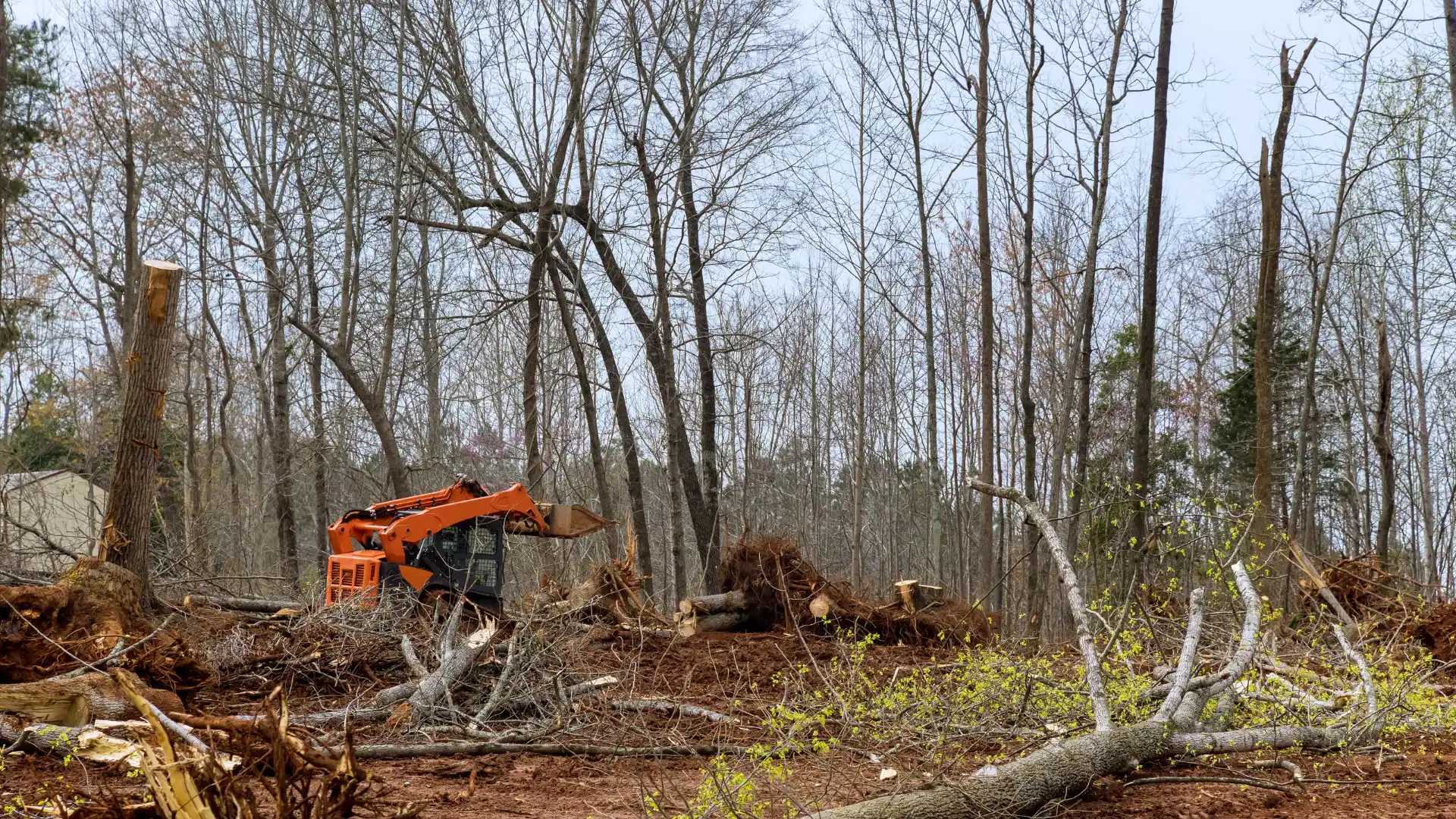
Northport isn’t a town where you can send a crew in with a machine and start cutting. The Village of Northport has its own tree removal permit requirements separate from the Town of Huntington’s tree preservation ordinance and if your contractor doesn’t know the difference, you’re the one who ends up with a stop-work order or a mandatory replanting requirement. Getting that part right before work begins is what separates a smooth project from an expensive problem.
Beyond the permit side, the terrain here demands a different level of attention. Properties on bluffs above Northport Bay, on wooded slopes in Fort Salonga, or along the narrow peninsulas of Eatons Neck and Asharoken aren’t flat suburban lots. Root systems on those slopes contribute to stability pull the wrong vegetation without the right approach and you’re looking at erosion issues that cost far more than the clearing itself.
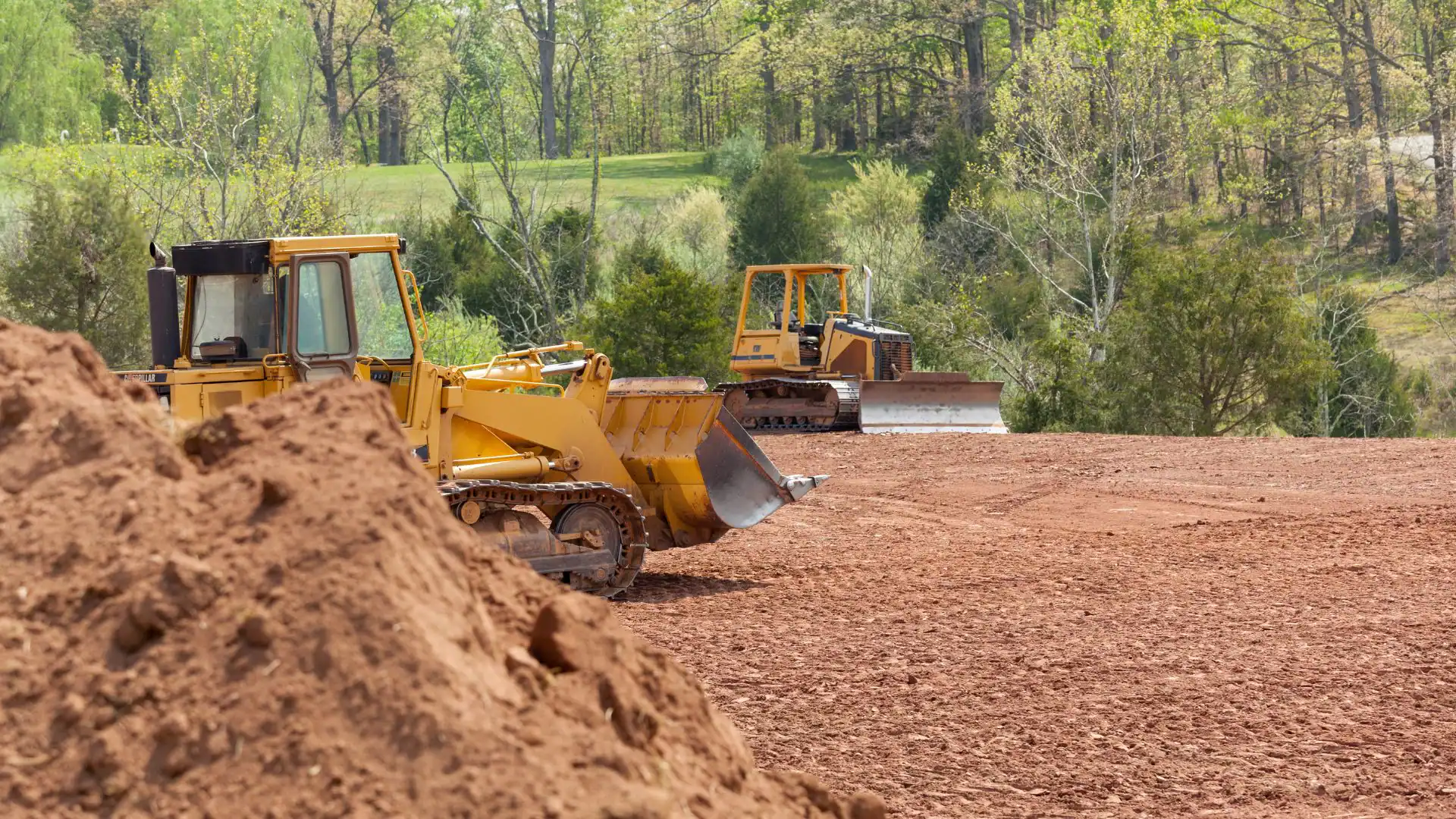
When the work is done correctly, what you’re left with is exactly what you wanted when you started: a clean site, stumps ground, debris gone, and a property that’s actually ready for its next chapter whether that’s new construction, a renovation, or simply land you can use again.
We’re a full-service land clearing and earthworks contractor serving Long Island’s North Shore, including Northport and the surrounding communities. That means one quote that covers the full scope clearing, stump grinding, debris removal, and site cleanup with one point of contact from the first site visit to the last load hauled away. No subcontracting the parts that matter. No surprises on the invoice.
The Northport area has its own character, and the work reflects that. Whether it’s a teardown-and-rebuild in the village, a neglected estate property in East Northport, or a heavily overgrown lot somewhere between Centerport and Fort Salonga, our approach is the same: assess the site honestly, confirm what permits apply, and do the work correctly the first time.
In a market where the average Northport property is worth well over $850,000, the contractor you choose matters. You’re not looking for the cheapest option you’re looking for one that won’t create a bigger problem than the one you started with.
It starts with a site visit. Before any quote is finalized, we walk the property terrain, vegetation, existing trees, proximity to the water or any bluff edges, and what’s actually growing there. On a lot with Japanese knotweed, multiflora rose, or Oriental bittersweet all common on North Shore properties the removal approach is different than a straightforward wooded lot clear. Cut those plants without treating the root system and they’ll be back within two growing seasons.
From there, permits get confirmed. For properties inside the Village of Northport, that means checking both the village’s own tree removal permit requirements and the Town of Huntington’s ordinance not one or the other. For properties on slopes or near the water, that may also mean a review of New York State DEC requirements before any machine touches the ground. This step doesn’t slow the project down; it protects you from the kind of enforcement issues that do.
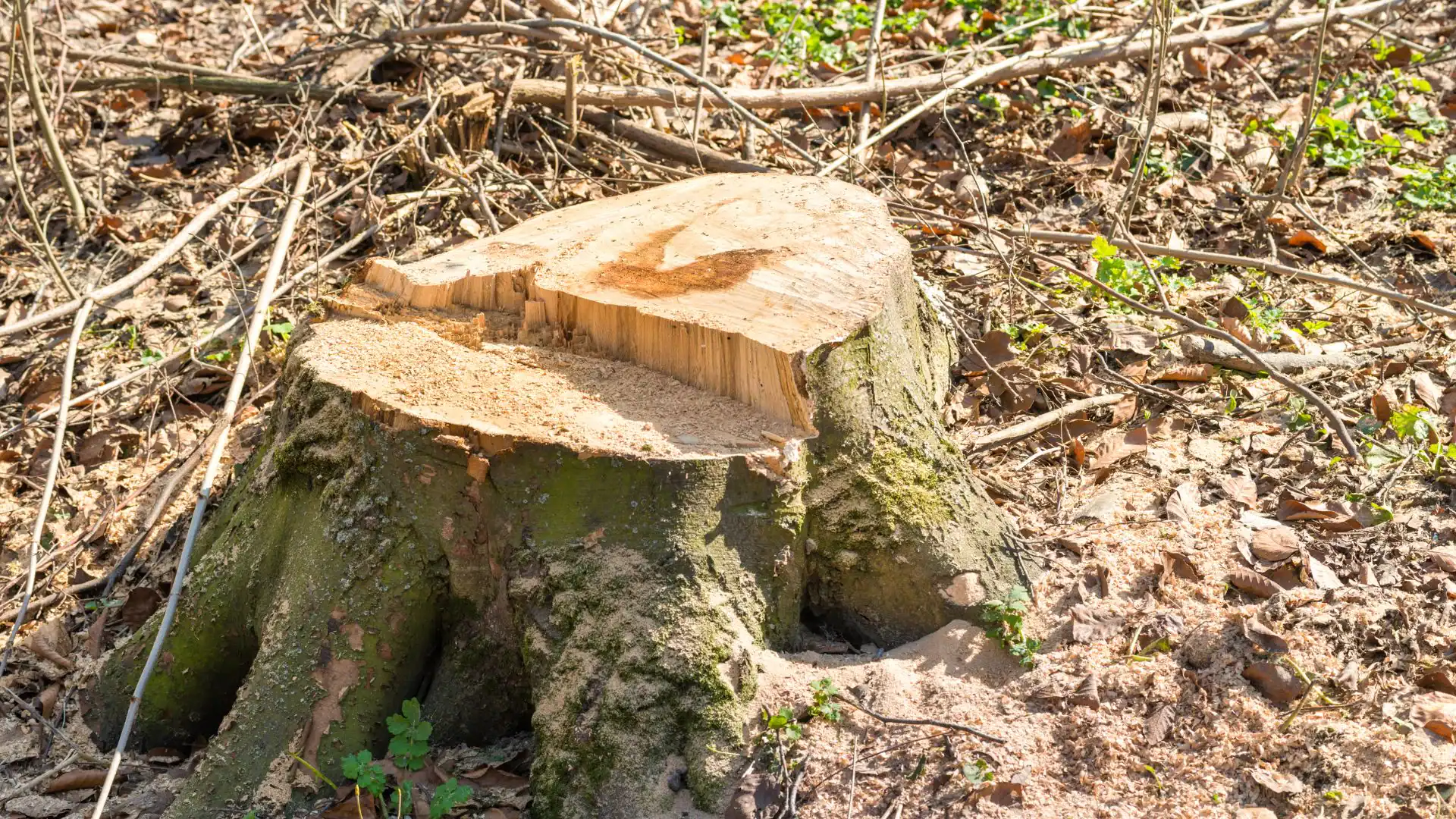
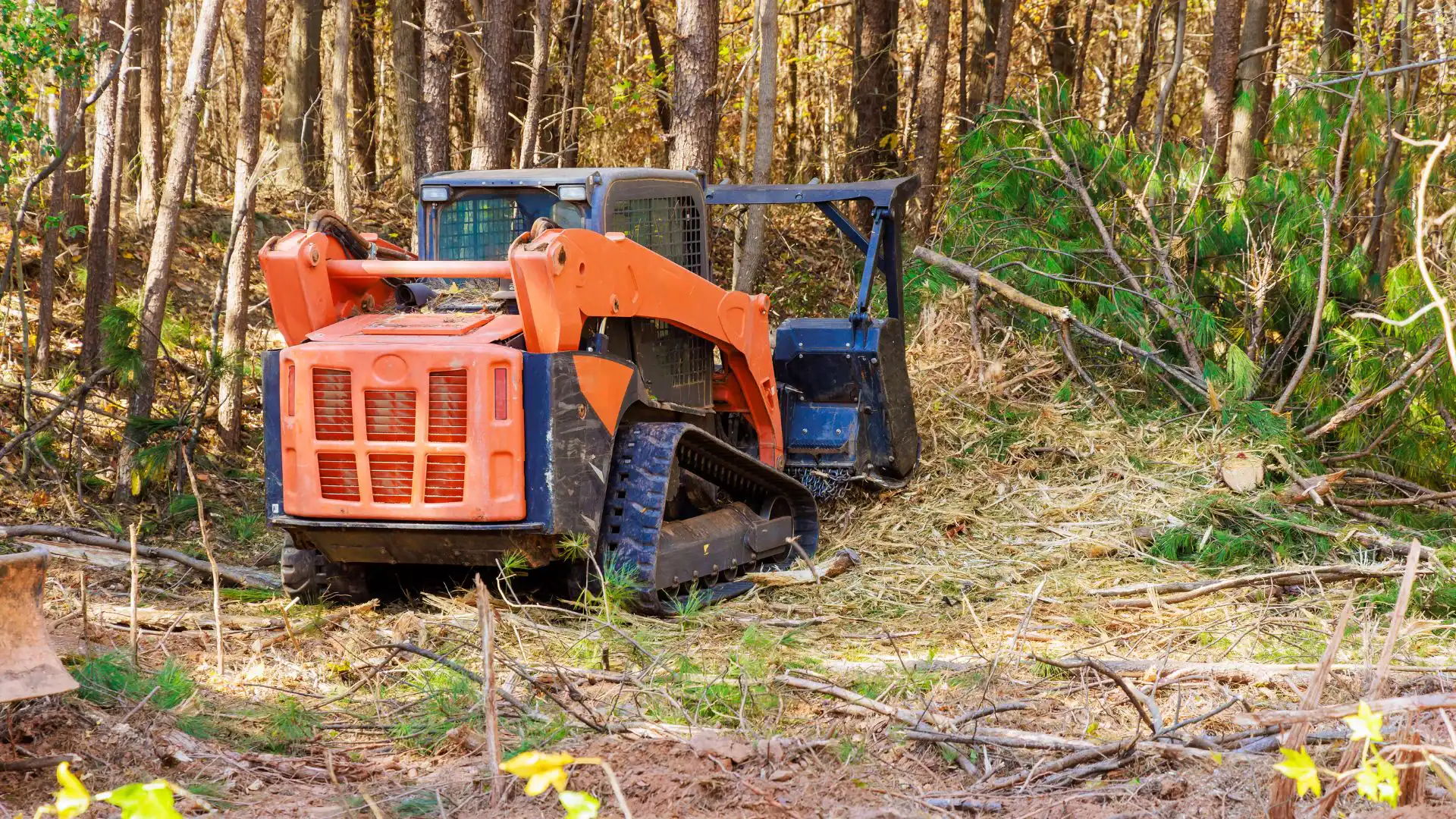
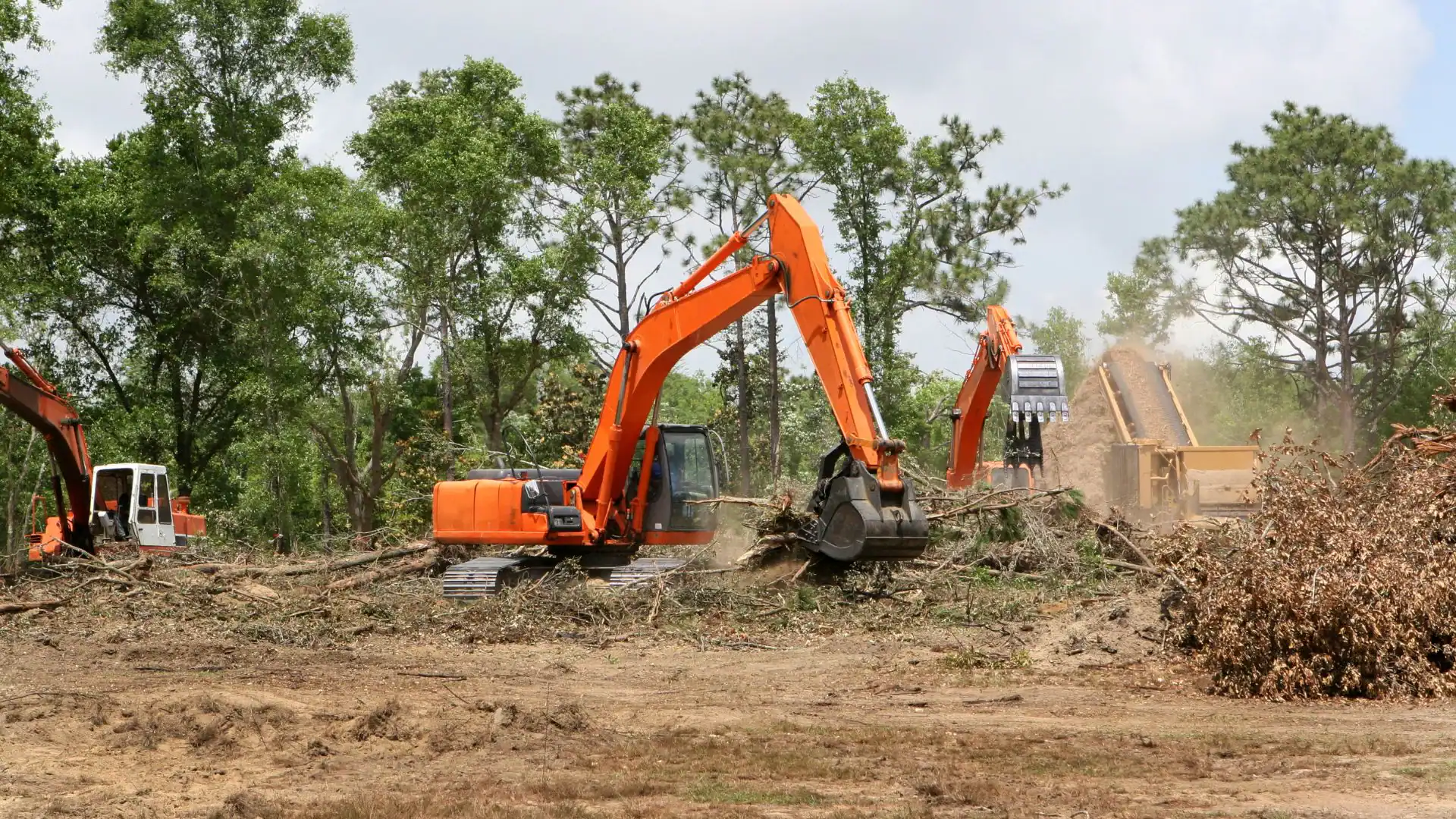
Once approvals are in place, the clearing work proceeds in a logical sequence overgrowth and brush first, trees where permitted, stumps ground down, debris chipped or hauled depending on volume. The site gets left clean. Not mostly clean. Clean.
Ready to get started?
Land clearing in Northport covers a wider range of situations than most people expect when they first call. Some properties need full lot clearing ahead of new construction a teardown in the village, a builder-ready site in East Northport, a wooded parcel in Fort Salonga that’s been sitting untouched for years. Others need brush clearing and overgrown property clearing to reclaim land that’s been taken over by invasive species multiflora rose thickets, self-seeded Norway maples, Ailanthus pushing through everywhere. Some need land reclamation services that go deeper than surface cutting, addressing root systems that will aggressively regrow if they’re only trimmed back.
Whatever the scope, our full service includes vegetation removal, stump grinding, and debris hauling. Nothing gets left in piles on a Northport property that’s not acceptable in a village community, and it’s not how we do this work here. If there are specimen trees worth preserving, those get identified early and worked around. If there’s erosion sensitivity near a bluff or coastal area, sediment controls go in before clearing begins.
The result is a site that’s genuinely ready for the next step not one that needs another round of cleanup before a builder or landscaper can get started.
Yes and in Northport specifically, there are two separate sets of requirements you need to be aware of. The Village of Northport has its own tree removal ordinance that prohibits removing more than 10% of the trees on any parcel without a permit from the Village Board. That’s a village-level requirement, and it applies on top of not instead of the Town of Huntington’s tree preservation ordinance, which has its own conditions around species, hillside areas, and mitigation planting.
If your property is inside the incorporated Village of Northport, both sets of rules apply simultaneously. If you’re in an unincorporated area like East Northport or Fort Salonga, the town ordinance applies but the village permit does not. The distinction matters, and a contractor who doesn’t ask about your exact address before quoting is a contractor who may not know the difference. Before any work begins on a Northport property, the applicable permits get confirmed not assumed.
Land clearing costs in Northport vary based on lot size, vegetation density, terrain, and what’s included in the scope. A straightforward lot clearing job on a flat, lightly wooded parcel will cost significantly less than clearing a heavily overgrown bluff property with invasive species, stump grinding, and debris hauling included. For most residential lots in the Northport area, clearing projects range from a few thousand dollars on the lower end to $10,000 or more for larger, more complex sites.
What’s worth knowing is that vague quotes ones that don’t separately itemize clearing, stump removal, and debris disposal often lead to invoice surprises at the end. An itemized quote tells you exactly what’s included and what isn’t, so there’s no ambiguity when the job is done. Given that the average Northport property is worth well over $850,000, a clear written quote from a contractor who can explain every line item is a reasonable baseline expectation.
Several invasive species are extremely common on Long Island’s North Shore, and they absolutely affect how clearing work is approached. Japanese knotweed, multiflora rose, Oriental bittersweet, Norway maple, and Ailanthus also called Tree of Heaven are all prevalent in the Northport area. The North Shore Land Alliance has flagged invasive species proliferation as a significant and ongoing concern for this part of Long Island.
The reason these plants matter for clearing is that cutting them without treating the root system doesn’t solve the problem it restarts it. Japanese knotweed in particular will regrow aggressively from root stock left in the ground, and Oriental bittersweet can spread from seed if debris isn’t handled correctly. A cleared lot that hasn’t addressed the root systems of these species will look overgrown again within two to three growing seasons. Before clearing begins, the vegetation on the property gets identified so the removal method matches what’s actually there not a one-size approach applied to every lot.
Late winter through early spring roughly February through April is generally the best window for clearing on North Shore properties. Vegetation is dormant, which makes the full extent of overgrowth easier to assess and invasive species easier to identify before leaf-out. Ground conditions are typically firm enough for equipment access, and clearing before the growing season means invasive regrowth is slower to reestablish after the work is done.
Late fall, after leaf drop, is the second best window for similar reasons. Summer clearing is possible but the aggressive growing season on Long Island means invasive species are at peak growth and will regrow quickly after cutting. Winter work is feasible but frozen ground on slope and bluff properties which are common in Northport and Eatons Neck can limit equipment access. If you have a construction timeline or a listing date driving the schedule, the earlier in the year you can get clearing done, the more flexibility you’ll have before the season accelerates.
Yes, but it requires more planning than a standard lot clearing job. Properties on bluffs above Northport Bay, on the slopes of Eatons Neck, or near tidal wetlands in Asharoken involve terrain and environmental sensitivity that flat interior lots don’t. Root systems on bluff properties contribute to slope stability removing vegetation without appropriate sediment controls in place can accelerate erosion and create liability that far exceeds the cost of the clearing work itself.
For properties near wetlands or coastal areas, New York State DEC requirements may apply in addition to the village and town permit requirements. That means a permit review before clearing begins isn’t optional it’s the only responsible way to approach the job. Sediment controls go in before the first machine moves, clearing is sequenced to protect slope integrity, and any areas near the water’s edge are handled with the care that a high-value coastal property deserves. The terrain here is part of what makes Northport properties worth what they are it gets treated accordingly.
Overgrown property clearing is one of the most common requests on the North Shore, particularly for recently purchased estate properties, lots that sat on the market for extended periods, or parcels that have been left unmanaged for years. The scope of what’s included matters, because a lot that’s been cleared of above-ground growth but still has untreated stumps, unaddressed root systems, and debris piled at the edge isn’t actually cleared it’s just cut back.
A complete overgrown property clearing job covers the full process: initial site assessment to understand what’s there and what needs permits, vegetation removal from surface growth through understory, stump grinding, debris chipping or hauling, and final site cleanup. In Northport, where properties are in a village community with neighbors and aesthetic standards, leaving debris on site isn’t an option. The job ends when the site is clean not when the cutting is done. If the property has significant invasive species like Japanese knotweed or multiflora rose, root treatment is part of the conversation from the start, so the cleared state actually holds.