
Hear from Our Customers
Water in a basement doesn’t stay in the basement. It works into the walls, feeds mold, weakens structural components, and circulates through your home’s air. By the time you smell it, it’s already been a problem for a while. Fixing it early is always cheaper than fixing it late.
Northport’s North Shore clay soils hold water against your foundation long after the rain stops. Unlike sandy soils that drain quickly, clay stays saturated sometimes for days keeping hydrostatic pressure against your walls and floor. Add in the proximity to Northport Harbor and a water table that rises faster here than it does in inland communities like Commack or Hauppauge, and you have conditions that push water into basements even in homes that appear to be in good shape.
With only a fraction of Northport’s housing built after 2000, most homes here are carrying 50 to 150 years of freeze-thaw cycling, shifting soils, and accumulated water pressure. A crack that looked minor last spring is wider after this past winter. Getting ahead of it before it becomes a structural issue or a mold problem that shows up on a home inspection is the smart move for a home worth what yours is worth here.
We work specifically on Long Island’s North Shore the same clay soils, the same aging housing stock, the same harbor-adjacent water tables that affect Northport directly. This isn’t a regional franchise dispatching crews from a call center. We’re a contractor who understands that a Victorian-era fieldstone foundation in Northport’s village center needs a completely different approach than a 1970s poured concrete wall in East Northport and who knows how to tell the difference before recommending anything.
Every job starts with an inspection, not a pitch. That means looking at your actual foundation, your soil drainage, your grading, and where the water is entering before a solution ever gets proposed. Northport homeowners have significant equity to protect homes in this village regularly exceed $800,000 in value and that kind of investment deserves a contractor who diagnoses first and recommends second.
It starts with a thorough in-home inspection no phone quotes, no ballpark estimates before we’ve looked at your actual basement. The inspection covers your foundation walls, the floor perimeter, any visible cracks, how your exterior grading is directing water, and whether the issue is coming from hydrostatic pressure, a specific crack, window well drainage, or something else entirely. In Northport, where the water table sits close to the surface and clay soils stay saturated after storms, that diagnostic step is what separates a real fix from a temporary one.
Once the source is identified, we explain the recommended solution clearly what it is, why it addresses your specific problem, and what it costs. That might be a foundation crack injection, a sump pump installation, an interior drainage system, or a combination depending on what the inspection shows. Nothing gets proposed because it’s the most expensive option; it gets proposed because it fits the actual problem.
Work in the Village of Northport may require a permit through the village’s own building department separate from the Town of Huntington’s general permitting process. We handle that coordination so you’re not navigating it alone. When the job is done, you’ll have documentation of what was done and why, along with warranty coverage that travels with the home if you ever sell.
Ready to get started?
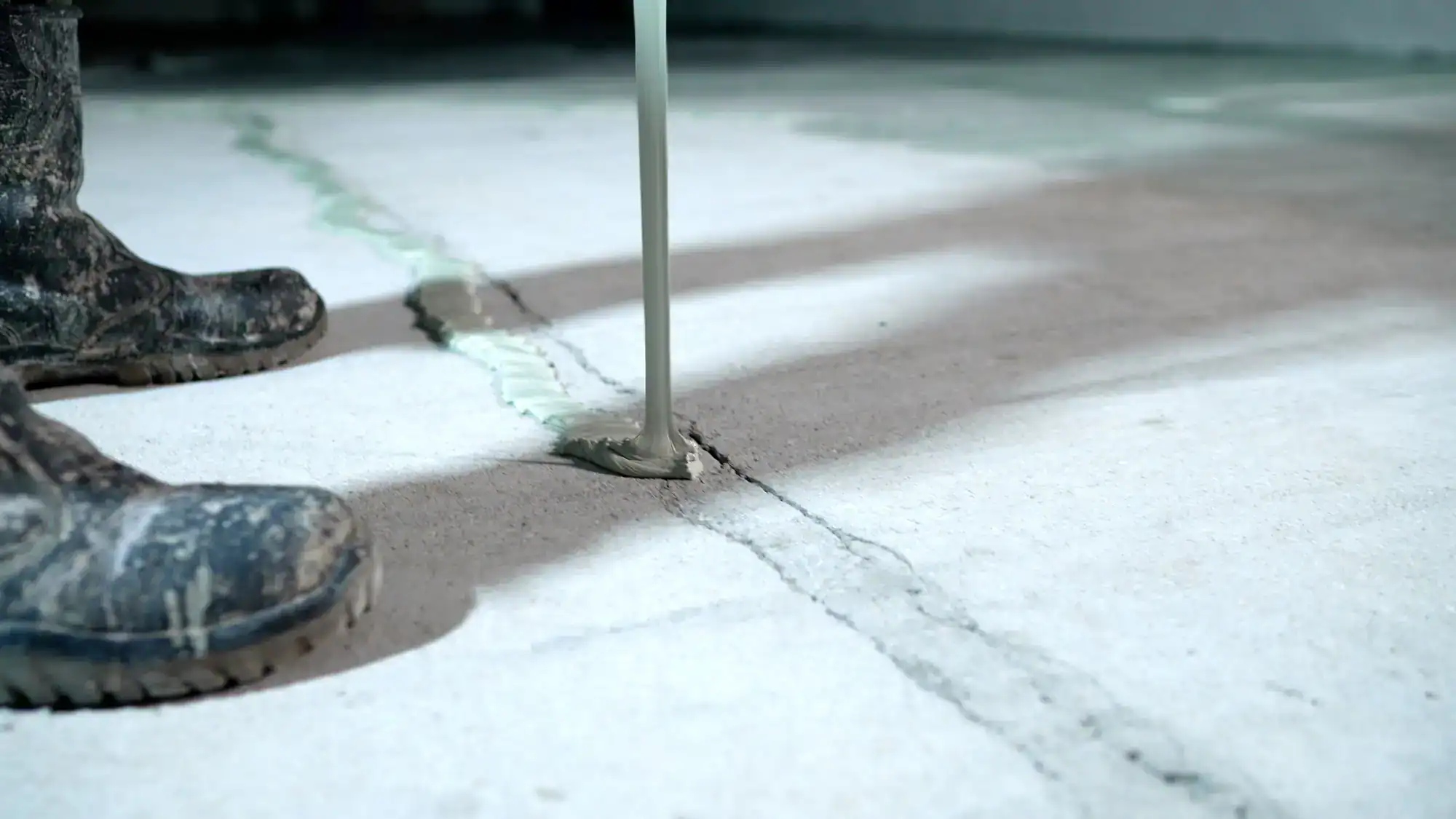
The services we provide in Northport cover the full range of what actually causes basement water intrusion in this area. Foundation crack sealing uses epoxy or polyurethane injection to seal active cracks from the inside out bonding to the concrete and restoring the wall’s resistance to water pressure. This is often the right solution for poured concrete foundations in Northport’s mid-century ranches and split-levels, where a single crack is the entry point rather than widespread wall seepage.
For homes where hydrostatic pressure is the issue particularly in lower-elevation neighborhoods near Northport Harbor, or in older homes where the foundation has multiple small entry points an interior drainage system manages water at the perimeter before it reaches the floor. This is paired with a sump pump system, and in a community with Northport’s documented storm flooding history, a battery backup unit isn’t optional. The power goes out exactly when you need the pump most.
Waterproof basement wall treatments, exterior grading corrections, and window well drainage solutions round out the scope depending on what the inspection finds. Northport’s Victorian-era homes in the historic village center some with fieldstone or brick foundations over a century old require a different approach than postwar construction, and that distinction matters in how the work is scoped and priced. Every recommendation is written, itemized, and explained before any work begins.
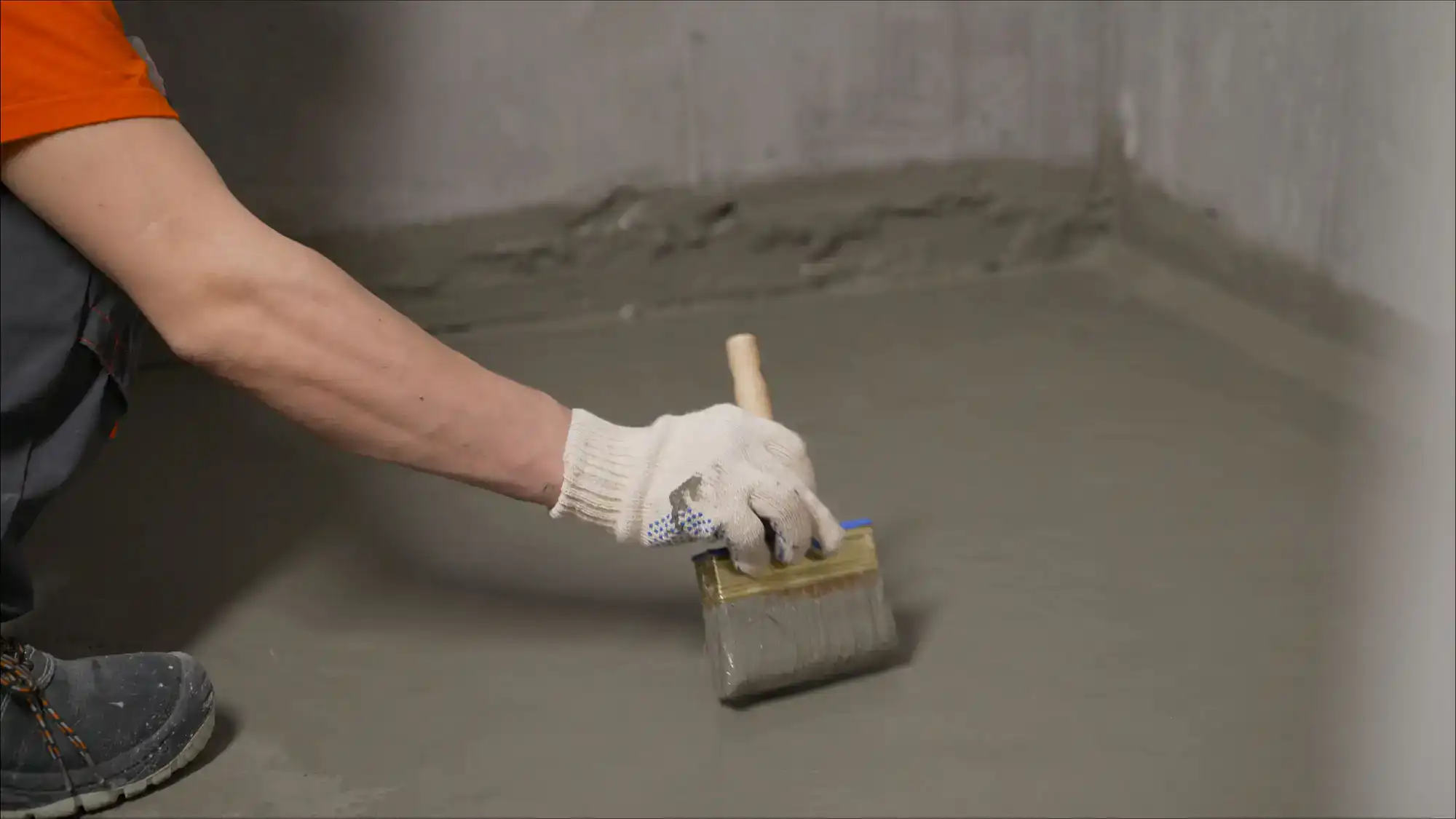
The issue usually isn’t the age of the home it’s the soil underneath it. Northport sits on the clay-heavy glacially deposited soils that define Long Island’s North Shore, and clay doesn’t drain the way sandy or loamy soil does. After a rainstorm, that clay stays saturated against your foundation walls for days, maintaining constant hydrostatic pressure even after the rain has completely stopped. That pressure finds whatever weak point exists in your foundation a hairline crack, a deteriorating mortar joint, a floor-wall seam and pushes water through it.
Add in Northport’s proximity to the harbor and a water table that sits closer to the surface here than in inland communities, and you have conditions that will eventually affect almost any basement that hasn’t been specifically waterproofed for them. The good news is that once the actual entry point is identified and addressed correctly, the problem is solvable. The key is diagnosing where the water is coming from before deciding how to stop it.
It depends on what the inspection finds, which is exactly why phone quotes aren’t useful. A foundation crack injection which is often the right fix for a single active crack in a poured concrete wall typically runs in the range of $500 to $1,500 depending on the size and location. An interior drainage system with sump pump installation for a full basement perimeter is a more involved job and generally falls in the $7,000 to $13,000 range for most Northport homes, with variation based on square footage and foundation type.
For Northport homeowners, the more relevant number is usually the cost of not acting. Mold remediation after prolonged moisture exposure averages $2,000 to $6,000. Structural foundation repairs the kind that result from years of water intrusion widening cracks and compromising the wall can run $10,000 to $30,000 or more. In a market where your home is likely worth $800,000 or above, a waterproofing investment that removes an inspection liability and protects long-term structural integrity is a straightforward calculation.
Possibly, and this is a detail that matters specifically in Northport because the village is an incorporated municipality with its own building department separate from the Town of Huntington’s general permitting process. Work that involves alterations to drainage systems, sump pump discharge routing, or structural foundation repairs within the Village of Northport may require a permit from the village directly, not just a Town of Huntington filing.
This is something a contractor who actually knows Northport will raise with you before work begins, not after. We handle permit coordination as part of the project process. If a permit is required for your specific job, that gets confirmed and filed before any work starts so you’re not left with unpermitted work that creates complications when you go to sell the home. It’s one of the practical differences between a contractor with real local knowledge and one applying a generic process to every job regardless of municipality.
Exterior waterproofing addresses water before it reaches your foundation it involves excavating around the foundation perimeter, applying a waterproof membrane to the outside of the wall, and improving drainage so water is directed away from the home. It’s the most comprehensive approach when it’s feasible, but it’s also more invasive and more expensive, and it isn’t always practical for established properties in Northport’s village center where mature landscaping, proximity to neighboring homes, or historic property features limit excavation.
Interior waterproofing manages water after it enters the foundation cavity typically through a perimeter drainage channel installed at the base of the foundation walls that collects water and routes it to a sump pump. For most Northport homeowners dealing with hydrostatic pressure from clay-saturated soils, an interior system is the practical and effective solution. The right answer depends on where the water is entering, how the foundation is constructed, and what the exterior conditions look like which is why the inspection matters before any recommendation is made.
If your basement has experienced any water intrusion or if your home sits in a lower-elevation area near Northport Harbor a sump pump is worth serious consideration. A sump pump collects water that enters the foundation perimeter and discharges it away from the home before it can accumulate on the floor. It’s the last line of defense when hydrostatic pressure is high and drainage systems are working at capacity.
As for battery backup: in Northport, it’s not optional it’s essential. The storms that cause the most severe basement flooding are the same storms that knock out power. Northport’s Main Street has flooded during storm events, and areas like Waterside Avenue and Locust Avenue have been specifically cited in local flooding reports. A sump pump without a battery backup is only reliable until the power goes out, which is exactly when you need it most. A battery backup unit ensures the pump keeps running through an outage, which is when the real damage prevention happens.
It doesn’t always show up as a line item on an appraisal, but it absolutely affects your negotiating position when you sell. Northport’s housing market is competitive, and buyers’ home inspectors look at basements carefully. A documented water intrusion problem active moisture, staining, efflorescence, or mold gives a buyer immediate leverage to negotiate the price down or walk away entirely. In a market where homes regularly trade at $800,000 and above, that negotiating leverage can be worth far more than the cost of the waterproofing job itself.
A transferable warranty from a documented waterproofing installation changes that dynamic completely. Instead of a liability on the inspection report, you have a documented improvement with professional warranty coverage that transfers to the new owner. Buyers in Northport who tend to be financially sophisticated and doing serious due diligence respond to that kind of documentation. It signals that the home has been maintained properly and that the basement isn’t a problem they’re inheriting. For sellers, that’s a real and measurable advantage in a market this competitive.