
Hear from Our Customers
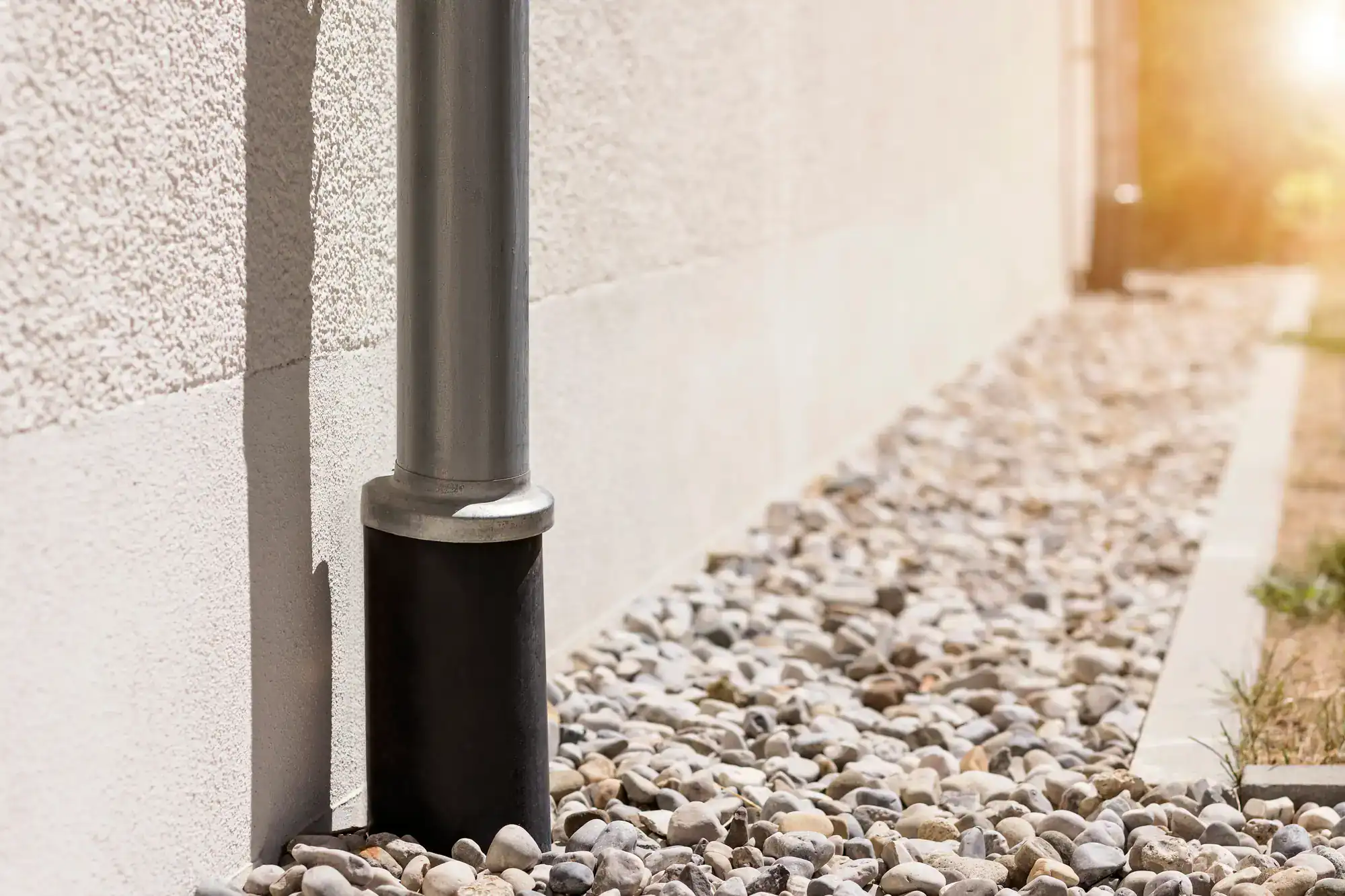
Most West Islip homeowners don’t call us after a light spring rain. They call after the third nor’easter in two years, or after water shows up in the basement following a storm surge off the bay. By that point, the damage is already underway and the fix costs a lot more than the drain would have.
A properly installed French drain system intercepts groundwater before it ever reaches your foundation. That means no more hydrostatic pressure building against your basement walls, no more soft spots near the house, and no more watching your yard turn into standing water every time the sky opens up. For homes in West Islip’s southern neighborhoods where the water table can sit just a few feet below the surface that kind of below-grade drainage isn’t optional. It’s what keeps a $700,000 home from developing a $30,000 foundation problem.
The housing stock here is mostly post-WWII construction. Those homes weren’t built with modern drainage in mind, and 60 years of soil settling, added driveways, and grade shifts have made the original drainage whatever there was of it essentially useless. A French drain system designed for your property as it exists today is one of the most cost-effective things you can do to protect what you’ve built here.
We’re a drainage contractor serving West Islip and the surrounding Town of Islip communities. We don’t show up with a one-size-fits-all system. We show up to figure out where your water is actually coming from because the fix depends entirely on that answer.
We’ve worked on properties throughout this area, from the lower-elevation neighborhoods near the bay to the slightly higher ground further north toward Sunrise Highway. We know how West Islip’s soil profile behaves the mix of sandy coastal soils and clay-influenced urban fill that expands when wet and contracts when dry, cycling pressure against foundations season after season. That’s not generic Long Island knowledge. That’s what we see when we’ve done this work here.
Every assessment is free. Every recommendation is based on what your specific property needs not what’s easiest to install.
It starts with a free on-site assessment. We walk your property, identify where the water is entering, evaluate the grade, check for outlet options, and look at how the soil and slope are working against you. No phone quotes the conditions on your property are too specific for that, and any contractor who quotes you without seeing it is guessing.
Once we have a clear picture, we walk you through exactly what we’re recommending and why. If your property is in one of West Islip’s FEMA flood zone areas which covers portions of the southern neighborhoods near the bay we factor that into the system design and handle any required permitting through the Town of Islip’s Building Division. We also call 811 before any excavation begins, which is required by New York State law and something every legitimate contractor does without being asked.
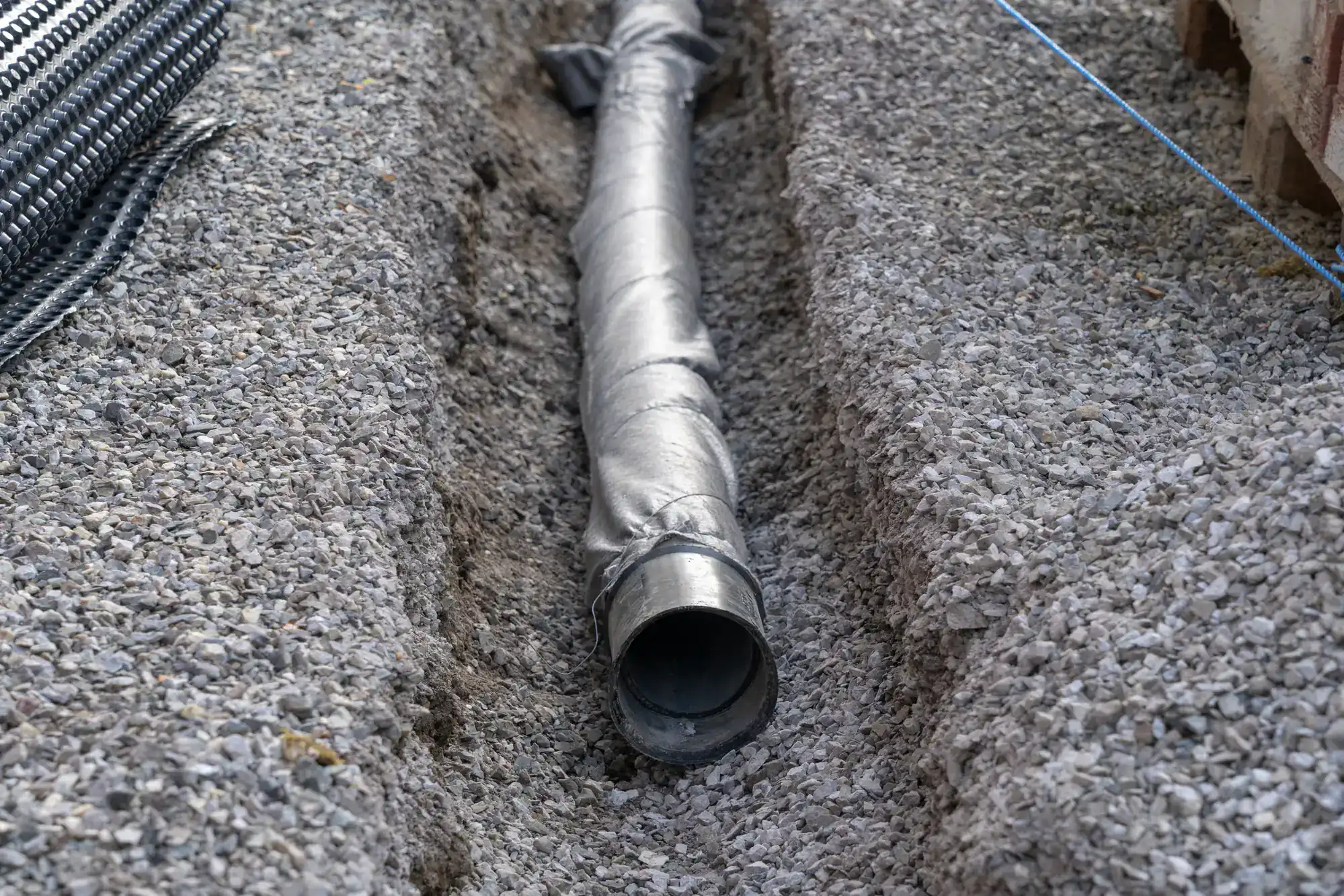
Installation typically runs one to three days for a residential project. We use rigid perforated PVC pipe, angular washed gravel, and double-punched geotextile filter fabric the materials that actually last. After the system is in, we restore the disturbed areas with topsoil and seed or sod-match so your yard looks like a yard again, not a construction site. A properly installed system lasts 30 to 40 years. That’s the goal from day one.
Ready to get started?
French drain installation in West Islip isn’t a single product it’s a system designed around your specific drainage problem. Yard drainage systems handle surface and subsurface water that’s pooling away from the house. Perimeter foundation drains intercept water before it contacts your basement walls. Some properties need both, depending on how water moves across the lot and where it’s accumulating.
What goes into the ground matters as much as where it goes. Corrugated flex pipe collapses and clogs. Filter fabric that isn’t properly rated allows fine silt to migrate into the gravel bed over time, choking the system. We specify rigid PVC, angular gravel, and fabric rated for the soil conditions common to South Shore properties because a system that fails in five years isn’t a solution, it’s a delay. For properties near the Sequams area or along West Islip’s lower-elevation streets where chronic flooding has been documented for years, the system design has to account for sustained water volume, not just a single rain event.
Every installation includes proper grading for drainage slope, outlet placement that meets Town of Islip stormwater requirements, and full site restoration afterward. If your property falls within a regulated wetland buffer near the bay or a FEMA Zone AE designation, we identify that during the assessment and handle the compliance piece so there are no surprises at resale.
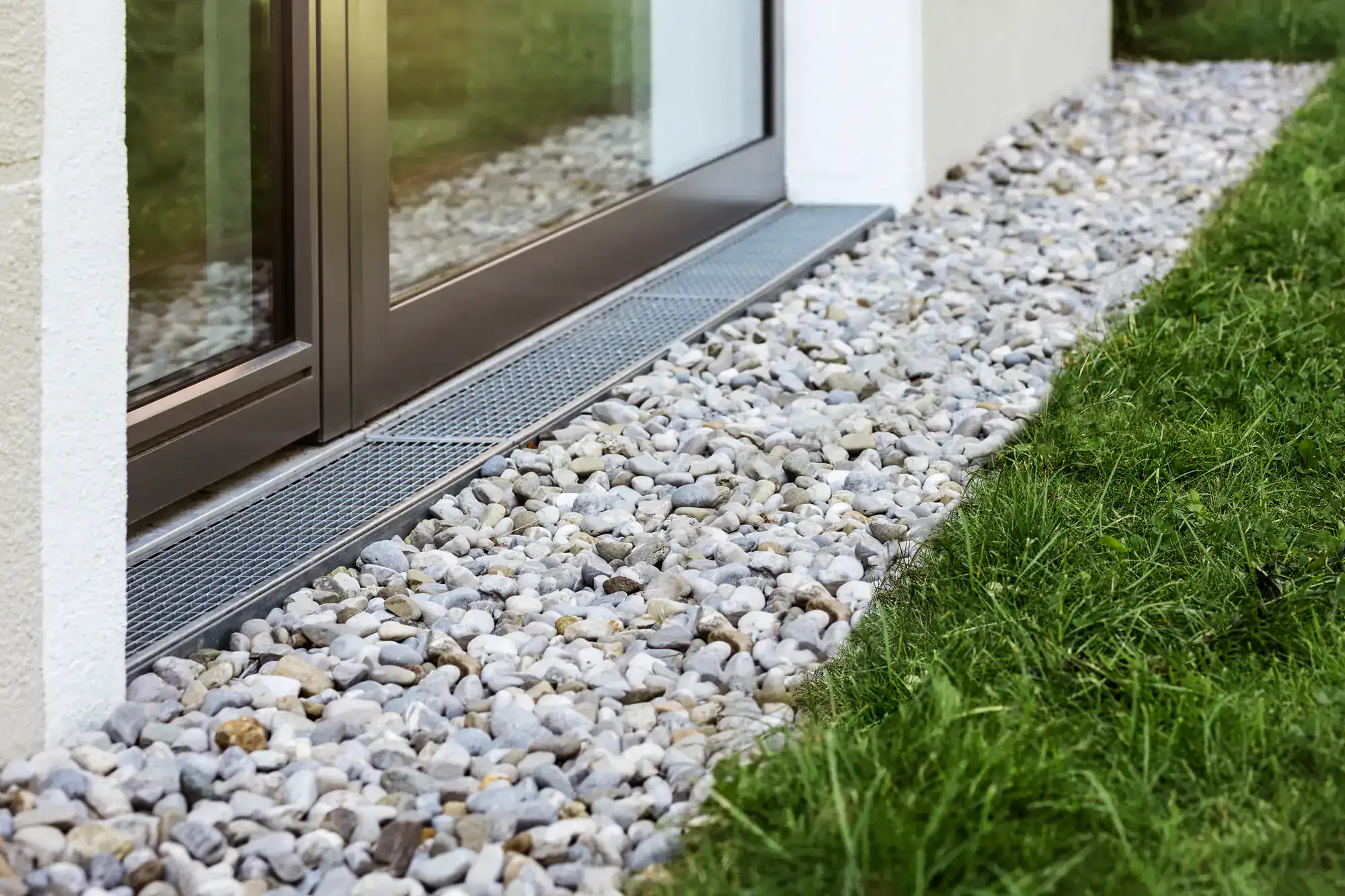
It depends on the scope of the project and where your property sits. The Town of Islip requires permits for drainage work that alters how stormwater leaves your property or discharges into a municipal system. If your home is in a FEMA-designated flood zone which applies to portions of West Islip’s southern neighborhoods near the Great South Bay there are additional compliance requirements that affect how the system is designed and documented.
The short answer is: don’t assume you don’t need one. We handle the permitting process through the Town of Islip’s Building Division as part of every applicable project. We also call 811 before any excavation, which is required by New York State law regardless of project size. You won’t need to navigate any of that yourself we manage it start to finish so the project is done legally and there’s nothing that comes back to bite you when you go to sell.
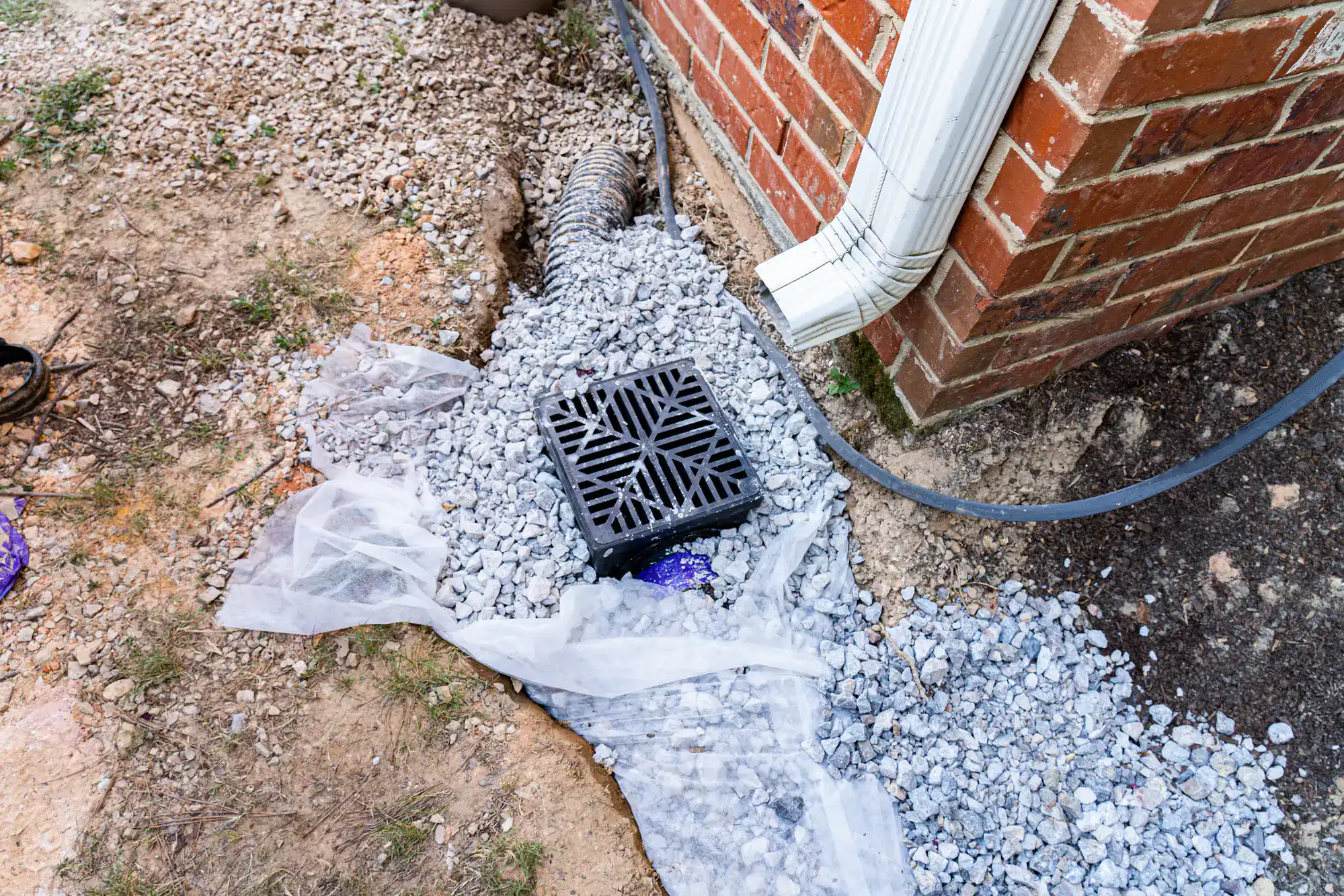
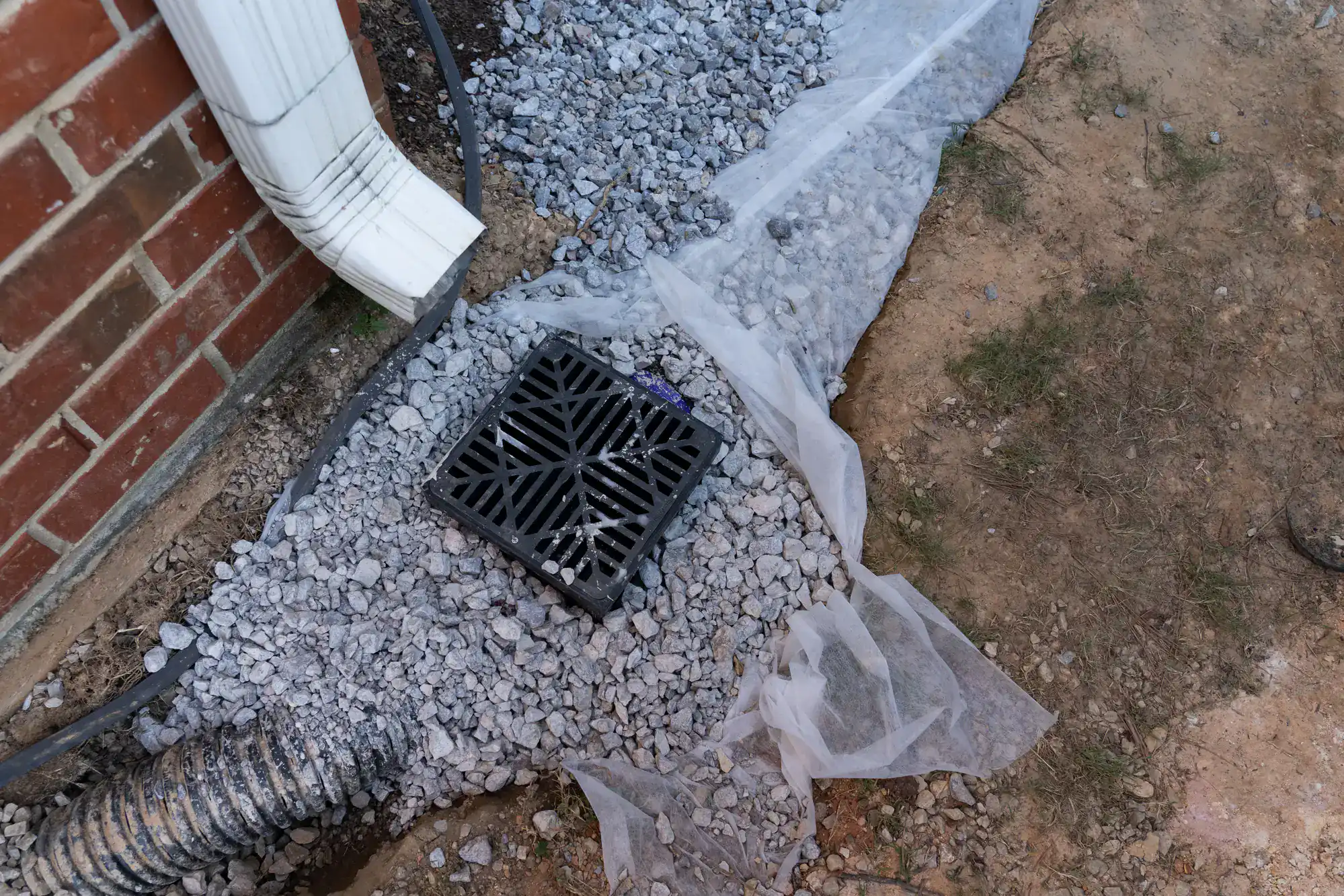
A surface drain sometimes called a catch basin collects water that’s pooling on top of the ground and channels it away. It works well for water that’s sitting on a patio, driveway, or low spot after rain. A French drain works below the surface, intercepting groundwater and subsurface water before it has a chance to pool or reach your foundation.
In West Islip, where the water table in lower-elevation neighborhoods can rise to within a few feet of the surface after a heavy storm or storm surge event, surface drains alone often aren’t enough. The real problem is the water moving through the soil and that’s what a French drain system is designed to handle. Many properties here need both: a surface drain for the visible pooling and a French drain for the subsurface pressure that’s pushing water toward the foundation. During your assessment, we’ll identify which system or combination actually matches what your property is dealing with.
Most residential French drain installations run between $500 and $18,000 depending on the length of the system, the depth required, and whether the project involves yard drainage, foundation perimeter drainage, or both. The national average sits around $9,250 for a full residential system. Per linear foot, professional installation typically falls between $20 and $60.
The more useful number to keep in mind is what drainage failure costs by comparison. Foundation crack repair runs $15,000 to $50,000. Mold remediation starts at $3,000 and can reach $25,000 for a serious case. A wet basement can reduce your home’s sale price by 10% or more on a $700,000 West Islip home, that’s $70,000 walking out the door. A properly installed French drain system is one of the better returns you can get on a home improvement investment, especially on the South Shore where water exposure is a documented, recurring reality. We provide a specific, written quote after the on-site assessment no phone estimates, no vague ranges.
For a French drain to protect a foundation, it generally needs to be installed at or below the footing level of the house which for most post-WWII homes in West Islip means somewhere between 18 inches and 4 feet depending on the foundation type and depth. For yard drainage systems that aren’t tied to the foundation, shallower installations can work, but the pipe still needs to be deep enough to intercept subsurface water movement rather than just surface runoff.
In Suffolk County, the frost line sits at approximately 36 inches. Any pipe installed above that depth risks freeze damage during a hard winter, which can crack rigid pipe or shift the system out of slope alignment. West Islip’s coastal location moderates temperatures somewhat compared to inland Long Island, but freeze-thaw cycles still occur and are a real factor in system longevity. Depth is one of the things we assess on every property visit because the right depth for your yard depends on your soil profile, your foundation type, and what the water is actually doing underground.
It depends on why it’s soggy. If the problem is a high water table which is common in West Islip’s lower-elevation neighborhoods given the proximity to the Great South Bay a French drain system can make a significant difference by giving that subsurface water a path to move away from your property rather than saturating the soil indefinitely. If the problem is a grading issue that’s directing surface runoff toward a low spot, that’s a different fix, though the two often go together.
What we don’t do is sell you a French drain and hope for the best. The on-site assessment is specifically designed to figure out whether a French drain is the right tool, what type of system fits your property, and where the outlet needs to go. Some soggy yards need a French drain. Some need regrading. Some need both. We’ll tell you what we actually found and if a French drain isn’t the right answer for your situation, we’ll tell you that too.
A properly installed French drain system rigid PVC pipe, angular washed gravel, quality geotextile fabric, correct slope, and proper outlet should last 30 to 40 years with minimal maintenance. The systems that fail early almost always come down to one of three things: corrugated flex pipe that collapses or crushes under soil pressure, filter fabric that wasn’t rated for the local soil conditions and allowed silt to migrate into the gravel bed, or insufficient slope that lets water sit in the pipe rather than drain away.
In West Islip specifically, the soil profile matters. The mix of sandy coastal soil and clay-influenced urban fill means the filter fabric specification isn’t a detail you can skip. Clay particles are fine enough to work through low-grade fabric over time, and once the gravel bed silts up, the system stops functioning. We specify materials for the conditions that actually exist on Long Island’s South Shore, not whatever’s cheapest at the supply house. That’s the difference between a system that’s still working in 2055 and one you’re replacing in five years.