Hear from Our Customers
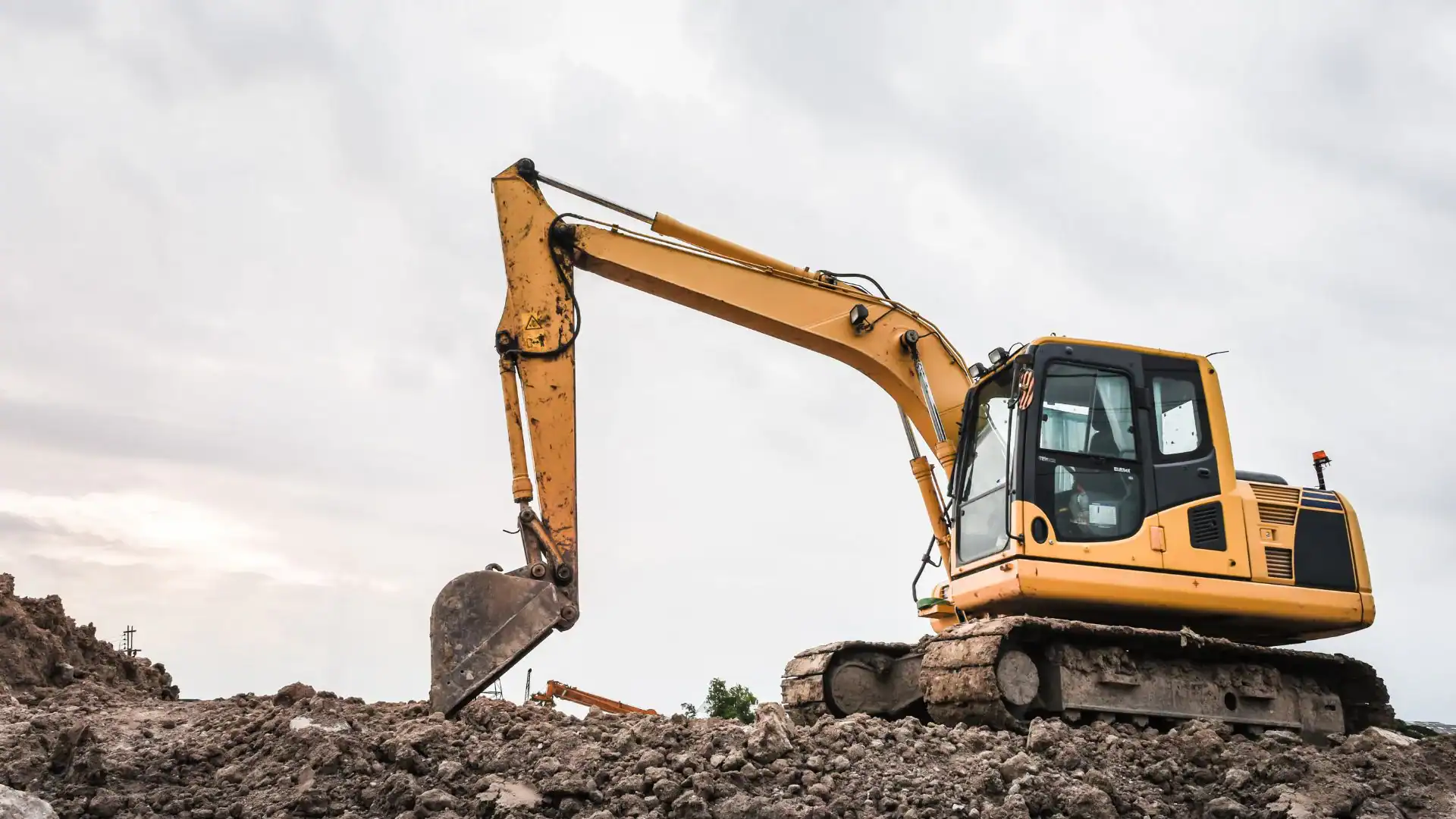
West Islip has a flooding problem that’s well-documented and personal for a lot of homeowners here. The 2014 flash flood dropped over 13 inches of rain on the Islip area in a single event, and streets like Eaton Lane became case studies in what happens when drainage infrastructure can’t keep up. If your yard holds water after a heavy rain or your basement takes on moisture after a nor’easter, the fix usually starts underground with proper excavation and grading that redirects water away from your home instead of letting it pool against it.
Most of the homes in West Islip were built in the 1950s through 1970s. That housing stock is solid, but it’s aging and the original drainage systems, retaining walls, and utility lines that came with those homes are reaching the end of their useful life. When you invest in residential excavation services that account for these conditions, you’re not just solving a problem today. You’re protecting a property that’s worth close to $700,000 and rising.
For homeowners along the canals that connect to Babylon Cove and the Great South Bay, there’s another layer to consider. Tidal influence raises groundwater levels, marine soils behave differently under load, and bulkhead-adjacent work requires a contractor who understands what’s at stake. Get this work done right, and your property is better protected and more valuable. Get it done wrong, and you’re looking at remediation costs that dwarf the original project.
Gold Coast Landworks is a Long Island excavation contractor that works specifically on the South Shore. West Islip isn’t an inland job it’s a coastal community with sandy soil, high water tables in the southern sections near the Great South Bay, and a Town of Islip permitting process that has real teeth. We’re not learning your area on your dime.
We handle residential and commercial excavation projects across West Islip and the surrounding Suffolk County area, from site preparation and land clearing to dig and haul services and drainage grading. Every project we take on in the Town of Islip is managed with full compliance Town of Islip excavation permits, New York 811 notifications, and any Suffolk County Department of Health requirements that apply to your specific scope. You don’t have to track any of that down yourself.
When your home sits near Montauk Highway or backs up to one of the waterfront canals in the south end of West Islip, the excavation approach isn’t the same as it would be somewhere inland. We adjust for what’s actually under your property and we tell you exactly what to expect before we start.
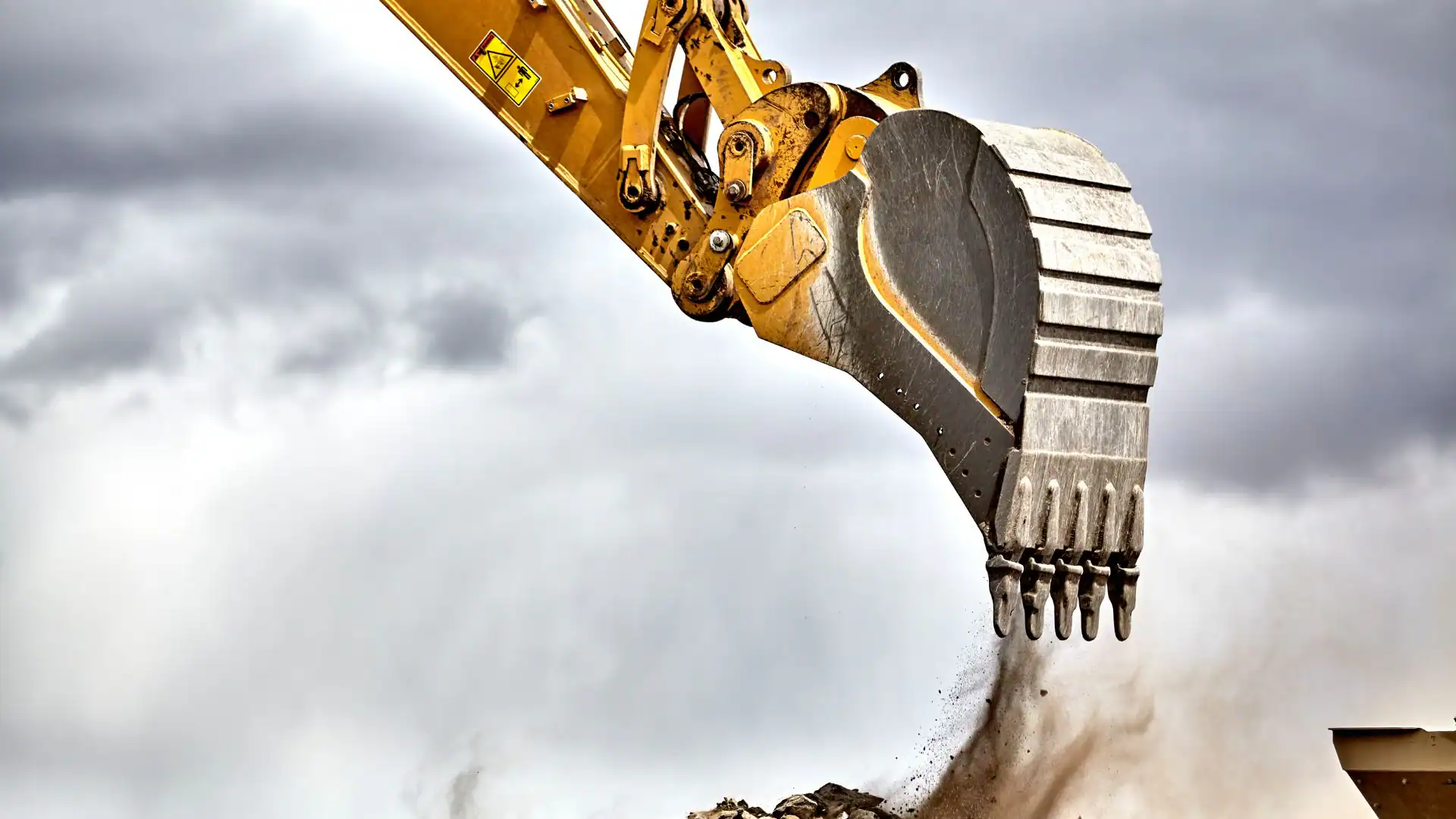
It starts with a site visit. Before anything else, we come out, walk the property, and assess what you’re actually dealing with soil conditions, drainage patterns, access points, and any site-specific factors that will affect the work. In West Islip, that assessment often includes checking proximity to the water table, especially on properties in the southern sections near the bay, and identifying any drainage constraints that the Town of Islip’s stormwater and erosion control requirements will apply to.
Once we have a clear picture of the site, you get a written quote that covers the full scope excavation, spoil removal, erosion controls, and any permit fees that apply. No line items that appear later. The Town of Islip requires a written permit before excavation or topsoil removal begins on a residential property, and New York State law requires a New York 811 notification to be filed 2 to 10 working days before any digging starts. We handle both as standard. You won’t be chasing down the Town’s Building Division or figuring out the 811 process on your own.
Once permits are confirmed and utilities are marked, our crew mobilizes and works the site according to the plan. Excavated material is loaded and hauled West Islip lots don’t have the space to leave spoil sitting on-site, and we don’t leave it there. When we’re done, the site is clean, graded to the agreed specification, and ready for the next phase of your project, whether that’s a foundation, a pool install, a drainage system, or a builder’s crew.
Ready to get started?
We provide residential excavation services, commercial excavation services, land excavation, dig and haul services, and excavation and grading services across West Islip and the broader Town of Islip. Whether you’re prepping a site for new construction, replacing a retaining wall on a 1960s-era property, installing a pool, or addressing a drainage problem that’s been getting worse every spring, we scope the work to what your specific property needs not a one-size approach that ignores the conditions on your lot.
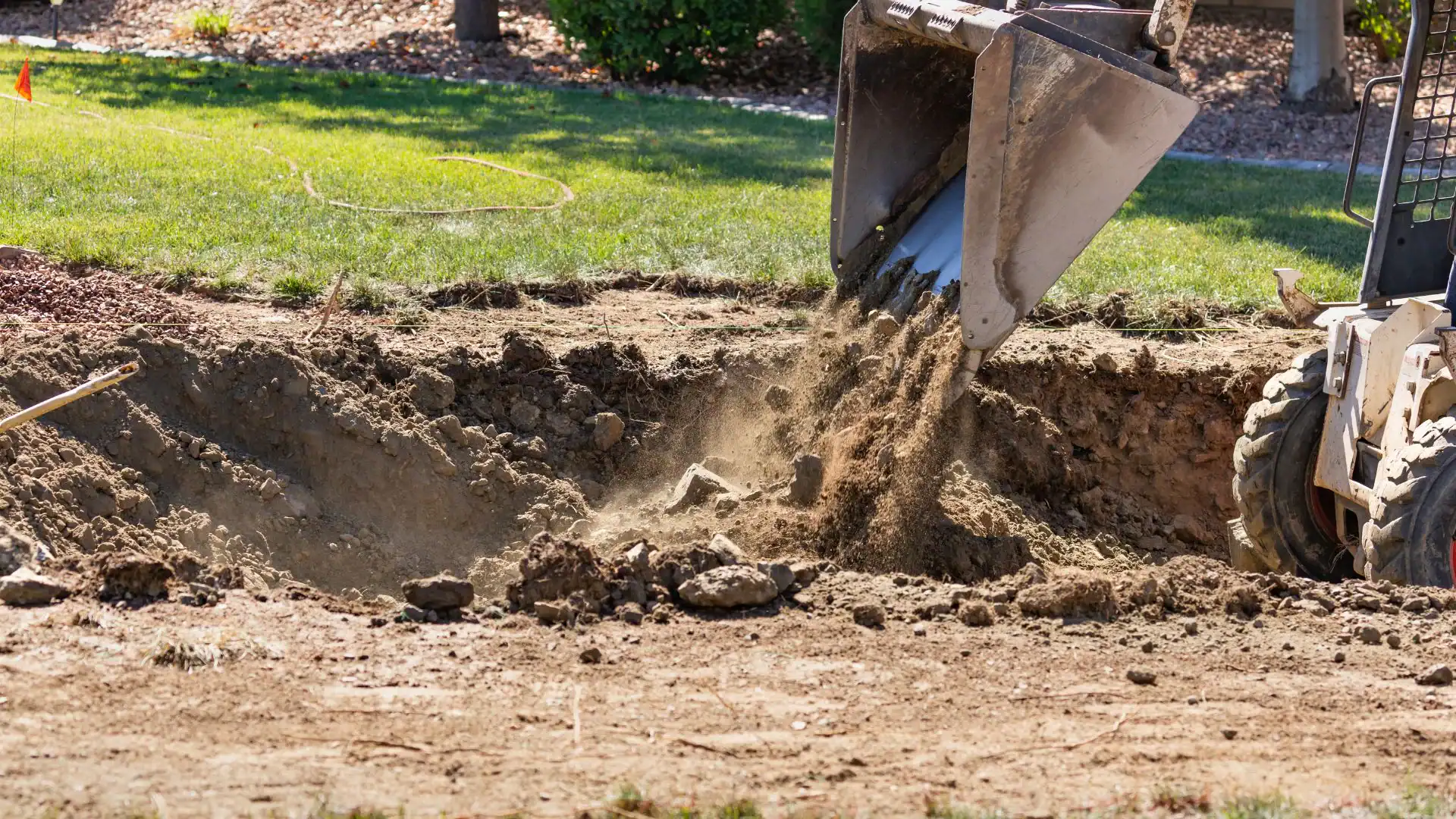
For residential projects, we work on the kinds of properties that define West Islip detached single-family homes on modest lots, many with aging infrastructure and drainage systems that were never designed for the rainfall events this area now sees. Pool excavation is one of the most common residential scopes we handle here, and it requires precise digging, careful spoil management, and a clean handoff to the pool contractor. Retaining wall excavation, foundation-adjacent work, and utility trenching round out the residential side.
On the commercial side, the Montauk Highway corridor from the Good Samaritan University Hospital campus through the retail and professional services strip generates consistent demand for site preparation, utility trenching, and earthworks. We bring the same licensed, insured, and Town of Islip-compliant approach to commercial projects that we apply to every residential job. One contractor, full scope, documented compliance from start to finish.
Yes and this catches a lot of West Islip homeowners off guard. Under Chapter 15 of the Town of Islip Code, a written permit from the Town Board is required before any excavation, topsoil removal, or fill removal begins on a property. This applies to residential projects, not just commercial ones. The permit process is administered through the Town of Islip’s Building Division, and depending on the scope of your project, the Engineering Division may also need to review cut and fill calculations particularly if your property sits in or near a flood zone, which is common in the southern sections of West Islip near the Great South Bay.
Beyond the Town permit, New York State law requires all excavators to file a notification with New York 811 the call-before-you-dig center specifically established for Nassau and Suffolk Counties between 2 and 10 working days before any digging begins. This isn’t optional, and failure to comply can result in fines and liability if an underground utility is struck. We handle both the Town of Islip permit process and the New York 811 notification on every job we take on in West Islip. You don’t need to navigate either one on your own.
Sandy soil is the norm across Long Island’s South Shore, and West Islip is no exception. It behaves very differently from the clay-heavy soils you’d find further inland it drains quickly under normal conditions, which sounds like a benefit, but it also shifts more easily under load, becomes unstable when saturated, and requires specific compaction methods to achieve a stable base for foundations, retaining walls, or drainage systems.
For excavation projects near the waterfront sections of West Islip properties along the canals south of Sunrise Highway or near Babylon Cove the sandy soil is also influenced by groundwater levels that fluctuate with tidal cycles. That means dewatering may be needed during excavation, and the timeline for certain types of work can be affected by seasonal groundwater conditions. An excavation contractor who hasn’t worked in coastal South Shore conditions may not anticipate these factors until they’re already on your site. We assess soil and groundwater conditions during the initial site visit so there are no surprises once digging starts.
In most cases, yes and in West Islip specifically, drainage is one of the most common and legitimate reasons homeowners call an excavation contractor. The area has a documented history of flooding, and the aging drainage infrastructure on many properties built in the 1950s and 1960s was simply not designed for the kind of rainfall events the South Shore now experiences. Even routine nor’easters can overwhelm undersized or deteriorated drainage systems on older residential lots.
Excavation and grading addresses drainage problems by reshaping the ground so water flows away from your home rather than pooling against it or finding its way into your basement. Depending on the severity of the issue, the solution might involve regrading the yard, installing a French drain or dry well system, or excavating for a more comprehensive underground drainage solution. The right approach depends on your specific site how the land is currently graded, where the water is coming from, and what the soil conditions allow. We assess all of that before recommending a scope, because overselling a drainage solution that doesn’t match the actual problem helps no one.
Dig and haul refers to the full process of excavating material from your site and transporting it off the property for disposal or recycling. It sounds straightforward, but it’s a critical part of most excavation projects and in a community like West Islip, where residential lots are typically modest in size and neighbors are close, leaving excavated material sitting on-site isn’t a realistic option.
For pool excavations specifically, dig and haul is essentially non-negotiable. A standard in-ground pool excavation in West Islip can generate a significant volume of spoil sandy soil that has nowhere to go on a typical South Shore residential lot. The same applies to drainage projects, retaining wall replacements, and foundation-adjacent work. If your quote doesn’t include spoil removal, you need to ask what happens to the excavated material, because the answer affects your site, your neighbors, and your timeline. We include dig and haul as part of our standard project scope we don’t leave you with a pile of excavated earth and a separate problem to solve.
The honest answer is that it depends on the scope, the site conditions, and the time of year but most residential excavation projects in West Islip run anywhere from one day for a straightforward dig and haul to several days for more complex drainage, foundation, or site preparation work. The bigger variable is usually the pre-work: permit approval from the Town of Islip and the New York 811 utility marking process both have their own timelines, and neither can be skipped.
The Town of Islip permit process can take anywhere from a few business days to a few weeks depending on the scope and whether additional review is required. New York 811 requires notification at least 2 working days before digging, and up to 10 working days is recommended to allow all utility companies to respond and mark their lines. Spring and fall are the busiest seasons for excavation on Long Island, so scheduling during those periods may require more lead time. If you have a builder or pool contractor waiting on the excavation to be completed, factor these timelines into your project schedule we’ll walk you through what’s realistic when we do the initial site assessment.
It can be, and it’s worth understanding before you hire anyone. Properties in the southern sections of West Islip particularly those near the canals, Babylon Cove, or the Great South Bay shoreline sit in areas where the water table is shallower, tidal influence is real, and flood zone designations under FEMA’s mapping are more likely to apply. The Town of Islip’s Flood Damage Prevention Code requires specific cut and fill calculations for properties in designated flood zones, with minimum first-floor elevations set at Base Flood Elevation plus two feet. Any excavation that alters the grade on a flood zone property needs to account for these requirements.
Beyond the regulatory side, the practical challenges are real too. Shallow groundwater means excavation can hit water sooner than expected, dewatering equipment may be needed, and the timeline for work can shift based on recent rainfall or tidal conditions. Marine soils near the bay also behave differently under equipment load than typical inland sandy soils. None of these factors make waterfront excavation in West Islip impossible they just make contractor selection more important. We assess flood zone status, groundwater conditions, and proximity to the bay as part of every site evaluation in this area, so the scope we quote you reflects what the job actually involves.