Hear from Our Customers
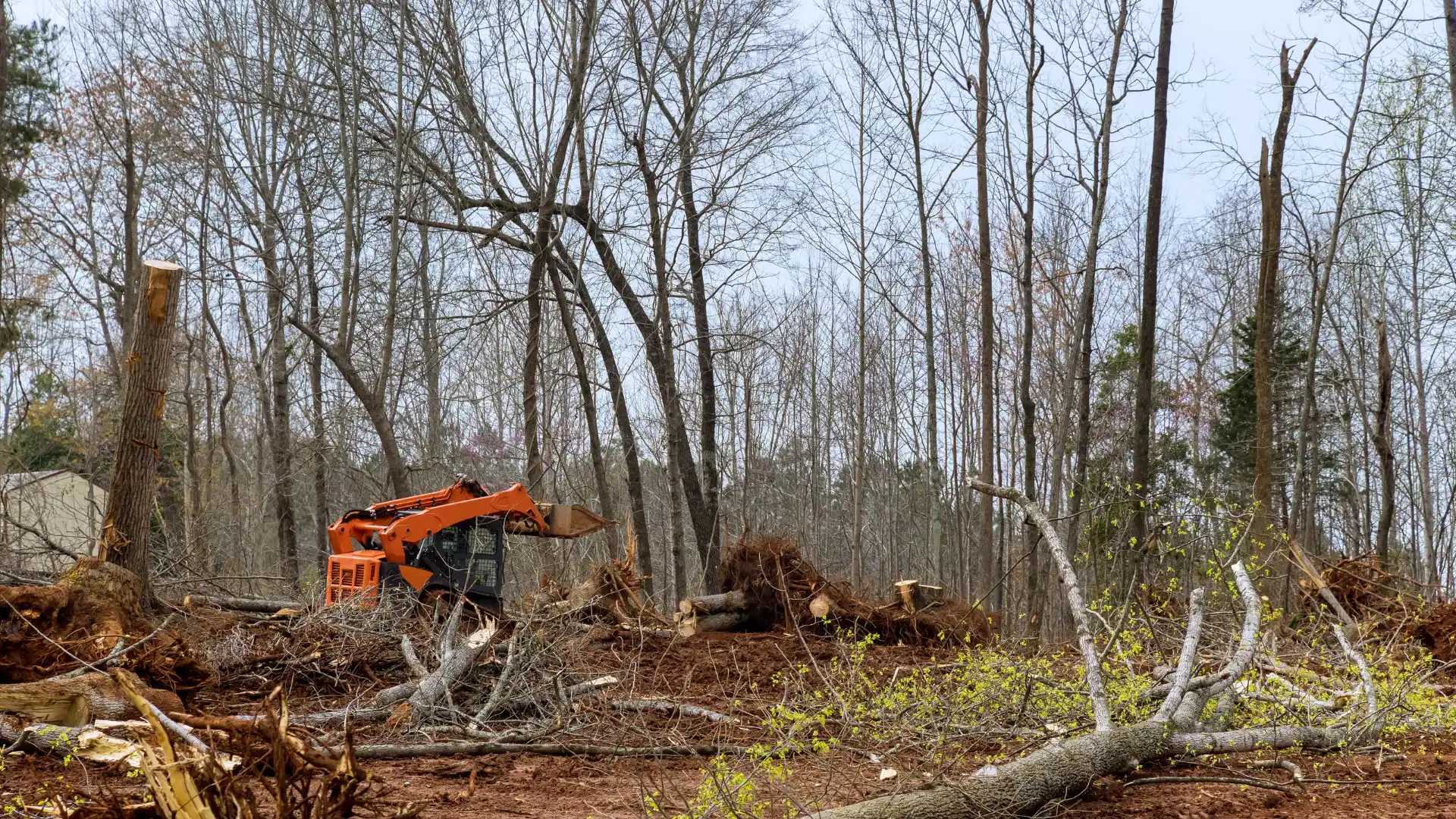
Most homeowners don’t realize how much is riding on the first step. Whether you’re putting in a pool, adding a structure, or just reclaiming a rear yard that’s been swallowed up by years of unchecked growth, the clearing work sets the tone for everything that follows. Done right, you get a clean, level property with no debris left behind and no regulatory surprises waiting around the corner.
West Islip’s South Shore location adds a layer that most inland communities don’t deal with. A significant number of properties here back onto canals that feed into the Great South Bay, and that waterfront exposure means phragmites, invasive reeds, and overgrown vegetation along the bulkhead line are genuinely common problems not occasional ones. Clearing that vegetation properly, without triggering a stop-work order from NYSDEC, takes someone who actually knows where the regulated boundaries are.
Then there’s the flooding reality. The southern end of West Islip particularly near the low-lying areas closest to the bay has documented drainage issues that overgrown vegetation makes worse. When you clear a lot here with drainage in mind, you’re not just improving the look of the property. You’re reducing how badly it performs in the next nor’easter or heavy rain event.
Gold Coast Landworks is a Long Island land clearing and earthworks contractor that works specifically on the conditions you find in West Islip and the surrounding South Shore not the conditions you find in a textbook. That means canal-adjacent properties, Town of Islip permit requirements, NYSDEC wetlands setbacks, and the kind of mature, mid-century lots that have accumulated decades of unchecked growth along the fence lines and rear yards.
We serve West Islip and the surrounding South Shore communities, and we’ve worked on properties from the Montauk Highway corridor down to the canal-front neighborhoods near the Great South Bay. When we show up to quote your job, we already know what we’re likely to find and we’ll tell you exactly what it takes to clear it the right way.
No inflated scopes. No vague quotes that balloon at invoice time. Just a straight answer about what the job involves, what permits are needed, and what it’s going to cost.
It starts with a site visit. Before anything is quoted or scheduled, we walk the property with you. We look at what’s there tree coverage, brush density, stumps, any invasive species like phragmites along the canal edge and we assess what the clearing scope actually is. If your property is near a canal or tidal wetland, we identify whether NYSDEC jurisdiction applies and whether a Town of Islip land clearing permit is required before work can begin. You won’t find out about that requirement after the fact with us.
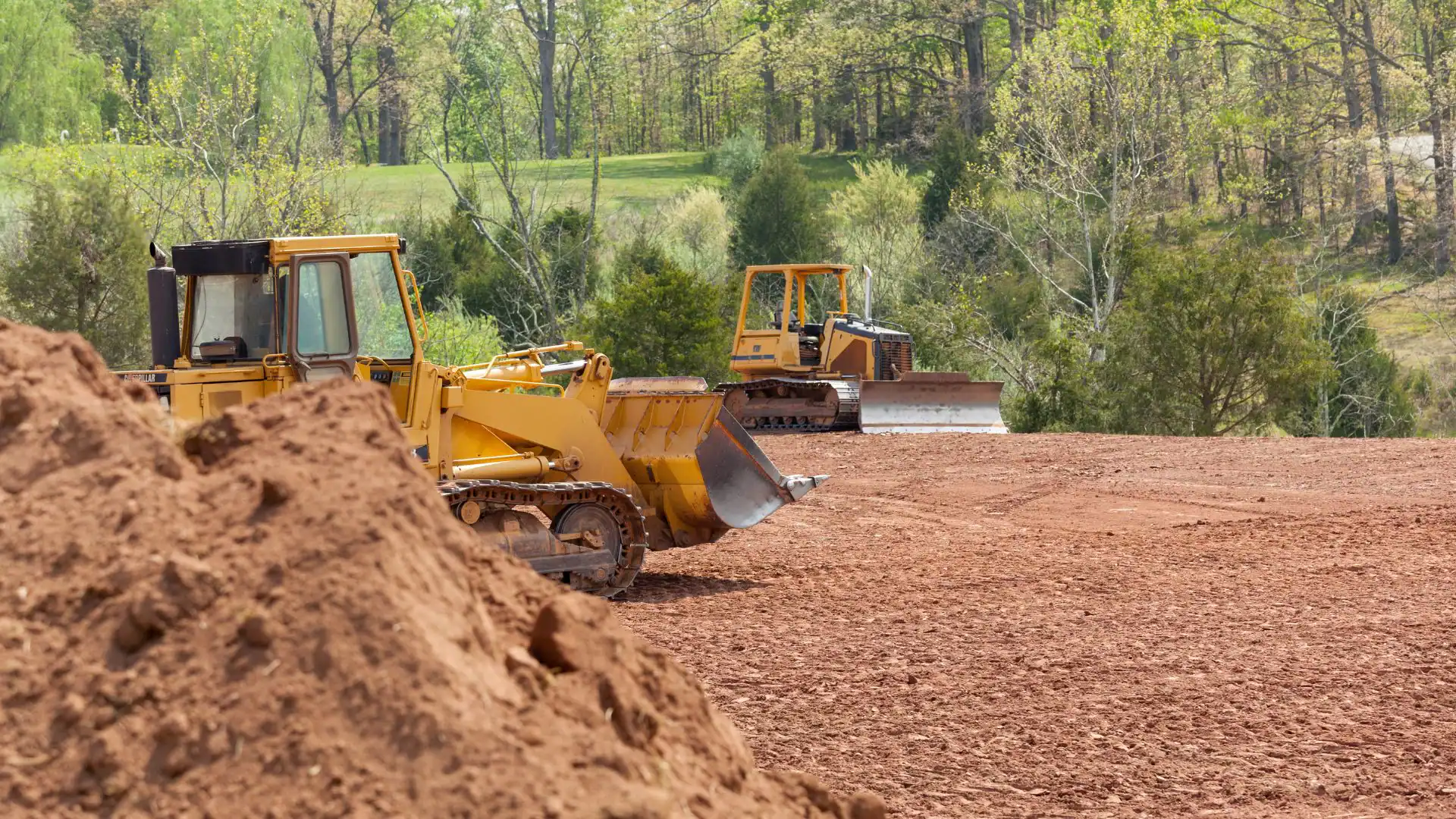
Once permits are confirmed and the scope is agreed on, we mobilize the right equipment for your specific lot. West Islip’s residential lots are tight, neighboring properties are close, and in the southern end of the hamlet, soft or low-lying ground near the water can affect how and where equipment operates. We account for all of that before the crew arrives not during the job.
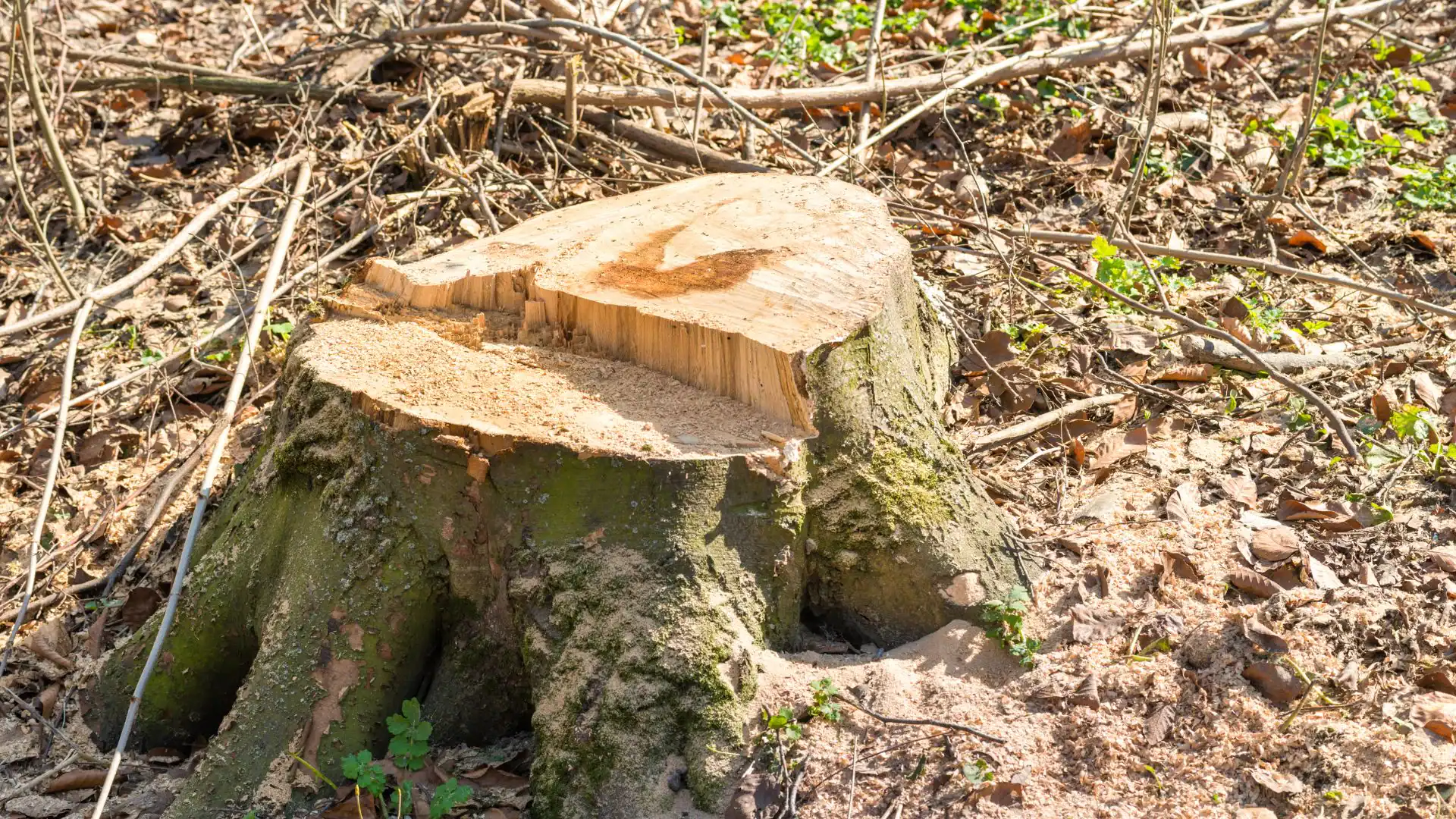
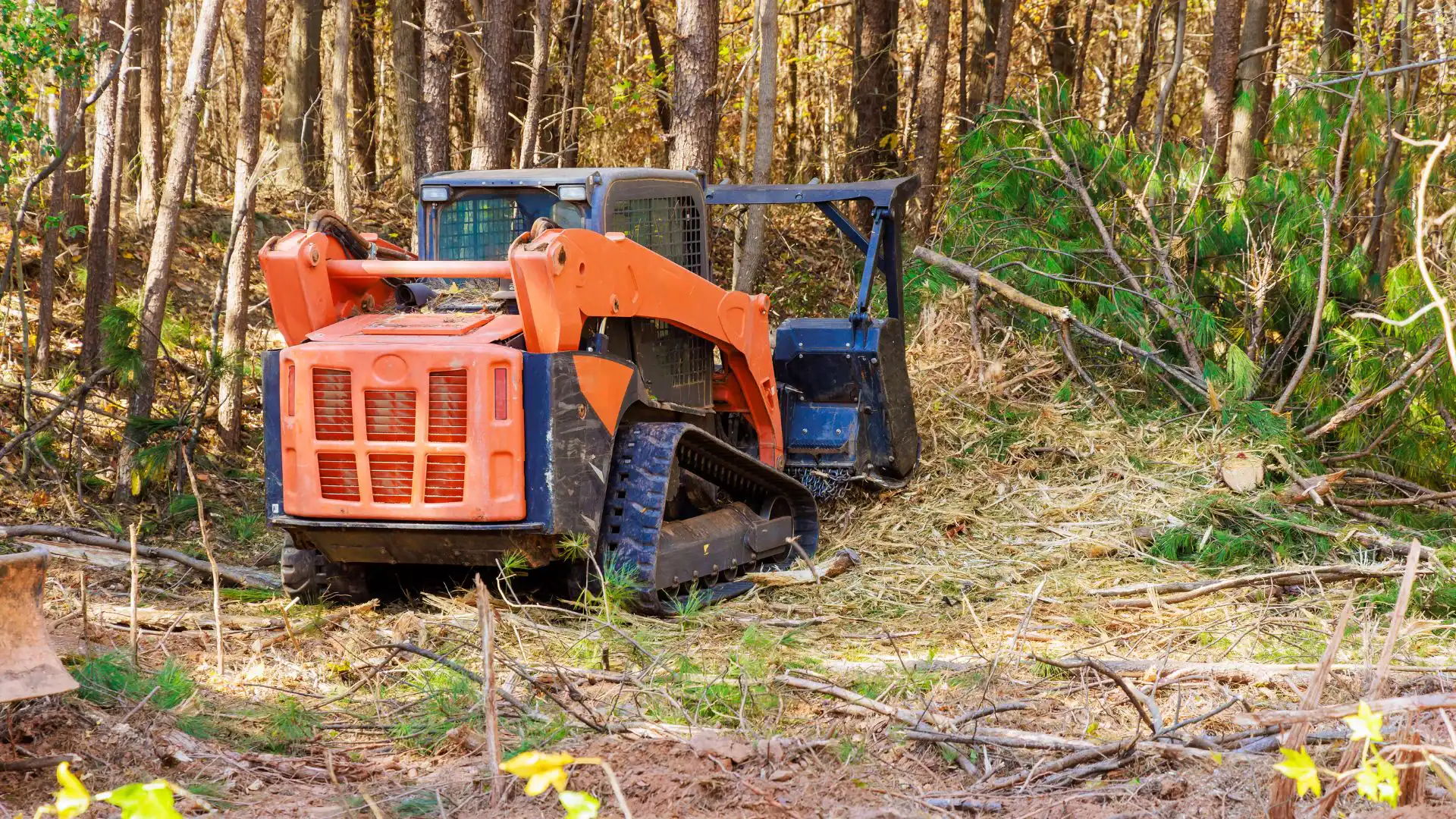
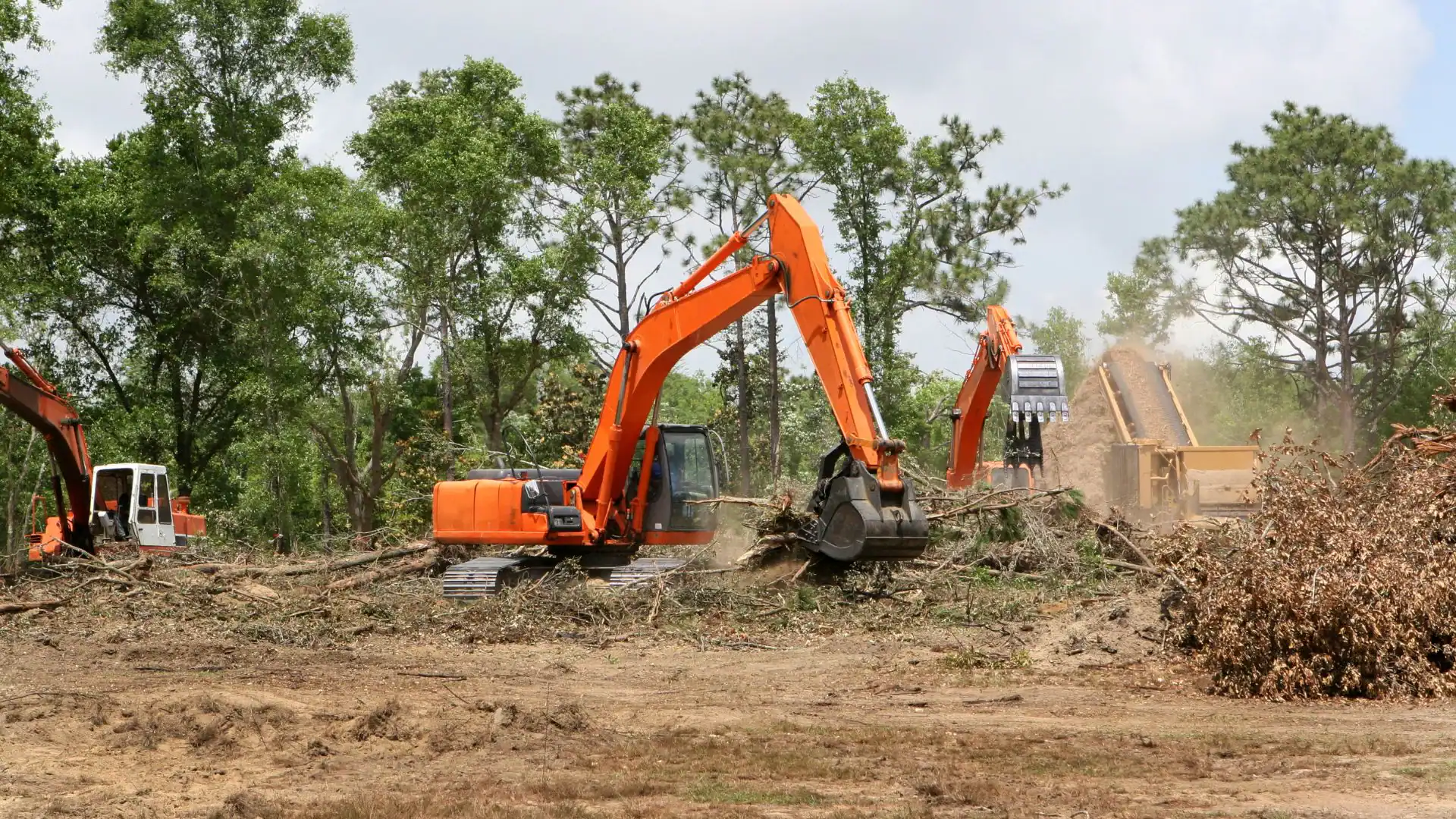
The clearing itself moves systematically: overgrown brush and vegetation first, then trees, then stump grinding if it’s in scope. Debris doesn’t get pushed to the fence line or left in a pile. It gets removed from the property entirely. When we’re done, the site is clean, accessible, and ready for whatever comes next whether that’s a builder, a landscaper, or just a yard you can actually use again.
Ready to get started?
Land clearing in West Islip isn’t a single-task job, and the scope varies significantly depending on where your property sits. For canal-front and bay-adjacent lots, vegetation removal often includes phragmites and other invasive species that require root-level treatment not just cutting to prevent aggressive regrowth. Phragmites in particular is pervasive along the South Shore waterway margins, and if it’s not handled correctly, it’s back within a season.
For inland West Islip lots, the typical scope involves brush clearing, tree removal, stump grinding, and full debris hauling. Many of these properties have mid-century housing stock with mature trees and established shrubs that have simply outgrown their original footprint. Lot clearing here is often the first step toward a pool installation, a renovation, or a landscaping overhaul and the goal is always the same: a clean, level site with nothing left behind that creates problems downstream.
Overgrown property clearing and land reclamation work are also part of what we do for properties that have been neglected or left unmanaged for years. Whether it’s a rear yard that’s become a thicket, a vacant lot that’s been abandoned, or a flood-prone property in the southern end of the hamlet that’s accumulated debris and dense growth, we assess it honestly and clear it completely. Every job includes a clear breakdown of what’s covered debris removal, stump grinding, permit coordination so there are no surprises when the work is done.
Yes, in most cases. The Town of Islip has a formal land clearing permit requirement written into its Subdivision and Land Development Regulations. This isn’t a gray area it’s a codified requirement that applies to the clearing of trees and brush on private property within the town. The permit application typically requires a survey map or scaled drawing showing the areas to be cleared, tree locations above a specified diameter, and other site-specific information. Clearing without it puts you at risk of enforcement action from the Town.
On top of the Town of Islip permit, if your property is near a canal, tidal wetland, or the Great South Bay, NYSDEC jurisdiction may also apply. The New York State Department of Environmental Conservation regulates vegetation removal within certain distances of tidal wetlands sometimes up to 300 feet from the wetland boundary depending on the activity. In those cases, a NYSDEC Tidal Wetlands Permit or a Letter of Non-Jurisdiction may be required before any clearing begins. We identify which approvals apply to your specific West Islip property before we quote the job, so nothing catches you off guard mid-project.
The honest answer is that it depends on what’s actually on the lot. A straightforward residential lot with light brush and a few trees is a very different job from a canal-adjacent rear yard overgrown with phragmites, mature volunteer trees, and years of accumulated growth. Lot size, vegetation density, stump count, debris volume, and access conditions all factor into the final number.
Most residential land clearing jobs in the West Islip area range from a few hundred dollars for a basic brush clearing scope to several thousand for a full lot reclamation with stump grinding and debris removal included. Waterfront and canal-adjacent properties sometimes carry additional cost related to permit coordination and the care required when working near regulated wetland boundaries. We provide itemized quotes that break out each component clearing, stumps, debris hauling, and any permit-related work so you know exactly what you’re paying for before anything starts. No line items that appear only on the invoice.
Phragmites australis common reed is one of the most aggressive invasive plants on Long Island’s South Shore, and it’s extremely common along the canal margins and waterfront rear yards throughout West Islip. It grows tall, spreads fast, and creates dense stands that crowd out everything else. The reason it keeps coming back after cutting is that simply removing the above-ground growth doesn’t address the root system. Phragmites spreads through an extensive underground rhizome network, and if that root stock isn’t treated, the plant regrows within a single growing season often more aggressively than before.
Effective phragmites removal requires a combination of mechanical removal and root-level treatment timed to the plant’s growth cycle. It also requires awareness of the regulatory environment, because phragmites removal near tidal wetlands can fall within NYSDEC jurisdiction. Doing it wrong or doing it without the right approvals can create legal exposure on top of an already frustrating problem. If you’ve got phragmites along your canal edge or rear yard, the solution isn’t just cutting it down. It’s a managed removal process that addresses the root cause.
It can, and for many West Islip properties it’s a meaningful part of why clearing gets done in the first place. The southern end of the hamlet particularly the low-lying areas closest to the Great South Bay has documented flooding issues, and overgrown vegetation is a real contributing factor. Dense brush, accumulated debris, and unchecked plant growth along drainage paths can trap water, slow runoff, and worsen the impact of heavy rain events or storm surge.
Clearing overgrown vegetation from a flood-prone lot improves surface drainage, reduces debris accumulation during storm events, and gives water somewhere to go rather than pooling against the structure. It’s not a replacement for engineered drainage solutions if the problem is severe, but for properties where neglected vegetation is compounding the issue, a proper clearing and reclamation job makes a visible difference. If your property has both drainage concerns and overgrown vegetation, we factor that into how we approach the clearing working with the site’s natural grade rather than against it.
Spring is the most popular window typically March through May because homeowners are preparing for summer construction and improvement projects. Pool installations, landscaping overhauls, and outdoor additions all tend to start in spring, and clearing is the first step in that sequence. If you’re planning a summer project, booking your clearing in late winter or early spring gives you the best chance of hitting your timeline.
Fall is a solid secondary window. Once leaf drop happens in October and November, visibility on wooded lots improves significantly, making it easier to assess what’s there and work through it efficiently. Ground conditions are also generally firmer in fall than in the wet spring thaw period. Winter clearing is slower to book but often has shorter wait times and can actually work well for properties with soft or low-lying ground, since frozen soil improves equipment access in areas that would otherwise be too wet to work. The one wildcard on the South Shore is storm season nor’easters and late-season hurricanes can create urgent clearing needs outside of any planned schedule, and we handle those as well.
The right question to ask any contractor before you hire them for a waterfront or canal-adjacent property in West Islip is simple: do you know what NYSDEC tidal wetlands jurisdiction means for this lot, and have you worked within it before? If the answer is vague or they pivot straight to price, that’s a signal. Working near tidal wetlands in Suffolk County without understanding the regulated setbacks and permit requirements is how homeowners end up with enforcement actions, mandatory restoration orders, and fines that cost far more than the original clearing job.
Beyond the regulatory piece, a contractor working near a canal or bulkhead needs to understand how to operate equipment without damaging the bulkhead structure, how to handle invasive species like phragmites without spreading root stock across the site, and how to clear vegetation near the water without destabilizing the bank. These are practical skills, not just permit knowledge. When you contact us for a canal-front property in West Islip, we walk the site before we quote it specifically to assess the waterfront conditions, identify the regulated boundaries, and tell you exactly what the job requires. That site visit is how you know the quote reflects reality.