
Hear from Our Customers
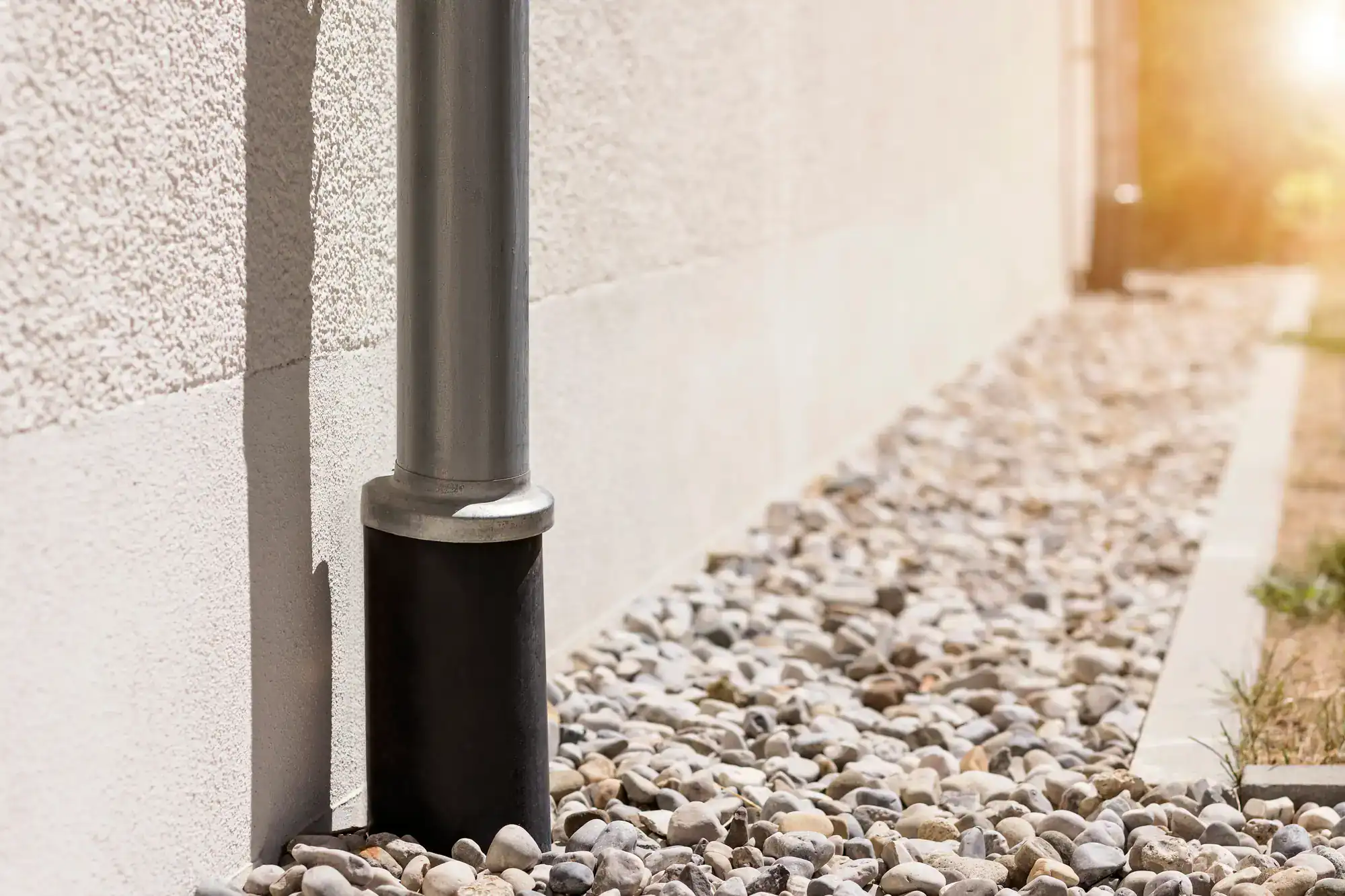
Most Wyandanch homes were built during the post-WWII suburban boom fast, affordable, and without the drainage engineering that would be required today. Sixty to seventy years later, the original grading has settled, the downspouts are overwhelmed, and the foundation is absorbing hydrostatic pressure it was never designed to handle. A properly installed French drain system intercepts that water before it ever reaches your home.
Wyandanch sits on the glacial outwash plain, and the soils here sandy loam on the surface, with subsurface clay layers documented in the Half Hollow Hills area create a drainage pattern that catches a lot of homeowners off guard. Water moves quickly through the sandy topsoil, hits a clay layer underneath, and then travels sideways. That lateral groundwater flow heads straight toward the nearest foundation wall. A French drain redirects it away from your home and toward a safe outlet before it ever becomes your problem.
The result isn’t just a dry basement. It’s a yard that drains after a storm, a foundation that isn’t under constant moisture pressure, and a home that holds its value in a market where Wyandanch property values have climbed steadily and continue to climb as the Wyandanch Rising revitalization matures. Foundation repair in the New York metro area runs $15,000 to $50,000. Mold remediation starts at $3,000 and rarely stops there. A French drain system installed correctly costs a fraction of that and lasts 30 to 40 years.
When you search for French drain installation in Wyandanch, most of what comes up is plumbers and cesspool companies. That’s not a knock on them it’s just not what they do. Drainage design requires a different set of skills: slope calculation, soil assessment, pipe specification, fabric selection, and outlet engineering. We do this work as a core service, not an add-on to a plumbing call.
We serve homeowners across western Suffolk County, including Wyandanch and the surrounding communities of Deer Park, North Babylon, West Babylon, and Wheatley Heights. We know the Town of Babylon’s permit process, we know what the outwash plain soils do to drainage systems over time, and we know how the new sewer infrastructure from the Wyandanch Rising project along Straight Path has shifted stormwater dynamics in the residential neighborhoods nearby.
You’re not calling a national chain. You’re calling a Long Island contractor who works in your community, understands your soil, and will be accountable after the installation is complete.
It starts with a site visit. Before anything gets quoted or scheduled, we walk the property, assess the grade, identify where water is entering or pooling, and look at what’s happening with the soil profile. In Wyandanch, that assessment includes checking for the subsurface clay conditions common in the Half Hollow Hills area and evaluating how the southward slope toward Belmont Lake State Park affects runoff on your specific lot. No two properties drain the same way.
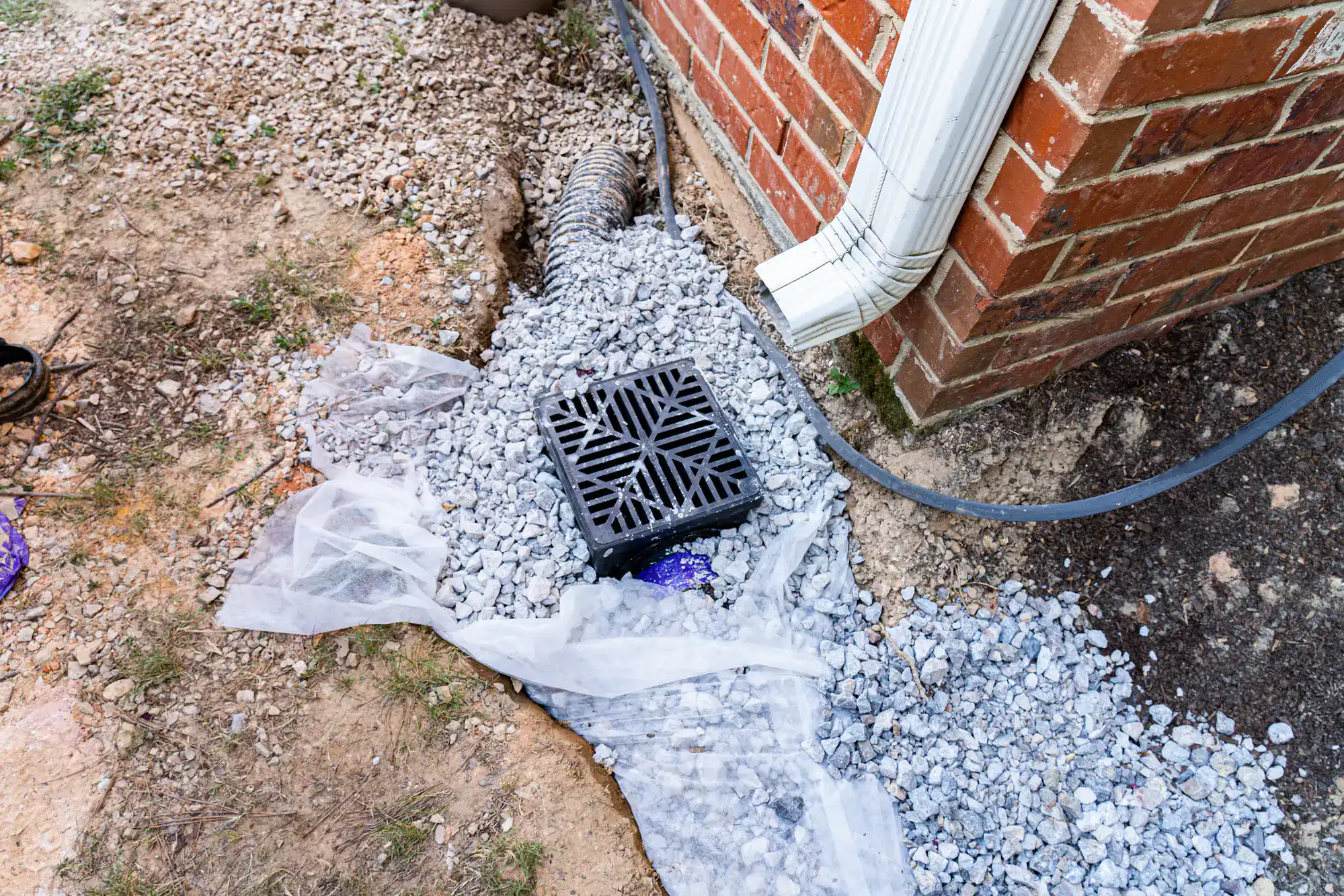
Once the assessment is done, we design the system pipe size, trench depth, slope, fabric specification, gravel type, and outlet location. In Wyandanch, we install pipe at the depth required to clear Long Island’s average frost line of 36 inches, because a pipe installed too shallow will freeze, crack, and fail in the first hard winter. We handle the Town of Babylon permit process and coordinate 811 utility marking before any excavation begins especially important in Wyandanch, where new utility lines have been installed as part of the downtown revitalization corridor.
Installation typically takes one to three days for a standard residential property. When the work is done, the trench is backfilled, the surface is graded, and topsoil and seed are restored. The goal is a finished yard that looks like the work was never there except that it drains now.
Ready to get started?
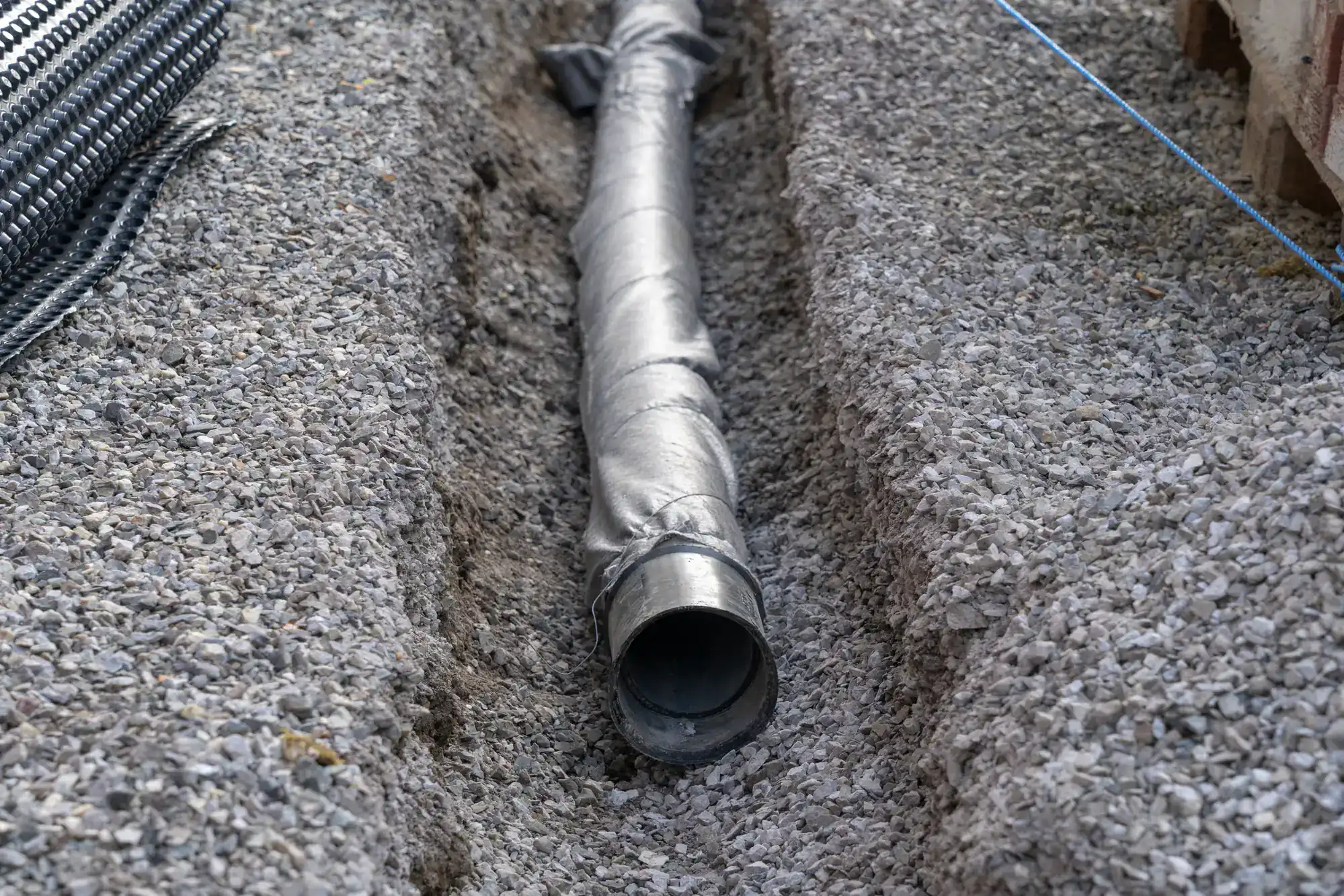
A French drain is a perforated pipe wrapped in geotextile filter fabric, set in a bed of washed angular gravel, and buried in a sloped trench that carries groundwater away from your home to a safe outlet. That’s the basic description. What separates a system that lasts 35 years from one that fails in three is every decision made along the way the fabric grade, the gravel specification, the pipe rating, the slope calculation, and the outlet design.
For Wyandanch properties, we account for the sandy loam and subsurface clay conditions that create lateral groundwater movement, the southward slope of the outwash plain, and the seasonal load that Long Island’s storm pattern puts on any drainage system particularly the late-summer nor’easters and tropical remnants that can drop three to five inches of rain in 24 hours. We also factor in the proximity to new impervious surfaces in the Wyandanch Rising development corridor, which can increase runoff volume for residential properties on adjacent streets near Straight Path and Long Island Avenue.
Every installation includes a written scope of work, itemized materials list, and clear outlet plan. There are no surprise charges after excavation begins. If site conditions reveal something unexpected, we communicate it before proceeding. The system is designed for your property specifically not pulled from a standard template.
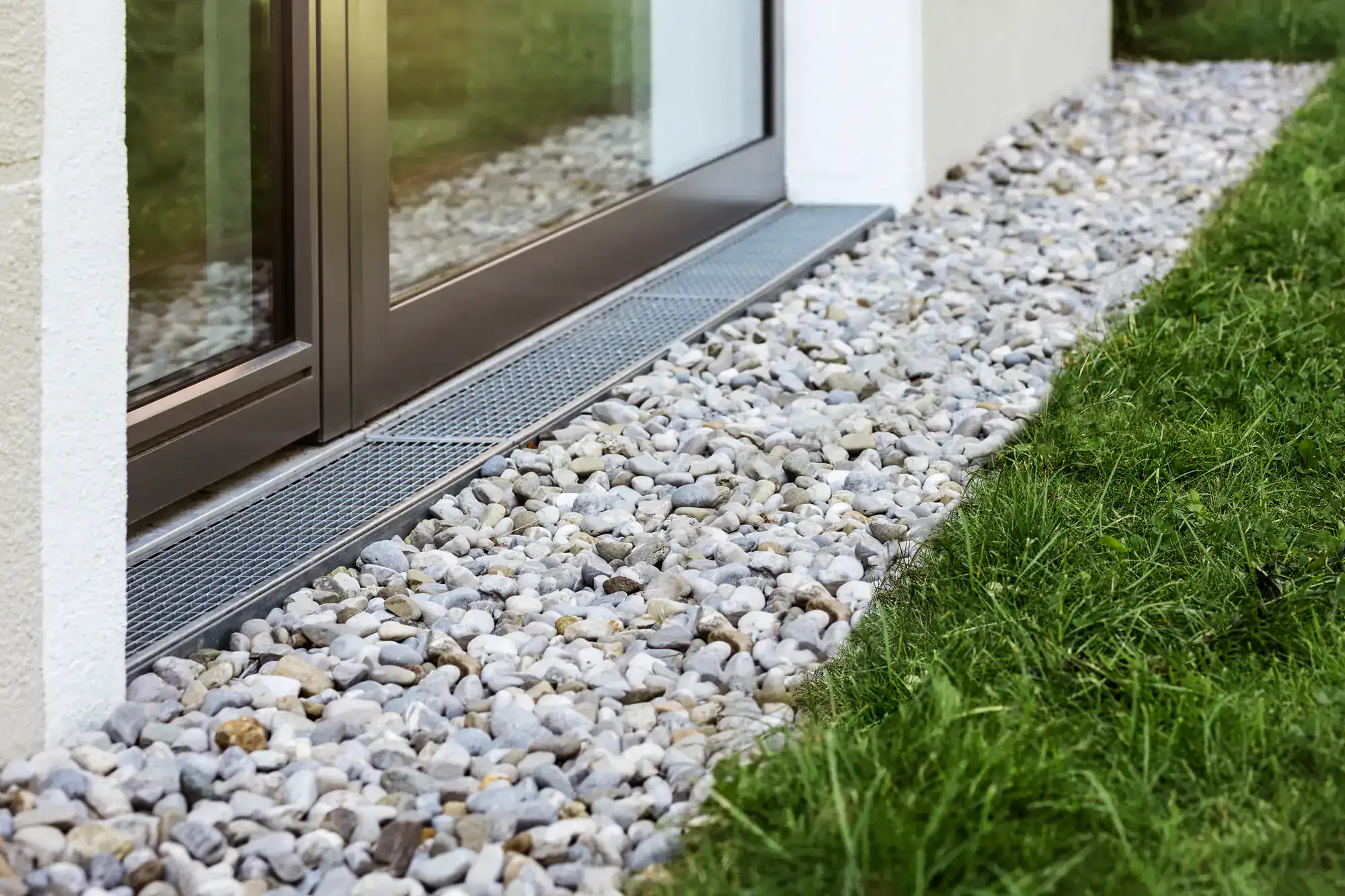
It depends on what’s causing the water problem. Some drainage issues can be addressed with regrading, downspout extensions, or improving surface runoff and if that’s all you need, we’ll tell you. But if you’re seeing water in your basement consistently after heavy rain, or your yard holds standing water for more than 24 to 48 hours after a storm, those are signs that surface fixes won’t solve the underlying problem.
In Wyandanch specifically, the combination of sandy loam topsoil over subsurface clay layers means water often appears to drain on the surface while continuing to move laterally underground toward your foundation. That lateral groundwater movement doesn’t respond to surface regrading. It requires a subsurface drainage solution which is exactly what a French drain system is designed to intercept. A site assessment is the only way to know for certain what your property needs, and it costs you nothing to find out.
Most residential French drain installations in the Wyandanch area fall somewhere between $5,000 and $12,000, depending on the length of the system, the complexity of the outlet design, and the site conditions. A straightforward yard drainage system on a standard lot will typically land in the lower end of that range. A more complex perimeter system designed to protect a foundation with significant hydrostatic pressure, or a property with difficult access or layered soil conditions, will run higher.
The number that matters most, though, is the comparison. Foundation crack repair and waterproofing in the New York metro area runs $15,000 to $50,000. Mold remediation starts at $3,000 and escalates fast once it spreads into wall cavities. A French drain system installed correctly with the right materials and the right slope lasts 30 to 40 years. Amortized over 35 years, a $7,000 system costs roughly $200 per year to protect a home that, in Wyandanch’s current market, is worth close to $400,000. That math is hard to argue with.
It can but only if it’s installed incorrectly. The most common cause of a frozen French drain is a pipe buried too shallow. On Long Island, the average frost depth is 36 inches. A pipe installed at 12 or 18 inches which happens with DIY installs and some quick-turnaround contractors sits well within the freeze zone. When the pipe freezes, it cracks or blocks, water backs up, and the system fails at the exact moment you need it most: late winter and early spring, when snowmelt combines with rain to create the highest groundwater pressure of the year.
We install pipe at depths appropriate for Long Island’s frost conditions, using pipe rated for the load and temperature environment present in Wyandanch’s soil profile. The outlet point is also designed to prevent standing water from pooling where it can freeze and create a blockage. Done right, a French drain handles Long Island winters without issue for decades.
Possibly, depending on the scope of the work. Drainage installations in Wyandanch fall under the Town of Babylon’s permitting jurisdiction, and certain projects particularly those that alter surface water flow, connect to municipal drainage infrastructure, or involve significant excavation may require a permit before work can begin. New York State law also requires all contractors to call 811 before any excavation to have underground utilities marked, and in Wyandanch this is especially important given the new utility lines installed as part of the Wyandanch Rising development along the Straight Path corridor.
We handle the permit determination and application process as part of every installation. We coordinate all 811 utility marking before a shovel goes in the ground. You don’t need to figure out which forms to file with the Town of Babylon or which county agencies to notify that’s our job. If a permit is required for your project, we’ll handle it and factor the timeline into the schedule so there are no delays once work begins.
A French drain installed with the correct materials and proper technique should last 30 to 40 years. The two most common reasons systems fail early are silt infiltration and improper slope. Silt infiltration happens when the geotextile filter fabric used to wrap the pipe is too thin or the wrong grade fine soil particles work their way through the fabric over time, clog the perforations in the pipe, and the system gradually loses its ability to move water. Improper slope causes water to sit in the pipe rather than drain toward the outlet, which accelerates sediment buildup and creates freeze risk in winter.
In Wyandanch’s sandy loam soil environment, fabric selection is particularly important because the fine sandy particles that make up the outwash plain soils are exactly the type of material that will infiltrate a low-grade fabric over time. We use double-punched geotextile fabric rated for the specific soil gradation present on your property, combined with washed angular gravel that maintains void space around the pipe. These aren’t upgrades they’re the baseline standard for a system built to last.
For most older Wyandanch homes, yes and often it’s the most effective solution available. The homes built here during the post-WWII suburban boom were constructed quickly, without the drainage engineering standards applied today, and their foundations have been absorbing groundwater pressure for 60 to 70 years. The issue in most of these homes isn’t surface water coming in through a crack it’s hydrostatic pressure building up in the soil around the foundation wall until water finds the path of least resistance, which is usually a joint, a crack, or a porous section of the block or poured wall.
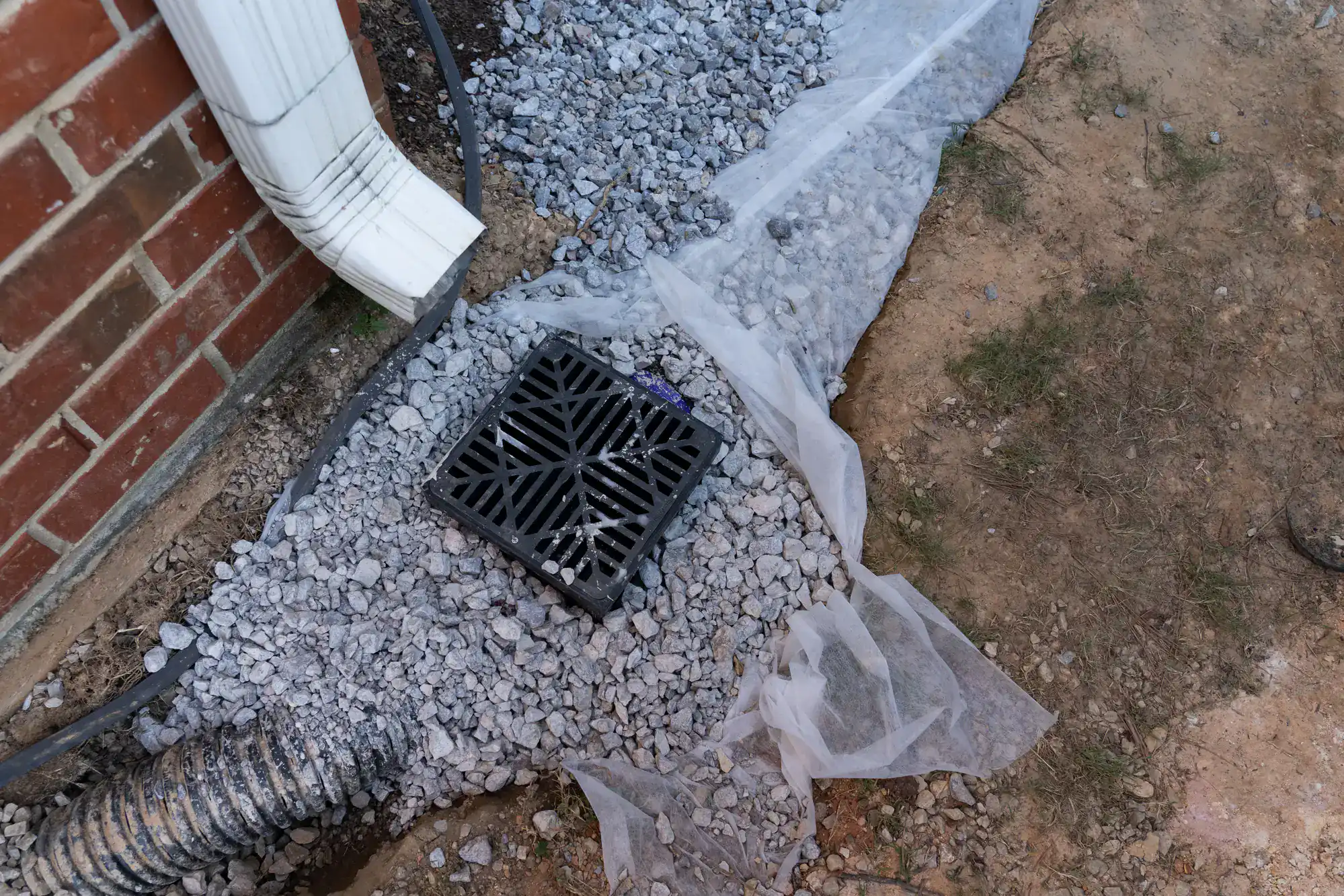
An exterior French drain system installed around the perimeter of the foundation intercepts groundwater before it ever reaches the wall, eliminating the pressure that drives water through. This is a fundamentally different approach from interior waterproofing systems, which manage water after it’s already inside. If your Wyandanch home has a wet basement that gets worse after heavy rain or during spring snowmelt, an exterior French drain is typically the most direct and permanent solution and it addresses the cause rather than the symptom.