Hear from Our Customers
When your yard drains the way it should, a lot of other problems stop happening. Water stops sitting against your foundation. Your lawn actually holds seed. The grade that’s been slowly shifting toward your house for the last thirty years stops being a liability and starts being a non-issue.
For most homes along the residential streets off Straight Path and Mount Avenue in Wyandanch, that kind of result isn’t something a bag of topsoil from the hardware store is going to deliver. These are post-war homes built fast during the 1950s and 60s when the Town of Babylon’s population exploded and the original grading was minimal at best. Decades of settling, freeze-thaw cycles, and compacted Long Island soil have done real damage to yards that were never engineered to modern drainage standards in the first place.
The practical outcome of professional landscape grading and lawn restoration isn’t just a better-looking yard. It’s a property that holds its value in a community that’s actively on the rise. The Wyandanch Rising initiative has brought over $600 million in investment into this hamlet. New housing, a rebuilt LIRR station, new infrastructure the neighborhood is changing. A yard that reflects that investment is worth protecting.
Most companies that show up when you search for landscaping in Wyandanch are maintenance crews mowing, trimming, cleanup. That’s a real service, but it’s not what you need when your yard has a drainage problem, an uneven grade, or a lawn that’s been struggling for years despite every product you’ve tried.
We’re a landscape contractor, not a lawn care service. That distinction matters. We bring the equipment and the expertise to handle grading, property leveling, yard renovation, and full lawn restoration the kind of structural work that actually fixes the root cause instead of treating the surface. We work throughout Suffolk County and know the specific conditions that come with Wyandanch and the Town of Babylon’s older residential neighborhoods.
If you’re a long-term homeowner who’s been putting this off, or a new resident who just moved in through one of the Wyandanch homebuyer programs and wants to start fresh this is the kind of work we do.
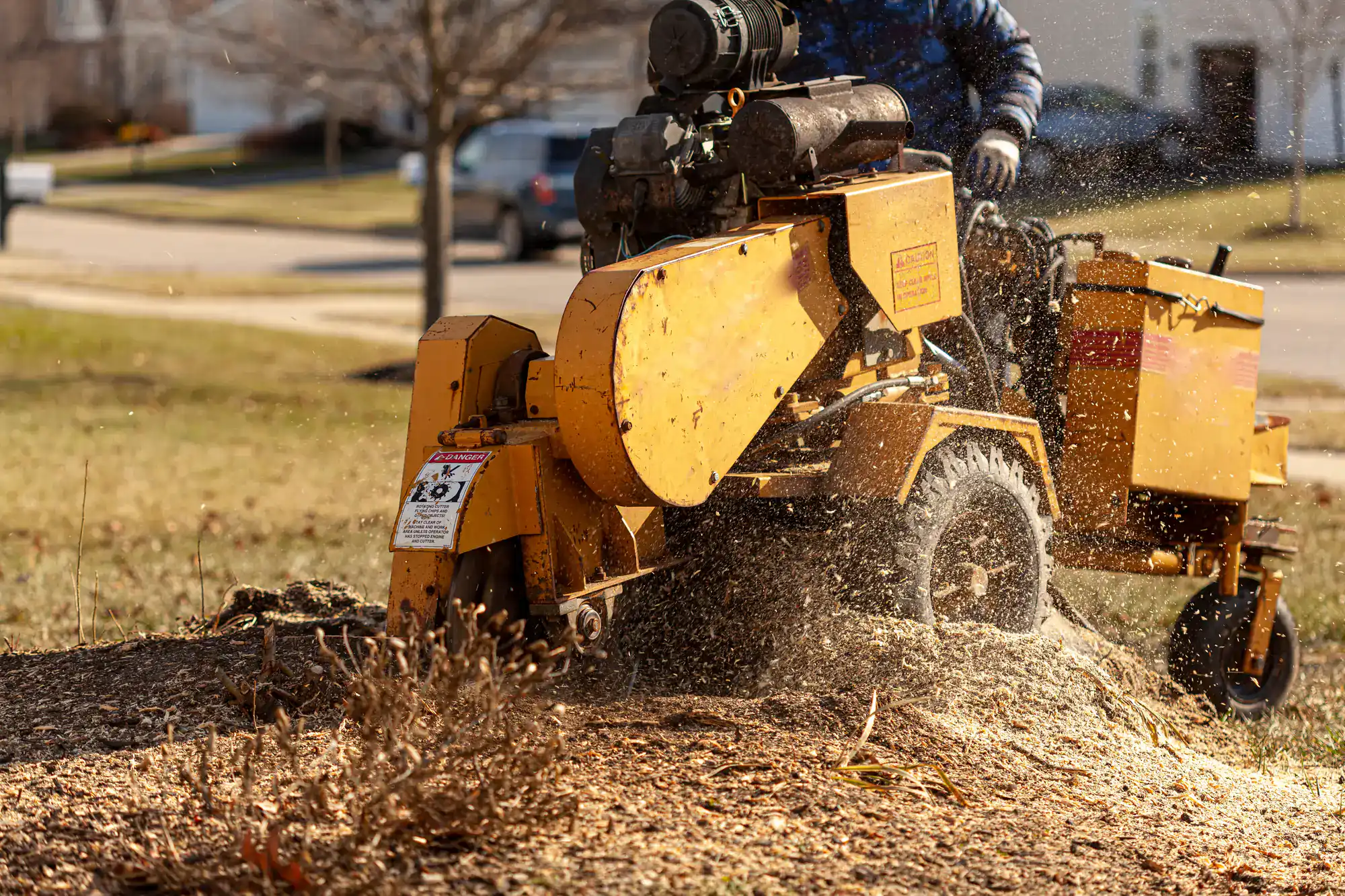
It starts with a site assessment. Before anything is quoted or scheduled, we walk the property and look at what’s actually going on where water is moving, where the grade has shifted, what the soil conditions are, and whether there are drainage corrections that need to happen before any restoration work begins. On a post-war lot in Wyandanch, that assessment usually tells us more than the homeowner expected.
From there, we put together a clear scope of work with a written quote. If the project involves significant grading or land disturbance, we’ll walk you through what the Town of Babylon’s permitting requirements look like because Wyandanch is an unincorporated hamlet and all permits run through the Town of Babylon Building Division, not a village code office. That’s something a lot of homeowners don’t know until it causes a delay on a project they thought was ready to start.
Once work begins, you’ll know what’s happening each day and what comes next. Grading and leveling come first, then drainage corrections if needed, then soil preparation, then seeding or sodding depending on the condition of the lawn. Fall is the strongest season for lawn restoration on Long Island cooler temperatures and consistent rainfall give new seed the best possible chance to establish before winter. We’ll time the work to give your property the best outcome, not just the fastest turnaround.
Ready to get started?
The landscaping services we deliver in Wyandanch are shaped by what these properties actually need. That means landscape grading and property leveling for yards where the original grade has shifted over sixty-plus years of settling and freeze-thaw cycles. It means lawn restoration that starts with soil assessment because Long Island’s glacially deposited soils compact over time, and compacted soil repels water instead of absorbing it. Throwing seed on top of that without addressing the ground underneath is why so many Wyandanch lawns look the same every spring despite repeated attempts to fix them.
Yard renovation services here often include drainage correction as part of the scope redirecting surface water away from foundations on homes that were built before modern drainage standards existed. We also handle full outdoor renovation work for homeowners who want to take a neglected or overgrown property and bring it back to something functional and clean.
Every project gets a written contract with a defined scope, clear milestones, and a payment structure that protects you. No deposit-and-disappear situations. No vague timelines. If you’re in the Wyandanch area whether you’re near the LIRR station corridor, off Long Island Avenue, or in one of the surrounding streets that feed into Deer Park or West Babylon you’ll get the same standard of work and the same level of communication.
It depends on the scope of the work. Because Wyandanch is an unincorporated hamlet, all permits are issued through the Town of Babylon Building Division there’s no separate village code office handling this. For basic lawn restoration, seeding, or minor grading, a permit typically isn’t required. But if the project involves significant land disturbance, changes to drainage patterns, or excavation work, the Town of Babylon may require a permit before work begins.
Suffolk County also has stormwater management regulations that apply when work alters how water moves across a property. A contractor who doesn’t know these requirements can inadvertently put you in violation which means stop-work orders and delays that cost more than the permit would have. We walk every Wyandanch homeowner through what their specific project requires before a shovel hits the ground, so there are no surprises mid-project.
This is one of the most common frustrations we hear from homeowners in Wyandanch and across Long Island, and the answer almost always comes back to the soil. Long Island’s soil is glacially deposited a mix of sandy loam and compacted subsoil that, on older residential properties in Wyandanch, has been compacted further by decades of foot traffic, lawn chemicals, and neglected maintenance. Compacted soil doesn’t absorb water the way it should. It repels it. And when water runs off instead of soaking in, seed can’t establish properly regardless of the variety or the season.
On top of that, many Wyandanch properties have drainage issues that create either too much moisture in low spots or too little in elevated areas both of which stress new grass before it can root. Real lawn restoration starts with fixing the ground conditions first: aerating, amending the soil, correcting the grade if needed, and then seeding or sodding in a way that gives the grass an actual chance. That’s a different process than spreading seed and hoping for the best, and it’s why the results last.
Landscape grading is the process of reshaping the slope and elevation of your yard so that water flows away from your home’s foundation and drains correctly across the property. Every yard has a grade the question is whether it’s working in your favor or against you. On post-war homes in Wyandanch and the broader Town of Babylon area, the original grading was often minimal, and sixty-plus years of settling, tree root growth, and freeze-thaw cycles have shifted it further.
Signs that your property needs grading include water pooling in your yard after rain, water collecting near your foundation, soil erosion on slopes, or areas that stay consistently wet or muddy. These aren’t just cosmetic issues water that sits against a foundation causes settling, cracking, and moisture intrusion that compounds over time. Professional landscape grading services correct the underlying problem instead of managing the symptoms, and on a property where this has been building for decades, the difference is significant.
Costs vary depending on the size of the property, what the existing conditions look like, and what the project actually requires. A straightforward lawn restoration soil preparation, aeration, and overseeding on a standard residential lot typically runs less than a full yard renovation that includes grading corrections, drainage work, and new sod or seeding. The two are different scopes of work and shouldn’t be priced the same way.
What we can tell you is that the cost of not addressing drainage and grading problems tends to be significantly higher over time. Foundation water damage, erosion, and repeated failed attempts at DIY lawn repair add up. Professional landscaping services also return real value at resale the National Association of Realtors puts standard lawn care ROI at 217% at resale, and proper grading as part of a project adds 5% to 12% to property value. In a community where Wyandanch Rising is actively driving property values upward, that return is happening in real time. We provide written quotes with a clear scope before any work begins, so you know exactly what you’re investing in.
For lawn restoration specifically, fall is the strongest window on Long Island typically mid-September through October. Cooler temperatures reduce heat stress on new seed, and Long Island’s fall rainfall pattern supports germination and root establishment before the ground freezes. Grass established in fall goes dormant over winter and comes back strong in spring, which is a very different outcome than seed put down in July during peak heat.
For grading and property leveling, the work can be done in most seasons, including milder winters. Spring is when most homeowners start calling because that’s when drainage problems become visible yards that pooled all winter, frost heave that shifted previously level surfaces, and lawns that didn’t survive the cold. The honest advice is to schedule before spring if you can, because contractors fill up quickly once the season turns and the demand hits all at once. Getting on the calendar early means your property is ready when the growing season starts.
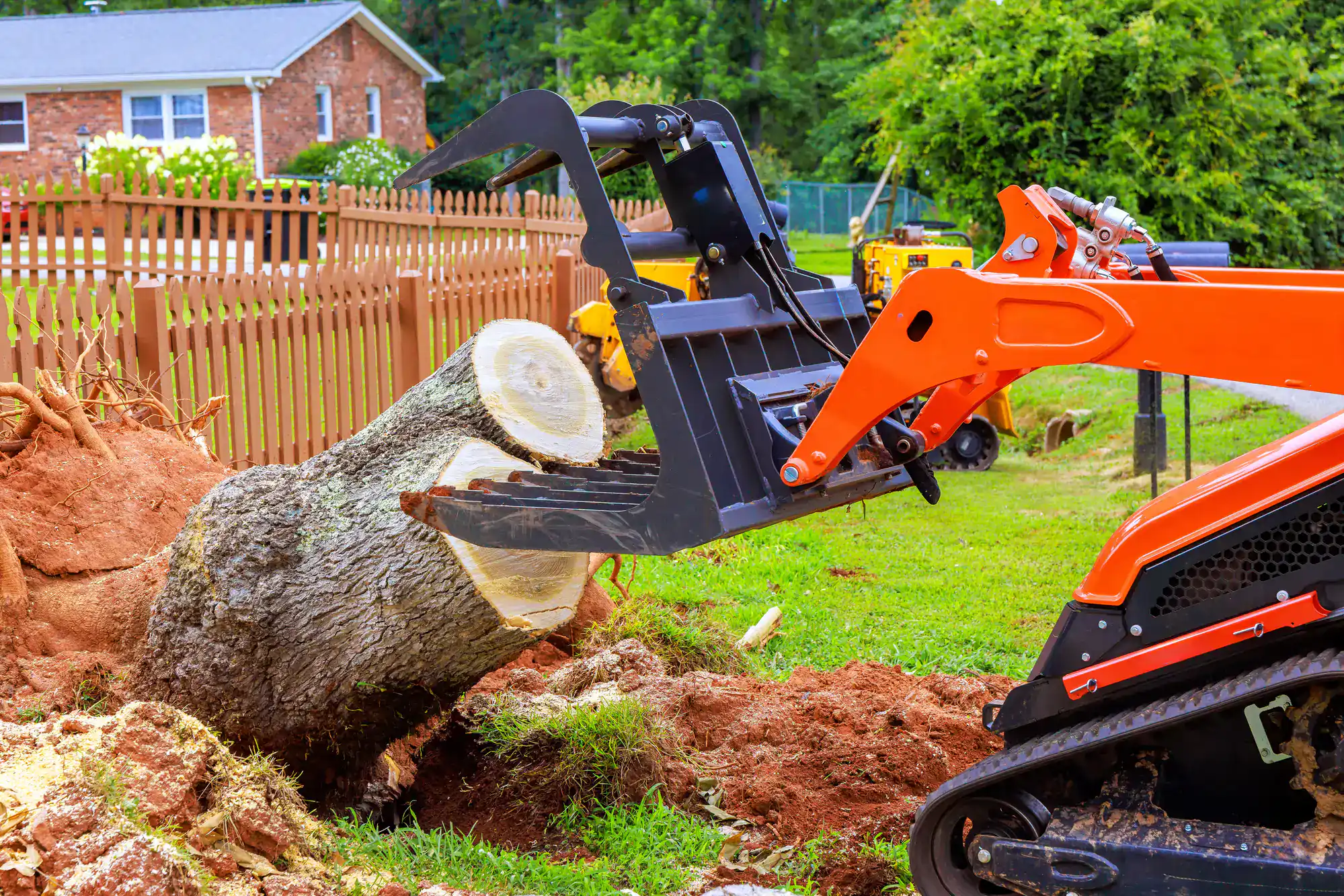
This is a fair question, and it matters more for grading and leveling than it does for basic lawn care. Grading work requires real equipment bulldozers, excavators, bobcats and the expertise to use them without making drainage problems worse or disturbing underground utilities. A crew that handles mowing and cleanup is not the same as a landscape contractor equipped for structural land work, even if both describe themselves as landscaping companies.
When you’re vetting a contractor for this type of work in Wyandanch, ask specifically whether they carry general liability insurance and whether they’re familiar with the Town of Babylon’s permitting process for grading and land disturbance. Ask for a written scope of work and a contract before any deposit changes hands. Ask what equipment they’ll be bringing to the job. A qualified contractor will answer all of those questions clearly and without hesitation. One who gets vague or pushes you to start without paperwork is a red flag and in a market where the ghost-contractor problem is real, those questions protect you before the work begins.