
Hear from Our Customers
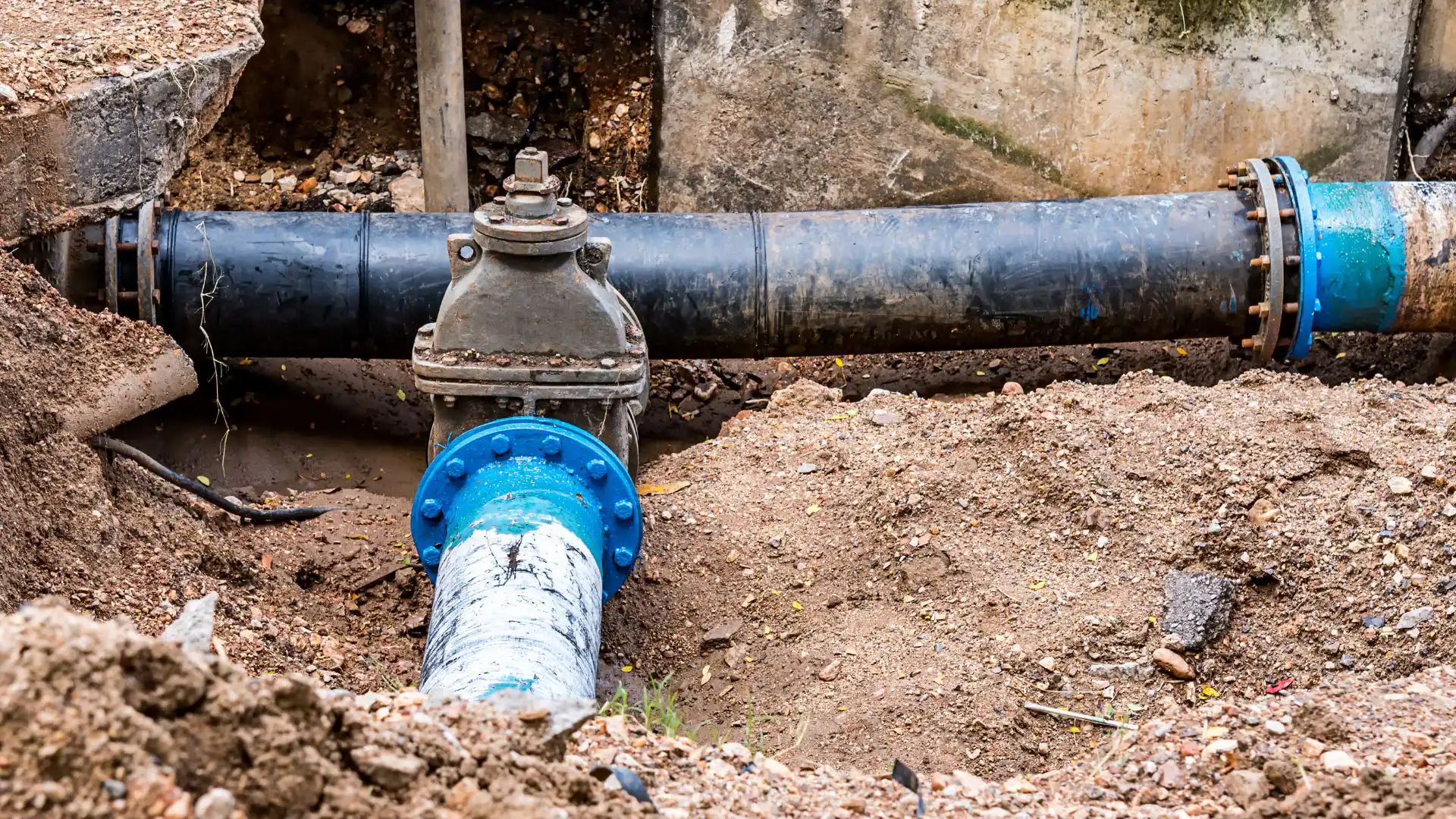
When drainage works the way it should, you stop watching the forecast with dread. No more soggy patches that kill the grass, no more water sitting against your foundation, no more kids stuck inside because the backyard is a swamp after every nor’easter or summer storm. That’s what a properly designed drainage system actually delivers and it’s more achievable than most Wyandanch homeowners realize.
Here’s what makes drainage in Wyandanch a different challenge than it is in other parts of Long Island. The lower Half Hollow Hills area has a documented history of clay-heavy soil the same clay that once fueled a brick-making industry producing over 1.6 million bricks a year right here in this hamlet. Clay doesn’t drain. It holds water near the surface, stays saturated for days, and makes even a moderate rainstorm feel like a flood. A drainage system designed without accounting for that soil profile will underperform. Every assessment we do here starts with what’s actually in the ground.
The other factor worth knowing: Wyandanch’s housing stock is largely post-war, built in the 1940s through 1960s. Those homes were built with drainage infrastructure designed for a different era smaller storms, less impervious surface, and a lot fewer decades of wear. After 60 to 80 years, those systems are often clogged, undersized, or just gone. If your yard has been getting worse over time, that’s usually why. With median home values in Wyandanch now sitting above $396,000, protecting that investment with proper yard drainage services isn’t optional anymore.
We’re Gold Coast Landworks, a landscape drainage company serving Wyandanch, Wheatley Heights, and the broader Town of Babylon area. We’re not a plumbing company that occasionally digs a trench. Drainage is our core work assessing how water moves across your property, finding where it’s failing, and installing a system that actually solves it.
We know this area. We know the clay-and-sand soil conditions in the lower Half Hollow Hills where Wyandanch sits. We know what the ongoing Wyandanch Rising development near the LIRR station has done to stormwater flow in surrounding residential blocks. We know what aging drainage infrastructure looks like in a home built in 1958. That context changes how we approach every job and it’s the difference between a system that works and one that looks right but doesn’t hold up through a real Long Island storm.
Every project starts with an honest site assessment, a written quote, and a clear scope before any work begins. No surprises on the back end.
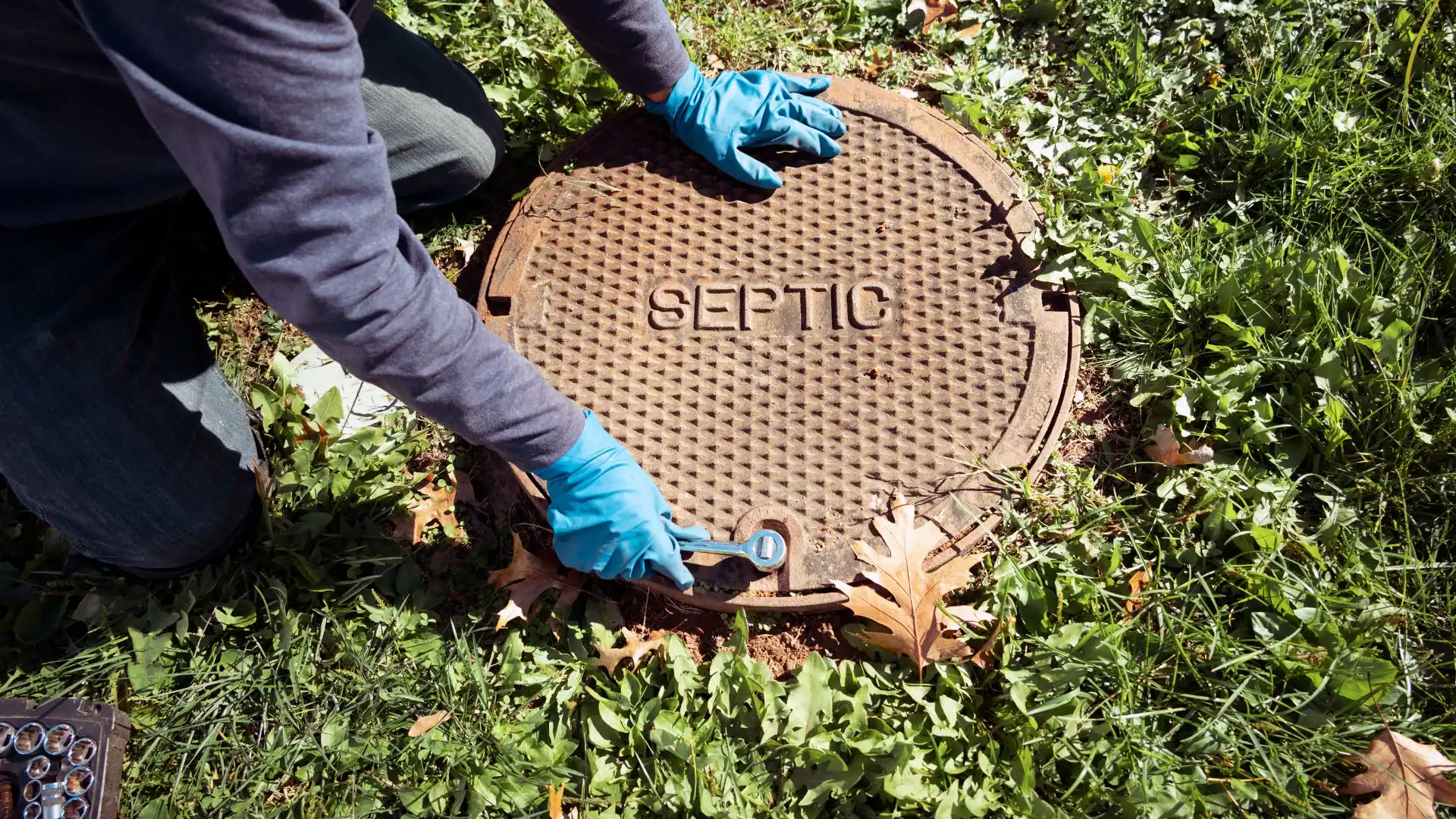
It starts with a site assessment. Before anything is recommended, we walk the property and map how water is actually moving where it’s coming from, where it’s going, and where it’s getting stuck. In Wyandanch, that often means tracing water back to a source that isn’t obvious from the surface: a grading issue, a failed original drain from decades ago, or a shift in stormwater flow caused by nearby construction activity around the Wyandanch Rising development. We find the cause, not just the symptom.
Once we understand what’s happening, we design a system around it. That might mean a French drain, a catch basin, a dry well, surface regrading, or a combination of several approaches working together. The right answer depends on your specific lot, your soil conditions, and how much water your property needs to handle. We’ll explain what we’re recommending and why before a single shovel goes in the ground.
Installation is handled cleanly and efficiently. Because Wyandanch lots tend to be smaller and more tightly developed, we work carefully around existing landscaping, driveways, and structures. When the job is done, your yard is restored not just functional, but looking like the work was done right. Any drainage work that involves structural components or connections to municipal infrastructure may require a permit from the Town of Babylon Building Department, and we handle that coordination as part of the project.
Ready to get started?
The drainage systems we install are designed around the specific conditions on your property not a one-size approach that gets applied regardless of what’s actually going on. In Wyandanch, that means accounting for clay-influenced soil that slows infiltration, older homes where the original drainage has aged out, and in some cases, the stormwater disruption that large-scale development near the LIRR station has introduced into surrounding neighborhoods.
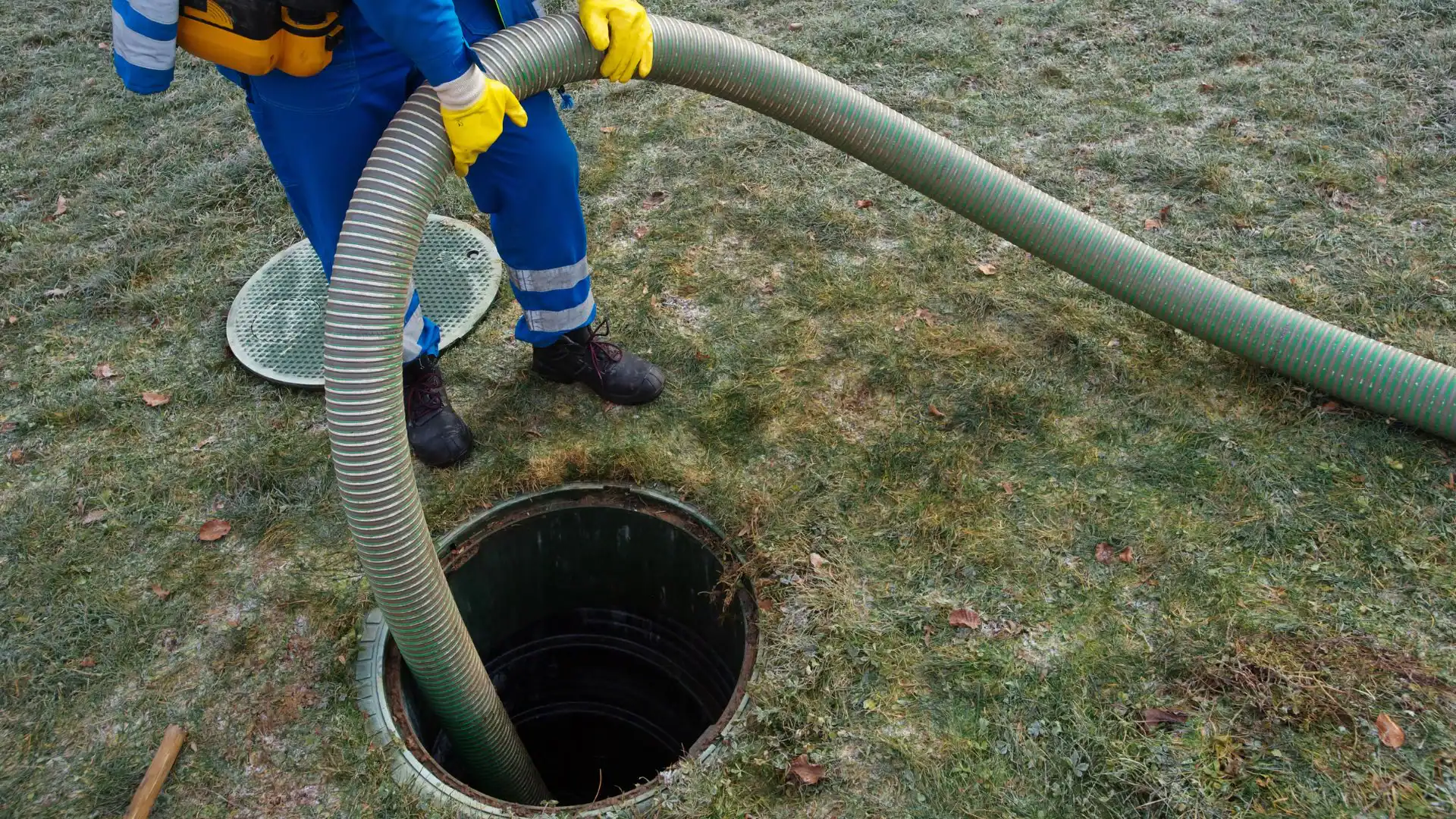
French drains are one of the most common solutions we install perforated pipe surrounded by gravel, buried at a depth that intercepts water before it reaches the surface or your foundation. Catch basins collect surface runoff at low points and channel it away. Dry wells give collected water a place to disperse safely underground. Channel drains handle concentrated flow along driveways or patio edges. In many Wyandanch properties, the right answer is a combination a system where each component handles a specific piece of the water problem so nothing is left to chance.
The goal in every case is the same: water goes where it’s supposed to go, and stays there. If you’re near Geiger Lake or in the lower-lying sections of Wyandanch where the water table runs closer to the surface, we factor that into the design too. A drainage system that ignores groundwater conditions in an area like this won’t perform the way it should.
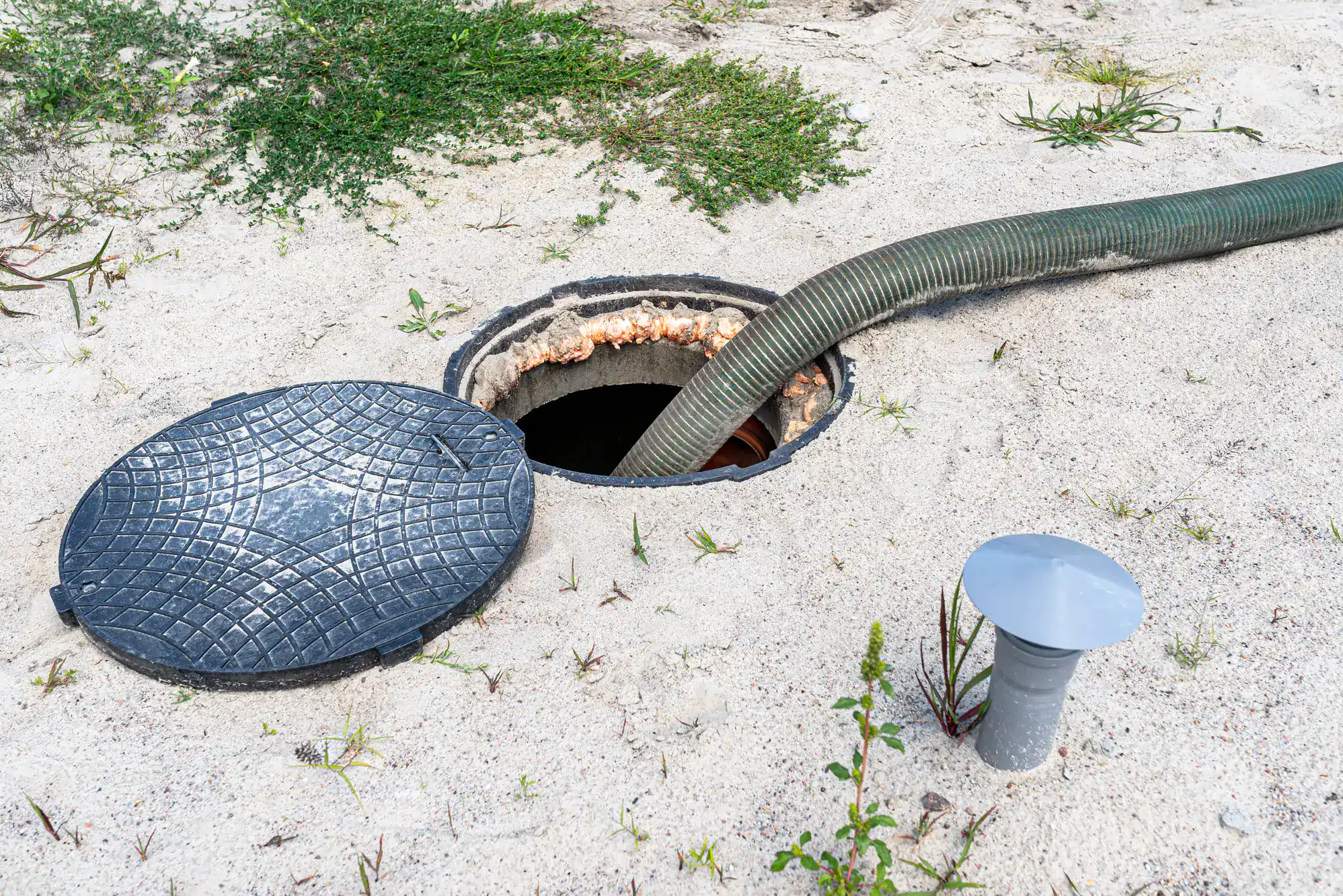
The most common reason is soil. The lower Half Hollow Hills area where Wyandanch sits has a clay-and-sand soil profile the same clay historically used for brick manufacturing right here in the hamlet. Clay doesn’t absorb water quickly. It holds moisture near the surface, drains slowly, and keeps your yard saturated long after the rain stops. That’s not a lawn care problem it’s a drainage problem, and it won’t get better on its own.
The second common reason is infrastructure age. Most homes in Wyandanch were built in the 1940s through 1960s, and whatever drainage systems they were built with are now 60 to 80 years old. Root intrusion, sediment buildup, and simple deterioration over time means many of those systems are no longer functioning. If your drainage issues have been getting progressively worse, a failing original system is often the explanation. A site assessment will tell you exactly what’s happening.
A plumber handles what happens inside your pipes clogs, breaks, backups, water pressure. If water is pooling in your Wyandanch yard after a storm, a plumber can’t fix that. That’s a land drainage problem, and it requires a completely different approach: assessing how water moves across and through your property, identifying where the system is failing, and installing the right combination of grading, drainage structures, and subsurface systems to move water away from your home.
Most providers that show up in local search results for drainage services in Wyandanch, NY are plumbing or sewer companies. None of them offer French drain installation, catch basin installation, yard grading for drainage, or surface water management. If you’ve already called a plumber and been told “that’s not a pipe problem,” that’s correct and it’s exactly the kind of problem we at Gold Coast Landworks are built to solve. Landscape drainage is a specialized discipline, and the diagnosis matters as much as the installation.
Most residential drainage installations fall in the range of $2,145 to $7,163, with more complex systems particularly those involving multiple components or difficult soil conditions running higher. French drain installation typically runs $10 to $50 per linear foot, and can reach $100 per linear foot for deeper or more involved installations. In Wyandanch specifically, clay-heavy soil conditions can add complexity to installation, since the system needs to be engineered to handle slower infiltration rates than you’d find in sandier south shore communities.
The more important number to hold onto is this: foundation repairs from water damage typically cost $23,000 to $48,000. One inch of floodwater causes an average of $27,000 in home damage. With Wyandanch median home values now above $396,000, the math on proper drainage investment is straightforward. Every written quote from us includes a clear scope of work and a fixed price no estimates that shift after the job starts.
It depends on the scope of the work. Most basic yard drainage improvements surface regrading, installing a French drain that doesn’t connect to municipal infrastructure typically don’t require a permit. But if the project involves structural drainage components like catch basins, dry wells, or any connection to the Town of Babylon’s stormwater system, a building permit from the Town of Babylon Building Department is likely required. New York State SPDES regulations also apply to projects involving significant land disturbance, though most residential drainage projects fall well below the one-acre threshold that triggers that requirement.
The short answer: don’t assume either way. Permit requirements in the Town of Babylon depend on the specific system being installed and where it connects. We handle permit coordination as part of the project when it’s required you don’t need to navigate the Town of Babylon Building Department on your own. We’ll identify what’s needed during the assessment phase so there are no surprises before work begins.
Yes and it’s more common than most homeowners realize. The $500 million Wyandanch Rising transit-oriented development around the LIRR station has introduced significant new impervious surfaces into the downtown area: parking structures, commercial buildings, plazas, and hardscaped public spaces. Large-scale construction at that level changes how stormwater moves through a neighborhood. Water that previously dispersed across undeveloped or lightly developed land now runs off faster and in greater volume, and that can redirect flow patterns in ways that directly affect adjacent residential properties.
If you live in the blocks surrounding the Wyandanch Rising development and have noticed drainage problems that started or worsened in recent years water pooling in places it never did before, runoff coming from a direction that doesn’t make sense that’s worth investigating. A proper site assessment maps the full water flow picture across your property, including what’s happening at the neighborhood level, not just on your lot. We’ve seen this pattern before, and designing around it is something we factor into systems we install near active development zones.
Fall is often the best window and it’s underutilized by most homeowners. The ground is still workable, contractor availability is better than in peak spring season, and a system installed in October or November is fully in place before the next wet season hits. Long Island’s nor’easters and heavy spring rain events are when drainage systems earn their keep, and having yours installed before that window gives you a full season of protection from day one.
Spring is the highest-demand period because that’s when drainage problems are most visible snowmelt combined with heavy April rain makes every weak point obvious. But that’s also when scheduling gets tight and lead times stretch. If you’re watching your yard flood right now, we’ll get to you as soon as possible regardless of season. But if you’re in the planning stage and your drainage situation is manageable for now, fall installation in Wyandanch gives you the best combination of timing, availability, and readiness heading into the wet months ahead.